Support

Junin

About

Junín is a picturesque and welcoming city located in the heart of the fertile pampas of Buenos Aires Province. Situated approximately 260 kilometers west of the capital, it offers travelers a unique opportunity to experience the authentic atmosphere for which Argentina is so famous. Thanks to its fortunate location on the banks of the Salado River and its proximity to a system of natural lagoons, the city has become a true oasis for nature lovers and fans of peaceful outdoor recreation.

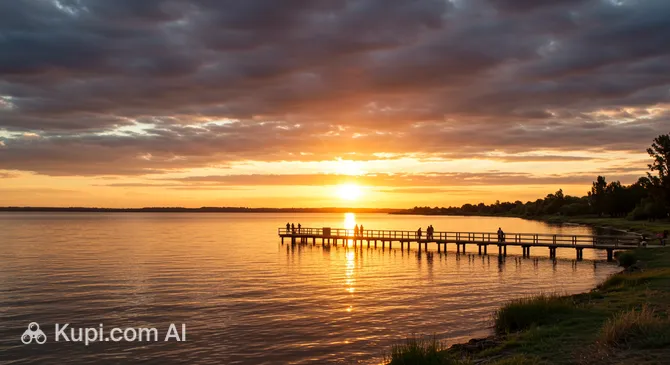
Junín. Illustration.
Source: Kupi.com AI

Today, Junín is home to more than 85,000 people, making it an important economic and cultural hub for the region. Modern urban comfort and a relaxed provincial lifestyle intertwine here in a wonderful way. Life buzzes in the streets, where bustling markets sit alongside cozy cafes, and green squares invite visitors for leisurely strolls. The interesting history of Junín is reflected in its architecture and local traditions, creating the unique character that guests of the city value so much.

The opportunities for active tourism give the region a special appeal. The local lagoons, especially the popular Laguna de Gómez, attract fans of fishing and water sports from all over the country. If you are looking for a place to relax your soul, enjoy beautiful landscapes, and immerse yourself in the friendly environment of the South American heartland, a trip to Junín is an excellent choice.

Weather Overview

The climate in this region can be described as temperate, which makes traveling comfortable almost any time of year. Summer, which lasts from December to February, delights with warmth: the average temperature in January is 24.2°C, and during the daytime, the air often warms up to 29.7°C. This is the most popular season for tourists, although humidity should be considered—up to 9 rainy days per month are recorded during this period.

The winter season (June-August) brings freshness and coolness, but severe frosts are rare here. The coldest month is July with an average temperature of 10.3°C and night minimums around 5.6°C. Expect a warm summer with occasional rains and cool, drier winters when the number of days with precipitation drops to four. The current weather in Junín will help you more accurately plan your wardrobe and holiday schedule before your trip.

Average monthly temperature

Average monthly precipitation

Interesting Facts

Beyond its main attractions, Junín holds many fascinating secrets that make it a truly special place. This city will surprise you not only with its landscapes but also with its rich past, full of legends and living traditions.

  • Railway Heritage. The city owes its rapid development to the construction of the railway in the mid-19th century. The old station is considered one of the main architectural gems today, and locals proudly share stories of when Junín became the most important transport hub in the region.

  • The Mystique of Laguna de Gómez. The picturesque body of water that attracts tourists is shrouded in local lore. Long-time residents pass down legends of hidden treasures at the bottom and unusual fish said to inhabit the lagoon's depths, adding a touch of adventure to a lakeside vacation.

  • Cultural Capital of the Pampas. Junín is famous for its vibrant celebrations: festivals dedicated to tango and folklore are held here regularly. A special place in the calendar is held by the annual Lagoon Festival, which brings together fishermen and nature lovers from all over the country.

  • Home of Talents. The city is proud to have been home to many outstanding personalities. Famous writers, musicians, and athletes whose achievements have made Argentina famous far beyond its borders were born and lived here. Football traditions are particularly strong—local teams have become regional champions many times.

How to Get There

When planning a trip to this cozy corner of Buenos Aires Province, it's important to think through the logistics in advance. The city has good transport accessibility thanks to a developed network of highways connecting it with major metropolises. You can find out more about how to get to Junín by studying all available route options and choosing the most comfortable one for yourself.

There is no active commercial airport in Junín itself that accepts regular passenger flights. The nearest major hub is Fisherton Airport (IATA: ROS), located in the city of Rosario. It is approximately 187 km from Junín. A trip from there by car or taxi will take about 2.5–3 hours. This is a regional airport with a medium passenger flow, often chosen for domestic flights.

For international travelers, the main gateway to the country is Ezeiza Airport (IATA: EZE) in Buenos Aires. This is the largest aviation hub, located 222 km from Junín; a transfer from here by car will take approximately 3 hours. Also in the capital, Jorge Newbery Airfield (IATA: AEP) operates, serving a huge flow of domestic and regional flights. It is 232 km from the destination, and travel time by highway will be about 3–3.5 hours depending on traffic.

For convenience, here is summary information on the main airports:

AirportPassenger trafficDistance
Fisherton Airport530 000188 km
Ministro Pistarini Airport10.3 mln223 km
Jorge Newbery Airport13.5 mln233 km

Regarding rail travel, it's worth considering arrival options at neighboring stations if direct routes are unavailable or inconvenient by schedule. You can arrive at Bragado station (IATA: QRF), located in the city of Bragado. The distance to the center of Junín is about 75 km, and you can reach it by taxi or bus in just 1 hour. This is a small station with moderate passenger traffic that can serve as an alternative arrival point.

Below is information about the nearest railway station:

StationPassenger trafficDistance
Bragado18 19975 km
Rosario Sur train station5177 km
Patio Parada5185 km
Rosario Norte train station6186 km
Campana train station5189 km

Main Attractions

Junín is a city that knows how to surprise with its diversity. It harmoniously combines the natural beauty of the pampas with a rich cultural life. Travelers visiting this corner of Buenos Aires Province should pay attention to several key places that reveal the city's true character and offer a break from the hustle and bustle of big metropolises.

Laguna de Gómez Nature Park is perhaps the main tourist jewel of the region. Located just a few kilometers from the city center, this body of water has transformed into a true open-air resort. Tourists come here for water sports like windsurfing, kitesurfing, and kayaking. However, the lagoon gained special fame for fishing—it is one of the best places in the country to catch pejerrey (Argentine silverside). Picturesque sunsets and a well-maintained waterfront make the park an ideal spot for family picnics and relaxed recreation in nature.

The heart of urban life is Plaza 25 de Mayo. This is not just an administrative center, but also a beautiful architectural ensemble surrounded by historical buildings. Here you can see the majestic Church of San Ignacio de Loyola and the Municipal Palace building. A walk through the square and surrounding streets allows you to feel the rhythm of the city, admire classical architecture from the early 20th century, and find cozy cafes serving traditional Argentine sweets.

Art lovers should visit the Angel María de Rosa Municipal Museum of Art (MUMA). It is one of the most important cultural centers in the province, boasting an impressive collection of works by Argentine artists. The museum is interesting not only for its permanent exhibitions, including sculpture and painting, but also for its temporary exhibitions of contemporary art. The museum building itself is a landmark, and a visit offers a great opportunity to explore the creative heritage of the region.

For those seeking solitude and quiet, Laguna El Carpincho is an excellent choice. It is located closer to the city than Laguna de Gómez and features a calmer, more intimate atmosphere. This spot is particularly popular among amateur anglers and those who want to enjoy birdwatching and wildlife in its natural habitat. There is a fishing club here, and the green areas around the water are perfect for long walks away from the noise of civilization.

Local Cuisine

The gastronomy of Junín is a true feast for those who want to experience authentic Argentine cuisine away from the tourist clichés of the capital. Here, food is not just about satisfying hunger, but an important social ritual that brings families and friends together. The hero of the local table is undoubtedly the famous asado. The aroma of this traditional grill, where succulent steaks, homemade sausages, and even vegetables are cooked, literally fills the city air on weekends, especially in the recreation areas by the water.

In addition to grilled meats, you should try other iconic dishes in Junín. Local empanadas feature a variety of fillings: from classic minced beef with spices to options with local cheeses and vegetables. Another dish that often graces family dinners and traditional restaurant menus is pastel de papa. This is a hearty meat casserole topped with creamy mashed potatoes, the taste of which evokes a sense of home comfort and warmth.

The city also has plenty of surprises for those with a sweet tooth. The Argentine classic—dulce de leche—is found everywhere here: in pastry fillings, homemade cakes, and as a topping for desserts. A traditional breakfast or afternoon snack is unimaginable without a cup of strong coffee or a gourd of mate. This herbal drink is an integral part of the culture; it's drunk in parks, on waterfronts, and in the company of friends while leisurely discussing the latest news.

Food culture in Junín is closely linked to nature and local products. Residents love having picnics on the shores of the lagoons, enjoying food in the fresh air. For tourists, a visit to farmers' markets is a great idea, where you can buy the freshest seasonal fruits, vegetables, as well as craft cheeses and sausages of local production. Additionally, the city is famous for its gastronomic events: festivals dedicated to fish soup, barbecue competitions, and wine tastings take place regularly, where you can immerse yourself in the atmosphere of Argentine hospitality.

Travel Tips

Welcome to Junín! To make your journey to this cozy corner of Buenos Aires Province as comfortable as possible and leave you with only pleasant memories, we have prepared a list of important recommendations. These tips will help you easily navigate local realities, from wardrobe choices to interacting with residents.

  1. Clothing and Equipment. Since the climate here is temperate, the choice of clothing depends on the season. In summer (December-February), be sure to bring light natural fabrics, a hat, and sunscreen—the sun in the pampas can be very active. In winter (June-August), you'll need a warm jacket and sweater, as evenings can be chilly. Crucially important: if you plan to relax by Laguna de Gómez, be sure to pack insect repellent, especially during the warmer months. Also, don't forget a travel adapter (Type I with slanted flat pins is used in Argentina).

  2. Transport Nuances. The city's historic center is compact and pedestrian-friendly. However, the main attraction—Laguna de Gómez Nature Park—is located about 10 km from the center. For trips there, it is most convenient to use a taxi or "remís" (a private taxi with a fixed price ordered by phone or app). Public buses (colectivos) do run, but their schedule may not be frequent enough for a tourist who values time. Renting a car makes sense if you plan to explore the surrounding towns.

  3. Financial Matters. The currency is the Argentine peso. While cards (Visa, Mastercard) are accepted in large hotels and restaurants, small shops, kiosks, and markets often prefer cash. ATMs are easy to find in the city center, but they may have withdrawal limits. It is customary to leave a tip in restaurants of about 10% of the bill if you liked the service.

  4. Health and Safety. Junín is a fairly quiet and safe city compared to big metropolises, but basic precautions (not leaving things unattended) apply here as well. Pharmacies (farmacias) are well-stocked; look for the "de turno" sign if you need medicine late at night or on a weekend—these are duty pharmacies operating 24/7. Medical assistance can be obtained at the local hospital (Hospital Interzonal).

  5. Communication and Language. The main language is Spanish. English is not widely spoken, so download an offline translator and learn a few phrases like "Hola" (Hello) and "Gracias" (Thank you). For communication, it's best to buy a local SIM card (Claro, Movistar, or Personal) at any kiosk. Life hack: the primary way to communicate with businesses (booking a table, ordering a taxi, hotel inquiries) in the country is WhatsApp, so make sure you have the app installed.

  6. Local Etiquette. Locals are very friendly and tactile. When meeting, even casual acquaintances often kiss each other on the cheek (usually once). This is a standard greeting. People dine late here: restaurants only start filling up after 9:00 PM or even 10:00 PM. Attempting to have dinner at 6:00 PM might result in finding the kitchen closed.

  7. What to Avoid. Don't try to plan important business or shopping during siesta (approximately from 1:00 PM to 4:30 PM). During this time, many shops and institutions in provincial cities close for a break, and the streets empty out. Also, avoid discussing sensitive political topics or comparing local traditions with neighboring countries in a negative light—residents are very patriotic.

  8. Extra Tip: Fishing. If you're coming to Junín for the famous pejerrey, remember that a permit is required for fishing in the lagoons. It can be obtained at local fishing clubs or tourist offices. Respect the catch rules (fish size and quantity), as these are strictly monitored to preserve the ecosystem.

Junín is a place where you can slow down and enjoy life's simple pleasures. By following these simple tips, you will feel not just like a tourist, but like a welcome guest to whom the city will gladly show its best sides. We wish you an unforgettable vacation and bright impressions on the shores of the lagoons!

Entertainment & Nightlife

Junín's nightlife is a blend of provincial coziness and the energetic rhythms characteristic of Argentine culture. While the city may not boast the scale of a metropolis, it has everything needed for a great evening: from quiet gastropubs to bustling dance floors. The main fun traditionally starts late: locals don't head out for dinner until at least 9:30 PM, and bars fill up closer to midnight.

The epicenter of evening entertainment is Avenida Roque Sáenz Peña and its surrounding streets in the city center. This is where most popular establishments are concentrated. On weekends, this zone turns into a literal catwalk where youth and families stroll, choosing a place to relax. You can find many craft breweries (cervecerías) here—this format is currently incredibly popular in Argentina. These bars have a democratic atmosphere: wooden tables, loud music, and a large selection of local beers and snacks.

During the summer season (December to February), the center of nightlife shifts toward the water to Laguna de Gómez Nature Park. Seasonal bars and open-air discos open along the waterfront (Camino Costero). The atmosphere here is more relaxed and resort-like: you can dance barefoot on the sand or enjoy cocktails while admiring the moon's path on the water. It’s an ideal spot for those who want to combine a party with outdoor recreation.

If you are looking for specific spots, look for establishments in the Remedios de Escalada street area, which is famous for its concentration of gastronomic points. A popular format is the restaurant-bar, which serves dinner in the evening and transforms into a venue with DJs at night. The dress code in most places is "elegant casual" (elegante sport). It’s not customary to go to clubs in beachwear, but formal suits are not required either.

Practical tips for tourists:

  • Safety: Central areas and the Lagoon zone are considered safe for night walks, but it's better to return to your hotel late at night by taxi or "remís" (booked cars).
  • Prices: The cost of cocktails and dinner in Junín is significantly lower than in Buenos Aires, making a night out here quite budget-friendly.
  • Opening hours: Nightclubs (boliches) open their doors after 1:00 or 2:00 AM and stay open until dawn. There’s no point in arriving earlier—the venues will be empty.

During the day, the city offers a more relaxed cultural experience. Art lovers should visit the Teatro de la Ranchería, which regularly hosts plays and concerts. Modern cinemas and shopping galleries for leisurely shopping are also open in the center. For family outings, city parks such as Borchex Park are excellent, often hosting daytime fairs and city festivals.

Parks & Museums

Junín offers travelers a harmonious blend of nature relaxation and educational leisure, inviting them to explore its spacious green zones and rich cultural institutions. In a city where the pace of life is calmer than in the capital, there is great pride in the well-kept parks and museums that preserve the region's history and showcase the talents of local masters.

One of the main "green lungs" of the city is Borchex Park (Parque Borchex). Located just minutes from the center, this vast park of about 50 hectares is a favorite spot for morning jogs and family strolls among locals. It features a "Health Trail" (Pista de la Salud) surrounded by majestic eucalyptus and pine trees that provide pleasant shade even on hot days. It’s an ideal place for a picnic or outdoor sports, allowing you to feel the relaxed pace of Argentine provincial life.

It's impossible to talk about Junín's nature without mentioning Laguna de Gómez Nature Park. Although primarily known as a resort area, its territory serves as an important ecological reserve. Here, tourists can walk through forest tracts, observe many bird species living in the reeds, and enjoy panoramic views of the water. The park is equipped with camping and barbecue areas, making it an excellent choice for those who want to spend the whole day surrounded by nature, away from the urban bustle.

The city's cultural scene is brilliantly represented by the Angel María de Rosa Municipal Museum of Art (MUMA). Located in a beautiful historic building, the museum houses one of the most significant collections of plastic arts in the province. The exhibition includes works by famous Argentine sculptors and painters, and the spacious halls regularly host temporary exhibitions of contemporary art. For tourists, it is a wonderful opportunity to experience the aesthetics and creative vision of the region.

For an immersion into the ancient history of the region, visit the "Legado del Salado" Paleontological Museum. This museum is particularly interesting because the banks of the Salado River around Junín are rich in fossil remains of megafauna. The collection features bones of glyptodons, megatheriums, and other prehistoric giants found in the area. This educational spot will be interesting for both adults and children fascinated by science and the mysteries of the past.

History buffs will also find the Historical Museum of Junín interesting. It is located in an old colonial-style house and tells the story of the city's formation, from a frontier fort to an important railway hub. It preserves everyday items of the first settlers, documents, and artifacts related to the development of the railway, which played a key role in the city's fate.

If you want a unique experience, pay attention to the banks of the Salado River during low tide. Locals often find small fossils there themselves. A walk along the river is not only calming but can turn into a real paleontological adventure if you watch your step carefully.

Getting Around

Getting around Junín is easy and convenient: the city features a compact layout and clear navigation. The historic center and commercial quarters can easily be explored on foot, enjoying the architecture and quiet atmosphere. However, if you plan to visit the main tourist jewel—Laguna de Gómez Nature Park—or reach more distant areas, you will need to use transport.

The backbone of public transport consists of city buses (colectivos). Several routes operate in Junín, connecting key points: the bus station, the railway station, the hospital, and the university. For tourists, the route connecting the city center with the lagoon's recreation area is the most relevant. Keep in mind that intervals can vary from 20 to 40 minutes, and on weekends or during siesta, the wait may be longer.

Important information about paying for travel:

  • Buses do not accept cash. Payment is made exclusively with the SUBE contactless card.
  • This card is used throughout the country, including Buenos Aires, so if you are traveling across the country (for example, visiting different regions that Argentina is rich in), it will definitely come in handy.
  • You need to purchase and top up the card in advance at kiosks with a "Kiosco" sign or at lottery points. The driver does not sell tickets.

A popular and comfortable alternative to buses is the remís. This is a type of private hire taxi very common in the region. The main difference from a regular taxi is that a "remís" cannot be hailed on the street—the car must be ordered by phone, through an app, or taken from special dispatch points (remisería). Fares in a "remís" are often fixed or dependent on zones, allowing you to know the cost of the trip in advance and avoid surprises.

Traditional metered taxis are also available. Their stands are usually located in the central squares and near the bus station. This is the most convenient option if you need to reach your hotel urgently with heavy luggage or return from a restaurant late at night when public transport is no longer running.

Thanks to the flat terrain of the pampas, Junín is ideal for getting around by bicycle. While the city doesn't have a large-scale bike-sharing system, many hotels and private rental points offer two-wheeled transport for rent. A bike ride is a great way to see the sights at your own pace, especially if you want to ride along the Salado River or explore the park areas.

Accommodation

Accommodation in Junín is diverse and accessible, meeting the needs of both business travelers and tourists visiting for outdoor recreation. The city's hotel stock includes cozy mid-range hotels, budget hostels, as well as the popular local complexes of bungalows and cabins (cabañas) located closer to the water. While there are almost no luxury five-star international resorts here, quality service is widely represented in the form of mini-hotels and apartments.

When choosing a place to stay, you should consider the purpose of your visit. The central district of the city is ideal for those who want to be in the heart of the action, close to restaurants, shops, and main architectural landmarks. Staying here, you can easily reach the main squares and museums on foot. This is the most convenient location for those traveling without a private car.

For lovers of quiet and fresh air, the best choice would be the area of Laguna de Gómez Nature Park. This is a true resort zone located about 10 km from the center, where guest houses, campgrounds, and cottages with lake views predominate. Staying here allows you to start the day with a walk along the waterfront or fishing, but you should consider the need for transport (taxi or rental car) for trips into the city for shopping or entertainment.

Booking tips and prices:

The price range in Junín can be described as moderate, especially compared to the capital's rates. Most options belong to the budget and mid-range segments. However, during the peak summer season (December–February) and during major fishing festivals, demand increases sharply.

During this period, it is strongly recommended to book accommodation in advance, as the best options by the water are taken very quickly. Popular international online platforms are convenient for booking city hotels. If you are interested in private cabins by the lagoon, many owners prefer direct communication via messengers or local websites, which often allows you to clarify details personally.

Nearby Cities

For those looking to explore the surroundings, Junín serves as an excellent starting point for day trips to several interesting nearby locations:

If you are interested in history and religion, consider visiting San Nicolás. Located on the banks of the Paraná River, this city is famous nationwide for its massive Sanctuary of Our Lady of the Rosary, which attracts thousands of pilgrims. Additionally, there is a picturesque waterfront ("Costanera") perfect for walking and enjoying views of the river.

Lovers of gastronomy and rural traditions will enjoy a trip to Mercedes. This city is renowned for producing some of the best salami in Argentina and hosts the National Salami Quintero Festival every year. Here you can visit old pulperías (traditional bar-grocery stores) and feel the spirit of the real Argentine heartland.

Another picturesque option is San Pedro. The city is famous for its orange groves and stunning views from cliffs overlooking the Paraná Delta. It is an ideal place for a quiet getaway, where you should also try the local pastry—ensaimada, a recipe brought by immigrants from Mallorca.

CityPopulationDistance
Chacabuco38 41844 km
General Viamonte13 46246 km
Lincoln28 05161 km
Bragado33 22272 km
Pergamino87 65285 km

These nearby destinations provide a glimpse into the diverse culture and landscapes of the region.

Shopping & Souvenirs

Shopping in Junín is a pleasant and relaxed activity that allows you to combine purchases with a walk along the city's well-maintained streets. As an important commercial hub in the northwest of Buenos Aires Province, the city offers an excellent range of goods: from fashionable clothing of famous brands to unique items by local artisans. There is no bustle of giant metropolises here, and the shopkeepers are known for their provincial warmth and readiness to help.

The main commercial artery of the city is Avenida Roque Sáenz Peña. This street, running through the center, concentrates the bulk of clothing, footwear, sporting goods, and perfume shops. In the evenings and on weekends, it becomes a magnet for locals taking their promenade. It's also worth checking out Rivadavia street, where more traditional shops and stores for household goods are located. The shopping area here is compact, allowing you to visit all the interesting spots on foot.

The city does not have the massive multi-story malls common in the capital, but cozy shopping galleries are popular. For example, Paseo Sáenz Peña offers a selection of boutiques and cafes under one roof, which is particularly convenient in hot weather or rain. This is a place where you can find quality clothing and accessories in a quiet environment without leaving the city center.

For those seeking authentic goods, local markets and fairs are a real find. On weekends, artisan fairs (Feria de Artesanos) often unfold in the main squares, such as Plaza 25 de Mayo or Plaza Alem. Here, craftsmen sell handmade jewelry, knitwear, ceramics, and wood products. It's a great opportunity to chat with the creators and purchase something truly unique.

As souvenirs from Junín, you should bring back items that reflect the pampa culture. Look for leather goods (belts, wallets, bags)—Argentina is famous for their quality. Traditional sets for drinking mate (the gourd and bombilla) or handmade knives (cuchillos) make excellent gifts and are valued by collectors. Don't forget the gastronomy: the region is famous for its dry-cured sausages (salami) and homemade cheeses, which can be bought in specialized shops (fiambrerías).

When planning your shopping trip, be sure to account for the local daily routine. Most shops close for siesta from about 1:00 PM to 4:30 PM or 5:00 PM. Life resumes toward evening and continues until 8:30–9:00 PM. Large supermarkets may operate without a break. Regarding payment, credit cards are accepted without issues in chain stores and boutiques downtown, but cash pesos are preferred in small kiosks and at fairs.

The Tax Free system (VAT refund for foreign tourists) is practically non-existent in Junín. Stores belonging to the Global Blue international system are concentrated mainly in Buenos Aires and major tourist centers. Therefore, you shouldn't count on processing Tax Free receipts here; it's better to simply enjoy the affordable prices and quality of local goods.
Have you reached the end of the page?

So the route has been studied inside and out