Support

Rawson

Interesting places

About

Rawson is not just the administrative center of the Chubut province, but also a charming city where the rugged beauty of Patagonia meets the waters of the Atlantic. A calm, measured atmosphere prevails here, making it ideal for those looking to escape the hustle and bustle of major metropolises and connect with the unique nature of the south. The city serves as a gateway to the region's wild beaches and nature reserves, offering travelers an authentic experience without the tourist crowds.

Geographically, the city is located in the lower reaches of the Chubut River, just a few kilometers from where it flows into the ocean. The climate here is characterized as cool and semi-arid: summers can be hot, while winters are fresh but with little snow. With a population of about 24,600 people, Rawson maintains the cozy feel of a small community while remaining an important point on the map for those exploring Argentina.

A special character is given to the place by its rich past. The city was founded in 1865 and became the first permanent settlement of Welsh immigrants in this region. The fascinating history of Rawson still lives on in the architecture of old buildings, street names, and cultural traditions carefully preserved by locals, creating a unique blend of European heritage and South American spirit.
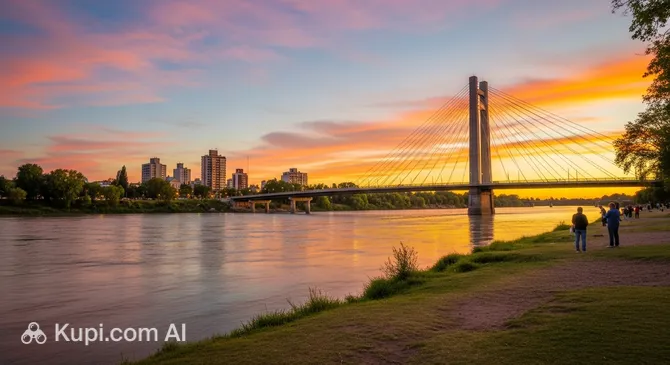
Rawson. Illustration.
Source: Kupi.com AI

Rawson attracts tourists primarily due to its proximity to natural wonders. Just a few minutes' drive away is the resort area of Playa Unión, known for its wide beaches and the opportunity to observe amazing Commerson's dolphins ("panda dolphins") right from the shore. The city is also a convenient starting point for a trip to the famous Punta Tombo reserve, home to a colossal colony of Magellanic penguins.

One should not overlook the city's gastronomic appeal. The local port is famous for its fresh seafood, especially shrimp, which are considered among the best in the world. We recommend visiting this hospitable city to enjoy the silence, try local delicacies, and see the richness of Patagonia's wildlife with your own eyes.

Weather Overview

The climate in Rawson is characterized as semi-arid, with distinct seasons typical of the Patagonian coast. Here, you won't encounter exhausting tropical humidity, and the air usually remains fresh and pleasant thanks to the proximity of the Atlantic Ocean. Expect a warm summer with occasional light rain and cold, predominantly dry winters.

Summer months (December to February) are the most popular time for a visit. During this period, average daytime temperatures range from 26°C to 28°C, while nights remain comfortably cool (around 14-16°C). January is traditionally the warmest month, when the thermometer can rise to 28.1°C. This is the perfect time for relaxing on the beaches of Playa Unión.

Winter (June to August) brings a noticeable cooling. Average daytime temperatures drop to 7-10°C, and at night they can reach 3-4°C. July is the coldest month of the year. Precipitation in the region is scarce: although statistics show about 3-4 wet days per month year-round, the total amount of precipitation is minimal (about 1 mm), which often manifests only as a light drizzle or brief rain.

Spring and autumn offer moderate weather with smooth temperature transitions, perfect for excursions and nature observation without the summer heat or winter winds. If you want to know exact forecasts and monthly statistics before your trip, the detailed Rawson weather will help you, where all the necessary data for planning your wardrobe is collected.

Average monthly temperature

Average monthly precipitation

Interesting Facts

Rawson is a city with a fascinating history, where the rugged spirit of Patagonia intertwines with Celtic legends and maritime romance. Beyond its status as the administrative capital, this place holds several unique features that reveal it from an unexpected side.

  • A Little Wales in South America. Rawson was founded by brave Welsh settlers fleeing European industrialization, and their heritage is alive here to this day. In the city, you can still hear old Celtic songs during festivals, and locals carefully guard traditional pastry recipes, turning Welsh Culture Day into a vibrant event where the whole city becomes one big stage.

  • Shrimp Capital of the World. The Port of Rawson serves as the base for the famous "Yellow Fleet"—dozens of brightly colored fishing vessels. It is from here that the famous Patagonian shrimp and squid are shipped worldwide, prized by gourmets for their sweetish taste and texture; local fishermen proudly claim that the best seafood in Argentina is harvested in their waters.

  • A Penguin Metropolis Next Door. In the immediate vicinity of the city lies the Punta Tombo reserve—one of the world's largest continental colonies of Magellanic penguins. Each year, hundreds of thousands of birds arrive here to breed, creating an incredible spectacle: tourists can observe their noisy life in their natural habitat literally at arm's length.

  • A Paradise for Wildlife Photographers. Rawson's coastline is one of the few places where wildlife comes as close to humans as possible. Besides the ubiquitous penguins, you can often find sea lions resting on the shore, and during migration season, you can see majestic whales swimming along the coastline, making the region a true magnet for nature photography enthusiasts.

How to Get There

As Rawson is a small administrative center, there is no direct air service to the city. Travelers are advised to plan their route in advance and study all the ways to get to the city, which usually involve a flight to neighboring transport hubs followed by a transfer to ground transport.

The most convenient option for tourists is Trelew Airport (IATA: REL), located in the neighboring city of Trelew. This is the nearest air gateway, situated just 17.1 km from the center of Rawson. The journey by taxi or transfer takes about 20–25 minutes. The airport accepts regular flights from Buenos Aires and other major cities in Argentina, serving as the primary entry point to this region of Chubut province.

Alternatively, you can consider El Tehuelche (IATA: PMY), located in the city of Puerto Madryn, approximately 60 km from Rawson. This airport is smaller in size and passenger traffic but also handles domestic flights. The trip from there to Rawson by car or bus takes about an hour (approximately 50–60 minutes).

For convenience, here is a summary of the main airports:

AirportPassenger trafficDistance
Trelew Airport360 00017 km
El Tehuelche53 15060 km

Rail service in this part of Patagonia is practically not used for passenger transport, and there is no active station in Rawson. The main form of ground transportation remains comfortable long-distance buses (omnibus), which connect the city with Buenos Aires and other regions of the country via National Route 3. Car rental is also popular, allowing for flexible route planning along the scenic Atlantic coast.

Main Attractions

The city of Rawson, as the provincial capital, may seem quiet and understated, but its surroundings hide true treasures for nature and history lovers. The main points of interest here are connected to the ocean and the region's unique heritage, offering travelers a type of relaxation that cannot be found in noisy metropolises.

Playa Unión
Just a few kilometers from the city center lies the region's main resort—Playa Unión. This place is famous for its wide beaches washed by the open waters of the Atlantic. Tourists come here not only for sunbathing but also for the powerful energy of the ocean: high waves attract surfers and active sports enthusiasts. Playa Unión is the heart of Rawson's summer life, where you can walk endlessly along the surf, breathing in the purest sea air.

Port Rawson (Puerto Rawson)
At the mouth of the Chubut River is a picturesque port known for its "Yellow Fleet" (Flota Amarilla)—bright fishing vessels that head out to sea daily. This is the city's gastronomic hub: it's here that you can taste the famous Argentine shrimp, considered some of the best in the world, straight from the boat. A walk along the pier also offers a chance to meet sea lions, who often rest by the water, waiting for treats from the fishermen.

Dolphin Watching (Avistaje de Toninas)
One of the most unique excursions available from Port Rawson is a boat trip to see Commerson's dolphins, or "toninas overas." These small black-and-white dolphins, resembling pandas, live only in Patagonian waters. They are incredibly playful and love to accompany boats, jumping out of the water within arm's reach. This breathtaking sight is available year-round and is a hallmark of the local fauna.

Malvinas Soldier Museum (Museo del Soldado de Malvinas)
For those interested in the history of Argentina, this museum will be an important discovery. It is unique in that it tells the story of the 1982 conflict not through dry facts, but through personal stories and the soldiers' belongings. The exhibition is filled with photographs, letters, and everyday items, creating a touching atmosphere of memory and respect. This place allows for a deeper understanding of the modern identity of Argentinians and their relationship with the past.

Regional Salesian Museum (Museo Regional Salesiano)
Located in a historical building, this museum carefully preserves the memory of the city's formation. It houses rich collections dedicated to the indigenous peoples of Patagonia and the first Welsh settlers who founded Rawson. The exhibits tell of the pioneers' difficult lives, their culture, and their interaction with local tribes, allowing visitors to travel back in time to the origins of this amazing province.

Local Cuisine

Rawson's gastronomy is a wonderful mirror of its history, where rugged Patagonian traditions intertwine with Argentine classics and a cozy Welsh heritage. Thanks to its active fishing port, the city rightfully prides itself on some of the freshest seafood in the region, while the influence of the first settlers from Wales has given the local cuisine a unique "European" accent.

The main gastronomic treasure of Rawson is the bounty of the Atlantic. The menus of local restaurants, especially in the port area, always feature the freshest shrimp, squid, mussels, and even sea urchins. A must-try is the signature dish "mariscos a la Patagonia"—a seafood platter baked with fragrant local herbs and vegetables. The flavor of these dishes is exceptional here, as the catch reaches the kitchen literally a few hours after being harvested.

The sweet side of Rawson's culinary scene is inextricably linked to Welsh culture. Tourists are highly recommended to visit one of the traditional tea rooms (Casas de Té) to enjoy the famous Welsh cake (torta galesa). This is a dense, dark cake with plenty of dried fruits, nuts, and spices, which keeps for a long time and has a rich flavor. It is usually accompanied by homemade raisin buns, butter, and jams made from local berries.

Regarding drinks, hot tea remains the king of the table, served according to all the rules of old Europe. However, being in Argentina, one must not forget about wine: white varieties like Torrontés pair perfectly with seafood, while a classic Malbec is ideal for meat dishes. Non-alcoholic beverage lovers will appreciate the traditional mate, which locals drink everywhere, as well as fruit waters made from Patagonian berries.

The dining culture in Rawson is democratic and diverse. For authentic seafood, it's best to head to the port canteens or restaurants along the Playa Unión promenade, where a casual atmosphere prevails. For a more intimate experience, family cafes in the city center are suitable. Additionally, you can buy excellent gastronomic souvenirs at local markets: smoked fish, goat cheese, honey, and jars of wild fruit jam that will remind you of the tastes of Patagonia back home.

Travel Tips

Preparing for a trip to Rawson requires considering the specifics of the Patagonian climate and the local way of life, which differs markedly from the capital's rhythm. To ensure your trip goes smoothly and leaves only pleasant impressions, we have gathered several important recommendations to help you feel confident in any situation.

  1. Dress in layers. The weather in Patagonia is changeable, and the wind is a constant companion. Even if you are traveling in summer, be sure to bring a windbreaker and a fleece jacket. The best tactic is to dress in layers to easily adapt to temperature changes throughout the day. Comfortable closed shoes are also necessary for walking on rocky beaches and in nature reserves.
  2. Transport nuances. If you plan to use buses to travel between the center and Playa Unión, you will definitely need a SUBE card. Buy and top it up in advance at kiosks, as drivers do not accept cash. For evening trips, it is more reliable to order remises (private taxis) through a dispatcher or an app than to try catching a car on the street.
  3. Financial literacy. While supermarkets and large hotels accept cards, small shops, souvenir stores, and some cafes prefer cash pesos (efectivo). There are ATMs in the city, but they may run out of cash on weekends, so keep a supply of bills. In restaurants, it is customary to leave a tip of about 10% of the bill if you enjoyed the service.
  4. Sun and wind protection. Don't let the cool wind fool you: the sun at these latitudes is very active. Using sunscreen and sunglasses is a must even in cloudy weather to avoid burns. Pharmacies (Farmacias) operate on a standard schedule, but there is always one duty pharmacy (de turno) open 24 hours—its address is usually posted on the doors of other pharmacies.
  5. Language barrier and connectivity. The main language of communication is Spanish. Hotel staff may know English, but it's unlikely to help in shops or taxis. Download an offline translator and learn a few basic phrases. For mobile internet, it's better to buy a local SIM card (Claro, Movistar, or Personal) at any kiosk; Wi-Fi is available in many cafes, but the speed can be unstable.
  6. Local etiquette and rhythm of life. Argentinians are very friendly and tactile. When meeting, even with people you barely know, it is customary to kiss each other on the cheek (cheek touching). Don't be surprised by the relaxed pace of service in cafes—no one is in a hurry here, and it's part of the local philosophy of life. Be polite and start conversations with a greeting like "Buenos días" or "Hola."
  7. Respect the siesta. This is perhaps the most important rule for planning your day. From 13:00 to 16:30–17:00, life in the city comes to a standstill: shops, banks, and many institutions close. Do not plan important errands or shopping for this time. Use these hours for lunch or resting on the beach, just as the locals do.
  8. Care for nature. If you encounter sea lions or penguins on the shore (which is quite likely), do not under any circumstances approach them closely, try to touch them, or feed them. These are wild animals, and disturbing them can lead not only to fines but also to health risks. Observe from a respectful distance.

Following these simple rules will help you adapt more quickly to the local atmosphere and avoid minor misunderstandings. Rawson is a welcoming city, ready to open its natural and cultural riches to those who travel with an open heart and respect for Patagonian traditions.

Entertainment & Nightlife

Nightlife in Rawson is distinctly seasonal and characterized by a calm, almost home-like atmosphere. Unlike noisy metropolises, you won't find huge nightclubs with world-class DJs here; however, the city and its surroundings offer excellent opportunities for a cozy evening out. The epicenter of entertainment, especially in summer (from December to March), is not the administrative center, but the coastal zone—Playa Unión.

It is in Playa Unión, located 5-6 kilometers from the center of Rawson, that evening activity is concentrated. The main artery of nightlife here is Avenida Guillermo Rawson and the waterfront. In summer, numerous "paradores" (beach bars) open here, where you can enjoy a cocktail to the sound of the ocean, listen to music, and dance. The crowd is diverse, ranging from young people to families, and the atmosphere is relaxed and democratic. There is no strict dress code; a casual style is appropriate everywhere.

Among the specific venues worth visiting for evening leisure, Casino Club Playa Unión stands out. It's not just a gambling spot, but a full-scale entertainment center that often hosts live music shows and features a bar and restaurant. It is one of the few places open year-round and late into the night. For lovers of good food and long social gatherings, the Puerto Rawson area is a must. Here you will find famous canteens, such as Cantina El Náutico, where dinner can stretch past midnight thanks to the freshest seafood and the hospitality of the owners.

When planning your evening, keep the local rhythm of life in mind: restaurants start to fill up only after 21:30, and bars come alive closer to midnight. Prices in Rawson and Playa Unión establishments are quite democratic compared to larger resorts. The average check for dinner with drinks will be moderate. Regarding safety, the area is considered calm, but for nighttime travel between Rawson center, the port, and Playa Unión, it is highly recommended to use taxis or remises (private cars with fixed prices), which can be called by phone or through hotel reception.

As for daytime and cultural entertainment, in Rawson, these are more traditional in nature. The Provincial Cultural Center (Centro Cultural Provincial) operates in the city, serving as the main stage for theatrical performances, concerts, and film screenings. During the day, you can also visit a small cinema or walk through the parks, but the primary focus of entertainment here remains on nature and socializing in cozy cafes and restaurants.

Parks & Museums

Although Rawson is often perceived primarily as an administrative capital, the city and its surroundings offer travelers pleasant green spaces and a rich cultural program. Here you can relax in the shade of trees after a walk through the center or immerse yourself in the study of the region's rich heritage by visiting local museums that house unique artifacts of Patagonian history.

Guillermo Rawson Square (Plaza Guillermo Rawson)
This is the heart of city life and the main green oasis in the center. The square is surrounded by important administrative buildings and serves as a popular meeting place for locals. It's pleasant to stroll along the well-kept alleys, rest on benches in the shade of old trees, and view the monuments dedicated to the city's founders. The atmosphere of tranquility makes this place ideal for a short break during an excursion.

El Elsa Waterfront
A picturesque coastal area located along the Chubut River on the way to Playa Unión. It's not just a park, but a full-fledged nature recreation area where the river meets the sea. Tourists come here for picnics, fishing, and long walks along the water. The landscape here changes with the tides, and the calm flow of the river creates a peaceful atmosphere that contrasts with the turbulent ocean nearby.

Regional Salesian Museum (Museo Regional Salesiano)
One of Patagonia's most significant museums, located in the historical building of the Don Bosco College. Its collection is impressive in its diversity: from everyday items of the indigenous Tehuelche and Mapuche peoples to personal belongings of the first Welsh colonists. Of particular interest is the natural science section with fossils, taxidermy of local animals, and flora specimens, providing a complete picture of regional life over the centuries.

Provincial Cultural Center (Centro Cultural Provincial)
This modern space is the center of the city's artistic life. It regularly hosts exhibitions of paintings, photography, and sculpture by local and national masters. For tourists, this is an excellent opportunity to get acquainted with the contemporary art of Argentina and see how the creative intelligentsia of Chubut province lives today. The building itself is an important architectural landmark of the area.

Aquavida Museum
Located in the Playa Unión zone, this small but fascinating marine nature interpretation center will interest both adults and children. The exhibition is dedicated to the richness of the Atlantic Ocean: here you can learn all about the lives of Commerson's dolphins, whales, and sea lions that live off the coast of Rawson. It's a great addition to sea excursions, providing a scientific understanding of what is seen in the wild.

If you want to feel like a true local, head for a walk to the "Poet's Bridge" (Puente del Poeta) at sunset. This is where the Chubut River is particularly beautiful in the rays of the setting sun, and where you can take atmospheric photos without the tourist crowds, enjoying the silence and the views of old boats by the shore.

Getting Around

The public transport system in Rawson is simple and intuitive, perfectly matching the measured pace of life in this small Patagonian city. You won't find subways, trams, or trolleybuses here; the main means of transport for locals and tourists alike are buses (colectivos). The route network covers the entire city and, most importantly for travelers, provides a reliable connection between the administrative center, the port, and the popular resort area of Playa Unión.

The most popular route is the line connecting Rawson center with the coast. During the summer season, buses run frequently, allowing vacationers to easily reach the beaches and restaurants. There is also a regular and frequent bus service to the neighboring city of Trelew, which serves as the region's main transportation hub. The trip takes little time and is carried out on comfortable intercity buses.

To pay for public transport, the unified electronic SUBE card is used, which is valid throughout almost all of Argentina. If you already have this card from visiting Buenos Aires, it will work here too. If not, the card must be purchased and topped up at special kiosks (Kioscos) or lottery agencies marked with the system's logo. Important to remember: cash payment to the driver is generally not accepted, so take care to have a card with a positive balance in advance.

A popular and convenient alternative to buses are taxis and remises. Unlike classic taxis, which can be hailed on the street (though there aren't many in Rawson), "remises" are private cars ordered by phone or at special offices (agencias). Often, a remise trip is cheaper, and the cost is sometimes known in advance. This is the most reliable way to get to your hotel late at night or with luggage.

For those who want to explore the surroundings independently, car rental is the best choice. This will give you the freedom of movement for trips to the penguin reserves or along the scenic coast, where public transport runs infrequently or not at all. During the summer in the Playa Unión area, you can also find bicycle rentals, which is an excellent way to enjoy the sea air and explore the waterfront.

When planning your trips, take the local daily schedule into account. Although transport runs regularly, the frequency of trips may decrease on weekends, holidays, and during the siesta (after lunch). We recommend checking current schedules directly at the bus station or with drivers, as online maps in small Patagonian cities do not always display real-time changes.

Accommodation

The hotel infrastructure in Rawson is characterized by modesty and home-like comfort, perfectly matching the measured pace of life in this Patagonian city. You won't find luxury international hotel chains or massive "all-inclusive" resort complexes here. The accommodation stock primarily consists of small family-run hotels, apart-hotels, and guesthouses catering to travelers who value peace and proximity to nature.

When choosing a place to stay, it is important to consider the city's geography. The tourist flow is clearly divided into two zones. Rawson's Administrative Center is suitable for those traveling in transit, handling business matters, or wanting to be closer to museums and the bus station. Here, you'll find classic middle-class city hotels offering basic comfort, breakfast, and easy access to government institutions.

However, the vast majority of tourists coming to Argentina for the ocean choose the Playa Unión district for their stay. Located 5-6 kilometers from the center, this resort village offers a completely different atmosphere. The most popular accommodation format here is "cabañas"—standalone cottages or bungalows with kitchens, ideal for families and groups. Living in Playa Unión puts you within walking distance of the beach, seafood restaurants, and the pier where dolphin-watching tours depart.

The price range for housing in Rawson can be described as moderate. Options vary from budget hostels and campsites (during the summer season) to mid-range accommodations. Luxury suites are rare here; the emphasis is on functionality and cleanliness. Popular international online platforms are available for booking, but many small cabaña complexes and private apartments in Playa Unión prefer direct booking via messengers or phone, often offering better terms.

Booking Tip: If you plan to travel during the high season (December to February) or during Easter holidays, you must look for accommodation in advance. Although the city is not as crowded with tourists as neighboring Puerto Madryn, the best options with sea views in Playa Unión get booked very quickly. It is also worth noting that when paying in cash pesos on-site, owners are often willing to provide a small discount.

Nearby Cities

For those wishing to explore the surroundings, Rawson serves as an excellent starting point for day trips to several interesting nearby locations. Thanks to its convenient location in the Chubut River valley, it is easy to reach the region's key tourist centers, each offering unique experiences.

The capital's closest neighbor is Trelew, located just a 20-minute drive away. This city is a must-visit for history and science enthusiasts: it houses the famous Egidio Feruglio Paleontological Museum, where you can see skeletons of giant dinosaurs found in Patagonia. Additionally, Trelew is famous for its traditional Welsh tea rooms, which preserve the spirit of the first settlers.

A bit further, about an hour's drive away, is Puerto Madryn—the main tourist hub of the coast. This is the ideal destination for those who want to get acquainted with marine fauna: tours to the Valdes Peninsula for whale watching (in season) depart from here, and diving and snorkeling tours with sea lions are also organized. The city also attracts visitors with its developed waterfront and excellent restaurants.

CityPopulationDistance
Trelew97 91518 km
Puerto Madryn115 35360 km
Telsen544179 km
Sierra Grande8 300189 km
San Antonio Oeste16 265285 km

These nearby destinations allow for a full appreciation of the diverse culture, ancient history, and impressive landscapes of the Chubut province, complementing a relaxing stay in Rawson with exciting adventures.

Shopping & Souvenirs

Shopping in the city of Rawson is characterized by a calm and measured pace, typical of all Patagonia. You won't find huge shopping malls with luxury boutiques or endless rows of mass-market brands here. Instead, the city offers cozy small shops where you can purchase daily necessities, quality clothing from local brands, and unique regional products. Shopping here is an opportunity to support local producers and find authentic items that reflect the spirit of the Chubut province.

The main commercial activity is concentrated in the city center, near the administrative buildings. The main shopping artery is Avenida San Martín and its adjacent streets, such as Avenida Sarmiento. Walking here, tourists will find clothing and shoe stores, pharmacies, bookstores, and electronics shops. During the summer season, the commercial zone in the Playa Unión resort area also comes alive, with numerous souvenir stalls and beachware shops opening up.

There are no large malls in the traditional sense in Rawson. Trade is mainly represented by street retail or small galleries. If your goal is large-scale shopping with visits to brand stores and entertainment areas, locals usually head to the neighboring city of Trelew, where the large Portal Trelew shopping center is located. In Rawson itself, stores are oriented toward comfort and an individual approach to the customer.

Local markets and fairs deserve special attention. The main attraction for gourmets is Port Rawson. While it is not a market in the classic sense, it is in the port shops that you can buy the freshest seafood, just caught from the Atlantic. In summer, an Artisans' Fair (Feria de Artesanos) often operates in Playa Unión, where masters exhibit handmade items: from jewelry and ceramics to knitted goods made from Patagonian wool.

As souvenirs from a trip to Argentina and specifically from Rawson, it's worth bringing back gastronomic specialties. Number one on the shopping list is the famous Welsh cake (torta galesa)—a dense, spicy cake that lasts a long time and is a symbol of the region. Jars of homemade jam made from local berries, game pâtés, smoked seafood, and leather or wool items made by local artisans are also popular.

When planning a shopping trip, it is important to consider the local working schedule. Most private shops close for siesta: they operate approximately from 9:00 to 13:00 and reopen only after 16:30 or 17:00, working until 20:30–21:00. Large supermarkets may stay open without a break. Regarding payment, while Visa and Mastercard are accepted in many places, cash pesos (efectivo) remain the preferred method of payment, especially in small stalls and at fairs.

The tax refund system (Tax Free) exists in Argentina, but in Rawson, it is very difficult to find stores connected to the Global Blue system or its equivalents. This option is more commonly available in major tourist centers and the capital. Therefore, in Rawson, it is better to count on fair local prices without additional VAT refund procedures.

Have you reached the end of the page?

So the route has been studied inside and out