Support

Clermont

Interesting places

About

Clermont is the true historical heart of the Isaac Region in Queensland, where the pioneer spirit blends harmoniously with a modern way of life. As one of the oldest inland settlements in the north of the continent, this town attracts travelers with its authentic atmosphere and rich heritage. Sunny Australia reveals an unexpected side here: instead of coastal beaches, tourists are greeted by picturesque outback landscapes, eucalyptus forests, and the friendliness of the locals.
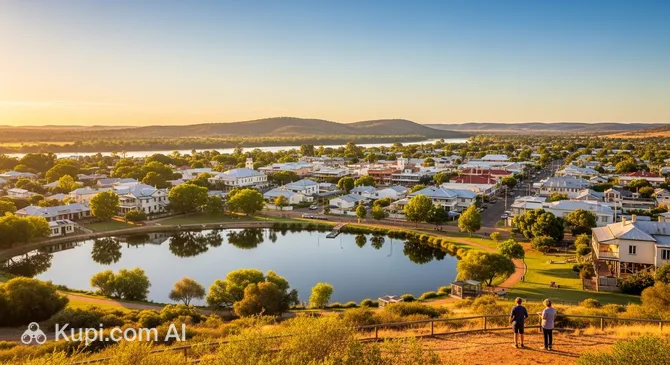
Clermont. Illustration.
Source: Kupi.com AI

Geographically, the town is located far from bustling metropolises, making it an ideal place to experience real rural life. The climate is subtropical, with hot summers and mild winters, allowing for visits to the region almost year-round. The unique history of Clermont is full of dramatic events: after a devastating flood in 1916, the town was literally moved to a new, higher location. Today, this event is a vital part of local folklore and the identity of the townspeople.

Among the main attractions, a special place is held by an unusual monument — the "Piano in the Tree." This is an exact replica of an instrument that got stuck in the branches during the legendary flood, becoming a symbol of the residents' resilience. Nature lovers and outdoor enthusiasts should head to the Theresa Creek Dam. This scenic reservoir is a popular spot for camping, fishing for redclaw, and water sports, where you can enjoy the peace and beauty of the Australian wilderness.

We also recommend visiting the Clermont Historical Centre, located on the outskirts of town. It houses thousands of artifacts telling the story of the gold rush era, copper mining, and the daily lives of early settlers. If you are looking for a place to touch the past and experience genuine Australian hospitality, Clermont must be on your itinerary.

Weather Overview

The climate of Clermont can be described as warm and favorable for travel most of the year, although seasonality is quite distinct. Summer (from December to February) in this region is truly hot: the average maximum temperature reaches 33.9°C, while nights remain warm, around 22°C. This is also the period with the highest probability of precipitation, with about 7–8 rainy days per month.

The winter months, especially July, bring long-awaited freshness. During this time, night temperatures can drop to 9.7°C, so warm clothing for evening walks will not be out of place, although during the day the air comfortably warms up to 22°C. August and September are the driest months, when rain is virtually non-existent. To ensure your trip is as comfortable as possible, we recommend checking the current weather in Clermont before you depart.

Overall, the regional climate is fairly predictable. Expect hot summers with occasional rain and mild, dry winters with plenty of sunny days.

Average monthly temperature

Average monthly precipitation

Interesting Facts

Beyond its main attractions, Clermont holds many fascinating secrets that make its history truly unique. This is a place where the past has left indelible marks, turning into urban legends that locals proudly pass down from generation to generation.

  • Relocation by steam power. After the devastating flood of 1916, the town wasn't just rebuilt; it was literally moved. Surviving timber buildings were placed on rollers and towed to higher ground using powerful steam traction engines. This engineering feat of its time allowed many historical buildings to be preserved, which can still be seen in the town center today.

  • The Ghostly Neighbor. Just a few kilometers from Clermont lies Copperfield — once a thriving town that rivaled its neighbor in population during the 19th century thanks to rich copper deposits. Today, all that remains is a solitary brick chimney and the ruins of an old store, creating the atmosphere of a mysterious ghost town in the middle of the Australian bush.

  • The Gold Rush isn't over. Clermont was one of the first inland settlements in the north, emerging after the discovery of gold in 1861. Interestingly, the precious metal is still found here today: the area is officially open for recreational fossicking, and tourists armed with metal detectors often find gold nuggets in the local forests.

How to Get There

When planning a trip to this historical corner of Queensland, it's worth noting that the town is located deep inland. Trip logistics usually involve a combined route: a flight to one of the regional aviation hubs followed by a trip in a rental car or bus. You can learn more about how to get to Clermont by exploring all available options and choosing the one that suits you best.

To arrive in the region, travelers most often choose to fly to neighboring cities, which provides convenient connections to the major metropolises of Australia. One of the closest options is Moranba Airport (MOV). It is located about 97 km from Clermont, which takes approximately 1 hour and 20 minutes by car. This is an excellent choice for those looking to minimize overland travel time.

Another popular route is via Emerald Airport (EMD), located in the town of Emerald, about 99 km from the destination. The journey by taxi or transfer takes about 1.5 hours. Emerald serves as an important transport hub receiving regular flights, making it a convenient entry point to the region.

If you are looking for more flight options or plan to start your journey from the coast, consider Mackay Airport (MKY). It is located significantly further away — 243 km (about 3–3.5 hours drive); however, its status as a major hub allows you to find tickets with more flexible schedules.

Below is a summary of the main airports that are convenient to use for a trip to Clermont:

AirportPassenger trafficDistance
Moranbah Airport160 00097 km
Emerald Airport215 00099 km
Mackay Airport969 900243 km
Whitsunday Coast Airport507 000275 km
Blackall Airport7 500286 km

For lovers of railway romance, there is an option to reach the region on the famous "Spirit of the Outback" train, which runs between Brisbane and Longreach. The nearest major station where you can disembark is in the town of Emerald. From there, Clermont is easily accessible by bus transfer or by renting a car for a self-guided journey along Queensland's scenic roads.

Main Attractions

Despite its modest size, Clermont offers travelers a rich program combining natural beauty and a deep dive into the history of the Australian outback. Here, you can relax by the water, stroll through picturesque parks, and connect with the legacy of the prospectors.

One of the town's gems is Hoods Lagoon. This picturesque body of water, located near the center, serves as a favorite recreation spot for both locals and tourists. Convenient timber boardwalks run along the shore, perfect for walking and observing the many bird species that inhabit the area. There are equipped BBQ and picnic areas, making the lagoon an ideal location for a relaxed family evening outdoors.

Those wishing to delve deeper into the region's past should pay special attention to the Clermont Historical Centre. This museum complex, located about 2 km from the town, is a collection of original historical buildings moved here for preservation. Visitors can see vintage cottages, steam-era machinery, and exhibits dedicated to the gold rush. It’s not just a museum, but a chance to literally step into the daily lives of 19th and early 20th-century settlers.

For fans of active recreation and water fun, Theresa Creek Dam is a must-visit. Located 22 kilometers from town, it is a true oasis in the region's arid climate. People come here for excellent fishing, with the local freshwater "redclaw" crayfish being particularly famous. The site features a well-maintained campground where you can stay overnight to catch the sunrise by the water, surrounded by the sounds of the wild.

Fans of atmospheric abandoned places will be interested in Copperfield — a ghost town located just a few minutes' drive from Clermont. Once a thriving copper mining center, it now consists of ruins that hold the memory of former glory. The main landmark is a tall brick chimney rising above the remains of the old General Store. A walk here allows you to feel the passage of time and the unique spirit of Queensland's industrial era.

Local Cuisine

The gastronomic scene in Clermont is a classic reflection of the Australian outback: hearty, simple, and incredibly soul-warming food. You won't find elaborate haute cuisine here, but you will be able to enjoy the taste of real, fresh products. Since the Isaac region is famous for its developed agriculture, the local menu is centered around excellent quality meat dishes. Travelers can expect generous portions and warm country hospitality.

The main culinary hero here is undoubtedly beef. Queensland is often called the beef capital of the country, and local establishments know how to cook steaks superbly. Be sure to try a classic T-bone or a grilled ribeye. Another iconic dish served in almost every pub (or "hotel") is Chicken Parmigiana (often called a "parmy"). This is a juicy breaded chicken schnitzel topped with thick tomato sauce and melted cheese, traditionally served with chips and a fresh salad. For a quick and budget-friendly snack, local meat pies from bakeries are ideal.

As for drinks, in Clermont's hot climate, ice-cold beer remains the king of the table. Locals prefer light Queensland lagers, such as the famous XXXX Gold, which is perfectly refreshing after a sweltering day. For those looking for something stronger, the legendary Bundaberg Rum, often enjoyed with cola, is worth a try. Despite the distance from the coast, the coffee culture is also top-notch: in the mornings, residents like to gather in cozy cafes for a quality flat white.

The food culture in Clermont is centered around historical pubs. These are not just places to eat, but true social hubs where tourists can easily chat with farmers and miners in an informal setting. Dinners here are relaxed, often held on open verandas. Additionally, self-service BBQs are incredibly popular. You can buy fresh produce and have a picnic using the free public grills in parks, enjoying a meal in the fresh air just like the locals do.

Travel Tips

Clermont is a welcoming corner of the Queensland outback, where travel requires some preparation due to its distance from major metropolises. To ensure your visit to this historical region is comfortable and safe, we've gathered the top tips to help you feel confident away from the coast.

  1. Clothing and Gear. Given the subtropical climate, in summer (December–February), you will need light, breathable clothing made of natural fabrics and a wide-brimmed hat for protection from the strong sun. In winter (June–August), nights can be cold, so be sure to bring a fleece or a light jacket. For bushwalking and gold fossicking, sturdy closed-toe shoes are essential. Don't forget a Type I power adapter (Australian standard).
  2. Transport. There is virtually no public transport in Clermont itself. The best way to get around is by renting a car, preferably a crossover if you plan to head out into nature. Taxi and rideshare services (Uber) may be unavailable or have long wait times, so rely on your own wheels.
  3. Finances. The official currency is the Australian Dollar (AUD). Supermarkets, hotels, and petrol stations accept Visa and Mastercard, but for visiting small shops, markets, or paying for camping, it’s better to carry cash. ATMs are available in the town center. Tipping in Australia is not a strict rule, but rounding up the bill in a cafe is always appreciated.
  4. Health and Safety. The sun in this region is very aggressive — always use high SPF sunscreen and drink plenty of water. Snakes can be found in long grass and wooded areas, so watch your step. The town has a hospital (Clermont Hospital) for medical assistance. The emergency number is 000.
  5. Communication. The official language is English, but locals often use slang ("Strine"), which might be unusual to hear. Mobile coverage in town is stable, but the signal may drop out once you leave. The best coverage in rural areas is provided by Telstra; it is recommended to buy a SIM card in advance in a major city or airport.
  6. Local Etiquette. In Clermont, it's customary to greet even strangers on the street; a simple nod or a "G'day" will suffice. The atmosphere here is relaxed, and the dress code in pubs is casual. Locals value simplicity and openness, so don't hesitate to start a conversation — they will be happy to help with advice.
  7. What to Avoid. Strictly avoid driving at dusk and dawn. This is when kangaroos and other livestock are most active and often hop onto the road, which is the leading cause of accidents in the outback. Also, never enter fenced private property (farms) without the owner's permission.
  8. Tip for Gold Hunters. If you plan to look for gold (and Clermont is famous for it), remember that you cannot do it just anywhere. You must purchase a special license — a Fossicking Licence. It is inexpensive and can be obtained online, but failing to have one can result in a serious fine.

We hope these tips help you organize the perfect trip without any hassle. Clermont is a place where you can relax your soul and touch history, so pack your spirit of adventure and enjoy the real Australian outback!

Entertainment & Nightlife

Nightlife in Clermont is radically different from what the coastal metropolises offer. Here, you won't find neon signs for trendy nightclubs with face control or noisy discos until dawn. Evening leisure in this town is an immersion into the authentic atmosphere of the Australian outback, where the centers of social life are historical pubs, or "hotels," as they are called here. These are places where farmers, miners, and travelers meet over an ice-cold beer to discuss the day's news in a relaxed setting.

The epicenter of evening activity is the town's main artery — Capella Street. It is here and in the adjacent blocks that the main establishments for spending an evening are concentrated. The atmosphere in local pubs is incredibly friendly and casual. The dress code is as relaxed as it gets: shorts, jeans, and t-shirts are perfectly appropriate, and workwear is a common sight. The crowd is open to conversation, and a tourist can easily feel like a local within half an hour of arriving.

Among the specific venues defining the town's nocturnal landscape, the Grand Hotel Motel stands out. This is a classic Australian corner pub with a recognizable historical facade. A lively atmosphere reigns here, especially on Fridays and Saturdays when locals gather to play pool, watch sports broadcasts, or listen to live music, which is occasionally organized on weekends. It's a great place to try local beers and feel the spirit of old Queensland.

Another important spot on the entertainment map is the Commercial Hotel. This establishment is famous for its kitchen and spacious bar. In the evenings, you can often find boisterous groups enjoying traditional "counter meals" and socializing. The interior retains features of the past, creating a cozy, almost home-like setting. Closing times in Clermont are usually around midnight or 1:00 AM, so it's better to plan your evening starting early, around 6:00 PM – 7:00 PM.

As for practical advice, prices in Clermont bars remain moderate compared to resort areas. A pint of beer or a glass of wine will cost less than in Brisbane. It is important to remember transportation: there are taxi services in town, but there are few cars at night, and aggregators like Uber may not work. Since the town center is compact, many people get around on foot, but one should still be cautious. Clermont is a safe town with almost no street crime, but poorly lit outskirts are best avoided to prevent encounters with wildlife.

Daytime entertainment in the town is more laid-back and educational. If you're looking for something to do before sunset, head to the Clermont Historical Centre to see how the early settlers lived, or take a stroll around the picturesque Hoods Lagoon. For family holidays, local parks with BBQ areas are perfect — a popular daytime activity that often transitions into a warm evening among friends.

Parks & Museums

Clermont surprisingly combines the rugged beauty of the Australian outback with well-maintained green spaces and a rich cultural heritage. For tourists, it’s an opportunity not only to rest in the shade of eucalyptus trees but also to immerse themselves in the region's dramatic history, where every historic building and monument tells a story of survival and resilience.

The town's main natural ornament is arguably Hoods Lagoon. This is not just a body of water, but a full-fledged recreational area with scenic timber boardwalks built over the water. The park is ideal for morning walks and birdwatching: you can spot pelicans, black swans, and herons here. Another important green spot is Centenary Park. Located in the center, it serves as a popular place for family picnics thanks to its equipped rest areas and playgrounds, creating a cozy oasis of calm amidst the town's bustle.

The cultural center of gravity is the Clermont Historical Centre. This open-air museum complex is located on the Gregory Highway and features a unique collection of relocated historical buildings. The exhibit includes vintage machinery, steam traction engines used to move the town after the flood, and everyday items from early settlers. This site allows tourists to literally step into the gold rush era and understand how people lived in this region over a hundred years ago.

Among the architectural and historical monuments, a special place is held by the famous "Piano in the Tree" on Capricorn Street. This unusual object is a replica of a musical instrument that got stuck in the branches during the Great Flood of 1916. It serves as a silent reminder of the force of nature and the indomitable spirit of the locals who managed to rebuild the town in a new location.

For those seeking less obvious experiences, pay attention to the town murals and art objects scattered along the streets. Local artists have decorated many surfaces with scenes from the lives of prospectors and railway workers. A short stroll through the central alleys can turn into a real tour of an open-air art gallery, revealing the soul of this colorful town.

Getting Around

The public transport system in Clermont differs significantly from the infrastructure typical of major metropolises. As it is a small town in the Australian outback, you won't find a metro, trams, or an extensive network of city buses here. Transport logistics are kept as simple as possible, and getting around town doesn't require studying complex maps or buying transit passes.

The primary way to get around the town center is walking. The compactness of the historical center, especially around Capella Street, allows you to easily reach shops, cafes, and main attractions from your hotel on foot. The sidewalks here are wide and convenient, and the slow pace of life makes walking pleasant. However, keep the hot climate in mind: when planning your route, always carry water and try to avoid long walks at midday.

For trips to more distant locations, such as Theresa Creek Dam or historical monuments on the outskirts, tourists are strongly recommended to use a car. This is the most reliable and common mode of transport in the region. If you didn't arrive in your own car, it's best to rent one in advance at your arrival airport (e.g., in Emerald or Moranba), as rental options within Clermont itself may be very limited.

The town has taxi services that serve as an alternative to private transport. It’s important to note the local specifics: you will rarely manage to "hail" a car on the street with a wave. Taxis must be booked by phone in advance. Popular ride-sharing apps (like Uber) may be unreliable or entirely unavailable in this region, so save the number of a local dispatch service as soon as you arrive. Payment is usually by the meter, and both cash and cards are accepted, but it's better to confirm cashless payment options when you get in.

As for the payment system, due to the lack of municipal public transport, tourists don't need to worry about purchasing transport cards (such as the Go Card used in Brisbane) or validating tickets. The only exception is intercity buses connecting Clermont with neighboring towns. It’s best to book tickets for these online on the carriers' websites or purchase them at local agencies (newsagents). Taxi and transfer prices are in line with state averages but may be higher on weekends and public holidays.

Active lifestyle enthusiasts might consider getting around by bicycle. While there aren't many specialized bike rental shops in town, the flat terrain makes cycling quite comfortable. This is a great way to explore the area around Hoods Lagoon and enjoy nature at your own pace without depending on schedules or taxi availability.

Accommodation

The choice of accommodation in Clermont perfectly matches the character of this small outback town: you won't find luxury five-star resorts or massive hotel chains here. Instead, hospitable Australia offers tourists cozy and functional options steeped in local flavor. The main housing stock consists of classic motels, historical pubs offering rooms on the second floor, and well-equipped caravan parks for camping enthusiasts.

The geography of accommodation here is quite simple and convenient. Most options are concentrated in two key zones. The first is the historical center along Capella Street. Staying here puts you within walking distance of shops, cafes, and main attractions. The second popular area is along the Gregory Highway. Motels in this part of town cater to road travelers: they offer spacious parking, often right at the room door, and quick access to the highway.

Of particular interest to tourists are so-called "pub stays" — accommodation in historical hotels. This is a chance to live in buildings that remember the town's heyday, often featuring access to wide verandas. Conditions here may be more modest than in modern motels (sometimes with shared facilities), but the atmosphere of old Queensland more than compensates for it. For those traveling with a motorhome or tent, local Holiday Parks are an excellent choice, providing everything from laundries to BBQ areas.

Important booking tip: Clermont is located in a region with a developed mining industry. This means that on weekdays, many rooms in motels and hotels may be occupied by fly-in-fly-out (FIFO) workers. Therefore, it is strongly recommended to book accommodation in advance, especially if your trip falls between Monday and Friday. The situation is usually more relaxed on weekends.

The price range in town can be described as mid-range. You can find both budget spots in caravan parks and comfortable motel rooms at moderate prices. While many properties are listed on popular online booking platforms, in the outback, direct contact often works better. A phone call to a hotel or motel can not only guarantee availability but also sometimes secure a better price or a room in a better location.

Nearby Cities

For those looking to explore the surroundings, Clermont serves as an excellent starting point for day trips to several interesting nearby locations:

Just an hour's drive south is Emerald — a bustling regional center often called the gateway to the famous sapphire fields. This town is perfect for a short visit: here you can see the world's largest replica of Van Gogh's "Sunflowers" painting, set on a 25-meter-high easel, or stroll through the shaded paths of the Botanic Gardens. Furthermore, Emerald offers great opportunities for restocking supplies and dining at local cafes.

If you are ready for a longer journey for a change of scenery, head toward the coast to the city of Mackay. Although the drive takes about three hours one way, the reward is ocean views and a tropical atmosphere. Mackay is known as the country's "sugar capital" and is also famous for its Art Deco architecture and the magnificent free Bluewater Lagoon swimming pool, which is a lifesaver on a hot day.

CityPopulationDistance
Dysart7 38078 km
Emerald14 35694 km
Moranbah8 735100 km
Middlemount1 100109 km
Blackwater4 407152 km

These nearby destinations provide insight into the diverse culture and landscapes of the region.

Shopping & Souvenirs

Shopping in Clermont is an immersion into the slow pace of the Australian outback, where practicality and heart come before glossy storefronts. The town doesn't claim to be a fashion capital, but it offers travelers everything they need for a comfortable stay and preparation for outback adventures. You won't find global brand boutiques here, but you can purchase quality camping gear, fresh farm produce, and unique goods steeped in the spirit of the region.

The heart of the town's commercial life is Capella Street. It is along this central thoroughfare that the main shops are lined up, creating a cozy atmosphere for walking. Here you will find pharmacies, a post office, a newsagency, and several clothing stores offering country-style items and work gear famous for its durability. This is the perfect place to buy a real Australian hat or sturdy boots for bushwalking.

There are no large multi-story malls in Clermont, which is typical for small towns in the region. The role of the main shopping hub is filled by the IGA supermarket. This is where locals and tourists restock their food supplies. In addition to the standard range, you can often find products from local producers here: fresh meat, vegetables, and baked goods that stand out for their high quality and natural taste.

Local markets, held periodically, add a special flavor to the town and serve as a community meeting point. At these fairs, you can find homemade jams, honey, pickles, as well as handmade crafts from local artisans — from knitted items to woodwork. Market schedules can change, so it's best to check the local information center or town notice boards for the latest information.

If you're looking for a souvenir from Clermont, look for items related to the history of the gold rush. Specialized local stores sell gold hunting equipment — from simple pans to area maps. This is not just a souvenir, but an invitation to adventure. Books on regional history, magnets, and postcards of historical buildings, sold at the newsagency or visitor center, are also popular.

When planning your shopping, keep in mind that stores here operate on traditional rural Australia hours. On weekdays, shops are usually open from 9:00 AM to 5:00 PM. Saturday is a short day, with most shops closing by 12:00 PM or 1:00 PM, and Sunday is generally a day off for everyone except the grocery supermarket. Credit cards from major systems are widely accepted, but having a small amount of cash is useful for market purchases or small cafes.

Tourists should also remember the Tax-Free system (TRS), which allows for a GST refund on goods and services when leaving the country if the purchase in one store exceeds 300 AUD. Although there aren't many tax-free-eligible stores in Clermont itself, keep your receipts for large purchases (e.g., expensive outdoor gear) to present them at the international departure airport.

Have you reached the end of the page?

So the route has been studied inside and out