Support

Exmouth

About

Exmouth is a true oasis of adventure, nestled on the west coast where desert Australia meets the turquoise waters of the Indian Ocean. Located approximately 1,300 kilometers north of Perth, this town serves as the main gateway to the famous Ningaloo Peninsula. Despite its modest size and population of around 3,000 people, Exmouth possesses an incredible magnetism for travelers looking to escape the hustle and bustle of city life.
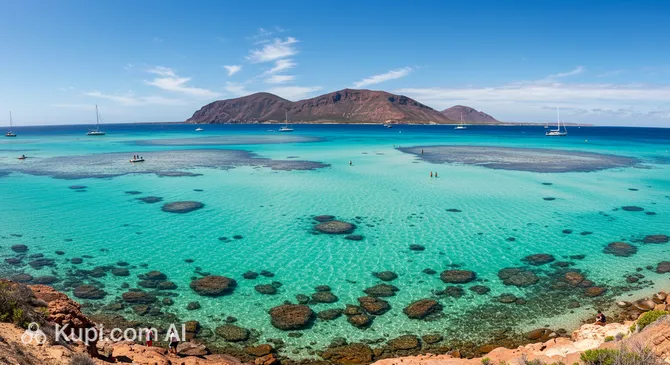
Exmouth. Illustration.
Source: Kupi.com AI

The atmosphere here is infused with the spirit of freedom and discovery. The region's main pride is the Ningaloo Reef, a UNESCO World Heritage site located literally steps from the shore. Diving and snorkeling enthusiasts come here for the unique opportunity to swim with majestic whale sharks—encounters that leave a lifelong impression. In addition, the town attracts fishing fans and those dreaming of seeing the rugged beauty of the Australian outback.

The town harmoniously combines a relaxed resort rhythm with opportunities for active recreation. While it is a popular tourist center today, Exmouth's history and its development as an administrative hub for the region are just as fascinating as its natural treasures. The surrounding landscapes are striking in their contrasts: on one side, the endless ocean; on the other, the red cliffs and canyons of Cape Range National Park.

Be sure to include a visit to Turquoise Bay in your itinerary to enjoy its crystal-clear water and white sand. Exmouth is not just a point on the map, but a chance to feel like part of a wild and wonderful world where every day brings new emotions and fantastic sunsets.
Weather Overview

Exmouth is famous for its hot semi-arid climate, which provides travelers with a vast number of sunny days throughout the year. Summer here, occurring from December to February, is truly sweltering: the average temperature is around 27-28°C, and daytime maximums regularly exceed 30°C. Rainfall is practically non-existent during this time, creating excellent conditions for a beach holiday.

Winter months (June, July, and August) bring long-awaited freshness but remain very comfortable for outdoor activities. During the day, the air warms up to a pleasant 21-24°C, while nights become cooler, with temperatures around 17-19°C. Expect a hot, sunny summer and mild, dry winters that are perfect for exploring national parks and taking long walks.

Transition seasons are also pleasantly warm, with March often being one of the hottest months with maximums reaching 31.1°C. Rain in this region is a rarity; even in June, which records the highest number of "wet" days, rainfall levels barely reach 2 mm. To accurately plan your wardrobe and activities, we recommend checking the current weather in Exmouth before your trip.

Average monthly temperature

Average monthly precipitation

Interesting Facts

Beyond its main attractions, Exmouth holds many fascinating secrets and unique stories. This remote corner of Western Australia can surprise even experienced travelers with unexpected facts about its origins and nature.

  • A young town with a strategic past. Exmouth was founded relatively recently, in 1967, and was not originally planned as a tourist center. It originated as a closed base to support an American naval radio station and only over time transformed from a military settlement into a popular resort.

  • A reef within walking distance. The region's main natural pride—the Ningaloo Reef—has a rare feature. It is one of the few coral reefs in the world that can be reached on foot directly from the shore without using a boat. The living coral garden begins just a few meters from the beach.

  • The illusion of floating boats. The famous Turquoise Bay regularly ranks in the top 10 best beaches in Australia. The water here is so incredibly transparent that it creates an optical illusion: boats and swimmers appear to be hovering in the air rather than floating on the surface.

  • The whale shark capital. Every year, the town becomes a magnet for thousands of tourists and scientists during the Whale Shark Festival. This major event celebrates the return of these gentle giants of the ocean to the coast and is an important milestone in the region's life.

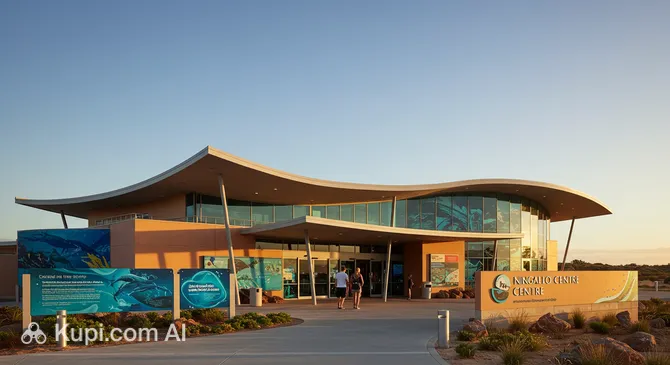
  • Guardian of stories. You can learn all the details about the transformation of a military base into an eco-resort and study the region's marine life by visiting the Ningaloo Centre. This place combines the functions of a modern museum and a research hub.

Ningaloo Centre. Illustration.
Source: Kupi.com AI

Traveler photos:

How to Get There

Given the resort's remote location on the North West Cape, planning your route requires attention. You can explore all the ways to get to the city in more detail on our dedicated page, but it is worth noting right away that for most tourists, flying remains the fastest and most comfortable option.

The main air gateway to the region is Learmonth Airport (IATA: LEA). Please note: there is no airport in the town of Exmouth itself, but you can fly into Learmonth Airport, which is located about 33.6 km from the center. This is an important regional hub receiving regular flights, primarily from Perth. The trip from the terminal to hotels by specialized shuttle or taxi takes about 25–30 minutes.

For convenience, here is a summary of the main airports:

AirportPassenger trafficDistance
Learmonth Airport104 10034 km
Onslow Airport45 000106 km

Rail connections to this isolated corner of Western Australia are not developed. There is no railway station in the town of Exmouth itself, so trains are not used by tourists for travel directly to this region.

An alternative to flying is road transport. Traveling by car or rented campervan from Perth along the scenic Coral Coast highway is a true adventure about 1,250 km long, usually split into two days of travel. There are also interstate bus routes connecting Exmouth with the southern regions of the state, offering a budget-friendly but lengthy travel option.

Main Attractions

Exmouth is a unique spot on the map where the rugged beauty of the Australian outback meets the turquoise waters of the Indian Ocean. The main attractions here were created by nature itself, but man-made sites also deserve attention, helping visitors better understand the history and ecology of this amazing region.

The absolute magnet for travelers is the Ningaloo Reef. It is one of the largest fringing reefs in the world, and its uniqueness lies in its accessibility: to see coral gardens and colorful fish, you simply need to step into the water from the beach. This is where the famous whale shark migration takes place, and swimming with them is considered one of the greatest adventures in any tourist's life. Additionally, you can encounter manta rays, dugongs, and sea turtles here.

For those who want to learn more about the region's nature without getting their feet wet, the Ningaloo Centre is a must-visit. This is a modern complex combining a museum, exhibition halls, and an aquarium. Here you will find interactive displays telling the story of the reef's marine life, the history of the American military base, and the culture of the local Aboriginal people. It is the perfect place to start your exploration of the town, where you can get maps and advice from rangers.

Ningaloo Centre. Illustration.
Source: Kupi.com AI

Traveler photos:

Landscape photography enthusiasts and fans of romantic sunsets should head to the Vlaming Head Lighthouse. Located on top of a hill, it offers breathtaking panoramic views of the ocean and coastline. This historical structure, built in the early 20th century, today serves as the best viewpoint in the vicinity. During the humpback whale migration season, you can often see these giants breaching in the distance from here.

Another natural treasure is Cape Range National Park. Its red rocky gorges, such as Yardie Creek, create a stunning contrast with the blue of the ocean. Here you can go hiking, see rare black-footed rock wallabies, and swim in the famous Turquoise Bay, which regularly features on lists of Australia's best beaches thanks to its crystal-clear water and the opportunity for "drift snorkeling"—swimming with the current over the corals.

Local Cuisine

The gastronomic scene in Exmouth is inextricably linked to the ocean, which is no surprise for a town located right by the reef. The local cuisine is a true paradise for seafood lovers. The region's main delicacy is the famous Exmouth prawns, which are known for their large size and sweet taste. You will also always find the freshest rock lobsters, mussels, and oysters on restaurant menus. Fish here is prepared simply but exquisitely: most often it is a fresh catch fillet grilled with aromatic herbs and a slice of lemon, allowing the natural flavor to shine through.

The dining culture in Exmouth is very relaxed and informal. Small family-run cafes are popular here, where Mediterranean traditions and Asian notes harmoniously intertwine on the menu. A mandatory ritual for many tourists is ordering a portion of "fish & chips" to go, to eat it right on the beach to the sound of the surf while watching the sunset. For those who prefer self-catered picnics in nature, there are farmers' markets where you can buy juicy tropical fruits, vegetables, and homemade cheeses.

Ningaloo Beach Resort. Illustration.
Source: Kupi.com AI

Traveler photos:

As for drinks, locals prefer Australian craft beer, which is perfectly refreshing on a hot day. Venues also feature a wide selection of wines from Western Australia's famous wine regions, such as Margaret River. If you are looking for a place to enjoy dinner in a comfortable setting, the restaurant located within the Mantarays Ningaloo Beach Resort complex is worth checking out. And if your visit coincides with the height of the tourist season, don't miss the annual seafood festival, where top chefs host masterclasses and tastings right on the ocean shore.

Travel Tips

Welcome to this amazing corner of Western Australia! To ensure your trip to the Ningaloo Reef is flawless and leaves only pleasant memories, we have prepared a list of important recommendations that take into account the specifics of this remote and wild region.

  1. Clothing and Sun Protection. The climate here is harsh, so SPF 50+ sunscreen, a wide-brimmed hat, and quality sunglasses are not just accessories but life necessities. Choose light clothing made from natural fabrics that cover your shoulders. Important hack: be sure to buy a special fly net for your head. In the warmer months, pesky insects can become a real problem, and this simple item will save your nerves.

  2. Transport Independence. There is practically no public transport in Exmouth in the traditional sense. To fully explore the national park and beaches, you need a rental car. While many places can be reached in a regular car, renting a 4WD will significantly expand your options, opening access to wild gorges and secluded bays.

  3. Finances and Planning. The currency is the Australian Dollar (AUD). Cards are accepted almost everywhere (Visa, Mastercard), but having a little cash for markets or tipping (usually 10% if the service was good) doesn't hurt. Note that prices in Exmouth are higher than the national average due to its remoteness, so plan your budget with a buffer.

  4. Health and Road Safety. There are pharmacies in town, but they close early, so it's better to pack a personal first-aid kit in advance. The main safety threat is wildlife on the roads. Kangaroos and emus are active at dawn and dusk. Collisions with them are the most common cause of accidents in the outback, so be extremely attentive while driving.

  5. Communication in the Wild. The primary language is English. Mobile signal in the town itself is stable, but as soon as you head into Cape Range National Park, the signal disappears. Tip: Telstra (or Boost Mobile, which uses their network) works best in remote regions. Be sure to download offline maps in advance.

  6. Environmental Etiquette. Locals are very protective of nature. The main rule here is: "Take only photos, leave only footprints." Do not collect shells (it's prohibited), do not litter, and use only reef-safe sunscreen to avoid harming the corals.

  7. What to Categorically Avoid. Never drive on highways out of town after dark unless absolutely necessary. The risk of hitting a kangaroo increases many times over at night. Also, avoid touching sea turtles and corals while snorkeling—this not only harms the ecosystem but can result in fines.

  8. Book in Advance. Exmouth is a small town with a huge tourist flow during the season (April–October). Spots in popular restaurants, whale shark tours, and even breakfast tables in cafes should be booked in advance. Trying to find a spot on the same day can lead to disappointment.

By following these simple tips, you can enjoy the unique nature of Exmouth without unnecessary worries. Relax, set yourself to the "No worries" rhythm, and let this incredible land surprise you!

Entertainment & Nightlife

Nightlife in Exmouth has its own unique charm, perfectly matching the relaxed pace of this remote corner of Western Australia. You won't find noisy nightclubs with laser shows or discos until dawn here. Evening leisure in the town consists of cozy gatherings under the open starry sky, live acoustic music, and tasting local craft beer in the company of divers and travelers from all over the world discussing the day's adventures.

The epicenters of evening activity are the local breweries and hotel bars. One of the most popular attractions is Froth Craft Brewery in the town center—a lively spot with its own micro-brewery where local musicians often perform. Another iconic establishment, Whalebone Brewing Company, offers a rustic barn atmosphere with long tables under a canopy and excellent pizza. If you are looking for a more refined setting for dinner with a sunset cocktail, visit the restaurant and bar located within the Mantarays Ningaloo Beach Resort complex. It is a great place to enjoy fresh seafood in a comfortable atmosphere.

Ningaloo Beach Resort. Illustration.
Source: Kupi.com AI

Traveler photos:

Practical Tips and Dress Code:

The atmosphere in Exmouth's venues is extremely democratic. Casual style is the absolute rule here: shorts, t-shirts, and flip-flops are appropriate almost everywhere, even in the evening. Most establishments close fairly early by big-city standards—kitchens often stop serving by 9:00 PM, and bars by midnight. The average bill for dinner with drinks will be around 40–60 AUD per person.

Safety and Transport:

Exmouth is a very safe town, and night walks here pose no threat; however, you should be mindful of the wildlife. The main danger at night is kangaroos and emus, which can suddenly jump onto the road, so be extremely careful if you are driving. Taxi services are available, but there aren't many cars, so it is better to book your ride in advance or arrange a transfer if you are staying far from the center.

Daytime Activities:

When it comes to daytime leisure while you aren't swimming on the reef, Exmouth offers several interesting options. The town's cultural heart is the Ningaloo Centre. This is a modern complex that combines a museum, aquarium, and gallery, where you can hide from the midday heat and learn everything about the region's history and its marine inhabitants. There are also small art shops and park areas for picnics where you can simply relax in the shade.

Parks & Museums

Exmouth is a town where the lines between museum halls and the wild outdoors are blurred. Cultural and natural heritage are closely interwoven here, from breathtaking national parks to interactive exhibitions telling the unique history of this remote corner of Western Australia.

The region's main natural treasure is undoubtedly Cape Range National Park. This is a place where rugged red canyons meet the turquoise waters of the ocean. The park offers tourists more than just walks; it's a true immersion into the wild: here you can explore Yardie Creek, see rare rock wallabies, and enjoy blooming wildflowers during the winter season. For a more relaxed break within the town limits, there is Federation Park. This is a green oasis in the center of Exmouth with BBQ areas and a water playground ("splash pad"), making it perfect for a family picnic after a hot day.

Ningaloo Centre. Illustration.
Source: Kupi.com AI

Traveler photos:

The heart of the town's cultural life is the Ningaloo Centre. This modern multi-functional complex serves simultaneously as a museum, gallery, and information hub. Inside, visitors can expect three main exhibitions: a stunning aquarium introducing the reef's inhabitants, an exhibition dedicated to the history of the Harold E. Holt US Naval Communication Station, and a dramatic cyclone gallery telling stories of local residents' struggles against the elements. This place is a must-visit for those who want to understand the heart and soul of this region.

While not a museum in the classical sense, the Vlaming Head Lighthouse serves as an important open-air historical monument. Built in 1912, it stands on a hill and serves as a reminder of the coastline's maritime history. Here you can read information boards about shipwrecks and the work of lighthouse keepers, as well as enjoy one of the best panoramic views in Australia, especially at sunset.

Insider Tip: While walking through the streets of Exmouth or its parks, be prepared for unexpected encounters—local emus often wander right through town as if they were full-fledged residents. And if you're interested in military history, look out for the tall radio masts north of town—the legacy of the very base for which Exmouth was founded.

Getting Around

The public transport system in Exmouth is set up quite differently from that in large metropolises. Due to the town's small size and remote location, there are no subways, trams, or a typical network of urban scheduled buses. The transport infrastructure is entirely oriented toward tourists who prefer independent travel by car or organized transfers.

The main link between Learmonth Airport and the town is tourist shuttles (such as Exmouth Bus Charter). These buses run strictly according to flight schedules. Practical tip: you must book a seat on the shuttle in advance online or by phone before your flight, as seats are limited and the vehicle may simply depart without you. Payment is usually made by card on the carrier's website at the time of booking.

For exploring the surroundings, traveling to Ningaloo Reef, and visiting Cape Range National Park, the best solution is car rental. This is the most popular mode of transport among the town's guests. Rental agencies offer a wide selection of vehicles, but for access to some remote beaches and canyons, choosing a 4WD is strongly recommended. Given the high demand during the season, it is worth booking a car several months before your trip.

Local taxi services operate in the town. Their fleet is not very large, so it is better to call for a car in advance by phone, especially in the evening. Common ride-sharing apps may work inconsistently or not at all here. The cost of the trip is calculated by a meter, and you can pay for the fare with either cash or a bank card, though it's best to check for a terminal when boarding.

An excellent alternative for getting around within the town itself is a bicycle. Exmouth has flat terrain and a network of convenient paths, making cycling easy and pleasant. Local rental shops offer both regular and electric bikes, allowing you to comfortably reach shops, cafes, and the nearest town beach, Town Beach.

Accommodation

The choice of accommodation in Exmouth is diverse enough to satisfy the needs of both budget backpackers and those accustomed to a high level of comfort. The town's infrastructure offers a wide range of options: from affordable hostels and Australia's popular caravan parks to cozy apartments and luxury resort hotels. Given the region's specific nature, many tourists also choose to rent holiday homes, which is particularly convenient for large groups or families.

In terms of location, the town can be roughly divided into two main areas convenient for staying. Town Centre is ideal for those who want to be within walking distance of shops, cafes, bakeries, and the visitor center. This is where more budget-friendly accommodation is concentrated. The second popular area is the Exmouth Marina, home to more modern and prestigious complexes. Staying here provides views of the canals and yachts, as well as quick access to Town Beach.

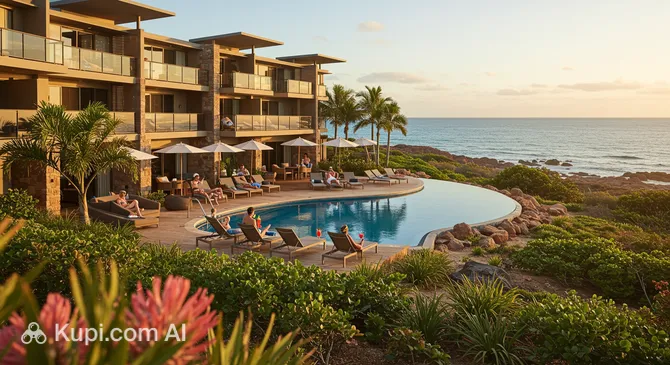
If you are looking for a place that combines comfort and proximity to the ocean, an excellent example of high-class accommodation is the Mantarays Ningaloo Beach Resort. Located in the Marina area, this hotel offers guests a relaxed tropical holiday atmosphere with a pool and restaurant right by the water, serving as a wonderful base for exploring the Ningaloo Reef.

Important Booking Tip: Exmouth is an extremely popular destination with distinct seasonality. During the whale shark migration (March to August) and school holidays, demand for accommodation exceeds supply several times over. It is strongly recommended to book your stay at least 3–6 months before your trip. Attempting to find a vacant room upon arrival during high season may end in failure.

The price range in the town varies from mid-range to high, especially compared to larger Australian cities. Budget spots in campgrounds and hostels are the first to be snapped up. Booking is best done through major international online platforms or directly on the websites of hotels and caravan parks, which often guarantees availability and transparent cancellation terms.

Nearby Cities

For those who want to explore the surroundings, Exmouth serves as an excellent starting point for trips to several interesting nearby places, though it is worth keeping in mind that the concept of "near" in Western Australia is measured in hundreds of kilometers. Nevertheless, these towns are a logical continuation of a journey through this amazing region.

One of the key destinations is Karratha. This modern city is often called the heart of the Pilbara region. It attracts tourists with the opportunity to visit the Burrup Peninsula, which houses one of the world's largest collections of Aboriginal rock art. Furthermore, it is a convenient gateway to the Dampier Archipelago, famous for its fishing and secluded beaches.

Another interesting point on the map is Tom Price—the highest town in the state. It is primarily known as the gateway to the famous Karijini National Park. Travelers head here to see breathtaking gorges, swim in natural pools under waterfalls, and enjoy the rugged red landscapes so characteristic of the Australian outback.

Also worth noting is Port Hedland. Although it is an industrial center, it impresses with its scale: here you can watch massive bulk carriers and salt mountains in action. This place allows you to see another, industrial side of life in the region, which harmoniously exists alongside wild nature and mangroves.

CityPopulationDistance
Onslow857105 km
Barrow Island184 km
Pannawonica695229 km

These nearby destinations provide an insight into the region's diverse culture and landscapes, from ancient rocks and gorges to bustling port cities.

Shopping & Souvenirs

General Overview: Shopping in Exmouth fully reflects the relaxed atmosphere of this coastal town. Don't expect huge shopping centers or high-fashion boutiques like those in major cities. The town's retail scene is oriented toward the needs of travelers and locals, offering everything necessary for a comfortable holiday: from quality camping and surfing gear to unique handmade souvenirs. Functionality and local flavor are valued here, making a stroll through the shops a pleasant addition to your beach holiday.

Main Shopping Areas: The heart of the town's commercial life is the Ross Street area and the adjacent pedestrian zone, often called the "Ross Street Mall." This is a cozy open-air space where most shops, cafes, and bakeries are concentrated. You can leisurely stroll here, moving from one shop to another while enjoying the shade of the trees and the absence of city rush. This is where you will find surf shops, a pharmacy, and a bookstore.

Shopping Centers: There are no large malls in the traditional sense in Exmouth. All main commercial activity is concentrated in the complex around Ross Street, which includes two large supermarkets (IGA) and several specialized stores. This place serves as a universal hub where you can buy groceries, restock water before a trip to the national park, or purchase a new sun hat.

Markets: For those who want to feel the true community spirit, the Exmouth Community Markets are a must-visit. They are usually held on Sundays (weekly during the tourist season, less frequently at other times) in Federation Park. This is the perfect place to buy fresh local fruit, home-baked goods, shell jewelry, and items from local artisans. The atmosphere here is always friendly and festive.

Souvenirs: The main symbol of the region is the whale shark, so any merchandise with its image will be a great reminder of your trip. These can be t-shirts, soft toys, or paintings by local artists. Pearl jewelry and Aboriginal art are also popular. For high-quality and educational souvenirs, we recommend checking out the gift shop located in the Ningaloo Centre complex. It offers a wide selection of nature books, local delicacies, and commemorative gifts.

Ningaloo Centre. Illustration.
Source: Kupi.com AI

Traveler photos:

Opening Hours and Payment: Most shops in Exmouth are open Monday to Friday from 9:00 AM to 5:00 PM, and on Saturdays until midday (usually until 12:00 or 1:00 PM). Supermarkets stay open longer, often until 7:00 or 8:00 PM, and are open seven days a week. On Sundays, many smaller shops may be closed. Bank cards (Visa, Mastercard) are accepted almost everywhere, but it's better to have some Australian dollar cash for visiting the markets.

Tax Free: Tourists in Australia can use the Tourist Refund Scheme (TRS) for goods purchased in one store totaling 300 AUD or more (including GST). To do this, you must keep the original receipt and present the goods when departing the country at an international airport (this is usually done in Perth or another major hub before flying home, as the local airport may not have such a counter).

Nearby cities

Have you reached the end of the page?

So the route has been studied inside and out