Support

Senhor do Bonfim

About

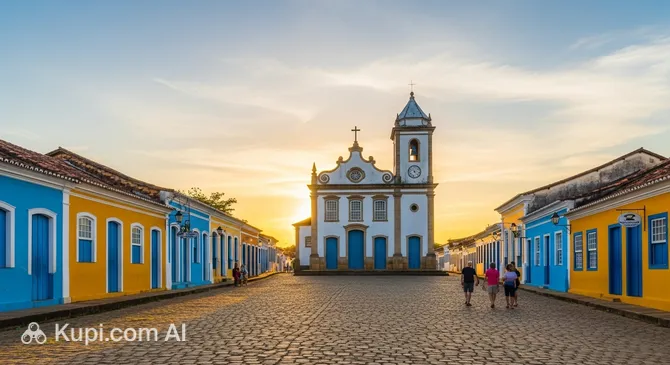
Senhor do Bonfim is a colorful and authentic city located in the northern part of the state of Bahia. Home to over 80,000 people, this town is famous for its hospitality and a unique atmosphere where deep religious traditions and the unbridled energy of folk festivals are harmoniously intertwined. The city is an important cultural center of the region and attracts travelers wishing to see the real, non-touristy life of such a multifaceted country as Brazil.

Senhor do Bonfim. Illustration.
Source: Kupi.com AI

The area features a semi-arid tropical climate, typical of the Brazilian sertão. The rich history of Senhor do Bonfim is closely linked to the development of livestock farming and trade at a crossroads of routes, which formed a special way of life for the townspeople. However, the city's main pride is its unofficial title as the "capital of forró" in Bahia. It is here that some of the largest and most colorful celebrations of São João (St. John's Festival) take place. In June, the streets transform into a massive dance floor with bonfires, fireworks, and traditional music.

Beyond the festivals, the city is interesting for its natural attractions. Tourists often visit the Serra do Gado Bravo mountain range, where they can go trekking and enjoy panoramic views of the surroundings. It is also worth visiting the lively city market to try local delicacies. Senhor do Bonfim is an ideal place for those who want to immerse themselves in the authentic culture of northeastern Brazil.

Weather Overview

The climate of Senhor do Bonfim is characterized by consistent warmth, typical of the tropical latitudes of the state of Bahia. There are no sharp temperature drops, making the city accessible for visiting at any time of year. To plan your wardrobe and activities accurately, we recommend checking the expected weather in Senhor do Bonfim for the dates of your visit in advance.

The hottest season lasts from October to March. In these months, the average temperature stays around 25°C, and daytime highs regularly reach 30°C. October, for example, is often one of the warmest months with peak figures up to 30.8°C. This is the time when the number of days with precipitation is minimal (about 5–7 days in October and December), which is great for walks and festivals.

The period from June to August brings relative coolness. The average temperature drops to 20–21°C, and at night the thermometer can show around 17°C. Interestingly, it is during these "winter" months that the highest number of wet days is observed: in June, precipitation can occur over 18 days, although the total volume remains small. Expect hot and sunny days at the end and beginning of the year, followed by a milder and wetter period in the middle of the calendar year.

Average monthly temperature

Average monthly precipitation

Interesting Facts

In addition to its main attractions, Senhor do Bonfim holds many fascinating secrets and cultural peculiarities that make it truly unique. Here are a few facts that reveal the character of this place from an unexpected side:

  • Official Capital of Forró. The city proudly holds the title of "Bahia's Capital of Forró" (Capital Baiana do Forró). Unlike many other resorts where the São João festival has turned into a commercial show, the original traditions are zealously guarded here. Locals claim that it is here that you can hear the most authentic rhythm of this genre in all of Brazil.

  • The "Fire Swords" Tradition. Senhor do Bonfim is known for its spectacular and rather extreme custom called "Guerra de Espadas" (War of Swords). This is a historical pyrotechnic tradition where participants use special bamboo fireworks that do not fly into the sky but slide along the ground and spark, mimicking a battle. Although the custom is now strictly regulated by authorities for safety, it remains an important part of the city's cultural identity.

  • Tropeiros Heritage. The city did not arise by accident, but as a strategic stop for cattle drivers—tropeiros. In the 18th century, a "rancharia" (resting place) was located here, where trade routes between the São Francisco River and the coast intersected. This spirit of trade and hospitality has survived to this day in the form of a huge weekly market.

  • Legends of Serra do Gado Bravo. The mountain range towering over the city is steeped in many legends. Old-timers tell stories of escaped slaves who created their settlements (quilombos) there, and of treasures hidden in caves from the time of the "colonels" (local landowners), which no one has been able to find to this day.

How to Get There

When planning a trip to this colorful corner of the state of Bahia, it's worth thinking about logistics in advance, as there are no direct flights to the city itself. You can find out more details on how to get to Senhor do Bonfim to choose the most convenient route, considering transfers to ground transport.

There is no airport in the city of Senhor do Bonfim itself, but you can fly into Petrolina International Airport (PNZ) in the city of Petrolina, which is approximately 129 km from Senhor do Bonfim. This is the most popular option among tourists due to the relatively short distance. The journey from here by taxi or intercity bus takes about 3.5 hours. Another possible option is Coronel Horácio de Mattos Airport (LEC), located in the city of Lençóis. However, it is significantly further away—about 253 km—and the journey from there will take about 6–7 hours.

For convenience, here is a summary of the main airports:

AirportPassenger trafficDistance
Petrolina International Airport495 000129 km
Coronel Horacio de Mattos Airport6 000253 km

Since the railway in this region is practically not used for passenger transport, the main way to reach Senhor do Bonfim after your flight remains road transport. From the airports, you can use taxi services, rent a car, or go to the bus station (Rodoviária), from which comfortable buses regularly depart toward the city.

Main Attractions

Although this city is primarily associated with the bustling June festivals, its architecture and landmarks deserve attention at any time of year. A walk through the streets of Senhor do Bonfim allows you to touch the region's history and feel the steady rhythm of life in the Brazilian hinterland.

Praça Nova do Congresso (New Congress Square) is the true heart of the city's social life and a favorite meeting spot for locals. Spacious and green, it is perfect for evening walks when the heat subsides. Large, spreading trees rise in the center of the square, providing pleasant shade, and it is surrounded by cafes and benches. City events, art exhibitions, and concerts often take place here, turning the square into a vibrant open-air cultural center.

A special place in the architectural landscape is held by the Diocesan Cathedral (Catedral Diocesana), located on Praça Austricliano de Carvalho. This temple is not only the spiritual center of the diocese but also an important historical monument. The building is distinguished by a stern and majestic beauty characteristic of religious structures in the region. Inside, an atmosphere of peace prevails, and for believers and lovers of sacred art, a visit to the cathedral is an opportunity to see how deeply rooted Catholic traditions are in the life of the local population.

One cannot overlook the Railway Station (Estação Ferroviária). This site has symbolic significance for the city's development. It is worth noting an interesting historical fact: although the railway reached this region at the end of the 19th century (the first train arrived in 1887), the current station building was built later—in the 1940s (opened in 1944). Today, this architectural landmark serves as a reminder of the era when railways were the main trade arteries of the state of Bahia, and cultural events are often held here during holidays.

For those looking for real local flavor, the Central Market (Feira Livre) is a mandatory stop. It is one of the largest and most vibrant markets in the region, where life is in full swing from early morning. Here you can find everything from fresh tropical fruits and homemade cheese to handicrafts and leather clothing, for which local masters are famous. Walking between the stalls is the best way to immerse yourself in the city's authentic atmosphere and get a taste of it.

Local Cuisine

The culinary scene in Senhor do Bonfim is a vivid reflection of the Brazilian sertão culture, where the harsh climate has shaped a cuisine rich in hearty and high-calorie dishes. Unlike the coastal part of Bahia, where seafood and dendê palm oil reign supreme, meat, root vegetables, and dairy products dominate the tables here. Travelers should prepare for rich flavors and generous portions, which locals prepare with special care.

The undisputed king of local cuisine is goat meat (carne de bode). This meat is prepared here in every possible variation: grilled over charcoal, stewed in sauce, or served as "buchada"—a traditional dish made from offal sewn into the animal's stomach. If you want to try the most popular version, order "bode assado"—roasted goat meat, usually served with fluffy couscous, boiled cassava (aipim), and vinaigrette. Another important meat delicacy is carne-do-sol (sun-dried meat), which pairs perfectly with "feijão-tropeiro" (beans with flour and spices) and "manteiga-de-garrafa" (clarified butter).

Among drinks, traditional homemade liqueurs hold a special place. Since Senhor do Bonfim is famous for its June festivals, liqueur production has been elevated to an art form here. Be sure to try the jenipapo liqueur—it is perhaps the most iconic flavor of the region, and no São João festival is complete without it. Among non-alcoholic drinks, umbuzada is worth highlighting—a thick and refreshing drink made from milk and the sweet-and-sour umbu fruit, which grows in the arid caatinga forests.

The food culture in the city is democratic and open. Locals prefer to eat in small family restaurants or right on the street. The city market remains the center of gastronomic attraction, where from early morning you can have breakfast with fresh tapioca with cheese or drink strong coffee with couscous. In the evening, life moves to the central squares, where street food stalls set up, offering skewers and fried cheese cubes, creating a unique atmosphere of coziness and celebration.

Travel Tips

Preparing for a trip to Senhor do Bonfim is key to ensuring that your immersion into the culture of the Brazilian sertão is comfortable and hassle-free. We have gathered a list of practical recommendations to help you feel confident in this colorful city and get the most out of your journey to Brazil.

  1. Clothing and Sun Protection. Given the hot, semi-arid climate, opt for clothing made of light, natural fabrics (cotton, linen) in light colors. The sun here is very intense, so a hat, high-quality sunglasses, and sunscreen with high SPF are your main companions. For evening walks, especially during the winter months (June-August), a light sweater or windbreaker may be useful. Choose shoes that are as comfortable and stable as possible, as the city's terrain is uneven in places.

  2. Transport and Getting Around. Senhor do Bonfim is a relatively small city, and the historical center is pleasant to explore on foot. For longer distances, the most popular and affordable transport is the moto-taxi. It is a fast and cheap way to get anywhere, and locals use it constantly. Regular taxis are also available; it is best to call them by phone or take them from official stands. Taxi apps here may work unreliably or have long wait times.

  3. Finances and Cash. The currency is the Brazilian real (BRL). While supermarkets, hotels, and large restaurants accept cards without issues, carrying cash is mandatory. You will need it to pay for moto-taxis and for purchases at street markets and small shops. ATMs of major banks (e.g., Banco do Brasil, Bradesco) are available in the city center, but it's better to withdraw money in advance during business hours.

  4. Health and Safety. The city is generally peaceful, but basic precautions are necessary: do not display expensive gadgets or jewelry in crowded places, especially during festivals. Pharmacies (Farmácias) are frequent in the center, and some duty pharmacies stay open late. The main health tip is to drink only bottled water and avoid ice in drinks from street vendors to prevent stomach upsets. Also, don't forget repellent if you plan trips into nature.

  5. Communication and Language. The main language is Portuguese. Few people speak English, mostly staff at some hotels or younger people. We highly recommend learning a few basic phrases ("Bom dia" — good morning, "Obrigado" — thank you, "Quanto custa?" — how much does it cost?) and downloading an offline translator on your smartphone. Wi-Fi is available in most cafes and hotels, but for reliable connectivity, it's better to buy a local SIM card (Claro, Vivo, or TIM) at mobile shops in the center (a passport is required).

  6. Local Etiquette. People in Bahia are very open and expressive. Greetings are often accompanied by a handshake or even a light hug if you are already acquainted. Don't be surprised if strangers greet you on the street—respond with a smile. In restaurants, it's not customary to rush; service can be leisurely, which is part of the relaxed local way of life.

  7. What to Avoid. If you are visiting in June during the São João festival, be extremely cautious in areas where the "Guerra de Espadas" (firework battle) takes place. Tourists are strictly advised not to approach the action without special protective clothing and footwear—it is dangerous. Watch the spectacle only from a safe distance.

  8. Gourmet Tip. Don't miss the chance to visit the city market early on Saturday morning. This is the best time to try a real local breakfast—couscous with sun-dried meat or hot tapioca prepared right in front of you. This is where you will feel the true taste and rhythm of life in Senhor do Bonfim.

Senhor do Bonfim is a place where the sincerity of the people and the richness of traditions are more important than outward gloss. By following these simple tips, you can easily blend into local life and take home only the warmest and brightest memories of the heart of Bahia.

Entertainment & Nightlife

Nightlife in Senhor do Bonfim has its own unique flavor, different from that of bustling metropolises. Here you won't find huge nightclubs with electronic music operating until dawn. Instead, evening leisure is focused on socializing, music, and dancing under the open sky. The city comes alive after sunset, when the heat subsides and locals take to the streets to discuss the news, listen to live forró or sertanejo, and enjoy cold drinks.

The epicenter of evening activity remains Praça Nova do Congresso. It is the main meeting place for people of all ages. Numerous kiosks and open-air bars are located around the perimeter and in the center of the square. A relaxed and friendly atmosphere prevails here: plastic tables are set out right on the sidewalks, music plays, and children play nearby while adults relax. It is the perfect place to start the evening by ordering a portion of local snacks (petiscos) and an ice-cold beer.

Another popular area for an evening promenade is the vicinity of the Railway Station and the adjacent cultural center. On weekends, concerts and cultural events are often held here. If you are looking for a more dance-oriented atmosphere, look for "Churrascarias" (steakhouses), which often transform into venues with live music in the evenings, where couples dance the traditional forró. The dress code in most places is casual and democratic: light summer clothes, shorts, and sandals are perfectly appropriate even in the evening.

For a comfortable and safe experience, follow a few practical tips:

  • Transport: The most convenient way to get around at night is by moto-taxi. They are easy to find at stands near the main squares and are inexpensive. Regular taxis are also available, but it's better to call them by phone.
  • Safety: Central areas, such as Praça Nova do Congresso and the surrounding shopping streets, are well-lit and safe for walking until midnight. However, avoid remote and poorly lit alleys alone.
  • Time: The busiest time is from 8:00 PM to 1:00 AM, especially on Fridays and Saturdays. On weekdays, the city quietens down earlier.

If you want to diversify your leisure time during daylight hours, Senhor do Bonfim offers several interesting options. Nature lovers can head to the Serra do Gado Bravo mountain range for trekking and panoramic views. In the city itself, it's worth visiting the majestic Diocesan Cathedral (Catedral Diocesana), which impresses with its architecture, or browsing local handicraft shops to get acquainted with the work of the region's folk artisans.

Parks & Museums

Senhor do Bonfim offers travelers a harmonious combination of natural beauty and cultural heritage that goes far beyond the famous June festivals. Although the city does not have massive museum complexes on a metropolitan scale, its green spaces and historical buildings serve as living testimonies to the traditions and way of life of the Brazilian sertão.

The region's main natural gem is undoubtedly the Serra do Gado Bravo. This mountain range and ecological reserve is an ideal place for those seeking communion with nature. There are trekking trails of various difficulty levels that pass through the unique caatinga vegetation. The climb to the top is rewarded with breathtaking panoramic views of the city and surrounding valleys, and wildlife enthusiasts can encounter rare species of birds and plants characteristic of the semi-arid climate.

Within the city, the role of the main green oasis is played by Praça Nova do Congresso, which locals use as a park. Thanks to the spreading trees that create dense shade, it remains cool here even during the hottest hours. It is not just a square, but a true public space with well-kept alleys and benches where you can take a break from the city's hustle and bustle while observing the steady life of provincial Bahia.

The cultural heart of the city is considered to be the Ceciliano de Carvalho Cultural Center (Centro Cultural Ceciliano de Carvalho). Housed in a historical building, this center is the main venue for the artistic expression of the townspeople. Exhibitions by local artists, theatrical productions, and musical performances are regularly held here. For a tourist, it is an excellent opportunity to get acquainted with the contemporary art of the region and see how traditions are reinterpreted in the work of new generations.

Senhor do Bonfim itself can be called an open-air museum thanks to its preserved historical architecture. Walking through the center, look out for the old colonial-era mansions (casarões) with their characteristic facades and high windows. The old railway station complex deserves special attention; while not a museum in the classic sense, it serves as an important monument to the city's era of economic prosperity and often becomes a backdrop for cultural events.

As an insider tip, we recommend visiting the Quicé Dam (Barragem de Quicé) or nearby reservoirs on weekends. These are not tourist spots in the traditional sense, but recreation areas where the locals themselves go to swim and have picnics. A trip there will allow you to see the unpretentious but very soulful side of the region's life and enjoy the coolness of the water in the middle of a hot climate.

Getting Around

The public transport system in Senhor do Bonfim differs significantly from that of metropolises: here you won't find subways, trams, or trolleybuses. The city is quite compact, and the transport network is primarily represented by bus routes, taxis, and the highly popular moto-taxis. For a tourist, this means that getting around will be simple but will require cash and a readiness for the local, more relaxed pace of life.

Municipal buses run between the center and the outlying districts of the city. This is the most budget-friendly way to get around, but keep in mind that schedules may not always be strictly followed, and service intervals increase on weekends. Stops are often marked just by a shelter or a sign, so if you're unsure about the route, it's best to check with locals or the driver whether the bus is going your way, simply by waving your hand to stop it.

The most common and fastest form of transport for short trips is the moto-taxi. In Senhor do Bonfim, this is an official and regulated service. Drivers wear special vests (usually bright colors with a number), and a helmet is mandatory for the passenger. This is an ideal option for solo travelers wanting to get quickly from one point to another, avoiding potential traffic during peak hours. The cost of a ride is fixed for certain zones or negotiated before boarding, but it always remains very affordable.

Classic taxis can be found at specialized stands (ponto de táxi) located near the main squares, the bus station, and large supermarkets. Unlike large cities dominated by mobile apps, it's still common here to take a car from a stand or call one by phone. Popular ride-hailing apps (such as Uber or 99) may work, but the number of cars is often limited, and wait times can be long. Always check the approximate cost of the trip with the driver in advance if the meter is not on.

The fare payment system in Senhor do Bonfim is conservative. On buses and vans, payment is made in cash to the conductor or driver upon entry. Electronic passes or contactless card payments are practically not used in public transport here. For taxis and moto-taxis, it is also highly recommended to carry small bills, as drivers often do not have change for large banknotes. Not all taxi drivers accept credit cards, so cash in reais is your most reliable companion.

If you plan to explore the surrounding area or visit natural attractions such as Serra do Gado Bravo, public transport may not be suitable. In this case, a sensible alternative would be to rent a car or arrange with a taxi driver for a round trip at a fixed price. The city center, where the main historical buildings and shops are concentrated, is best explored on foot, as distances are short and the sidewalks allow for comfortable walking.

Accommodation

Accommodation options in Senhor do Bonfim are practical and affordable, reflecting the town's modest but hospitable way of life. Tourists should not look for luxury five-star resorts or global hotel chains here. The core of the hotel stock consists of small urban hotels and cozy family-run guesthouses known as "pousadas." In these places, the emphasis is on cleanliness, basic comfort, and a hearty breakfast, which is ideal for travelers wishing to immerse themselves in the atmosphere of the Brazilian interior.

In terms of logistics, the most convenient area to stay is the City Center (Centro). By staying here, you will be within walking distance of the main points of interest, such as Praça Nova do Congresso and the city market. Additionally, the center serves as the main transport hub: it's easy to catch a taxi or moto-taxi for trips to the surrounding areas, and in the evening, you can walk to popular cafes and snack bars.

Among the specific accommodation options trusted by guests are Hotel Novo Leste and Hotel Nobre. These establishments are known for their convenient locations and stable service quality. They offer travelers the necessary amenities, including air conditioning (essential in Bahia's hot climate) and Wi-Fi, while maintaining reasonable prices.

Crucial tip: trip planning depends directly on the events calendar. During normal times of the year, you can find a room even a couple of days before your visit. However, during the famous São João festival in June, the situation changes radically. The city is overflowing with tourists, housing prices multiply, and hotel rooms run out very quickly. If your goal is to see this celebration, you must book accommodation 3–6 months in advance.

In general, the price range in Senhor do Bonfim varies from budget to mid-range. It's worth noting a peculiarity of local service: while some hotels are available through international booking systems, many small pousadas still operate the old-fashioned way. Often, it is easier and more reliable to arrange a stay through direct communication via messaging apps or by phone, which is normal practice for this region.

Nearby Cities

For those who want to explore the surrounding area, Senhor do Bonfim serves as an excellent starting point for day trips to several interesting nearby locations. The region is rich in natural beauty and historical settlements that will allow you to delve deeper into the atmosphere of the Brazilian state of Bahia.

Just 16 km from the city is Campo Formoso. This is the nearest neighbor, known for its emerald trade and impressive natural caves. The city attracts cavers and adventure seekers wishing to see the region's underground beauty. Due to its proximity, a trip here won't take much time, leaving more hours for sightseeing.

For eco-tourism enthusiasts, Jacobina, located about 87 km away, is an excellent choice. This city, surrounded by mountains and waterfalls, is often called the "City of Gold" due to its rich historical past associated with precious metal mining. Here you can enjoy hiking and swimming in natural pools.

It is also worth mentioning Monte Santo (94 km), which is an important center for religious tourism. The city is known for its historical staircase leading to chapels at the top of a mountain, making it a place of pilgrimage and a unique cultural site steeped in the history and mysticism of the sertão.

CityPopulationDistance
Campo Formoso72 27116 km
Antonio Goncalves12 18716 km
Jaguarari33 74623 km
Filadelfia17 58332 km
Pindobacu21 06237 km

These nearby destinations provide insight into the diverse culture and landscapes of the region, complementing the experience of visiting Senhor do Bonfim.

Shopping & Souvenirs

Shopping in Senhor do Bonfim is not a hunt for luxury brands, but an opportunity to immerse yourself in the authentic atmosphere of northeastern Brazil. Historically established as a commercial crossroads, the city has retained its commercial spirit to this day. For travelers, this is a chance to purchase unique goods that are hard to find in other regions at very affordable prices. The assortment here ranges from simple household items to colorful handicrafts reflecting the soul of the state of Bahia.

The heart of shopping activity is the City Center (Centro). Most of the life bustles on the pedestrian streets, the so-called "Calçadão." In the area of Praça Nova do Congresso and the adjacent alleys, there is a wealth of shops for clothing, footwear, electronics, and household goods. A walk here allows you to feel the real rhythm of the city: loud music from shops, the calling voices of street vendors, and colorful displays create the unique flavor of provincial commerce.

In Senhor do Bonfim, you won't find giant shopping malls in a metropolitan format. Instead, compact shopping galleries are popular, bringing together boutiques, service salons, and small eateries under one roof. This is a great choice for those who prefer shopping in air-conditioned comfort. However, the true spirit of commerce reigns on the street, where family-run stalls sit alongside large national department stores.

The main shopping attraction is certainly the Central Market (Feira Livre). This is one of the most extensive and lively markets in the region. People come here not only for shopping but for the experience. The stalls abound with fresh tropical fruits, vegetables, meat, spices, and grains. You can also buy clothes, hardware tools, and even livestock here. The market is the perfect place for bargaining and interacting with locals.

If you are wondering what to bring back as a souvenir, consider these local specialties:

  • Leather goods: As a center for livestock farming, the city is famous for high-quality leather products. Sandals, belts, bags, and the famous "chapéu de couro" (vaqueiro herder hats) are significantly cheaper here than in tourist centers on the coast.
  • Homemade liqueurs: Senhor do Bonfim is known for its tradition of making liqueurs, especially for the São João festival. A bottle of thick liqueur made from jenipapo or passion fruit makes a great tasty gift.
  • Ceramics and weaving: Clay pottery, figurines, and woven items made of straw created by local artisans are widely represented at the market.

Most shops in the center are open Monday to Friday from 08:00 AM to 06:00 PM, often closing for a lunch break during the hottest hours (roughly from 12:00 PM to 02:00 PM). On Saturdays, trade is brisk, but many spots close as early as 01:00 PM. Sunday is the traditional day off for most shops, except for some supermarkets and pharmacies.

Regarding payment, it's worth noting that in large shops and supermarkets, credit and debit cards (Visa, Mastercard) are widely accepted. However, for purchases at the market, in small kiosks, or when paying for street food, it is necessary to carry cash in reais. The Pix instant payment system is very popular in the country, but it is usually unavailable to tourists without a local account, so small bills remain the most reliable means of payment.

The Tax Free system (tax refund) is not common in Senhor do Bonfim, as in most of the country's small cities. Prices here already include all taxes, and given the general cost of goods, shopping remains advantageous for foreign guests even without this option.
Have you reached the end of the page?

So the route has been studied inside and out