Support

Coyhaique

About

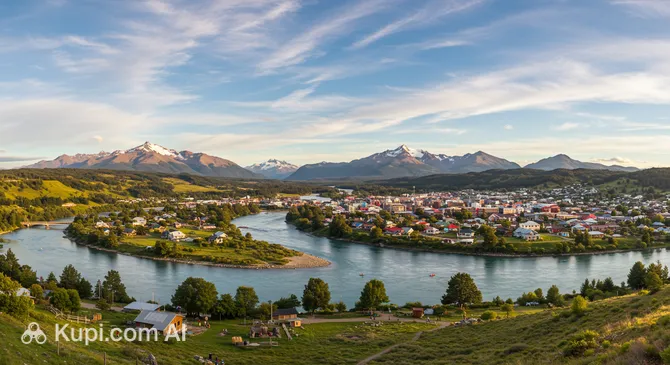
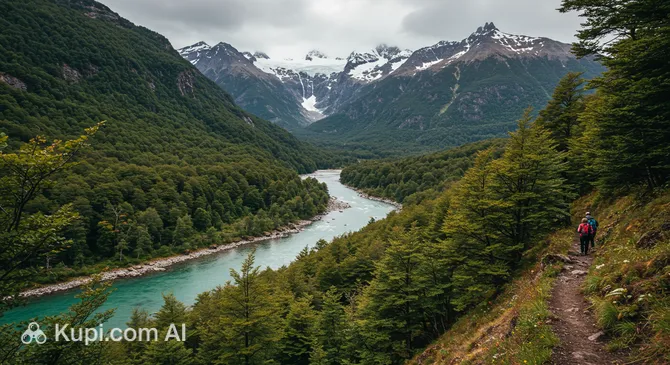
Coyhaique is a true gem of Chilean Patagonia, nestled among the majestic Andes in the heart of the Aysén region. Surrounded by dense forests, crystal-clear rivers, and mountain peaks, the city serves as the perfect starting point for exploring the wild nature of southern Chile. Located on the legendary Carretera Austral, it attracts travelers with its authentic atmosphere and stunning landscapes that unfold at literally every turn.
Coyhaique. Illustration.
Source: Kupi.com AI

Despite its status as an administrative center with a population of about 61,000, Coyhaique retains the charm of provincial coziness. You won't find skyscrapers here: the urban development consists mainly of wooden houses, which gives the streets a special charm and warmth. The climate here is cool and changeable, typical for these latitudes, but it is the rugged nature that forms the unique character of the area. If you want to learn more about how this settlement arose among the wild lands, the history of Coyhaique tells the story of bold pioneers and the stages of the city's development.

The city is a real magnet for fans of outdoor activities and ecotourism. In the immediate vicinity are national parks, glaciers, and unique natural wonders, such as the famous Marble Caves on Lake General Carrera. Tourists come here for exciting hikes, fishing in trout-rich rivers, and horseback tours. Coyhaique is a place where you can feel like a true explorer, discovering mysterious and incredibly beautiful corners of the planet. Come here to breathe the purest mountain air and enjoy the peaceful pace of life at the edge of the world.
Weather Overview

The climate of Coyhaique can be described as cool and temperate, typical for the Andean foothills in Patagonia. Summer here, occurring in January and February, is quite mild and comfortable for outdoor activities: the average temperature stays around +10...+11°C, and during the day the air can warm up to +16°C. This is the most favorable period for traveling, although even in the height of the season, you should be prepared for changes in weather.

The winter months, from June to August, bring cold weather. The average temperature drops to 0°C, and night frosts can reach -3°C. Expect cool summers and cold winters with a high probability of precipitation throughout the year. Rain is a frequent occurrence here: the number of days with precipitation varies from 10 in February to 21 in August, so high-quality waterproof gear is necessary in any season. For more accurate wardrobe planning, we recommend checking the current weather in Coyhaique before your trip.

Average monthly temperature

Average monthly precipitation

Interesting Facts

In addition to its main attractions, Coyhaique holds many fascinating secrets that only the most attentive travelers discover. This city will surprise you not only with its landscapes but also with unique features hidden in its history and geography.
Plaza de los Pioneros. Illustration.
Source: Kupi.com AI

Traveler photos:

  • "Place Between Waters." The city's name comes from the Mapuche indigenous language and translates as "place between waters" (Koy-Aike). This name perfectly describes the settlement's location, which is picturesquely spread between the Simpson and Coyhaique rivers, creating a sense of a secluded island amidst the land.

  • A Young City. Coyhaique was founded very recently by historical standards — in 1929. The memory of the first settlers and the difficult history of developing these wild lands is carefully preserved in iconic city locations, such as Pioneer Square, dedicated to the brave explorers.

  • Marble Masterpieces of Nature. One of the main natural "calling cards" of the region is the Marble Caves on Lake General Carrera. These amazing formations, carved by water into the marble rock over thousands of years, attract photographers from all over the world with their surreal beauty.

  • Cinematic Location. The surroundings of Coyhaique, especially the Simpson River National Reserve, are famous for their waterfalls and cascades. This area is so picturesque that it is often chosen by filmmakers for shooting wildlife documentaries.

  • Ecological Capital. The city is known for its progressive approach to nature conservation. Local residents actively participate in environmental programs, and Coyhaique regularly hosts festivals dedicated to ecotourism and sustainable development.

How to Get There

Coyhaique, located in the heart of Patagonia, is a fairly isolated city, so route planning requires attention. Due to the difficult terrain and remoteness of the Aysén region, the choice of transport here differs from the central part of the country. You can find all the details and logistical nuances by following the link: more about how to get to Coyhaique. The fastest and most popular way to get here remains air travel, although adventurous travelers often choose scenic land or water routes.

The main air gateway for tourists headed to Coyhaique is Teniente Vidal Airport (IATA: BBA). It is important to note that this airport is not in the city itself, but in the village of Balmaceda, located about 48 km southeast of Coyhaique. The journey from the terminal to the city center by transfer or rental car takes about 50–60 minutes. The airport receives regular flights from Santiago and Puerto Montt, providing stable connections with the rest of the country.

For clarity, here is summary information on the main airport serving the region:

AirportPassenger trafficDistance
Teniente Vidal Airport681 56548 km

Regarding railway connections, they are completely absent in this region of Chilean Patagonia. The complex mountain relief of the Andes makes laying tracks impossible, so trains do not run to Coyhaique or its surroundings. Tourists should rely on road transport and aviation.

An alternative to flying is traveling along the legendary Carretera Austral (Southern Highway). This is one of the most beautiful driving routes in the world, connecting Puerto Montt with the southern regions. The journey by bus or car will take a lot of time and require ferry crossings, but the views along the way compensate for any inconvenience. There are also combined routes using ferries from Puerto Montt to Puerto Chacabuco, from where you can reach Coyhaique by bus in an hour and a half.

Main Attractions

Coyhaique is a city where the rhythm of life is set by nature itself, and the history of Patagonia's development is felt on every street. Getting to know the sights here is not just about looking at monuments, but immersing yourself in an atmosphere of comfort and wild beauty. The city is compact, so many iconic places can be explored on foot while enjoying the fresh mountain air and views of snow-capped peaks.

The heart of the city and its main starting point is Plaza de Armas. This square is unique in Chile for its unusual pentagonal shape, symbolizing the intersection of the region's main roads. Life is always bustling here: locals relax in the shade of trees, artisans offer souvenirs, and tourists plan their routes. Administrative buildings and cozy cafes are concentrated around the square, making it an ideal place to start a walk.

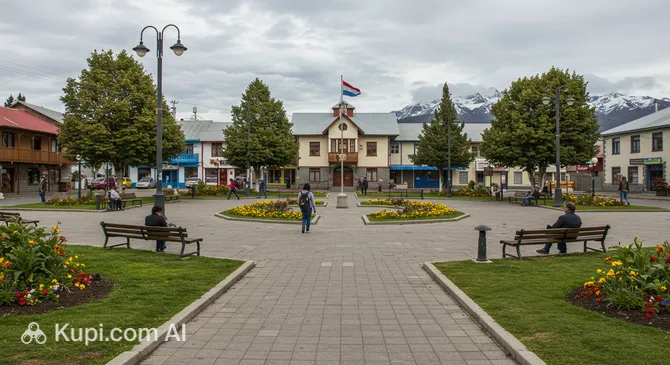
To understand the spirit of the local residents and pay tribute to the history of the region, it is worth visiting Pioneer Square. This iconic site is dedicated to the brave settlers who came to these lands in the early 20th century to build a life in the harsh conditions of Patagonia. The sculptural composition, depicting a shepherd with a flock of sheep, vividly conveys the gaucho traditions and the agrarian past of the region. It is a great place for commemorative photos and quiet relaxation.

Coyhaique National Reserve. Illustration.
Source: Kupi.com AI

Traveler photos:

For those who want to touch wild nature without traveling far from civilization, the Coyhaique National Reserve is a must-see. Located just a few kilometers from the center, it offers a network of scenic trails passing through dense forests of southern beech (lenga) and past crystal-clear lagoons. The reserve's viewpoints offer breathtaking panoramas of the city and the Simpson River valley, making it a favorite spot for picnics and light trekking.

In addition to these places, the famous Piedra del Indio (Indian Stone) is considered a landmark of the city. This rock, hanging over the Simpson River, surprisingly resembles the profile of an Indian looking into the horizon. The natural monument has become one of the symbols of Coyhaique and attracts many travelers who want to see this wonder with their own eyes.

Local Cuisine

The gastronomic scene in Coyhaique is a reflection of the harsh yet generous character of Patagonia. The cuisine here is hearty, warming, and incredibly tasty, ideal for recovering after long walks in the fresh air. The undisputed king of the local table is Patagonian asado (asado patagónico) — tender lamb meat that is roasted for hours on a spit around an open fire. This cooking method gives the meat a unique smoky aroma and a crispy crust, making it the main culinary highlight of a trip to Chile.

Thanks to the abundance of rivers and lakes in the Aysén region, the menu of local establishments is impossible to imagine without fresh fish. Be sure to try salmon or trout, which are prepared here in many different ways: baked with herbs, grilled, or served smoked. In addition, the region is famous for its farm products: homemade cheeses, smoked meat delicacies, and aromatic honey, which can often be found at hotel breakfasts or bought at local markets.

Among drinks, a special place is occupied by mate — a herbal infusion drunk from a special vessel through a bombilla straw. For locals, this is not just tea, but a true ritual of friendship and hospitality that helps them keep warm in cool weather. Also, the culture of craft brewing is actively developing in Coyhaique. Local breweries use the purest glacial water to create unique types of beer. An excellent place to appreciate the variety of local drinks and snacks is Baker Resto Bar, which has a relaxed atmosphere.

Baker Resto Bar. Illustration.
Source: Kupi.com AI

Traveler photos:

The food culture in the city is democratic and cozy. "Picadas" — small family restaurants with large portions and homemade food where both locals and tourists like to gather — are popular here. If you are looking for a place with a soul-stirring atmosphere, check out Café Peregrino. This establishment is perfect for enjoying a cup of coffee with homemade pastries or a hearty lunch while immersing yourself in the slow pace of life in the Patagonian hinterland.

Travel Tips

Coyhaique is an incredibly hospitable city, but a trip to the heart of Patagonia requires certain preparation and knowledge of local nuances. To ensure your vacation is as comfortable as possible and without organizational surprises, we have compiled a list of the most important recommendations to help you feel confident in this amazing land.

  1. Clothing and Gear: The main principle of dressing here is "layering" (the onion style). The weather in southern Chile changes instantly: bright sunshine can be replaced by icy rain in half an hour. Even in summer, be sure to bring a fleece jacket, a windproof windbreaker, and a high-quality raincoat. For walks, comfortable trekking shoes with non-slip soles are necessary. If you plan to visit churches, there is no special dress code, but modest clothing is appropriate.

  2. Transport: Within the city, it is most convenient and cheapest to move around by "colectivo" — shared taxis in black with numbers on the roof. Apps like Uber work unstably or are absent here. If you want to explore the surroundings and national parks, renting a car (preferably with high ground clearance) is practically the only option that gives freedom of movement.

  3. Finances: The official currency is the Chilean peso. Cards are accepted in supermarkets, hotels, and large restaurants, but to pay in small shops, kiosks, souvenir stores, and in rural areas, you will definitely need cash. You can withdraw money from ATMs around the main square. Tipping in restaurants is usually 10% of the bill (propina).

  4. Health and Safety: Coyhaique is a safe city with a low crime rate, but you should not leave valuables unattended. Pharmacies (Farmacias) are concentrated in the center, with duty ones working around the clock. Tap water in Chile is considered safe, but tourists with sensitive digestion are recommended to buy bottled water. Don't forget sunscreen — the ozone layer is thinner here, and you can get burned even in cloudy weather.

  5. Communication: The main language of communication is Spanish. English is not understood everywhere, mainly only at hotel receptions and in large tourist offices. We recommend learning a few basic phrases and installing an offline translator. It is better to buy a SIM card immediately upon arrival (operators Entel or Movistar have the best coverage in the south of the country). Outside the city, connection and mobile internet often disappear.

  6. Local Etiquette: Chileans are very friendly and tactful. When entering a store or boarding a bus, it is customary to say hello ("Buenos días" or "Hola"). The rhythm of life in Patagonia is more relaxed than in the capital, so do not rush the service staff — peace and human communication are valued here.

  7. What to Avoid: It is strictly forbidden to make fires in unauthorized places. Strong winds often blow in Patagonia, and the risk of forest fires is extremely high — violations are subject to huge fines and criminal liability. Also avoid planning "tight" schedules: weather or the condition of gravel roads may make adjustments to your schedule.

  8. Additional Tip: Take the siesta into account. Many small shops, museums, and offices in Coyhaique close for a lunch break from approximately 1:00 PM to 3:00 PM. Plan your shopping and important business for the morning or afternoon. And if you want to feel like a local, try the calafate berry — legend has it that whoever eats it will definitely return to Patagonia.

We hope these practical tips help you plan the perfect trip. Coyhaique is a place where nature teaches you to live in the moment, and with the right preparation, you will be able to enjoy every second of your stay in this harsh but incredibly beautiful corner of the planet.

Entertainment & Nightlife

Entertainment and Nightlife:

Nightlife in Coyhaique has its own unique Patagonian character. You won't find huge nightclubs with laser shows until dawn here, but the city is famous for its cozy culture of pubs, restobars, and places where you can warm up after a long day in nature. Evening entertainment here is primarily about socializing, great music, locally produced craft beer, and delicious food in warm company.

The epicenter of evening activity is in the so-called "historical pentagon" — in the city center, around the main square Plaza de Armas and on adjacent streets such as Prat, Horn, and Bilbao. This is where most establishments that open their doors closer to sunset are concentrated. The atmosphere in them is very democratic and relaxed: you can meet both locals in traditional clothing and tourists in trekking boots. There is practically no dress code — "casual" style or hiking gear is quite appropriate here even in the evening.

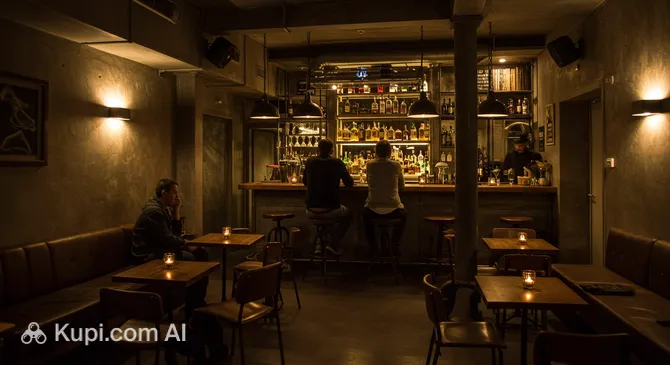
One of the most popular places for evening relaxation is Baker Resto Bar. This establishment perfectly conveys the spirit of the city: a stylish interior, a wide selection of cocktails and local beer, and a varied menu make it an ideal spot to meet friends. On weekends, music often plays here, creating a lively but not deafening atmosphere.

Baker Resto Bar. Illustration.
Source: Kupi.com AI

Traveler photos:

If you are looking for a quieter place for dinner or a late coffee, it's worth checking out Café Peregrino. This cozy establishment is famous for its hospitality and excellent cuisine, suitable for those who want to spend the evening in quiet conversation. Many establishments in the city operate until midnight or 1:00 AM on weekdays, and until 2:00–3:00 AM on Fridays and Saturdays.

Practical Tips and Safety: Coyhaique is considered a safe city, and walking through the illuminated center in the evening does not cause concern. However, as everywhere, you should exercise reasonable caution and not leave belongings unattended. If you stay out late or your accommodation is far from the center, it is better to call a taxi ("radio taxi") — this is an inexpensive and reliable way to get to your hotel. The average check in bars and clubs is quite affordable; a pint of beer or a cocktail will cost a reasonable amount by Chilean standards.

As for daytime cultural entertainment, Coyhaique offers a visit to the Cultural Center (Centro Cultural Coyhaique), where exhibitions, theatrical performances, and concerts are regularly held. History buffs can visit regional museums to learn more about the lives of early settlers, and in good weather, city parks and squares become a great platform for family relaxation.

Parks & Museums

Coyhaique is a city where the urban environment harmoniously intertwines with the wild nature of Patagonia. Green zones here don't just decorate the streets but serve as a natural extension of the surrounding forests and mountains, while cultural sites carefully preserve the memory of the difficult history of developing this harsh land.

The main natural gem in the immediate vicinity of the city is the Coyhaique National Reserve. Located just a few minutes' drive from the center, it offers travelers a network of scenic trails passing through dense forests of southern beech and past crystal-clear lagoons. This is an ideal place for those who want to enjoy the silence and panoramic views of the Simpson River valley without going deep into the wilderness.

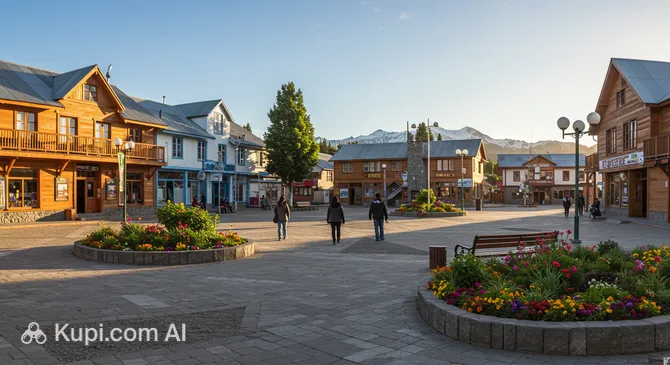
In the very heart of the city's urban area, Plaza de Armas serves as a green oasis. This square is unique for its unusual pentagonal shape, symbolizing the compass rose and the intersection of the region's main roads. Many exotic and local trees are planted here, creating a cozy atmosphere for walks. The square is not just a park but also a center of public life, where artisan fairs and cultural events are often held.

For a deep dive into the history and culture of the region, the Regional Museum of Aysén (Museo Regional de Aysén) is a must-visit. This modern museum complex is located in restored historical buildings of the former "Aysén Industrial Company," which are a national monument. The museum's exhibitions fascinatingly tell the story of Patagonia's geological past, unique flora and fauna, as well as the life and traditions of the first colonists who developed these lands.

Pioneer Square can also be called a kind of open-air museum. This iconic place is dedicated to the brave settlers who arrived here in the early 20th century. A prominent sculptural group depicting a shepherd with a flock of sheep occupies the central place, vividly illustrating the agrarian past and gaucho traditions that are still alive in the culture of local residents today.

If you have time left, we recommend a walk to the natural monument Piedra del Indio (Indian Stone) on the banks of the Simpson River. The rock, resembling an Indian's profile, has become one of the symbols of the city and offers an excellent viewing platform for photos, especially in the rays of the setting sun.

Getting Around

The public transport system in Coyhaique is characterized by simplicity and the absence of the bustle typical of megacities. Since the city is relatively small and compact, there are no subways, trams, or trolleybuses here. The main burden of passenger transport is carried by shared taxis (colectivos) and small city buses, which locals call "micros."

Shared Taxis (Colectivos) are the most popular and convenient form of transport in the city. These are passenger cars, usually black, with a sign on the roof indicating the route number and main stops. They run along fixed lines like buses but operate much faster. You can stop such a taxi anywhere along its route simply by raising your hand. Unlike a regular taxi, other passengers get into a "colectivo" as long as there are free seats in the cabin.

City Buses (Micros) are less common but also run along the main streets. This is a more budget-friendly travel option, but the intervals between buses may be longer than for shared taxis. Stops often do not have clear signage, so it is better to focus on local landmarks or ask passersby for the nearest boarding point.

The fare payment system in Coyhaique is extremely simple and conservative: they accept only cash. No transport cards, apps, or validators are required. Payment is made directly to the driver upon entering or exiting. The fare is fixed and very democratic. It is strongly recommended to have small bills and coins (Chilean pesos) with you, as the driver may not have change for a large banknote.

Transport usually starts working early in the morning, around 07:00, and finishes running at about 9:00–10:00 PM. At night, as well as on weekends and holidays, the traffic intensity decreases noticeably. If you need to get somewhere late in the evening, it is most reliable to use the services of a radio taxi (Radio Taxi). These cars work on call; they are safe and have fixed rates, which are best checked with the dispatcher in advance. Regular taxis that can be caught on the street are less common.

For tourists planning to go outside the city and explore the beauty of the region, the best alternative to public transport is renting a car. This will give you freedom of movement and allow you to reach remote natural attractions where city minibuses do not go. Also, walking tours are popular in the city center, as distances here are small and many interesting places are within walking distance of each other.

Accommodation

In Coyhaique, travelers will find a variety of accommodation options that perfectly convey the spirit of Patagonia. The hotel infrastructure here is primarily represented by cozy guesthouses (hospedajes) and wooden cottages (cabañas), which fit perfectly into the surrounding landscape. For budget travelers and young people, many hostels are open with a warm, friendly atmosphere. Travelers who value increased comfort can choose mid-range hotels or small boutique lodges. It is worth noting that there are practically no large luxury chain hotels in the city itself, but the level of service in local establishments remains high and heartfelt.

When choosing an area to stay, most tourists prefer the city center. This is a strategically convenient solution: by staying in the so-called "historical pentagon," you will be within walking distance of restaurants, shops, and tourist bureaus. The main square Plaza de Armas serves as a landmark — life around it is bustling until late evening. If your goal is silence and connection with nature, look into accommodation options on the outskirts or along the riverbanks, where individual houses with scenic mountain views are often for rent.

Plaza de Armas. Illustration.
Source: Kupi.com AI

Traveler photos:

Booking Tip: Since Coyhaique is a key transit point on the Carretera Austral, the demand for housing during the peak season (January and February) is very high. We strongly recommend booking your accommodation in advance, preferably several months before your trip, to guarantee a comfortable spot and avoid wasting time searching for a vacancy upon arrival.

The price range in the city varies from budget to above average. Hostels and campgrounds offer the most affordable prices, while renting fully equipped cabañas or rooms in boutique hotels will cost more. Accommodation can be booked through popular international online aggregators, but many small family hotels prefer direct communication through their own websites or messengers, which sometimes allows for finding better deals.

Nearby Cities

For those who want to explore the surroundings, Coyhaique serves as an excellent starting point for day trips to several interesting nearby locations. Given the geographical isolation of the Aysén region, the list of accessible towns for a short visit is limited, but each possesses a unique character.

The most popular destination for a day trip is Puerto Aysén. Located just 52 kilometers from the regional capital, this city is surrounded by picturesque mountains and rivers. Its main attraction is considered the Presidente Ibáñez Bridge — the longest suspension bridge in Chile, which is a national monument. A trip here allows you to enjoy views of fjords and a wetter, coastal climate, different from the dry air of Coyhaique.

It is also worth mentioning the neighboring port of Puerto Chacabuco (often visited together with Puerto Aysén), which serves as the main maritime gateway to the region and the starting point for excursions to the San Rafael Glacier. The road to the coast is an adventure in itself, passing through beautiful valleys and the Farellón Tunnel.

CityPopulationDistance
Balmaceda3 00047 km
Puerto Aysen32 98252 km
Chile Chico4 800111 km
Alto Rio Senguer1 570114 km
Rio Mayo2 791116 km

These nearby destinations provide insight into the diverse culture and landscapes of the region, from dense forests and rivers to the rugged Pacific coast.

Shopping & Souvenirs

Shopping:

Shopping in Coyhaique is not about chasing global brands but an opportunity to touch the original culture of Patagonia. The city does not abound in huge shopping malls, but it is famous for stores with high-quality equipment for outdoor activities and local artisans' shops. Here you can find unique handmade items that will keep the warmth of southern Chile for many years. Trade here is conducted at a calm pace, conducive to a leisurely choice.

The main shopping artery of the city is the pedestrian street Paseo Horn. This colorful cobblestone alley is home to many boutiques, souvenir shops, clothing stores, and cozy cafes. A walk along Paseo Horn is a mandatory part of the program: you can buy everything here, from warm woolen clothes to books and maps of the region. Brisk trade also takes place on the streets adjacent to the central Plaza de Armas, especially on Arturo Prat Street.

There are no large shopping and entertainment complexes of capital city scale in Coyhaique, which is typical for small Patagonian towns. However, there are branches of famous Chilean department stores such as Corona or Falabella (in the form of small shops or pickup points), as well as large supermarkets of the Unimarc chain, where tourists can restock provisions before trips to nature. To buy household goods and electronics, locals usually visit small shopping galleries in the center.

A true treasure for fans of authentic shopping is the Artisan Fair (Feria Artesanal), located right on the main square, opposite Plaza de Armas. This is the best place to find gifts with a soul. Masters from all over the Aysén region bring their products here: from knitted items to jewelry. The market is open daily, but the greatest variety of goods can be found on weekends.

If you are wondering what to bring from Coyhaique, pay attention to products made of sheep's wool. The region is famous for its sheep farming, so locally produced sweaters, ponchos, hats, and socks are of the highest quality and provide excellent warmth. Souvenirs made of wood and leather, traditional vessels for drinking mate, and, of course, gastronomic gifts: calafate berry jam, honey, and smoked merkén spices are also popular.

Shops in the city usually open around 09:30–10:00 AM. It is important to remember the siesta: many small shops and offices close for a lunch break from 1:00 PM to 3:00 PM or 4:00 PM. Large supermarkets and chain stores work without a break until 8:00–9:00 PM. Credit cards are accepted almost everywhere, but for purchases at artisan markets or in small kiosks, it is highly recommended to have cash pesos with you.

The Tax Free system (VAT refund) when purchasing goods in Coyhaique shops for tourists is not as widespread as in Europe. Tax refunds in Chile mainly apply to paying for hotel accommodation in US dollars. Therefore, when planning your shopping budget, you should focus on the prices indicated on the price tags — they are final and already include tax.

Have you reached the end of the page?

So the route has been studied inside and out