Support

Payan

About

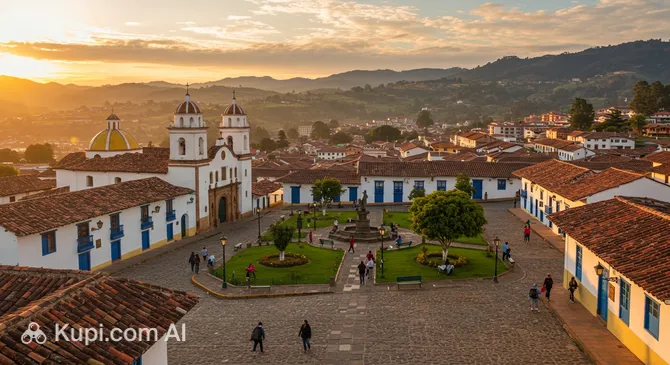
Payán is a colorful and soulful corner, nestled in the picturesque department of Nariño in southern Colombia. The city is located in the foothills of the Andes at an altitude of about 1,700 meters above sea level, literally a step away from the equator. Thanks to this geographical position, a mild and pleasant climate prevails here, and travelers are greeted with incredible views of green hills and valleys, where morning mists give way to colorful sunsets.

Payan. Illustration.
Source: Kupi.com AI

Despite its modest size and a population of only a few thousand people, Payán plays an important role in the region's life, serving as a hub for roads leading to the main natural attractions of the south. Life here flows at a measured pace, allowing guests to take a break from the hustle and bustle of megacities. Strolling through the narrow streets and observing the preserved ancient architecture, one can feel the rich history of Payán come to life, carefully preserved in local traditions and the way of life.

This city is an ideal place for those seeking authentic experiences. Among the key features of Payán are its cozy central square, where families gather in the evenings, and its particularly friendly atmosphere, which quickly makes every tourist feel at home. We recommend visiting Payán to anyone who wants to see the real, non-touristy side of the country and enjoy the harmony of nature and colonial heritage.

Weather Overview

The climate in Payán is remarkably consistent, making it comfortable to visit at any time of year. Eternal summer reigns here: the average air temperature remains stable in the range of 25.5°C — 26.4°C. During the day, the thermometer usually rises to 28-29°C (the maximum reaches 29.4°C in March), and nights bring pleasant coolness with temperatures around 23°C.

A feature of the local weather is the high frequency of precipitation despite its small total volume. It rains here almost every day: the number of "wet" days varies from 28 in February to 31 in January, May, and December. However, the precipitation itself is often brief or drizzling, as the monthly level is only from 7 mm in July-August to 16 mm in April-May. The current weather in Payán will help you better plan your activities, but a light raincoat should always be kept at hand.

Expect consistently warm weather throughout the year with a high probability of light precipitation almost every day.

Average monthly temperature

Average monthly precipitation

Interesting Facts

In addition to picturesque landscapes and the hospitality of its residents, Payán hides several surprising features that make it a truly unique place to explore.

  • Architectural "Time Capsule." The city prides itself on its impressive historical heritage: ancient churches and colonial-style residential buildings have been wonderfully preserved here, some dating back to the 16th–17th centuries. Local residents take such care of these buildings that it feels as if the city is frozen in the era of old Colombia.

  • Legend of the Chief and Treasures. According to local legends, Payán owes its name to a powerful indigenous chief whose tribe inhabited these lands in ancient times. Elders still recount legends that ancient ritual sites and treasures are hidden in the city's surroundings, continuing to lure adventurers and archaeologists.

  • Unique Harvest Festivals. In Payán, holidays dedicated to giving thanks to nature are celebrated with particular grandeur. These vibrant events combine solemn religious processions in honor of patron saints with joyful folk festivities dedicated to the harvest, reflecting the deep connection of the townspeople with the land.

  • Center of Traditional Crafts. The city is known for its talented artisans who carefully preserve the secrets of their ancestors. Local markets offer unique handmade ceramics, distinctive textiles, and skillful woodwork — ideal souvenirs that carry the warmth of local craftsmen's hands.

How to Get There

When planning a trip to this colorful corner of the Nariño department, it is important to consider its geographical location. Payán is off the main tourist tracks, so the journey here can be a real adventure. You can find out more about how to get to Payán and explore all available routes on a separate page; below, we will look at the main air gateways that are most convenient for reaching the region.

There is no airport in Payán itself, so travelers will have a combined route. The nearest air gateway is La Florida Airport (IATA: TCO), located in the city of Tumaco. It is about 63 km from Payán. This is a small regional airport that accepts flights from the capital and other cities in the country. The estimated travel time from the airport to the city by taxi or private transfer is about 2 hours (however, please note that in this region, time can vary due to road conditions and terrain).

A larger and more significant transport hub is Cano Airport (IATA: PSO), serving the city of Pasto. It is located approximately 107 km from Payán. This is an important airport with high passenger traffic, accepting regular flights. The journey from here to Payán will take longer — approximately 3 hours by car, but this route is often chosen due to the greater number of available flights.

For clarity, here is a summary of the main airports in the region:

AirportPassenger trafficDistance
La Florida Airport90 00063 km
Guapi Airport29 18395 km
Cano Airport816 486107 km
San Luis Airport80 000115 km
Esmeraldas Airport45 000183 km

Railway communication is not developed in this part of Colombia, so it is impossible to reach Payán by train. There are no active passenger stations in the region. The main burden of passenger transport falls on road vehicles.

After arriving at one of the nearest airports, the rest of the journey to Payán usually takes place on intercity buses or specially hired vehicles (jeeps). Depending on the season and weather conditions, part of the route in this region may also involve river travel, which is a common practice in the Nariño department. We recommend checking local transport schedules in advance.

Main Attractions

The main attractions of Payán (also known as Magüí Payán) are not related to grand monuments, but rather to its unique location in the heart of humid tropical forests and the distinctive culture of the Pacific coast. This is a destination for those who value atmosphere and natural beauty more than classic tourist routes.

One of the key points of attraction is the Magüí River (Río Magüí). It is not just a body of water, but a true "street" and the lifeblood of the city. A trip here is unimaginable without a boat ride on a traditional boat or canoe. The water offers the best views of the surrounding jungle and the stilt houses characteristic of the region's architecture. It is an ideal place for observing local flora and fauna in their natural habitat.

The center of social life is the Main Square (Parque Central). This is where the heart of the city beats: locals gather to discuss the news, relax in the shade of trees, or listen to music. The square is an excellent starting point for getting to know the city and immersing yourself in its slow, relaxed rhythm. It is especially cozy in the evenings when the lanterns are lit and the daytime heat subsides.

An important landmark is the City Church. It is a modest but significant building for local residents, serving as the spiritual center of the community. The church's architecture is simple and functional, typical of small towns in the Nariño department, but it is here that one can feel the sincere faith and solidarity of the townspeople, especially during Sunday services or religious holidays.

Ecotourism enthusiasts should pay attention to the surrounding tropical forests. Payán is located in a zone of high biodiversity. Walks in the surrounding areas (preferably accompanied by a local guide) will allow you to see lush vegetation, exotic flowers, and many birds. This is a true green ocean that surrounds the city on all sides, creating a sense of total isolation from the outside world.

Local Cuisine

The culinary scene of Payán is a true mirror of southern Colombian traditions, where every recipe is passed down from generation to generation. Local cuisine is famous for its simplicity and heartiness, based on the generous use of corn, legumes, and fresh vegetables. Meat lovers will appreciate dishes cooked over coals, which have a special aroma and tender texture here.

Among the main dishes that every traveler must try, the tamal holds the top spot. In Payán, it is prepared according to a special recipe: a delicate corn dough with a rich filling of meat and vegetables is wrapped in a banana leaf and slowly steamed. This method gives the dish a unique herbal aroma. Another gastronomic symbol is the arepa — a round flatbread made of corn flour. It is served hot, generously topped with local cheese, butter, or homemade sauces. Arepas can be found everywhere: from family feasts to street stalls.

It is impossible to imagine a morning in Payán without a cup of aromatic Colombian coffee. Here, it is prepared strong and rich, turning the tasting into a real ritual. For those who prefer cool drinks, local markets offer an abundance of fresh tropical fruits, from which delicious juices and smoothies are made. This is the perfect way to refresh yourself on a hot day and recharge with vitamins.

Food culture in the city is closely linked to family values and socialization. Locals love to gather around large tables, share stories, and enjoy food with loved ones. Tourists should visit the city markets or attend gastronomic festivals that occasionally take place in Payán. There, you can not only try unique dishes made from rare local ingredients but also experience the genuine hospitality of the people of the Nariño department.

Travel Tips

A trip to Payán is an immersion into the authentic atmosphere of the Pacific region, which requires some preparation due to the city's distance from standard tourist routes. To make your visit to Colombia as comfortable and safe as possible, we have compiled a list of important recommendations considering local specifics.

  1. Clothing for the Tropics. Given the hot and humid climate (average temperature +26°C), prefer light, breathable clothing made from natural fabrics such as cotton or linen. Be sure to bring a high-quality raincoat or poncho, as it rains here almost every day. For walks in the surrounding areas and along the riverbanks, closed, waterproof footwear or even rubber boots are best to protect against mud and insects.

  2. Transport Nuances. Within the city, there are no traditional taxis or services like Uber. The main way to get around is mototaxis or walking. For regional trips, the main transport is motorboats (lanchas). Agree on the price of the trip in advance, before boarding, to avoid misunderstandings. If you are planning a boat trip, always demand a life jacket.

  3. Financial Preparation. In Payán, it is practically impossible to pay by card, and ATMs may be absent or not working. It is extremely important to have a sufficient supply of cash (Colombian pesos) with you. Try to exchange large bills (50,000 and 100,000 pesos) in larger cities (for example, in Pasto) in advance, as local vendors often do not have change. Small bills are worth their weight in gold here.

  4. Health and Hygiene. Due to the tropical climate, there are many mosquitoes in the region. Be sure to bring a powerful repellent and apply it regularly, especially in the evening. Drink only bottled water and use it for brushing your teeth; tap water may be unsafe for an unaccustomed stomach. Also, pack a small first-aid kit with basic medicines (for stomach upset, painkillers, plasters), as the assortment in local pharmacies is limited.

  5. Connectivity and Communication. English is practically not used in Payán. You will need basic knowledge of Spanish or an offline translator on your phone for communication. Mobile internet can be unstable. We recommend purchasing a SIM card from a local operator (such as Claro or Movistar) in a large city upon arrival in the country, as it may be difficult to find starter packs on-site.

  6. Local Etiquette. Residents of the Nariño department are very polite and value respectful treatment. Always say hello when entering a shop or boarding a boat ("Buenos días" or "Buenas"). Before taking a photo of a local resident, be sure to ask for permission — people here can be shy or superstitious. A refusal should be accepted with a smile.

  7. What to Avoid. Do not openly display expensive gadgets, jewelry, or large amounts of money on the street — this rule is universal for safety. Also, avoid walking alone after dark, especially on the outskirts of the city or in deserted areas near the river. Follow the advice of local residents regarding safe routes.

  8. Early Rising. Life in Payán begins at sunrise to get important things done before the midday heat sets in. Shops and markets open early. Plan your activities for the first half of the day — this is the best time for observing nature and finding transport, as activity in the city decreases significantly after lunch.

Payán is a place where time flows at its own special rhythm. By following these simple tips and showing respect for local traditions, you will be able to enjoy the sincere hospitality of the residents and see the true, untouched beauty of this corner of the world.

Entertainment & Nightlife

Nightlife in Payán (Magüí Payán) is far from the neon glow of metropolises, but it is here that you can feel the true, non-touristy rhythm of the Colombian Pacific coast. Evening entertainment here is primarily a social event, where music plays loudly and dancing continues late into the night. The local leisure culture is permeated with the warmth and openness of the residents, for whom a Friday or Saturday evening is a great reason to gather together.

The epicenter of evening activity is the area around the Main Square (Parque Central) and the adjacent streets leading to the river. This is where the city's life is concentrated after sunset. In Payán, open-air bars and "cantinas" or "estaderos" (semi-open establishments where music can be heard throughout the block) are popular instead of European-style closed nightclubs. Here you can hear infectious salsa, vallenato, reggaeton, and, of course, the traditional rhythms of the region, such as currulao.

The atmosphere in these establishments is as democratic and relaxed as possible. There is no dress code: locals dress simply and comfortably, preferring light clothing due to the tropical heat. The crowd is very diverse — from young people to older adults who come to discuss the news. If you want to join the local scene, order a bottle of local beer (such as Poker or Club Colombia) or try aguardiente (anise liqueur), which is particularly loved in the Nariño department.

Among the practical tips for nighttime leisure, several important points should be highlighted:

  • Operating Hours: The main fun begins after 8:00 PM and can last until 2:00–3:00 AM on weekends. On weekdays, the city goes to sleep much earlier.
  • Prices: The cost of drinks and snacks here is very low compared to the country's major cities. Payment is accepted exclusively in cash, so make sure to have bills ready in advance.
  • Transport: Public transport does not run at night. You can move around the center on foot, as distances are small, or use mototaxi services if you need to reach the outskirts.

The issue of safety at night requires a sensible approach. Payán is a small town where everyone knows each other, but tourists are recommended to stick to well-lit central streets and areas with many people. Avoid walking alone through dark alleys or remote areas near the river late at night. The best option is to relax in a group or accompanied by a local guide or acquaintance.

In addition to bars, nightlife includes gastronomic pleasures. Street food stalls appear near the streets towards the evening. This is a great chance to try freshly prepared empanadas, fried plantains (patacones), or skewers that locals call "pinchos." There are no night markets as such, but the food trade on the square creates a similar lively atmosphere.

Speaking of daytime entertainment that can complement your leisure before a lively evening, the choice here is focused on nature. Payán has no large theaters or amusement parks. During the day, travelers usually go on boat trips along the Magüí River, explore the surrounding jungle, or simply enjoy the slow flow of life, watching the fishermen work on the waterfront.

Parks & Museums

In the city of Payán (Magüí Payán), you will not find the usual museum complexes or huge botanical gardens enclosed by fences that are common in metropolises. Here, the concept of cultural and natural heritage is different: the entire city and its surroundings represent a single living space where history is intertwined with daily life, and the jungle begins literally outside the doorstep. The main treasures of this corner of Colombia remain its authentic atmosphere and untouched landscapes.

The central green zone and the heart of social life is the Main Square (Parque Central). It is not just an administrative center, but a true oasis where you can take shelter from the tropical sun in the shade of spreading trees. The park serves as the main meeting place for locals and a venue for celebrations. There is no elaborate landscape design here, but there is a sincere simplicity and coziness that allow you to feel the measured pace of the city's life. In the evening, the park fills with the sounds of nature and quiet conversations, creating ideal conditions for a peaceful rest.

A true natural park without borders can be found on the banks of the Magüí River. A walk along the river replaces a visit to any arboretum: here you can observe lush tropical vegetation hanging right down to the water and a multitude of birds. These are the "green lungs" of the region, accessible to every traveler. For a deeper immersion in nature, it is worth heading a bit further from the residential quarters, where the dense humid forests that have preserved their primal biodiversity begin.

As for museums, Payán itself is an open-air museum. The traditional architecture of the city — wooden stilt houses (palafitos) — is a living history of human adaptation to life near the water. Instead of halls with exhibits, the streets and craft workshops act as galleries, where locals build boats, weave nets, or play the marimba. The culture of the Nariño region is transmitted here not through placards under glass, but through oral traditions, music, and dances that can be seen and heard right on the streets during local celebrations.

Insider Tip: If you want to touch history, do not look for a guide with a brochure. Try to find local musicians or craftsmen who make traditional instruments. Often, their homes store ancient marimbas and drums, and the owners' stories about the origins of currulao rhythms will replace any ethnography lecture.

Getting Around

The public transport system in Payán (Magüí Payán) differs significantly from the usual schemes of large metropolises. Here you will not find subways, trams, or an extensive network of city buses. Since it is a small municipality located in a humid tropical forest zone, the transport infrastructure is adapted to local conditions and the rhythm of life. Movement around the city itself and its surroundings is carried out mainly on small-scale transport or on foot.

The most popular and affordable means of transport within the city are mototaxis (locals often call them "mototaxismo"). This is a fast and inexpensive way to get from one point to another. Motorcycle drivers wait for passengers at major intersections and near the central square. For trips between nearby settlements or to the countryside, sturdy jeeps and traditional "chivas" buses (truck-buses) are used, which are themselves a colorful part of the local culture.

Given Payán's geographical location on the river, water transport plays a vital role. The Magüí River serves as the main transport artery connecting the city with remote areas and neighboring municipalities of the Pacific coast. Motorboats (lanchas) and canoes are used to transport passengers. This is the main way to travel for those who want to explore the jungle or reach settlements where no roads lead.

The fare payment system here is extremely simple and conservative: only cash is accepted. Transport cards, passes, or mobile payment apps do not work in Payán. The cost of a mototaxi ride around the city is fixed and very affordable; however, for long trips or boat rentals, it is better to clarify the price in advance. Taxi apps like Uber or Cabify are not available here; all services are provided by private carriers.

Tourists should follow a few practical tips. First, always carry small bills, as drivers often do not have change for large banknotes. Second, when using water transport, be sure to wear a life jacket — this is the primary safety requirement. Finally, keep in mind that there is no regular schedule as such: boats and collective jeeps depart as they fill up, and river navigation usually stops at night.

Accommodation

The choice of accommodation in Payán (Magüí Payán) fully corresponds to its status as a remote corner deep within the tropical forests. Travelers should not expect five-star resorts, hotel chains, or luxury apartments with panoramic windows here. The hotel infrastructure consists mainly of modest options aimed at local business travelers, traders, and the rare extreme traveler. This is primarily a budget sector: small guesthouses known as "residencias" and simple mini-hotels.

Most accommodation options are concentrated in the central part of the city, within walking distance of the Main Square (Parque Central) and the river pier. Staying in the center is the most convenient and safe: major shops, cafes, and transport departure points are nearby. Since the town is small, the division into tourist and non-tourist areas is subjective, but we recommend choosing accommodation on well-lit streets closer to administrative buildings and avoiding the outskirts bordering dense thickets.

A typical room in a local hotel offers a basic set of amenities: a bed, a fan (air conditioners are rare), and, at best, a private bathroom with cold water (hot water is a great rarity in this climate). Often, the bathroom may be shared on the floor. An important element of the furnishings is a mosquito net, which is essential in the humid climate of Colombia.

Booking Tips and Prices:

  • Booking Method: Popular international platforms (Booking, Airbnb) practically do not work in Payán. Most properties are not represented on the internet. The best way to find accommodation is to ask locals for recommendations upon arrival or negotiate on the spot. In rare cases, you can find owners' contacts through social networks and book by phone.
  • Payment: Be prepared for the fact that payment is accepted exclusively in cash. There are usually no card terminals in the hotels.
  • Price Range: Accommodation prices here are very affordable and fall into the budget segment. A night in a guesthouse will cost an amount equivalent to a few dollars.
  • Seasonality: Although there is no influx of tourists here, during local holidays or festivals, free rooms can run out quickly as guests from neighboring villages visit the town.

Nearby Cities

For those who want to explore the surrounding area, Payán serves as an excellent starting point for day trips to several interesting nearby locations:

CityPopulationDistance
Barbacoas38 70829 km
El Charco42 52547 km
Bocas de Satinga32 75966 km
Tumaco212 69268 km
Iscuande8 98979 km

Among the closest destinations, Tumaco stands out, known as the "Pearl of the Pacific." It is an ideal place for those who want to change the jungle setting for the ocean coast. The city is famous for its beaches, such as El Morro, and incredible cuisine made from the freshest seafood. A trip here will allow you to immerse yourself in vibrant Afro-Colombian culture and enjoy the rhythms of traditional currulao music.

If you are more attracted to mountains and cool weather, consider a trip towards the city of Túquerres. It is located significantly higher in the Andes and serves as a gateway to one of the region's most beautiful natural attractions — Laguna Verde (Green Lagoon) in the crater of the Azufral volcano. The contrast between Payán's tropical climate and the high-altitude landscapes of Túquerres will provide unforgettable experiences for nature and trekking enthusiasts.

Also worth noting is Samaniego, often called the "City of Landscapes" and the musical capital of the department. It is a colorful town where you can get acquainted with the architecture and traditions of the mountainous part of Nariño. Cultural festivals are held here regularly, and the surrounding views of the green Andean slopes create a peaceful atmosphere for a relaxing break.

These nearby destinations offer an insight into the diverse culture and landscapes of the region.

Shopping & Souvenirs

Shopping in the city of Payán (Magüí Payán) has little in common with strolling through fashion boutiques or huge shopping centers. It is a journey into the world of authentic trade, where the process of buying goods is inextricably linked to the daily life of the local community. Here, you will not find brand-name stores, but you can immerse yourself in the atmosphere of the true Colombian Pacific coast, where trade is conducted simply, soulfully, and often right under the open sky.

All commercial life in the city is concentrated in a few blocks around the Main Square and near the river pier. Since the Magüí River is the main transport artery, goods from other regions arrive at the port area. Small shops ("tiendas") and family stores are located here, offering food, household goods, clothing, and tools necessary for life in the tropical forest. A walk through these streets will allow you to see how the city lives and purchase necessary small items.

There are no large shopping centers or malls in Payán. The format of modern retail here is represented by small general stores and specialized shops. If you need to purchase electronics, specialized equipment, or branded items, it is better to do so in major cities of Colombia, such as Pasto or Tumaco, before starting your trip to Payán.

The heart of local trade is the city market. This place is a must-visit even for those who do not plan to buy anything. A riot of colors and aromas reigns here: stalls are bursting with the freshest fish caught in local rivers and exotic fruits whose names might be unfamiliar to you. At the market, you can buy bunches of bananas, papaya, coconuts, and local sweets. It is also the best place to socialize with residents and find out the latest city news.

As souvenirs from Payán, it is worth bringing back items made by local artisans. The region is famous for craftsmen working with wood and natural fibers. Pay attention to woven baskets, hats, and mats, which are handmade and characterized by durability and unique design. Small wooden figurines or musical instruments (miniature marimbas or drums) reflecting the rich musical culture of the Nariño department may also be of interest.

Shops in Payán usually open early in the morning, around 7:00 or 8:00 AM, and work until 6:00–7:00 PM. A siesta break is possible in the middle of the day when the heat becomes particularly intense. It is important to remember that the main and almost only method of payment is cash (Colombian peso). Bank cards are accepted very rarely, so tourists need to take care of a sufficient supply of small bills in advance.

The tax refund system (Tax Free) does not operate in Payán. This service is available only in large tourist centers and international airports of the country when purchasing goods in authorized stores. Given the nature of local trade, you should not count on processing such documents here.
Have you reached the end of the page?

So the route has been studied inside and out