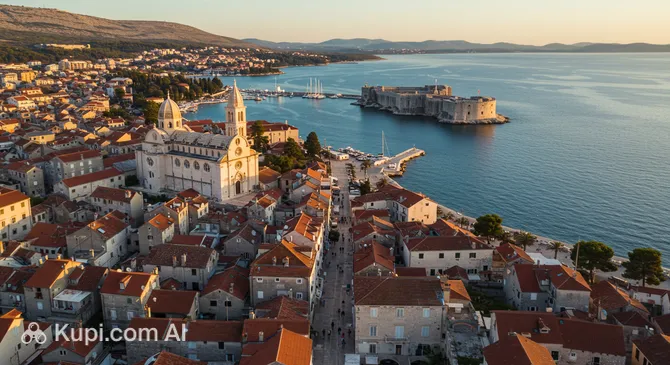
Šibenik is a true gem of Dalmatia, picturesquely situated on the Adriatic coast where the Krka River meets the sea. This charming city in Croatia, with a population of about 46,000, captivates visitors with its unique location where the vast sea meets river waters and hilly landscapes, creating breathtaking panoramas.
Strolling through the narrow cobbled streets of the old town, you will experience a unique atmosphere where history and modernity are harmoniously intertwined. Šibenik is famous for its authenticity: there is no bustle of large resorts here, but there is the genuine spirit of the Mediterranean, the comfort of ancient stone houses, and the hospitality of the locals.
Sibenik. Illustration.
Source: Kupi.com AI
The main treasures of Šibenik that attract travelers are its medieval fortresses, offering stunning views, and, of course, the majestic St. James Cathedral — a unique architectural monument listed as a UNESCO World Heritage Site. The city also serves as an excellent starting point for exploring the surrounding area, including the famous Krka National Park with its cascading waterfalls.
Šibenik is perfect for those seeking a leisurely holiday, wanting to immerse themselves in history, and enjoy the beauty of the Dalmatian coast. Discover this amazing city, and it will remain in your heart forever!
The weather in Šibenik is characterized by warm, sunny summers and mild, wetter winters. The summer months, especially July and August, offer average temperatures around 25°C, with highs reaching nearly 29°C and minimal precipitation. In winter, from December to February, average temperatures hover around 7-9°C, with November and December being the wettest months with the highest number of rainy days. Spring and autumn are pleasant transitional seasons with moderate temperatures and rainfall. Overall, expect a warm summer with occasional rain and cool, wetter winters.
For more detailed information about the weather by month, including average daily temperatures, precipitation, and the number of sunny days, you can check the Climate of Šibenik page.
Average monthly temperature
Average monthly precipitation
Interesting Facts
Beyond its well-known landmarks, Šibenik holds many fascinating secrets and amazing stories. This city with a rich heritage is ready to reveal its mysteries to curious travelers.
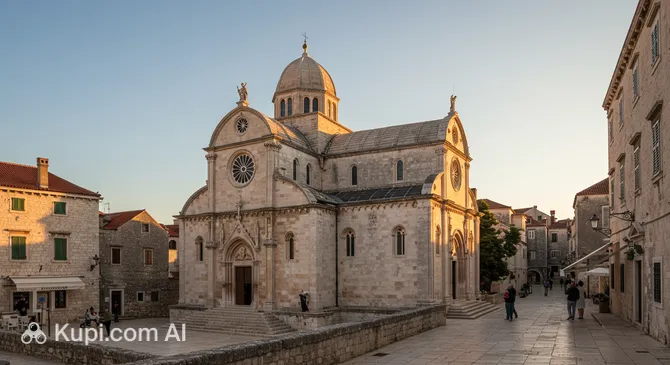
Cathedral of St. James. Illustration.
Source: Kupi.com AI
Traveler photos:
Unlike many other coastal cities in Dalmatia founded by Romans or Venetians, Šibenik is the oldest native Croatian city on the Adriatic coast. The first mention of it dates back to 1066, and its founder is considered to be the Croatian King Petar Krešimir IV.
The unique St. James Cathedral, a UNESCO World Heritage Site, is built entirely of stone without the use of any other binding materials or wooden structures. Its famous frieze is decorated with 71 sculpted heads—portraits of people living at the time the cathedral was built, residents of 15th-century Šibenik.
The city boasts a system of four impressive fortresses: St. Michael's, Barone, St. John's, and the maritime St. Nicholas Fortress. The latter, which protects the entrance to St. Anthony's Channel, is also a UNESCO World Heritage Site.
Šibenik is the birthplace of Faust Vrančić, an outstanding Renaissance inventor, scientist, and bishop. He was one of the first to describe and, according to some reports, even test a design similar to the modern parachute, calling it "Homo Volans" (The Flying Man).
How to Get There
There are several ways to reach Šibenik, a charming city on Croatia's Adriatic coast, but the most popular among tourists is by air followed by a transfer. The city is also accessible via a well-developed network of roads.
The main and most convenient option for international travelers is to fly into one of the two nearest major airports. Split Airport (IATA: SPU), located in the city of Split, is about 39 km southeast of Šibenik. This is a large international airport receiving many flights from various European countries. A trip from Split Airport to Šibenik by taxi or rental car takes about 50-60 minutes. Regular bus transfers are also available.
Another popular option is Zadar Airport (IATA: ZAD), located in the city of Zadar, about 60 km north of Šibenik. This international airport also serves flights from many European airlines, especially during the summer season. The journey from Zadar Airport to Šibenik takes about 1 hour to 1 hour 15 minutes by car or taxi.
For clarity, here is summary information on the main airports from which you can reach Šibenik:
As for rail connections, Šibenik itself does not have a large railway station receiving international trains. The nearest significant international railway hubs are in neighboring countries. For example, Trieste Centrale station in Italy (about 272 km away) or Ljubljana railway station (IATA: LJR) in Slovenia (about 280 km away) are major hubs. However, from these cities, you will need to travel to Šibenik by bus or rental car, which will add several hours of travel time.
For railway stations, the information is as follows:
Station
Passenger traffic
Distance
Split
6
51 km
Zadar station
1
67 km
Banja Luka
6
157 km
Mostar railway station
6
161 km
Ancona railway station
9
194 km
Many tourists, especially from Europe, prefer to travel to Šibenik and around Croatia by car. The country has a modern network of highways, and Šibenik is conveniently located near the main A1 highway connecting Zagreb and Split. In addition, bus service is well-developed both within the country and with neighboring European states, making the bus an affordable option for traveling to Šibenik.
Main Attractions
Šibenik, a charming city on Croatia's Adriatic coast, boasts a rich history and impressive architecture. Everyone will find something for themselves here, from ancient fortresses to unique cathedrals. Let's get acquainted with some of the main attractions that are definitely worth a visit.
The jewel of the city is undoubtedly St. James Cathedral. This magnificent cathedral, a UNESCO World Heritage Site, is a unique example of Renaissance architecture. It is built entirely of stone, without the use of any other binding materials. Tourists are drawn to its unusual construction, the famous frieze of 71 sculpted heads—portraits of contemporaries of the architect Juraj Dalmatinac—and the majestic atmosphere inside.
Cathedral of St. James. Illustration.
Source: Kupi.com AI
Traveler photos:
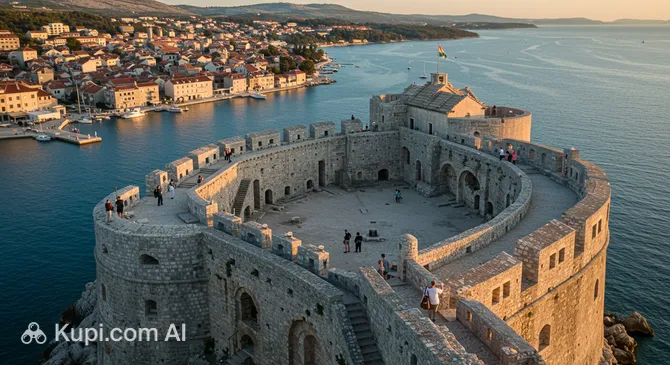
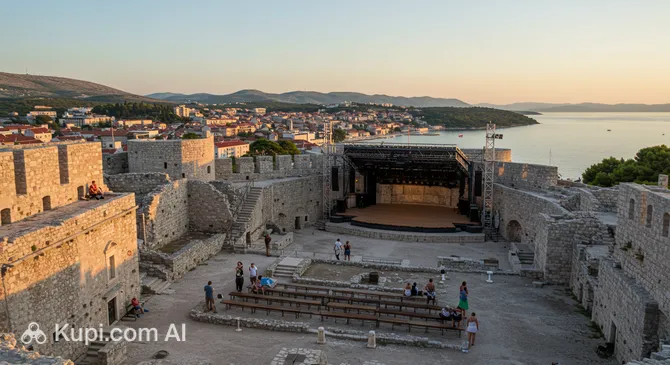
Towering over the old town is St. Michael's Fortress. This is the oldest fortress in Šibenik, offering breathtaking panoramic views of the city, the archipelago, and the mouth of the Krka River. Today, the fortress is not only a historical monument but also a popular open-air venue for concerts and various cultural events, making it particularly attractive to visitors.
St. Michael's Fortress. Illustration.
Source: Kupi.com AI
Traveler photos:
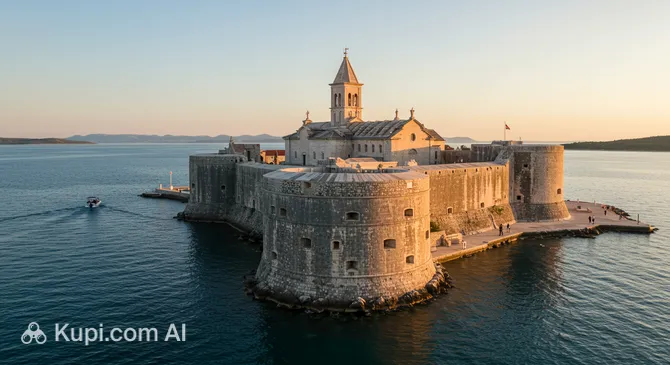
Another iconic fortification is St. Nicholas Fortress, located on a small island at the entrance to St. Anthony's Channel. This sea fortress, also a UNESCO World Heritage Site, was built in the 16th century to protect the city from Ottoman attacks from the sea. Its triangular shape and powerful walls are impressive, and a boat trip to the fortress is an exciting adventure in itself.
St. Nicholas' Fortress. Illustration.
Source: Kupi.com AI
Traveler photos:
No less interesting is Barone Fortress (also known as Šubićevac). Following a recent renovation, it has been transformed into a modern cultural and historical center with interactive exhibits dedicated to the defense of Šibenik in the 17th century. Using augmented reality technology, visitors can immerse themselves in the past, while the fortress terraces offer magnificent views of the city and its surroundings, making it a popular spot for walks and photo sessions.
Barone Fortress. Illustration.
Source: Kupi.com AI
Traveler photos:
Local Cuisine
The gastronomy of Šibenik is a true immersion into the heart of Dalmatian cuisine, where the freshest gifts of the Adriatic Sea, fragrant local herbs, and centuries-old culinary traditions play the leading roles. Here, every meal turns into a small discovery full of flavors and aromas that reflect the generosity of this sunny region of Croatia.
Be sure to try black risotto with cuttlefish (crni rižot), which will amaze you with its rich sea flavor, and the famous Dalmatian octopus "under the lid" (peka)—tender meat slow-cooked in a special vessel with potatoes and spices to incredible softness. Don't miss the chance to taste the freshest mussels and oysters harvested from the pristine waters of the Šibenik archipelago. Meat lovers will enjoy the local prosciutto (pršut)—cured pork ham with a delicate aroma—and various sheep cheeses that perfectly complement any meal.
A meal in Šibenik is perfectly complemented by a glass of local wine. Dalmatia is famous for its winemaking traditions, and here you will find excellent red wines such as Babić, produced from an indigenous grape variety grown right in the vicinity of Šibenik. White wines, such as Maraština or Debit, are also popular. For non-alcoholic drinks, freshly squeezed juices, mineral water, and traditional lemonades are always available.
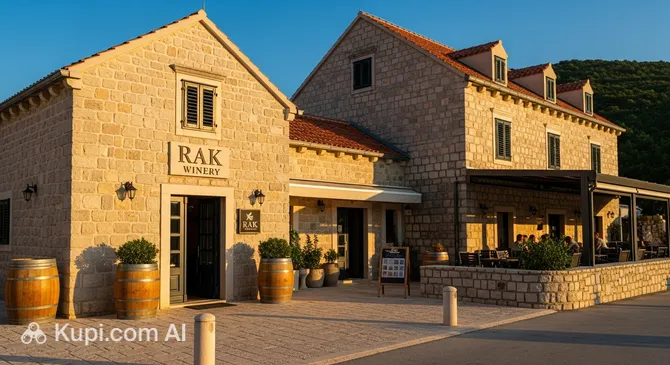
Locals and tourists alike enjoy food in cozy konobas (traditional taverns), family restaurants with sea views, and at busy city markets where you can buy fresh farm products—olives, figs, and homemade honey. Street food is also popular: try a fragrant burek with meat or cheese or fresh seafood rolls. To get a closer look at the region's wine culture, visit one of the local wineries, such as the Rak Winery, where you can taste indigenous wine varieties and learn about the secrets of their production.
Rak Winery. Illustration.
Source: Kupi.com AI
Traveler photos:
Šibenik's gastronomic scene is lively and diverse, offering both traditional dishes and modern interpretations of classic recipes. In summer, the city comes alive with numerous food festivals, such as fish fairs and wine festivals, where you can fully experience the hospitality and culinary richness of Dalmatia. This is a wonderful opportunity to try everything delicious that the generous land and sea of this amazing corner of Croatia have to offer.
Travel Tips
Planning a trip to charming Šibenik? Wonderful! To make your journey through this historic Croatian city as comfortable and memorable as possible, we have prepared some practical tips.
Clothing and Items by Season:
In summer, Šibenik is hot and sunny, so bring light clothing made of natural fabrics, a hat, sunglasses, and sunscreen. Don't forget your swimwear for the beaches! In spring and autumn, the weather is changeable, so a windbreaker and a sweater will come in handy. Be sure to bring comfortable shoes — the old town with its cobblestones is perfect for long walks. When visiting St. James Cathedral and other religious sites, choose clothing that covers your shoulders and knees. Don't forget a European adapter for your electronics (Type F).
Getting Around the City:
The historic center of Šibenik is best explored on foot — it is quite compact. For trips to more distant areas or beaches, you can use local buses. Taxis are also available but can be more expensive. Renting a car makes sense if you plan to explore the surroundings, such as Krka or Kornati National Parks. Parking in the city itself can be difficult, especially during the peak season.
Finances and Tipping:
As of 2023, the official currency in Croatia is the Euro (EUR). Bank cards (Visa, Mastercard) are accepted almost everywhere: in hotels, restaurants, and large shops. However, in markets or small souvenir shops, you might need cash. ATMs (bankomat) are easy to find throughout the city. Tips are usually 5-10% of the bill in restaurants and cafes if you enjoyed the service, and they are not typically included in the check. An approximate daily budget (excluding accommodation) can range from 50-70 EUR per person, depending on your preferences.
Health and Safety:
Šibenik is quite a safe city. Nevertheless, follow standard precautions: keep an eye on your belongings in crowded places and don't leave valuables unattended. Pharmacies (ljekarna) are available in the city, and some may work 24/7 or have an on-call schedule. If you need medical assistance, contact your hotel reception or find the nearest hospital (bolnica). Travel insurance is recommended.
Communication and Internet:
The official language is Croatian. In tourist areas, hotels, and restaurants, many people speak English, and sometimes German or Italian. Learn a few simple phrases in Croatian, such as "Dobar dan" (Good day), "Hvala" (Thank you), and "Molim" (Please/You're welcome). This is always appreciated by the locals. SIM cards from local operators can be bought at newsstands or specialized stores. Wi-Fi is available in many cafes, restaurants, and hotels.
Local Etiquette:
Croatians are friendly and hospitable. It is customary to say hello when entering small shops or cafes. Behave modestly in public places. When visiting churches and cathedrals, maintain silence and choose modest clothing. You should not talk too loudly or gesture actively in public places, especially in houses of worship.
What to Avoid:
Try not to leave trash on the streets or beaches — Croatians highly value the cleanliness of their nature. Also, avoid discussing sensitive historical or political topics unless you are sure of your interlocutor's position. It is better to focus on cultural and tourist aspects.
Extra Tip:
Be sure to visit the local market (tržnica) to buy fresh fruits, vegetables, homemade cheese, olive oil, or local delicacies. This is a great opportunity to feel the city's atmosphere and taste authentic Croatian products. Also, don't miss the chance to enjoy the sunset from one of Šibenik's fortresses — the views from there are truly unforgettable!
We hope these tips help you better prepare for your trip and get the most out of your stay in beautiful Šibenik. We wish you an unforgettable journey!
Entertainment & Nightlife
As evening falls, Šibenik is transformed, offering its guests a variety of options for relaxation and entertainment. While the city is better known for its historical heritage, its nightlife can surprise and delight. The main concentration of evening venues is in the old part of the city and along the waterfront, where narrow streets and squares come alive at sunset.
The atmosphere of Šibenik at night is quite relaxed and friendly. There are no noisy districts with huge clubs like in some metropolises, but there are many cozy bars where you can enjoy local wine or craft beer, as well as several clubs for those who want to dance. The crowd is mixed: from locals to tourists from all over the world. Most establishments stay open until midnight or 1:00 AM on weekdays, and until 2:00-3:00 AM on weekends, especially during the summer season. The dress code is generally smart casual, but some clubs may require a dressier look.
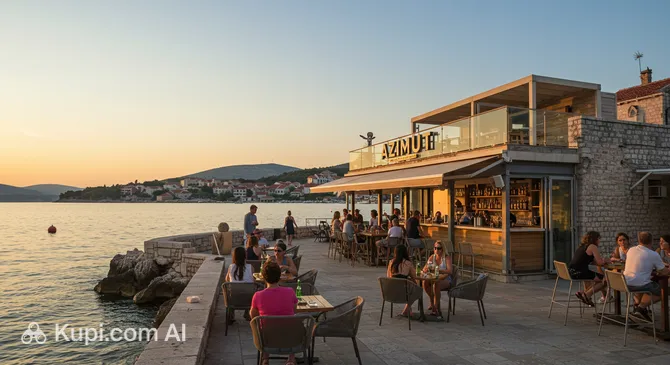
Azimut. Illustration.
Source: Kupi.com AI
Traveler photos:
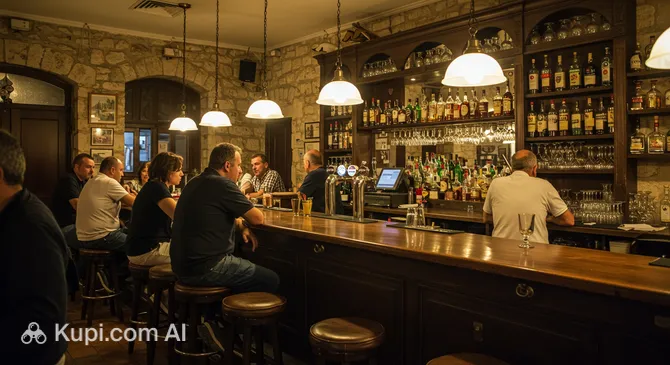
Among the popular spots is the bar Azimut, known for its laid-back atmosphere and frequent live music. It's a great place to start the evening. Another interesting option is Vintage Bar, offering a wide selection of drinks in a stylish interior. For those who love to dance until morning, O.U. Inside Club is a great choice, often hosting DJs and themed parties. Lovers of fine dining that transitions into late-night gatherings should check out restaurants like Pa'Kai or Armerun Heritage Restaurant.
Vintage Bar. Illustration.
Source: Kupi.com AI
Traveler photos:
Practical Tips: The best time to visit bars is after 9:00 PM, while clubs usually fill up closer to midnight. Prices in Šibenik's bars and clubs are moderate, especially compared to major tourist centers. Walking around the city center at night is safe. If your accommodation is far away, it's better to use a taxi. You can order a taxi through apps or ask the staff at the venue to do it for you. The central areas of Šibenik are considered safe for night walks, but standard precautions should always be observed.
O.U. Inside Club. Illustration.
Source: Kupi.com AI
Traveler photos:
By day, Šibenik also offers many interesting activities. You can explore its famous fortresses, such as St. Michael's Fortress or Barone Fortress, visit the impressive St. James Cathedral, a UNESCO World Heritage Site, or stroll through the picturesque streets of the old town. While Šibenik doesn't have large amusement parks, its historical monuments and open-air museums more than compensate, offering a fascinating dive into the past.
Parks & Museums
Šibenik, the pearl of the Adriatic, attracts visitors not only with its rich history but also with its picturesque natural spots and cultural treasures. The city offers guests both a peaceful holiday in the lap of nature and a fascinating immersion into the past through its museums and historical monuments.
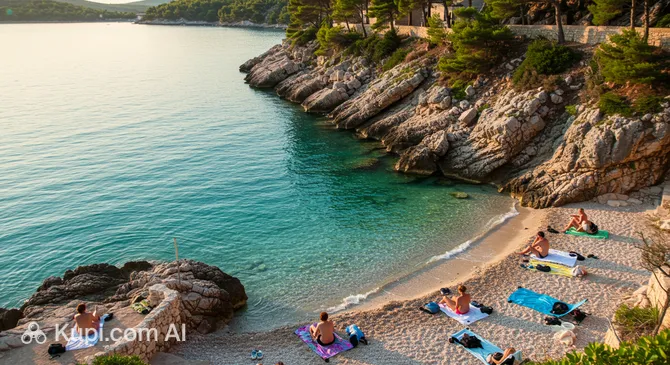
Although there are not many classic urban parks in Šibenik itself, its surroundings and coastline abound with natural beauty. One such place is Minerska Bay, offering secluded beaches and crystal-clear water, ideal for swimming and relaxing away from the city bustle. It's a great place to enjoy the tranquility and beauty of the Adriatic coast.
Minerska Bay. Illustration.
Source: Kupi.com AI
Traveler photos:
One cannot fail to mention the famous Krka National Park, located very close to Šibenik. Its cascading waterfalls, emerald lakes, and lush greenery attract thousands of tourists wishing to experience Croatia's pristine nature. Walking along the park's wooden bridges and the opportunity to swim at the foot of the waterfalls will leave unforgettable impressions. In addition, the areas around Šibenik's numerous fortresses, such as Barone Fortress, are often well-maintained green zones with panoramic views, ideal for leisurely walks and contemplating the surrounding landscapes.
Barone Fortress. Illustration.
Source: Kupi.com AI
Traveler photos:
The cultural heritage of Šibenik is carefully preserved in its museums and historical sites. The Šibenik City Museum (Muzej Grada Šibenika), usually located in the historic center, for example, in the former Rector's Palace next to the cathedral, offers an extensive collection of artifacts. The exhibits tell the history of the region from prehistoric times to the present day, making it a key place for understanding the city's past.
One of the main attractions and symbols of the city is St. James Cathedral, included in the UNESCO World Heritage List. This unique stone cathedral, built entirely of stone without the use of binding materials, is striking in its architecture and sculptural decoration, including the famous frieze of 71 heads. Inside, you can see not only magnificent interiors but also the baptistery, which is a masterpiece of Renaissance art.
Cathedral of St. James. Illustration.
Source: Kupi.com AI
Traveler photos:
Many of the city's fortresses also serve as cultural venues. For example, St. Michael's Fortress, the oldest in the city, is today not only a historical monument but also a popular summer open-air stage for concerts and various cultural events. Breathtaking views of the city and the archipelago open up from its walls.
St. Michael's Fortress. Illustration.
Source: Kupi.com AI
Traveler photos:
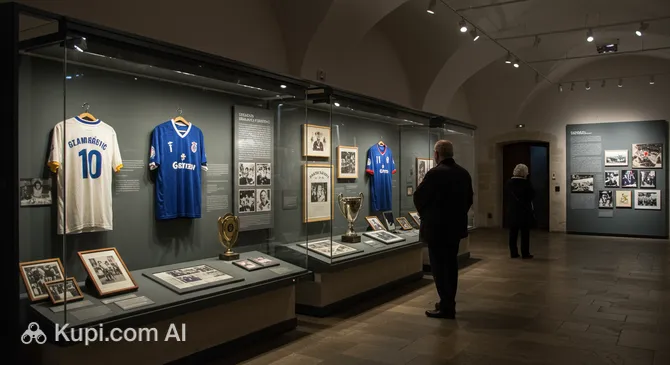
For fans of sports and history, the Dražen Petrović Memorial Center, dedicated to the legendary Croatian basketball player born in Šibenik, will be of interest. This memorial center pays tribute to one of the country's greatest athletes and tells the story of his life and achievements.
Dražen Petrović Memorial. Illustration.
Source: Kupi.com AI
Traveler photos:
For an authentic experience, be sure to stroll through the narrow medieval streets of Šibenik's old town, discovering hidden courtyards, ancient churches, and charming squares. To enjoy the silence and beautiful views, especially at sunset, climb up to St. John's Fortress—this place is usually less crowded than other popular observation decks and offers a magnificent panorama of the city and the sea.
Getting Around
The main form of public transport in Šibenik is the bus. The city's bus network, managed by the company Autotransport Šibenik (ATP), is quite well-developed and allows for comfortable travel both within the city and to nearby suburbs and popular beaches. Buses run along established routes and schedules, which can usually be found at bus stops or on the carrier's official website.
Bus tickets can be purchased at newsstands (look for the "Tisak" sign), at the central bus station, or directly from the driver when boarding the bus. It's worth noting that buying a ticket from the driver may be slightly more expensive. Single-trip tickets are available, and for those who plan to travel a lot, day or multi-day passes may be beneficial if offered. Ticket validation usually takes place upon boarding the bus—you need to show it to the driver or validate it in a machine if one is available. Fares in Šibenik are relatively low, but it is recommended to check the current cost before your trip.
Buses in Šibenik start running early in the morning and finish late in the evening. During the summer tourist season, the schedule is often more frequent, with additional trips to popular destinations, while in winter the number of trips may be reduced. The frequency of bus service varies depending on the route and time of day.
Given Šibenik's coastal location and the presence of many islands in the Šibenik archipelago (such as Zlarin, Prvić, Kaprije, and Žirje), ferries and passenger boats play an important role in the transport system. They are the primary way to reach these islands. The ferry terminal is conveniently located near the historic city center. Ferry schedules and ticket prices can be found on the websites of ferry companies (e.g., Jadrolinija) or directly at the port's ticket offices. A ferry trip is not only a way to get around but also an opportunity to enjoy picturesque sea views.
As an alternative to public transport, taxi services are always available in Šibenik. Taxi stands can be found at key points in the city, such as near the bus station or in the center. You can also call for a car by phone or through mobile apps. A taxi ride will cost more than a bus, but it is a convenient option for night trips, traveling with a lot of luggage, or when you need to reach your destination quickly.
The historic center of Šibenik, with its narrow cobbled streets and numerous stairs, is best explored on foot. Many parts of it are pedestrian-only. For those who prefer active recreation or want to explore the surroundings, bicycle and scooter rental points are available in the city. Renting a car can be a good option for longer trips around the region and visiting the Krka or Kornati National Parks.
Tourists planning to actively use public transport in Šibenik are advised to familiarize themselves with the current bus and ferry schedules in advance, especially if trips to the islands are planned. Buying tickets at kiosks or the bus station is often more economical than from the driver. Keep some cash on hand, as card payments may not be available everywhere, although this situation is gradually improving.
Accommodation
Šibenik offers tourists a variety of accommodation options to suit any budget and preference. Here you will find everything from cozy private apartments and guest houses, especially popular in the old part of the city, to comfortable mid-range hotels and more luxurious options with sea views. Villas and rooms for rent from locals are also available, allowing for a deeper immersion into the city's atmosphere.
The most sought-after areas among tourists are those located in the historic center of Šibenik or in its immediate vicinity. Staying here provides easy access to the main attractions, such as the famous St. James Cathedral, numerous fortresses, and charming narrow streets. Accommodation options along the coast are also popular, offering beautiful views and proximity to beaches.
D-Resort Sibenik. Illustration.
Source: Kupi.com AI
Traveler photos:
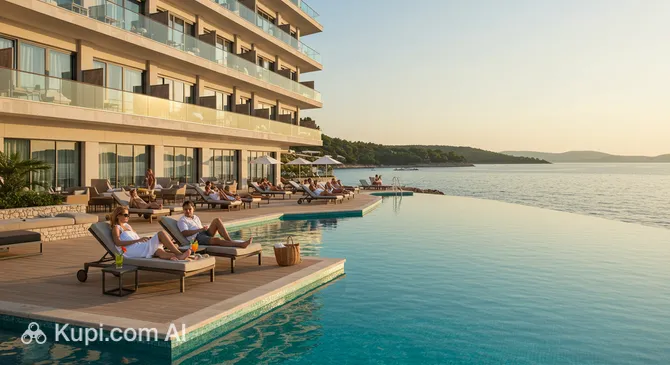
Among the notable hotels is the D-Resort Šibenik, which offers modern design and a high level of service. Overall, the city has both small family-run hotels and larger complexes. The price range varies from budget options to luxury offers, especially during the peak summer season.
To guarantee the best accommodation option, especially if your trip falls in the summer months, it is recommended to book your accommodation in advance. The most common booking methods are popular online platforms and travel aggregators, although some hotels and apartments offer direct booking through their websites.
Nearby Cities
For those who want to explore the surrounding area, Šibenik serves as an excellent starting point for day trips to several interesting nearby locations.
Among them, Kaštel Stari is particularly interesting, located just 41 km away and known for its chain of medieval castles and picturesque coastline. A little further is Split (51 km), the second-largest city in Croatia, which draws travelers with its magnificent Diocletian's Palace, a UNESCO World Heritage Site, and the lively Riva promenade. It is also worth visiting Zadar (68 km), which enchants with unique modern installations like the Sea Organ and Greeting to the Sun, as well as its rich Roman and Venetian heritage. A more complete list of nearby cities is presented below:
These nearby destinations allow for a deeper acquaintance with the diverse culture, history, and natural beauty of the Dalmatia region, complementing the experience of staying in Šibenik.
Shopping & Souvenirs
Šibenik offers pleasant shopping opportunities, combining modern stores with the charm of historic streets where you can find unique souvenirs and local delicacies. The city is not famous for giant shopping centers like major metropolises, but here you can find everything you need and bring home a piece of Croatia.
The main shopping spots are concentrated in the old part of the city. Strolling through the narrow stone streets, you will discover many small boutiques, souvenir shops, and stores selling products by local craftsmen. Special attention should be paid to shops offering jewelry, clothing made from natural materials, and works of art.
For more traditional shopping with a wide selection of brands, you can visit shopping centers. Among the most popular in Šibenik and its surroundings are the Dalmare Shopping Center, which features clothing, footwear, and electronics stores, as well as a supermarket and cafes. Another option is Supernova Šibenik, offering a variety of goods and services.
Dalmare Shopping Center. Illustration.
Source: Kupi.com AI
Traveler photos:
Supernova Sibenik. Illustration.
Source: Kupi.com AI
Traveler photos:
Be sure to stop by the city market (Pijaca), located near the historic center. Here you will find fresh fruits, vegetables, local cheeses, prosciutto, olive oil, and honey. It's a great place to experience the local flavor and buy edible souvenirs. Also, around the city, especially during the tourist season, you can find stalls with souvenirs and handmade items.
As souvenirs from Šibenik, it's worth bringing back:
Šibenik button (Šibenski botun): a traditional silver or gold piece of jewelry, a symbol of the city, which can be found in the form of earrings, pendants, and brooches.
Olive oil: the region is famous for its high-quality olive oil.
Local wines: look for the Babić red wine, produced from grapes grown in the Šibenik area.
Lavender and lavender products: sachets, essential oils, and cosmetics.
Handmade items: ceramics, lace, and wooden crafts.
Most shops in Šibenik are open from Monday to Saturday, usually from 9:00-10:00 AM to 8:00-9:00 PM. During the tourist season, many shops, especially in the old town, may also be open on Sundays and have longer working hours. Large supermarkets are usually open daily. You can pay in cash (Euro) or with bank cards, which are accepted almost everywhere.
Tourists from non-EU countries can take advantage of the Tax Free system for purchases exceeding 75.01 EUR. To do this, you must ask for a special Tax Free check in the store and then present it along with the purchases at customs when leaving the European Union to receive a VAT refund.