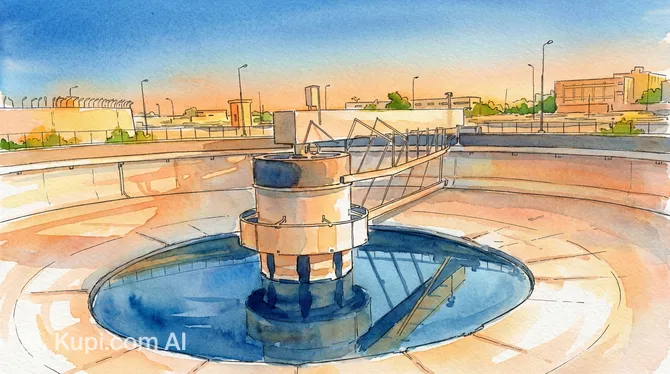
Abu al-Matamir is a charming provincial town located in the heart of the fertile Nile Delta in Egypt. As an important administrative and agricultural hub of the Beheira Governorate, the town offers travelers a rare opportunity to see the authentic life of the Egyptian hinterland. Here, far from the bustling tourist metropolises, time seems to slow down, giving way to the traditional lifestyle and hospitality of the local residents.
Abu al Matamir. Illustration.
Source: Kupi.com AI
The geographical position in the river delta defines the look of this place: the town is surrounded by endless green fields where cotton, grains, and vegetables are grown. The population of Abu al-Matamir is about 48,000 people, making it cozy and compact. Immersing yourself in the history and heritage of this region, you can feel the deep connection of local traditions with the land that has fed Egypt for millennia.
While there are no world-famous ancient monuments here, Abu al-Matamir attracts with its sincerity. Strolling through the lively local markets and contemplating the pastoral rural landscapes allows you to feel the spirit of the real East. We invite you to visit this quiet corner to discover Egypt from a new, unexplored side.
Weather Overview
Abu al-Matamir is characterized by a subtropical desert climate typical of northern Egypt. This means that for most of the year, the weather is sunny and dry. Summers in the town can be very hot: in July and August, daytime temperatures often reach +33...+35°C, and sometimes higher. High humidity coming from the Mediterranean Sea can make the heat feel more intense.
The winter months in Abu al-Matamir are very mild and pleasant. In January and February, the average daytime temperature is about +18...+20°C, which is ideal for walking. Nights can be cool (down to +10°C), so a light jacket in your suitcase won't hurt. Precipitation here is very rare and occurs mainly between December and February.
If you are planning a trip, the ideal time would be spring or autumn. During this period, the weather in the city is most comfortable: the exhausting heat has not yet arrived or has already subsided, and the surrounding agricultural lands look particularly picturesque.
Average monthly temperature
Average monthly precipitation
Interesting Facts
Abu al-Matamir ranks 6th in population within its governorate, serving as a key hub for residents of surrounding villages.
The town is located in one of the most fertile zones in the world—the Nile Delta—making it a strategically important agricultural center for the country.
The geographical coordinates (30.17° N and 30.91° E) place it in a unique climatic zone just a few dozen kilometers from the Mediterranean coast.
Unique craft traditions passed down through generations, including special weaving techniques, are still preserved in Abu al-Matamir.
Despite its significance, the town remains a "quiet harbor" with minimal tourist flow, allowing it to maintain an authentic atmosphere.
How to Get There
The transport accessibility of Abu al-Matamir makes it a convenient destination for those traveling through northern Egypt. The main hubs connecting the town with the rest of the country are Cairo and Alexandria. Detailed information on routes and logistics can be found on the page how to get to Abu al-Matamir.
The nearest major international air hub is Alexandria Airport, from where you can reach the town by taxi or intercity bus in about an hour. There is no direct rail connection to the town itself; however, travelers often use the railway stations in neighboring large cities, such as Damanhur, and then transfer to local transport.
The most popular and affordable way to get around remains microbuses and regular bus services. From Cairo, the journey takes about 2–3 hours on high-quality regional highways. Buses depart from the capital's major transport hubs several times a day, providing a reliable connection to the province.
Station
Passenger traffic
Distance
Alexandria railway station
8
40 km
El-Marg
4
140 km
El-Marg
4
140 km
Port Said railway station
5
207 km
Main Attractions
Abu al-Matamir is a place where the main attraction is nature itself and the everyday culture of the Nile Delta. Tourists shouldn't look for majestic pyramids here, but they can enjoy the picturesque rural landscapes instead. Endless emerald fields, crossed by irrigation canals, create an ideal backdrop for peaceful walks and an introduction to traditional Egyptian farming.
In the city center, the local mosques deserve special attention. Their architecture, although simpler compared to Cairo's masterpieces, reflects the true spirit of the province and serves as a center of social life. Visiting such places allows you to touch upon religious traditions that have remained unchanged for decades.
Equally interesting are the traditional markets (souks) of Abu al-Matamir. These are not just places for shopping, but true cultural hubs where you can observe the craftsmanship of local artisans and taste the freshest products straight from the fields. The proximity to the Mediterranean coast also makes the town a convenient base for those who want to combine an exploration of rural life with short trips to the sea.
Local Cuisine
A gastronomic journey in Abu al-Matamir is an introduction to the hearty and honest food of the Egyptian province. The basis of the local diet consists of the fresh gifts of the Nile Delta: rice, legumes, and seasonal vegetables. Be sure to try the classic ful medames—slow-cooked fava beans with fragrant oil and spices, served here with fluffy flatbreads straight from the oven.
For a full meal, koshary is perfect—an amazing combination of rice, pasta, lentils, and chickpeas topped with a spicy tomato sauce. Also popular in local establishments are tagines—meat or vegetable stews cooked in clay pots. Due to the abundance of water canals, freshly prepared river fish is often featured on the menu.
The food culture here is inextricably linked to street markets and small family eateries where the locals eat. You should end your meal with a glass of very sweet mint tea or a cup of strong Oriental coffee. On a hot day, nothing is as refreshing as freshly squeezed mango or sugarcane juice, sold on every corner.
Travel Tips
Traveling to the Egyptian provinces requires some preparation, so we have put together a few tips to make your visit to Abu al-Matamir as comfortable and pleasant as possible.
Clothing and Dress Code: Choose light fabrics made from natural materials, but remember to respect local traditions. In public places in Abu al-Matamir, it is recommended to cover your shoulders and knees. Be sure to bring a hat and sunglasses.
Transport: Taxis or tuk-tuks are best for getting around town. Always discuss the price of the trip with the driver in advance, as meters are rarely used here.
Finances: Cards are practically not accepted in town, so always have a sufficient supply of cash Egyptian pounds with you. ATMs are only found in the central part.
Health: Drink only bottled water and try to avoid ice in drinks. Basic medications can be found in the pharmacies of the city center, but it is better to bring specific medicines with you.
Communication: English is not very common here, so download an offline translator or learn basic phrases in Arabic. This will greatly simplify communication with the friendly townspeople.
Local Etiquette: Greeting is an important part of the culture. A simple "Salam" and a smile will open many doors for you. Always ask for permission before taking photos of local residents.
What to Avoid: You should not criticize local customs or engage in political discussions. Also, avoid walking under the open sun between 12:00 and 16:00 in summer.
Best Time: Plan your visit for the period from October to April, when the weather is most favorable for walking through the picturesque fields of the Nile Delta.
Come to this hospitable city with an open heart, and it will surely reward you with unique impressions and the authentic atmosphere of the real Egypt!
Entertainment & Nightlife
Entertainment in Abu al-Matamir is of a quiet and contemplative nature, which is typical for the Egyptian provinces. There are no noisy nightclubs or large-scale concert venues, but a culture of traditional cafes flourishes. In the evenings, locals gather in open-air establishments to discuss the day's events over a cup of strong tea or aromatic coffee. These are ideal places for those who want to immerse themselves in an atmosphere of unhurried conversation.
Daytime leisure is often associated with walks in the picturesque surroundings of the town. The fields and canal banks in the Nile Delta are perfect for nature picnics or leisurely bike rides. Safety in the town is high, and the friendliness of the citizens makes walking even in the evening comfortable.
For those looking for more active urban entertainment, it is worth paying attention to cultural events timed to local holidays. On such days, the streets of Abu al-Matamir are transformed, filled with music and folk festivities, offering guests a unique experience of immersion in living Egyptian folklore.
Parks & Museums
In Abu al-Matamir itself, you won't find classic parks with manicured lawns, but their absence is more than compensated for by the natural beauty of the agricultural zones. The surroundings of the town are a huge living garden where you can walk along the banks of irrigation canals and observe traditional land cultivation methods that have remained virtually unchanged for centuries.
As for museums, the main exhibitions telling the history of this region are concentrated in neighboring major centers. Nevertheless, the role of an "open-air museum" in Abu al-Matamir itself is played by its old quarters and mosques. Each building here bears the mark of time and local architectural traditions.
For those longing for a classic museum experience, a short trip to Alexandria or Damanhur is recommended. There you can find rich collections of artifacts spanning periods from the Pharaohs to the Islamic heritage of the region, which will be an excellent addition to your visit to the province.
Getting Around
The transport system in Abu al-Matamir is focused on practicality and affordability. The main means of transport for locals and tourists are microbuses. They run on fixed routes, connecting the city center with its outskirts and nearby settlements. Payment is made in cash to the driver, and there is no fixed fare as such—it depends on the distance.
For more comfortable and faster trips around town, you can always use the services of a taxi or motor-rickshaws (tuk-tuks). This is the most popular way to get to a specific point, especially if you have luggage. It is better to agree on the price of the trip in advance, before you get into the vehicle.
The center of Abu al-Matamir itself is quite compact, so many interesting locations can be explored on foot. This will allow you not only to save on transport but also to better feel the rhythm of urban life. If you need to travel to other cities in the region, the bus station on the main square offers regular services to key destinations.
Accommodation
Accommodation options in Abu al-Matamir consist mainly of small private pensions and guesthouses. This is budget-friendly lodging that allows travelers to get as close as possible to the local way of life. Hotels in the conventional sense are rare here, so it is better to look for cozy family-run establishments in the central part of town.
For tourists who value a high level of comfort and a wide range of services, experienced travelers recommend considering hotels in neighboring large cities such as Alexandria or Damanhur. Staying there, you can take fascinating day trips to Abu al-Matamir, enjoying the quiet of the province by day and returning to the urban infrastructure in the evening.
When planning a trip during the peak season (October to April), it is advisable to contact property owners in advance. Accommodation prices in Abu al-Matamir remain very democratic, and payment is most often made in cash in the local currency. Booking through international services may be limited, so personal contact is often the best way to secure a place to stay.
Nearby Cities
Thanks to its location in the northern part of the country, Abu al-Matamir serves as an excellent starting point for exploring the history-rich surroundings. In just one day, you can visit several iconic places in the region, trading the silence of the fields for the bustle of big cities.
One of the most popular destinations is the majestic Alexandria, located just 40 kilometers away. This legendary city on the Mediterranean coast offers walks along the Corniche, a visit to the famous library, and ancient catacombs. Also worth seeing is Damanhur—the administrative center of the governorate, where you can see the beautiful architecture of the opera house and colorful oriental bazaars.
For those who want to see the industrial and commercial side of the region, a trip to Kafr el-Dawwar is suitable. Exploring these neighboring cities will allow you to see the multifaceted nature of Egypt: from modern metropolises to hardworking industrial centers.
Shopping & Souvenirs
Shopping in Abu al-Matamir is primarily about visiting the bustling central markets where the city's life pulses. There are no huge shopping malls with international brands, but there is an abundance of authentic goods. The town's markets are famous for their textiles: high-quality Egyptian cotton can be bought here in the form of fabrics or finished products at very attractive prices.
Special attention should be paid to gastronomic purchases. Local shops offer a huge selection of fresh spices, seeds, and natural oils. Also, high-quality handmade ceramics and woven items made from palm leaves, created by local craftsmen, are often brought from the town.
Shops usually open in the morning and work until late evening, often taking a break during the hottest afternoon hours. Payment is made in cash in Egyptian pounds, and remember that in the markets of Abu al-Matamir, moderate bargaining is not only appropriate but also part of the local culture of communication.