Support

Bayonne

About

Bayonne is a true gem for travelers, nestled in the southwest of France, just a few kilometers from the Atlantic Ocean and close to the Spanish border. The city is beautifully situated at the scenic confluence of the Adour and Nive rivers, at the crossroads of two vibrant historical regions — Gascony and the French Basque Country. Thanks to this unique location, it boasts a special frontier-town atmosphere where languages, traditions, and flavors harmoniously intertwine.
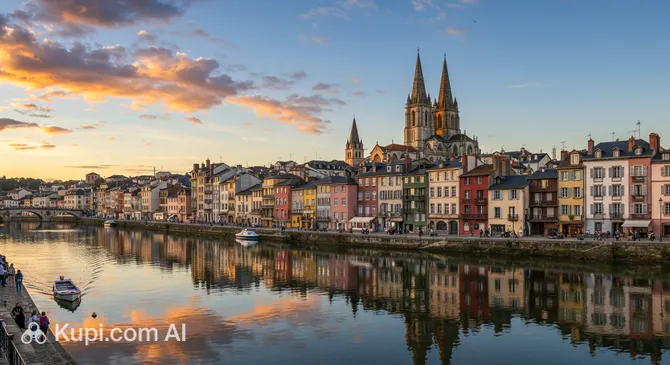
Bayonne. Illustration.
Source: Kupi.com AI

With a population of about 52,000, Bayonne remains compact yet surprisingly lively and authentic. As the administrative capital of the French Basque Country, Bayonne breathes history: from the medieval streets of the Old Town to majestic Gothic cathedrals and impressive ramparts. The city rightfully bears the title of "City of Art and History," as it not only impresses with architectural monuments but also thrives with a rich cultural life.

The main charm of Bayonne lies in its festive, warm, and welcoming atmosphere. It is impossible not to feel like a part of local life here. Residents love street festivals, sporting events, and long evenings in riverside cafes. Among the iconic places definitely worth a visit are the Sainte-Marie Cathedral, the Old Castle (Château Vieux), and the colorful half-timbered houses along the Nive River. Cozy squares, a Japanese-style botanical garden, and lively markets create a unique character that leaves a lasting impression.

Bayonne is a city you’ll want to return to again and again to leisurely stroll across ancient bridges, enjoy the river views, and discover new facets of the rich Basque culture. It is a place that charms at first sight and leaves warm memories.

You can find more interesting facts on the history of Bayonne page.
Weather Overview

The weather in Bayonne is characterized by a mild maritime climate. Summers here are warm, with average high temperatures in July and August reaching 24-25°C. Although the summer months are relatively dry (about 2 mm of precipitation), rainy days still occur (averaging 10-12 days). Winters in Bayonne are cool but without severe frosts: the average January temperature is around 8.4°C, and minimum temperatures rarely drop below 5-6°C. The winter period, especially November and December, is characterized by higher rainfall (up to 6 mm) and a significant number of rainy days (15-17 days per month).

Overall, Bayonne features warm summers with occasional rain and cool, rather damp winters. Spring and autumn are transitional seasons with moderate temperatures and changeable weather. To get a more detailed idea of the climatic conditions, you can check the information on the Climate of Bayonne page.

Average monthly temperature

Average monthly precipitation

Interesting Facts

Beyond its picturesque streets and famous ham, Bayonne hides many fascinating stories and traditions. This city with a rich past is ready to share several interesting facts with you:

Basque Museum. Illustration.
Source: Kupi.com AI

Traveler photos:

  • It is believed that the bayonet was invented in Bayonne. Legend has it that in the 17th century, local residents who ran out of gunpowder during a siege attached their hunting knives to their muskets, creating a formidable new weapon. The name "bayonet" itself is derived from the city's name.

  • Bayonne comes alive every year during one of France's largest festivals – the Fêtes de Bayonne. For five days, the city is plunged into a festive atmosphere: streets fill with people in traditional red-and-white outfits, music plays, events take place (including at the Arènes de Bayonne), and the spirit of Basque joy is everywhere.

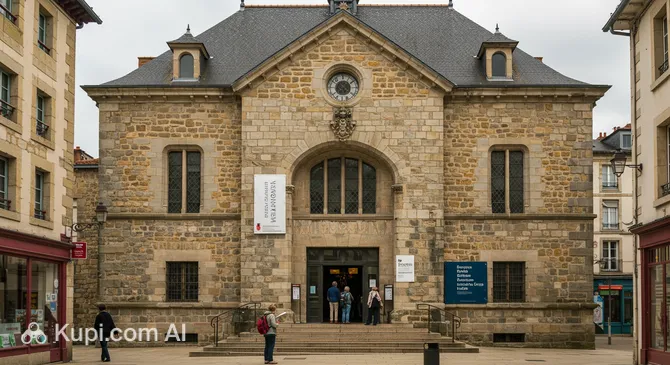
  • The city is a guardian of rich Basque culture. It is home to the Basque Museum and the History of Bayonne (Musée Basque et de l'histoire de Bayonne) – one of the most important ethnographic museums in the region, where you can immerse yourself in the history and traditions of this unique people.

  • Bayonne holds the unofficial title of the "chocolate capital" of France. The art of chocolate making was brought here in the 17th century by Jewish refugees from Spain and Portugal. To this day, the city is home to many chocolatiers, and you can learn more about this sweet history at the Bayonne Chocolate Museum.

How to Get There

When planning a trip to the heart of the French Basque Country, it is important to think about your route in advance. Thanks to its favorable geographical position, you can reach the city by various means of transport. You can explore all the ways to get to Bayonne on our detailed page, and below we look at the main transport hubs serving the region.

The nearest and most convenient air gateway is Biarritz Pays Basque Airport (IATA: BIQ). Although it is located in the neighboring town of Biarritz, the distance to the center of Bayonne is only about 4.7 km. This is a small but important regional airport that accepts flights from Paris and other European cities. The journey by taxi or bus will take very little time — approximately 25-30 minutes.

For travelers choosing major international connections, Bilbao Airport (IATA: BIO) in Spain can be an excellent option. This is a major air hub with a large passenger flow. It is located in the city of Bilbao, about 118 km from Bayonne. The journey from there by transfer, bus, or rental car takes about 3 hours.

It is also worth considering San Sebastián Airport (IATA: EAS), located on Spanish territory in the city of San Sebastián, about 30 km from Bayonne. This is a convenient alternative for those flying via Spain. The travel time to your destination will be about 1 hour.

For clarity, here is a summary of the main airports:

AirportPassenger trafficDistance
Biarritz - Anglet - Bayonne Airport970 5895 km
San Sebastian Airport483 00030 km
Pamplona Airport220 42382 km
Pau Pyrénées International Airport345 60387 km
Bilbao Airport6.3 mln118 km

Railway connections in the region are also quite well-developed. If you cannot find a direct ticket to Bayonne itself, you can use stations in neighboring towns. One of the closest is the Saint-Jean-de-Luz-Ciboure Railway Station. The station is located in the town of Saint-Jean-de-Luz, about 19 km from Bayonne. A trip from there by taxi or public transport takes about 50 minutes.

Another option is arriving at the San Sebastián Railway Station, located in the Spanish city of San Sebastián (about 45 km from Bayonne). This is a major transport hub with high passenger traffic, from where you can reach Bayonne in about 1.5 hours by bus or car.

Below is a table with information on the nearest railway stations:

StationPassenger trafficDistance
Bayonne railway station121 km
St-Jean-de-Luz-Ciboure Railway Station542 62119 km
Hendaye station1429 km
Irun railway station1231 km
Dax railway station1043 km

Main Attractions

Bayonne, a charming city in southwestern France, is famous for its rich history and unique culture located at the intersection of Gascon and Basque traditions. The city offers travelers many interesting sites, from majestic cathedrals to themed museums dedicated to local delicacies.

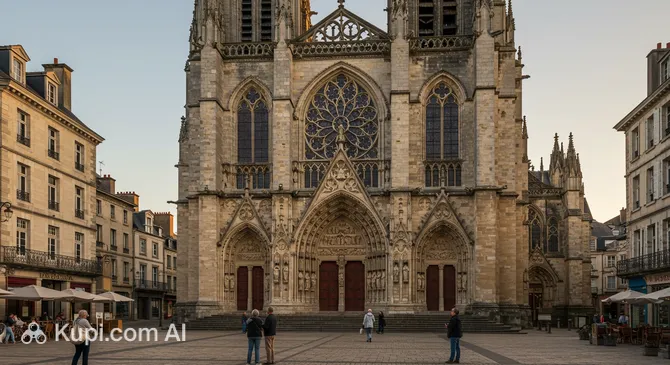
One of the city's main jewels is the Sainte-Marie de Bayonne Cathedral. This impressive Gothic cathedral, listed as a UNESCO World Heritage site as part of the Way of St. James, amazes with its high vaults, elegant stained glass, and two majestic spires. Visitors can enjoy its architectural splendor and peaceful atmosphere, and even climb one of the towers to admire a panoramic view of the city.

Bayonne Cathedral. Illustration.
Source: Kupi.com AI

Traveler photos:

For a deep dive into the region's culture, the Basque Museum and the History of Bayonne is a must-visit. Located in a historical building on the banks of the Nive River, the museum offers an extensive collection of exhibits detailing the history, traditions, daily life, and art of the Basque people. It is a wonderful opportunity to learn more about the language, customs, and unique identity of this distinctive region.

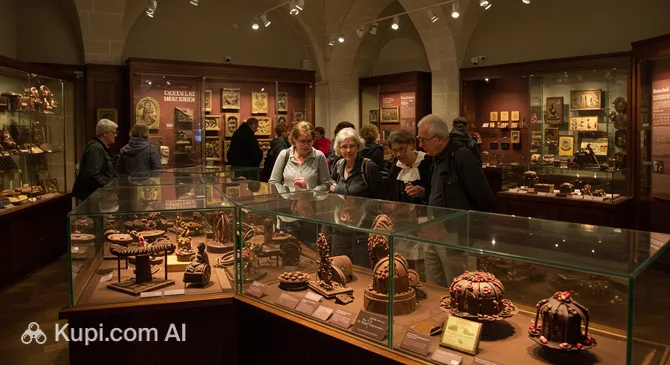
Bayonne is also known as the chocolate capital of France, so a visit to the Chocolate Museum (L'atelier du Chocolat de Bayonne) will be a real treat for those with a sweet tooth. Here, you can not only learn about the history of chocolate production in the city since the 17th century but also see the manufacturing process and, of course, taste different varieties of this treat. It is an educational and delicious adventure for the whole family.

Bayonne Chocolate Museum. Illustration.
Source: Kupi.com AI

Traveler photos:

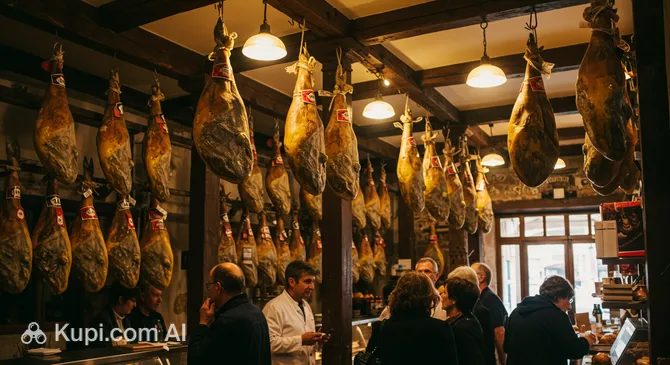
Another gastronomic pride of Bayonne is its famous Bayonne ham. To learn all the secrets of its preparation and appreciate the taste of this delicacy, visit the Bayonne Ham Workshop (Atelier du Jambon de Bayonne). Tours are held here to explain traditional curing and salting methods, concluding with a tasting that allows you to truly appreciate the quality of this local product.

Bayonne Ham Workshop. Illustration.
Source: Kupi.com AI

Traveler photos:

These attractions are just a small part of what Bayonne has to offer. Walking through its narrow streets with ancient half-timbered houses, visiting lively markets, and enjoying local cuisine in numerous cafes and restaurants will make your trip unforgettable.

Local Cuisine

Bayonne is a true paradise for foodies, where culinary traditions are carefully preserved and passed down through generations. The main gastronomic star of the city is, without a doubt, the famous Bayonne ham (Jambon de Bayonne). Prepared according to ancient recipes using salt and spices and dried in the fresh Atlantic air, this delicacy is a must-try. You can find it at local markets or in traditional bistros.

Besides ham, Bayonne's cuisine is rich in other Basque specialties. Look out for spicy sausages, aromatic Ossau-Iraty cheese, and the traditional Basque cake (Gâteau Basque), often filled with black cherries. Chocolate holds a special place in the city's gastronomic palette. Bayonne is rightfully considered one of the chocolate centers of France, and local confectioners take pride in their unique recipes. To dive deeper into the world of this treat, we recommend visiting the Bayonne Chocolate Museum.

The food culture in Bayonne is diverse. Locals and tourists love spending time in numerous tapas bars, where they can enjoy small snacks and experience the city's lively atmosphere. Of course, it is also worth visiting restaurants that offer both traditional Basque dishes and modern French cuisine. Don't miss the chance to try the freshest seafood delivered straight from the coast. To learn more about the city's main delicacy, stop by the Bayonne Ham Workshop. Popular drinks include local cider and sparkling wines from neighboring regions.

Bayonne's gastronomic life is not limited to restaurants and bars. The city regularly hosts fairs, festivals, and tastings where you can get acquainted with the region's best products and drinks and chat with local farmers and chefs. This is a wonderful opportunity to experience genuine Basque hospitality and bring home some delicious souvenirs.

Travel Tips

Planning a trip to charming Bayonne? To ensure your journey through this colorful city in southwestern France goes smoothly and leaves only the most pleasant impressions, we have prepared a few practical tips for you.

  1. Wardrobe for Bayonne: The climate here is temperate oceanic. In summer, bring light clothing, sunscreen, and a hat. In the off-season and winter, you won't get by without a raincoat or umbrella and warm clothing, as the weather can be changeable. Comfortable shoes are your best ally for walking the cobbled streets of the historic center. For visiting Sainte-Marie Cathedral and other religious sites, choose modest clothing that covers shoulders and knees. Don't forget a power adapter (Type E).

  2. Getting Around: The historic center of Bayonne is best explored on foot. For longer trips, you can use the Chronoplus bus network, which serves Bayonne and neighboring towns. Taxis are available, and you can also use ride-hailing apps. Renting a car is worthwhile if you plan to explore the surrounding region of New Aquitaine, but it is not always convenient within the city due to narrow streets and limited parking.

  3. Financial Matters: The official currency is the Euro (EUR, €). Credit cards (Visa, Mastercard) are accepted in most shops, restaurants, and hotels. However, it’s always useful to have some cash for small markets or cafes. ATMs (called DAB - distributeur automatique de billets in France) are widely available. Tipping is usually included in the bill ("service compris"), but if the service was exceptional, you can leave 5-10% of the total or round up the amount.

  4. Health and Safety: Bayonne is generally a safe city. Standard precautions, such as keeping an eye on your belongings in crowded places, will help avoid trouble. Pharmacies (pharmacie) are easy to find by their green cross sign; some are open at night and on weekends (pharmacie de garde). In case of emergency, dial 112. It is recommended to have travel medical insurance.

  5. Language and Communication: The official language is French. In tourist areas, many people speak English, but knowing a few basic French phrases (e.g., "Bonjour" – Hello, "Merci" – Thank you, "S'il vous plaît" – Please) will be very helpful and appreciated by locals. Wi-Fi is available in many hotels, cafes, and public places. For mobile communication, you can purchase a local SIM card.

  6. Local Etiquette: The French value politeness. When entering a shop or cafe, it is customary to say hello ("Bonjour" during the day, "Bonsoir" in the evening). When addressing someone, start with "Excusez-moi" (Excuse me). In public places, try not to speak too loudly. A handshake is the standard form of greeting when being introduced.

  7. What to Avoid: Try not to start a conversation immediately in English without attempting to say hello in French first — this can be perceived as impolite. Also, avoid discussing sensitive political topics unless you are sure of the context and the mood of your conversation partner. Respect for local traditions and culture is always welcome.

  8. Special Features of Bayonne: Be sure to try the famous Bayonne chocolate and Bayonne ham (Jambon de Bayonne) — they are the gastronomic symbols of the city. If your trip coincides with the end of July or the beginning of August, you might catch the grand Fêtes de Bayonne festival. It is an unforgettable sight, but be prepared for huge crowds and book your accommodation well in advance.

We hope these tips help you better prepare for your trip and fully enjoy the hospitality and beauty of Bayonne. We wish you an unforgettable experience!

Entertainment & Nightlife

Bayonne, a charming city in southwestern France, comes alive after dark, offering a variety of entertainment for fans of evening and nightlife. The main centers of attraction are the Petit Bayonne quarter and the banks of the Nive River, where many bars and restaurants are concentrated. The atmosphere here is usually lively and friendly, especially on weekends when locals and tourists come out to enjoy the evening.

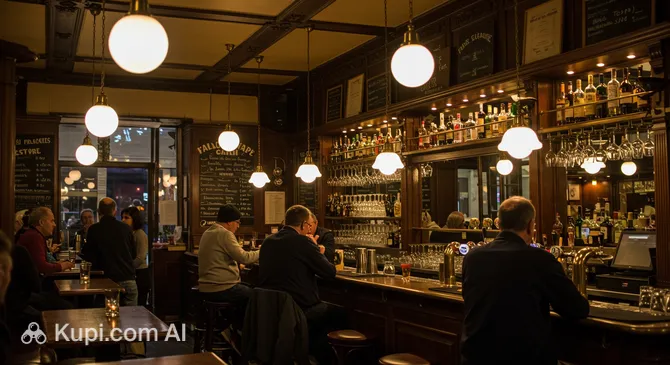
Those looking to spend the evening over a drink will find plenty of options in Bayonne. From traditional Basque taverns with local "pintxos" snacks to modern cocktail bars, the choice is quite wide. One popular spot to enjoy a drink and hang out with friends is Kalostrape. It features a relaxed atmosphere conducive to conversation. Most bars are open until late at night, and some until the early morning hours.

Kalostrape. Illustration.
Source: Kupi.com AI

Traveler photos:

For those seeking more active nightlife and dancing, Bayonne has several nightclubs. The musical format can vary from popular hits to electronic music. One well-known establishment is Must Club, where you can dance until morning. Clubs usually start filling up closer to midnight and stay open until 4–5 AM. The dress code in most venues is smart casual, though it may be stricter for some clubs.

Must Night Club. Illustration.
Source: Kupi.com AI

Traveler photos:

When planning an evening out in Bayonne, keep in mind that bars usually get busy after 9:00–10:00 PM, and clubs after midnight. The city's central areas are quite compact, and many venues are within walking distance of each other. For longer distances or late-night travel, taxi services are available. It is recommended to check local taxi numbers in advance or use ride-hailing apps.

In terms of safety, Bayonne is considered a fairly quiet city. However, as with any other place, standard precautions should be taken at night: stick to well-lit and busy streets and keep an eye on your belongings. Walking along the central embankments and through the Petit Bayonne quarter in the evening is usually safe and pleasant.

During the day, Bayonne is no less attractive and offers many interesting activities for cultural enrichment. You can immerse yourself in the region's history and culture by visiting the Basque Museum, or discover the secrets of the famous local treat at the Bayonne Chocolate Museum. The majestic Bayonne Cathedral, with its spires reaching into the sky, is also a must-see. And if you enjoy spectacle, check out the schedule at the Arènes de Bayonne, which hosts concerts or traditional Basque games.

Bayonne Cathedral. Illustration.
Source: Kupi.com AI

Traveler photos:

Parks & Museums

Bayonne invites its guests to enjoy not only picturesque green corners but also to immerse themselves in a rich cultural heritage represented by numerous museums and historical monuments. The city skillfully combines opportunities for quiet relaxation in nature with fascinating excursions to iconic sites.

For nature lovers and those who enjoy fresh-air walks, Bayonne offers several charming locations. One of the most famous is the Botanical Garden (Jardin Botanique de Bayonne), located on the Vauban ramparts. This Japanese-style garden is a true oasis of tranquility with ponds, waterfalls, and a diverse collection of plants. The embankments of the Nive and Adour rivers are also pleasant places for strolls, offering views of the city and its characteristic architecture.

Basque Museum. Illustration.
Source: Kupi.com AI

Traveler photos:

The cultural life of Bayonne is equally rich. One of the key places to learn about the history and traditions of the region is the Basque Museum (Musée Basque et de l'histoire de Bayonne). Housed in the historic Maison Dagourette on the Nive embankment, it offers an extensive collection of exhibits detailing Basque culture, daily life, art, and the city's history. Another unique spot is the Bayonne Chocolate Museum (L'atelier du Chocolat de Bayonne). The city has been famous for its chocolate traditions since the 17th century, and this museum allows you to not only learn the history of production but also taste the famous delicacies.

Bayonne Chocolate Museum. Illustration.
Source: Kupi.com AI

Traveler photos:

Among the architectural gems of the city, the Sainte-Marie Cathedral (Cathédrale Sainte-Marie de Bayonne) stands out — a magnificent example of Gothic architecture and a UNESCO World Heritage site as part of the Way of St. James. Its impressive stained glass windows and interior decoration attract many visitors. Equally significant is the Arènes de Bayonne, where traditional Basque festivals and other events reflecting the spirit of local culture take place.

For a complete experience, it's worth walking through the narrow streets of the old town, divided by the Nive River into Grand Bayonne and Petit Bayonne, to admire the half-timbered houses. And to touch upon gastronomic traditions, visit the Bayonne Ham Workshop, where you can learn the production secrets of the famous local delicacy and, of course, taste it.

Getting Around

Getting around Bayonne and its surroundings is quite convenient thanks to a well-developed public transport system, represented primarily by the Chronoplus bus network. This network serves not only Bayonne itself but also the neighboring towns of Anglet and Biarritz, forming a unified transport area.

The main form of transport in Bayonne is buses. The Chronoplus route network is extensive and covers most areas of the city and its suburbs. The buses are modern and comfortable. There are standard routes as well as express lines (marked with the letter "T"), such as the T1 and T2, which connect key points in the metropolitan area and run with high frequency. Schedules can be found at stops, on the official Chronoplus website, or in the mobile app.

The payment system is quite flexible. You can purchase a single trip ticket (Ticket 1 voyage) directly from the driver (usually slightly more expensive) or at vending machines at major stops and points of sale. 10-trip cards (Carte 10 voyages) are also available, which are more cost-effective for those planning to use transport frequently. There are day passes (Pass 1 jour) and passes for longer periods. You can also pay for travel using a contactless bank card on some buses or through the Chronoplus mobile app. Be sure to validate your ticket or card every time you enter the bus by tapping it against the special device.

Buses usually start running early in the morning (around 6:00–7:00 AM) and finish late in the evening (until 11:00 PM – 12:00 AM); however, schedules may change on weekends and holidays, and service intervals may increase. Some routes offer night services on certain days of the week, especially during the summer season.

An interesting feature of Bayonne's transport system is the free electric shuttles (navettes gratuites) that run through the city's historical center. These are small buses that allow you to easily navigate the narrow streets of Old Bayonne. Additionally, during the summer, river shuttles (navettes fluviales) often run along the Adour River, connecting Bayonne with other coastal points, providing both a convenient and scenic way to get around.

In addition to public transport, other ways to get around are available in Bayonne. Taxis can be found at designated stands or called by phone. Bicycle rental is popular — the city has a Vélibleu system offering bicycles for rent at various stations. This is a great way to explore the city at your own pace, especially its embankments and parks. Car-sharing services are also beginning to develop, though they are currently less common for tourists compared to large metropolises.

Accommodation

In Bayonne, you will find a variety of accommodation options to suit the needs of any traveler. The city offers a wide range, from budget hostels and guesthouses to comfortable mid-range hotels and stylish apartments for short-term rent. Everyone can find accommodation according to their preferences and budget here.

Areas in the historic city center are particularly popular with tourists. Grand Bayonne (Greater Bayonne) attracts with its proximity to main attractions, such as the majestic Bayonne Cathedral and the informative Basque Museum. Staying here will allow you to immerse yourself in the atmosphere of the old town. The Petit Bayonne (Little Bayonne) district, known for its lively streets, bars, and restaurants, also offers many accommodation options. For those who value transport convenience, hotels and apartments located near the railway station are a good choice.

While there are no specific hotels in the provided list, Bayonne features both small family-run guesthouses and hotels from well-known chains. The price range varies: you can find both budget-friendly options and more expensive offers with a high level of service. It is recommended to book accommodation in advance, especially if your trip coincides with the peak tourist season (summer months) or during the major festivals for which Bayonne is famous. For searching and booking, it is convenient to use popular online platforms or contact the chosen hotel or apartment directly.

Nearby Cities

For those who want to explore the surrounding area, Bayonne serves as an excellent starting point for day trips. Several interesting cities and locations are nearby, each with its own unique charm.

Among the popular destinations is the famous Biarritz, an elegant resort on the Atlantic coast, attracting visitors with its magnificent beaches, surfing opportunities, and historic architecture, including the famous Rock of the Virgin (Rocher de la Vierge). Very close by is Anglet, often called "Little California" for its long sandy beaches, perfect for surfing and family vacations, as well as its scenic pine forests. Slightly further away, but still accessible for a day trip, is Dax, one of France's oldest thermal resorts, known for its healing mud, Roman ruins, and traditional festivals.

Here are some of the cities you can visit, including their population and distance from Bayonne:

CityPopulationDistance
Boucau8 6273 km
Anglet39 7194 km
Tarnos12 6345 km
Biarritz25 7877 km
Capbreton9 03717 km

These and other nearby destinations allow you to get to know the diverse culture, history, and natural beauty of the New Aquitaine region more deeply, making your journey from Bayonne even more fulfilling.

Shopping & Souvenirs

Bayonne offers its guests a pleasant and diverse shopping experience, combining the charm of ancient streets with modern stores. The city is famous for its gastronomic delicacies, especially Bayonne ham and chocolate, as well as products made by Basque artisans. Here, you can find well-known French brands as well as unique local goods.

The main shopping arteries of Bayonne are the pedestrian streets of the historic center, such as Rue Port Neuf, Rue d'Espagne, and their adjacent alleys. Numerous boutiques for clothing, shoes, and accessories, jewelry stores, as well as shops with local products and souvenirs are concentrated here. Strolling along these picturesque streets is a pleasure in itself, allowing you to combine shopping with sightseeing.

For those who prefer shopping in large complexes, the Ametzondo Shopping Center is located in the outskirts of Bayonne. It offers a wide range of stores from famous international and French brands, a hypermarket, as well as restaurants and entertainment zones. This is a convenient place for diverse purchases all under one roof.

An integral part of the Bayonne shopping scene is its markets. The most famous is Les Halles de Bayonne, an indoor market in the heart of the city. Here you can buy the freshest local products: cheeses, sausages, seafood, vegetables, fruits, and, of course, the famous Bayonne ham and piquant Espelette pepper. The market is open daily, except for Sunday afternoons and Mondays, making it a great place to soak up the local atmosphere and buy gastronomic souvenirs.

As souvenirs from Bayonne, you should primarily bring home gastronomic specialties. In first place is undoubtedly Bayonne ham (Jambon de Bayonne) — it can be purchased at specialized shops or at the market. Sweet lovers will enjoy local chocolate, which has a production history in the city dating back several centuries; some confectioneries offer handmade chocolate according to old recipes. Also popular are items made from Basque linen (tablecloths, towels), traditional Basque berets, and espadrilles. Visit the Bayonne Chocolate Museum or the Bayonne Ham Workshop, where you can not only learn about production but also purchase products.

Shops in Bayonne are typically open from Monday to Saturday, roughly from 9:30–10:00 AM to 7:00–7:30 PM, with a lunch break (sieste) from 12:30–1:00 PM to 2:30–3:00 PM, especially in small private shops. Large stores and shopping centers may stay open without a break. Most shops are closed on Sundays, except for some souvenir shops and grocery stores during the tourist season. Bank cards (Visa, Mastercard) are accepted everywhere, and cash can also be used.

Tourists from non-European Union countries can take advantage of the tax refund system (Tax Free) when making purchases over a certain amount in stores providing this service. Usually, these are stores with a corresponding sign in the window. To arrange a VAT refund, you need to ask the salesperson for a special receipt (bordereau de détaxe) and present it along with the purchases and your passport at customs when leaving the EU.

Have you reached the end of the page?

So the route has been studied inside and out