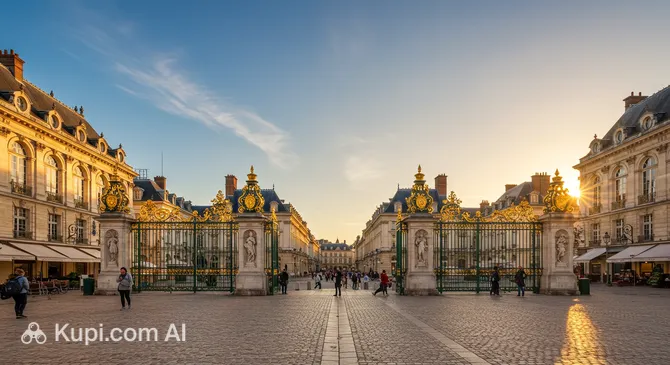
Nancy is a charming city in northeastern France, the former capital of the Duchy of Lorraine, which has preserved a rich historical and cultural heritage. The city is famous for its elegant 18th-century architecture and a unique atmosphere that blends the grandeur of the past with modern dynamics.
Located in the Grand Est region on the banks of the Meurthe River, Nancy is an important cultural and university center. The city's population is just over 105,000 people. The climate here is temperate continental, with warm summers and relatively mild winters, making it a pleasant destination to visit at any time of year.
Nancy. Illustration.
Source: Kupi.com AI
One of Nancy's main gems is Place Stanislas, a magnificent 18th-century architectural ensemble included in the UNESCO World Heritage list. Together with the adjacent Place de la Carrière and Place d'Alliance, it forms a unique urban complex. The city is also known as one of the centers of the Art Nouveau style, thanks to the "School of Nancy" (École de Nancy), whose works can be seen in the Musée de l'École de Nancy or simply by strolling through the streets and admiring the graceful building façades.
Nancy is a city that charms at first sight. Its cozy streets, exquisite architecture, and rich cultural heritage will not leave any traveler indifferent. Discover this amazing corner of France and immerse yourself in its unique atmosphere!
You can find more interesting facts on the history of Nancy page.
Weather Overview
The weather in Nancy is characterized by a temperate climate with warm summers and cool winters. In the hottest months, July and August, the average air temperature is around 20°C, with maximums reaching 25°C. In winter, for example in January, the average temperature drops to 3.3°C. Precipitation in Nancy is possible throughout the year, with the number of rainy days being noticeably higher in the winter period (up to 17 days in December) compared to the summer (about 10-12 days). Overall, in Nancy, you can expect warm summers with occasional rainfall and cool winters with more frequent rainy days. Find out more about the weather in Nancy and the current forecast on our dedicated page.
Average monthly temperature
Average monthly precipitation
Interesting Facts
Nancy, an elegant city with a rich history, hides many surprising details and stories behind its famous façades. In addition to the world-renowned Place Stanislas, there are many other curious facts to discover here:
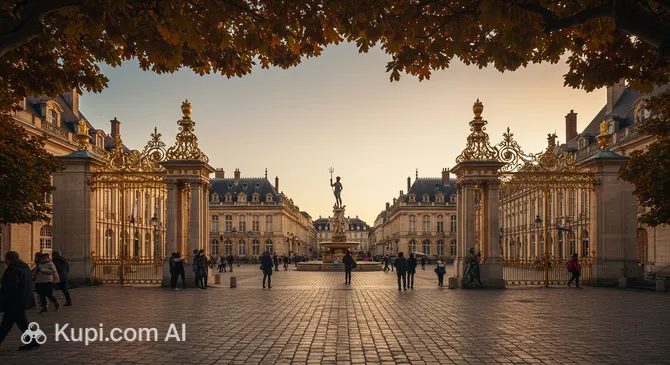
Place Stanislas. Illustration.
Source: Kupi.com AI
Traveler photos:
The famous Place Stanislas, together with Place de la Carrière and Place d'Alliance, forms a unique 18th-century urban ensemble that was added to the UNESCO World Heritage list in 1983. This architectural masterpiece was created by order of Stanisław Leszczyński, the last Duke of Lorraine.
Nancy is recognized as one of the major centers of Art Nouveau in Europe. In the late 19th and early 20th centuries, the artistic movement known as the "School of Nancy" flourished here. Outstanding examples of this style can be seen at the Musée de l'École de Nancy and the magnificent Villa Majorelle.
The city is the birthplace of the famous "Bergamote de Nancy" candies. These translucent golden sweets flavored with bergamot essential oil have a Protected Geographical Indication (PGI/IGP) and have been produced according to a traditional recipe since the 19th century, serving as one of the city's symbols.
One of the oldest and most impressive monuments of medieval architecture in Nancy is the Porte de la Craffe. Built in the 14th century, it once served as the main northern entrance to the fortified city, and its massive towers were also used as a prison.
How to Get There
A journey to Nancy is an opportunity to discover the heart of Lorraine. The city enjoys a convenient location in Europe, making it accessible by various means of transport. You can find out more about how to get to Nancy by exploring all available routes and transport types.
While Nancy itself does not have a large international airport, travelers often use the air hubs of neighboring cities and countries. The closest is Metz-Nancy-Lorraine Airport (IATA: ETZ). It is located in the Grand Est region, about 33 km from the center of Nancy. This is a small regional airport, and you can reach the city from there by shuttle bus or taxi in about 30-40 minutes.
For international flights, a convenient option is Luxembourg Airport (IATA: LUX). It is located in Luxembourg City, approximately 104 km from Nancy. This is a major transport hub with a large number of flights. Traveling by car or train from Luxembourg to Nancy takes about 1 hour and 20 minutes. Another significant option is EuroAirport Basel-Mulhouse-Freiburg (IATA: EAP), located in Basel (about 158 km from Nancy). This is a large airport with high passenger traffic, from which you can reach Nancy by train or rental car in about 2 hours.
For convenience, here is a summary of the main airports:
Rail travel is one of the most popular ways to reach the region. An important transport point is the Lorraine TGV Station (IATA: XZI). Please note that this station is not in the center of Nancy, but in the commune of Louvigny (about 28.5 km from the city), and it serves high-speed TGV trains connecting the region with Paris and other major cities. Special shuttle buses run from the station to Nancy, with a travel time of about 30-40 minutes.
It is also worth mentioning Strasbourg Station (IATA: XWG) in the city of Strasbourg. This is the largest railway hub in eastern France, located about 115 km from Nancy. A huge number of international trains arrive here. If you arrive in Strasbourg, transferring to a regional TER train to Nancy will take about 1 hour and 15 minutes.
Below is a table with the nearest significant railway stations:
Nancy, the jewel of the Lorraine region, is famous for its exquisite 18th-century architecture and rich Art Nouveau heritage. The city offers tourists many interesting sites capable of surprising and inspiring.
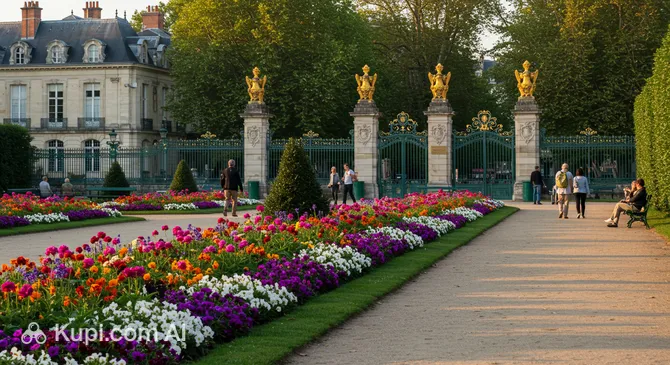
The heart of Nancy is undoubtedly Place Stanislas. This magnificent 18th-century architectural ensemble, included in the UNESCO World Heritage list, impresses with its harmony and luxury. Surrounded by buildings with elegant façades and decorated with gilded wrought-iron gates and fountains, the square is a favorite meeting place for locals and a must-visit for tourists. City festivals and events are frequently held here.
Place Stanislas. Illustration.
Source: Kupi.com AI
Traveler photos:
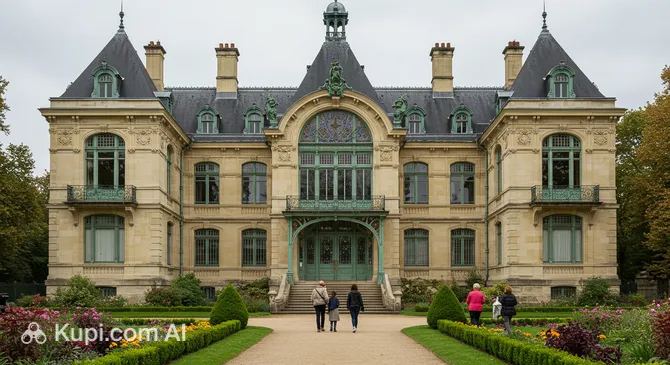
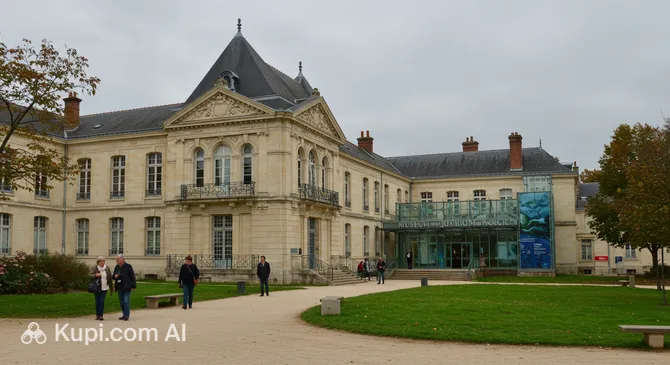
For lovers of Art Nouveau, a visit to the Musée de l'École de Nancy (Museum of the School of Nancy) is essential. It is located in the former home of Eugène Corbin, one of the main patrons of this artistic movement. The museum features a unique collection of furniture, glassware, ceramics, and other decorative art objects created by masters of the School of Nancy, such as Émile Gallé, Louis Majorelle, and Victor Prouvé. The exhibition allows you to immerse yourself in the Art Nouveau era and appreciate its elegance and innovation.
Museum of the École de Nancy. Illustration.
Source: Kupi.com AI
Traveler photos:
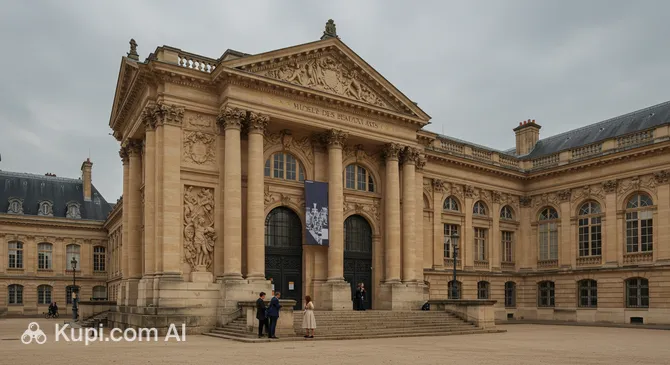
Located near Place Stanislas is the Musée des Beaux-Arts de Nancy (Museum of Fine Arts). Its collection spans European painting from the 14th to the 21st century, including works by masters such as Rubens, Caravaggio, Delacroix, Monet, and Picasso. A special place in the exhibition is held by the collection of works by Lorraine artists and the famous Daum glass collection, showcasing another facet of the city's artistic heritage.
Museum of Fine Arts of Nancy. Illustration.
Source: Kupi.com AI
Traveler photos:
Another iconic Art Nouveau landmark is Villa Majorelle. Built by architect Henri Sauvage for furniture designer Louis Majorelle, this mansion is considered one of the first and most striking examples of Art Nouveau architecture in France. Visitors can appreciate not only the exterior of the building but also the original interiors that preserve the spirit of the era.
Villa Majorelle. Illustration.
Source: Kupi.com AI
Traveler photos:
History buffs interested in the medieval period should visit Porte de la Craffe. These impressive 14th-century gates with two massive round towers once served as the northern entrance to the old city and are among the few surviving elements of Nancy's medieval fortifications. A walk to the gates allows you to touch the city's ancient history.
Local Cuisine
The gastronomy of Nancy is a true immersion into the culinary traditions of the Lorraine region, known for its hearty dishes, rich flavors, and the use of high-quality local products. Here, you can expect classic French dishes as well as unique local specialties that will surprise even the most seasoned gourmet.
The region's signature dish is undoubtedly Quiche Lorraine – an open tart with a filling of eggs, cream, and smoked bacon. Another iconic dish is Pâté Lorrain, a juicy meat pâté baked in puff pastry. These dishes perfectly reflect the character of local cuisine: simple, yet incredibly tasty and filling.
For those with a sweet tooth, Nancy offers the famous Macarons de Nancy – delicate almond cookies with a crispy crust and a soft center, with a history spanning several centuries. Equally famous are the Bergamotes de Nancy – translucent golden candies with a subtle bergamot aroma, which have become a true symbol of the city.
Among drinks, products made from Mirabelle plums—the symbol of Lorraine—hold a special place: be sure to try Mirabelle liqueur or the strong Mirabelle plum brandy (eau-de-vie de mirabelle). The region is also famous for its wines, such as the light and fruity Côtes de Toul. Beer lovers will find local varieties here, while popular non-alcoholic options include fresh juices and, of course, aromatic coffee.
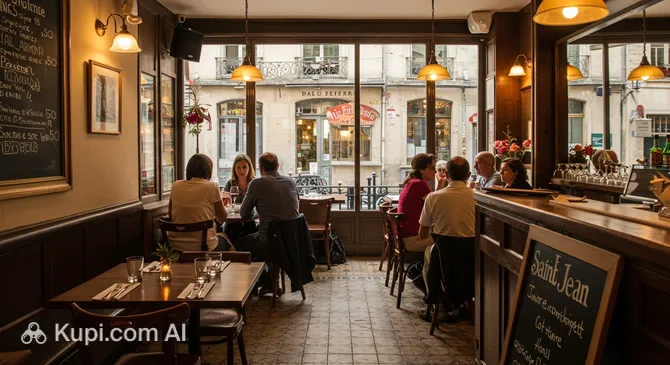
The dining culture in Nancy involves unhurried enjoyment of food in a cozy atmosphere. Locals and tourists alike enjoy visiting traditional restaurants and brasseries to taste regional dishes. Stop by the numerous pâtisseries and boulangeries for fresh pastries and desserts. For an authentic experience, you can visit one of the local restaurants, such as Restaurant Saint-Jean, where traditional cuisine is served. The Central Market is also an excellent place to get to know local products and the city's atmosphere.
Saint Jean Restaurant. Illustration.
Source: Kupi.com AI
Traveler photos:
Travel Tips
Welcome to Nancy, a charming city with a rich history and magnificent architecture! To ensure your journey through this gem of the Grand Est region goes smoothly and leaves only pleasant impressions, we have prepared some practical tips.
Clothing and Essentials:
The climate in Nancy is temperate. In summer (June-August), bring light clothing, but don't forget a light jacket or sweater for the evenings. Spring and autumn require layering—T-shirts, sweaters, and a waterproof jacket will come in handy. In winter (December-February), you will need warm clothes, including a hat, gloves, and a scarf. Comfortable shoes are critically important, as you will be walking a lot on cobbled streets. Don't forget an adapter for Type E sockets. When visiting churches, such as Nancy Cathedral, it is advisable to cover your shoulders and knees.
Getting Around the City:
The center of Nancy is quite compact and perfect for exploring on foot. For longer trips, public transport is ideal—the Stan network of buses and trams (Service de Transport de l'Agglomération Nancéienne). Tickets can be bought at machines at stops or from the driver. Taxis are available but more expensive; you can use apps to call them. Renting a car is not necessary for moving around the city itself, but it can be useful if you plan to explore the surrounding Lorraine countryside.
Finances:
The official currency in France is the Euro (EUR). You can exchange money at banks or exchange offices, but the rate may be better when withdrawing cash from an ATM. Credit and debit cards (Visa, Mastercard) are widely accepted in shops, restaurants, and hotels. ATMs (distributeur automatique de billets) are easy to find throughout the city. A rough daily budget per person (excluding accommodation) could be 50-100 euros. Tips in restaurants are often included in the bill (service compris), but if you especially liked the service, you can leave 5-10% of the total. In cafés, it is customary to round up the bill.
Health and Safety:
Nancy is generally a safe city. However, as with everywhere, basic precautions should be taken: keep an eye on your belongings in crowded places, especially at Place Stanislas and on public transport. Pharmacies (pharmacie) are easily recognized by a green cross; there are always duty pharmacies open at night and on weekends (information about them can be found on the doors of other pharmacies). For EU citizens, it is recommended to have a European Health Insurance Card (EHIC). Tourists from other countries should take out travel insurance. The single emergency number in Europe is 112.
Communication:
The official language is French. In tourist areas, hotels, and some restaurants, staff may speak English, but knowing a few basic French phrases (e.g., "Bonjour" – Hello, "Merci" – Thank you, "S'il vous plaît" – Please, "Excusez-moi" – Excuse me, "Parlez-vous anglais?" – Do you speak English?) will be very useful and appreciated by the locals. A SIM card with internet access can be purchased at mobile operator stores. Free Wi-Fi is available in many cafés, restaurants, hotels, and some public places.
Local Etiquette:
The French value politeness. Always say hello when entering a shop or café ("Bonjour" during the day, "Bonsoir" in the evening) and say goodbye ("Au revoir"). Use polite forms when addressing someone. In public places, try not to speak too loudly. A handshake is the common form of greeting when meeting someone.
What to Avoid:
Try not to start a conversation immediately in English without first asking if the person speaks English ("Bonjour, parlez-vous anglais?"). Also, as in many European countries, avoid overly active gesturing or loudly discussing personal matters in public places. Avoid comparing French culture or cuisine with other countries in a negative way.
Special Tip for Nancy:
Be sure to set aside time to try the famous local delicacies: Macarons de Nancy—delicate almond cookies—and Bergamotes de Nancy—translucent golden candies with bergamot essential oil. Visit the Central Market (Marché Central) to experience the local atmosphere and purchase fresh produce and regional specialties. This is an excellent way to get to know the gastronomic soul of the city.
We hope these tips help you better prepare for your trip and fully enjoy the beauty and hospitality of Nancy. Have a great journey!
Entertainment & Nightlife
Nancy, a charming city in the French region of Grand Est, offers its guests not only a rich history and architecture but also a lively nightlife. As evening falls, the city is transformed, opening up many entertainment opportunities, especially for young people, as Nancy is also a major university center.
The main concentration of evening and night venues is in the city's historic center, particularly around the famous Place Stanislas and in the streets of the Old Town (Vieille Ville), such as Grande Rue. Here you will find numerous bars, pubs, and restaurants to suit every taste. The atmosphere in most establishments is quite relaxed and friendly. Students and locals mix with tourists, creating a vibrant and casual setting.
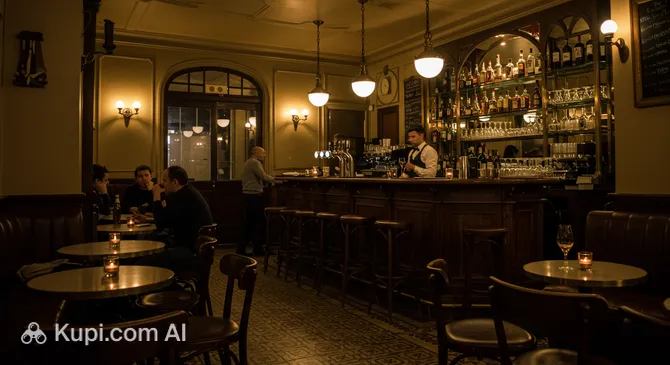
The choice of bars in Nancy is quite diverse: from traditional French cafés where you can enjoy a glass of wine or local beer to stylish cocktail bars and Irish pubs. One popular spot is La Faille, known for its cozy atmosphere. Most bars are open until 1:00 or 2:00 AM, especially on weekends. The dress code is usually casual, though some trendier venues may require a smarter appearance.
La Faille. Illustration.
Source: Kupi.com AI
Traveler photos:
For those looking for more active entertainment, Nancy has several nightclubs where you can dance to contemporary music. Clubs usually start to fill up closer to midnight and stay open until the early morning. It is also worth checking the posters for concert venues, which periodically host performances by local and visiting musicians.
If you prefer a quiet evening with dinner, many restaurants in the city center stay open until late evening. For example, you can visit Restaurant Saint-Jean to enjoy exquisite cuisine. It is recommended to book tables in advance, especially in popular spots and on weekends.
Saint Jean Restaurant. Illustration.
Source: Kupi.com AI
Traveler photos:
Practical Tips: The best time to visit bars is after 9:00 PM or 10:00 PM. Average drink prices are comparable to other French cities. Public transport runs less frequently at night, so it is most convenient to use taxis or ride-sharing apps. Nancy is generally a safe city, but as with anywhere, standard precautions should be taken: stick to well-lit streets and keep an eye on your belongings.
During the day, Nancy also offers plenty of interesting things to do. You can visit numerous museums, such as the Musée de l'École de Nancy or the Musée des Beaux-Arts de Nancy. For walks and outdoor relaxation, picturesque parks like Parc Sainte-Marie or Parc de la Cure d’Air are ideal.
Parks & Museums
Nancy, a charming city in the Grand Est region of France, offers its guests not only magnificent architecture but also wonderful opportunities for outdoor relaxation and immersion into the world of art and history. Here, well-kept parks and gardens harmoniously combine with rich museum collections, catering to the interests of many different travelers.
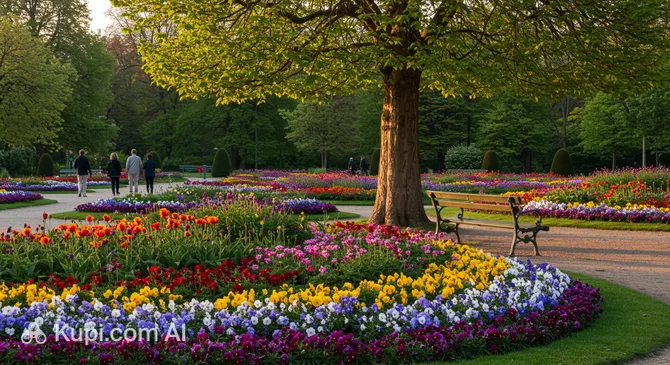
Among the city's green oases, Parc Sainte-Marie stands out. This is one of the most beloved parks by locals, established in the 18th century. Today, it delights visitors with century-old trees, a picturesque pond, a rose garden, and manicured flower beds. Parc Sainte-Marie is a great place to escape the city bustle, have a picnic, or simply enjoy nature. There are also playgrounds for children.
Parc Sainte-Marie. Illustration.
Source: Kupi.com AI
Traveler photos:
Another wonderful place for a stroll is Parc de la Cure d'Air. Located on a hill, this park offers not only a pleasant green area for relaxation but also breathtaking panoramic views of Nancy. Parc de la Cure d'Air is ideal for those seeking tranquility and beautiful scenery. Its name, which translates to "Air Cure," speaks for itself—it is a perfect spot for health-restoring walks and contemplation.
Cure d'Air Park. Illustration.
Source: Kupi.com AI
Traveler photos:
Nancy's cultural life is equally vibrant. One of the main centers of attraction for art lovers is the Musée des Beaux-Arts de Nancy (Museum of Fine Arts). Located on the famous Place Stanislas, a UNESCO World Heritage site, this museum is one of the oldest in France. Its collection covers European art from the 14th century to the present day, including works by masters such as Rubens, Caravaggio, Delacroix, and Monet, as well as a significant collection of glasswork from the Daum factory.
Nancy is the cradle of the unique Art Nouveau style, and the best place to explore it is the Musée de l'École de Nancy (Museum of the School of Nancy). The museum is located in the former residence of Eugène Corbin, one of the main patrons of the School of Nancy. It showcases exquisite examples of furniture, glassware, ceramics, jewelry, and other artworks created by masters such as Émile Gallé, Louis Majorelle, and Victor Prouvé. A visit to the museum allows you to dive into the atmosphere of the "Belle Époque" and appreciate the refinement of this artistic movement.
For families or those interested in the natural world, the Muséum-Aquarium de Nancy is an excellent choice. This unique institution combines a natural history museum with extensive zoological collections and an impressive aquarium where you can see various species of marine and freshwater inhabitants from around the world. The Muséum-Aquarium offers an exciting and educational journey into the world of nature.
Museum-Aquarium of Nancy. Illustration.
Source: Kupi.com AI
Traveler photos:
In addition to these key locations, Nancy is rich in other historical and architectural sights. It is definitely worth visiting Villa Majorelle—an iconic example of Art Nouveau architecture—as well as the city's medieval gates, such as Porte de la Craffe, which serve as reminders of the city's rich history.
Insider Tip: For a more secluded nature break, head to the Jardin Botanique Jean-Marie Pelt (Botanical Garden), located just outside the center but easily accessible. If you want to dive deeper into the region's history, visit the Musée Lorrain (Lorraine Museum), housed in the former Ducal Palace, which holds a rich collection of artifacts telling the story of Lorraine's past.
Getting Around
Public transport in Nancy is currently undergoing significant changes. The unique TVR (Transport sur Voie Réservée) guided bus system on tires, which was a characteristic feature of the city for a long time, was decommissioned in March 2023. Active work is underway to create a new, modern tram line that will become a key transport artery in the future. The launch of the new line is planned for the coming years; however, for the most up-to-date information on timelines, it is recommended to follow updates on the official resources of the Stan transport network. Currently, the basis of Nancy's transport system is an extensive network of bus routes operated by the company Stan (Service de Transport de l'Agglomération Nancéienne).
Tickets and travel cards are used for payment. Passengers can purchase single tickets, 10-trip tickets, as well as daily, weekly, or monthly passes. The cost of a single trip is usually around 1.50-1.70 euros, but buying passes or multi-trip packs is more cost-effective. Tickets can be purchased at machines at stops, at Stan agencies, and from bus drivers (though this may be slightly more expensive and not always available on all routes). For passenger convenience, there are mobile apps, such as the Stan network app, which allow you to buy tickets online and plan routes.
Before starting a journey, a ticket not purchased via the mobile app must be stamped in special validators located inside the bus. Public transport in Nancy usually operates from early morning (around 5:30-6:00 AM) until late evening (around midnight), but schedules can vary depending on the day of the week and the specific route. On weekends and public holidays, intervals between services may be longer, so it is recommended to check the current schedule.
In addition to public transport, taxi services are available in Nancy, which can be called by phone or found at designated stands. The city is also actively developing its bike-sharing system, offering a convenient and eco-friendly way to travel short distances, especially during the warmer months. This is a great opportunity to combine travel with exploring the city's picturesque streets and its numerous parks.
Accommodation
In Nancy, travelers will find a variety of accommodation options to suit every taste and budget. The city offers a wide range of housing: from budget hostels and cozy guest houses to comfortable mid-range hotels, stylish boutique hotels, and apartments for short-term rent.
The most popular areas for tourists are in the city center. Staying in the historic center, especially near the famous Place Stanislas, will put you within walking distance of major attractions such as the Musée des Beaux-Arts de Nancy and Nancy Cathedral. The areas adjacent to the railway station are also convenient due to good transport accessibility and developed infrastructure.
Although specific famous hotels are not listed here, Nancy has many options, from chain hotels with predictable comfort levels to small private hotels with a unique atmosphere. The choice depends on your preferences and budget.
When planning your trip, especially during the peak tourist season or major events, it is recommended to book accommodation in advance. This not only guarantees availability but often allows you to secure better prices. The price range varies from budget-friendly options to more expensive luxury offerings. You can book stays through popular online platforms or directly on the websites of hotels or apartments.
Nearby Cities
For those wishing to explore the surrounding area, Nancy serves as an excellent starting point for day trips to several interesting nearby locations.
One of the most popular destinations is Metz, located about 47 km to the north. This city charms with its majestic Saint-Étienne Cathedral, one of the tallest Gothic cathedrals in France, known for its stunning stained-glass windows. Metz is also home to the Centre Pompidou-Metz, a branch of the famous Parisian modern art museum, offering unique exhibitions.
To the southeast of Nancy, just 25 km away, lies Lunéville, often called the "Versailles of Lorraine." Its main pride is the magnificent Château de Lunéville, the former residence of the Dukes of Lorraine, surrounded by beautiful gardens. The city is also known for its traditions in fine earthenware production.
For lovers of medieval architecture, a visit to Toul, located 22 km to the west, would be interesting. Here you can see the impressive Saint-Étienne de Toul Cathedral, stroll through ancient streets that preserve the atmosphere of past centuries, and view the remains of ancient fortifications.
Below is a table with some nearby cities that might also be interesting to visit:
City
Population
Distance
Saint-Max
10 019
2 km
Jarville-la-Malgrange
9 354
2 km
Tomblaine
8 872
3 km
Laxou
14 366
3 km
Maxeville
9 818
3 km
These nearby destinations allow for a deeper acquaintance with the diverse culture, history, and picturesque landscapes of the Grand Est region.
Shopping & Souvenirs
Nancy offers a pleasant experience for shopping enthusiasts, combining the charm of historic streets with modern stores. While the city is not known for massive shopping malls like mega-cities, you can find high-quality French goods, local delicacies, and unique souvenirs, especially those related to the Art Nouveau style for which Nancy is famous.
The main shopping arteries of the city are Rue Saint-Jean and Rue Saint-Georges. These streets are home to boutiques of well-known brands, clothing stores, shoe shops, accessories, perfumes, and jewelry. Strolling through these lively streets is a pleasure in itself, allowing you to soak up the atmosphere of a French city.
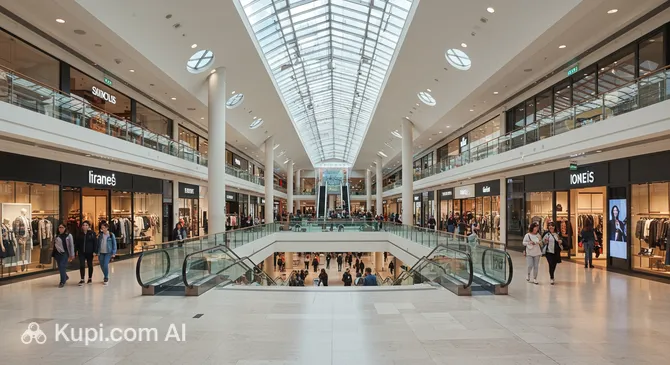
For those who prefer shopping under one roof, Nancy has several shopping centers. The most famous is the Centre Commercial Saint Sébastien. Here you will find a variety of stores ranging from clothing and electronics to home goods and a supermarket. It is a convenient place for comprehensive shopping, especially in bad weather.
Saint Sébastien Shopping Center. Illustration.
Source: Kupi.com AI
Traveler photos:
Be sure to visit the Nancy Central Market (Marché Central), located in a beautiful building designed in the Baltard pavilion style. It is a true paradise for foodies: fresh fruits, vegetables, cheeses, meat delicacies, pastries, and, of course, local specialties. Here, you can not only buy groceries but also have a snack in one of the small bistros. Occasionally, the city hosts flea markets (brocantes) where you can find antiques and vintage items.
As souvenirs from Nancy, it is worth bringing back the famous "Bergamotes de Nancy" candies—transparent amber lozenges with bergamot essential oil, which have a Protected Geographical Indication. Also popular are Macarons de Nancy—a special kind of almond cookie distinct from the Parisian variety. Art lovers will appreciate items related to the Art Nouveau style, such as reproductions of works by Émile Gallé or glassware in the style of the School of Nancy. You can also look for local wines from the Lorraine region.
Most shops in Nancy are open from Monday to Saturday, roughly from 10:00 AM to 7:00 PM. Some small boutiques may close for a lunch break (usually from 12:30 PM to 2:00 PM). Large supermarkets and shopping centers generally operate without a break. On Sunday, most shops are closed, except for some bakeries, pastry shops, and souvenir stalls in tourist zones. Bank cards (Visa, Mastercard) and cash are widely accepted for payment.
For tourists from countries outside the European Union, a Tax Free refund system is available. If you have made purchases for a certain amount (usually over 100 euros) in a single store participating in the system, you can arrange for a VAT refund. Check the conditions and procedures directly in the stores.