Support

Vittel

About

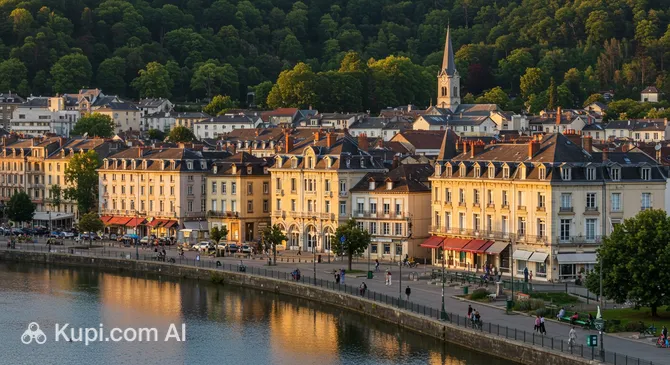
Vittel is a charming resort town nestled in the heart of the Vosges region in northeastern France. Literally surrounded by lush forests and picturesque hills, its unique geographical location and healing springs have made it a true mecca for nature lovers and wellness seekers.

Vittel. Illustration.
Source: Kupi.com AI

Despite its modest size and a population of about 5,000 people, Vittel maintains its status as one of the region's most famous thermal resorts. The atmosphere here is one of intimate comfort and tranquility, attracting not only tourists looking for relaxation but also professional athletes who find excellent training conditions here.

Walking through the streets, it is impossible not to notice the magnificent Belle Époque architecture. The fascinating history of Vittel is written in the facades of elegant hotels and historic buildings, recalling the heyday of European resort culture. Time seems to slow down here, allowing guests to enjoy every moment.

Among the main attractions, the vast resort park, perfect for leisurely promenades, and, of course, the famous thermal complexes with a wide range of treatments stand out. For those feeling lucky, a historic casino awaits, while outdoor enthusiasts will find many trails for walking through the surrounding forests. Vittel is a place where you can find harmony and experience the true French art of living.

Weather Overview

The resort's climate is conducive to quiet rest and recovery, offering guests mild conditions without extreme temperature fluctuations. The current weather in Vittel is characterized by clearly defined seasons, allowing you to plan trips year-round depending on your preferences.

The summer months are traditionally considered the most comfortable time for a visit. In July and August, the average temperature stays around 20°C, and during the day, the air often warms up to a comfortable 25°C. This is an ideal period for long walks in parks and forests, as the number of rainy days at this time is minimal compared to the rest of the year.

The winter period here is cool, but usually without severe frosts. In December and January, the thermometer is on average at the 3–4°C mark, rarely falling below zero. However, tourists should take high humidity into account: the highest number of days with precipitation (up to 17 days per month) is recorded in winter. Expect moderately warm summers and cool, fairly damp winters.

Average monthly temperature

Average monthly precipitation

Interesting Facts

In addition to its world-famous water and wellness treatments, this resort holds many fascinating stories and secrets. The town's life is filled not only with the silence of parks but also with echoes of past high-society gatherings and modern sporting passion.
  • Vittel became world-famous as the birthplace of the legendary mineral water, which is now served in the most prestigious restaurants on the planet. For over a century, the town has maintained its status as a "place of power," where travelers flock to improve their health and longevity.

  • At the beginning of the 20th century, the town was a favorite holiday destination for European aristocracy. Luxury hotels were built here, and lavish social receptions were held, which is why many streets still retain the unique charm of the Belle Époque.

  • The resort has rich sporting traditions, being a recognized center for golf and equestrian sports. The local hippodrome serves as a popular meeting place, and the town's sports base is considered one of the best in France, regularly hosting renowned athletes.

  • For those interested in the past, the town is home to the unique Museum of Heritage and Thermalism. The exhibition includes rare archival footage and objects detailing the healing properties of the local water and the famous guests who visited these parts.

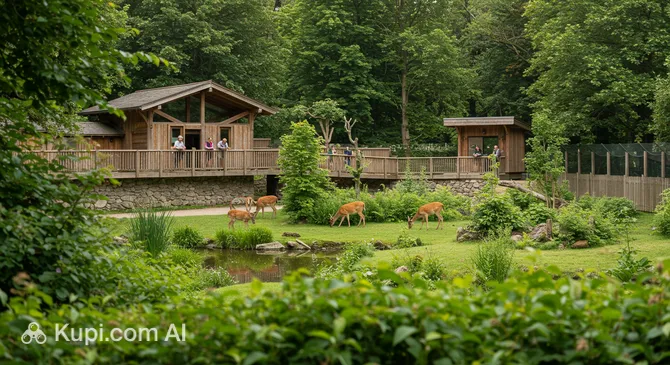
Vit Tel Ta Nature. Illustration.
Source: Kupi.com AI

Traveler photos:

How to Get There

When planning a trip to this picturesque corner of the Grand Est region, it is important to think about logistics in advance, as the town is located at some distance from major international hubs. You can explore all available routes and find out more about how to get to Vittel on a dedicated page; below, we will look at the main options for arriving through the nearest airports and stations.

Vittel does not have its own airport, so it is most convenient for travelers to fly into neighboring cities. The closest air hub is Metz-Nancy-Lorraine Airport (IATA: ETZ), located in Metz. It is approximately 89.5 km from the resort. This is a small regional airport, convenient for its proximity to the final destination—a car trip from here will take significantly less time than from other hubs.

To access a wider network of international flights, you can use major hubs. For example, Strasbourg Airport (IATA: SXB) offers many destinations and is 130.3 km away from the resort. Another popular option is EuroAirport Basel-Mulhouse-Freiburg (IATA: EAP) in Basel (136.8 km). This airport serves a huge flow of tourists and provides excellent connections to different countries, although the transfer to Vittel will take longer due to the distance.

For clarity, here is a summary of the main airports in the region:

AirportPassenger trafficDistance
Metz-Nancy-Lorraine Airport120 00089 km
Strasbourg Airport1.3 mln130 km
Dole-Jura Airport125 141135 km
EuroAirport Basel Mulhouse Freiburg8 mln137 km
EuroAirport Basel-Mulhouse-Freiburg8.1 mln137 km

Rail travel is another comfortable way to reach the resort, especially if you use TGV high-speed trains. Among the nearest major hubs is Lorraine TGV Station in Metz. It is only 84.5 km from Vittel, making it a strategically important point for those traveling from the north or east of France. From here, it is easy to arrange a transfer by taxi or bus.

If your route takes you through the east of the country, Strasbourg Station can be a convenient transfer point. Although it is 139.3 km from the resort, it is one of the largest transport hubs in the region with very high passenger traffic, from where trains and buses regularly depart toward the Vosges.

Below is a table with data on the nearest major railway stations:

StationPassenger trafficDistance
Gare de Vesoul1067 km
Gare de Lorraine TGV1385 km
Lorraine TGV Station493 69085 km
Gare de Meuse TGV1399 km
Meuse TGV Station258 728100 km

Main Attractions

Vittel is not just a town known for its mineral water, but a place with a rich cultural and natural heritage. A walk through its streets and parks will give you a sense of peace and allow you to touch the history of French resort life. Here are a few places that are definitely worth including in your itinerary.

The Thermal Park (Parc Thermal) is rightfully considered the heart of the town. This massive green oasis, covering over 650 hectares, is perfect for leisurely walks, morning jogs, or cycling. Here you will find not only centuries-old trees and well-kept alleys but also magnificent examples of architecture reminiscent of the resort's golden age. The park is a center of attraction for all visitors, offering an atmosphere of total serenity.

For nature lovers and families with children, the Vit Tel Ta Nature park is a real find. This unique space combines elements of a zoo and an educational farm where you can get to know the local flora and fauna. Engaging excursions and workshops are organized here, allowing you to learn more about ecological gardening and animal life. It is a great place to take a break from the city bustle and spend quality time in the fresh air.

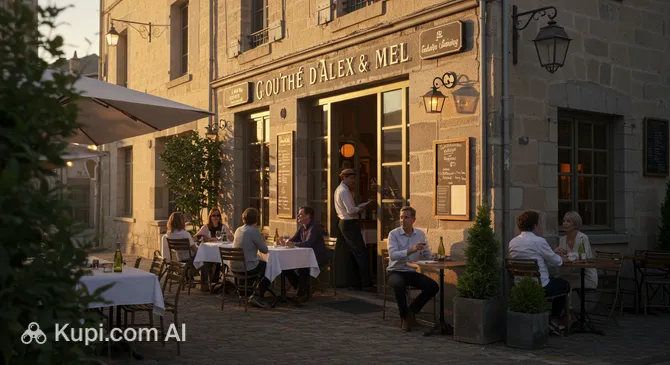
Le Gou'thé d'Alex & Mel. Illustration.
Source: Kupi.com AI

Traveler photos:

After long walks, it is worth stopping by the cozy Le Gou'thé d'Alex & Mel. This restaurant and tea room is famous for its homey atmosphere and delicious desserts. Tourists come here to enjoy a cup of aromatic tea with a pastry or a hearty lunch of local cuisine. This place perfectly captures the hospitable spirit of Vittel and allows you to slow down and enjoy the moment.

No visit to this town is complete without visiting the famous Vittel Casino. The building, designed in an exquisite style, is an architectural jewel of the resort. Even if you are not a gambler, it is worth coming here for the interiors and the atmosphere of high-society life. The casino regularly hosts entertainment events, concerts, and shows, making evening leisure in Vittel bright and memorable.

Local Cuisine

Vittel's gastronomic scene is a harmonious blend of fine French cuisine and the generous natural gifts of the Vosges region. A surprising feature of the local culinary style is the use of the famous mineral water in the cooking process. Chefs add it to soups, sauces, and even desserts, claiming that the water's natural purity allows the flavors of the ingredients to open up with particular brightness and freshness.

Travelers looking for a hearty lunch should pay attention to the classic items on the menus of local brasseries. Be sure to try duck with oranges, traditional bouillabaisse, or exquisite foie gras. As the town is surrounded by dense forests, game dishes and fresh mushrooms are expertly prepared in season. This is satisfying and aromatic food that is excellent for restoring strength after long walks in the fresh air.

For those with a sweet tooth and fans of light snacks, Vittel has its own temptations. The region is famous for Vosges sweets, particularly open-faced fruit tarts and famous caramels. At local markets and fairs, which often spring up on the town streets, you can buy farmhouse cheeses, homemade smoked meats, honey, and jams—the perfect set for a spontaneous picnic in the park.

Dining culture here is not limited to restaurants. In summer and autumn, the town comes alive with culinary festivals where food is elevated to an art form. This is the best time to attend workshops, sample local wines, and enjoy the atmosphere of provincial France. As for drinks, besides wine, local mineral water is served everywhere, which here is not just an addition to the meal, but a true point of pride.

Travel Tips

A trip to Vittel promises to be peaceful and restorative, but even in such a serene place, it is helpful to know a few nuances in advance. We have prepared a list of practical recommendations to help you feel confident and comfortable in this famous French resort.

  1. Clothing and Seasonality. The climate in the region is fairly mild, but the weather can be changeable. Even in summer, it is recommended to bring a light windbreaker or cardigan for evening promenades. Since Vittel is a town for walking, comfortable shoes (sneakers or loafers) are essential. If you plan to visit the casino or evening events at hotels, bring a smart casual outfit. For visiting thermal complexes, don't forget your swimwear and rubber flip-flops.

  2. Transport Accessibility. Vittel is a compact town, and the best way to get around is on foot. All main attractions and parks are within walking distance. Public transport is represented by buses, but tourists rarely use them. Renting a car only makes sense if you plan to travel around the Grand Est region. It is better to book taxis in advance through your hotel, as finding a free car on the street can be problematic.

  3. Finances and Payments. The official currency is the Euro (EUR). Bank cards are accepted almost everywhere: in hotels, restaurants, and supermarkets. However, it is better to have some cash for buying souvenirs, paying for small services, or visiting markets. Tips in France are usually already included in the bill (service compris), but leaving 1–2 Euros or rounding up the amount is considered good manners.

  4. Health and Safety. Vittel is a very safe town with a low crime rate. Nevertheless, follow standard precautions and do not leave your belongings unattended. Pharmacies are easily recognized by a green neon cross, but there may not be 24-hour pharmacies in the town itself, so it is better to bring a basic set of medicines with you. The emergency services number is 112.

  5. Communication and Language. The main language of communication is French. In tourist areas, large hotels, and spa centers, staff often speak English, but difficulties may arise in small cafes and shops. We recommend learning a few basic phrases or installing an offline translator. Wi-Fi is available in most hotels and cafes, and for stable connection on the street, you can buy a local SIM card at tobacco shops (Tabac).

  6. Etiquette and Communication. Politeness is the foundation of French etiquette. Be sure to say hello ("Bonjour") when entering any shop, cafe, or even an elevator, and goodbye ("Au revoir") when leaving. In relaxation areas and thermal parks, it is customary to keep quiet and respect the personal space of other vacationers.

  7. What to Avoid. Don't plan dinner too late. Unlike large metropolises, in provincial Vittel, many restaurant kitchens can close as early as 9:00–9:30 PM. Also, avoid loud conversations and noisy behavior in public places—there is a cult of peace and relaxation here.

  8. Hydration Routine. While in Vittel, be sure to try the water from the town's pump rooms. However, remember that healing mineral water has active properties. Drinking it in large quantities without consulting a specialist is not recommended—start with small doses to check your body's reaction.

By following these simple tips, you can avoid minor inconveniences and fully immerse yourself in an atmosphere of relaxation and self-care. May your trip to Vittel become a source of health and pleasant memories!

Entertainment & Nightlife

Nightlife in Vittel is fundamentally different from that of bustling metropolises. You won't find neon signs open until morning or thumping techno clubs here. Evenings at this resort are imbued with elegance and tranquility, fully reflecting the "art de vivre" (art of living) philosophy. Most activity is concentrated around the Resort Park and the central streets, where tourists enjoy leisurely promenades and fine dining.

The main center of attraction in the evening is the famous Vittel Casino (Casino de Vittel). This is not just a gambling establishment, but a true social club located in a magnificent Art Deco building. People come here to try their luck at slot machines or roulette tables, and to attend themed nights and concerts often held on holidays. The crowd is respectable, so a smart casual dress code is recommended: evening gowns are not required, but entry will be denied in beachwear or tracksuits.

Gastronomy plays a key role in evening leisure. Many establishments operate as cozy bars where you can taste wines from the Grand Est region. For a pleasant dinner or evening tea, Le Gou'thé d'Alex & Mel is a wonderful choice. This place is known for its warm, almost home-like atmosphere, perfect for long conversations after a busy day. Here you can try local cuisine with a modern twist while enjoying the silence of a provincial evening.

If you are looking for a place for a cocktail, look no further than the bars in the major hotels near the Thermal Park (Parc Thermal). This is where the "crème de la crème" of resort society gathers. The atmosphere in such places is intimate, often featuring live piano music or light jazz. These are ideal locations for romantic dates or a quiet evening with friends. The average check for drinks may be slightly higher than in regular cafes, but the level of service and the setting are worth it.

Practical Tips and Safety:

  • Opening Hours: Keep in mind that Vittel "goes to sleep" quite early. Restaurant kitchens often close by 9:30 PM, and bars may stay open until midnight or 1:00 AM (except for the casino, which is open later).
  • Safety: The town is considered one of the safest in France. You can safely walk along the lit streets of the center and the park area even late in the evening.
  • Transport: There is no public transport at night. If your hotel is far from the center, arrange a taxi or transfer in advance, as catching a car on the street at night is almost impossible.

Daytime entertainment in Vittel is just as engaging and serves as a great contrast to the quiet evenings. In addition to spa treatments, guests can visit Vit Tel Ta Nature—a wonderful park and animal garden where you can observe animals and relax in nature. Also popular during the day are visits to the hippodrome and playing golf on local courses, which are considered some of the best in the region.

Parks & Museums

Vittel deservedly holds the title of "Town of Four Flowers" (Ville Fleurie), and this is felt from the first minutes of your stay: the town literally lives in harmony with its surroundings. Green zones here are not just decorations, but a philosophy of the resort, where landscape design intertwines with architectural heritage to create an ideal space for restoration and cultural enrichment.

The city's main natural gem is the majestic Thermal Park (Parc Thermal). This huge green area of 650 hectares is the true "lungs" of the resort. Here you can wander for hours along winding alleys, enjoying the shade of centuries-old trees, including rare exotic species brought by the resort's founders. The park is divided into zones for active recreation, golf, and solitary contemplation, and its impeccable flowerbeds change their appearance depending on the season, delighting the eye with a riot of colors.

For those who want to get closer to nature and learn its secrets, the unique ecological park Vit Tel Ta Nature is open. This space, combining elements of a garden and an educational farm, will be particularly interesting for families and eco-tourism enthusiasts. Here, you don't just walk; you learn to interact with the environment: caring for plants, observing insects and birds. This place clearly demonstrates the town's commitment to biodiversity conservation.

Vittel's cultural life is inextricably linked to the history of its healing springs. A mandatory stop for curious tourists is the Museum of Heritage and Thermalism (Musée du Patrimoine et du Thermalisme). The museum's exhibition fascinatingly tells the story of the Bouloumié dynasty, which founded the resort, and the evolution of the Vittel brand. Visitors can see vintage advertising posters, bottles from different eras, and archival photographs that immerse you in the atmosphere of the "Belle Époque," when the town became a center of attraction for the European elite.

Another important scientific and cultural center is La Vigie de l'Eau. This interactive space is dedicated to water in all its manifestations. The museum uses modern technology to tell the story of the importance of water resources for the planet and humanity. Exhibitions here change frequently, offering educational programs that will be of interest to both adults and children interested in science and ecology.

While walking through the park, it is impossible not to notice architectural masterpieces such as the Grand Gallery (Grande Galerie). This elegant structure with graceful arches and domes serves as a reminder of the times when taking water treatments was a true social ritual. The spa buildings and old hotels are harmoniously integrated into the landscape, creating a unified ensemble of nature and art.

Insider Tip: If you want to see the town from an unusual perspective, go for a walk to the Vittel hippodrome on training days. It is not exactly a park in the usual sense, but the atmosphere there is special, and the view of the well-tended green fields and graceful horses will provide aesthetic pleasure and peace away from the main tourist paths.
Getting Around

Vittel is a very compact and cozy town, so the public transport system here is arranged quite differently than in major metropolises. You won't find a metro, trams, or trolleybuses here, as they are simply not necessary. The main and most pleasant way to get around the resort is on foot, as most hotels, thermal springs, and parks are located within walking distance of each other.

Nevertheless, for the convenience of residents and guests, small buses run around the town. The route network connects the railway station, town center, shopping areas, and the thermal park district. This is a convenient option for those who want to save their strength or reach the supermarkets on the outskirts. However, keep in mind that the intervals can be quite long, and there may be breaks during lunch hours.

Bus fares are usually paid directly to the driver upon boarding. The cost of a single trip is low and comparable to the price of a cup of coffee. We recommend always having small cash (coins) with you, as terminals for bank card payments may be missing or not working on board. Tourists staying in some hotels or sanatoriums may be issued special guest cards, which sometimes include the right to free travel—be sure to check this upon check-in.

A popular alternative to classic transport is the bicycle. Vittel has flat terrain and picturesque alleys, making cycling a real pleasure. Rental points can be found in the city center, near the Tourist Office, as well as in many hotels. This is perhaps the most mobile way to explore the surroundings at your own pace.

If you are traveling with heavy luggage or planning a trip late in the evening, the only reliable option is a taxi. It is important to remember the specifics of small towns: catching a car on the street with a wave of your hand is almost impossible here. Taxis must be booked in advance by phone or by asking for a car at your hotel's reception. Ride-hailing apps (like Uber) may not be sufficient, or the waiting time will be too long.

During the high tourist season, an excursion train often runs through the resort area. While it is entertainment, it can be used as transport to get from one attraction to another without extra effort. It is best to find out the bus and train schedules at the local Tourist Office or look at the information boards at the stops. Remember that public transport here ends quite early, around 7:00–8:00 PM, and the number of trips is reduced on Sundays.

Accommodation

The choice of accommodation in Vittel is largely dictated by its status as a world-famous balneological resort. Here, tourists can find options for every taste: from grand historical hotels reminiscent of Belle Époque palaces to cozy family guesthouses and modern apartments. The main focus of the local hospitality industry is on comfort, quiet, and proximity to wellness centers, allowing guests to maintain an atmosphere of relaxation even in their rooms.

In terms of geography, the most prestigious and convenient area to stay is the zone surrounding the Thermal Park. By staying here, you will be within walking distance of the springs, spa complexes, casino, and golf courses. This is an ideal choice for those who have come for medical treatments and want to enjoy views of the well-kept gardens right from their window. For travelers who prefer more affordable prices and proximity to city infrastructure (shops, cafes, station), the city center is a great fit. Given Vittel's compactness, the park is only a 10–15 minute walk even from the center.

The price range in Vittel varies from medium to high, especially during the peak tourist season. The "luxury" segment is represented by resort hotels with a full range of services, often operating on an all-inclusive basis or offering special wellness packages. Budget travelers and those planning a long stay (for example, for a three-week treatment course) often choose furnished apartment rentals or studios. This is a very popular format in French thermal towns, allowing you to save money and live in a home-like setting.

When planning a trip, it is important to consider seasonality. Peak demand occurs from May to September, when the weather is most favorable for walking. During this time, as well as during major equestrian competitions or festivals, finding a free room can be difficult. Booking tip: If your goal is a specific sanatorium or spa hotel, book your accommodation 2–3 months before your trip. It is most convenient to look for options through major online platforms, but for specific medical tours, it is sometimes better to contact the hotels directly.

Nearby Cities

For those who want to explore the surrounding area, Vittel serves as an excellent starting point for day trips to several interesting nearby locations:

Just a half-hour drive away is Épinal—a picturesque city on the banks of the Moselle river. It is known throughout France for its traditional "images d'Épinal" (popular prints) and the ruins of a medieval castle surrounded by a beautiful park. It is a great place for history lovers and quiet walks.

A little further is the majestic Nancy, the former capital of the Dukes of Lorraine. This city is famous for its Art Nouveau architecture and the renowned Place Stanislas, which is a UNESCO World Heritage site. A trip here will provide a sense of royal luxury and allow you to enjoy a rich cultural program.

Also worth noting is Chaumont, a town with a rich graphic heritage and an impressive 19th-century viaduct. A walk through its ancient streets and a visit to the keep of the Counts of Champagne will be a great addition to your journey.

CityPopulationDistance
Thaon-les-Vosges8 74836 km
Golbey8 79837 km
Epinal32 25638 km
Toul15 63353 km
Vandœuvre-lès-Nancy30 00954 km

These nearby destinations offer a glimpse into the diverse culture and landscapes of the region.

Shopping & Souvenirs

Shopping

Shopping in Vittel is a calm and leisurely activity that perfectly complements a wellness holiday. Do not expect an abundance of huge malls or high-fashion boutiques typical of metropolises here. The town is famous primarily for its local products, gastronomic delights, and health goods. This is an ideal place to find authentic souvenirs reflecting the spirit of the Vosges region and the history of the famous resort.

Most commercial life is concentrated in the town center. The main artery for shopping enthusiasts is Rue de Verdun and its adjacent side streets. Here you will find cozy clothing stores, home decor shops, bookstores, and, of course, pharmacies. The latter deserve special attention: in this resort town, there is a wide selection of high-quality French dermocosmetics and skin care products, often at prices lower than in major tourist centers.

There are no large shopping centers in the traditional sense (with cinemas and food courts) in Vittel itself due to its intimate size. For large-scale shopping and popular mass-market brands, locals and tourists usually head to nearby cities like Nancy or Épinal. However, for guest comfort, large supermarkets (such as E.Leclerc or Intermarché) operate on the outskirts of town, where you can buy everything you need, from food and wine to household items and clothing.

Markets give the town a special flavor. A traditional French market usually takes place in the town center twice a week (most often on Wednesday and Saturday mornings). Visiting the market is not just about buying food, but a true cultural experience. Here you can taste and buy the freshest farmhouse cheeses (such as Munster), homemade sausages, and seasonal fruits and vegetables grown in nearby gardens.

When choosing gifts, look for products the region is proud of.

  • Vittel Souvenirs: Specialized shops sell vintage posters, branded glasses, and accessories with the logo of the famous mineral water.
  • Vosges Sweets: Be sure to buy the famous Bonbons des Vosges. They are made from natural extracts of fir, eucalyptus, honey, or berries.
  • Textiles: The Vosges region is historically famous for its weaving industry. High-quality bed linen, tablecloths, or locally made towels will make a practical and beautiful gift.
  • Gastronomy: Jams, syrups, or liqueurs made from Mirabelle plums are the "liquid gold" of Lorraine that you should bring home.

When planning your shopping trip, keep local working hours in mind. Most boutiques are open from 9:00–10:00 AM to 7:00 PM, but many close for a lunch break (siesta) from 12:00 to 2:00 PM. Sunday in France is traditionally a day off, when almost everything is closed except for some bakeries and souvenir shops. Cards (Visa, MasterCard) are widely accepted, but for market purchases or small amounts in cafes, it is better to have some cash in Euros with you.

The Tax Free system is available for tourists from non-EU countries for a single purchase of over 100 Euros. However, this service is not common in the small shops of Vittel. If you are planning major purchases, look for the "Tax Free" sticker in the window or ask the seller in advance about the possibility of issuing a détaxe form.

Have you reached the end of the page?

So the route has been studied inside and out