Support

Trier

About

Trier is the oldest city in Germany, a true gem for history enthusiasts and lovers of unique atmospheres. Located in the picturesque Moselle River valley in the state of Rhineland-Palatinate, this city of about 110,000 people breathes antiquity and hospitality, inviting every visitor to experience its centuries-old heritage.
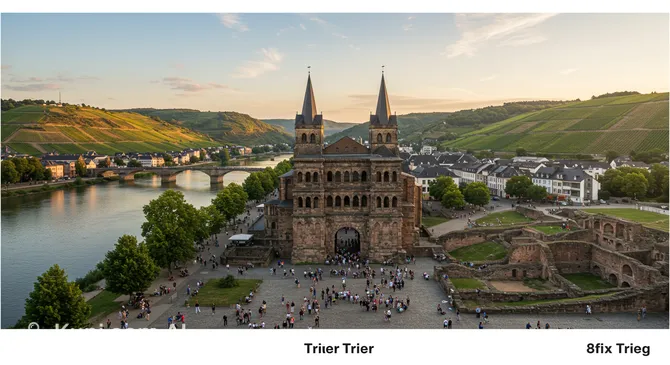
Trier. Illustration.
Source: Kupi.com AI

Trier's main pride is its impressive Roman past. It is home to beautifully preserved monumental structures such as the famous Porta Nigra (Black Gate)—the largest and best-preserved Roman city gate north of the Alps. Equally fascinating are the ruins of the Roman Amphitheatre, once the site of gladiator battles, and the majestic Basilica of Constantine, which served as the Roman emperor's throne room. These and other Roman monuments in Trier, including the Imperial Baths and the Roman Bridge, are listed as UNESCO World Heritage sites.

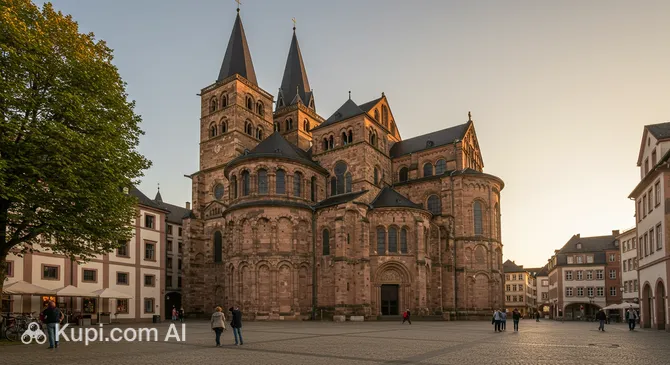
In addition to its Roman legacy, Trier charms visitors with its medieval streets, cozy squares, and churches, most notably Trier Cathedral—the oldest cathedral in the country. The city is also known as the birthplace of Karl Marx, and his house-museum attracts many visitors. Thanks to its location in the Moselle wine region, Trier offers the chance to enjoy excellent local wines in numerous wine cellars and restaurants.

Trier is not just a city; it is a journey through time. It is perfect for those seeking a blend of rich history, cultural discoveries, and the charm of an ancient European town. Come to Trier to see the traces of great civilizations with your own eyes and feel the unique spirit of this ancient place.

You can find more interesting facts on the history of Trier page.
Weather Overview

The climate in Trier is temperate, making it attractive to visit at various times of the year, though with some nuances. In summer, especially in July and August, warm weather sets in with average temperatures around 18-19°C (maximum values can reach 23°C). Occasional rain occurs during this time of year, with an average of 11 to 14 rainy days in the summer months, although the total amount is usually small (2-3 mm).

Winters in Trier are quite cool but without severe frosts. The average temperature in January is about 2.2°C (minimum values drop to 0.2°C). Winter is also characterized by frequent precipitation, especially in December, which sees up to 18 days of rain/snow, with a monthly norm also around 2-3 mm. In general, Trier is characterized by warm summers with occasional rain and cold, damp winters. For more detailed trip planning and choosing the right clothing, we recommend studying the Trier climate in more detail.

Average monthly temperature

Average monthly precipitation

Interesting Facts

Trier is a city with a very rich history, and beyond the well-known facts, it holds many surprising secrets and little-known details. Ready to learn a few of them?

  • The famous Porta Nigra, the symbol of Trier, owes its remarkable preservation not only to Roman builders. In the Middle Ages, it was converted into the double church of St. Simeon, which saved it from being dismantled for building stone—a fate that befell many other Roman structures.

  • In the majestic Trier Cathedral, according to a popular legend, you can see a "mark" left by the devil himself. Legend has it that the devil was tricked by the builders (he thought he was helping to build a drinking establishment) and, in a rage, stamped his foot so hard that he left a footprint in the stone floor near the entrance.

  • Trier Cathedral is the keeper of one of the most significant and rare Christian relics—the Holy Tunic (the seamless robe of Jesus Christ). It is put on public display very rarely, usually once every few decades, and each such event attracts hundreds of thousands of pilgrims from all over the world.

  • In the 4th century AD, Trier reached such prosperity and influence that it was not just a major Roman city, but one of the four capitals of the Roman Empire and the main residence of Emperor Constantine the Great in the West. For this reason, it was often called 'Roma Secunda'—the Second Rome.

Trier Cathedral. Illustration.
Source: Kupi.com AI

Traveler photos:

How to Get There

Trier's geographical location in western Germany, in close proximity to the borders of Luxembourg and France, makes it easily accessible for travelers. Although the city does not have its own airport, the developed transport network of neighboring regions makes it easy to reach your destination. You can find more details about logistics and plan a detailed route by following the link: how to get to Trier.

For those choosing to fly, the most convenient and closest option is Luxembourg Airport (IATA: LUX). It is located in the neighboring country but is only 33.6 km from the center of Trier. Thanks to the short distance, a transfer by car or bus takes very little time, making this airport an excellent entry point to the region.

An alternative often chosen by budget travelers is Frankfurt-Hahn Airport (IATA: HHN). It is located about 50.2 km from the city. The trip from here takes longer than from Luxembourg, but it remains quite comfortable. If you need a wider choice of international flights, consider the large Cologne/Bonn Airport (IATA: CGN). It is located further away, at a distance of about 130 km, but provides connections to many countries.

Below is a summary of the nearest airports for planning your arrival:

AirportPassenger trafficDistance
Luxembourg Airport5.1 mln34 km
Frankfurt-Hahn Airport1.9 mln50 km
Metz-Nancy-Lorraine Airport120 00090 km
Cologne Bonn Airport10 mln130 km
Liege Airport161 936130 km

Railway communication in the Rhineland-Palatinate region is organized at a high level. Trier has its own station, but for long-distance trips, large hubs in neighboring cities are often used. One of the key ones is Koblenz Hauptbahnhof (IATA: ZFF), located in the city of Koblenz, approximately 95.5 km from Trier. This is an important transport hub at the confluence of the Rhine and Moselle rivers.

Another significant point for transfers is the Kaiserslautern railway station (IATA: KLT), located 89 km from Trier. Many high-speed routes pass through this station, allowing for convenient travel planning from other parts of the country.

Information on the nearest major railway stations is presented below:

StationPassenger trafficDistance
Wasserbillig railway station1011 km
Mertert railway station713 km
Manternach railway station716 km
Wecker railway station719 km
Betzdorf railway station722 km

Main Attractions

Trier, Germany's oldest city, is literally steeped in history, and its attractions are living witnesses to a centuries-old past. When traveling through Trier, you will immerse yourself in the atmosphere of the Roman Empire, the Middle Ages, and later eras. Here are just a few key places you shouldn't miss:

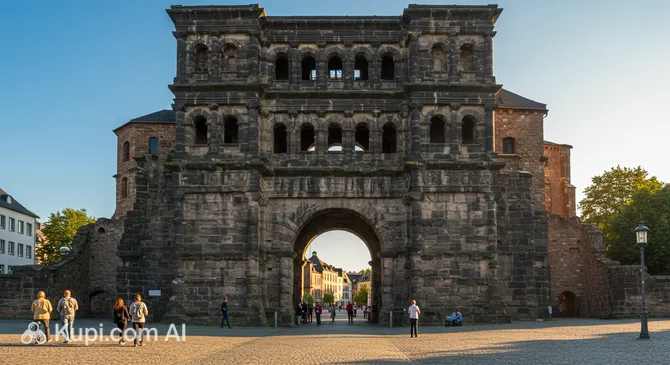
The symbol of the city is undoubtedly the Porta Nigra (Black Gate). These monumental Roman city gates, dating back to the 2nd century AD, are the largest and best-preserved ancient gates north of the Alps. Their dark stone, which gave the structure its name, and their imposing size leave a lasting impression. From the top, you can enjoy a view of the city and imagine the bustling life at these walls nearly two millennia ago.

Porta Nigra. Illustration.
Source: Kupi.com AI

Traveler photos:

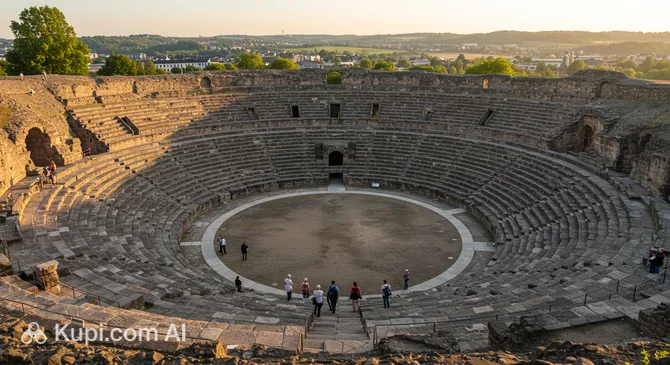
Another impressive reminder of Roman rule is the Trier Amphitheatre. Built around 100 AD, it could hold up to 20,000 spectators who came to watch gladiator fights and other spectacles. Today, you can walk across the arena, explore the underground passages and cellars where wild animals and gladiators were once kept, and feel the history of this grand structure.

Trier Amphitheater. Illustration.
Source: Kupi.com AI

Traveler photos:

The spiritual heart of the city is the majestic Trier Cathedral (Cathedral of Saint Peter). This is the oldest cathedral in Germany, with a history dating back to the 4th century when the first Christian basilica was founded on this site. Over its long history, the cathedral has been rebuilt and expanded many times, combining elements of Romanesque, Gothic, and Baroque styles. Inside, one of the most important Christian relics is kept—the Holy Tunic of Christ.

Trier Cathedral. Illustration.
Source: Kupi.com AI

Traveler photos:

The center of city life for many centuries has been the Main Market Square (Hauptmarkt). This is one of the most beautiful squares in Germany, surrounded by historic houses with picturesque facades. Here you can see the 10th-century Market Cross, the 16th-century Saint Peter’s Fountain, and many cozy cafes where it’s pleasant to relax and watch the city's hustle and bustle. The square is especially charming during the Christmas markets.

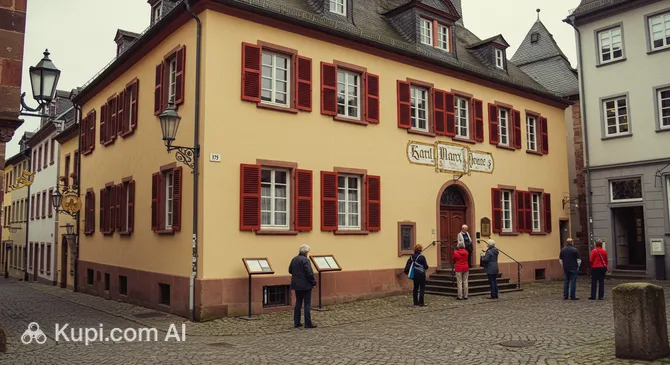
For those interested in the history of philosophy and political thought, a visit to the Karl Marx House is a must. The founder of Marxism was born in this Baroque building in 1818. Today, it houses a museum with an exhibition detailing the life, ideas, and influence of Karl Marx on world history. This site attracts visitors from all over the world who want to learn more about the personality of this famous thinker.

Local Cuisine

The gastronomic scene in Trier is inextricably linked to its location in the famous Moselle wine region. Local cuisine offers hearty, traditional dishes that perfectly complement the magnificent white wines, especially Riesling. Travelers can expect a cozy atmosphere and the chance to explore culinary traditions rooted in centuries past, creating a unique dining experience.

Among the dishes definitely worth trying in Trier are the hearty potato specialties. For example, "Dibbelabbes" is a flavorful casserole made of grated potatoes with meat or sausage, and "Gefillde Klöße" are tender potato dumplings with a juicy meat filling. Also popular is "Sauerbraten"—braised beef marinated beforehand in wine and aromatic spices. Don't overlook "Flammkuchen"—a thin open tart resembling a pizza, with a classic topping of sour cream, onions, and bacon, reflecting the cultural proximity to the French border.

The main drink of Trier is, of course, Moselle Riesling. These elegant white wines with characteristic minerality and bright fruit notes pair excellently with local cuisine, bringing out their flavors in new ways. Besides wine, quality beer is also appreciated here—the Rhineland-Palatinate region is famous for its breweries. Among non-alcoholic drinks, "Apfelschorle" is popular—apple juice diluted with sparkling water, which is perfectly refreshing and thirst-quenching.

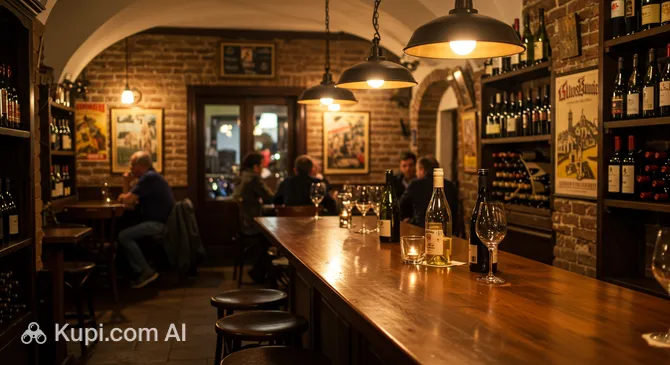
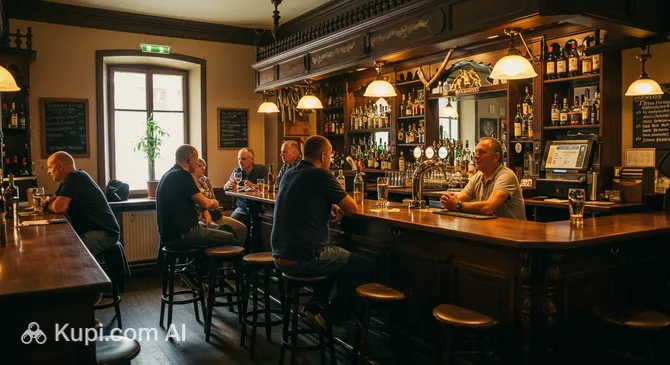
You can get to know the local cuisine in traditional German inns (Gasthaus), cozy wine cellars (Weinstube), or various restaurants. Many establishments take pride in using fresh local products and offer seasonal dishes. To fully experience the region's wine culture, you can visit, for example, Weinstube Friedrich-Wilhelm, which offers a wide selection of local wines in an authentic setting. It's also worth stopping by the lively Main Market Square, where you can often find local delicacies and enjoy time in one of the many cafes.

Friedrich-Wilhelm Wine Bar. Illustration.
Source: Kupi.com AI

Traveler photos:

Gastronomic Trier is a harmonious combination of heartiness, tradition, and high quality. Everyone will find something to their taste here: from simple but incredibly filling peasant dishes to more refined restaurant offerings, all invariably accompanied by excellent Moselle wines. Visiting local establishments is not just a meal, but a true immersion into the culture and life of this ancient and hospitable city.

Travel Tips

Planning a trip to charming Trier? These practical tips will help you better prepare for your journey and get the most out of visiting Germany's oldest city, enjoying its unique atmosphere and rich history.

  1. Clothing and Essentials: The weather in Trier, as in all of Germany, can be changeable. In summer, bring light clothing but don't forget an umbrella or a raincoat. In autumn and spring, layered clothing is useful, and in winter, you'll need warm clothes, a hat, and gloves. The key is comfortable shoes, as you will be walking a lot on cobblestones while sightseeing. When visiting religious sites like Trier Cathedral, choose clothing that covers your shoulders and knees. Don't forget a universal adapter for electrical appliances (Germany uses Type F sockets).

  2. City Transport: The historic center of Trier is quite compact and easy to explore on foot. Public transport consists mainly of buses that connect the center with more distant areas. Tickets can be bought from the driver or at machines at stops. Taxis are available but can be expensive. A car rental might be necessary if you plan to travel around the surrounding areas and the Moselle wine region, but it's not essential for getting around the city itself.

  3. Finances: The official currency in Germany is the Euro (€). Bank cards (Visa, Mastercard) are widely accepted in most shops, restaurants, and hotels. However, it is recommended to always carry some cash for small purchases, market payments, or at some small cafes. ATMs (Geldautomat) are easy to find throughout the city. Tipping in restaurants is usually 5-10% of the bill if you are happy with the service; you can either leave it on the table or round up the amount when paying. An estimated daily budget (excluding accommodation) can range from 50 to 100 euros per person, depending on your plans.

  4. Health and Safety: Pharmacies (Apotheke) are easy to find in Trier and are marked with a red letter "A". Note that not all pharmacies are open 24/7, but there is always a duty pharmacy (information about it can be found on the door of any closed pharmacy). In case of emergency medical needs, call the pan-European number 112. Trier is generally a very safe city. Nonetheless, standard precautions, such as watching your belongings in crowded places and avoiding poorly lit areas at night, are always wise.

  5. Communication: The official language is German. In tourist areas, hotels, and restaurants, many staff members speak English. However, knowing a few basic German phrases (e.g., "Guten Tag" – Good day, "Danke" – Thank you, "Bitte" – Please) will be very helpful and appreciated by locals. A local SIM card for mobile internet and calls can be purchased at supermarkets or specialized mobile shops. Free Wi-Fi is often available in hotels, cafes, and public places.

  6. Local Etiquette: Germans value punctuality, so try not to be late for meetings. It is customary to say hello (Guten Tag or Hallo) when entering small shops, cafes, or when addressing someone. In public places and on transport, try not to speak too loudly. Using "Du" (informal "you") without prior permission is considered impolite, especially toward elders or strangers; use the formal "Sie".

  7. What to Avoid: Try not to walk in bicycle lanes—they are intended exclusively for cyclists, and pedestrians on them can create dangerous situations. Also, in Germany, it is not customary to loudly discuss financial matters or salaries in public. Avoid comparisons that might be perceived as criticism of German culture or history.

  8. Extra Tip – Wine and Sundays: Trier is in the heart of the famous Moselle wine region. Be sure to try local Riesling in one of the many "Weinstuben" (wine taverns) or directly from the winemakers. Also, keep in mind that on Sundays and public holidays, most shops in Germany, including grocery stores, are closed. Plan your shopping in advance!

We hope these tips help make your trip to Trier even more pleasant, comfortable, and full of bright impressions. Enjoy every moment in this amazing ancient city!

Entertainment & Nightlife

When the sun sets over the ancient Roman ruins of Trier, the city doesn't go to sleep; instead, it transforms, offering its guests a variety of evening and nighttime entertainment. Although Trier is famous for its history, its nightlife can pleasantly surprise those looking to relax after a busy day of sightseeing.

Most nighttime activity is concentrated in the city center, especially around Viehmarkt and the adjacent streets, as well as near the Main Market Square. Here you will find many bars, traditional German pubs (Kneipen), and cozy cafes that stay open until late evening. The atmosphere in most establishments is friendly and relaxed, attracting both locals and tourists. Students from the University of Trier also contribute to the lively night scene, especially on weekends.

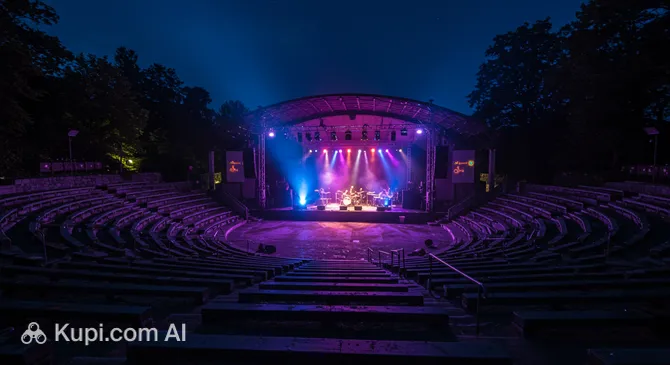
For those who love to dance or listen to modern music, Trier has several nightclubs. One popular spot is Walderdorffs, which offers various music nights and themed parties. If you prefer a quieter setting to enjoy local beer or wine, numerous bars are at your service. For example, Gasthaus Sonnen attracts visitors with its traditional atmosphere, while wine connoisseurs can head to Weinstube Friedrich-Wilhelm, which offers a wide selection of Moselle wines. Most bars are open until midnight or 1:00 AM, while clubs operate until the early morning, especially on Fridays and Saturdays.

Walderdorffs. Illustration.
Source: Kupi.com AI

Traveler photos:

When planning an evening out, keep in mind that peak activity in bars and clubs usually occurs after 10:00 PM or 11:00 PM, particularly on weekends. Average drink prices are comparable to other German cities: beer costs around 3-5 euros, and cocktails start from 7-8 euros. The dress code in most places is casual, but some clubs might not allow entry in sportswear. There may be an entry fee for clubs, especially if a DJ is performing or there is a special event.

Gasthaus Sonnen. Illustration.
Source: Kupi.com AI

Traveler photos:

Trier is considered a safe city, and night walks along the central illuminated streets are generally not a cause for concern. Nevertheless, it is always wise to observe standard precautions. For late-night travel, you can use taxi services, which can be called by phone or found at designated stands. On certain days, night buses may run, but it is best to check their schedule in advance.

During the day, Trier also offers plenty of entertainment. In addition to visiting world-famous historical monuments, you can visit the Rheinisches Landesmuseum Trier to dive deeper into the region's history or spend time outdoors at the Weisshauswald Wildlife Park. For family fun, Mini-golf Trier is a great option. Of course, don't forget the theaters, concert venues, and cinemas that offer a diverse cultural program.

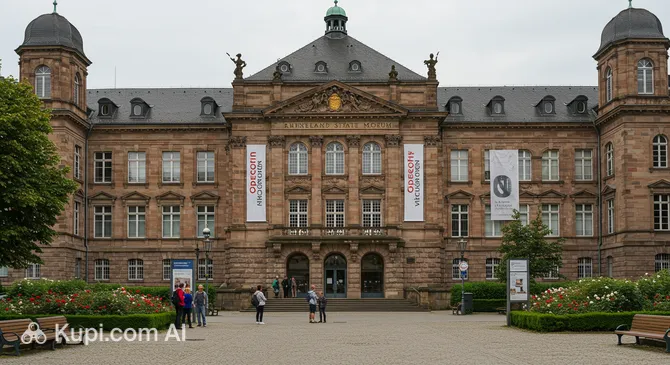
Rhineland State Museum. Illustration.
Source: Kupi.com AI

Traveler photos:

Overall, Trier offers a pleasant mix of historical discovery by day and cozy, lively entertainment by night. Everyone will find something to their liking here, whether it’s a quiet evening with a glass of Moselle wine or dancing until dawn in a trendy club.

Parks & Museums

Trier, Germany's oldest city, offers its guests not only an immersion into rich history but also many opportunities for outdoor relaxation and cultural heritage exploration. Here, picturesque parks, well-tended gardens, and fascinating museums blend harmoniously, each telling the story of this unique place on the Moselle River in its own way.

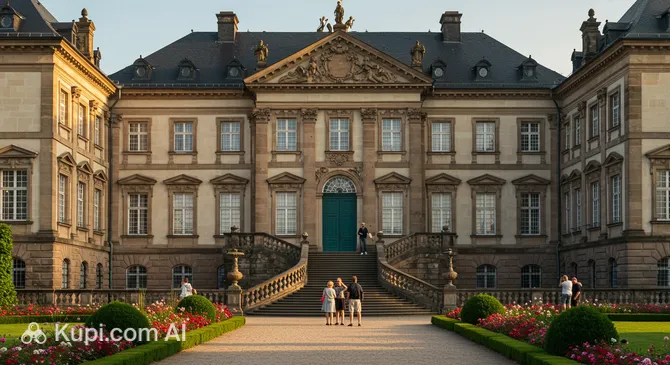
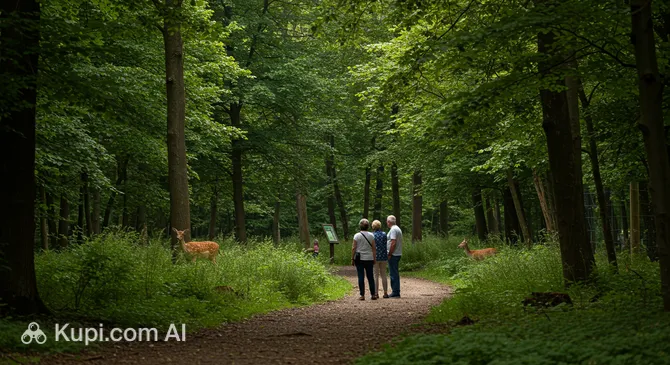
For those seeking solitude with nature or just a pleasant place for a walk, Trier offers several wonderful green zones. One of the most beautiful is the Palace Garden (Palastgarten), adjacent to the magnificent Electoral Palace. This Baroque garden with its fountains, sculptures, and manicured lawns is an ideal place for a leisurely rest and enjoying the atmosphere of past grandeur. Fans of wilder nature should visit the Weisshauswald Wildlife Park, where you can observe various animals in their natural habitat and walk along forest trails. Don't forget the Moselle River embankments, which are perfect for walking and cycling, offering picturesque views of the city and its surroundings.

Electoral Palace. Illustration.
Source: Kupi.com AI

Traveler photos:

Weißhauswald Wildlife Park. Illustration.
Source: Kupi.com AI

Traveler photos:

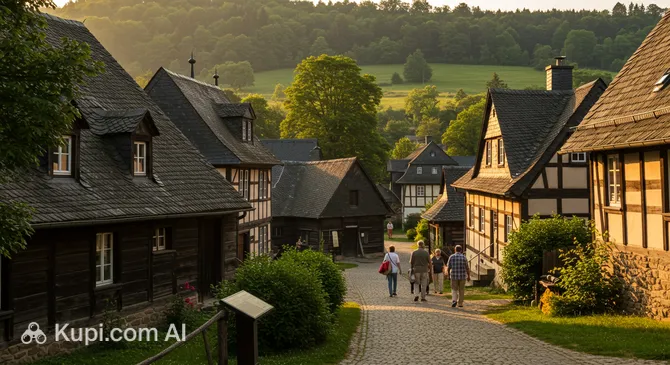
Trier's cultural life is equally rich. The city is proud of its museums, which cover a wide range of topics—from Roman antiquity to modern history. A key place for understanding the city's ancient past is the Rheinisches Landesmuseum Trier. It houses one of the most significant collections of Roman artifacts in Germany, including famous mosaics and tombstones that bring the history of Augusta Treverorum to life. Another iconic museum is the Karl Marx House, located in the building where the famous philosopher was born. The exhibition details his life, ideas, and influence on world history. For those interested in the life and culture of the region, the Roscheider Hof Open-Air Museum is of interest, where you can see traditional rural buildings, craft workshops, and learn about how people lived in past centuries.

Rhineland State Museum. Illustration.
Source: Kupi.com AI

Traveler photos:

Karl Marx House. Illustration.
Source: Kupi.com AI

Traveler photos:

Roscheiderhof Open-Air Museum. Illustration.
Source: Kupi.com AI

Traveler photos:

Many of Trier's world-famous attractions, such as the majestic Porta Nigra, the ancient Amphitheatre, or the ruins of the Barbara Baths, are essentially open-air museums, allowing you to touch history right on the city streets. A walk through them becomes a fascinating journey through time in itself.

For a more authentic experience, check out the garden at St. Matthias' Abbey—it's a quiet and peaceful place, ideal for reflection. And if you want to see the city from an unusual perspective, climb to one of the viewpoints on the hills surrounding Trier, such as Petrisberg hill, which offers a magnificent panorama of the Moselle valley.

Getting Around

Getting around Trier is quite convenient thanks to a well-developed public transport system. Although the city and its main attractions in the center can easily be explored on foot, for longer trips or visits to the suburbs, public transport will be your reliable assistant.

The backbone of Trier's transport system is the bus network. The city and regional bus network is managed by the Verkehrsverbund Region Trier (VRT). Routes cover both the city itself and its surroundings, providing good connections between various districts. Buses run according to schedules that can be found at stops, on the official VRT website, or in mobile apps.

The fare system in Trier offers several options. You can purchase single tickets (Einzelticket), which are valid for a specific period and allow for transfers. For those planning to move around a lot during the day, a day ticket (Tageskarte) is more economical. Weekly and monthly passes are also available. Tickets can be bought at ticket machines at major stops, at VRT customer service centers, and sometimes directly from the bus driver (it is recommended to have small change). Purchasing tickets through mobile apps is becoming increasingly popular. Fares depend on the tariff zone but generally remain affordable.

An important point: tickets bought from machines or the driver are usually already activated. If you purchase a ticket in advance (for example, a multi-trip strip), it must be validated in a special device (Entwerter) when entering the bus or on the platform. Transport operating hours are fairly standard: buses run regularly from early morning until late evening. On weekends and public holidays, intervals may increase, and special night routes may operate.

In addition to buses, there are other ways to get around Trier. Given the compactness of the historic center, many attractions are easily accessible on foot. For those who enjoy active recreation and scenic routes along the Moselle River, renting a bike is an excellent option—there are several rental points in the city. Of course, you can always use taxi services, with stands located at key points in the city, or order a car through an app. Car sharing is also gradually gaining popularity, offering flexibility for independent travel.

Accommodation

In Trier, you will find a wide range of accommodation options to suit any traveler's needs and various budgets. From cozy budget hostels and guest houses (Pensionen), ideal for young tourists and those seeking economical options, to comfortable mid-range hotels and elegant apartments for those who prefer more space and independence. You can also find higher-end hotels in and around the city offering a full range of services for the most discerning guests.

Most tourists prefer to stay in the historic center of Trier (Altstadt) or its immediate vicinity. This is not surprising, as the city's main attractions, such as the famous Porta Nigra, the majestic Trier Cathedral, and the ancient Roman Amphitheatre, are concentrated here. Staying in the center also provides easy access to numerous cafes, restaurants, and shops. Areas along the Moselle River are also popular for their picturesque views and pleasant atmosphere for walking. Convenient transport links make it easy to reach hotels located in other parts of the city as well.

Porta Nigra. Illustration.
Source: Kupi.com AI

Traveler photos:

When planning a trip to Trier, especially during peak tourist season (summer and Christmas markets) or during major festivals, it is recommended to book accommodation in advance. This will help you not only guarantee availability but also choose the best option in terms of price and quality. The most popular booking methods are large online platforms and travel aggregators where you can compare prices and read reviews. Many hotels and guest houses also offer the possibility of direct booking through their websites, which can sometimes be more advantageous. The price range varies from budget options to more luxurious offerings, allowing everyone to find something suitable for a comfortable stay in this ancient city.

Nearby Cities

For those looking to explore the surrounding area, Trier serves as an excellent starting point for day trips to several interesting nearby locations:

A few towns stand out in particular. For instance, Konz, located just a few kilometers away at the confluence of the Saar and Moselle rivers, attracts visitors with the Roscheider Hof Open-Air Museum, where you can learn about the region's rural life, as well as picturesque river landscapes. The town of Wittlich, known for its annual "Säubrennerkirmes" fair, charms with its historic center and is a fine example of a typical town in the Eifel-Moselle region. Merzig, surrounded by the Saar's "green belt," offers relaxation in parks such as the famous Werner Freund Wolf Park (Wolfspark Werner Freund) and an introduction to local beverage production traditions.

CityPopulationDistance
Konz18 3487 km
Grevenmacher4 98116 km
Echternach5 70517 km
Bitburg15 70025 km
Spangdahlem83126 km

These nearby destinations, along with others mentioned in the table, allow for a deeper dive into the diverse culture, history, and natural beauty of Germany, offering plenty of ideas for unforgettable day trips from Trier.

Shopping & Souvenirs

Trier offers pleasant shopping opportunities, especially in its charming historic center. While the city is not famous for any unique world-class goods, you can find high-quality German products, local delicacies, and a standard range of European brands here. Most shopping activity is concentrated in the pedestrian zone, making the process especially comfortable.

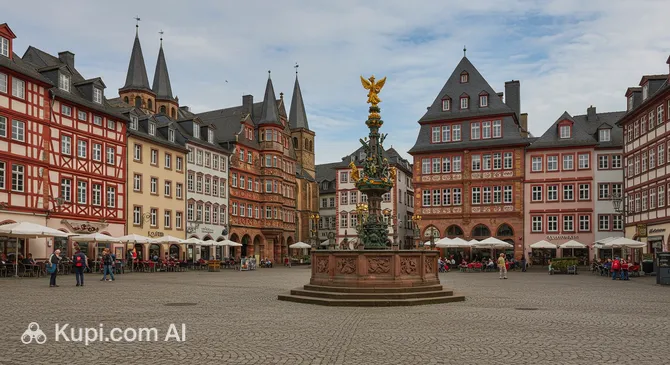
The main shopping arteries of Trier are Simeonstraße, Brotstraße, Fleischstraße, and Nagelstraße, which all converge at the Main Market Square (Hauptmarkt). Here you will find both well-known clothing, footwear, and cosmetics chains, as well as small boutiques, bookstores, and souvenir shops. A walk along these streets is a pleasure in itself thanks to the beautiful architecture and lively atmosphere.

Main Market Square. Illustration.
Source: Kupi.com AI

Traveler photos:

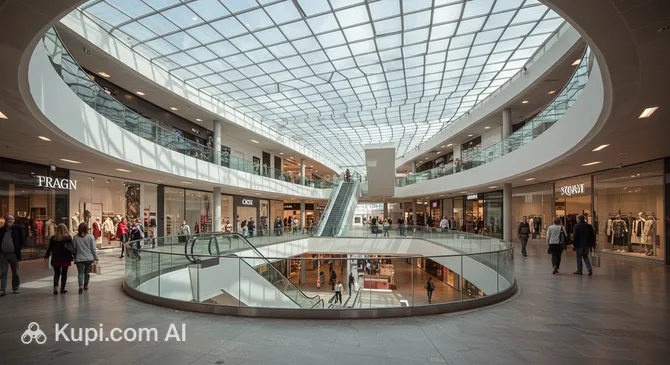
If you prefer shopping in malls, the Trier Galerie is worth noting. This is a modern shopping complex located in the city center, where various clothing, electronics, and home goods stores are gathered under one roof, along with cafes and restaurants. Another major shopping site is the RATIO Shopping Center, located slightly on the outskirts but offering a wide range of goods, including food.

Trier Galerie. Illustration.
Source: Kupi.com AI

Traveler photos:

The heart of city commerce, especially when it comes to fresh produce and local specialties, is the Main Market Square. Farmers' markets are held here regularly, where you can buy seasonal fruits and vegetables, cheeses, meat products, and flowers. During the pre-Christmas period, the famous Christmas market takes place on this square, attracting many visitors.

As souvenirs from Trier, tourists often choose Moselle wine, as the city is the center of the wine-growing region. Items with Roman symbols are also popular, reminding visitors of the city's rich historical past—replicas of ancient coins, mosaics, and gladiator figurines. Souvenirs related to Karl Marx, a native of Trier, also cannot be ignored. These can include books, postcards, or busts of the philosopher.

Shops in Trier are generally open from Monday to Saturday, roughly from 10:00 AM to 7:00 PM or 8:00 PM. Large supermarkets may stay open later. On Sundays, most shops, except for some souvenir stalls and shops at the train stations, are closed. Cash (Euro) and bank cards (Visa, Mastercard) are widely accepted. In small shops and at markets, cash may be preferred.

For tourists from non-EU countries, there is the possibility of a VAT refund (Tax Free) for purchases made in participating stores. Usually, this requires a purchase of a certain amount in one store and the proper documentation at the time of purchase and upon leaving the EU.

Have you reached the end of the page?

So the route has been studied inside and out