Support

Maina

About

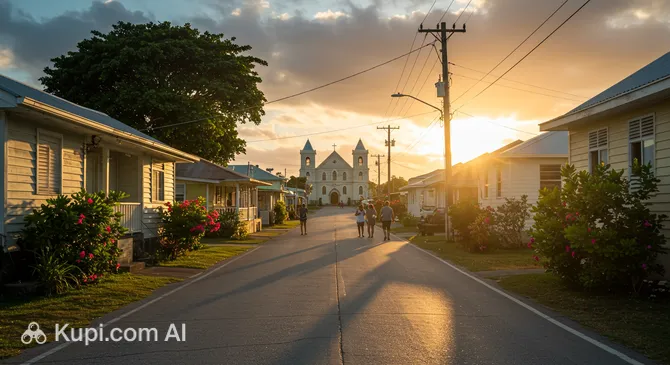
Maina is a charming village located in the heart of the island of Guam. It is a place where you can experience the authentic atmosphere of island life, enjoy tranquility, and get to know the local culture, far away from the noisy tourist centers.

Maina. Illustration.
Source: Kupi.com AI

Geographically, Maina is conveniently located in the central part of Guam, providing easy access to various parts of the island. It enjoys a tropical trade wind climate, offering warm and sunny weather year-round, which creates excellent conditions for relaxation and exploring the surroundings.

While Maina may not boast as many heavily advertised tourist attractions as some other areas, it has its own unique charm and interesting spots. Notable among them is the picturesque Fonte River Dam (also known as Maina Falls) — a popular place for nature walks and relaxation by the water. Maina is also home to the Our Lady of Purification Catholic Church, an important spiritual and social center for local residents. Visiting Maina is a wonderful opportunity to dive deeper into the island's everyday life and experience the Chamorro culture, which is carefully preserved here.

If you are looking for a chance to see the real, non-tourist Guam, feel its calm harmony with nature, and experience the hospitality of the locals, Maina is an excellent choice. This area offers a unique experience and serves as a cozy base for exploring the entire island.

You can find more interesting facts on the history of Maina page.

Weather Overview

The weather in Maina will delight those who love warmth—a tropical climate prevails here year-round. Average monthly temperatures consistently stay in a comfortable range from 26.6°C (February) to 27.6°C (June, November). Minimum nighttime temperatures rarely drop below 25.9°C, and daytime highs typically range from 27.2°C to 28.5°C.

Regarding precipitation, Maina experiences distinct seasonality. The driest months are from January to April (2-3 mm of precipitation, 14-18 rainy days), while the peak of the rains falls between July and October (up to 12 mm of precipitation and up to 30 rainy days per month). Thus, in Maina, you can expect warm and humid weather, with more frequent and intense rainfall in the second half of summer and early autumn. For a more detailed forecast and climate information, check out the Maina Climate page.

Average monthly temperature

Average monthly precipitation

Interesting Facts

In addition to the attractions already mentioned, Maina holds several interesting secrets and unique features that might surprise a traveler:

  • The name "Maina" has a deep meaning in Chamorro, the language of the island's indigenous people. It can be translated as "to illuminate," "to make clear," or "to be enlightened," giving this place a special, almost poetic resonance.

  • Every year, Maina celebrates Fiestan Månnok, or the Coconut Festival, with great fanfare. This vibrant event showcases the incredible diversity of coconut use in Chamorro culture—from culinary delights to traditional crafts and games.

  • The local reservoir on the Fonte River, known as the Fonte River Dam (near which the popular Maina Falls is located), has an interesting history. It was built by the U.S. Navy Seabees after World War II and originally served as a vital source of fresh water for a significant portion of the island.

  • One of the main events in the life of the Maina community is the February feast in honor of the village's patron saint—Our Lady of Purification (Nuestra Señora de la Purificacion y Candelaria). This is not only an important religious celebration but also a vibrant cultural event that brings the local residents together.

How to Get There

Since Maina is located on the island of Guam in the Pacific Ocean, the main and virtually only way for most tourists to get here is by air. You can find all the details and logistics nuances by following the link: more details on how to get to Maina.

The main air gateway receiving flights from all over the world is Antonio B. Won Pat International Airport (IATA: GUM). It is important to note that this airport is not located in Maina itself, but in the neighboring city of Hagåtña (and partly in Tamuning), approximately 6.7 km from the center of Maina. This is the largest transport hub in the region with high passenger traffic. The journey from the terminal to Maina by taxi or rental car will take very little time—roughly 15–20 minutes, depending on traffic.

There are also other airports in the region, such as Saipan International Airport (IATA: SPN) and Rota International Airport (IATA: ROP). However, they are located on the neighboring Northern Mariana Islands, at a significant distance (over 90 km) from Guam. Using these airports is only relevant for complex itineraries visiting several islands of the archipelago, as there is no direct land route from there to Maina—an inter-island flight or sea voyage to Guam would be required.

For clarity, here is summary information for the region's main airports:

AirportPassenger trafficDistance
A.B. Won Pat International Airport3.8 mln7 km
Rota Airport25 00096 km
Saipan International Airport737 000212 km

Regarding rail transport, it is non-existent in Maina, as on the entire island. There are no passenger trains or electric rail services. After arriving at the airport, the only way to get directly to Maina is by motor vehicle. Tourists most often use taxi services, which can be found at the exit of the airport terminal, or rent a car, which is the most convenient way to move around the island.

Main Attractions

While Maina is not a major tourist hub with an extensive list of world-famous sights, it offers several unique places and events that allow for a deeper look into the essence of local life, culture, and nature in Guam. These locations will provide an authentic experience and show you a less-explored side of the island.

Maina Falls and the Fonte River Dam remain one of the main magnets for nature lovers in Maina. This is not just a picturesque cascade, but a whole system of small waterfalls and natural pools surrounded by lush tropical vegetation. Reaching them requires a short walk along a trail that can be slippery, especially after rain, so wearing comfortable, non-slip shoes is recommended. The reward is the chance to freshen up in the cool water and enjoy the silence. The historic Fonte River Dam, built after World War II, adds historical context to the site; its remains serve as a silent reminder of the island's engineering past. For a comfortable visit, it is worth bringing drinking water, insect repellent, and picnic essentials, as there is no developed infrastructure here. Don't forget to take all your trash with you to preserve the pristine beauty of this spot.

The spiritual heart of Maina is the Our Lady of Purification Catholic Church. This is not only an active house of worship but also an important community center playing a key role in the life of the local Chamorro community. The church building itself, designed in a style characteristic of the region, is interesting to see. Visitors are encouraged to dress modestly and behave respectfully, especially during services. If you want to understand the local culture better, try to visit Maina in early February when the grand annual village fiesta in honor of the patron saint, Nuestra Señora de la Purificacion y Candelaria, takes place. During these days, the church square and adjacent streets become a center for vibrant celebrations with religious processions, cultural events, fairs, and traditional music, attracting residents from all over Guam.

If your trip coincides with the timing, be sure to visit Fiestan Månnok, or the Coconut Festival. This annual event, usually held in the spring or summer (it's best to check exact dates at local information centers or online), is a true celebration of Chamorro culture. The festival demonstrates the incredible variety of uses for coconut: from culinary masterpieces that you can taste right on the spot to traditional crafts such as coconut leaf weaving and coconut oil production. Guests can watch demonstrations, participate in games, and enjoy local music and dancing. It is a great opportunity not only to have fun but also to purchase unique handmade souvenirs and interact directly with the hospitable residents of Maina, feeling the authentic spirit of Guam.

Local Cuisine

The gastronomic scene in Maina is an exciting dive into the authentic cuisine of the Chamorro, the indigenous people of Guam, with its unique blend of flavors and traditions. Here you can enjoy home-cooked dishes, experience the hospitality of local residents, and discover fresh island products.

Be sure to try kelaguen—an iconic Chamorro dish made from finely chopped chicken, beef, or seafood, "marinated" in lemon juice with onions, hot peppers, and freshly grated coconut. Another essential dish is red rice (hineksa’ aga’ga’), colored with annatto seeds, which is served with almost every meal. Don't miss the chance to taste the local barbecue: meat or fish marinated in soy sauce, vinegar, and spices, then grilled to a mouthwatering crust. Dishes are often served with finadene, a spicy sauce that adds a savory kick.

As for drinks in Maina and throughout Guam, fresh coconut water (aguå) straight from a young coconut is popular—the perfect way to quench your thirst in a tropical climate. Juices from local fruits such as mango, guava, and papaya are also common. Regarding alcoholic beverages, you can find both local and imported beer varieties.

Food culture in Maina is closely linked to family traditions and community events. Locals often cook and eat at home or gather for fiestas—holidays where tables overflow with traditional treats. Tourists can find small local eateries or cafes serving authentic Chamorro dishes. Although Maina may not have the variety of restaurants found in larger tourist centers, it is here that you can experience the true taste of Guam. Look for places where the islanders themselves eat—this is the best indicator of quality and authenticity. Visiting a local market, if one is available, can also be an interesting gastronomic experience, allowing you to see fresh products and perhaps try some street food.

Travel Tips

Welcome to Maina! To make your journey to this cozy corner of Guam as comfortable and memorable as possible, we have prepared some practical tips. They will help you find your way around and enjoy every moment of your vacation.

  1. Clothing and Essentials: Guam, including Maina, has a tropical trade wind climate, so bring light, breathable clothing made of natural fabrics. Don't forget a swimsuit, sunscreen, a hat, and sunglasses. For walks to Maina Falls and along nature trails, comfortable non-slip shoes will come in handy. Also, pack a light raincoat or umbrella, especially if traveling during the rainy season (usually from July to November). When visiting the Our Lady of Purification Church in Maina or other religious sites, dress modestly (shoulders and knees should be covered). Electrical outlets on Guam are the American standard (Type A and B, 110V), so you might need an adapter.

  2. Transport around Maina and Vicinity: Public transport on Guam is limited. For comfortable travel around Maina and exploring the island, renting a car is the best option. This gives you freedom and flexibility in planning your itinerary. Taxis are available but can be quite expensive, especially for long trips. Check for taxi-hailing apps upon arrival. Within Maina itself, if you are staying near points of interest, you can get around on foot, but for trips outside the area, a car is preferred.

  3. Finances: The official currency on Guam is the US Dollar (USD). You can exchange currency at banks or exchange offices in major towns like Hagåtña or at the airport. Exchange options in Maina may be limited. Credit and debit cards (Visa, MasterCard) are widely accepted in most hotels, restaurants, and shops. ATMs are also available, but it's better to check their locations in advance. An approximate daily budget can vary, but aim for 100-150 USD per day per person (excluding accommodation). Tipping on Guam follows American standards: 15-20% in restaurants and for good service.

  4. Health and Safety: Pharmacies exist on Guam, but in small settlements like Maina, their selection and hours may be limited. It is recommended to carry a basic first-aid kit. Medical care for tourists is available; the main hospital is in Tamuning (Guam Memorial Hospital). Be sure to get travel insurance before your trip. Maina is considered a quiet area, but always observe general precautions: do not leave valuables unattended and avoid poorly lit places after dark. When walking in nature, use insect repellent and be careful on slippery trails.

  5. Communication: The official languages on Guam are English and Chamorro. English is widely spoken, so there should be no communication problems. Learning a few phrases in Chamorro, such as "Håfa Adai" (Hafa Adai - Hello/Hi) or "Si Yu'os Ma'åse'" (Si Dzu-us Ma-ah-se - Thank you), is a nice gesture of respect for the local culture. Local SIM cards can be purchased at the airport or at mobile phone shops in larger towns. Wi-Fi is available in most hotels and some cafes. Offline maps or navigation apps can be very useful.

  6. Local Etiquette: Residents of Guam are known for their hospitality. The greeting "Håfa Adai" is used everywhere and is always appreciated. Show respect for local traditions and customs. Chamorro culture highly values respect for elders. Behave with restraint in public places. If invited to someone's home, a small souvenir or treat is appropriate.

  7. What to Avoid: Try not to leave trash behind, especially in natural areas like the surroundings of Maina Falls—care for nature is highly valued here. Also, avoid photographing people without their explicit permission, as this can be perceived as an invasion of personal space.

  8. Extra Tip for Maina: Maina is a place where you can feel a more relaxed and authentic rhythm of island life, in contrast to the busy tourist zones. Try to enjoy this atmosphere, chat with the locals, visit the local church, or if you're lucky, attend one of the community festivals. This will allow you to understand Guam's culture more deeply.

We hope these tips help you plan an unforgettable trip to Maina. We wish you vivid impressions and a pleasant stay on the beautiful island of Guam!

Entertainment & Nightlife

When the sun sets over Maina, the atmosphere remains predominantly calm and peaceful, which matches the general character of this charming corner of Guam. If you are looking for loud nightclubs and 24-hour parties, the main centers for such activity on Guam are typically concentrated in more touristy areas, such as Tumon. However, pleasant ways to spend an evening can also be found in Maina, although the selection of specialized nightlife venues here is quite limited.

Evening entertainment in Maina is more oriented toward relaxed recreation. You can enjoy dinner at one of the local eateries serving authentic Chamorro cuisine. Some of these may stay open until late evening, offering a cozy setting for conversation. You might also come across small local bars where you can grab a drink in the company of residents and feel the genuine island atmosphere. The vibe in such establishments is usually casual, and the dress code is everyday wear. Prices are generally moderate.

For a more active nightlife, with dance clubs, live music, and a variety of bars, it is worth heading to the aforementioned Tumon, Guam's main tourist hub. The choice of venues there is much wider: from stylish lounge bars to energetic nightclubs where you can dance until dawn. For example, you can visit the popular nightclub The Globe, known for its parties, or relax with a cocktail at The Beach Bar & Grill while enjoying the ocean view. Many hotels along Pale San Vitores Road in Tumon, such as the Dusit Thani Guam Resort or Hyatt Regency Guam, also have their own bars and lounges with evening programs. The crowd in such places is a mix of tourists and locals. Club opening hours are usually from late evening until 2-4 AM. Some may have a dress code (smart casual), especially on weekends. Prices in these establishments will be higher than in the modest bars of Maina.

Practical tips for evening outings: If you plan to stay in Maina, the best time to visit local establishments is early evening. For trips to other areas of Guam at night, it is most convenient to use a taxi or a rental car. It is recommended to call a taxi through known services or ask your hotel to do so, especially late at night. Public transport is rare or non-existent at night. From a safety perspective, Maina is considered a quiet area. However, as elsewhere, standard precautions should be taken after dark: avoid poorly lit and deserted places, especially if you are alone. If you head to busier districts, keep an eye on your belongings.

Regarding daytime entertainment, Maina and its surroundings offer opportunities for getting to know the nature and culture of Guam. You can visit the picturesque Fonte River Falls or the Our Lady of Purification Church, which are landmarks of this area. Overall, Guam also has museums, parks, and other attractions to explore during daylight hours before immersing yourself in the evening atmosphere, whether it’s a quiet dinner in Maina or a trip to the island's lively nightlife districts.

Parks & Museums

Maina, although a small settlement on Guam, offers its guests charming natural corners and the chance to touch local culture and history. There are no large city parks or numerous museums in the traditional sense here, but there are unique places that provide authentic experiences.

The main natural gem of Maina is undoubtedly the Fonte River Falls (Maina Falls) and the adjacent area near the Fonte River Dam. This is not just a park, but a true oasis with cascades of water, natural swimming pools, and lush tropical vegetation. Tourists are attracted by the opportunity to take a pleasant walk along the nature trail, enjoy the peace, have a picnic, and cool off in the refreshing water. This place is ideal for those seeking solitude and wanting to see the untouched nature of Guam. The historic dam also adds a special flavor to this location, serving as a reminder of the island's development history.

In cultural and historical terms, the key site in Maina is the Our Lady of Purification Catholic Church. This is not just a religious building, but the heart of the local Chamorro community, reflecting its spiritual traditions and history. The church building is interesting for its architecture, and visiting during a service or one of the parish holidays, especially the February festival in honor of the village's patron saint, will allow for a deeper understanding of the islanders' culture and lifestyle. While it is not a museum in the classic sense, the church holds a piece of Maina's history and living culture.

Speaking of cultural heritage, one cannot fail to mention Fiestan Månnok (Coconut Festival). Although it is not a permanent exhibition but an annual event, it serves as a living "museum" of Chamorro traditions, showcasing the full variety of coconut uses—from cooking to crafts. Attending this festival is a unique opportunity to immerse yourself in the island's authentic atmosphere.

For a deeper immersion into Maina's atmosphere, we suggest not limiting yourself only to the well-known points. Walk through the village streets, take note of the local architecture and daily life. You might manage to chat with the hospitable residents—it's the best way to learn about the lesser-known but equally interesting aspects of life in Maina.

Getting Around

When planning your movement around Maina and its surroundings, it is important to understand that a developed public transport system common in large cities (like subways, trams, or a dense network of bus routes) is virtually non-existent here. Maina is a small settlement, and the transport infrastructure of the island of Guam as a whole is more focused on the use of private motor vehicles.

There is a limited bus system on Guam operated by the Guam Regional Transit Authority (GRTA). However, its routes and schedules may not be very convenient for tourists looking to explore Maina and its environs. GRTA buses primarily run between larger settlements and key island sites. It is best to check the official GRTA website or tourist information centers for the latest route and schedule information. Be prepared for the fact that buses run infrequently, and coverage directly within Maina may be minimal.

If you do have the opportunity to use a GRTA bus, fare payment is usually made in cash to the driver upon boarding. It is recommended to have small bills on hand, as change may not always be available. There are typically no specialized tourist passes, transit cards, or mobile apps for public transport payment on Guam.

The primary and most convenient ways for tourists to get around Maina and all of Guam remain car rentals and taxis. Renting a car will give you maximum freedom and flexibility in planning your routes, allowing you to easily reach attractions, beaches, and other interesting spots. Car rental desks are located at Antonio B. Won Pat International Airport and in major tourist areas. Taxis are also available and can be found at the airport, at hotels, or called by phone, but the cost of trips, especially over long distances, can be significant.

For leisurely strolls through Maina itself and exploring the immediate vicinity, such as the hike to the Fonte River Falls, walking is suitable. In some tourist areas of Guam, you can find bicycle rentals, which can be a pleasant alternative for short trips. The availability of such a service directly in Maina should be checked on-site. Car-sharing on Guam is poorly developed and is not a common option for tourists.

Therefore, when planning transport in Maina, focus primarily on renting a car. Public transport plays a secondary role for tourist needs here. There are no unique types of transport, such as historic subways or cable cars, in Maina. It is better to check GRTA bus operating hours (if they serve your needed route) in advance, as they are subject to change.

Accommodation

When planning a trip to Maina, you will find accommodation options that reflect the quiet and authentic character of this corner of Guam. Unlike the busy tourist centers, smaller and cozier options prevail here. You can look forward to small local hotels, guesthouses, and perhaps apartments or houses available for rent. This is a great opportunity to immerse yourself in the local atmosphere and feel like part of the community.

Since Maina is a relatively small settlement, most housing options will be conveniently located for exploring local attractions, such as the Fonte River Falls or the Our Lady of Purification Church. Staying here will allow you to enjoy a measured pace of life and easy access to natural beauty. For a wider selection, including large resort complexes and international hotel chains, you might consider options in Guam's larger tourist areas like Tumon, from where Maina can be reached by car.

When searching for accommodation in Maina, it is recommended to use popular online booking platforms where you can find reviews and compare options. You can also try contacting local tourist information centers or looking for options through local resources. Keep in mind that the choice of luxury hotels directly in Maina may be limited, as the main focus here is on simpler and more soulful accommodation.

To secure the best option, especially if your trip coincides with local festivals (such as Fiestan Månnok) or peak tourist season, it is recommended to book accommodation in advance. The price range in Maina will likely vary from budget to mid-range options. Booking is usually done through the aforementioned online services, where card payment is available, or, in some cases, directly with the property owners.

Nearby Cities

For those who want to explore the surrounding area, Maina serves as an excellent starting point for day trips to several interesting nearby places. One of these key destinations is Hagåtña, the capital of Guam, located just a few kilometers away. A trip here will allow you to dive deeper into the island's history and culture and visit administrative and historical centers.

CityPopulationDistance
Hagatna1 0512 km
Rota33 00092 km
Tinian3 136196 km
Saipan2 500219 km

These nearby destinations provide a more complete picture of the diverse culture, history, and landscapes of the Guam region.

Shopping & Souvenirs

Maina is not the kind of town people visit for large-scale shopping in the usual sense. You won't find massive shopping centers with international brands here. Instead, shopping in Maina is more of an opportunity to purchase something authentic made by local artisans or unique souvenirs that reflect the culture of Guam. For a wider selection of clothing, electronics, and luxury goods, tourists should head to other, larger shopping zones on the island, such as Tumon or Hagåtña.

There are no prominent shopping streets lined with boutiques in Maina. Small shops and stalls are more likely to be scattered throughout the village or concentrated in its central part, perhaps near local landmarks such as the Our Lady of Purification Church. Searching for unique items here is part of the adventure and getting to know local life.

You won't find large, modern shopping malls directly in Maina. For that format of shopping, it's better to head to other districts of Guam. For instance, the Micronesia Mall in Dededo or Guam Premier Outlets (GPO) in Tamuning offer a wide range of goods, from clothing and footwear to electronics and souvenirs. The Tumon district is also popular with its boutiques and shopping galleries like Tumon Sands Plaza or T Galleria by DFS.

While there may not be a permanent large market in Maina, it is worth looking out for temporary fairs or small local markets, especially if your trip coincides with any holidays or festivals, such as Fiestan Månnok (the Coconut Festival) mentioned earlier. At such events, you can find fresh local products, handmade crafts, and unique souvenirs. It's a wonderful opportunity to support local producers and acquire something truly special.

From Maina and Guam in general, it's worth bringing home souvenirs that reflect Chamorro culture. Look for items made from coconut (especially if you catch the Coconut Festival), woven baskets and mats made from pandanus leaves, and jewelry made from shells and seeds. Local artisans may also offer carved wooden figurines or other handmade items. Look for them in small shops or at local fairs.

Shop hours in Maina, especially for small private stalls, may be less standardized than in large shopping centers. They are usually open during the day but may close earlier or be closed on Sundays. Large shopping malls on Guam stay open longer, often until 9:00 PM or 10:00 PM. The official currency is the US Dollar (USD). Credit cards (Visa, MasterCard) are accepted in many places, especially in tourist zones and large stores. However, in small stalls in Maina or at markets, cash payment may be required, so it's always useful to have some cash on hand.

Guam is a US territory and has the status of a duty-free port. This means many imported goods (such as alcohol, tobacco, perfume, some electronics, and luxury items) can be sold without federal import duties, making their prices attractive, especially in large shopping centers and specialty stores. However, Guam has a local Gross Receipts Tax (GRT), which is usually already included in the price of the goods and is not refundable to tourists through a system similar to European Tax Free (VAT refund). Thus, while you can find good prices thanks to the duty-free status, there is no special tax refund procedure for tourists here.
Nearby cities

Have you reached the end of the page?

So the route has been studied inside and out