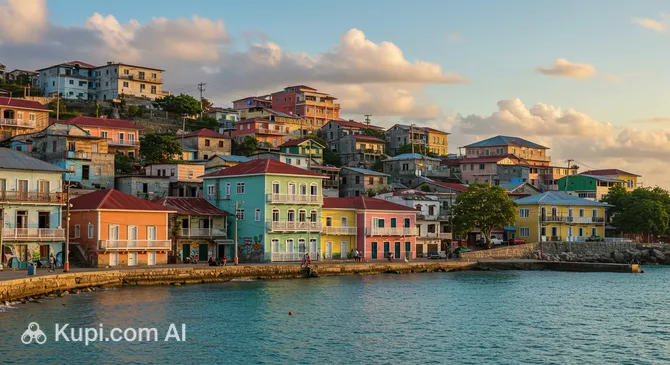
Jacmel is often called the cultural capital of Haiti, a title it holds deservedly. Unlike many other cities, the boundary between museum space and the urban environment is practically blurred here: the streets themselves are galleries, and the nature surrounding the city is a wild, untamed park. Travelers should not expect classic, manicured squares with benches, but rather an immersion into vibrant tropical nature and the creative atmosphere reigning in old mansions.
Natural Areas and Parks
While there are few traditional parks in the city center, the surroundings of Jacmel are one large green zone. The main natural treasure is undoubtedly the area around the Bassin Bleu waterfalls. This place can be viewed as a nature reserve: the path to the waterfalls lies through dense tropical forest thickets where giant ferns and fruit trees grow. Coolness and silence reign here, broken only by the sound of water and birdsong, making this area ideal for eco-tourism and meditative relaxation in the heart of nature.
Another important recreational area is Raymond des Bains beach. This is not just a place for swimming, but a picturesque corner of nature with black volcanic sand and shady palm groves. On weekends, local families gather here, turning the beach into a lively park by the water. For tourists, this is a great opportunity to see how the natural beauty of the coast combines with local flavor and holiday traditions.
Museums and Galleries
Jacmel is unique in that it is difficult to highlight one specific museum—the entire historic center functions as a "Living Museum" under the open sky. Nevertheless, the center of attraction for art lovers is the Jacmel Art Center (Fosaj). Located in a historic building, it serves as an exhibition space, a school, and a meeting place for artists. Here you can see bold works by contemporary Haitian masters, from voodoo-style paintings to avant-garde installations, and understand what drives the country's creative intelligentsia.
Special attention should be paid to the numerous papier-mâché workshops, which are essentially interactive galleries. In these studios, often located directly in the artists' homes, hundreds of colorful masks and figures are on display. Visitors can not only examine the exhibits that will later become part of the famous carnival but also learn the history of this craft directly from its creators. This is a unique experience that replaces a visit to a traditional ethnographic museum.
Architectural and Historical Monuments
Among the city's architectural landmarks, the Marché en Fer (Iron Market) stands out. This market, built at the end of the 19th century, is a vivid example of historical architecture imported from Europe. Its metal construction and the lively atmosphere inside transport visitors to the heyday of the trading port. The building is interesting not only as a marketplace but also as a monument to the engineering art of that time.
It is also worth visiting the Cathedral of St. Philip and St. James (Cathédrale Saint-Philippe et Saint-Jacques). The majestic building with a white facade and classic columns rises above the city, serving as a spiritual landmark. Peace reigns inside the cathedral, and its architecture contrasts interestingly with the bright and colorful buildings of the surrounding quarters.
Insider Tip
If you want to see something special, find time to visit the Mosaic School or simply carefully examine the walls along the waterfront and backstreets. Many tourists miss small art objects and murals hidden in courtyards, created by students and local enthusiasts. These details often tell the myths and legends of Haiti better than any guidebook.