Support

Lalhaul

About

Lahaul is a stunning and picturesque mountain region located in the northern part of India, in the state of Himachal Pradesh. It is known for its breathtaking landscapes, unique culture, and an atmosphere of true adventure far from the beaten tourist tracks.

Geographically, Lahaul is part of the Lahaul and Spiti district, with its administrative center being the town of Keylong, situated at an altitude of over 3,000 meters above sea level, surrounded by the majestic Himalayas. The climate here is harsh and high-alpine, which defines the region's unique flora and fauna. The population of Lahaul is approximately 10,755 people, who carefully preserve their rich traditions and distinct culture, shaped under the significant influence of Tibetan Buddhism.
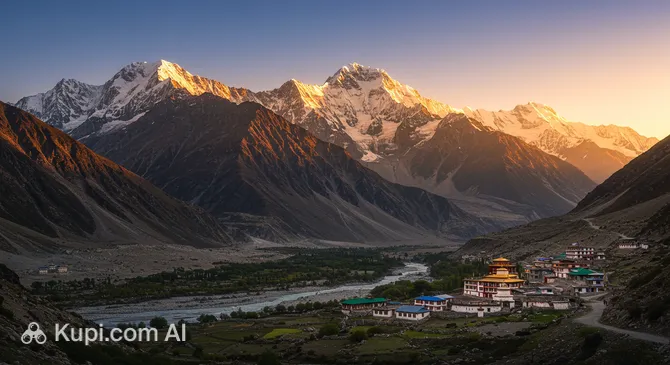
Lahaul. Illustration.
Source: Kupi.com AI

Lahaul attracts travelers with its picturesque valleys, crystal-clear high-altitude lakes, and, of course, ancient Buddhist monasteries that stand like guardians among the mountain peaks. These monasteries are not only architectural gems but also centers of spiritual life in the region, offering an immersion into the atmosphere of Tibetan culture.

If you are looking for an opportunity to experience the untouched nature of the Himalayas, explore ancient cultural monuments, and enjoy peace and tranquility, Lahaul will be a true discovery for you. This region offers a unique experience for those who appreciate authenticity and the beauty of the wild.

You can find more interesting facts on the Lahaul history page.

Weather Overview

The climate in Lahaul is characterized by severity, with very long and cold winters and short, cool summers. In winter, especially from December to February, average temperatures hover around -15°C to -18°C, while minimum values regularly drop below -20°C. Summer months, July and August, bring some warming, with average temperatures around +7°C to +8°C, while maximum daytime temperatures rarely exceed +12°C. Expect very cold winters with low precipitation and cool summers, when rainfall, though still scarce (averaging 1-5 mm per month), occurs more frequently, especially in July and August, bringing the highest number of wet days. For a more detailed study of weather conditions in this region, please visit the Lahaul Climate page.

Average monthly temperature

Average monthly precipitation

Interesting Facts

In addition to its famous mountain landscapes, Lahaul holds many surprising stories and features that make it a truly unique place. Here are just a few interesting facts about this high-altitude region:

  • Lahaul is located in a unique valley sandwiched between the mighty Pir Panjal and Great Himalayan ranges. One of the iconic spots here is the Baralacha Pass, which sits at an altitude of about 4,890 meters above sea level and is considered one of the most scenic high-altitude passes in India, connecting Lahaul with other regions.

  • The ancient Buddhist monasteries of Lahaul, such as the Shashur Monastery, are more than just places of worship; they are true treasure troves. They house unique collections of ancient Buddhist texts, centuries-old thangkas (religious scrolls), and ancient statues reflecting the region's rich spiritual and cultural history.

  • The valley is famous for its high-altitude lakes, with Suraj Tal (Lake of the Sun) and Deepak Tal being particularly prominent. Suraj Tal is not only considered one of the highest lakes in India but is also the source of the Bhaga River. Local residents believe these lakes possess healing properties and revere them as sacred.

  • Despite the harsh climatic conditions and a short growing season, the people of Lahaul have successfully practiced agriculture for centuries. They grow potatoes, barley, and certain vegetables on high-altitude terraces, demonstrating remarkable adaptation to extreme natural conditions.

How to Get There

Reaching this high-altitude region is an exciting adventure in itself. Since Lahaul is located deep in the Himalayas, there are no direct flights or rail routes into the town itself. Travelers will need to combine a flight with a car or bus trip along scenic mountain roads. You can find out more details on how to get to Lahaul on a dedicated page, and below we will look at the main options.

There is no airport in the town of Lahaul itself, so tourists usually fly into neighboring cities. The nearest hub is Bhuntar Airport (IATA: KUU), located in the town of Kullu. It is about 85 km from Lahaul. This is a small airport that handles a limited number of flights, but it is the most geographically convenient. A trip from here by taxi or bus takes about 2 hours and 30 minutes, though time may increase depending on mountain conditions.

Another popular option is Gaggal Airport (IATA: DHM) in Dharamshala, located about 116 km away. More flights operate here than to Kullu. The drive from the airport to Lahaul takes approximately 3 hours and 15 minutes. The road from both airports passes through picturesque passes or tunnels, offering incredible mountain views.

For those looking for more flight options, consider Chandigarh Airport (IATA: IXC). This is a major international transport hub in Chandigarh, located 223 km from Lahaul. Many flights from various Indian cities arrive here. However, the ground transfer from here will be the longest—the trip takes about 6 hours, excluding traffic and stops.

For clarity, here is a summary of the main airports:

AirportPassenger trafficDistance
Bhuntar Airport29 64985 km
Gaggal Airport209 834116 km
Bilaspur30 000153 km
Leh Airport1.2 mln169 km
Simla25 493173 km

Rail connections in this region are poorly developed due to the difficult mountain terrain. There are no railway stations in the immediate vicinity of Lahaul. Most tourists who prefer trains travel to major hub stations in Chandigarh or Pathankot and then switch to buses or taxis to cover the remaining distance along mountain serpentines.

Main Attractions

Lahaul, a scenic valley in Himachal Pradesh, is famous for its rugged mountain landscapes, ancient monasteries, and unique culture. A journey here is an immersion into the world of the majestic Himalayas and an introduction to the heritage of Tibetan Buddhism. Here are several key attractions you should not miss while exploring Lahaul.

Keylong, the administrative center of the Lahaul Valley, often serves as the starting point for exploring this amazing region. Located at an altitude of over 3,000 meters, the town is surrounded by majestic snow-capped peaks and green fields of barley and buckwheat. Tourists are drawn not only by its strategic location but also by the opportunity to visit nearby ancient Buddhist monasteries, such as Kardang Gompa and Shashur Gompa. These monasteries are important spiritual centers housing priceless thangkas, murals, and sacred scriptures, offering a deep dive into the culture and traditions of Tibetan Buddhism.

One of the most unique attractions in Lahaul is the Triloknath Temple. This sacred site is revered by both Hindus and Buddhists, making it a rare example of religious harmony. Hindus worship Lord Shiva here, while Buddhists consider it a sanctuary of Avalokiteshvara. Located in the picturesque village of Triloknath, the temple attracts pilgrims and tourists with its ancient architecture, serene atmosphere, and the chance to touch a living spiritual tradition that has existed for centuries.

The high-altitude Suraj Tal Lake, also known as the "Lake of the Sun God," is one of Lahaul's most breathtaking natural wonders. Situated at an altitude of about 4,890 meters near the Baralacha La pass, it is considered the third-highest lake in India. Suraj Tal feeds the Bhaga River and amazes visitors with its crystal-clear emerald waters reflecting the surrounding glacial peaks. This spot is ideal for photography enthusiasts and those seeking solitude amidst pristine Himalayan nature.

Baralacha La Pass is more than just a high-mountain pass (at approximately 4,890 meters); it is a true adventure for travelers heading from Lahaul to Ladakh. It is famous for its panoramic views of the snow-covered Pir Panjal, Great Himalayan, and Zanskar mountain ranges. The pass is a junction for several roads and a starting point for trekking routes, including the path to Suraj Tal Lake. For tourists, Baralacha La offers a chance to test themselves at high altitude and enjoy the rugged yet incredibly beautiful nature of the Himalayas.

Local Cuisine

The cuisine of Lahaul is a vibrant reflection of the harsh high-altitude conditions and its close connection with Tibetan culinary traditions. Local dishes are simple, hearty, and designed to keep you warm in the cold climate. The diet is based on products that can be grown on this land: barley, wheat, and potatoes.

Be sure to try thukpa—a thick and flavorful noodle soup with vegetables and sometimes pieces of meat. This dish is perfectly filling and warming. No less popular are momos—steamed dumplings with various fillings (vegetable or meat), usually served with a spicy tomato sauce or chutney. Also worth noting are thenthuk—a soup with hand-pulled dough bits and vegetables, and phing—a glass noodle dish with vegetables and aromatic spices.

Among beverages, chang holds a special place—a traditional mild alcoholic drink made from fermented barley. It is drunk not only for warmth during the cold months but also during cultural and religious ceremonies. Another iconic drink is butter tea (also known as "po cha" or "suja"), which is prepared with salt and yak butter. It is very nutritious and helps in adapting to high-altitude conditions.

The food culture in Lahaul is largely defined by Buddhist traditions, so vegetarianism is common here, especially during religious festivals. Local dishes can be tasted in small family cafes, guesthouses, and directly in the homes of local residents if you are invited. Street food in the usual sense is less developed here; the emphasis is on home-cooked, freshly prepared food.

The gastronomic experiences of Lahaul will not leave fans of authentic cuisine indifferent. The opportunity to try unique dishes like warming thukpa or hearty momos prepared according to ancient recipes, as well as warming up with a cup of traditional butter tea, is an integral part of a journey to this amazing mountain land. The cuisine here is not just food, but a way to get to know the culture and lifestyle of the local people.

Travel Tips

Planning a trip to the amazing Lahaul? This high-altitude region of India offers incredible scenery and a unique cultural experience. To ensure your trip goes smoothly and leaves only the best impressions, we have prepared some practical tips.

  1. Clothing and Essentials:

    The climate in Lahaul is high-alpine, meaning the weather can be very changeable. Be sure to bring warm clothes with you, even if you are traveling in summer: a fleece jacket, windproof and waterproof jacket, hat, gloves, and thermal underwear. Days can be sunny and warm, but evenings and nights are cold. Don't forget sunscreen with high SPF, sunglasses, and a hat to protect from the intense mountain sun. Comfortable, sturdy trekking shoes are your best friend. When visiting monasteries, dress modestly: shoulders and knees should be covered. A universal power adapter for electronics will also come in handy.

  2. Regional Transport:

    Getting around Lahaul has its own specifics. Public transport consists mainly of buses running between main settlements, but their schedules may not always be convenient. For more flexibility, consider hiring a taxi or a jeep with a driver, especially for trips to remote attractions. This is also a good option if you are traveling in a group. Renting a car without a driver can be difficult due to specific road conditions and the need for permits. Shared taxis are also popular on certain routes.

  3. Financial Matters:

    The local currency is the Indian Rupee (INR). In large villages like Keylong, there may be ATMs, but do not rely on them completely—they may not work or may run out of cash. Credit and debit cards are not accepted everywhere, mostly in larger hotels. It is recommended to carry a sufficient supply of cash, especially if you plan to visit remote villages. It is better to exchange currency in large cities before arriving in Lahaul. As for the daily budget, it can vary: for a budget traveler, expenses might be around 1,500-2,500 INR per day (staying in guesthouses, eating in local cafes, using public transport). For a more comfortable trip with mid-range accommodation and meals, aim for 3,000-5,000 INR per day. Tipping is not strictly mandatory but is always appreciated for good service (5-10% in restaurants or a small amount for drivers and guides).

  4. Health and Safety:

    Lahaul is a high-altitude region, so acclimatization is very important. Spend the first few days at lower altitudes and avoid excessive physical exertion. Bring a basic first-aid kit with medications for headaches, colds, stomach upsets, and band-aids. Keylong has a hospital and pharmacies, but the range of medications may be limited. Drink only bottled or boiled water. In general, Lahaul is a safe place, but always take basic precautions: watch your belongings and avoid walking alone after dark in unfamiliar places.

  5. Connectivity and Communication:

    The main languages of communication are Hindi and local Lahauli dialects. In tourist spots and among younger people, many understand English, but in remote villages, knowing a few phrases in Hindi (e.g., "Namaste" – hello, "Dhanyavad" – thank you) will be very useful. Mobile connectivity and internet can be unstable. SIM cards from Indian operators (e.g., Airtel, Jio, or BSNL, which often has better coverage in the mountains) can be bought in large cities. Wi-Fi is available in some hotels and guesthouses, but speeds may be low.

  6. Local Etiquette:

    The residents of Lahaul are very hospitable and friendly. Show respect for local traditions and customs. When visiting monasteries and other religious sites, behave quietly and remove your shoes before entering temples and prayer halls. Always ask for permission before taking photos of people. The traditional greeting is "Juley," which means "hello," "thank you," and "goodbye" depending on the context. Do not point at people or sacred objects with your index finger.

  7. What to Avoid:

    Firstly, do not leave trash behind. Lahaul is famous for its pristine nature, and it is important to keep it clean. Secondly, avoid overly revealing clothing, especially when visiting villages and religious sites, so as not to offend local sensibilities. It is also recommended to avoid discussing political topics, especially those concerning disputed territories.

  8. Additional Tip – Permits and Seasonality:

    Remember that entry into some areas of Lahaul may require special permits, especially for foreign nationals or for passing through certain passes like Rohtang La. Check current information in advance about necessary documents. The best time to visit Lahaul is from June to October, when the roads are open and the weather is most favorable for travel and trekking.

We hope these tips help you better prepare for your trip to Lahaul and enjoy every moment of your adventure in this spectacular corner of the Himalayas. Have a great journey!

Entertainment & Nightlife

Lahaul, known for its breathtaking mountain scenery and peaceful atmosphere, offers a different kind of evening leisure, far from the noise and bustle of big cities. Here, nightlife is more about enjoying the silence, the starry sky, and socializing in a cozy setting rather than looking for loud parties. You shouldn't expect neon-lit bar and club districts in Lahaul, but that doesn't mean there is nothing to do in the evening.

Evening entertainment in Lahaul is mainly centered around guesthouses and small local restaurants. Many guesthouses offer cozy common areas where travelers can share their experiences over a cup of tea or read a book. Some hotels or campsites may organize evenings with traditional music or bonfires during the tourist season, creating a warm and friendly atmosphere. You can also find local eateries (dhabas) that serve hot local dishes and may stay open until late evening, especially in the region's larger settlements like Keylong.

The atmosphere of Lahaul in the evening is one of calm and relaxation. Most establishments close relatively early, so plan your dinner and evening activities in advance. Public transport is virtually non-existent at night, so if you need to get somewhere, it's better to arrange transport beforehand. Regarding safety, Lahaul is generally considered a safe region, but as with anywhere, it's wise to exercise reasonable caution, especially if walking after dark away from well-lit areas.

In Lahaul, you are unlikely to find specialized nightclubs or noisy bars typical of metropolitan areas. Evening rest here is more focused on quiet pastimes. Instead of specific "party" streets, look for welcoming hotel restaurants or small cafes in the central parts of villages where you can have dinner and spend time in quiet company. Information on specific venues with a distinct nightlife program in this region is limited, reflecting its secluded and nature-oriented character.

During the day, Lahaul offers plenty of activities for curious travelers. These primarily include trekking through picturesque valleys, visiting ancient Buddhist monasteries such as Kardang or Shashur, and learning about the unique culture and lifestyle of the local people. Photography lovers will find countless subjects for their shots, while the clean mountain air and majestic landscapes will provide unforgettable impressions.

Parks & Museums

Lahaul, hidden among the majestic Himalayas, offers travelers not only breathtaking scenery but also a unique opportunity to touch ancient culture and history. This high-altitude region of India is rich in both natural wonders and spiritual centers that serve as guardians of local heritage.

While there are no traditional urban parks in Lahaul in the usual sense, its entire territory is essentially one vast natural park. The Chandra Valley, through which the river of the same name flows, impresses with its rugged beauty and is the starting point for many trekking routes. Suraj Tal Lake deserves special attention; it is one of the highest lakes in India and feeds the Bhaga River. Its crystal-clear waters surrounded by snow-capped peaks create a truly magical atmosphere and attract photographers and nature lovers. For those seeking more secluded spots, a visit to the Pattan Valley can be interesting, known for its fertile lands and relatively milder climate, making it green and blooming in the summer months.

The cultural heritage of Lahaul is inextricably linked with Buddhism, and the main keepers of history and art here are the ancient monasteries (gompas). Although they are not museums in the classic sense, many are open to visitors and house priceless artifacts. For example, Kardang Monastery, majestically perched on the left bank of the Bhaga River, is one of the largest and most important monasteries in Lahaul. It is known for its extensive library of Kangyur and Tengyur sacred texts, as well as its collection of old thangkas (Buddhist icons), murals, and musical instruments. Another significant monastery is Shashur Gompa, belonging to the Drukpa Kagyu school. It attracts pilgrims and tourists with its annual festivals, during which ritual mask dances (Cham) are performed, providing a vibrant cultural spectacle.

Besides monasteries, historical interest lies in the remains of ancient trade routes that once connected Lahaul with Tibet and Central Asia. Old structures like Gondla Fort, with its distinctive tower, although only partially preserved, still serve as a reminder of the region's strategic importance in the past and its rich history. The architecture of traditional houses in Lahaul villages, built of stone and wood with flat roofs, is also part of the cultural landscape, reflecting the adaptation of local residents to harsh high-altitude conditions.

For a more authentic experience and a deep dive into the culture of Lahaul, consider staying at one of the local guesthouses or homestays. This will not only allow you to get closer to the life of the hospitable Lahauli people but also enjoy home-cooked meals. Also, don't miss the chance to visit local markets in Keylong (the administrative center of Lahaul), where you can find handmade crafts, woolen items, and traditional products—an excellent way to feel the true spirit of the region.

Getting Around

Public transport in Lahaul, given its mountainous location and the region's specifics, has its own unique features. Movement here primarily depends on roads, which can be subject to seasonal changes, especially during the winter period.

The main form of public transport in Lahaul and its surroundings is buses. These are generally state-run buses (for example, Himachal Road Transport Corporation - HRTC) and private buses that connect the valley's key settlements and provide links to larger towns outside the region, such as Manali (via the Atal Tunnel or Rohtang Pass, depending on the season). Buses run according to a schedule, which is best checked at local bus stations as it can change based on weather conditions and the season. Within small settlements, the primary way of getting around is often walking.

The fare payment system on buses is quite simple: tickets are usually purchased in cash directly from the conductor on the bus or at ticket counters at bus stations before departure, especially for long-distance routes. Fares depend on the distance and are generally quite affordable. There are typically no specialized transit cards or mobile apps for public transport payments in Lahaul.

Tourists are advised to always have cash on hand for fares. You can find current schedules and routes at bus stations in key points like Keylong (the administrative center of Lahaul). It is important to note that buses, especially to remote areas, may run infrequently, so you should plan your movements in advance. In winter months, some routes may be closed due to snowfall.

Alternatives to buses include taxis and private jeeps, which can be hired for individual trips or group travel. This is a more expensive but more flexible way to get around, allowing you to reach places public transport doesn't go or travel with more comfort. Often you can find fellow travelers to split the cost of a taxi (shared taxi). Bike rentals and car sharing are poorly developed or non-existent in Lahaul due to the specific terrain and road conditions.

A feature of Lahaul's transport system is its strong dependence on weather conditions and road status, especially on high-altitude passes. Traveling along the roads of Lahaul can be an exciting adventure in itself thanks to the incredible views that open up along the way.

Accommodation

When planning a trip to Lahaul, you will find a variety of accommodation options to suit different budgets and preferences. The region primarily features guesthouses, small family-run hotels, and homestays offering an authentic living experience. There are few luxury resorts here; the focus is on simpler, cozy accommodation that harmonizes with nature.

The greatest number of housing options is concentrated in the key settlements of the Lahaul Valley, such as Keylong (the administrative center), Jispa, Sissu, as well as in small villages along the main tourist routes, for example, on the way to Chandra Tal Lake or the passes. When choosing a place to stay, consider the proximity to the attractions you're interested in, trekking trails, or transport hubs. Many guesthouses offer magnificent views of the surrounding mountains.

As Lahaul is a popular destination, especially in the summer and autumn months (from June to October), it is highly recommended to book accommodation in advance. During peak season, finding vacant rooms on the spot can be difficult, especially in the more popular villages. This will help you ensure a comfortable stay and avoid unnecessary hassle.

The price range for accommodation in Lahaul varies from budget options in simple guesthouses and homestays to mid-range in more comfortable hotels. You can book accommodation through popular online travel platforms where a range of hotels and guesthouses are listed. For some smaller establishments or homestays, direct booking by phone or email may be required if their contact details can be found in tourist directories or local resources.

Nearby Cities

For those looking to explore the surrounding areas, Lahaul serves as an excellent starting point for day trips to several interesting nearby locations:

CityPopulationDistance
Rasol9 42766 km
Kullu18 53677 km
Kaza10 14678 km
Bir146 70989 km
Baijnath8 52093 km

These nearby destinations offer a glimpse into the diverse culture and landscapes of the region.

Shopping & Souvenirs

Shopping in Lahaul is more about immersing yourself in the local culture and acquiring authentic goods than chasing brands. This high-altitude region of India is not known for large shopping centers but offers unique handmade items and traditional products. Here you will find things that will remind you of the rugged beauty and originality of the Himalayas.

The main shopping areas in Lahaul are concentrated in major settlements such as Keylong. These are usually small bazaar streets lined with local shops and stalls. You can find essential goods here, as well as souvenirs and items from local artisans. The atmosphere is far from the hustle and bustle of big cities, allowing you to peacefully choose items of interest.

You won't find large modern shopping malls in Lahaul. Shopping here is more traditional in character and concentrated in small shops and markets. This is part of the region's charm, where the emphasis is on local goods rather than mass production.

Markets in Lahaul play an important role in the life of the local population and are of interest to tourists. You can find seasonal local produce, fresh vegetables and fruits (depending on the time of year), and traditional snacks. Special attention should be paid to shops offering woolen items and local craft goods. These can be small permanent market stalls or temporary fairs.

From Lahaul, it is worth bringing back warm woolen products: shawls, sweaters, socks, hats, and gloves, often decorated with traditional patterns. Pashmina products are also popular, though one should be careful when choosing. Look for local handicrafts, such as small wooden carvings, Tibetan souvenirs (thangkas, prayer flags) if you come across them, and traditional jewelry. Occasionally, you can find local herbs, dried fruits, or honey.

Shops in Lahaul typically open in the morning (around 10:00) and stay open until evening (until 19:00-20:00); some may close for a lunch break. In smaller settlements and remote areas, operating hours can be less predictable. The primary method of payment is cash, especially in small shops and markets. Credit card acceptance may be limited and available only in larger shops or hotels in administrative centers. It is recommended to carry a sufficient amount of cash.

The Tax Free refund system for tourists on goods purchased in Lahaul is generally not available. This service is more common at international airports and major retail chains in large cities across India when purchasing specific categories of goods.

Have you reached the end of the page?

So the route has been studied inside and out