Support

Matsue

About

Matsue is a charming city often called the "city of water" due to its unique location. It is nestled between two picturesque lakes, Shinji and Nakaumi, with a network of canals and rivers running through its territory, creating a unique atmosphere of peace and harmony. It is the heart of Shimane Prefecture and a true gem of western Japan.
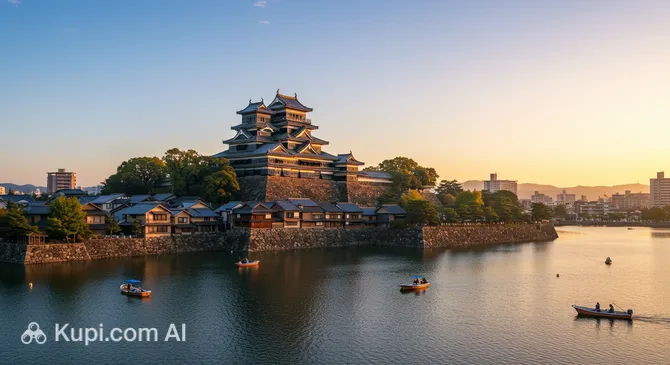
Matsue. Illustration.
Source: Kupi.com AI

Matsue is home to about 200,000 people. The city is not only an administrative center but also an important cultural hub for the San'in region. Here, ancient traditions and modern life blend wonderfully: old samurai quarters stand alongside cozy cafes, and historic teahouses neighbor galleries and museums. The climate is temperate with distinct seasons, making it a pleasant destination year-round.

One of Matsue's main highlights is the majestic Matsue Castle, one of the few remaining original wooden castles in Japan. Equally attractive are the boat tours along the city's canals, which allow you to see the city from a completely different perspective. Special mention should be made of the sunsets over Lake Shinji—a sight rightfully considered one of the most beautiful in the country. It is also worth visiting the former residence of writer Lafcadio Hearn and the adjacent memorial museum to dive deeper into the city's history and culture.

Matsue is the perfect place for those seeking authentic Japan without the hustle and bustle of megacities, offering genuine history, scenic nature, and the romance of old streets. If you want to enjoy leisurely walks, discover a rich cultural heritage, and feel a peaceful atmosphere, Matsue will be an excellent choice for your journey.

You can find more interesting facts on the history of Matsue page.
Weather Overview

The weather in Matsue is characterized by distinct seasons. Summer, especially in July and August, is quite warm, with average temperatures around 25–27°C and frequent rainfall. Winters are cool, with an average temperature in January of about 5.9°C, and it is also a wet period with many rainy days. Spring and autumn offer more moderate temperatures and less rainfall compared to the peak summer and winter months.

Expect a warm and humid summer with frequent rain, as well as cool and fairly wet winters. To learn more about weather conditions in different months, you can check out the detailed information about the Matsue climate.

Average monthly temperature

Average monthly precipitation

Interesting Facts

Beyond its scenic canals and ancient temples, Matsue hides many surprising stories and little-known details that make it a truly unique place in Japan. Ready to learn a few of them?

Matsue Castle. Illustration.
Source: Kupi.com AI

Traveler photos:

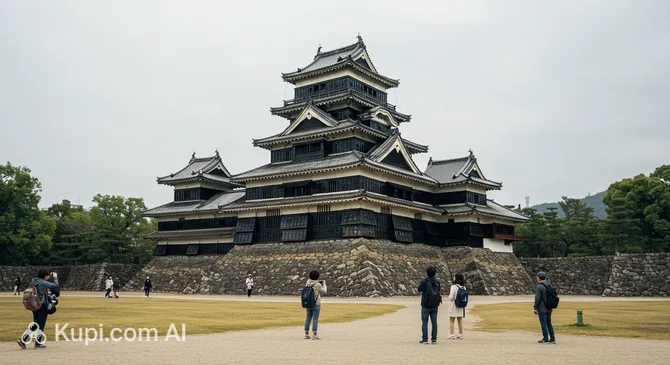
  • The majestic Matsue Castle, built in 1611, is one of only twelve original castles in Japan remaining today. Its elegantly curved roofs earned it the nickname "Chidori-jo," or "Plover Castle," as they resemble the wings of that bird in flight.

  • The city is inextricably linked to the writer Lafcadio Hearn (Koizumi Yakumo), who lived here for a time and made Matsue famous worldwide through his stories of Japanese legends and ghost tales. His former residence, now the Lafcadio Hearn Memorial Museum, allows you to step into the atmosphere that inspired the author's mystical works.

  • Matsue holds the unofficial title of the "City of the Gods." According to ancient Shinto beliefs, it is here on the shores of Lake Shinji that all eight million deities from across Japan gather annually in the tenth month of the lunar calendar before heading to their grand assembly at the nearby Izumo Taisha Grand Shrine.

  • Matsue has a beautifully preserved old samurai district called Shiomi-nawate, which stretches along the castle moat. Walking down this street, you can see former warrior residences, peek into cozy teahouses, or visit the unusual Jozan Inari Shrine, known for its hundreds of stone fox figures—the messengers of the goddess Inari.

How to Get There

When planning a trip to Matsue, it's important to think through your route in advance. The city is located in Shimane Prefecture and can be reached in several ways, including air and rail travel, as well as by road.

For travelers who prefer flying, several regional airports are the closest options. While Matsue does not have its own airport, nearby air hubs provide good connections. Izumo Airport (IZO) is just 15.6 km away in the city of Izumo. It is a mid-sized airport, and the trip from there to Matsue by taxi or bus takes about 40–50 minutes. Another close option is Miho Airport (YGJ), also known as Yonago-Kitaro Airport, in the city of Yonago, about 18.2 km from Matsue. You can reach the city from here in 45–55 minutes. For those looking for a larger transport hub with potentially more flights, Okayama Airport (OKJ) is suitable. It is located in Okayama city, about 108 km away, and is a major airport. The journey to Matsue will take approximately 3 hours.

For your convenience, here is a summary of the main airports serving the Matsue area:

AirportPassenger trafficDistance
Izumo Airport1.0 mln16 km
Miho Airport463 25218 km
Oki Airport127 59783 km
Tottori Airport401 796102 km
Okayama Airport1.4 mln108 km

Travel by rail is also possible, though you should consider the distance to the nearest major stations from the available data. Fukai Station, located in Sakai city, is a major railway hub; however, it is approximately 247 km from Matsue. From there, an additional transfer via another train or bus would be required, which could take several hours. It is recommended to check schedules and plan transfers in advance if you choose this option.

Information on the available railway station from the data provided:

StationPassenger trafficDistance
Yonago Station1027 km
Izumoshi Station929 km
Tottori Station8107 km
Okayama Station17119 km
Hiroshima Station20130 km

In addition to air and rail links, Matsue can be reached by highway buses from major cities in the region, or by private or rental car. Traveling by car offers more flexibility in route planning and the chance to enjoy the scenic surroundings of Shimane Prefecture along the way.

Main Attractions

Matsue, a picturesque city in Shimane Prefecture also known as the "City of Water," is rich in historical and cultural treasures. Among its many interesting sites, several attractions stand out and are well worth including in your itinerary.

The city's crown jewel is undoubtedly Matsue Castle. It is one of only twelve original castles in Japan that have survived to this day, and it towers proudly in the city center. Also known as "Chidori-jo" (Plover Castle) because its architecture resembles the bird, it offers visitors a journey back to the samurai era and magnificent panoramic views of the city and Lake Shinji from the top floors.

Matsue Castle. Illustration.
Source: Kupi.com AI

Traveler photos:

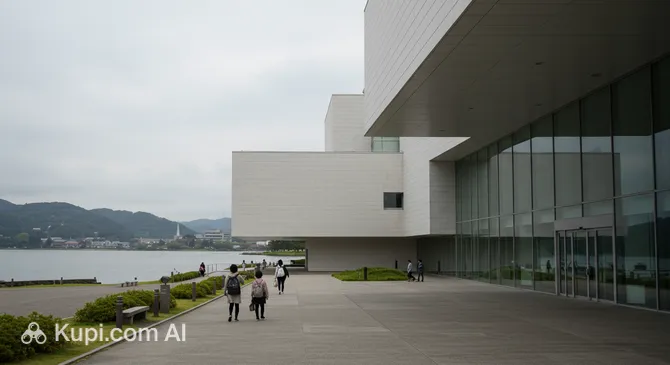
Art lovers are highly recommended to visit the Shimane Art Museum. Located on the shores of Lake Shinji, the museum is famous for its collection of Japanese and Western art, including ukiyo-e prints, watercolors, and sculptures. The museum building itself is a work of modern art, and its windows offer breathtaking views of the lake, especially at sunset.

Shimane Art Museum. Illustration.
Source: Kupi.com AI

Traveler photos:

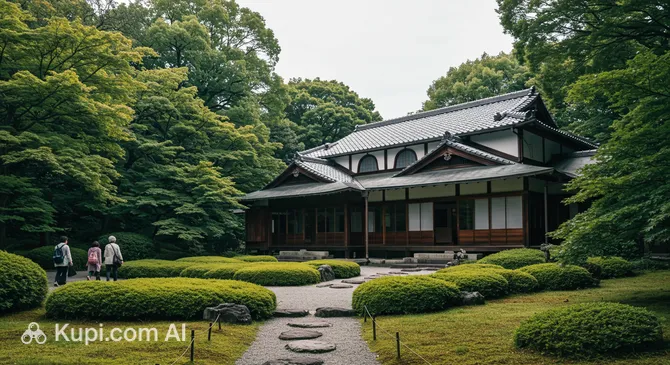
For those interested in literature and a unique perspective on Japanese culture, the Lafcadio Hearn Memorial Museum is a must-visit. Lafcadio Hearn, also known by his Japanese name Koizumi Yakumo, was a Greek-Irish writer who spent part of his life in Matsue and contributed significantly to popularizing Japanese legends and traditions in the West. The museum is located next to his former residence and tells the story of his life and work.

Lafcadio Hearn Memorial Museum. Illustration.
Source: Kupi.com AI

Traveler photos:

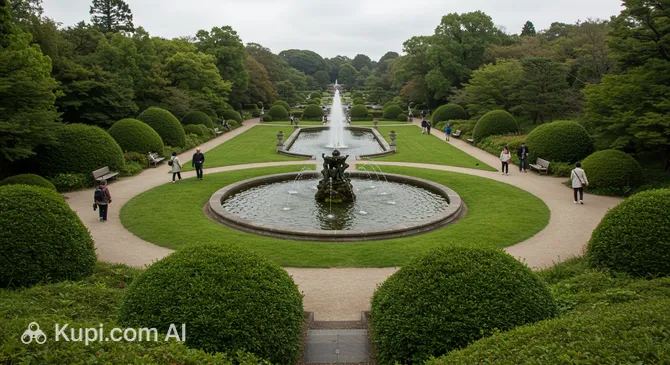
If you are looking for a place for peaceful relaxation and nature, head to Shirakata Park. This scenic park stretching along the northern shore of Lake Shinji is known for its beautiful pine trees and is a popular spot for watching the sunset. Here, you can stroll along well-kept paths while enjoying the fresh air and lovely views.

Shirakata Park. Illustration.
Source: Kupi.com AI

Traveler photos:

Local Cuisine

The culinary signature of Matsue is the fresh bounty of Lake Shinji. A point of local pride and a true delicacy is the shijimi clam, which is harvested here using traditional techniques with long pointed poles. These small but flavorful clams are used to make aromatic soups and various appetizers. You can try shijimi dishes in cozy city restaurants or at lively local markets, where they are always fresh.

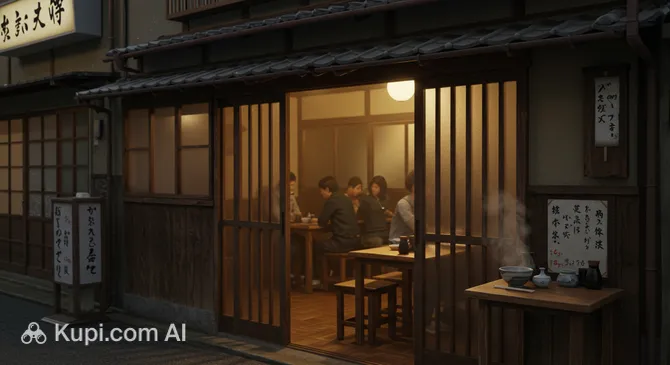
Another iconic Matsue dish is soba (buckwheat noodles). Here, it is often served in the unique "Warigo" style: small portions of noodles are served in elegant tiered lacquer boxes, turning the meal into a small ritual. To taste authentic local soba, you can visit Kamiyo Soba, a restaurant known for its traditional recipes.

Kamiyo Soba. Illustration.
Source: Kupi.com AI

Traveler photos:

Matsue is also famous for its traditional Japanese sweets called wagashi. They are made using ancient recipes passed down through generations and perfectly complement the local tea culture. The best way to enjoy wagashi is in one of the city's many cozy teahouses, where you will be offered a cup of fragrant matcha tea as part of a traditional tea ceremony. Twice a year, in spring and autumn, Matsue hosts festivals dedicated to local cuisine and tea culture, which are great opportunities to dive deeper into gastronomic traditions.

In addition to tea, Matsue is known for its sake. Some local breweries are open for tours and tastings, where you can appreciate the rich flavors of this ancient drink and learn the secrets of its production. For those who want to try something more informal and soak up daily city life, it's worth visiting the farmers' markets. Here you can always find seasonal produce, fresh fish, and a variety of street food—from grilled octopus to sweet rice cakes.

Travel Tips

Welcome to Matsue, Japan's charming "water city"! To make your journey through this picturesque place as comfortable and pleasant as possible, we have prepared some practical tips. They will help you find your way around and enjoy all the delights Matsue has to offer.

  1. Clothing and Essentials:

    The climate in Matsue is temperate, with four distinct seasons. Summers can be hot and humid, so choose light, breathable clothing. Winters are cool and snow is possible—don't forget warm clothes. Spring and autumn are the most comfortable times with pleasant temperatures. Be sure to bring comfortable shoes, as you will be doing a lot of walking while exploring Matsue Castle and its surroundings. Don't forget an umbrella or a raincoat, especially in spring and during the rainy season (June–July). For electronics, you will need an adapter (Japan uses Type A and B sockets, voltage is 100V). There is usually no specific dress code for visiting temples and shrines, but modest clothing is recommended.

  2. Getting Around the City:

    Moving around Matsue is quite convenient. The main form of public transport is buses, including the "Lakeline Bus" for tourists, which stops at major attractions. Taxis are available but can be expensive. The city center and lakefronts are perfect for walking. Renting a car can be useful if you plan to explore the Shimane Prefecture countryside, but it's not necessary for Matsue itself.

  3. Finances:

    The local currency is the Japanese Yen (JPY). You can exchange currency at banks or some large hotels, but it's better to do this in advance or upon arrival at a major airport. Credit cards (Visa, Mastercard) are accepted in many hotels, large shops, and restaurants; however, it's always useful to carry cash, especially for smaller establishments and markets. ATMs that accept international cards can be found in post offices (Yucho Bank) and 7-Eleven convenience stores. Tipping is not customary in Japan—good service is already included in the bill.

  4. Health and Safety:

    Matsue, like Japan in general, is a very safe city. Follow standard precautions: keep an eye on your belongings in crowded places. Pharmacies ("kusuriya") are easy to find, but not all pharmacists speak English, so it's helpful to have a list of necessary medications in Japanese or their international names. It is recommended to take out travel medical insurance before your trip. In emergencies, dial 119 (ambulance and fire service) or 110 (police).

  5. Communication:

    The official language is Japanese. English is spoken in tourist information centers, hotels, and major attractions, but in general, proficiency among the local population is limited. Learn a few simple Japanese phrases like "Konnichiwa" (Hello), "Arigato" (Thank you), and "Sumimasen" (Excuse me/Sorry). For constant internet access, it's recommended to buy a local SIM card or rent a pocket Wi-Fi router. Free Wi-Fi is available in many hotels and some public spaces.

  6. Local Etiquette:

    The Japanese are very polite and value respect for their culture. Greetings are usually accompanied by a slight bow. In public places, especially on transport, try to speak quietly. Remove your shoes before entering private homes, some temples, traditional restaurants, and ryokans (Japanese-style inns). It is not customary to eat or drink while walking on the street (except in designated areas or at street food festivals). Follow waste sorting rules if required.

  7. Things to Avoid:

    Try not to talk loudly on the phone on public transport—it is considered impolite. Also, avoid pointing at people or objects with one finger; use your whole palm instead. Do not stick your chopsticks vertically into your rice—this is associated with funeral rituals.

  8. Special Tip for Matsue:

    Be sure to take a boat ride on the Horikawa canals surrounding Matsue Castle. It's a unique way to see the city from the water and soak up its atmosphere. Also, don't miss the chance to try local delicacies, such as shijimi lake clams from Lake Shinji or Izumo soba buckwheat noodles.

We hope these tips make your stay in Matsue even more memorable and comfortable. Enjoy the beauty of this amazing city and the hospitality of its residents!

Entertainment & Nightlife

Evening in Matsue offers guests a quiet and cozy atmosphere, a far cry from the noisy nightlife of megacities. You won't find massive nightclubs operating until dawn here, but you can enjoy a pleasant evening in traditional Japanese establishments, cozy bars, and restaurants. Most evening entertainment is concentrated near Matsue Station and in the Kyomise shopping district, located east of the castle.

Nightlife in Matsue mainly centers around izakaya—traditional Japanese pubs where you can not only drink but also enjoy delicious food. Small bars where you can chat with locals and karaoke bars—a favorite Japanese pastime—are also popular. The atmosphere in such places is usually very friendly and relaxed. Most venues are open until late evening, around 11:00 PM or midnight. There is usually no specific dress code—casual, comfortable clothing is perfectly appropriate.

If you're looking for a late-night dinner, check out the local restaurants. For example, you can try traditional Japanese noodles at Kamiyo Soba or enjoy a hearty bowl of ramen at Ramen Cho-san. These establishments offer authentic dishes and a chance to immerse yourself in the local culinary culture.

When planning your evening, it's best to head to izakayas or restaurants around 7:00 PM–8:00 PM to secure good seats, especially on weekends. Prices in Matsue venues are generally moderate. You can return to your hotel at night by taxi, as public transport stops running relatively early. You can order a taxi by asking the staff at your venue or hotel, or by using ride-hailing apps if available in the region.

Matsue is considered a very safe city for nighttime walks, especially in the central and tourist areas. Nevertheless, you should always take standard precautions: keep an eye on your belongings and avoid poorly lit, deserted areas. Police boxes (koban) are quite common and you can always approach them for assistance.

Shimane Art Museum. Illustration.
Source: Kupi.com AI

Traveler photos:

During the day, Matsue offers plenty of cultural entertainment. Be sure to visit the majestic Matsue Castle, one of Japan's few remaining original castles. Art lovers will enjoy the Shimane Art Museum with its collections and beautiful views of Lake Shinji. It's also worth stopping by the Lafcadio Hearn Memorial Museum, dedicated to the life and work of the famous writer who lived in Matsue, or taking a stroll through the scenic Shirakata Park.

Parks & Museums

Matsue, a charming city in Shimane Prefecture, invites travelers to enjoy a harmonious blend of picturesque parks, tranquil gardens, and a rich cultural heritage reflected in its many museums and historical landmarks.

Among the green jewels of Matsue, Shirakata Park stands out. Located on the shores of Lake Shinji, it is famous for its magnificent views, especially at sunset, and is a favorite spot for leisurely strolls and nature watching. Equally attractive are the well-tended grounds around Matsue Castle, known as Jozan Park. Here, you can enjoy the beauty of seasonal flowers, including the famous cherry blossoms in spring, and immerse yourself in the historical atmosphere while walking along ancient paths.

Shirakata Park. Illustration.
Source: Kupi.com AI

Traveler photos:

Cultural life in Matsue is rich and diverse. The Shimane Art Museum features an extensive collection of Japanese and Western art, with a special focus on works related to water—symbolic for a city surrounded by lakes and the sea. For those interested in literature and Japanese culture seen through foreign eyes, the Lafcadio Hearn Memorial Museum is a must-visit. It is dedicated to the life and work of this outstanding writer who described Japan so poignantly. The museum is located near his former home, adding authenticity to the visit.

Shimane Art Museum. Illustration.
Source: Kupi.com AI

Traveler photos:

Lafcadio Hearn Memorial Museum. Illustration.
Source: Kupi.com AI

Traveler photos:

You can learn more about the city's history and its samurai past at the Matsue History Museum. The museum's exhibits tell the story of Matsue's development as a castle town and its role in the region. The heart of the historical heritage is, of course, the majestic Matsue Castle, one of the few remaining original wooden castles in Japan. Its main tower offers breathtaking panoramic views of the city and Lake Shinji. On the castle grounds, you will also find Kounkaku—an elegant Western-style guesthouse from the Meiji era that once hosted the emperor and is a beautiful example of the architecture of that period.

Matsue Castle. Illustration.
Source: Kupi.com AI

Traveler photos:

Matsue History Museum. Illustration.
Source: Kupi.com AI

Traveler photos:

Kounkaku. Illustration.
Source: Kupi.com AI

Traveler photos:

For an even more authentic experience in Matsue, take a boat trip on the Horikawa River surrounding the castle—it allows you to see the city from an unusual perspective. Also, don't miss the chance to walk through the preserved Shiomi Nawate samurai district, where every corner breathes history.

Getting Around

Getting around Matsue is quite convenient thanks to a well-developed public transport system, with buses playing the main role. The "Lake Line" loop bus is particularly useful for tourists, as its route covers the city's major attractions, including Matsue Castle and the Shiomi Nawate samurai district. In addition, regular city buses operated by Ichibata Bus and Matsue City Bus run throughout the city, connecting various districts and the railway station.

Trains also play an important role in Matsue. The main railway hub is JR Matsue Station, from which trains depart to other parts of the prefecture and different regions. Furthermore, the Ichibata Electric Railway (locals call it "Bataden") operates scenic suburban lines that can be interesting for trips to Lake Shinji or the Izumo Taisha Grand Shrine (with a transfer).

The payment system for public transport in Matsue is quite flexible. A ride on a regular city bus costs from 170 yen depending on the distance. On buses, you can pay with cash upon exiting (it's advisable to have small change, as the driver may not have change for large bills, though there is often a change machine on board). Nationwide IC cards such as Suica, ICOCA, PASMO, and others are widely accepted, which is very convenient for tourists traveling through different cities in Japan. For the "Lake Line" bus, there is a cost-effective 1-Day Pass allowing unlimited rides for a day, costing around 520 yen. Tickets for JR and Ichibata trains can be purchased at station ticket offices or vending machines.

Practical tips for tourists: "Lake Line" bus tickets and its one-day pass can be bought directly from the driver or at the tourist information center at JR Matsue Station. When boarding a regular city bus (if it's not a flat-fare bus), you often need to take a small ticket with a stop number, and when exiting, pay the amount corresponding to your distance, which is displayed on the screen above the driver. IC cards should be tapped against the reader when boarding and when exiting. Buses and trains usually start running early in the morning (around 6:00–7:00 AM) and finish in the evening (around 10:00–11:00 PM), but it's best to check the schedule in advance, especially for suburban routes and on weekends.

As an alternative to public transport, taxis are always available in Matsue and can be found at the station and major hotels. This is a more expensive but comfortable way to get around, especially if you are traveling with luggage or in a small group. Bicycle rentals are also popular, particularly for a leisurely tour of the city center and waterfronts. Rental points can be found near JR Matsue Station and at some hotels. Car-sharing services are less common compared to major megacities.

Accommodation

In Matsue, travelers will find a variety of accommodation options catering to different preferences and budgets. The city offers everything from traditional Japanese inns (ryokans) and modern hotels—ranging from budget options and guesthouses to comfortable mid-range hotels and more luxury offerings. Short-term apartment rentals are also available, which can be convenient for families or longer stays.

Many tourists prefer to stay in areas close to the main attractions. For instance, hotels near Matsue Castle are very popular, as they provide easy access to this historic city symbol and other interesting sites like the Lafcadio Hearn Memorial Museum or the Matsue History Museum. Areas near Lake Shinji are also attractive, offering picturesque views, especially at sunset. Staying near Matsue Station is convenient for those planning to travel around the region.

Matsue Castle. Illustration.
Source: Kupi.com AI

Traveler photos:

It is recommended to book accommodation in Matsue in advance, especially if your trip coincides with peak tourist seasons (such as the spring cherry blossom season or autumn festivals). The main booking methods include popular international and Japanese online platforms, as well as direct booking through hotel websites.

The price range for accommodation in Matsue varies: you can find both budget-friendly options and mid-to-high-end hotels. Costs also depend on the season, location, and level of comfort.

Nearby Cities

For those looking to explore the surrounding area, Matsue serves as an excellent starting point for day trips to several interesting nearby locations:

CityPopulationDistance
Sakaiminato32 50318 km
Yasugi36 71319 km
Unnan35 36622 km
Yonago147 21026 km
Izumo171 99529 km

These nearby destinations offer a glimpse into the diverse culture and landscapes of the region. Each trip promises new discoveries, whether it's ancient shrines, scenic nature parks, or charming city streets.

Shopping & Souvenirs

Matsue offers its guests pleasant shopping opportunities, especially if you are interested in traditional Japanese goods, local crafts, and unique souvenirs. Although the city is not a major center for fashion boutiques, you can find many charming shops that reflect the culture and history of the region.

Main shopping spots are usually concentrated in the central part of the city, particularly in the area around Matsue Station. Here you can find department stores, small specialty shops, and souvenir stalls. It's also worth strolling through the streets adjacent to the main attractions, such as the area around Matsue Castle, where souvenir shops for tourists are common.

In Matsue, you are more likely to find classic Japanese department stores and shopping arcades rather than the massive modern malls typical of megacities. These department stores offer a wide range of goods: from clothing and cosmetics to food and souvenirs. Look for them near the station and in the city's lively districts.

While there may not be large and widely known tourist markets in Matsue, it is always interesting to peek into local food shops to discover regional delicacies. Occasionally, seasonal fairs or weekend markets may be held in the city, where local artisans sell their wares. It's best to check for such events locally.

As souvenirs from Matsue, it's worth bringing back traditional Japanese sweets (wagashi), especially those characteristic of Shimane Prefecture. Local tea, ceramics (such as "Yakumo-yaki" style items), and goods related to the famous writer Lafcadio Hearn, whose life is closely tied to Matsue, are also popular (themed souvenirs can be found near the Lafcadio Hearn Memorial Museum). Also look out for handmade crafts, textiles, and accessories with Japanese motifs.

Most shops in Matsue are open from about 10:00 AM or 11:00 AM until 7:00 PM or 8:00 PM. Department stores and some larger shops may stay open slightly longer. Credit cards are widely accepted in department stores and many shops; however, in smaller boutiques and at markets (if you find any), it's preferable to have cash (Japanese Yen) with you.

For international tourists in Japan, a Tax Free system is available. Many department stores and large shops in Matsue participating in this program provide this option for purchases over a certain amount. To process a tax refund, you usually need to present your passport. Look for shops with the "Tax Free Shopping" sign.

Have you reached the end of the page?

So the route has been studied inside and out