Support

Minamisanriku

About

Minamisanriku is a charming coastal town located in Miyagi Prefecture in northeastern Japan. It is nestled along the picturesque Sanriku Coast, famous for its jagged ria coastline where majestic mountains meet the Pacific Ocean, forming numerous secluded coves and scenic bays. This unique landscape offers travelers unforgettable panoramic views and creates a special, peaceful atmosphere.
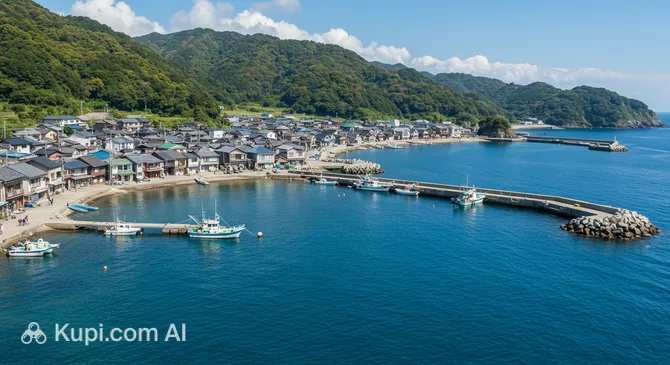
Minamisanriku. Illustration.
Source: Kupi.com AI

With a population of approximately 10,896, Minamisanriku retains the spirit of a traditional Japanese seaside town. Historically, its economy has been centered on fishing and seafood processing. The town is actively developing, with modern facilities emerging, including new production centers and attractive shops where you can purchase the freshest seafood.

What makes Minamisanriku truly special is its wonderful combination of the traditional Japanese way of life with modern elements. Here, you can experience the authentic spirit of the Land of the Rising Sun, far from the hustle and bustle of major metropolises. One of the main draws of the town is the opportunity to enjoy the freshest seafood straight from local fish markets. Additionally, the winding coastline and surrounding mountains provide excellent conditions for hiking and contemplating natural beauty.

A visit to Minamisanriku is a chance to meet hospitable residents who carefully preserve their traditions and to discover the unique landscapes and flavors of this amazing corner of Japan. It is a place where you can relax your soul and enjoy the tranquility of coastal life.

You can find more interesting facts on the Minamisanriku city history page.

Weather Overview

The weather in Minamisanriku is characterized by warm and humid summers and cool and relatively dry winters. In the summer months, especially in July and August, the average air temperature hovers around 23-25°C, with peak values reaching 27-28°C. This period also features the highest rainfall (about 5 mm per month) and number of rainy days, reaching up to 17. In winter, from December to February, average temperatures are approximately 1.8-3.7°C, while nighttime temperatures can drop below freezing. In winter, the amount of precipitation is significantly lower – about 2 mm per month.

To get more detailed information about weather conditions by month, including water temperature data and other useful statistics, you can visit the Minamisanriku Climate page.

Average monthly temperature

Average monthly precipitation

Interesting Facts

In addition to its touching history and picturesque landscapes, Minamisanriku holds several surprising details that make it truly special. Here are some of them:

  • Recovery through Traditions: In 2017, an important symbol of the town's revival was the completion of a new seafood shop combined with a production facility for the Marusen Shokuhin company. This not only helped restore the traditional fishing industry but also provided local residents with jobs.

  • Part of an Epic Route: The town is one of the points on a long hiking trail approximately 800 kilometers long that runs along the scenic Sanriku Coast. This path attracts travelers who want to get a deeper look at the unique nature and culture of Japan's fishing villages.

  • Engineering Solutions on Guard: Massive tidal seawalls have been erected in the vicinity of Minamisanriku. These structures are not only an example of Japanese engineering achievements in coastal protection but also a kind of landmark demonstrating the human strive for harmony with the elements.

  • A Point of Cultural Exchange: International youth camps are regularly held near the town. This makes Minamisanriku and its surroundings an important center for intercultural communication and experience exchange between young people from all over the world.

How to Get There

The most convenient way to reach the town of Minamisanriku, located in Japan's picturesque Miyagi Prefecture, is by air, using one of the regional airports. Although Minamisanriku does not have its own airport, several air hubs are located within a reasonable distance.

The primary option for most travelers will be Sendai Airport (IATA: SDJ). It is located in the city of Sendai, approximately 77 km southwest of Minamisanriku. This is a major airport serving both international and domestic flights, making it the most likely arrival point. A trip from Sendai Airport to Minamisanriku by car or taxi will take roughly 2 hours to 2 hours 15 minutes, depending on road conditions.

Another possible airport is Hanamaki Airport (IATA: HNA), located in the city of Morioka, about 88 km northwest of Minamisanriku. This airport also serves the region, and the drive from it to Minamisanriku will take approximately 2 hours 30 minutes. The choice of airport may depend on your itinerary and flight availability.

For convenience, here is a summary of the main airports used to reach Minamisanriku:

AirportPassenger trafficDistance
Sendai Airport3.5 mln77 km
Hanamaki Airport739 12388 km
Junmachi Airport223 111100 km
Shonai Airport364 815146 km
Akita Airport1.8 mln149 km

Since there are no major railway hubs in Minamisanriku mentioned in available information, the primary way to reach the town after arriving at one of the airports will be by road. It is recommended to consider renting a car for the convenience of traveling around the region or to use taxi services. It is also worth checking for local bus routes from the airports toward Minamisanriku, though their schedules and frequency may be limited.

Main Attractions

Minamisanriku is a small but significant town in Miyagi Prefecture, situated on the scenic Pacific coast. A trip to Japan often includes this region for those who want to see not just the metropolises, but also the true resilience of local residents combined with natural beauty. Here, travelers will find the freshest seafood, breathtaking ocean views, and places filled with deep meaning.

The heart of the town's tourist life is the Minamisanriku Sun Sun Shopping Village. This unique complex was designed by world-renowned architect Kengo Kuma and is a cozy space built using local cedar. The main reason to come here is the gastronomy. Be sure to try kirakira-don — the town's signature dish, which is a rice bowl generously decorated with seasonal seafood that sparkles like jewels.

For those seeking communion with nature and breathtaking scenery, a visit to Cape Kamiwarizaki is a must. This spot is famous for a massive rock split in two, through which sea waves crash with a roar. An ancient legend says that a god split this rock to settle a dispute between two villages. The cape is especially beautiful at sunrise, when the sun rises directly between the stone walls, creating a mystical atmosphere.

Another important landmark is the Earthquake Memorial Park. It is a space of silence and reflection, created to remember the events of 2011 and honor the resilience of the people who rebuilt the town. The park is located on an elevation, offering a panoramic view of Shizugawa Bay. A walk here allows you not only to learn the history of the region but also to appreciate the scale of the reconstruction work and the beauty of the reborn coast.

Outdoor enthusiasts should climb Mount Tatsugane. From its summit, you'll find perhaps the best view of the entire town and the rugged coastline. On a clear day, you can even see distant islands from here. In spring, the mountain slopes are covered with blooming azaleas, turning the ascent into a bright and memorable adventure.

Local Cuisine

The cuisine of Minamisanriku is a true hymn to the freshest gifts of the sea. Located on the Pacific coast, the town is rightfully proud of its seafood, which forms the basis of the local gastronomic experience. If you are a connoisseur of authentic flavor, Minamisanriku will offer you an unforgettable experience.

The main treasure of the local cuisine is undoubtedly the freshest seafood. Be sure to try sashimi made from freshly caught fish – its taste and texture are strikingly different from what can be found far from the coast. The variety of fish species and other marine life characteristic of Sanriku waters will amaze even a sophisticated gourmet. Local chefs masterfully combine traditional cooking methods with modern approaches, while preserving the original taste of the products. For example, some seafood processing companies, such as "Marusen Shokuhin," not only supply products to restaurants but also offer visitors a chance to see the preparation process and purchase the freshest delicacies right on the spot.

As for drinks, your meal will be perfectly complemented by traditional Japanese sake, which is represented here by many local varieties, or refreshing beer. Among non-alcoholic drinks, green tea is popular, being an integral part of Japanese culture.

The food culture in Minamisanriku is closely tied to the sea. Locals and tourists prefer to enjoy the gifts of the ocean in small, cozy restaurants where dishes are prepared from the morning catch. Fish markets hold a special place – they are not just trading platforms, but true centers of gastronomic life. Here, you can not only buy the freshest fish and seafood but also get advice on how to prepare them from welcoming vendors, who often share family recipes passed down through generations. In 2017, a new production facility with a shop opened in the town, where you can not only buy but also see the process of processing seafood, adding uniqueness to your gastronomic journey.

The gastronomic scene of Minamisanriku attracts with its authenticity and emphasis on quality. You won't find excessive pretentiousness here, but you will fully experience the taste of real coastal Japanese cuisine. It is definitely worth trying sashimi from a variety of fish and seasonal sea delicacies prepared according to traditional recipes to truly understand the soul of this hospitable town.

Travel Tips

Planning a trip to Minamisanriku? This cozy town in Miyagi Prefecture offers a unique opportunity to experience Japanese culture and nature away from the noisy metropolises. To make your journey as comfortable as possible and leave you with only warm memories, we have prepared some practical tips.

  1. Clothing and Essentials: The climate in Minamisanriku, as in all of Japan, depends on the season. In summer (June–August), it is warm and humid, so choose light, breathable clothing. Spring and autumn offer comfortable temperatures ideal for walking – layering will be your best friend. In winter, it can be chilly, sometimes with snow, so warm clothes are a must. Comfortable shoes are a must-have any time of year, as you will surely want to walk a lot. Don't forget an adapter for electrical appliances (Japan uses Type A and B sockets, 100V voltage). When visiting temples or shrines, a strictly formal dress code is usually not required, but showing respect through modest attire is always welcome.
  2. Transport: In Minamisanriku, being a small town, the main public transport will likely be local buses. Study their schedules in advance, as intervals between services can be significant. Taxis are available but can be an expensive convenience. If you plan to actively explore the scenic surroundings of Miyagi Prefecture, renting a car may be a good option. For this, you will need an international driving permit, and remember that traffic in Japan is on the left.
  3. Finances: Japan's official currency is the Japanese Yen (JPY). Although credit cards are becoming increasingly popular, cash still plays an important role, especially in small shops, cafes, and traditional inns (ryokans) in Minamisanriku. It's best to exchange currency at the airport upon arrival or at banks in major cities. ATMs that accept international cards can most often be found at Japan Post Bank branches or in 7-Eleven convenience stores. Tipping culture in Japan does not exist; attempting to leave a tip may be seen as a misunderstanding or even impolite.
  4. Health and Safety: Japan is one of the safest countries in the world, and Minamisanriku is no exception. Standard precautions, of course, are still wise. Pharmacies (look for the 薬 "kusuri" sign) exist, but pharmacists may not always speak English, so it's better to bring a basic first-aid kit. Be sure to take out medical insurance before your trip. Given the town's coastal location, pay attention to tsunami evacuation route signs – this is a standard precaution in Japan's coastal regions.
  5. Communication: The official language is Japanese. English proficiency among the local population in small towns like Minamisanriku may be low. Learn a few basic phrases: "konnichiwa" (hello), "arigato" (thank you), "sumimasen" (excuse me/sorry). For convenience in communication and navigation, it is recommended to purchase a local SIM card or rent a pocket Wi-Fi router. Free Wi-Fi may not be available everywhere. Translation apps and maps, such as Google Maps, will be useful.
  6. Local Etiquette: Japanese people are very polite and value a respectful attitude toward their traditions. When greeting, Japanese people bow; for foreigners, a slight nod is usually sufficient. In public places, especially on transport, try to keep noise down and do not talk loudly on the phone. Remove your shoes when entering homes, some temples, and traditional restaurants (follow the locals' example). Show respect to elders.
  7. What to Avoid: Try not to eat or drink while walking on the street – it's better to stop and do so in a designated area or a cafe. Never stick your chopsticks vertically into rice – this is associated with funeral rituals. Also, avoid blowing your nose loudly in public; if necessary, step aside or use a restroom.
  8. Special Tip – Support the Locals: Minamisanriku is a town that has gone through serious trials and has been actively rebuilding after the tragic events of 2011. By visiting local shops, markets (such as San San Shotengai or similar shopping rows), and restaurants, you will not only taste authentic products and dishes but also contribute to supporting the local economy. Be tactful and respectful when visiting memorial complexes or sites related to the town's history.

We hope these tips help you better prepare for your trip and fully enjoy the hospitality and beauty of Minamisanriku. This place with its strong spirit and amazing nature will not leave you indifferent!

Entertainment & Nightlife

An evening in Minamisanriku offers guests a unique opportunity to immerse themselves in the atmosphere of a quiet and authentic Japanese getaway, far from the noise and bustle of the big cities. Here, you won't find loud nightclubs or busy bar streets. Instead, the town's nightlife is focused on gastronomic experiences and heartfelt communication in cozy local establishments where you can enjoy the freshest seafood and true Japanese hospitality.

The main venues for evening leisure in Minamisanriku are traditional Japanese restaurants and izakayas (Japanese pubs). The atmosphere in such places is usually very relaxed and friendly, perfect for a leisurely dinner and conversation. The crowd here is predominantly local, along with tourists who value peace, high-quality food, and the opportunity to touch local culture. The dress code is generally casual – the main thing is that you are comfortable. Most establishments in small towns in Japan, including Minamisanriku, close relatively early, so it is better to plan dinner for the period between 18:00 and 20:00 or 21:00.

There are no distinct nightlife districts in Minamisanriku. Rather, it consists of individual small restaurants and cafes offering evening menus. For example, some establishments within the Minamisanriku Sun Sun Shopping Village may be open in the evening, serving local cuisine and drinks. Restaurant Seiryumaru is an excellent choice for a dinner where you can taste the freshest seafood the region is famous for. We also recommend not hesitating to ask for advice from locals or at your hotel – they can often suggest the best authentic spots for an evening meal that are hidden from the average tourist's eyes.

When planning an evening in Minamisanriku, keep in mind that the best time to visit restaurants is early evening. Average prices in local establishments are quite moderate, especially considering the high quality of the dishes and the freshness of the ingredients. The town is fairly compact, so many restaurants can be reached on foot. If you need a taxi, it can be ordered through your hotel or you can ask the restaurant staff to help call one. Minamisanriku, like most places in Japan, is a very safe town, so evening walks will be comfortable and pleasant.

During the day, Minamisanriku also offers interesting leisure options. You can explore the picturesque coast and visit local markets selling fresh seafood and handicrafts. The town and its surroundings are rich in natural beauty – parks and observation decks offer breathtaking views. Additionally, you can learn more about the local culture and history by visiting small museums or information centers, many of which tell the story of the region's recovery and its traditions.

Parks & Museums

Minamisanriku, a town with rich coastal nature and a poignant history, offers visitors both peaceful green corners for relaxation and contemplation, as well as places for deep reflection on its cultural heritage and impressive path to recovery.

One of the most important places to visit is the Minamisanriku Earthquake and Tsunami Memorial Park (Minamisanriku Shinsai Fukkō Kinen Kōen). This expansive park was created not only as a tribute to the victims of the 2011 tragedy but also as a symbol of hope and rebirth. Here, you can walk along well-kept paths, visit memorial sites, including the "Hill of Prayer" (Inori no Oka), and reflect on the power of nature and the human spirit. For those seeking more traditional natural beauty, Mount Tateyama is worth a look, offering panoramic views of the rebuilt town and Shizugawa Bay, which are especially picturesque during the cherry blossom season. The town's coastal zones also offer opportunities for walks and observing marine landscapes that reflect the resilience of the local ecosystem.

A key cultural institution telling the modern history of the town is the Minamisanriku Memorial Museum of the Great East Japan Earthquake (the official name may be Minamisanriku Learning and Memorial Center or something similar dedicated to the earthquake's legacy). Its exhibits focus on the events of 2011, the heroic rescue and recovery efforts, and the lessons learned from the tragedy. This is a place not only for mourning but also for gaining knowledge about disaster prevention. Another iconic site reflecting the community spirit and its drive toward normalcy is the Minamisanriku Sun Sun Shopping Village. This is a lively market that has become a center of public life and a symbol of recovery. Here, you can buy local products and unique souvenirs, and find small information stands or photo exhibitions about the region's history and culture.

Among the historical sites that cannot be ignored are the remains of the former Disaster Prevention Center (Bōsai Taisaku Chōsha). The red steel frame of this building, where many employees warned residents of danger over loudspeakers until the very last moment, has become a powerful and tragic symbol of the catastrophe. Today, it is a place of quiet reflection and a reminder of the importance of emergency preparedness. The architecture of new public buildings and residential quarters in Minamisanriku is also of interest, showcasing modern approaches to safety and creating a resilient urban environment.

For a more authentic experience of Minamisanriku, take a walk through the rebuilt neighborhoods, paying attention to the small shrines and monuments erected by local residents in memory of the past and with hope for the future. Visiting one of the local fishing ports or restaurants serving the freshest seafood, such as oysters and scallops, will allow you not only to enjoy the gifts of the ocean but also to contribute to supporting the local economy, which is the foundation of life in this brave town.

Getting Around

You can get around Minamisanriku and its surroundings using public transport, which, while not as extensive as in major cities, handles its tasks well. The transport system is based on buses, including a special Bus Rapid Transit (BRT) system.

The main form of public transport in Minamisanriku is the JR Kesennuma Line BRT. These buses run on routes that partially use dedicated lanes, replacing a railway line that was damaged in the past. The BRT connects the town's key points and provides links to neighboring settlements. It is a convenient and relatively fast way to travel medium and long distances within the region. In addition to the BRT, there are local bus routes in the town that serve areas not covered by the BRT system and provide more detailed communication within the town and with nearby villages.

The fare payment system is quite simple. On JR BRT routes, both cash and Japan's popular transport IC cards (e.g., Suica, Pasmo) are usually accepted. A ticket can be purchased before boarding at BRT stations (if equipped with machines) or paid directly to the driver. On local buses, payment is most often made in cash upon exiting. When entering such a bus through the rear door, you usually need to take a numbered ticket (seiri-ken), and upon exiting, pay the amount corresponding to your stop number on the display near the driver. It is best to check the exact fare on-site as it depends on the distance.

Tourists should keep a few things in mind. Bus schedules, especially for local routes, may not be very frequent, so it is recommended to check them in advance at stops or on the official websites of transport companies, if available. During peak hours, buses can be crowded. Single-trip tickets are usually bought directly on the bus or at BRT stations. Make sure you have small change to pay for the fare in cash, especially on local lines.

In addition to public transport, alternative ways of getting around are available in Minamisanriku. Taxis can be found at stands near key transport hubs or called by phone. For a more independent exploration of the town and its scenic surroundings, you can consider renting a bicycle – this is a popular option in many small Japanese towns, allowing you to enjoy nature at your own pace. If you plan to travel extensively throughout the Sanriku region, renting a car can also be a convenient option.

Accommodation

In the town of Minamisanriku, travelers can find various accommodation options to suit different budgets and preferences. While the selection may not be as extensive as in major metropolises, you can still find comfortable housing for an enjoyable stay.

Minamisanriku and its surroundings primarily feature traditional Japanese inns (ryokans) and mid-range hotels. Ryokans offer a unique experience of immersion into Japanese culture, with tatami mats on the floor, futons for sleeping, and often public baths (onsens). Hotels generally offer more familiar Western-style amenities. Guest houses and rental options through online platforms may also be available, which are suitable for more independent travelers or families.

When choosing a place to stay, you should pay attention to its location relative to the sites you plan to visit and its transport accessibility. Some hotels may be located in scenic coastal areas, offering beautiful views, while others may be closer to the central part or transport hubs, making it easier to get around.

Regarding prices, they vary depending on the type of accommodation, the season, and the level of comfort. In general, you can find both budget-friendly options and mid-range accommodation. Luxury resorts are less common in Minamisanriku itself but may be available in larger neighboring cities in Miyagi Prefecture.

It is recommended to book accommodation in advance, especially if your trip coincides with the peak tourist season or public holidays in Japan. For booking, it is convenient to use popular international online platforms or, if you speak Japanese, local travel sites and direct booking via hotel websites.

Nearby Cities

For those who want to explore the surrounding area, Minamisanriku serves as an excellent starting point for day trips to several interesting nearby locations:

CityPopulationDistance
Kesennuma59 34127 km
Wakuya15 17733 km
Higashimatsushima38 88036 km
Kurihara63 68939 km
Rikuzentakata18 15341 km

Each of these cities offers something unique for the inquisitive traveler. For example, Kurihara attracts nature lovers with its picturesque landscapes, including Mount Kurikoma, where you can enjoy hiking and hot springs. Ichinoseki is famous for the Geibikei Gorge, where boat trips are organized, and the impressive Takkoku-no-Iwaya Bishamondo Temple carved into a rock. In turn, the city of Osaki offers a mix of urban amenities and natural beauty, such as the Naruko Gorge, which is especially beautiful in autumn, along with various historical attractions.

These nearby destinations provide an insight into the diverse culture and landscapes of the region.

Shopping & Souvenirs

Shopping in Minamisanriku is primarily an opportunity to immerse yourself in local culture and support local producers. The town, located on the coast of Miyagi Prefecture, is famous for its freshest seafood and unique handicrafts. You won't find massive shopping malls here, but you will discover many small, authentic shops and stalls offering goods with a soul.

The main shopping spots in Minamisanriku are often concentrated in specially created or restored commercial zones, such as shopping streets or small complexes that combine shops and cafes. For example, the "shopping village" concept is popular, where you can find a variety of goods – from fresh produce to souvenirs. Look for such places near the port or in the town center, where individual small shops selling daily necessities and local delicacies may also be located.

Large multi-story shopping centers are not typical for a small coastal town like Minamisanriku. Shopping here has a more intimate character and is oriented toward unique local goods. Instead of malls, you are more likely to find public markets or small shopping complexes featuring local entrepreneurs and artisans.

Particular attention in Minamisanriku should be paid to the local markets. This is the heart of the town's gastronomic life, where you can buy the freshest seafood the region is so famous for: oysters, scallops, sea urchins, and a variety of fish. Additionally, markets often sell seasonal vegetables, fruits from local farmers, and other Miyagi Prefecture specialties. Sometimes fairs are held here where you can find handmade items.

As souvenirs from Minamisanriku, it's worth bringing back something that reflects its seaside spirit and culture. This could be high-quality dried and processed seafood (e.g., wakame, kombu, smoked delicacies), local handicrafts, ceramics, or textiles with traditional patterns. Local sweets, sake from Miyagi Prefecture, and various products supporting the recovery and development of the region are also popular. Look for goods with the town's symbols – they will be a great reminder of your trip.

Most small shops and stalls in Minamisanriku are usually open from about 10:00 or 11:00 AM until 6:00 or 7:00 PM. Markets, especially fish markets, can start much earlier. Keep in mind that some shops may have closing days, often on one of the weekdays. Regarding payment, although credit cards are becoming more common in Japan, in small towns, markets, and small family-run shops, it is preferable to have cash (Japanese yen) with you.

Foreign tourists in Japan can take advantage of the tax refund system (Tax Free) when making purchases over a certain amount at participating stores. Look for the "Japan Tax-Free Shop" sign. To process the tax refund, you will need to present your passport. Usually, the minimum purchase amount for a tax refund is about 5,000 yen. It is recommended to check the availability and conditions of Tax Free directly at each specific store, as not all shops, especially smaller ones, may provide this service.

Have you reached the end of the page?

So the route has been studied inside and out