Support

Nimba

About

Nimba is a true natural gem hidden in the northeastern part of Liberia. The city is nestled at the foot of the mountain range of the same name, surrounded by picturesque hills and dense forests. Due to its proximity to the borders of Guinea and Côte d'Ivoire, this place is often called the gateway to the mysterious world of West Africa, where every sunrise is shrouded in a light mist and the air is filled with the scent of fresh greenery.
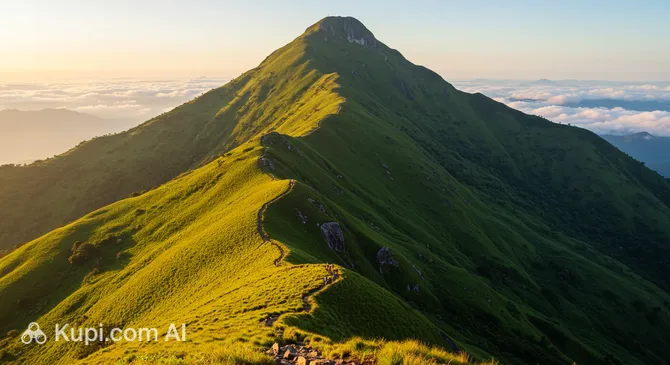
Nimba. Illustration.
Source: Kupi.com AI

Despite its modest size, the city plays an important role as the administrative and cultural center of the region. An atmosphere of peace and friendliness reigns here: life flows slowly, allowing guests to enjoy the moment. The locals carefully preserve their traditions, and the history of Nimba is inextricably linked with the unique culture of indigenous peoples, an introduction to which will be an important part of your journey.

The main reason to visit this corner of the world is its incredible nature. The city serves as an ideal starting point for expeditions to the peaks of Mount Nimba and visits to the unique biosphere reserve, which is a UNESCO World Heritage site. Here you can see the rarest species of animals and plants, walk along scenic trails, and recharge your energy with the power of authentic African nature.

Nimba is a place for those seeking inspiration and authenticity. Walks through colorful local markets and the sincere smiles of the residents will leave you with the warmest memories. Come here to touch the pristine beauty and discover Liberia from a new, surprising side.

Weather Overview

Travelers to this region are greeted by a warm tropical climate typical of West Africa. The air temperature remains comfortable throughout the year, but it is important to consider the seasonality of rainfall when planning your trip. Expect hot, dry winter months and a humid summer with frequent rains that give the local nature an incredible richness of color.

The best time to visit is considered to be the period from December to February — the so-called "dry season." In these months, the number of rainy days is minimal (only 4–9 days), and the average temperature stays around 26–28°C, although in February, the daytime heat can reach 33.9°C. These are ideal conditions for long walks and exploring mountain trails.

The rainy season lasts from May to October, peaking in September and October, when it can rain for up to 28 days a month. Despite the high humidity, it won't be cold: even in the "coolest" months, July and August, the thermometer shows around 25°C. To choose the perfect dates for your trip, we recommend checking the weather in Nimba for your desired period in advance.

Average monthly temperature

Average monthly precipitation

Interesting Facts

Additionally to the main natural attractions, Nimba holds many fascinating secrets and legends that reveal themselves only to the most curious travelers. This region wonderfully combines an industrial past with deep mystical traditions.
  • The Unique Nimba Toad. The slopes of the local mountain are the only place on the planet where you can find the rarest viviparous toad. This endemic species has become a true symbol of the region: unlike most amphibians, it does not lay eggs, making it a real phenomenon in the world of biology and the pride of local biodiversity.

  • Traces of the "Golden Age." In the past, international mining companies actively worked here, turning the city into a cosmopolitan center. Former mines have today transformed into picturesque natural terraces, and locals still tell stories of the times when Nimba was a magnet for specialists from all over the world.

  • Sacred Status of the Mountain. For the indigenous population, the mountain towering over the city is sacred. Special rituals are held here annually to appease the spirits of the forest and ancestors. Ancient African beliefs and modern realities intertwine wonderfully in these rituals.

  • Legends of the Guardians. Local folklore says that invisible guardian spirits inhabit the caves of the mountain range. According to beliefs, they protect the city from misfortune and can grant incredible luck to those travelers who come to these lands with a pure heart.

How to Get There

Planning a trip to this region requires attention to logistics, as the city is located deep inland, far from the coast. Most travelers arrive in Liberia by air and then continue their journey by land. You can find out more about how to get to Nimba and plan your route by checking the information below.

In Nimba City itself, there is no active civilian airport. The closest and most convenient option for international tourists is to fly into Roberts International Airport (IATA: ROB). Please note that it is not located in Nimba, but near the country's capital, Monrovia. The distance to the destination is about 200 km. The journey by taxi or bus will take a significant amount of time — expect approximately 5 hours and 20 minutes on the road, as road conditions can vary.

For clarity, here is a summary of the main arrival airport:

AirportPassenger trafficDistance
Man25 000128 km
Roberts International Airport234 396200 km

Since rail communication in this direction for passenger transport is practically non-existent, road transport remains the primary way to cover the distance from the airport to Nimba. Tourists often rent 4x4 vehicles or use the services of local intercity taxis. The journey will allow you to enjoy Liberia's changing landscapes, but it is recommended to plan your transfer in advance and travel during daylight hours.

Main Attractions

Nimba is a region where nature and history intertwine in a wonderful way. Travelers here find opportunities for both active ecotourism and immersion in the cultural heritage of West Africa. Here are the main places to include in your itinerary when visiting this picturesque area.

The East Nimba Nature Reserve is the main jewel of the region. It is not just a protected area, but part of a global ecosystem that includes the famous mountain. Tourists come here for unique trekking routes through dense tropical forests and cloud mists. Climbing to the peaks, you can enjoy breathtaking panoramas: it is here that the borders of three states meet — Liberia, Guinea, and Côte d'Ivoire. The reserve is also known for its incredible biodiversity, including rare species of orchids and animals that are found nowhere else in the world.

Blue Lake in Yekepa is another impressive location born at the intersection of human activity and the forces of nature. Formed in the pit of a former iron mine, the lake amazes with its clarity and rich emerald-blue water color. Surrounded by high green hills, it has become a popular spot for picnics, quiet relaxation, and landscape contemplation. The contrast between the calm water surface and the steep slopes creates an atmosphere of tranquility highly valued by visitors to the region.

Sanniquellie is the administrative center of the county, which will be of interest to history buffs. This city is often called the "cradle of African unity," as it was here in 1959 that a historic meeting of regional leaders took place, laying the foundation for the creation of the Organization of African Unity (now the African Union). Walking through the city streets will allow you to feel the flavor of local life, visit busy markets, and see monuments commemorating the important diplomatic past of this place.

Local Cuisine

The culinary traditions of Nimba are a harmonious union of generous African nature and home comfort. The main gastronomic symbol of the region, which every traveler must try, is the famous Palm Butter soup. This thick, aromatic dish is made from the pulp of palm fruit, generously seasoned with spices, vegetables, and meat or fish. Its rich flavor is considered the hallmark of local hospitality and is served in both simple homes and at festive banquets.

The basis of the daily menu consists of hearty and simple dishes made from the freshest farm products. In local establishments, you will be offered various stews made from cassava, sweet potatoes, and beans. A special piquancy is added to the food by sauces based on peanuts and chili peppers — spice lovers will appreciate this fiery accent. Such side dishes often accompany fish or wild game caught in the surrounding forests and rivers, making Nimba's cuisine truly "natural."

For a quick snack, street food found in the city's busy markets is ideal. Here you should buy crispy fried plantains or hot cornflour cakes. For dessert, an abundance of tropical fruits awaits tourists: stalls are overflowing with sweet pineapples, juicy mangoes, and papayas. To refresh themselves, locals drink natural juices, and for special occasions, they save traditional palm wine — a low-alcohol drink that is an important part of cultural rituals.

Food in Nimba is more than just satisfying hunger; it is a way of communicating and sharing joy. The gastronomic scene is particularly vibrant during harvest festivals. During these days, the city immerses itself in a festive atmosphere with music and dancing, and tourists get a unique chance to taste the best seasonal treats and feel the warmth with which locals welcome guests.

Travel Tips

A trip to Nimba is an immersion into the authentic atmosphere of West Africa, requiring certain preparation and knowledge of local realities. To ensure your journey through this picturesque region of Liberia goes smoothly and leaves only pleasant impressions, we have compiled a list of important recommendations.

  1. Clothing and Gear. The climate here is hot and humid, so choose loose clothing made from natural, breathable fabrics like cotton or linen. Be sure to bring a high-quality raincoat and waterproof shoes, as tropical downpours can start suddenly. If you plan on mountain climbing or walking in the reserve, sturdy trekking boots and long trousers are necessary for protection against insects and tall grass.
  2. Transport. Paved highways end in the major cities, and roads to attractions are often unpaved and washed out by rain. For independent travel, renting a reliable 4x4 off-roader is strongly recommended. Within settlements, motorcycle taxis (locally called "pen-pens") are popular, but they are a risky way to travel; it is safer to use official taxi services or hire a car with a driver.
  3. Money and Payment. A cash economy prevails in the region. Bank cards are accepted almost nowhere, and ATMs are extremely hard to find (it's best to withdraw money in the capital beforehand). Two currencies are in use: the Liberian dollar (for small expenses) and the US dollar. It is important to bring new series US dollar bills in small denominations — old or worn banknotes may be refused.
  4. Health and Safety. Drink only bottled water and use it even for brushing your teeth. Nimba is in a malaria risk zone, so be sure to use repellents and sleep under a mosquito net. Pharmacies with basic medications are available in Ganta and Sanniquellie, but serious medical help can only be provided in Monrovia, so a personal first-aid kit is essential.
  5. Communication. The official language is English, but locals speak a specific dialect (Liberian English) that can be difficult to understand at first. For connectivity, it's better to buy a SIM card from local operators (such as Lonestar or Orange), but be prepared for the signal to often drop in mountainous and forested areas. Download offline maps in advance.
  6. Local Etiquette. Liberians are very friendly and value politeness. A traditional greeting often ends with a characteristic finger snap during a handshake — a sign of friendliness you can learn from the locals. Always ask permission before photographing people, especially in villages, to show respect for their privacy.
  7. Things to Avoid. Do not start conversations about the civil wars of the past — it is still a painful topic for many residents. It is also strongly recommended not to walk alone in unlit areas after dark or enter "Sacred Forests" without a local guide, as this could offend the religious feelings of the community.
  8. Useful Life Hack. Centralized power supply in the province can be unstable, and many hotels run on generators that are turned off at night. Be sure to bring a powerful power bank (external battery) and a bright flashlight to ensure you always stay connected and have a light source.

Nimba is a land of amazing nature and sincere people ready to share their culture with open guests. By following these simple practical tips, you can feel confident and enjoy every moment of your African adventure.

Entertainment & Nightlife

While the Nimba region is primarily famous for its misty mountains and nature reserves, fans of evening leisure will not be disappointed. The epicenter of entertainment here is rightfully considered the city of Ganta, located near the border with Guinea. Locals often call it "the city that never sleeps," and this title is well-justified: as darkness falls, the central streets fill with music, neon lights, and energy, offering travelers an authentic West African nightlife experience.

Most activity is concentrated along Ganta's main street and around the busy market squares. You won't find flashy night clubs with European-style laser shows here; instead, guests can expect colorful open-air bars, "spots" (small local drinking establishments), and dance floors at major guest houses. The musical backdrop is an infectious mix of Nigerian Afrobeat, Liberian Hipco, and international hits. The crowd here is very diverse and open: from local youth and traders to tourists, creating a noisy but friendly atmosphere.

Among the popular places to spend an evening, the entertainment areas at well-known hotels such as Jackie’s Guest House or Alvino Hotel are worth highlighting. These venues often become the main gathering points on weekends, offering guests not only a bar with a wide selection of drinks but also a relatively safe space for dancing. The dress code in most places is casual, but for parties at hotels, it's better to choose neat clothing, avoiding beach shorts and flip-flops.

The gastronomic part of the night is equally interesting and is an important element of leisure. Improvised night markets pop up along the roads, where you can try the best street food. Be sure to taste fresh grilled meat (suya) or fried fish with a spicy pepper sauce — it's the perfect accompaniment to the local "Club" beer or traditional palm wine. Prices in Nimba's establishments are quite pleasant: a hearty dinner with drinks will cost significantly less than in the capital, Monrovia.

When it comes to safety, it is important to remain vigilant. Ganta's central streets are lit and crowded, but wandering into dark alleys or onto the outskirts alone is strongly discouraged. For travel at night, it is best to use official taxis or arrange a transfer with your hotel in advance. The "pen-pens" (motorcycle taxis) popular during the day are considered a less safe form of transport for tourists at night. The best time to immerse yourself in the nightlife is Friday and Saturday, when the fun lasts until morning.

Daytime entertainment in Nimba's cities is more laid-back and focused on cultural immersion, as there are no classic theaters or amusement parks here. Travelers can visit local craft centers or colorful daytime markets, which serve as a kind of living open-air museum. Watching craftsmen create wood and fabric products, as well as taking leisurely strolls through the trading rows, are great alternatives to typical city entertainment before a lively evening.

Parks & Museums

In this picturesque region, often called the "green lungs" of Liberia, the boundaries between the urban environment and wild nature are practically non-existent. In Nimba, you are unlikely to find many classic exhibition halls with the silence of libraries; here, the main museum space is the land itself with its rich history, and the best parks are the majestic mountain slopes and tropical forests.

The East Nimba Nature Reserve is undoubtedly the region's main green zone, replacing the usual city parks for locals and tourists alike. This place is ideal for those who want to escape the hustle and bustle and immerse themselves in the sounds of the jungle. A walk along its trails is like an excursion through an open-air botanical garden: here you can see giant ferns, wild orchids, and observe rare birds. For tourists, this is a unique opportunity to experience an untouched ecosystem that is protected internationally.

Another important natural location is the outskirts of the town of Yekepa. The once-thriving mining town was designed as a "garden city," and traces of this plan are still visible today. The streets here are draped in greenery, and thanks to its elevated location, the climate is noticeably milder and cooler than in the lowlands. This is a great place for leisurely walks, where industrial history intertwines with the riot of tropical vegetation, creating an atmosphere of a mysterious lost world.

As for cultural heritage, the role of the main historical monument is played by the Organization of African Unity (OAU) Plaza in the city of Sanniquellie. While it is not a museum in the classic sense (a building with exhibits), this place holds immense historical value. This is exactly where the monuments dedicated to the meeting of the leaders of Liberia, Ghana, and Guinea in 1959 are located. Visiting this memorial allows tourists to better understand the region's role in the struggle for the continent's independence and feel the spirit of Pan-Africanism.

Instead of traditional art galleries, local craft centers and markets, such as those in Ganta, fulfill the function of cultural hubs in Nimba. Here you can see and purchase work by local craftsmen: from intricate wood carvings and traditional masks to bright fabrics with national patterns. Every item here is not just a souvenir, but a story of the beliefs and traditions of local tribes, passed down from generation to generation.

Insider Tip: If you want to see something truly unusual, ask a local guide to show you the boundaries of the so-called "Sacred Forests." Entering them without special permission from the elders is strictly forbidden, as these zones are used for rituals by the Poro secret society, but even seeing these majestic, untouchable thickets from the outside inspires awe and respect for ancient traditions.

Getting Around

The public transport system in Nimba is significantly different from what city dwellers are used to. Here, you won't find a metro, trams, or strict municipal bus schedules. The region's transport network is spontaneous but functional, fully adapted to local realities and the rhythm of life. Moving around here is not just a way to get from point A to point B, but a true immersion into local life.

The most popular and ubiquitous means of transport are motorcycle taxis, which locals call "pen-pens." They cruise everywhere, from Ganta's busy markets to remote villages. This is the fastest way to get through traffic and reach your destination, but it requires caution. Passengers are rarely offered helmets, so the ride can be risky. If you decide to use a "pen-pen," hold on tight and agree on the price in advance, as no fixed tariffs exist.

For trips between settlements in the region (for example, from Sanniquellie to Yekepa), shared taxis are used. Usually, these are passenger cars that only set off once the cabin is completely full. The concept of a "full cabin" here may differ from the norm: often four people are seated in the back seat. This is a budget option that allows you to chat with locals, but comfort and air conditioning should not be expected.

The payment system for travel in Nimba is exclusively cash. There are no transport cards, mobile apps, or validators here. You can pay in either the local currency or small US dollar bills. It is vital to have small change with you, as drivers often do not have change for large banknotes. Payment is made personally to the driver at the end of the trip (for taxis) or before boarding (in some intercity minibuses).

For tourists who prefer comfort and safety, an alternative to public transport is strongly recommended: renting a 4x4 vehicle with a driver. This is the most reliable way to explore the region, especially if you plan to visit natural attractions reached by unpaved roads. Car-sharing in the usual sense (via an app) does not exist here, but a car rental can be arranged through your hotel or guest house management.

A major practical tip: try to plan all movements for daylight hours. Street lighting is not available everywhere, and public transport runs much less frequently after sunset and is considered less safe. If you need to go somewhere in the evening, it is better to pre-order an individual transfer through reliable acquaintances or hotel staff rather than trying to flag down a ride on the street.

Accommodation

When planning a trip to Nimba, it's worth preparing for the fact that the hotel infrastructure here differs significantly from standard international expectations. In this region, you won't find large hotel chains or luxury five-star all-inclusive resorts. The bulk of the accommodation consists of small guest houses, motels, and local mid-range hotels. They offer a basic level of comfort but compensate for it with sincere hospitality and a homey atmosphere.

When choosing a location, it's important to consider the geography of your trip, as distances between key points can be significant:

  • Ganta — the most convenient option for most tourists. It is the region's commercial center with the most developed infrastructure. The highest concentration of hotels, shops, and eateries is found here. If access to transport and a relatively stable power supply is important to you, it's best to stay here.

  • Sanniquellie — the administrative capital of the county. The atmosphere here is quieter and more paced than in bustling Ganta. This is a good choice for those interested in history, who want to be closer to administrative offices, or who plan trips to the northern part of the reserve.

  • Yekepa — an ideal base for ecotourists. The town is located in the immediate vicinity of Mount Nimba and Blue Lake. Accommodation options here are more modest and often geared towards mining company employees or researchers, but the proximity to nature outweighs any domestic nuances.

An important feature of local accommodation to know in advance concerns electricity and water supply. In most hotels, there is no centralized power supply, and energy is provided by generators. These are usually turned on according to a schedule (for example, from 7:00 PM to 7:00 AM). When checking in, be sure to confirm the generator schedule so you can charge your gadgets, and ask about the availability of air conditioning, as it is a necessity rather than a luxury in a tropical climate.

Booking Tip: Digitalization has not yet fully reached this region. Major international booking platforms (Booking, Expedia, etc.) are practically useless here — most local hotels are simply not listed. The most reliable way to book a room is to find the manager's phone number through social media or rely on recommendations from local guides. During the low season, you can often find accommodation right upon arrival (walk-in), but on national holidays, it's better to arrange a place to stay in advance.

Price Range in Nimba will pleasantly surprise budget travelers. The cost of a night in a decent guest house with air conditioning and a private bathroom varies within the mid-price segment, which is significantly cheaper than in the capital. Payment is almost always made in cash (US dollars or Liberian dollars) upon check-in; card terminals are extremely rare.

Nearby Cities

For those looking to explore the surroundings, Nimba serves as an excellent starting point for day trips to several interesting nearby locations. The region's location allows travelers to get acquainted with the colorful life of neighboring cities and enjoy the natural beauty of central Liberia without traveling too far from their main base. Among the most attractive destinations for a short visit is the city of **Ganta**. Located just an hour's drive away, it offers the bustling atmosphere of border trade and is considered one of the country's liveliest commercial centers. Here you can visit colorful markets and feel the rhythm of local life. A bit further away is the city of **Gbarnga** — the administrative center of Bong County. This place is interesting for its history and its proximity to natural attractions such as the picturesque Kpatawee Waterfall, which is often called one of the wonders of Liberia. Below is information about the nearest cities that may be of interest for a visit:
CityPopulationDistance
Saclepea12 11724 km
Ganta41 10656 km
Sanniquellie11 41557 km
Gbarnga45 83592 km
Bella Yella1 50097 km
These nearby destinations provide an insight into the diverse culture and landscapes of the region, making your journey through the country even more rich and memorable.

Shopping & Souvenirs

Shopping in the Nimba region is a fascinating immersion into West African flavor, far from typical strolls through air-conditioned boutiques. Here, trade is part of social life — noisy, vibrant, and chaotic. In this corner of Liberia, you won't find designer fashion brands, but you can purchase unique handmade goods and feel the true atmosphere of local commerce built on personal interaction and tradition.

The center of trade in the region is the city of Ganta. Its main street, which turns into the highway to the border with Guinea, is one continuous commercial artery. Endless rows of stalls, small shops, and booths line the road, where you can buy literally everything: from motorcycle parts and electronics to colorful fabrics and fresh fruit. In the administrative center, Sanniquellie, trade is more laid-back and concentrated around the central market square, where locals buy essential goods.

There are no large shopping centers or Western-style malls in Nimba. Their role is filled by small supermarkets (General Stores), often run by members of the Lebanese or Indian diasporas. In such shops, located in stone buildings, an assortment of imported goods is presented: canned food, household chemicals, drinks, and groceries. These are the only places where prices are fixed and the environment resembles a familiar mini-market.

The true heart of shopping in Nimba is the open-air markets. The market in Ganta is considered one of the busiest in the country due to its border location. It's worth coming here not only for shopping but for the experience: mountains of colorful peppers, bags of rice, live poultry, and endless rows of clothing create a unique pattern. Here you can find excellent farm products, spices, and local delicacies at very low prices.

As souvenirs from Nimba, tourists most often bring back items from local artisans. Special attention should be paid to wood carvings: ritual masks, figurines, and decorative items are made here with great skill. Another popular purchase is the vibrant African "lappa" fabrics (wax prints) and ready-made traditional clothing sewn by local tailors. Woven baskets and jewelry made from beads or natural materials are also highly valued.

Shops and markets usually open early in the morning, around 7:00–8:00 AM, and close at sunset, around 6:00–7:00 PM. On Sundays, many shops may be closed or operate on a reduced schedule. The primary method of payment is cash. Both Liberian dollars and US dollars (small bills preferred) are accepted. Bank cards are practically never used in the region's retail outlets.

The Tax-Free refund system does not operate in Nimba, as in the provincial part of the country in general. All purchases are subject to local taxes, which are already included in the price or discussed during the bargaining process, so keeping receipts for customs for the purpose of a VAT refund is not necessary.

Nearby cities

Have you reached the end of the page?

So the route has been studied inside and out