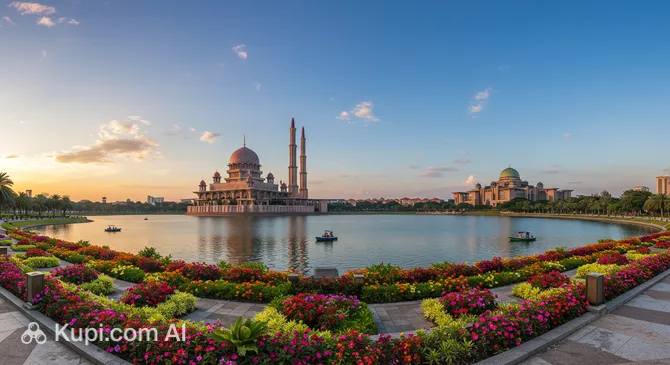
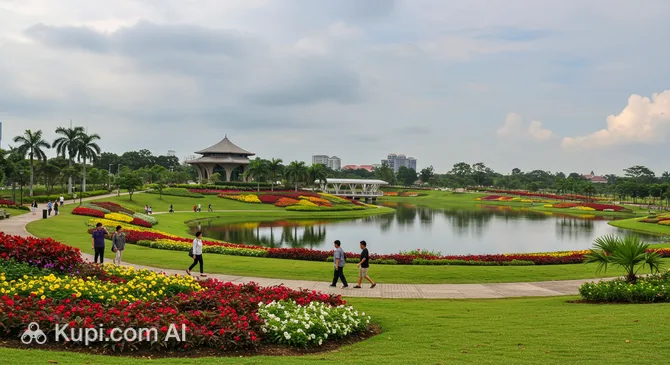
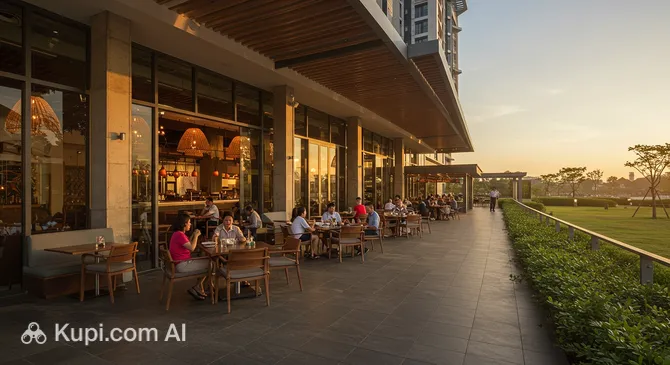
Putrajaya is an ambitious project and the architectural pride of Malaysia. Founded in the 1990s as the country's new administrative center, the city embodies the concept of an "intelligent garden city." Located just 20 kilometers from bustling Kuala Lumpur, it offers travelers a completely different pace: the monumental grandeur of government buildings here harmoniously blends with endless greenery and the tranquility of man-made lakes.
Putrajaya. Illustration.
Source: Kupi.com AI
Geographically, the city covers an area of about 49 square kilometers, with a population of approximately 100,000 people, most of whom are civil servants. The rich history of Putrajaya began with the idea of decompressing the capital, and in a short time, a futuristic metropolis with wide avenues and unique bridges rose on the site of oil palm plantations.
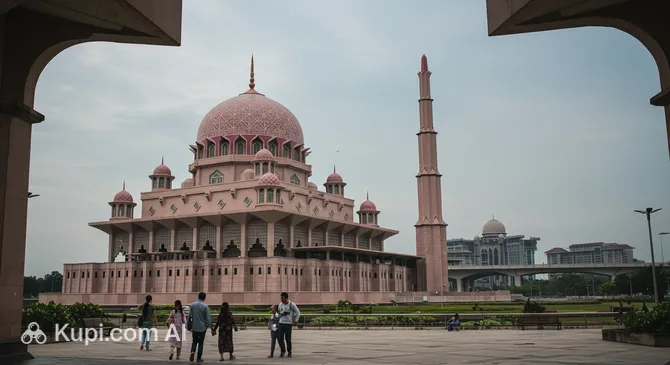
Among the main magnets for tourists are the famous "Pink Mosque" and the Prime Minister's residence, Perdana Putra. Putrajaya is a place where modern technology meets traditional Islamic architecture, creating the unique look of a city of the future that is a must-visit during a trip to the region.
Weather Overview
Putrajaya is dominated by a typical equatorial climate, which means hot and humid weather throughout the year. There is no usual change of seasons here: the thermometer stays steadily in the range of +24°C to +32°C. High humidity makes the heat more noticeable, so it's better to choose early morning hours or the time before sunset for walks.
Rainfall in the region is heavy and often takes the form of intense but short-lived downpours, especially in the afternoon. When checking the weather in Putrajaya, it is worth considering the influence of monsoons, which bring increased rain in November and April. The presence of a huge artificial lake and abundant vegetation slightly softens the microclimate, making the air fresher compared to the capital's center.
Average monthly temperature
Average monthly precipitation
Interesting Facts
Discover the amazing details that make this city truly exceptional and set it apart from other world capitals.
The city is named after the country's first Prime Minister, Tunku Abdul Rahman Putra; the name translates as "Glorious Prince" (Putra — prince, jaya — glorious).
Putrajaya was designed as a "cyber-city" and was built alongside Cyberjaya — Malaysia's equivalent of Silicon Valley.
The central artificial lake, Putrajaya Lake, is not just decorative: it serves as a giant natural cooling system and a reservoir for the city's needs.
Much of the grand infrastructure, including eight unique bridges and government complexes, was erected in record time — just 7-8 years.
Due to the mismatch between the monumental architecture's scale and the relatively small population, the city is often called "half-empty" or a "city of the future" without the hustle and bustle.
How to Get There
Thanks to its strategic location between the capital and the country's main international aviation hub, getting to Putrajaya is easy. The city's transport system is designed to provide quick access for both official delegations and regular tourists traveling in transit or deciding to stop by for an excursion.
The main air gateways are the terminals of Kuala Lumpur International Airport (KLIA). A trip from the airport on the KLIA Transit high-speed train to the central Putrajaya/Cyberjaya station takes less than 20 minutes. You can also use taxi services or the popular Grab app, which is especially convenient if you are traveling with luggage.
Rail connections link the city with Kuala Lumpur's central station (KL Sentral). Trains run regularly, and the journey takes about 20–25 minutes. The Putrajaya/Cyberjaya station itself is a major transport hub from which local buses depart to the city's administrative core.
Station
Passenger traffic
Distance
KLIA T1 ERL station
10
19 km
Salak Tinggi ERL station
8
11 km
Putrajaya Sentral, Putrajaya
8
3 km
Bukit Jalil LRT station
7
15 km
Sri Petaling LRT station
8
15 km
Bandar Tasik Selatan station
9
17 km
Cheras LRT station
7
21 km
Asia Jaya LRT station
8
21 km
Main Attractions
The architectural appearance of Putrajaya impresses with its scale and elegance. The main visual magnet is the pink Putra Mosque, whose pink granite dome reflects beautifully in the waters of the lake. No less majestic is the modern "Iron Mosque" (Tuanku Mizan Zainal Abidin), striking with its steel shine and lack of exterior walls, which provides natural ventilation.
For those seeking spiritual peace in a modern setting, the Raja Haji Fisabilillah Mosque is open to visitors. This building is a wonderful example of how traditional Islamic motifs are integrated into the futuristic environment of the city of the future.
Raja Haji Fisabilillah Mosque. Illustration.
Source: Kupi.com AI
Traveler photos:
If you want to swap the strict geometry of buildings for natural landscapes, be sure to visit Saujana Hijau Park. This is one of the city's most picturesque spots, with hilly terrain and coniferous trees, often called "little Europe" in the heart of the tropics. Also of interest is the Universiti Putra Malaysia Mosque, located nearby and complementing the region's educational cluster.
Saujana Hijau Park. Illustration.
Source: Kupi.com AI
Traveler photos:
Local Cuisine
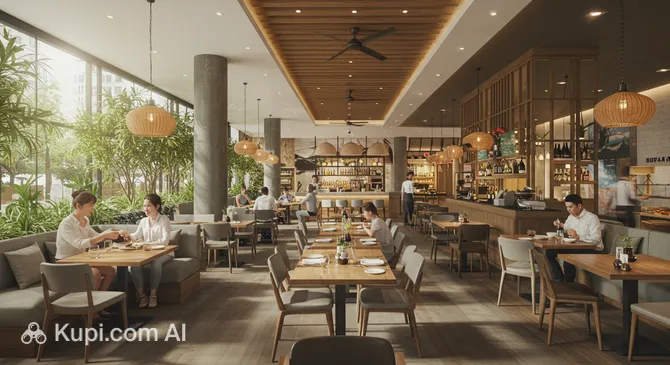
The gastronomic scene of Putrajaya reflects the multicultural character of the country. Here you can try classic nasi lemak, aromatic satay skewers, and various types of laksa. Although the city is an official center, most establishments here cater to office employees and family leisure, offering quality food in a comfortable setting with lake views.
For lovers of Asian flavors with a modern twist, it's worth visiting NakNak Prima Avenue. This is an excellent spot for a quick but tasty snack between sightseeing, where popular dishes are adapted to the pace of a modern city.
NakNak Prima Avenue. Illustration.
Source: Kupi.com AI
Traveler photos:
If you are looking for hearty and traditional soups, pay attention to Tong Bowl. It is popular for its authentic flavors and cozy atmosphere. Note that alcohol is much less common in Putrajaya, but the selection of freshly squeezed juices and traditional tea drinks will please any gourmet.
Thong Bowl. Illustration.
Source: Kupi.com AI
Traveler photos:
Travel Tips
Putrajaya is a city of order and tranquility. To make your trip as comfortable as possible, use our practical tips.
Clothing and Essentials: Choose light clothing made of natural fabrics, but be sure to have items that cover your shoulders and knees for visiting mosques. Don't forget comfortable shoes and sunscreen — there is often little shade on the wide avenues.
Transport: The most convenient way to move between sites is the Grab app. Local buses run on schedule, but distances in the city are too great for walking in the heat.
Finances: The official currency is the Malaysian Ringgit. Cards are accepted almost everywhere, but it's better to have some cash for food courts or small shops.
Health and Safety: The city is considered very safe due to its status as an administrative center. Pharmacies can be found in major shopping malls, and it is recommended to buy bottled water.
Communication: Malay is the primary language, but almost all service staff and officials speak English perfectly. Learning a simple "Terima kasih" (thank you) will be appreciated by the locals.
Local Etiquette: Remove your shoes before entering mosques and private homes. Try to avoid visiting mosques during Friday prayers when they are closed to tourists.
What to Avoid: Don't plan many long walks in the middle of the day — the heat and humidity can quickly cause fatigue.
Extra Tip: The best time for photos is the "golden hour" before sunset, when the monumental buildings and bridges begin to light up.
This futuristic garden city will give you unique impressions if you approach your walk through it with proper preparation.
Entertainment & Nightlife
Nightlife in Putrajaya is quite different from dynamic Kuala Lumpur. As the administrative center, the city plunges into an atmosphere of tranquility after sunset. The main entertainment here involves evening strolls along illuminated waterfronts, dining at lakeside restaurants, and watching light shows on major architectural landmarks.
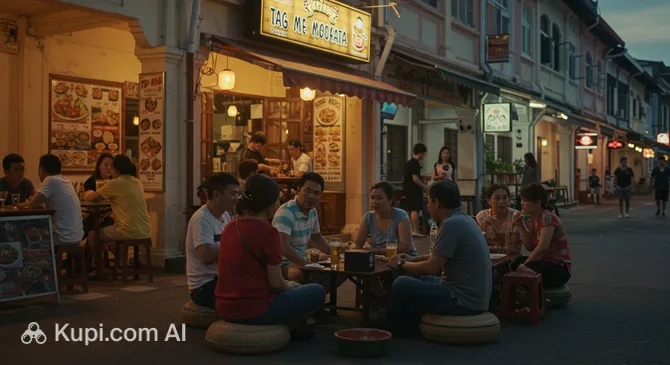
For active recreation and fun with friends, the Game On Sport Hub Pavilion is an excellent choice. This modern space for sports and games is a great place to spend time in good company. If you're looking for an unusual dining atmosphere, check out Tag Me Mookata — a popular bar and restaurant format offering Asian-style barbecue.
Tag Me Mookata. Illustration.
Source: Kupi.com AI
Traveler photos:
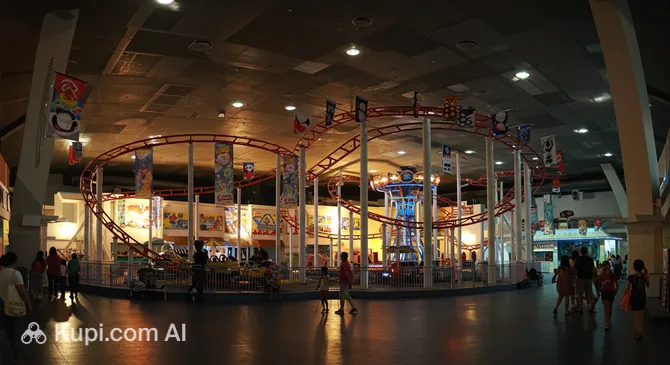
Families with children and fans of unique locations will enjoy Space Panda. This entertainment center offers an immersion into a world of fantasy and perfectly complements a daytime program of exploring parks. Remember that for loud clubs and bars, it's better to head to the capital, while Putrajaya is the place for aesthetic pleasure and a measured pace of rest.
Space Panda. Illustration.
Source: Kupi.com AI
Traveler photos:
Parks & Museums
Putrajaya was designed as a "garden city," so the proportion of greenery here is very high. Several large parks are located around the artificial lake, including the famous Putrajaya Botanical Garden with its exotic tropical plants and themed zones. These spaces are ideal for taking a break from the heat and enjoying peaceful walks.
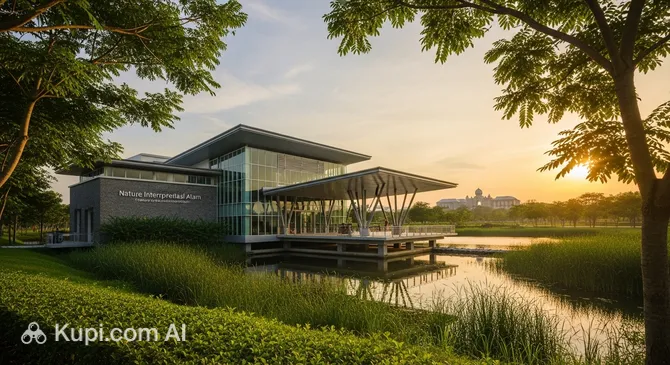
For those interested in the connection between nature and humans, the Nature Interpretation Centre will be useful. This is a modern platform where information about the unique ecosystem of local wetlands and the importance of preserving biodiversity is presented in an accessible form.
Nature Interpretation Centre. Illustration.
Source: Kupi.com AI
Traveler photos:
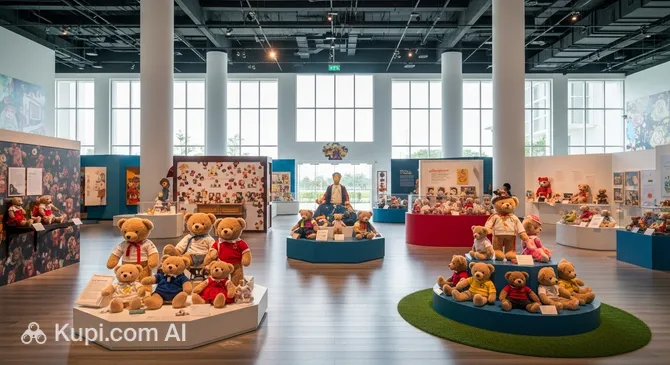
The cultural program is supplemented by small, intimate spaces. One such location is the Teddiman Gallery, which invites guests to explore creative exhibitions. Although the city lacks classic historical museums, the architecture of the government buildings and bridges themselves is often perceived by tourists as a grand open-air museum.
Teddyman Gallery. Illustration.
Source: Kupi.com AI
Traveler photos:
Getting Around
The public transport system in Putrajaya is based on buses and intercity rail lines. Internal bus routes connect residential areas with the administrative center and the railway station. Fares are usually paid contactlessly, making moving around the city convenient for those who don't want to rely on cash.
The main transport hub is the Putrajaya/Cyberjaya station, served by KLIA Transit trains. This is the shortest route to Kuala Lumpur and the airport. The station itself is located some distance from the main mosques and government buildings, so after the train, tourists most often switch to a taxi or a local bus.
The scale of the city limits the walkability of its sites: distances between bridges and parks are long, and the tropical heat makes long walks tiring. Consequently, taxi-hailing apps (such as Grab) are extremely popular in Putrajaya, allowing for quick and inexpensive travel between distant attractions in air-conditioned comfort.
Accommodation
The hotel infrastructure of Putrajaya is primarily oriented toward official delegations, conference participants, and short-term business trips. High and mid-range hotels predominate in the city, many of which are located on the lakeshore and offer magnificent views of the administrative center's architectural landmarks.
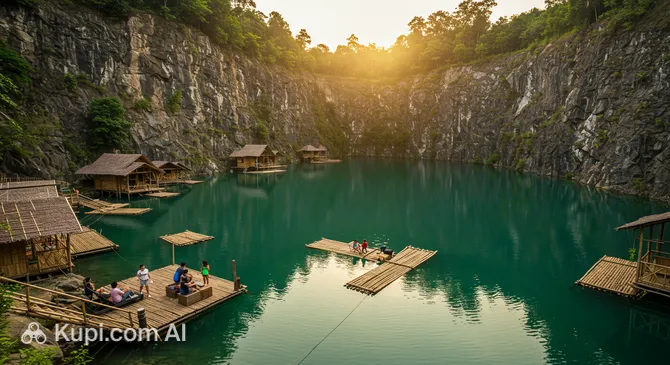
For those seeking a more secluded and unique format of relaxation away from the strict government quarters, Tadom Hill Resort is a suitable option. This place allows you to enjoy natural landscapes and tranquility while maintaining access to all the region's attractions.
Tadom Hill Resorts. Illustration.
Source: Kupi.com AI
Traveler photos:
Budget accommodation options, such as hostels, are rare in Putrajaya. Travelers on a budget more often choose apartments in condominiums or stay in neighboring Kuala Lumpur, coming here for day trips. When planning a trip during government forums, it is recommended to book accommodation in advance.
Nearby Cities
Putrajaya serves as an excellent starting point for exploring the central part of the country. Thanks to modern highways and high-speed trains, you can reach the region's most dynamic and interesting locations in a short time.
Just 23 kilometers away is Kuala Lumpur — a vibrant metropolis with skyscrapers, colorful markets, and a rich cultural program. It is also worth visiting the city of Petaling Jaya, known for its shopping centers, and Shah Alam, home to one of the most beautiful mosques in the country. If you are interested in a port atmosphere and seafood, you can head to the city of Klang or neighboring Port Klang.
Exploring the surroundings will allow you to see the contrast between futuristic Putrajaya and traditional Malaysian cities, making your journey truly multifaceted.
Shopping & Souvenirs
Shopping in Putrajaya is a relaxed process, primarily oriented toward the comfort of local residents and ministry employees. There is none of the hustle and bustle of the capital's giant markets here, but there are modern air-conditioned shopping malls with a wide selection of chain brands and excellent food courts.
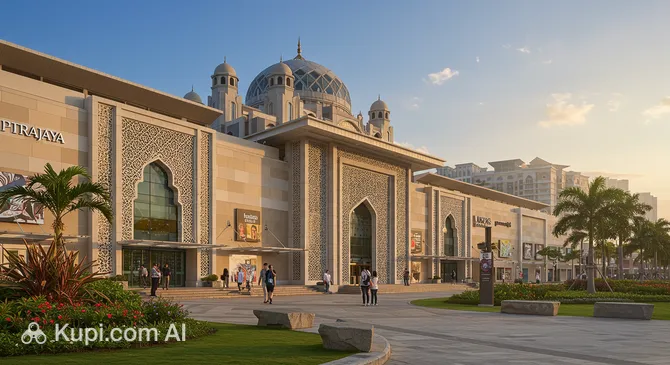
One of the key shopping destinations is the DPULZE Shopping Centre. Here you can find clothing and electronics stores as well as supermarkets with local delicacies. The complex is convenient for its location and clear navigation.
DPULZE Shopping Centre. Illustration.
Source: Kupi.com AI
Traveler photos:
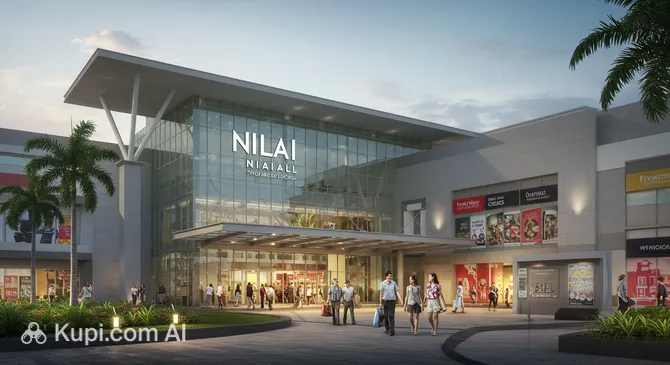
If you are ready for a slightly longer trip outside the main administrative center, it's worth checking out Nilai Mall. As souvenirs from the city, people usually bring back miniatures of the "Pink Mosque," national batik textiles, or Malaysian tea. Shops generally operate from 10:00 to 22:00, and card payments are available almost everywhere.