Support

Tsumeb

About

Tsumeb is a picturesque town often called the "green oasis" of the north. Located at the foot of the Otavi Hills, it serves as an ideal starting point for travelers exploring a country as colorful as Namibia. Thanks to its well-maintained straight streets, numerous parks, and blooming trees, there is a special, peaceful atmosphere here that sets it apart from many other settlements in the region.
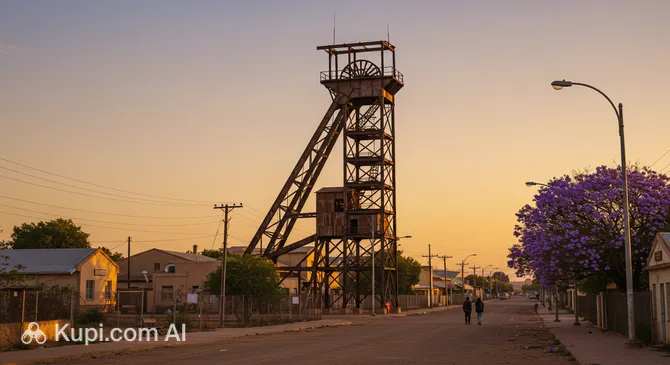
Tsumeb. Illustration.
Source: Kupi.com AI

Geographically, the town occupies a strategically important position: the gates to the famous Etosha National Park are just 60 kilometers away, making it a popular hub for safari enthusiasts. Despite its relatively small population (around 19,000 people), Tsumeb is an important center of the Oshikoto Region and part of the so-called "Otavi Triangle," known for its natural wealth.

The town's unique character is shaped by a harmonious blend of African traditions and European heritage. The rich history of Tsumeb as a major mining center is reflected in its architecture: many buildings from the German colonial era have been preserved. Travelers will find it interesting to visit the local museum, stroll through shady alleys, and admire the work of local craftsmen.

This town is definitely worth including in your travel itinerary. Tsumeb is not just a transit point, but a welcoming place with a homely atmosphere where you can comfortably relax before new adventures in the African wilderness.

Weather Overview

The climate in Tsumeb is characterized by a clear division between a hot rainy season and a dry period with noticeable temperature fluctuations. Summer, which lasts from November to March in the Southern Hemisphere, is truly sultry here. Daytime temperatures often exceed 30°C, peaking in October and November (up to 35°C). It is during the summer months, especially January and February, that the bulk of the rainfall occurs, transforming the surrounding area into a blooming garden.

The dry season (May to September) features clear skies, but the thermal regime during this time is varied. The mildest and most comfortable weather in Tsumeb occurs in the middle of winter—in June and July. During these months, the daytime air warms up to a pleasant 25°C, while nights become crisp, with temperatures around 10–11°C. This is the best time for those who wish to avoid the exhausting heat.

However, by the second half of the dry season, the air begins to heat up rapidly. In August, daytime maximums approach 30°C, and September greets travelers with real heat, with daytime temperatures exceeding 33°C. Despite the heat, the lack of rain during this period makes it an excellent time for safaris, as animals actively gather at waterholes.

Average monthly temperature

Average monthly precipitation

Interesting Facts

In addition to its main attractions, Tsumeb holds many fascinating secrets and unique features that make it much more than just an industrial center. This town surprisingly combines geological wonders and rich cultural traditions, revealing an unexpected side to travelers.

  • The town holds the unofficial but honorary title of the "mineral capital." It was here, in the local depths, that unique minerals and metals were mined, many of which are so rare that they are now the pride of the collections in the world's best natural science museums.

  • In the vicinity of the town lies the mystical Lake Otjikoto—one of the deepest and clearest in the country. Many local legends and mysteries are associated with this body of water, and the region's inhabitants revere it as a special place of power with unique energy.

  • Tsumeb is an important center for the preservation of cultural heritage. At the local Arts and Crafts Centre, you can see artisans using ancient techniques, while annual arts festivals showcase the diversity of traditions found in Namibia.

  • The famous Tsumeb Museum is located in the town center and is considered a must-visit for all history lovers. It houses not only rare geological specimens but also everyday items of the first settlers, telling the story of the region's development.

How to Get There

When planning a journey through the northern regions of the country, it is important to find out in advance how to get to Tsumeb. This town is a key transport hub on the way to Etosha National Park, but there are no direct commercial flights specifically to the town itself. The majority of tourists arrive here by land, using the well-developed road network.

If you prefer flying, the nearest arrival point is Ondangwa Airport (IATA: OND). It is important to note that it is located in the town of Ondangwa, at a distance of about 241 km. This is a regional airport that accepts domestic flights. After arrival, you will need to arrange a land transfer: a trip by taxi or rental car to Tsumeb takes about 2.5–3 hours on a good road.

For convenience, here is a summary of the nearest airport:

AirportPassenger trafficDistance
Ondangwa Airport30 000241 km

Given the distance from the airport, many travelers combine a flight with a car rental. Tsumeb is conveniently located on the main B1 national highway, which connects it to the capital and other major cities. The road is fully paved and in excellent condition, making the journey comfortable and scenic.

Main Attractions

Despite its compact size, this town can surprise even experienced travelers with its rich history and unique monuments. The main attractions here are closely linked to the region's rich mining past and the natural wonders for which Namibia is famous.

One of the town's landmarks is the Tsumeb Museum. Located in a historical building of a former German school, it houses truly unique exhibits. The mineralogical collection is of particular value, featuring rare specimens mined from the local depths, many of which are found nowhere else in the world. History buffs will appreciate the hall dedicated to the ethnography of local tribes, as well as the exhibition of World War I weapons recovered from the bottom of the mysterious Lake Otjikoto.

The architectural centerpiece of the town is St. Barbara's Church. This majestic building, consecrated in 1914, is dedicated to the patron saint of miners, which is deeply symbolic for this mining town. With its unusual appearance and massive tower, the church resembles a European town hall more than a traditional temple, creating an interesting contrast with the African landscape. It remains an active Catholic parish and an important monument of the colonial era.

Just 20 kilometers from the town limits lies the legendary Lake Otjikoto. This karst lake with deep blue water is shrouded in mystery: its exact depth remains a subject of debate to this day. The site is known not only for its natural beauty but also for its historical significance—it was here that retreating German forces in 1915 scuttled their arsenal. Today, it is a popular spot for extreme divers and those who want to touch the mysteries of the past.

To experience the modern culture of the region, it is worth stopping by the Arts & Crafts Centre, located near the museum. This is a lively space where local artisans create and sell their works: from traditional woven baskets to wood carvings and ceramics. Visiting the center is a great opportunity not only to purchase authentic souvenirs but also to support the talented craftsmen of Oshikoto.

Local Cuisine

Tsumeb's gastronomic scene is a fascinating journey through the flavors of northern Namibia, where African culinary traditions harmoniously intertwine with European heritage. For tourists, it is an excellent opportunity to experience simple yet incredibly hearty and delicious food prepared from the freshest local ingredients.

The star of any meal here is undoubtedly meat. Travelers should definitely try dishes cooked over an open fire—the famous braai (the local version of BBQ). In Tsumeb, they excellently prepare beef, lamb, and, of course, game, which is considered a delicacy. Traditional meat stews and thick soups, simmered in cast-iron pots, will warm you up on cool evenings and provide a sense of home comfort.

An integral part of the meal is pap—a thick porridge made from maize flour, which locals eat almost every day. It has a neutral taste and perfectly complements rich meat gravies and vegetable sauces. If you want a snack on the go, check out the local markets: you can find homemade sausages, fried meat pieces, and the popular local snack—roasted marula nuts.

As for drinks, there is plenty of variety. Fans of the brew should definitely try the local beer, which is brewed according to old German recipes—the quality of this beverage in the region is considered among the best. Those who prefer non-alcoholic options can discover the exotic flavors of drinks based on wild-growing berries and seasonal fruits.

The dining culture in the town is casual: it is equally pleasant to have dinner in a cozy restaurant or grab a bite of street food while chatting with the locals. While major food festivals are rare in Tsumeb, the atmosphere of sincere hospitality turns any meal into a small culinary adventure.

Travel Tips

A trip to Tsumeb promises to be comfortable and memorable if you consider a few important local features in advance. This cozy town, often called the "gateway to the north," features a calm pace of life but requires some preparation from tourists for a hassle-free vacation.

  1. Clothing and gear. Given the hot climate, opt for clothing made of light natural fabrics (cotton, linen) in light colors. Be sure to bring sunglasses and a wide-brimmed hat. If your trip falls during the winter months (June–August), pack a fleece or a light jacket—evenings and nights here can be unexpectedly cool. Comfortable closed shoes are useful for walking, as the terrain can be dusty.

  2. Transport. Public transport in the traditional sense (buses, subways) is absent in the town. Local residents move around by taxis, which often operate as "shared cabs," picking up passengers along the way. For tourists, the best option is car rental. This will give you freedom of movement not only around town but also allow you to comfortably reach nearby nature parks.

  3. Finances. The official currency is the Namibian Dollar, but the South African Rand is also accepted everywhere at a 1:1 exchange rate. Visa and Mastercard work in supermarkets, hotels, and large restaurants, but for buying souvenirs, paying for taxis, or small expenses, always have cash on hand. ATMs in the town center are available and reliable. A 10% tip is appreciated if it is not already included in the bill.

  4. Health and safety. Tsumeb is a quiet town, but basic precautions are always wise: do not leave valuables in plain sight in your car. There are pharmacies in town that operate during standard hours; 24-hour ones are few. Since the town is on the way to northern regions, it is recommended to consult a doctor about malaria prophylaxis, especially during the rainy season, and to use repellents. Drink only bottled water.

  5. Communication. The official language is English, and it is understood almost everywhere. Many residents also speak German and Afrikaans. For stable mobile signal and internet, it is best to buy a local SIM card (e.g., MTC) at any mobile shop or supermarket, as Wi-Fi in guesthouses can be slow. Download offline maps of the region in advance.

  6. Local etiquette. In Namibia, it is very important to be polite. Always start a conversation with a greeting ("Hello," "Good morning"), even if you just want to ask a passerby for directions or are buying water in a shop. Getting straight to the point without a greeting can be perceived as rude. Only take photos of local residents with their explicit permission.

  7. What to avoid. It is strictly not recommended to drive on highways outside the town after dark. Wild animals (warthogs, kudu) often wander onto the road, creating a high risk of serious accidents. Plan your travels to arrive at your destination before sunset.

  8. Useful tip. Take note of the operating hours of shops and institutions. On Saturday afternoon and Sunday, life in the town practically comes to a standstill: most shops close. Stock up on food, water, and necessary trifles in advance if you plan to spend the weekend in Tsumeb.

We hope these simple recommendations help you feel confident and safe. Tsumeb is a welcoming place where respect for local traditions and a little foresight will guarantee you only positive impressions from your trip.

Entertainment & Nightlife

The nightlife and entertainment in Tsumeb differ significantly from noisy metropolises. Here, you won't find the neon signs of massive night clubs or red-light districts. Evening leisure in this "garden town" is permeated with an atmosphere of tranquility, coziness, and traditional hospitality. It is an ideal place for those who appreciate heartfelt conversations over a glass of quality beer and relaxed rest after an eventful day.

In the evening, the social hubs are hotel bars and small pubs, mostly located in the central part of town along the main street. The atmosphere here is casual and friendly: local farmers, miners, and tourists from all over the world can be seen sitting at the same table. There is virtually no dress code—casual style or hiking gear is perfectly appropriate everywhere. Most establishments close fairly early, around 10:00–11:00 PM, although on Fridays and Saturdays, the fun can last until midnight.

If you are looking for specific places to enjoy an evening, consider the legendary Minen Hotel. This historical establishment is the true heart of the town's social life. Its famous bar with an open-air beer garden offers an excellent selection of Namibian and German beers. Expats and travelers often gather here to discuss safari routes. Another popular location is the restaurant and bar at Kupferquelle Resort. This is a more modern venue where live music is sometimes played, and the setting is perfect for long dinners with family or friends.

For sports fans, there are several local pubs in town that broadcast rugby or football matches. On such evenings, it can get noisy and emotional, but it is always safe. Prices for food and drinks in Tsumeb are quite moderate compared to the capital, making an evening out accessible for any budget.

When it comes to safety, it is important to remember a few rules. Central areas of Tsumeb are considered safe; however, walking at night, especially alone and off the well-lit main streets, is not recommended. The best way to get back to your hotel after the bar is by taxi. Since Uber does not operate here, ask the bartender or receptionist to call a reliable local driver for you.

Evening entertainment serves as a perfect conclusion to a day of activities. After visiting the town museum, strolling through the park, or taking a trip to Lake Otjikoto, a quiet evening in Tsumeb allows you to "digest" your impressions and recharge before new adventures in the amazing country of Namibia.

Parks & Museums

Tsumeb is often called the "garden town," and it fully deserves this title. Walking through its shady alleys, it's hard to believe you are in an arid part of a country like Namibia. If the main tourist sites in the center have already been explored, it's worth paying attention to the green zones and unique ethnographic spots that reveal the soul of this place from a new perspective.

The central space for outdoor relaxation is United Nations Park. It is a true green oasis, located just a few minutes' walk from the main street. The park is famous for its well-kept lawns and bright flower beds, but it is especially beautiful in spring when the jacarandas bloom, painting everything in deep purple tones. It is a pleasant place to escape the midday heat after excursions or to have a small picnic in the shade of spreading trees.

To dive deeper into the region's traditions, head to the Helvi Mpingana Kondombolo Cultural Village. This open-air museum detailedly recreates the life and architecture of Namibia's main tribes: the Ovambo, Damara, Herero, and San. Visitors can look into traditional huts, learn about farming in harsh conditions, and see the tools used by indigenous peoples for centuries. This is an excellent opportunity to get acquainted with the local way of life without traveling deep into the country.

History buffs should definitely include a visit to the OMEG Minenbüro building in their walking route. The former headquarters of the mining company is a magnificent example of colonial architecture from the early 20th century. The structure is in excellent condition and serves as a reminder of the times when the town first began to develop as an industrial center. It harmoniously complements the architectural ensemble of the area, which also features St. Barbara's Church, creating the atmosphere of an old European town in the middle of Africa.

Getting Around

The public transport system in Tsumeb differs significantly from the usual European model. Due to the town's compact size and population, there is a complete absence of subways, tram lines, and city bus routes with fixed schedules. For most tourists, the primary way to get around the town remains walking or using taxi services.

The role of public transport here is fulfilled by shared taxis. These are usually standard passenger cars that circulate through the town, picking up and dropping off passengers along the way. These vehicles do not have strictly fixed routes: the driver goes in the direction required by the majority of the customers. To catch a car, simply raise your hand on the side of the road. If there are free seats, the driver will stop.

The payment system is very simple and conservative: transport cards, mobile apps, or contactless payments via validators do not work here. Payments are made exclusively in cash directly to the driver upon boarding or exiting. The fare for traveling around town is fixed and very affordable. It is highly recommended to always carry small bills and coins, as drivers often do not have change for large banknotes.

For tourists, the most convenient alternative to public transport is car rental. This provides complete freedom of movement and allows you to comfortably visit nearby attractions such as Lake Otjikoto or the national park. Rental points are located both in the town center and at nearby major transport hubs. It is worth remembering that traffic here is on the left, and the roads in the town itself are in good condition.

Bicycle rentals and car-sharing in the modern sense (via apps) are not developed in Tsumeb. However, some guesthouses and lodges may provide bicycles to their guests for short trips. Given that the town center is very compact, many distances can be easily covered on foot in 15–20 minutes. This is a great way to view the colonial architecture, but safety is important: avoid walking alone after dark.

If you need to travel outside the town, use intercity minibuses that depart from designated areas (usually near gas stations on the main road). They do not have a strict schedule—the vehicle departs once the seats are filled. Tickets for such transport are also purchased in cash from the driver on the spot.

Accommodation

Accommodation options in Tsumeb are surprisingly diverse and offer quality service, making the town an excellent place to stop on the way to Etosha National Park. Here you can find housing for every taste and budget: from cozy family bed-and-breakfasts (B&Bs) and budget campsites to comfortable hotels with historical charm and modern lodges. As the town is an important tourist hub, the level of hospitality is traditionally high.

In terms of geography, accommodation can be divided into two main zones. The town center is ideal for those who want to be within walking distance of shops, cafes, and main attractions like the museum or St. Barbara's Church. Classic hotels and small guesthouses predominate here. The second popular option is the outskirts and suburbs along the B1 highway. In these areas, you will find spacious resort complexes and lodges offering guests large grounds with pools, gardens, and camping spots, which is particularly valued by road-trippers.

Notable accommodations often include historical hotels that have preserved the colonial-era atmosphere, with interiors reminiscent of the town's German heritage. Modern resorts oriented toward family vacations are also popular; they often provide not just rooms but also equipped sites for pitching tents or parking motorhomes. This allows tourists to choose the level of comfort that suits their travel style.

Booking Tip: Given Tsumeb's strategic position as the "gateway" to the northern part of Namibia, the demand for accommodation is consistently high. It is strongly recommended to book rooms in advance, especially if your trip falls during the peak tourist season (July to October) or school holidays. During these times, the best "value for money" options can be booked up several weeks in advance.

The price range in town can be described as moderate. The cost of living here is generally lower than inside Etosha Park itself or in the capital. Budget travelers can count on affordable spots in campsites and hostels, while the mid-range segment is represented by high-quality guest houses. Booking is available through major international online platforms as well as directly through hotel websites, which often allows you to find better special offers.

Nearby Cities

For those who want to explore the surrounding areas, Tsumeb serves as an excellent base for day trips to several interesting nearby locations:

Just an hour's drive away is Grootfontein—another point of the so-called "Otavi Triangle." This town is famous for its green streets and old limestone buildings that preserve the spirit of the colonial era. However, the main goal of a trip here is usually a visit to the Hoba West farm, where the legendary Hoba meteorite lies—the largest single meteorite ever found on Earth. It is a unique cosmic object weighing about 60 tons that you can touch with your hand.

For a longer trip, Otjiwarongo, located further south along the B1 highway, is a great choice. It is often called the "cheetah capital" because of its proximity to the Cheetah Conservation Fund, which works to protect these graceful cats. Additionally, the town itself is home to a popular crocodile farm, making it an excellent destination for animal lovers and families with children.

CityPopulationDistance
Grootfontein24 09954 km
Otavi5 24260 km
Mokuti Lodge86 km
Namutoni96 km
Halali134 km

These nearby destinations offer an insight into the diverse culture and landscapes of the region.

Shopping & Souvenirs

Shopping in Tsumeb is more practical than entertaining, but the town can offer tourists several unique finds. Since this settlement often serves as the last major stop before a trip to Etosha National Park, the trade of essential goods is very well developed. Travelers can restock their provisions, buy camping gear, and purchase authentic souvenirs that are hard to find in other regions of Namibia.

The town's commercial life is mainly concentrated along Main Street and its adjacent blocks. A walk through this area is aesthetically pleasing: shops are often located in historical colonial-era buildings. On the central streets, you will find pharmacies, clothing stores, photo studios, and small household goods shops. It is the perfect place to feel the rhythm of the townspeople's daily lives.

While there are no large entertainment malls on the scale of the capital, there are convenient shopping complexes such as Tsumeb Mall. This center and other similar locations house chain supermarkets (such as Spar, Pick n Pay, or Shoprite) where a wide range of food, bottled water, and firewood for braais is available—everything needed for an independent journey. You can also find sports goods and electronics stores here.

For true local flavor, head to the Arts & Crafts Centre, located near the museum. This is the town's main souvenir market, where local artisans display their work. Here you can buy baskets woven from palm leaves, wooden figurines, traditional ostrich eggshell jewelry, and colorful fabrics. Purchasing items here is a direct contribution to supporting the local community.

The premier souvenir brand of Tsumeb is minerals. Thanks to its rich geological past, the town is famous for collectible stones of stunning beauty. Malachite, azurite, and dioptase specimens can be purchased in specialized shops or at the museum. In addition, high-quality biltong (dried meat) sold in local butcher shops, as well as leather goods, make excellent gifts.

Shops in Tsumeb follow a classic schedule: Monday to Friday from 08:00 AM to 5:00 PM or 6:00 PM. Saturday is a short day, with most retail outlets closing by 1:00 PM. On Sundays, only large grocery supermarkets are open (and even then on a reduced schedule); all other shops are closed. Visa and Mastercard are accepted in major stores, but you will need cash (Namibian dollars or South African Rand) at markets and in small souvenir shops.

Namibia has a Value Added Tax (VAT) refund system for foreign tourists. When purchasing goods worth over 250 Namibian dollars in shops that support the Tax Free system, be sure to ask for a special tax invoice. You can get a 15% refund on the cost of your purchases at the international airport in Windhoek upon departure by presenting the receipt and the goods themselves.

Have you reached the end of the page?

So the route has been studied inside and out