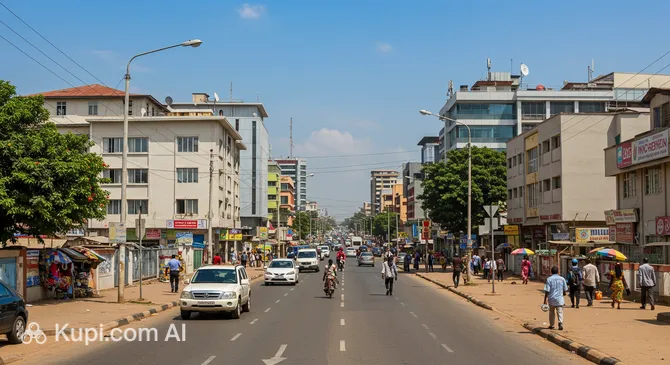
Ikeja is the dynamic heart of Nigeria, the administrative center of Lagos State, and a key hub within the metropolitan area. Located on the mainland, the city is a bustling blend of business activity, residential neighborhoods, and government institutions. Here, you can feel the energy of a true African metropolis, where modern shopping malls sit alongside vibrant markets and corporate offices.
Geographically, the city holds a strategic position, serving as the region's main gateway due to its proximity to the country's largest airport. While population density is high—estimated between 470,000 and 860,000 residents—the older quarters still retain features of a well-planned city. Exploring Ikeja's historical heritage, one can see how it transformed from a quiet residential suburb into a powerful commercial center after the country's independence.
Ikeja. Illustration.
Source: Kupi.com AI
Tourists are primarily drawn to Ikeja as a transit and business hub with developed infrastructure. It is the perfect place for those who want to immerse themselves in the daily life of modern West Africa, visit authentic music venues, or enjoy some shopping. We invite you to discover this energetic city, which serves as an excellent base for exploring all of Lagos.
Weather Overview
Ikeja features a classic tropical climate characterized by high temperatures and significant humidity throughout the year. There are two main seasons: the rainy season, lasting from April to October, and the dry season, from November to March. Average air temperatures usually hover between +26°C and +29°C, keeping the weather in Ikeja consistently hot.
The heaviest rainfall occurs in June and September, when downpours can be very intense. During the dry season, especially in December and January, the "Harmattan"—a wind from the Sahara—may reach the city, bringing a light haze and dust that slightly reduces visibility but offers relative coolness in the mornings. When planning a trip, keep in mind that due to dense development and traffic, humidity in the city center can feel more intense.
Average monthly temperature
Average monthly precipitation
Interesting Facts
Ikeja is officially the capital of Lagos State and home to the Governor’s residence, despite the fact that the Lagos metropolis as a whole is much larger.
Until the early 1980s, the city was considered one of the cleanest and quietest residential areas in the region, known for its clear planning.
The city is part of the Lagos Metropolitan Area, essentially merging with other parts of the giant metropolis into a single urban sprawl.
Ikeja is home to Computer Village, one of the largest electronics and IT markets in West Africa, which never sleeps.
How to Get There
Ikeja boasts exceptional transport accessibility, making it an ideal starting point for a journey through the region. If you are planning a visit, it is useful to explore all ways to get to Ikeja in advance, as the city is the main logistics hub of the state.
The primary international link is Murtala Muhammed International Airport (LOS), located in immediate proximity to the city's residential areas. This makes the location extremely convenient for transit passengers and business travelers who need to reach their hotel quickly after a flight.
Railway communication also plays a vital role in the city's life. Stations in Ikeja connect the district with other parts of the Lagos metropolitan area and other cities in the country. Traveling by train can be an interesting experience, offering a glimpse of Nigerian life through the carriage window.
Station
Passenger traffic
Distance
Lagos Terminus Railway Station
5
15 km
Lagos Terminus Railway Station
5
15 km
Train Station Ibadan
1
105 km
Alfred Rewane Station
1
300 km
When planning a trip from other parts of Lagos, it is important to consider highway congestion. Main routes pass through major interchanges, but travel time can increase significantly during peak hours, so it is always worth allowing extra time for moving around the city.
Main Attractions
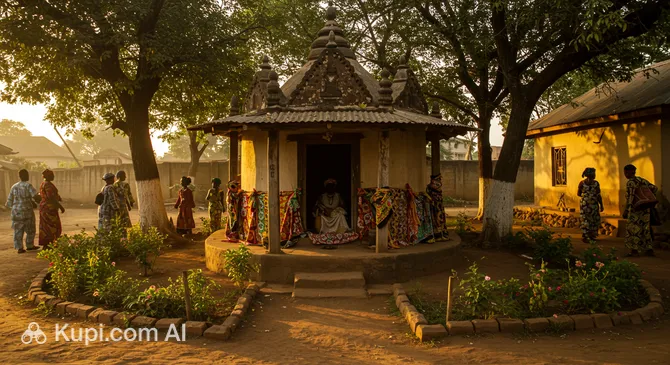
Although Ikeja is primarily known as a business center, it features places with a unique atmosphere that reflect the spirit of Nigerian culture. One of the most notable spots on the city map is the Fela Shrine. This site, tied to musical heritage and local traditions, attracts those wishing to experience the living history and rhythms of the region.
Femela Shrine. Illustration.
Source: Kupi.com AI
Traveler photos:
In addition to cultural venues, important landmarks for travelers include the Government Reservation Areas (GRA)—neighborhoods with a calmer atmosphere and thoughtful planning where residences and offices are located. One should also pay attention to the large shopping and commercial clusters, which in Ikeja replace traditional "postcard" sights, offering guests modern comfort and leisure opportunities.
For tourists, Ikeja is convenient because it is easy to find high-quality infrastructure and services while being at the very center of events in Lagos State. Exploring local streets and business districts will allow you to better understand the rhythm of life in the continent's largest metropolitan area.
Local Cuisine
Ikeja's culinary scene is a kaleidoscope of flavors where traditional Nigerian recipes meet international cuisine. The foundation of the local diet consists of rice, yam, and legume-based dishes, generously seasoned with pepper and spices. Be sure to try the famous Jollof rice and soups served with fufu or eba—these are true classics without which local cuisine is unimaginable.
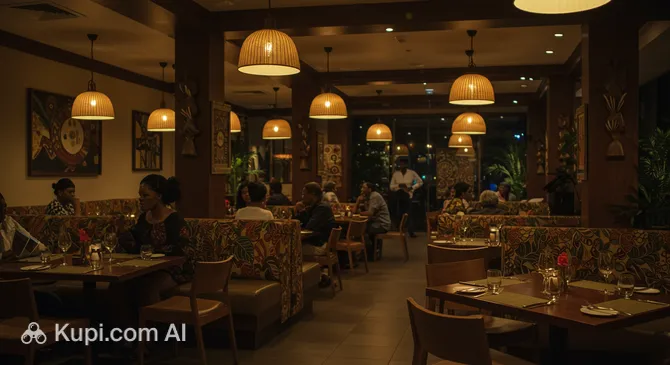
The city offers many excellent restaurants suitable for both business dinners and family outings. For example, the Cilantro restaurant is famous for its diverse menu and cozy atmosphere. If you are looking for a place with high service standards and exquisite presentation, it is worth visiting the restaurant at The Providence Hotel.
Cilantro. Illustration.
Source: Kupi.com AI
Traveler photos:
The food culture here is diverse: from modern cafes in shopping centers to street stalls preparing fragrant grilled meat (suya). Locals appreciate hearty and spicy dishes, and often choose freshly squeezed juices or local beer as beverages. A trip to Ikeja will be a true gastronomic discovery for you, allowing you to experience the flavor of West Africa through its tastes.
Travel Tips
A trip to Ikeja promises to be rich and vibrant. To make your visit to the heart of Lagos State as comfortable as possible, we have prepared some practical tips.
Clothing and Essentials: Choose light clothing made of natural fabrics, as Ikeja is hot and humid year-round. Be sure to bring a power adapter (British Type G sockets are used) and comfortable closed-toe shoes for walking around the city.
Transport: For getting around, it is best to use ride-hailing apps (such as Uber or Bolt). This is safer and more convenient than trying to figure out the routes of local "danfo" minibuses.
Finances: The official currency is the Nigerian Naira. Cards are accepted in shopping malls and hotels, but always carry cash for markets and small expenses. ATMs are available, but it is better to withdraw money at bank branches.
Health and Safety: Use only bottled water and avoid ice in drinks. For emergency assistance, use 112 (police) or 07082810000 (medical cases). Try not to walk on foot after dark in sparsely populated areas.
Communication: The official language is English, so there are usually no problems with communication in Ikeja. A local SIM card with data will be very useful for navigation and calling taxis.
Local Etiquette: Nigerians are very friendly and appreciate a polite greeting. When communicating with elders, it is customary to show special respect.
What to Avoid: Do not photograph government buildings, military sites, or bridges—this can cause trouble with local authorities. Also, avoid discussing political issues.
Time Management: Always allow two to three times more time for travel than the navigator shows—traffic jams in Ikeja can arise suddenly and last a long time.
Following these simple rules, you can fully enjoy the energy and hospitality of this amazing Nigerian city!
Entertainment & Nightlife
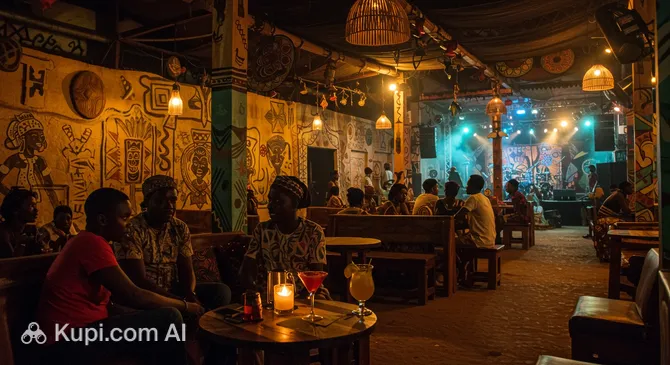
Nightlife in Ikeja has a distinctly urban character and is concentrated around popular music venues and modern shopping complexes. One of the city's most legendary spots is the New Afrika Shrine—it is not just a club or concert hall, but a true cultural center founded by the family of the great Fela Kuti. Here you can enjoy live Afrobeat performances, feel the drive of local parties, and immerse yourself in an atmosphere of music and freedom.
New Afrika Shrine. Illustration.
Source: Kupi.com AI
Traveler photos:
A more modern format, familiar to European tourists, is offered by venues located in large malls. For example, the nightclub at Ikeja City Mall attracts a stylish crowd with its DJ sets and excellent service. Also popular is The RM Place, where locals and expats often gather to spend an evening in pleasant company over a drink.
The atmosphere in Ikeja's nightlife spots is usually very energetic and friendly, with dress codes varying from casual to dressy depending on the club's level. It is best to plan evening entertainment in advance and use ride-hailing apps to move between locations quickly and safely. Daytime leisure often includes visiting cinemas in shopping centers or family lunches in restaurants, making the city's entertainment scene diverse and suitable for different types of travelers.
Parks & Museums
Ikeja is a densely developed urban area, so there are fewer extensive park zones here than in resort towns. Nevertheless, green pockets can be found in the GRA (Government Reservation Areas), where you can find quiet, shaded streets suitable for calm walks away from the main highway noise.
From a cultural leisure perspective, the main interest lies not in classic museums, but in living cultural spaces. The city's musical heritage is reflected in places like the New Afrika Shrine, which serves as an informal Afrobeat museum. Here, you can see memorabilia related to the Kuti family and feel the history of Nigerian musical protest.
If your goal is to visit major state museums, locals often recommend heading to the island part of Lagos, where national galleries are located. However, Ikeja itself remains an important center for understanding modern urban culture and daily life, offering tourists a look at Nigeria without unnecessary embellishment.
Getting Around
The public transport system in Ikeja reflects the energetic and slightly chaotic rhythm of metropolitan life. The primary mode of transportation for most locals is buses and the famous "danfo"—yellow minibuses that ply throughout the city. Riding them is the cheapest but also the most extreme way for a tourist to get around.
A more comfortable alternative is the modern state BRT buses, which run in dedicated lanes, allowing them to partially avoid the legendary Lagos traffic jams. Payment on these buses is often made using special transport cards, which can be purchased at terminals.
For foreign guests, the most convenient option remains taxi services and international ride-hailing apps. This ensures a predictable price and comfort, especially when traveling to the airport or between shopping centers. Ikeja is also actively developing its rail connection, which in the future could be a great way to avoid road congestion. Remember that during peak hours (morning and evening), travel time can increase severalfold, so always plan your route in advance.
Accommodation
As an administrative and business hub, Ikeja offers a wide range of accommodation, primarily catering to business tourists and transit travelers. Mid-range and high-end hotels, as well as comfortable apartments, predominate here. The choice of area for staying often depends on proximity to the airport or major office clusters.
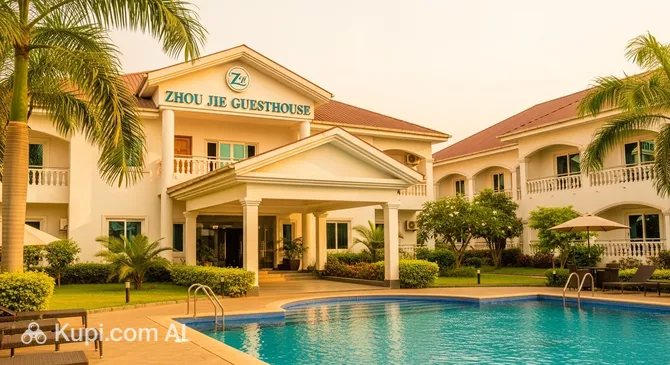
Among the popular accommodation options, the Classio Hotel stands out, offering modern service and a convenient location. For those who prefer a more secluded or home-like format, the Zhou Jie Guest House is an excellent choice, where you can find quality service and a cozy atmosphere.
Zhou Jie Guesthouse. Illustration.
Source: Kupi.com AI
Traveler photos:
Accommodation prices in Ikeja vary depending on the season and the hotel level. We recommend booking accommodation in advance, especially if your visit coincides with major business events. Most hotels accept international cards, but it is always useful to have some cash on hand for additional services or tipping.
Nearby Cities
Thanks to its location, Ikeja serves as an excellent starting point for exploring other areas of Lagos State and neighboring cities. Most interesting destinations are within a short drive, making them ideal for day trips.
Just a few kilometers away is Lagos—the country's largest metropolis with its famous beaches, art galleries, and vibrant nightlife on Victoria Island and Ikoyi. It is also worth paying attention to the neighboring Somolu district, known for its printing industry and colorful street markets, or visiting the industrial and commercial hub of Agege.
Exploring the surroundings of Ikeja will allow you to see different facets of Nigerian life—from quiet residential neighborhoods to bustling port districts. Each of these directions will provide new experiences and help you better understand the cultural diversity of this densely populated region.
Shopping & Souvenirs
Shopping in Ikeja is one of the main pastimes for residents and visitors alike. The state's largest shopping venues are concentrated here, offering both branded items and locally produced goods. The city's shopping centers are not just stores, but full-fledged leisure spots with cinemas and food courts.
Among the most notable facilities, the Addas Mall stands out, offering a wide range of everyday goods. The Aviation Plaza, located in a convenient area near major transport arteries, is also popular. One should not forget Ikeja City Mall—the largest mall in the district, which has become a true magnet for fashion lovers.
Addas Mall. Illustration.
Source: Kupi.com AI
Traveler photos:
For those seeking authentic souvenirs, we recommend visiting local markets. Here you can buy traditional textiles (Adire), handmade leather goods, and Nigerian spices. Most shops are open from morning until late evening, and large centers accept bank cards without issue, although you will definitely need cash Naira at the markets.