Support

Caacupe

About

Caacupé is the heart of the Cordillera Department and an important spiritual center of Paraguay, nestled among picturesque hills and green landscapes in the southern part of the country. The city is located about 50 kilometers east of the capital, Asunción, making it a convenient starting point for exploring the region's culture and nature. The population of Caacupé is approximately 57,000, and an atmosphere of tranquility and friendliness prevails here.
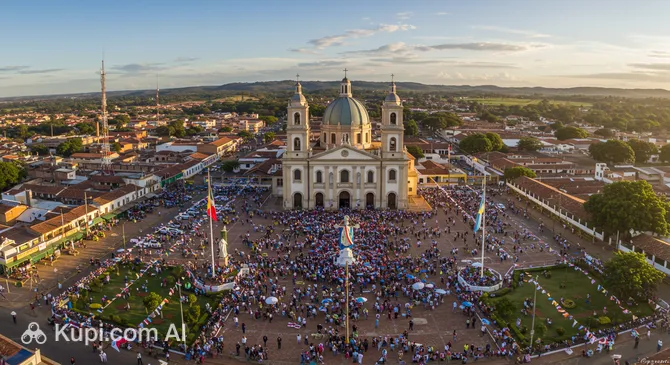
Caacupe. Illustration.
Source: Kupi.com AI

Caacupé is rightfully considered the spiritual capital of the country, attracting pilgrims from all over Paraguay and neighboring countries every year. The city's main pride and symbol is the majestic Cathedral of the Immaculate Conception of the Virgin Mary, a center of pilgrimage and spiritual life, whose domes are visible from afar, towering over the city.

Beyond its religious significance, Caacupé charms visitors with its authentic architecture, cozy streets, and the opportunity to immerse themselves in local flavor. Here you can stroll through the central square, try traditional treats at the bustling market, or chat with master craftsmen whose products reflect the region's rich culture. The hospitality of the locals is another hallmark of the city, creating a warm and welcoming atmosphere.

A visit to Caacupé will provide you with a unique experience: you can enjoy its special energy, scenic views, and dive into the atmosphere of true Paraguayan hospitality. This is a city that leaves a lasting impression, combining spiritual heritage, cultural richness, and natural beauty, and it is definitely worth including in your Paraguay itinerary.

You can find more interesting facts on the history of Caacupé page.
Weather Overview

The weather in Caacupé is characterized by a warm climate throughout most of the year. Expect hot summers, especially from December to February, when the average maximum temperature stays above 31°C, and the average temperature is around 27-28°C. Winter, from June to August, is milder, with average temperatures around 18-20°C, while minimum temperatures can drop to 13-15°C. Precipitation is distributed throughout the year, but the amounts are small; the highest rainfall (up to 7 mm) and rainy days (up to 12) occur in October, while July is the driest month (about 1 mm of precipitation and 6 rainy days). Overall, summer is more humid, and winter is drier.

For more detailed information on weather conditions, you can check the detailed forecast on the Caacupé climate page.

Average monthly temperature

Average monthly precipitation

Interesting Facts

In addition to its fame as a spiritual center, Caacupé holds many interesting stories and features that make it a truly unique place in Paraguay. Here are a few little-known facts that will help you see this city from a new perspective:

  • Spiritual Capital and Mass Pilgrimage: Caacupé is widely known as the spiritual capital of Paraguay thanks to its majestic cathedral. Every year on December 8, hundreds of thousands of pilgrims flock here from all over the country and even from abroad to participate in the grand religious festival dedicated to the Virgin of Caacupé. During these days, the city is transformed into a true center of spiritual life.

  • Legend of the Miraculous Rescue: The city's founding and the appearance of its main holy relic are linked to a beautiful 16th-century legend. According to tradition, a local Guaraní craftsman, pursued by enemies, was saved by a miraculous appearance of the Virgin Mary. In gratitude, he carved her statue from wood, which remains the main object of devotion in the cathedral and a symbol of faith for many Paraguayans today.

  • Green Oasis with Panoramic Views: Caacupé is often called one of the greenest cities in its region. The picturesque hills and forests surrounding the city create excellent conditions for hiking and nature observation. From the hill where the cathedral majestically stands, breathtaking panoramic views of the city and its surroundings open up—a favorite spot for both tourists and locals.

  • City of Masters and Crafts: Caacupé takes pride in its rich craft traditions. Secrets of making unique handmade products that reflect the culture and identity of Paraguay are passed down from generation to generation here. Visiting local workshops can be a fascinating immersion into the world of folk art.

How to Get There

You can reach the city of Caacupé, located in the Cordillera Department of Paraguay, in several ways; however, the primary option for international travelers is a flight followed by ground transfer. Caacupé does not have its own airport, so tourists need to use airports in nearby cities.

The most convenient and frequently used option is Silvio Pettirossi International Airport (ASU). This main international airport of Paraguay is located in the capital, Asunción, approximately 40.7 km from Caacupé. As a major transport hub, it receives many flights from South American countries and other continents. A trip from Silvio Pettirossi Airport to Caacupé by taxi or bus usually takes about 1.5 hours.

Another large international airport that may be convenient, especially if your itinerary includes visiting Iguazu Falls, is Cataratas International Airport (IGU). It is located in the Brazilian city of Foz do Iguaçu, approximately 268.6 km from Caacupé. Despite the significant distance, this airport serves a large number of international flights. The journey from there to Caacupé, including border crossing time, can take 6-7 hours or more, depending on the chosen transport and road conditions.

After arriving at one of these or other regional airports, Caacupé can be reached by taxi, rental car, or intercity bus. It is recommended to check bus schedules in advance or consider booking a transfer.

For convenience, here is a summary of the main airports through which you can reach Caacupé:

AirportPassenger trafficDistance
Silvio Pettirossi International Airport1.0 mln41 km
El Pucu Airport105 000142 km
Alejo Garcia Airport41 512232 km
Posadas Airport319 748251 km
Cataratas International Airport2.1 mln269 km

Main Attractions

Caacupé, known as the spiritual capital of Paraguay, offers visitors several interesting sites that combine religious heritage with opportunities for relaxation. The city attracts pilgrims and tourists alike, especially during religious holidays, but even on ordinary days, there is plenty to see.

The main and most significant attraction of Caacupé is the Basilica of Our Lady of Miracles of Caacupé (Basílica de Nuestra Señora de los Milagros de Caacupé). This is not only the most important pilgrimage center in Paraguay but also an impressive architectural ensemble. The majestic cathedral attracts visitors with its beauty and special atmosphere of peace. Every year on December 8, grand celebrations in honor of the Virgin of Caacupé take place here, gathering hundreds of thousands of believers. Visiting the basilica allows you to touch the deep religious traditions of the country.

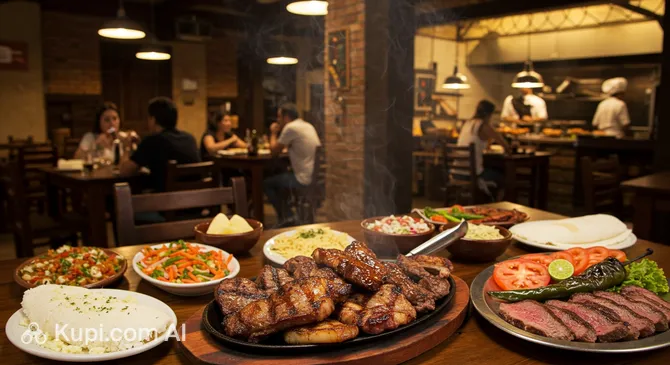
Churrascaria Brasil. Illustration.
Source: Kupi.com AI

Traveler photos:

After exploring the spiritual sites, you can get acquainted with the local gastronomy. One of the places where you can enjoy a delicious meal is Churrascaria Brasil. This restaurant specializes in meat dishes prepared in the style of Brazilian churrasco. Guests are offered a wide selection of grilled meats, generous portions, and a warm welcome, making it a popular spot for lunch or dinner.

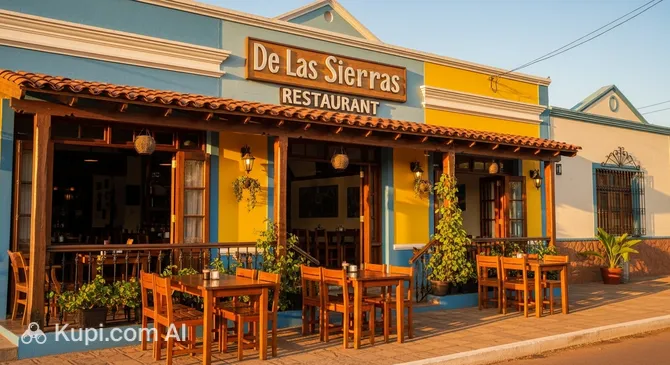
De las Sierras Restaurant. Illustration.
Source: Kupi.com AI

Traveler photos:

Another place to enjoy good cuisine is Restaurante De Las Sierras. It attracts visitors not only with its diverse menu, which includes both local and international dishes, but also with its pleasant atmosphere. It is a good choice for those looking for a quiet dinner or lunch in a cozy setting after a busy day.

Local Cuisine

The gastronomy of Caacupé is a true discovery for connoisseurs of authentic cuisine. Here you can immerse yourself in the world of traditional Paraguayan flavors by trying iconic dishes such as sopa paraguaya—a savory corn cake with cheese; chipa—fragrant cheese rolls that are an integral part of local culture; and mbeju—delicate starch and cheese flatbreads. These culinary delights are served in cozy family establishments as well as at bustling street markets, offering a genuine introduction to the soul of Paraguayan cuisine.

A special place in the gastronomic palette of Caacupé is occupied by fresh fruits that can be bought directly from roadside stalls—juicy mangoes, pineapples, and papayas make excellent additions to breakfast or a light snack. Don't miss the chance to try local delicacies: smoked meats with a characteristic smoky aroma, homemade cheeses, and natural honey. And, of course, no introduction to Paraguay would be complete without tereré—a refreshing herbal tea that locals drink everywhere, especially on hot days. For those looking for something stronger, it's worth trying caña paraguaya—a traditional Paraguayan rum enjoyed neat or in cocktails.

The food culture in Caacupé is very democratic. Street food here is a pleasure of its own: in the city center, you will easily find kiosks with hot fried empanadas (pastries with various fillings), sweet pastries, and freshly squeezed juices. Local markets are not just places to buy farm products and spices, but also a great opportunity to try something new and bring home gastronomic souvenirs. For a more substantial lunch or dinner, you can visit one of the local restaurants, such as Restaurante De Las Sierras, where you will be offered local and international dishes, or enjoy meat delicacies at Churrascaria Brasil.

The gastronomic life of Caacupé becomes especially lively during numerous festivals associated with religious and folk holidays. In December, during the famous pilgrimage, the city turns into a true paradise for foodies. The streets are filled with the enticing aromas of fresh pastries, grilled meat, and various sweets, creating a unique atmosphere of celebration and hospitality.

Travel Tips

Welcome to Caacupé, the spiritual capital of Paraguay! To make your journey to this significant city as comfortable and memorable as possible, we have prepared some practical tips. They will help you better navigate the area and avoid potential inconveniences.

  1. Clothing and Essentials: Caacupé has a subtropical climate, so choose light, breathable clothing made from natural fabrics, especially if your trip falls during the hot summer months (December to February). Don't forget sunscreen, a hat, and sunglasses. For visiting the famous Basilica of Caacupé and other religious sites, choose modest clothing that covers shoulders and knees. Comfortable walking shoes are essential, as you will likely be doing quite a bit of walking. A light raincoat or umbrella may also be useful, especially during the rainy season. For electrical appliances, you will need an adapter (Type C sockets are used in Paraguay).

  2. City Transport: The main form of public transport in Caacupé is the bus system, which connects various parts of the city and the surrounding areas. Taxis are also available, but it is recommended to agree on the fare in advance or ensure the driver has turned on the meter. Renting a car can be useful if you plan to explore the Cordillera Department, but it is not strictly necessary for getting around the city itself.

  3. Financial Matters: The official currency of Paraguay is the Paraguayan guaraní (PYG). You can exchange currency at banks or exchange offices (casas de cambio) in Caacupé. Credit cards are accepted in large hotels, restaurants, and some shops; however, for small purchases, at markets, and on public transport, it's best to always have cash on hand. ATMs are available, but it's better to withdraw money during bank operating hours. International cards may not work everywhere, so check in advance. Tipping in restaurants is usually about 10% of the bill if it is not automatically included.

  4. Health and Safety: There are pharmacies (farmacias) in Caacupé where you can buy basic medications; some may operate 24/7, but it's better to check. Travel medical insurance is recommended. The city is generally considered safe, especially during the day and in tourist zones. Nevertheless, observe standard precautions: keep an eye on your belongings, do not leave valuables unattended, and avoid walking in poorly lit and deserted areas after dark.

  5. Language and Communication: The official languages in Paraguay are Spanish and Guaraní. In Caacupé, most of the population speaks Spanish, often peppered with Guaraní. English is not widely spoken, so knowing a few basic phrases in Spanish will be very helpful: \"Hola\" (Hello), \"Adiós\" (Goodbye), \"Por favor\" (Please), \"Gracias\" (Thank you), \"¿Cuánto cuesta?\" (How much does it cost?). For constant connectivity, you can purchase a local SIM card (operators Tigo, Claro, Personal). Wi-Fi is available in most hotels and some cafes.

  6. Local Etiquette and Traditions: Paraguayans are generally very friendly and hospitable. Greetings usually involve a handshake and eye contact. When addressing locals, especially elders, use polite forms (\"señor\", \"señora\", \"señorita\"). Quiet and respectful behavior is valued in public places. Caacupé is an important religious center, so show special respect for religious customs and holy sites, especially during church services or holidays.

  7. What to Avoid: Try not to take photos of people without their prior permission, especially in churches or during religious processions. It is also not recommended to openly display expensive jewelry or large sums of money to avoid attracting undue attention. Avoid engaging in discussions on sensitive political topics.

  8. Special Tip – Pilgrimage: Caacupé is most famous for its annual pilgrimage in honor of the Virgin of Caacupé, which culminates on December 8. If your trip coincides with this period, be prepared for a huge influx of pilgrims from all over the country and abroad. This is a unique experience, but accommodation and transport must be booked well in advance. At other times of the year, the city is calmer, allowing for a deeper immersion into its spiritual atmosphere.

We hope these tips help you plan an unforgettable trip to Caacupé. Enjoy the hospitality of Paraguay and the unique atmosphere of this special city!

Entertainment & Nightlife

Caacupé, known primarily as the spiritual center of Paraguay, offers its guests quiet but pleasant evening leisure. Although you won't find noisy districts with numerous nightclubs like in major metropolises here, the city is perfect for cozy gatherings in local establishments where you can experience the authentic atmosphere of Paraguayan hospitality.

Evening life in Caacupé is mainly concentrated around restaurants and small bars where you can enjoy local cuisine and drinks. Most activity is observed in the central part of the city, especially near the main streets and the square. Here you can find places offering both traditional Paraguayan dishes and more familiar international cuisine. There are no specific streets that turn into party centers at night; the atmosphere is more conducive to a measured rest.

For dinner or a pleasant evening with friends, you might consider places such as Churrascaria Brasil, known for its meat dishes, or Restaurante De Las Sierras, which offers a diverse menu. These establishments are excellent for relaxing after a busy day and sampling local culinary delights.

Churrascaria Brasil. Illustration.
Source: Kupi.com AI

Traveler photos:

De las Sierras Restaurant. Illustration.
Source: Kupi.com AI

Traveler photos:

The atmosphere in evening Caacupé is quite relaxed and family-oriented. Most establishments cater to locals and pilgrims, so the dress code is usually informal—neat casual clothing is perfectly appropriate. The best time to visit restaurants is from 7:00 PM to 10:00 PM, though some bars may stay open longer, especially on weekends. Prices are generally moderate. To get around the city in the evening, it is recommended to use taxi services, which can be called by phone or found at stands in the center.

Caacupé is generally considered a safe city; however, as anywhere else, basic precautions should be taken after dark: avoid poorly lit and deserted streets. Central areas, where the main restaurants and cafes are located, are usually well-lit and quite lively during the evening hours.

During the day, Caacupé offers other types of leisure. The main attraction is certainly the majestic Basilica of the Virgin of Caacupé, which draws pilgrims from across the country. You can also stroll through the city squares or visit local markets selling souvenirs, handicrafts, and fresh products. While the city lacks large museums or amusement parks, its unique spiritual atmosphere and cultural significance make it an interesting place to visit.

Parks & Museums

Caacupé, the spiritual capital of Paraguay, offers its guests not only deep religious experiences but also the opportunity to get acquainted with local culture and enjoy the beauty of the surrounding nature. Although the city is primarily known for its majestic basilica, there are also corners for relaxation and cultural enrichment.

Regarding green spaces, the main point of attraction for outdoor recreation in Caacupé is the central square, often called Plaza Teniente Fariña. This is a lively public space in front of the basilica where locals and pilgrims can rest, socialize, and watch the flow of city life. Although Caacupé does not boast large urban parks, its location in the picturesque, hilly Cordillera region provides wonderful opportunities for walking in the surroundings and enjoying panoramic views.

The city's cultural heritage is closely linked to its religious significance. A key place for getting acquainted with history and traditions is the Museum of the Basilica of Caacupé (Museo de la Basílica de Caacupé). Here, visitors can see exhibits telling the history of the apparition of the Virgin of Caacupé, a collection of religious art, votive offerings left by believers in gratitude, and other church relics. Visiting the museum allows for a deeper understanding of the spiritual significance of this place for all of Paraguay. Other formal museums or large galleries in the city are less common, as cultural life is largely centered around events and traditions related to the basilica.

Undoubtedly, the main architectural and historical landmark of Caacupé is the impressive Basilica of the Virgin of Caacupé. It is not only a pilgrimage site for millions of believers but also a significant architectural monument, striking in its scale and decoration. Its dome is visible from afar, and the interior decoration reflects the deep religiosity of the Paraguayan people.

For a more authentic immersion in the local culture, stroll through the city streets and look into the local markets, especially during religious holidays. Here you can find unique handicrafts, traditional souvenirs, and taste local delicacies. Also, if time permits, it is worth finding out about the possibility of visiting one of the observation decks on the surrounding hills, which offer breathtaking views of the city and its green environs.

Getting Around

The main form of public transport in Caacupé is buses, often called "colectivos." They connect various districts of the city and are the most affordable way to travel medium and long distances within the city limits. There is no metro, tram, or trolleybus system in Caacupé, so the bus network plays a key role in the movement of residents and visitors.

The payment system for buses in Caacupé is generally based on cash. Passengers pay the fare directly to the driver upon entering the bus. It is recommended to carry small bills or coins, as the driver may not always have change for large denominations. Specialized tourist passes or universal transport cards for short stays may not be available; cash remains the primary payment method. The fare is usually low but can vary depending on the route and distance.

For tourists planning to use public transport in Caacupé, it is important to know a few things. Buses usually run on specific routes that are not always obvious to newcomers, so don't hesitate to confirm the direction with the driver or locals. Stops may not always be clearly marked, and often the bus stops on demand (by raising a hand). Transport operating hours vary, but most routes are active from early morning until evening. During peak hours, buses can be quite crowded.

In addition to buses, taxi services are available in Caacupé. This is a more comfortable, albeit more expensive, way to travel, especially convenient for trips with luggage or at night. Taxis can be found at designated stands or ordered by phone. It is recommended to agree on the fare with the driver in advance or ensure that a taximeter is used if one is provided. The availability of mobile apps for ride-hailing or car-sharing should be checked on-site, as their prevalence may be limited. Bike rentals as an organized system are likely not well-developed, but walking is perfectly suitable for exploring the central part of the city.

Accommodation

In the city of Caacupé, tourists are offered a diverse choice of accommodation options capable of satisfying various preferences and budgets. Here you can find modest guesthouses and hostels for budget-conscious travelers, as well as more comfortable mid-range hotels. Apartment or house rentals are also available, which can be convenient for families or long-term stays.

Most housing options are concentrated in the central part of the city, providing easy access to major attractions, such as the Basilica of Caacupé, and transport hubs. By choosing accommodation in the center, you can easily explore the city on foot or by public transport.

While the provided data does not include specific hotel examples, there are various hotels in Caacupé offering a standard set of services. It is recommended to study offers on popular online booking platforms such as Booking.com, Agoda, or Expedia, where you can compare prices, read reviews, and choose a suitable option. Direct booking through hotel websites or by phone is also possible.

The price range varies from budget options to more expensive offerings. Overall, Caacupé offers fairly affordable accommodation compared to major tourist centers. To guarantee availability and get the best prices, especially during major religious holidays or festivals when the city attracts many pilgrims and tourists, it is strongly recommended to book accommodation in advance.

Nearby Cities

For those who want to explore the surroundings, Caacupé serves as an excellent starting point for day trips to several interesting nearby locations:

CityPopulationDistance
Atyra15 27812 km
San Bernardino20 49113 km
Pirayu17 60114 km
Ypacarai30 15014 km
Tobati23 29515 km

These nearby destinations provide an insight into the diverse culture and landscapes of the Paraguay region. Each of these cities has its own charm: for example, Itauguá is famous for its ñandutí lace, while San Lorenzo is an important university and commercial center. A trip to any of these cities will allow you to better understand the daily life and traditions of the country.

Shopping & Souvenirs

Caacupé, being an important religious center of Paraguay, offers shopping opportunities that primarily reflect its cultural and spiritual significance. The city is not famous for large shopping malls or exclusive boutiques, but here you can find unique souvenirs, religious paraphernalia, and products from local artisans. The main focus of shopping in Caacupé is on authentic goods and items related to the Virgin of Caacupé.

The main commercial activity in Caacupé is concentrated around the Basilica of the Virgin of Caacupé and on the streets adjacent to it. Many small shops and stalls are located here, offering religious goods, candles, icons, and souvenirs. Outlets can also be found along the main streets leading to the city center, where everyday goods and local products are sold.

In Caacupé, there are no large modern shopping malls typical of major metropolises. Shopping here is more traditional, with a focus on small family shops and market stalls. If you are looking for a wide range of branded goods, it is better to head to the capital, Asunción.

While Caacupé may not have one large central market specializing exclusively in tourist goods, numerous market rows spring up spontaneously throughout the city, especially during major religious holidays. Here you can find fresh fruit, local delicacies, handicrafts, and various souvenirs. Visiting such places is a great way to immerse yourself in the local atmosphere and find something authentic.

From Caacupé, it is worth bringing back items related to its religious significance: figurines and images of the Virgin of Caacupé, rosaries, and candles. Traditional Paraguayan souvenirs are also popular, such as ñandutí lace, leather goods, ceramics, carved wooden crafts, and clothing made of ao po'i fabric with embroidery. Don't forget about mate and accessories for drinking it (calabashes and bombillas)—this is an integral part of Paraguayan culture.

Shops in Caacupé usually operate from the morning, around 8:00 or 9:00 AM, until the evening, around 6:00 or 7:00 PM, with a possible lunch break (siesta) in the middle of the day, especially during the hot season. On Sundays, many small shops may be closed or operate on a reduced schedule, except for those catering to pilgrims and tourists in the area of the basilica. The main method of payment, especially in markets and small stalls, is cash (Paraguayan guaraní). Large stores and some souvenir shops may accept bank cards, but it is always better to have some cash with you.

A Tax Free system exists in Paraguay, but it is generally oriented toward large purchases in specialized stores, most often in the capital or large border cities. In Caacupé, the likelihood of being able to use this service when buying typical souvenirs is low. If you plan on significant spending, check for Tax Free availability directly in the store.

Have you reached the end of the page?

So the route has been studied inside and out