Support

Pedro Juan Caballero

About

Pedro Juan Caballero is a vibrant gateway to the mysterious Paraguay, a city where Latin energy harmoniously blends with the leisurely charm of border life. Located in the far northeast of the country, it possesses a unique geographical feature: the border with Brazil here is so conventional that one street seamlessly transitions into the neighboring city of Ponta Porã. This creates a unique cultural mix, where a blend of languages and traditions is felt at every step.

With a population of about 115,000, the city is an important economic and commercial center of the Amambay Department. It is always bustling here: trade is thriving, markets are active, and the streets are filled with the sounds of music and the aromas of street food. Thanks to its location, Pedro Juan Caballero serves as an excellent starting point for traveling across two countries at once, attracting those seeking an authentic experience and wanting to see the life of the region from the inside.
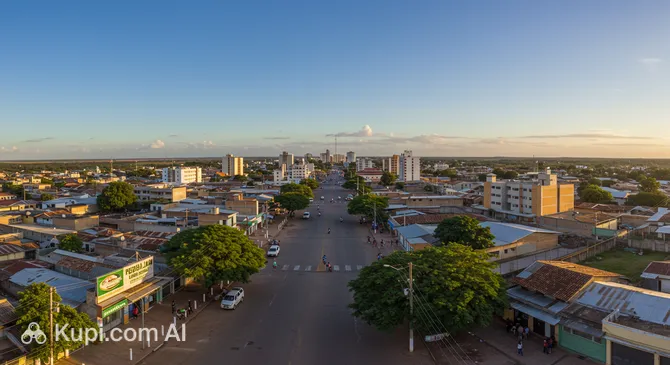
Pedro Juan Caballero. Illustration.
Source: Kupi.com AI

The city is named after one of the leaders of the struggle for independence, and the past is respected here no less than the present. Immersing yourself in the atmosphere of local streets, it is interesting to learn the history of Pedro Juan Caballero to understand how it turned from a small settlement into a thriving trade hub. Today it is a place where local customs coexist with modern trends, creating a special environment of openness and friendliness.

For tourists, the city is attractive not only for bargain shopping opportunities but also for its proximity to nature. Just a few kilometers away lies Cerro Corá National Park—a picturesque reserve where you can go hiking on trails or have a picnic against the backdrop of majestic hills. Pedro Juan Caballero is a city for active and curious travelers ready for new discoveries, bright flavors, and warm encounters.

>,attractions:
Weather Overview

The climate in Pedro Juan Caballero can be described as subtropical, with clearly defined seasons, allowing you to plan a trip at any time of the year. Summer here is hot and humid, while winter is mild and drier. Expect sweltering summer days with periodic showers and comfortable, sunny winter months.

The hottest period lasts from December to February, when the average temperature is about 26°C, and daytime maximums regularly reach 30°C and above. This is also the rainiest time of the year: in January, for example, precipitation falls on average 19 days a month. If you are planning a visit during this season, the detailed weather in Pedro Juan Caballero will help you choose the best days for walks between rains.

With the arrival of winter (June–August), it becomes cooler and drier. The average temperature drops to 19–21°C, and nights can be quite fresh, with minimums around 14–15°C. July is the driest month, when rain occurs only about 4 days, creating ideal conditions for active outdoor recreation.

Average monthly temperature

Average monthly precipitation

Interesting Facts

Beyond its status as a bustling commercial capital, Pedro Juan Caballero holds many fascinating secrets that reveal themselves only to curious travelers. This city is a true crossroads of cultures, where the history of the country's independence intertwines with a unique border flavor.

  • A Hero's Name. The city is named after Captain Pedro Juan Caballero, one of the key leaders of the Paraguayan independence movement. This historical legacy is deeply revered by locals: colorful festivals and commemorative events celebrating national heroes take place regularly here.

  • Life Across Two Countries. The city's geographical position is unique: the border with Brazil often runs right along the streets, creating the phenomenon of a "dry border." This has led to the formation of a special linguistic atmosphere where Spanish and Portuguese blend into a single dialect, and residents freely switch from one language to another.

  • Natural Treasure. Very close to the city limits is Cerro Corá National Park—the place where the Paraguayan War ended. Today, it is not only a historical monument but also a picturesque reserve with waterfalls and hills, attracting ecotourism enthusiasts.

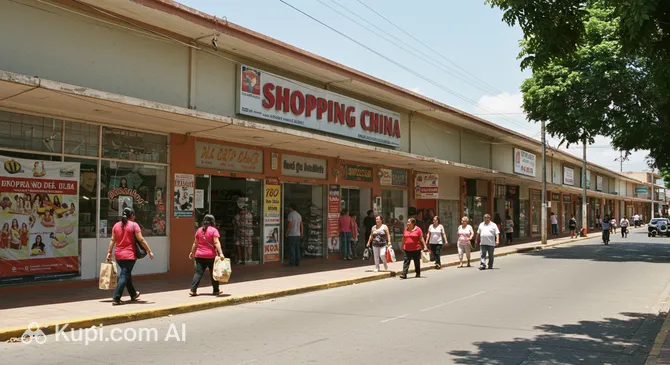
  • Shopping Phenomenon. The city is considered one of the largest shopping centers in the region. Giants like Shopping China have turned Pedro Juan Caballero into a true mecca for buyers, offering an assortment comparable to world trade capitals.

  • Architectural Contrast. Strolling through the streets, you can notice a surprising combination of styles: modern shopping complexes sit side-by-side with cozy neighborhoods built with traditional houses featuring bright facades, while unique handmade products can be found at the markets.

Shopping China. Illustration.
Source: Kupi.com AI

Traveler photos:

How to Get There

The city is located some distance from Paraguay's main air hubs, so many travelers choose routes through neighboring Brazil or ground transportation. There is no active commercial airport in Pedro Juan Caballero itself that accepts regular passenger flights. To plan the optimal route, we recommend studying all the ways to get to the city, considering both Paraguayan and Brazilian transport hubs.

The most convenient option for international travelers is often Campo Grande International Airport (CGR). It is located in the Brazilian city of Campo Grande, about 255 km from Pedro Juan Caballero. It is a major air hub with a large passenger flow, receiving flights from many cities. The journey from there by taxi or rented car will take about 3.5–4 hours. It is worth considering the need to cross the border, although in this zone it is often a formality.

Another option is Dourados Airport (DOU), located much closer in the Brazilian city of Dourados, at a distance of about 92 km. This is a regional airport with fewer flights, but the journey from it to Pedro Juan Caballero will take only about 1.5–2 hours by car. You can also consider flying into Bonito Airport, which is 162 km away, requiring about a 2.5–3 hour drive.

For convenience, here is a summary of the main airports located nearby:

AirportPassenger trafficDistance
Ponta Porã International Airport40 3284 km
Dourados Airport38 20892 km
Bonito Airport60 220162 km
Campo Grande International Airport1.5 mln255 km

Railway communication in this region is practically not used for passenger transport. There are no active railway stations in Pedro Juan Caballero or its immediate vicinity that accept tourist trains. The main burden of passenger transport falls on the roads.

Besides air travel via Brazil, intercity buses remain a popular way to reach the city. Regular routes connect Pedro Juan Caballero with the capital of Paraguay, Asunción (the journey takes about 6–7 hours), as well as with other major cities in the country. The bus station is located near the center, and the buses are generally comfortable enough for long trips.

Main Attractions

The main attractions of Pedro Juan Caballero are closely linked to its unique status as a shopping capital and its border location. Here, tourist sites are not so much ancient ruins as modern complexes, atmospheric parks, and gastronomic locations reflecting the lively spirit of the region.

The undisputed center of attraction for all visitors to the city is Shopping China. This giant commercial complex has long ceased to be just a store, turning into a true symbol of the city and one of its hallmarks. Styled after traditional Chinese architecture, the building is impressive in its scale. Tourists come here not only for bargain purchases but also to see the scale of border commercial life, visit food courts with diverse cuisines, and simply stroll through air-conditioned galleries to escape the heat.

Those seeking a more tranquil holiday and wanting to touch local traditions should visit Yerba Mate Park. This green space is a tribute to the culture of yerba mate, the drink that unites people in this region. The park is a cozy walking area where you can see themed sculptures and relax in the shade of trees. It is an excellent place to slow down and observe how locals spend time sharing a circle of tereré.

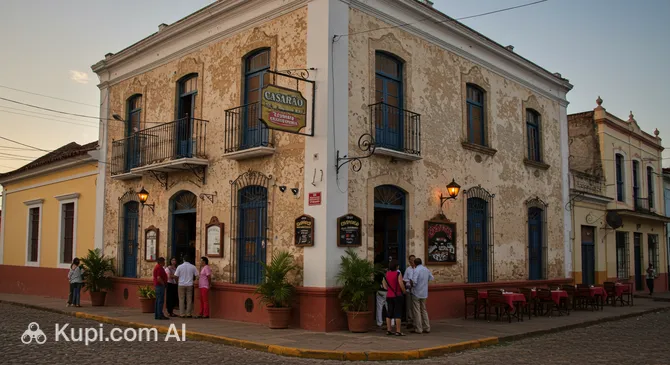
Casarão de Ponta. Illustration.
Source: Kupi.com AI

Traveler photos:

The city's gastronomic map also offers its own "attractions." Casarão de Ponta deserves special attention. This establishment attracts visitors not only with its menu but also with a special atmosphere that combines comfort and border color. Located in a building with characteristic architecture, the restaurant has become a popular spot for those who want to enjoy a delicious dinner in a setting steeped in history and hospitality.

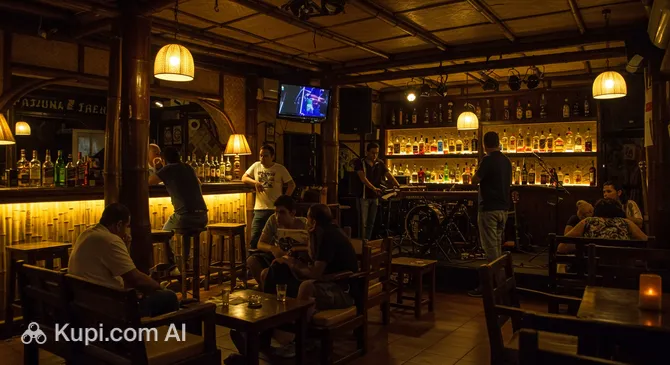
The evening program can be perfectly complemented by a visit to Bamboo Acoustic Bar. This place is famous for its relaxed atmosphere and often becomes a hub for live music lovers. The interior, using natural materials, and the friendly crowd make it one of the bright spots on the city's entertainment map, where you can feel the rhythm of Pedro Juan Caballero's nightlife.

Local Cuisine

The local cuisine of Pedro Juan Caballero is a true paradise for foodies, where century-old traditions of the Guarani people intertwine with hearty border recipes. Here, food is not just a way to satisfy hunger, but an important part of the culture that can tell you more about the character of the locals than any guidebook. The city's gastronomic scene offers a vivid journey through authentic flavors that remain in travelers' memories forever.

Acquaintance with culinary traditions should start with the country's main gastronomic symbol—sopa paraguaya. The name can be misleading: it is not a soup at all, but a surprising hybrid of bread and cake. The dish is prepared using cornmeal, cheese, onions, and milk. Its recipe is passed down from generation to generation, and every establishment prepares it with small but important nuances. Its dense texture and rich creamy-corn flavor make it an ideal side dish or a standalone snack.

Meat lovers and fans of hearty pastries must try chipa. These traditional buns made from cassava starch with the addition of plenty of fresh cheese are a staple of the local breakfast. They are best bought hot at street markets or from vendors with baskets (chiperas). Another popular dish for a hearty lunch is a rich meat soup with vegetables and aromatic spices, which is great for restoring energy.

No conversation about Paraguayan cuisine is complete without mentioning tereré. This is the cold version of mate tea, which literally everyone drinks everywhere here, especially on hot days. Locals carry special thermoses and drink the infusion through a metal straw called a bombilla. This is not just a drink, but a real ritual of socializing: news is discussed, stories are shared, and friends are made over a circle of tereré.

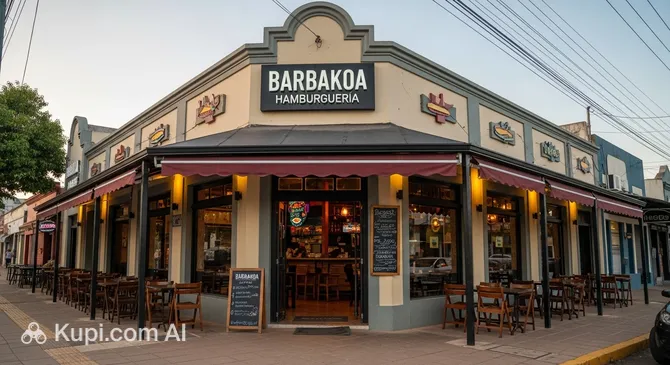
Barbakoa Hamburgueria. Illustration.
Source: Kupi.com AI

Traveler photos:

Street food in Pedro Juan Caballero is an adventure in itself. At bustling markets, you can try fried tortillas, cassava-based sweets, and the freshest tropical fruits. If you want something more familiar but with a local flavor, you can check out Barbacoa Hamburgueria, where classic recipes are adapted to the region's tastes. Additionally, the city regularly hosts gastronomic festivals where chefs reveal the secrets of preparing their best dishes.

Travel Tips

Pedro Juan Caballero is a unique point on the map where Paraguay meets Brazil, creating a special atmosphere of blended cultures and languages. To make your immersion into the life of this bustling trade city as comfortable and safe as possible, we have prepared a list of practical recommendations to help you avoid typical tourist mistakes.

  1. Clothing and Essentials. Given the subtropical climate, prioritize light clothing made of natural fabrics (cotton, linen), especially during the hot summer period. Be sure to bring comfortable shoes without heels: the shopping centers here are huge, and you'll have to walk a lot. Also grab a power adapter (types C and N are common) and a light raincoat, as showers can start suddenly.

  2. Transport. Public transport in the city is poorly developed and represented by old buses without a clear schedule. For tourists, the optimal choice is a taxi. Important: meters are rarely used, so always agree on the price of the trip in advance before getting into the car. Mototaxis are the fastest and cheapest way to get around, but only suitable for those without luggage; always demand a helmet.

  3. Finance. The city is unique in that three currencies are freely accepted: Paraguayan Guaraníes, Brazilian Reais, and US Dollars. In large malls, you can pay by card, but for taxis, street food, and small shops, definitely have cash. It's better to exchange money at official exchange offices (casas de cambio), avoiding street changers to not fall victim to fraud.

  4. Health and Safety. It is safe in the shopping districts during the day, but at night, life on the streets comes to a standstill. Avoid walking alone in unlit alleys and along the border line at night. Pharmacies with a basic set of medicines are in the center, but specific medications are better brought with you. It is recommended to get medical insurance before the trip, as quality care is mainly available in private clinics.

  5. Communication. Be prepared for a language mix: Spanish, Portuguese, and Guarani are spoken here, often blending into the "Portuñol" dialect. English is poorly understood, even in shops, so download an offline translator. For connectivity, it is most profitable to buy a local SIM card (Tigo, Personal, or Claro)—this can be done at any kiosk with a passport.

  6. Local Etiquette. Paraguayans are very welcoming and value politeness. It is customary to say hello when entering a shop or an elevator ("Hola" or "Buen día"). If locals offer you tereré (cold herbal tea) from a shared cup—don't refuse; it is a sign of respect and friendliness. Just take a few sips and return the cup to the host.

  7. What to Avoid. Don't conspicuously count large sums of cash on the street or leave shopping bags unattended even for a second. Also, refrain from photographing law enforcement officers and military personnel at border posts—this can cause unnecessary questions and checks.

  8. Store Hours. The main lifehack for shopping: come early. Shops open at 7–8 AM, but they also close very early—most lower their shutters as early as 4:00–5:00 PM. Don't plan shopping trips for the evening, as you risk finding closed doors. On Sunday, many retail outlets work only until lunch.

By following these simple tips, you can enjoy the flavor of Pedro Juan Caballero without extra worries. May this city be remembered by you not only for successful purchases but also for its warm hospitality and unique border culture!

Entertainment & Nightlife

The nightlife in Pedro Juan Caballero has a unique flavor that is hard to find anywhere else. Due to the city being virtually merged with the Brazilian city of Ponta Porã, evening entertainment here takes on an international scale. As the sun sets, the trade bustle subsides, giving way to a relaxed atmosphere where the rhythms of sertanejo, polka, and modern pop music play. The center of evening activity is often the area of the so-called "International Line" (the border), where the concentration of establishments is highest.

For those who prefer starting the evening with live music and a cozy setting, Bamboo Acoustic Bar is an excellent choice. This venue is famous for its stylish interior using natural materials and its laid-back atmosphere. Local bands often perform here, creating the perfect backdrop for socializing with friends over a cocktail or a light dinner. The crowd here is very diverse, ranging from local youth to tourists looking to relax after shopping.

Café Bambu Acoustic Bar. Illustration.
Source: Kupi.com AI

Traveler photos:

Beer enthusiasts and those looking for livelier crowds should check out B Bar e Choperia. The culture of "choperias"—places serving ice-cold draft beer (chopp)—is very popular in this region. This establishment perfectly captures the spirit of a border town: it's loud, fun, and casual. The dress code in most bars is informal, but smart casual style will be appropriate everywhere. The main fun in bars starts around 9:00 PM – 10:00 PM.

If you get hungry late at night, Barbacoa Hamburgueria comes to the rescue. This is a popular spot for those who want a hearty meal of quality burgers in a pleasant setting before heading to sleep or continuing the party. The gastronomic component of the nightlife here is very strong, and many establishments stay open well past midnight, offering a mix of Paraguayan and Brazilian cuisines.

Practical Tips and Safety:

While the city center and the border area are quite busy at night, tourists should exercise caution. It is recommended to move between venues by taxi, especially if they are far apart. Avoid dark and deserted alleys on the outskirts. Prices in bars and clubs in Pedro Juan Caballero are generally lower than in the capital or large Brazilian metropolises, making leisure here very affordable.

As for daytime entertainment, it is more laid-back here. Cultural life is concentrated around small exhibition spaces and cinemas, which are often located inside large shopping malls. During the hot hours, many people prefer to spend time in air-conditioned cinema halls enjoying world premieres or relaxing in the shade of city squares.

Parks & Museums

Pedro Juan Caballero offers travelers not only bustling shopping but also the opportunity to touch the rich natural and cultural heritage of the region. The city and its surroundings hide picturesque green zones and interesting museum collections that tell of Paraguay's past and the traditions of its local residents.

Green Oases and Nature

While the city itself is known for its urban energy, there are places in and around it where you can escape the hustle and bustle. One of the favorite places for residents to walk is the area around Laguna Punta Porã. This body of water, located in the very heart of the urban area, serves as an excellent spot for morning jogs or quiet evening relaxation. Families with children and sports enthusiasts are often seen here enjoying the fresh air by the water.

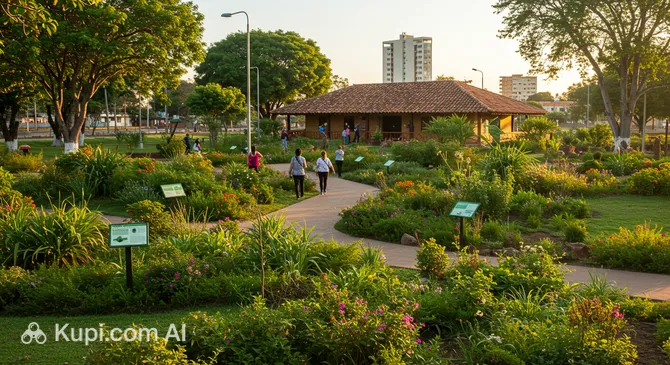
The Yerba Mate Park deserves special attention. This is a unique themed zone that introduces visitors to the richness of the local flora. The park is a kind of tribute to the region's nature and, in particular, to the culture of growing and consuming yerba mate—a plant that has become a symbol of Paraguayan hospitality. It is pleasant to stroll among the greenery here, learn more about medicinal plants, and simply enjoy the silence.

Herbal Park. Illustration.
Source: Kupi.com AI

Traveler photos:

It is impossible to talk about the nature of this region without mentioning Cerro Corá National Park (Parque Nacional Cerro Corá), located about 40 km from the city. This is not just a nature reserve with hills and forests, but also a sacred historical site for Paraguayans, where the War of the Triple Alliance ended. Tourists come here to see monuments to heroes, explore caves with ancient petroglyphs, and enjoy panoramic views from observation decks.

Museums and Cultural Centers

To immerse yourself in the city's history, it is worth visiting the Amambay Regional Museum (Museo Regional del Amambay). It is located in the historical building of the old town hall, now known as the "Intendente Carlos Domínguez" Cultural Center. The museum's exposition carefully preserves household items of the first settlers, documents and artifacts from years past, as well as old photographs that allow you to trace how the city's appearance has changed over the decades.

Insider Tip: If you have time for a small adventure, head to the Chakurrú eco-complex, located near the city. This place is little known to mass tourists, but here you can walk across suspension bridges among the treetops and swim in refreshing waterfalls—the perfect way to feel the wild nature of Amambay.

Getting Around

The public transport system in Pedro Juan Caballero is quite simple and differs from what tourists are used to seeing in large metropolises. Here you won't find a metro, trams, or trolleybuses. The main burden of passenger transport falls on buses, taxis, and a specific type of transport for this region—mototaxis. The city is quite compact, so many distances, especially in the shopping zone, are easily covered on foot.

Buses (Colectivos) are the most budget-friendly way to get around. The local fleet often consists of quite old but colorful vehicles. There is practically no strict schedule that you could check by the minute, and intervals can vary. Stops are not always marked with signs, so it is common to simply wave your hand to the driver to board, and to get off—press the bell button in the cabin in advance or loudly ask for a stop.

The payment system in buses is as simple and conservative as possible: transport cards, passes, or mobile apps are not used here. Payment is made exclusively in cash to the driver upon entry. The fare is fixed and very low. It is recommended to always carry small bills and coins in the local currency (Guaraníes), though due to the proximity of the border, drivers might occasionally accept Brazilian Reais, but at an unfavorable exchange rate.

A popular and fast alternative to buses are mototaxis. This is a very common type of transport in the border zone. Drivers are easily recognized by their reflective vests. A motorcycle trip costs less than a regular taxi and allows you to move faster through traffic; however, this option is only suitable for a single passenger without luggage and requires a certain amount of courage. Always demand a helmet before the ride.

For comfortable travel, especially with purchases after shopping, it is best to use a classic taxi. Taxi ranks (paradas) are located near large shopping centers, the bus station, and main squares. Unlike in the capital, meters are not always used here, so it is crucial to agree on the fare in advance before you get into the car. In recent years, ride-hailing apps (like Uber or Bolt) have started operating in the region, but the number of cars may be limited and the waiting time long.

Tips for tourists: Public transport runs mainly during daylight hours and stops operating fairly early in the evening. If you plan a late dinner or a walk, take care of your return to the hotel in advance by saving the number of a reliable taxi service. Also remember that many streets in the center cross the state border, so when moving by transport, you may unknowingly find yourself in Brazil.

Accommodation

Accommodation options in the city of Pedro Juan Caballero are primarily geared toward shopping tourists and business travelers. Since the city is a major commercial center, the hotel infrastructure is developed enough to meet the needs of those coming for weekend shopping as well as those staying on business. The city is dominated by mid-range and budget hotels, but you can also find more comfortable options with pools and casinos.

Areas to Stay

Choosing an area here is strategically important. Most tourists prefer to stay in the central part of the city or in the immediate vicinity of the International Line (the border with Brazil). This is the most convenient location, as you can walk to the main shopping malls, such as Shopping China, and restaurants. Staying in the center allows you to save on taxis and be in the heart of the action. Those looking for quiet may consider options a bit further from the shopping bustle, in residential quarters where prices are often lower.

Types of Accommodation

The city's hotel stock can be roughly divided into several categories:

  • Mid-range and business hotels. The most common segment. They usually offer clean rooms with air conditioning (which is critical in the local climate), Wi-Fi, and breakfast. Many of them are oriented toward Brazilian tourists, so the service is often bilingual.
  • Casino hotels and resort hotels. There are several large complexes in the city offering not just lodging but also entertainment. Here, the level of comfort is higher: spacious rooms, on-site restaurants, and relaxation areas.
  • Budget hotels and hostels. For budget-conscious travelers, small family-run hotels (hospedajes) are available. Conditions here are more modest, but the prices are significantly more pleasant.

Booking Tips and Prices

The price range in Pedro Juan Caballero is generally lower than in neighboring large Brazilian cities, making an overnight stay on the Paraguayan side a good deal. It is recommended to book in advance, especially if your trip coincides with weekends, Brazilian national holidays, or major sale days (e.g., Black Friday). During these peak periods, the best rooms are snapped up very quickly.

You can book accommodation through popular international online platforms, although many small hotels still operate via direct booking by phone or WhatsApp. When checking in, clarify if breakfast is included in the price and if they accept credit cards, as some budget places may prefer cash (Guaraníes, Reais, or Dollars).

Nearby Cities

For those who want to explore the surroundings, Pedro Juan Caballero serves as an excellent starting point for trips through the northern region of the country. Although many neighboring cities are quite far away, a journey to them allows you to see the real Paraguayan countryside, distinct from the busy commercial atmosphere of the border.

One of the most notable destinations is Concepción, often called the "Pearl of the North." Located on the banks of the Paraguay River, this city is famous for its preserved colonial architecture and calm pace of life. Here you can stroll through old streets, visit the historical port, and enjoy the river scenery. A trip here takes time, but it is a great chance to get acquainted with the region's history.

Another interesting point could be San Estanislao (often called Santaní by locals). This city is known for its historical heritage related to Jesuit missions. Travelers are attracted here not only by the cultural component but also by the picturesque rural landscapes surrounding the city. The road to these settlements passes through green hills and agricultural lands, which in itself becomes part of the adventure.

Below is information about the nearest major population centers that can serve as landmarks for your travels:

CityPopulationDistance
Ponta Porã88 1642 km
Amambai38 03081 km
Capitan Bado11 31982 km
Carapo28 86794 km
Yby Yaú31 29095 km

These destinations provide a more complete picture of the diverse culture and landscapes of the Amambay, Concepción, and San Pedro departments surrounding the border zone.

Shopping & Souvenirs

Shopping in Pedro Juan Caballero is not just about buying things; it is the main goal of the visit for most tourists and the primary engine of the city's economy. Thanks to its special status as a free trade zone and its direct proximity to Brazil, the city has turned into a huge commercial hub. People come here for quality imported goods at prices significantly lower than in neighboring countries. The assortment is mind-blowing: from the latest electronics and branded perfumes to premium alcohol and designer clothing.

The heart of commercial life is the so-called "International Line" (Línea Internacional). In fact, it is a wide strip and Dr. Francia Avenue (Avenida Dr. Francia) that separates—or rather, connects—Paraguayan Pedro Juan Caballero and Brazilian Ponta Porã. Here, the concentration of shops reaches its peak. Tourists can cross from one side of the street to the other, crossing the state border countless times a day, choosing the best deals in numerous boutiques and shops.

Among the shopping centers, the undisputed leader and symbol of the city is Shopping China. This complex is considered one of the oldest and most prestigious stores for imported goods in South America. Its scale is impressive: inside, you can find departments with cosmetics, toys, sporting goods, and electronics from leading world brands. This place is organized on the "all-in-one" principle, where, in addition to shopping, you can relax in comfortable food courts. Other large department stores like Planet Outlet and Studio Center are also popular in the city, offering a wide choice of goods.

Market trade here has its own special character and is mainly represented by street stalls along the border. An atmosphere of an oriental bazaar reigns here: sellers loudly call out to buyers, and you can find everything on the counters—from inexpensive textiles and shoes to small household gadgets. Although these are not classic food markets, it is here that you can feel the living pulse of the city and practice the art of bargaining.

Regarding souvenirs, there are two types of goods brought from Pedro Juan Caballero. The first is, of course, bargain imported purchases: smartphones, perfumes, watches, and vintage wines. The second type is authentic Paraguayan products. Pay attention to quality leather goods (bags, belts, wallets), as well as traditional tereré sets: beautiful leather-wrapped thermoses and cups (guampas) with metal straws (bombillas). Local embroidery "ao po’i" is also popular.

When planning your shopping, it is important to consider the operating hours. Shops here open early, usually at 7:00 or 8:00 AM, and close as early as 4:00–5:00 PM. Life in the commercial quarters stands still at sunset. On Sunday, many large centers may work on a reduced schedule (until lunch) or be closed. Regarding payment, the city is unique: three currencies are freely accepted here—Paraguayan Guaraníes, US Dollars, and Brazilian Reais. Large centers accept credit cards without problems, but for small shops, it's better to have cash.

Although there is no classic Tax Free system in the European sense (with customs checks), the city itself functions as a duty-free zone. Prices for imported goods already exclude many taxes, which is what makes them so attractive. In effect, you get the discount immediately at the time of purchase, which saves you from extra paperwork at the airport.

Have you reached the end of the page?

So the route has been studied inside and out