Support

Rubavu

About

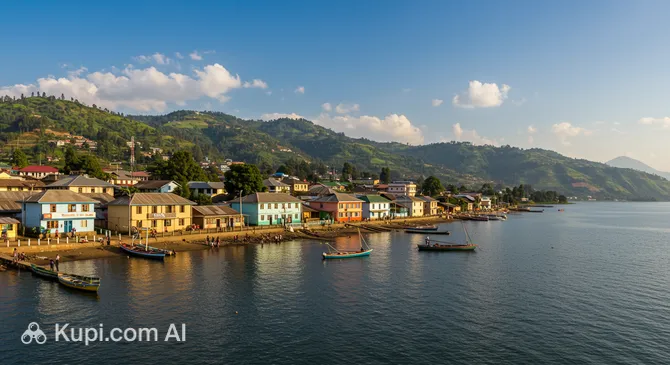
Rubavu, often referred to by locals and travelers as Gisenyi, is a true gem in the western part of the country. Nestled comfortably on the northern shore of picturesque Lake Kivu, this city offers a unique blend of a relaxed resort atmosphere and East African flair. Situated at the foot of green hills right on the border with the Democratic Republic of the Congo, Rubavu serves as a gateway to the Great Lakes region and is one of the most popular vacation spots in Rwanda.

With a population of about 137,000, the city is considered the second most important after the capital, Kigali. Thanks to its strategic location and developed infrastructure, it has become a major tourism hub. Here, modern hotels, lively markets, and quiet streets where you can feel the true rhythm of local life exist in harmony. The rich history of Rubavu as a crossroads of cultures has given the city a special charm that is felt in its architecture and traditions.

Rubavu. Illustration.
Source: Kupi.com AI

The main draw for visitors is undoubtedly the coast of Lake Kivu. The waterfront is lined with comfortable restaurants and bars where tourists can enjoy local cuisine while admiring mesmerizing sunsets. The public beach is ideal for swimming and leisurely strolls, while outdoor enthusiasts will find opportunities for boating and kayaking.

Rubavu is worth visiting for its unique combination of natural beauty and African exoticism. It is the perfect place to unwind after a safari or trekking to see mountain gorillas, immerse yourself in an atmosphere of hospitality, and see a different, resort-oriented side of the "Land of a Thousand Hills."

Weather Overview

The climate in Rubavu can easily be described as "eternal spring": there is no exhausting heat here, and the air always remains fresh and pleasant. Thanks to its location by Lake Kivu and the mountainous terrain, the air temperature is remarkably stable throughout the year. Average daytime figures vary in a comfortable range from +20°C to +22°C, while nights bring a refreshing cool, with temperatures dropping to +14°C.

When planning a trip, it's important to consider the distribution of rainfall. June and July are considered the best times for beach holidays and walking—these are the driest months with minimal rain (about 2–4 mm). In contrast, the periods from March to May and October to December are characterized by higher humidity; for example, in April and November, it rains almost daily. To choose the best dates for your visit, we recommend checking the detailed weather in Rubavu by month.

Expect moderately warm weather year-round with frequent but refreshing rains during the shoulder seasons and drier, sunnier days in mid-summer. Even in the "wet" months, rainfall is often short-lived, allowing you to enjoy the beauty of the lake and surroundings between showers.

Average monthly temperature

Average monthly precipitation

Interesting Facts

Beyond its main attractions, Rubavu holds many fascinating secrets that make it a unique destination. This city combines resort comfort with deep cultural traditions that surprise even seasoned guests.

  • Rare Architecture: A true gem of the city is the St. Francis Xavier Church. This building is an unusual example of European architecture for East Africa, symbolizing the region's rich spiritual heritage and historical cultural exchange.

  • Opera House: Rubavu holds an unexpected status as a center for high art. The city is known for hosting one of the few opera houses in the country, which gives it a special charm and sets it apart from other coastal settlements.

  • Mystique of the Lake: Majestic Lake Kivu is shrouded in many myths and legends. Locals readily tell tales of mysterious islands and ancient water spirits that, according to belief, inhabit the depths of this body of water.

  • Natural Spa: On the outskirts of the city are the famous Nyamyumba Hot Springs. They are considered healing and serve as a popular holiday spot where you can not only improve your health but also immerse yourself in the atmosphere of local hospitality.

How to Get There

When planning a trip to the picturesque shores of Lake Kivu, it's important to think through the logistics in advance for a comfortable journey. You can study all ways to get to the city in detail to choose the best route. Although Rubavu has its own airfield, most international routes to Rwanda go through the capital, from where tourists embark on a fascinating overland journey.

The main air gateway for foreign guests is Kigali International Airport (KGL). It receives flights from all over the world and is located about 98 km from the resort. The road from the capital to Rubavu takes about 3 hours and follows a high-quality paved highway that winds through the famous "Thousand Hills." This is the most reliable and popular transfer option.

Contrary to popular belief, the city has its own aviation hub—Gisenyi Airport—but it primarily serves domestic charter flights and small aircraft. Geographically, the closest airport to the resort center is Goma Airport (GOM), located just 6.4 km away. However, it's important to note that it is located in the DR Congo, and such a route would require crossing an international border with all the associated formalities. For travelers combining their trip with a visit to Uganda, Kisoro airport can be a convenient option.

Below is information about the nearest airports you can use when planning your route:

AirportPassenger trafficDistance
Goma Airport280 7396 km
Kisoro8 00065 km
Kamembe22 54795 km
Kigali International Airport1.2 mln98 km
Kihihi116 km

Ground transport in the region is quite well-developed. Regular buses and private taxis connect Rubavu with other major cities in the country. A car trip will offer unforgettable views of tea plantations and the majestic volcanoes of the Virunga mountain range, turning the transfer into an adventure of its own.

Main Attractions

Rubavu offers travelers more than just a beach holiday; it provides a chance to immerse themselves in the region's unique atmosphere through its natural and cultural landmarks. One of the most picturesque locations near the city is the Pfunda Tea Plantation. It is one of the largest and oldest plantations in the country, nestled among misty hills. Tourists come here to walk through endless rows of emerald bushes, learn the secrets of tea cultivation, and see the entire production process—from leaf picking to packaging the finished product. An excursion here is not only an educational experience but also a chance to take incredibly beautiful photos.

For outdoor enthusiasts, the city serves as the starting point for a legendary route—the Congo Nile Trail. This famous path, stretching along the coast of Lake Kivu, attracts hikers and cyclists from all over the world. Even if you don't have time to complete the entire 227-kilometer route, it's worth walking its initial section in Rubavu. Breathtaking panoramas of the lake, winding paths through banana groves, and encounters with smiling locals in colorful villages await you.

To see the city and its surroundings from a bird's-eye view, it's worth climbing Mount Rubavu. The ascent doesn't require special mountaineering training and takes about an hour, but the reward for the effort is impressive. From the summit, a 360-degree panorama opens up over the city buildings, the shimmering surface of Lake Kivu, and the majestic volcanic landscapes of the neighboring country. It is an ideal spot to catch the sunset, when the sun paints the water and mountains in golden tones.

Local Cuisine

The culinary map of Rubavu is a fascinating journey through the flavors of East Africa, where the treasures of Lake Kivu play the leading role. The local menu is based on fresh fish, prepared with great skill. The city's signature dish is sambaza—small silvery fish similar in taste to smelt or sardines. They are usually deep-fried until crispy and served with a lemon wedge as an appetizer or main course. Tilapia is also popular, often grilled whole and served with fried potatoes, cassava, or sweet plantains.

For those who want to experience authentic Rwandan traditions, it's worth ordering a hearty national dinner. This often includes ugali (a dense maize flour porridge) or matoke (mashed green plantains), which serve as the perfect side dish for stewed beans with aromatic herbs. Meat lovers must try the famous Rwandan brochettes—skewers of goat or beef grilled over charcoal and sold everywhere, from restaurants to street stalls.

A gastronomic experience in Rubavu wouldn't be complete without a cup of local coffee. The city is located in one of the country's leading coffee regions, so the drink here is of exceptional quality and rich aroma. Coffee shops offer tastings of the best varieties grown on the slopes of the surrounding hills, which has become a must-do ritual for visitors.

The food culture here harmoniously combines a relaxed resort style with local character. Tourists most often choose waterfront restaurants to enjoy dinner to the sound of the waves and beautiful sunsets. However, to feel the true rhythm of life, it's worth stopping by local markets or street fairs where you can buy fresh exotic fruits, hot samosas, and chat with hospitable residents.

Travel Tips

Rubavu is a place where a relaxed resort atmosphere meets unique African flair. To ensure your trip to Rwanda and your holiday on the shores of Lake Kivu are as comfortable and carefree as possible, we have prepared a list of useful recommendations to help you feel confident in any situation.

  1. Clothing and Climate. The weather in the region is mild but changeable. During the day, you'll be comfortable in light clothes made of natural fabrics, but for evenings by the water, be sure to grab a sweatshirt or windbreaker—it can be chilly after sunset. Given the hilly terrain, definitely bring comfortable shoes for walking. If you're planning a trip during the rainy season, a light raincoat will be your best friend.
  2. Transport. The most popular and affordable way to get around the city is by moto-taxi (locals call them "motos"). It's fast and cheap, but always demand a helmet (it's legally required) and hold on tight. For independent trips along the picturesque coast, you can rent a bicycle—it's a great way to see the sights at your own pace.
  3. Finances. The national currency is the Rwandan franc. Major hotels and waterfront restaurants accept international cards, but you'll need cash for local markets, small cafes, and transport. It's best to change money at official exchange offices (Forex bureaus) or banks, where the rate is usually better than in hotels.
  4. Health and Safety. Rubavu is a calm city, but as everywhere, you should watch your belongings in crowded places. Since the resort is by the water, don't forget to use insect repellent, especially in the evening, to protect against malaria. It is recommended to drink only bottled water.
  5. Communication. Locals speak Kinyarwanda, but due to its proximity to the DR Congo border, French is widely spoken. English is also well understood in the tourism sector. For reliable connectivity, we recommend buying a local SIM card (MTN or Airtel)—mobile internet here is fast and inexpensive.
  6. Local Etiquette. Rwandans highly value politeness and restraint. Greetings are usually accompanied by a handshake, while it is considered polite to support your right hand at the elbow with your left. Remember the strict environmental law: plastic bags are banned in the country. Use reusable cloth bags to avoid awkward situations.
  7. What to Avoid. The city is located in close proximity to the state border. It is strictly not recommended to photograph border posts, police, or military installations—this can lead to serious problems with the authorities. Also, always ask for permission before taking photos of local residents.
  8. Important Feature. Keep the "Umuganda" tradition in mind. On the last Saturday of every month from 8:00 to 11:00, the entire country participates in mandatory community work. During this time, shops are closed and transport does not run. Plan this morning for a quiet rest at your hotel or on the beach.

By following these simple tips, you can avoid minor organizational mishaps and fully devote yourself to your vacation. May Rubavu be remembered not only for its beautiful sunsets over the lake but also for the feeling of comfort and safety throughout your journey!

Entertainment & Nightlife

Nightlife in Rubavu is a far cry from the bustling scene of the capital. A relaxed resort atmosphere prevails here, where the rhythm is set by the lapping waves of Lake Kivu and the music drifting from the terraces of waterfront venues. Evening entertainment in the city is mainly concentrated along the picturesque promenade and near the public beach. This is the perfect place for those who want to combine dinner with a sunset view and dancing under the open sky.

The epicenter of evening activity is the waterfront area. This is where the most popular bars and restaurants are located, which fill up with both tourists and local youth as darkness falls. One of the most famous and colorful spots is Tam Tam bar, located right at the water's edge. This venue is known for its laid-back atmosphere, affordable drinks, and fresh grilled fish. It's also worth checking out New Tam Tam or the bars at major hotels, such as the lounge area of the Lake Kivu Serena Hotel, where you can spend the evening in a more refined setting with a cocktail in hand.

The musical palette of nighttime Rubavu is unique due to its proximity to the border with the Democratic Republic of the Congo. In DJ playlists, modern international hits and Afrobeats sit harmoniously alongside infectious Congolese rumba. The dress code in most places is casual: beach bars welcome casual style, though for visiting nightclubs or hotel restaurants, it's better to choose something more elegant.

In terms of safety, the tourist zone along the lake and the main streets are well-lit and patrolled, making evening walks quite comfortable. Nevertheless, walking deep into residential neighborhoods at night is not recommended. The most convenient and accessible way to get around after dark is by moto-taxi. Drivers wait near popular venues until late at night; a trip around the city is inexpensive, but be sure to insist on a helmet.

Beyond nightlife, Rubavu offers a rich daytime program. While the sun is high, the water remains the center of fun: tourists can rent kayaks, take a boat trip to the islands, or simply sunbathe on the sandy beach. Those interested in cultural leisure will find it rewarding to visit local art galleries or colorful markets where you can buy handmade souvenirs before the city is bathed in evening lights again.

Parks & Museums

Rubavu is a city where nature and history are so closely intertwined that the landscape itself feels like a massive open-air museum. While you won't find typical blocks of monumental museum complexes here, the city offers a unique experience of cultural discovery through its picturesque gardens, colonial architecture, and the natural reserves surrounding Lake Kivu.

The main green artery of the city is undoubtedly Gisenyi Public Beach and the adjacent promenade. It is more than just a place for swimming; it's a well-kept park area with sprawling palms and tropical flowers, perfect for picnics and relaxed lounging. For those seeking communion with the wild, a visit to Mount Rubavu is a must. The slopes of this hill are covered in dense forests with hiking trails leading to a summit that offers breathtaking views of the city and the neighboring Congolese city of Goma.

Just an hour's drive from the city lies Gishwati-Mukura National Park. Although outside the city limits, it is the nearest major ecosystem where tourists from Rubavu go to encounter chimpanzees and golden monkeys. This restored rainforest is a living example of how Rwanda cares for its natural heritage, turning former pastures into a thriving sanctuary of biodiversity.

In terms of cultural institutions, Rubavu keeps its treasures in hidden corners. The most significant historical site in the area is Imbabazi Gardens, founded by the legendary Rosamond Carr. This estate, often called "Little England," is known for its incredible flower plantations and a house-museum telling the story of its founder's life and her friendship with Dian Fossey. Visitors can immerse themselves in the atmosphere of the last century and learn more about the tragic and bright pages of the region's history.

Art lovers should take note of the local art galleries and craft centers scattered throughout the city. Instead of classic exhibition halls, creative cooperatives thrive here, where artisans create and display traditional Rwandan crafts—from "Imigongo" paintings to the famous "Agaseke" woven baskets. Visiting such workshops allows you not only to see finished pieces but also to observe the process of their creation.

As you stroll through the old part of the city, look out for the colonial architecture of the early 20th century. Buildings remaining from the German and Belgian presence serve as silent witnesses to history and give the streets a special charm that contrasts with modern hotels.

Insider Tip: For an authentic experience, head out to find small pottery workshops on the outskirts of the city. Local artisans use special clay from the valley, and you can not only buy a unique souvenir but also try your hand at the potter's wheel, learning the secrets of an ancient craft firsthand.

Getting Around

The public transport system in Rubavu is quite simple and intuitive, even for those new to the region. Since the city is relatively compact, there is no complex network of subways, trams, or trollybuses. The main burden of passenger transport falls on maneuverable motorcycles and minibuses, which allow you to quickly reach any point in the resort and its surroundings.

The most popular and ubiquitous mode of transport is moto-taxis, which locals simply call "motos." Drivers in brightly colored vests can be found on literally every corner. This is the fastest way to get around, especially if you need to get from the center to the beach or the foot of the hills. Passengers must be provided with a helmet—this is a strict legal requirement enforced by the police. A moto-taxi ride gives you a sense of freedom and a light breeze, which is especially pleasant on warm days.

For moving between neighborhoods or traveling to neighboring settlements, buses and minibuses are used. They depart from the main bus station (Gare), located in a busy part of the city. Buses run on a schedule but often depart as the cabin fills up. This is a more budget-friendly option compared to taxis, allowing you to immerse yourself in the local atmosphere and observe the daily life of the townspeople.

The fare payment system has its own peculiarities. In large official buses running through the region, the Tap&Go smart card system is widely used. These cards can be purchased and topped up from agents directly at the bus station. However, for moto-taxi rides and small private minibuses within the city, cash remains the primary means of payment. It is recommended to always carry small bills, as drivers do not always have change for large banknotes.

An important detail for tourists is the need to agree on the price in advance, especially when using moto-taxis or bicycle taxis. There are usually no meters in such transport, so the cost of the trip is fixed in a verbal agreement before boarding. Bargaining is appropriate and even encouraged, but within reasonable limits. Locals are generally friendly and can suggest a fair price for a route so that you don't overpay.

As an alternative to public transport, guests can use classic taxi services ("special hire"), which are better ordered through hotel reception, as "hailing" them on the street is not common. Bicycle rentals are also gaining popularity—an excellent choice for exploring the picturesque Lake Kivu waterfront independently. And for those who want to change their perspective, boats and motorboats are available along the shore, turning an ordinary trip into an exciting water excursion.

Accommodation

The choice of accommodation in Rubavu will pleasantly surprise travelers, offering options for every taste and budget. As the main lake resort that Rwanda is proud of, the city boasts an impressive range of offers: from luxury international-class hotels with private beaches to cozy family guesthouses and budget campsites. Here, you can find both modern apartments with all amenities and atmospheric eco-lodges that blend perfectly into the natural landscape.

The most prestigious and sought-after area to stay is the Lake Kivu waterfront. The best resort complexes are concentrated along the picturesque promenade and Boulevard de l'Independance. Staying here puts you at the heart of tourist life, within walking distance of beaches, restaurants, and bars. For those who prefer peace and panoramic views, hotels on the Rubavu Hills overlooking the city are an excellent choice. Budget-conscious travelers should look at options in Downtown, where prices are more affordable and access to markets and the bus station is more convenient.

Among the available accommodation categories, resort hotels hold a special place. They typically offer guests swimming pools, manicured gardens, and private access to the water, creating an atmosphere of total relaxation. Small boutique hotels are also popular, combining European comfort with elements of African decor and hospitality.

The pricing policy in the city is quite flexible. Budget hostels and simple rooms are available at very attractive prices, while the cost of staying in mid-range hotels and luxury resorts is in line with international standards. For booking larger hotels, it's best to use popular online aggregators where you can read reviews and see photos. However, for staying in small private guesthouses, it is sometimes more effective and cheaper to contact the owners directly or look for options on-site if you are traveling during the low season.

Booking tip: Rubavu is a favorite holiday destination for capital residents, so the city comes alive during weekends and national holidays, and the best rooms sell out quickly. If your trip falls on a weekend or the peak dry season (June–August, December–January), it is highly recommended to book your accommodation in advance to guarantee a comfortable stay with a lake view.

Nearby Cities

For those looking to diversify their beach holiday, Rubavu serves as an excellent starting point for exploring the surroundings. Thanks to its good location and transport links, several iconic places can be easily reached from here, allowing for a deeper understanding of the country's culture and nature.

Just 43 km from the city is Musanze—a popular hub for ecotourism and adventure. This settlement is known as the main gateway to Volcanoes National Park, home to the rare mountain gorillas. Even if you don't plan on trekking, it's worth visiting for the impressive caves formed by ancient lava flows and the breathtaking views of the Virunga mountain range peaks.

History buffs will enjoy a trip to Nyanza, located about 89 km from the resort. This city, the former royal capital, is famous for the King's Palace Museum, which features a reconstructed traditional monarch's residence with thatched roofs and the sacred "Inyambo" cows. Also within reach for a day trip is the modern capital, Kigali—a dynamic metropolis with developed infrastructure, art centers, and important memorials telling the story of the country's complex past.

CityPopulationDistance
Goma249 8629 km
Sake17 15130 km
Busogo12 46031 km
Rubengera33 01942 km
Ngororero34 55942 km

These destinations offer a great opportunity to change the scenery and complement quiet days on Lake Kivu with vivid impressions of traveling through the "Land of a Thousand Hills."

Shopping & Souvenirs

Shopping in Rubavu can hardly be compared to trips to the massive malls of world capitals, but this city offers something more—an authentic atmosphere and the chance to touch local culture through its goods. As a bustling border hub, the city is always full of movement, showcasing how Rwanda lives and breathes. There are no luxury boutiques with global brands here, but there is an abundance of colorful shops, craft workshops, and markets where you can find unique handmade items and fresh produce.

The main commercial life pulses in Downtown, near the main bus station. The streets here are a colorful patchwork of small shops, pharmacies, mobile phone stores, and clothing stalls. Walking through this area allows you to see the true rhythm of city life: this is where locals buy everything they need for the home, and tourists can look for vibrant fabrics or simple souvenirs. This is the best place to find an ATM or exchange office before you go shopping.

There are practically no large Western-style shopping centers in Rubavu, but the role of the main trading hub is played by the Gisenyi Modern Market. This impressive multi-story building brings hundreds of sellers together under one roof. It has a more orderly structure than the street bazaars, and you can find everything from electronics and clothing to kitchenware. For groceries and household basics, the Simba supermarket is also suitable, where they accept cards and offer fixed prices.

The true soul of local shopping is the traditional markets. The Main Market is a place where a riot of colors and scents captivates you from the first minute. Look for rows of traditional "kitenge" African fabrics—local tailors can sew a dress or shirt from your chosen piece in just a few hours. Also interesting is the "Petite Barrière" border area, where active trade with neighboring regions takes place. Although this area may seem chaotic, it gives a unique insight into the local character.

The most common souvenirs from Rubavu are products of the land. First and foremost, this means the famous Rwandan coffee and tea, grown on plantations around Lake Kivu. These can be bought in beautiful packaging in supermarkets or by weight. Be sure to look at the work of local artisans: "Agaseke" woven baskets with characteristic geometric patterns, wooden masks, and, of course, the pottery for which this region is famous. Art lovers should look for "Imigongo" paintings created using natural materials.

Shops in the city usually open around 08:00 and work until 18:00–19:00. Supermarkets may be open longer, until 20:00 or 21:00. On Sundays, many shops are closed or operate on a reduced schedule. The primary method of payment is cash Rwandan francs. Credit cards (Visa, Mastercard) are only accepted in major hotels and the Simba supermarket, so always carry a supply of cash, especially for market purchases. Bargaining is appropriate at bazaars and souvenir stalls, but in stores with price tags, prices are fixed.

The Tax-Free system in Rubavu for tourists is practically non-existent. VAT refund procedures are usually only available for large purchases in specialized shops in the capital or at the airport before departure, so you shouldn't count on it in smaller cities.
Have you reached the end of the page?

So the route has been studied inside and out