Support

Bequia

About

Bequia is the epitome of a tropical paradise dream, nestled cozily within the Grenadines archipelago. This picturesque island, located just 14 kilometers southwest of the main island of St. Vincent and the Grenadines, is the second largest gem of the region. Despite its modest area of just over 18 square kilometers, Bequia possesses a unique charm and an atmosphere of seclusion that larger, more popular resorts often lack.

Bequia. Illustration.
Source: Kupi.com AI

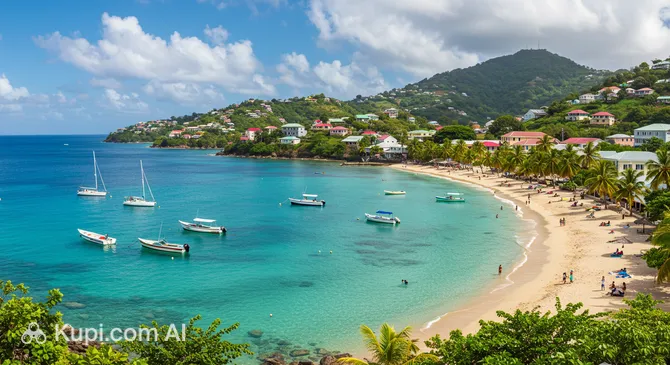
The heart of local life is Port Elizabeth, which stretches around the magnificent Admiralty Bay. Home to about 5,300 people, every resident seems to hold the secret to true Caribbean serenity. The city's streets are full of color: multi-colored houses decorate the hillsides, markets offer fresh tropical fruits, and numerous yachts bob at the piers, creating a postcard-perfect view.

The island lives in harmony with the sea. The unique history of Bequia is inextricably linked to shipbuilding traditions, thanks to which the island has become a recognized center for yachting in the Caribbean. Maritime customs are still honored here, and local craftsmen are famous for their art of boat building, which gives this place a special cultural context.

For travelers, Bequia offers ideal conditions for relaxation and connecting with nature. The island is unspoiled by mass tourism, so you can spend hours walking along golden beaches, exploring colorful coral reefs, or watching sea turtles in their natural habitat. If you are looking for a place to rest your soul and body to the sound of the ocean breeze, Bequia should definitely be on your itinerary.

Weather Overview

Weather:

The climate on the island of Bequia is tropical and favorable for holidays at any time of the year. Eternal summer reigns here: the average air temperature remains steadily in a comfortable range from 25.1°C in February to 27.3°C in September. Thanks to sea breezes, the heat is easily tolerated, and the sea water remains warm all year round.

The year can be roughly divided into two periods. The dry season lasts from January to May, when rainfall is minimal (about 1–2 mm) and the probability of rain is extremely low. This is the most popular time to visit. From June to November, humidity rises, the number of rainy days increases to 18–25 per month, and the level of precipitation increases to 4–6 mm. However, even during this period, rains are usually short-lived downpours and are quickly replaced by bright sunshine.

Expect consistently warm weather year-round with a dry and sunny winter and a more humid, hot summer and autumn. When planning your travel dates, we recommend checking the current weather in Bequia to be prepared for possible tropical downpours or to enjoy a perfect sunny day.

Average monthly temperature

Average monthly precipitation

Interesting Facts

Interesting facts:

Beyond its picturesque landscapes, Bequia hides many surprising stories and traditions that reveal themselves only to inquisitive travelers. Here are a few little-known facts that will help you look at this Caribbean island in a new way:

  • "Island of the Clouds." The name "Bequia" is rooted in deep antiquity and comes from an indigenous word that translates as "Island of the Clouds." The island received this poetic name for a reason: the peaks of its hills are often shrouded in a light haze, creating a mystical and enchanting atmosphere.

  • A Royal Footprint. The famous Princess Margaret Beach received its current name in honor of Queen Elizabeth II's sister. In 1958, during her visit to the Grenadines, Princess Margaret was so charmed by this bay that she decided to take a swim here, forever inscribing this corner into the pages of social history.

  • Mastery in Miniature. In the past, Bequia was a major center for shipbuilding and whaling in the region. Today, this tradition has transformed into a unique craft: local masters are world-famous for making incredibly accurate and detailed models of sailing ships. These miniature ships are not just souvenirs, but real works of art that preserve the memory of the island's maritime glory.

  • Saving Ancient Inhabitants. The island is home to the unique Old Hegg Turtle Sanctuary, founded by a local enthusiast. Vulnerable hawksbill sea turtles are cared for here from the moment they hatch until their shells are strong enough for life in the open ocean. The turtles are released into the sea only after several years of care.

  • Pirate Secrets. Like many islands in the Caribbean, Bequia is shrouded in pirate legends. Local folklore says that ancient pirate chests filled with gold may still be hidden in the island's secluded bays and caves, and fishermen by the campfire love to tell stories of mysterious finds from the past.

Princess Margaret Beach. Illustration.
Source: Kupi.com AI

Traveler photos:

How to Get There

There are various ways to reach this picturesque island, but most often the journey involves a flight followed by a sea trip. You can find out all the details and plan your route by visiting the how to get to Bequia page, where detailed information is collected.

The most convenient and nearest air hub is Argyle International Airport (IATA: SVD). Please note that it is not located in the city of Bequia itself, but on the neighboring large island of St. Vincent, in the city of Kingstown. The distance to Bequia is only about 18 km in a straight line. Since the airport is separated by a strait, travel time will depend on the ferry schedule, but the road from the terminal to the ferry terminal by taxi will take about 45–50 minutes.

For travelers flying from afar, Hewanorra Airport (IATA: UVF), located in Castries on the island of St. Lucia, can be an important transit point. It is located approximately 85 km from Bequia and serves many international flights. From here, tourists usually transfer to local airlines or private charters. The journey will take more time considering the transfers, but it is an excellent option for connections.

You can also consider flying through Martinique Aimé Césaire International Airport (IATA: FDF) in Fort-de-France. This is a major transport hub with a passenger traffic of over 1.8 million people per year, located 176 km from Bequia. This option is often chosen by tourists traveling from Europe.

For convenience, here is a summary of the main airports:

AirportPassenger trafficDistance
Argyle International Airport610 85918 km
Hewanorra Airport700 00085 km
George F. L. Charles Airport394 000114 km
Maurice Bishop International Airport178 020127 km
Martinique Aimé Césaire International Airport1.9 mln176 km

There is no railway service in St. Vincent and the Grenadines, so trains are not a way to get to Bequia. The main mode of transport connecting Bequia with the outside world after arriving at the nearest airport is the ferry service. Regular ferries run between Kingstown (St. Vincent) and Port Elizabeth (Bequia), providing a scenic and reliable transfer for locals and tourists.

Main Attractions

Bequia offers its guests not only a relaxed beach holiday but also several iconic sites that define the unique character of this Caribbean island. There are no grand monuments here, but there are cozy corners filled with local flavor and natural beauty.

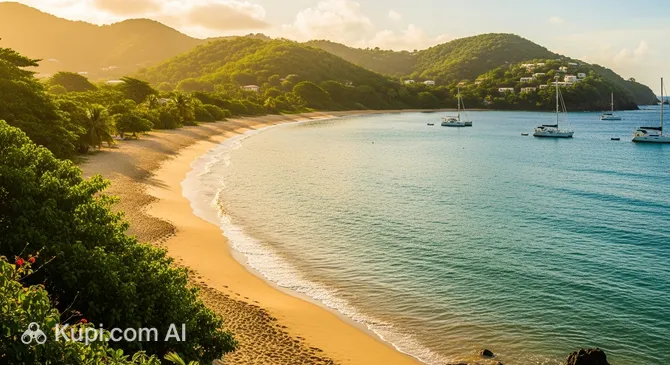
The island's main jewel is undoubtedly Princess Margaret Beach. This picturesque beach with white sand and calm turquoise water got its name after the British Princess Margaret took a swim here. It is an ideal place for swimming, snorkeling, and simply relaxing in the shade of palm trees. You can get here by water taxi from Port Elizabeth or via a scenic coastal trail.

Princess Margaret Beach. Illustration.
Source: Kupi.com AI

Traveler photos:

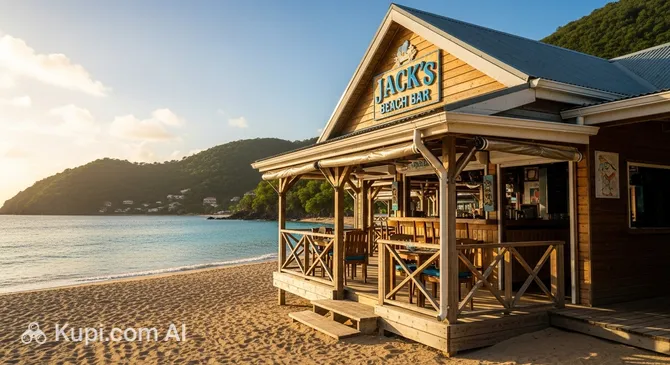
Right on Princess Margaret Beach is one of the island's most stylish establishments—Jack's Beach Bar. It is more than just a restaurant; it is a popular meeting spot where you can enjoy refreshing cocktails and fresh seafood while admiring the stunning view of the bay. The relaxed atmosphere and live music in the evenings make it a wonderful way to end a day at the beach.

To better plan your stay on the island, find out about local events, or book an excursion, it is worth stopping by the office of the Bequia Tourism Association. This non-profit organization serves as the main information center for the island's guests. Here they will help you with maps, suggest outdoor activities like diving or sailing, and share useful tips to make your journey even more fulfilling.

Local Cuisine

Bequia's gastronomic scene is a bright reflection of the Caribbean soul, where the freshest seafood meets Creole traditions and a relaxed atmosphere. Food here is not just about satisfying hunger, but a real ritual accompanied by the sound of the surf and the warm smiles of the locals. The menu is based on seafood brought to shore by fishermen every morning: from tender lobster and tuna to mahi-mahi and the famous Caribbean lambie (conch).

Among the dishes definitely worth trying is "roti"—a hearty flatbread filled with chicken, fish, or vegetables, generously seasoned with curry. This is an ideal option for a quick and tasty lunch. For a lighter snack or to start your dinner, order "callaloo"—a thick and aromatic soup made from taro leaves, coconut milk, and often crab meat. Those with a sweet tooth will enjoy homemade tropical fruit pies and traditional cinnamon donuts.

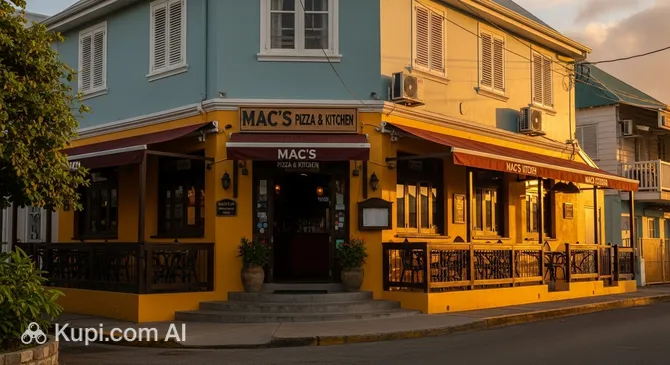
The food culture on the island is diverse: from street barbecue stalls to cozy waterfront restaurants. Breakfasts and lunches often take place in a relaxed format right on the beach. For example, you can visit the famous Jack's Beach Bar, which serves excellent seafood dishes and refreshing cocktails with a view of the bay. If you want to try great pizza or international dishes combined with local flavor, it is worth checking out Mac's Pizza & Kitchen.

Mac's Pizza & Kitchen. Illustration.
Source: Kupi.com AI

Traveler photos:

No feast on Bequia is complete without drinks. Rum punch invariably remains the king of parties, with each bartender having their own recipe, but it always includes local rum, fruit juices, and a pinch of nutmeg. Popular non-alcoholic drinks include fresh passion fruit and mango juices and, of course, chilled coconut water straight from the nut.

Special attention should be paid to the gastronomic festivals that regularly take place on the island. Fish festivals and barbecue nights turn the streets into noisy celebrations where chefs compete in grilling skills and guests enjoy street food to the rhythms of local music. This is the best way to feel the true taste of life on Bequia.

Travel Tips

Traveling to Bequia is an immersion into the relaxed rhythm of the Caribbean, but even in paradise, it's useful to know a few practical nuances. To make your holiday as comfortable and carefree as possible, we have prepared a list of important tips to help you feel at home on the island.

  1. Clothing and Gear. The climate here is tropical, so bring light clothes made of natural fabrics (cotton, linen). Be sure to pack sunscreen with high SPF, a hat, and insect repellent for the evening. Flip-flops are suitable for the beach, but for walking in the hills, it's better to have comfortable sandals. Remember that swimsuits are appropriate only on the beach; in town and shops, it's customary to throw on a tunic or a T-shirt.

  2. Transport. There is no public transport in the traditional sense; it's replaced by colorful open shared taxis (dollar vans) and water taxis running between beaches. There are no apps like Uber here. If you decide to rent a car, remember the left-hand traffic, narrow winding roads, and the need to buy a temporary local driver's license at the police station.

  3. Finances. The official currency is the East Caribbean Dollar (XCD), but US dollars are accepted almost everywhere (change is often given in local currency). Visa and MasterCard work in hotels and large restaurants, but for the market, taxis, and small cafes, it's essential to have cash, preferably in small bills. ATMs are available in Port Elizabeth.

  4. Health and Safety. Bequia is a safe island, but do not leave your belongings unattended on the beach. Pharmacies are available in Port Elizabeth, but they are not open 24/7, so bring a supply of personal medications with you. Beware of Manchineel trees on the beaches—their fruits are poisonous, and the sap causes burns, especially if standing under the tree during rain (trunks are usually marked with red paint).

  5. Connection and Communication. The official language is English, so there will be no problems with understanding. Wi-Fi is available in most hotels and cafes, but speeds can vary. For stable internet across the island, it's better to buy a local SIM card (Flow or Digicel providers) in Port Elizabeth right upon arrival.

  6. Local Etiquette. Islanders are very friendly and value politeness. It's customary to greet passers-by on the street and taxi drivers using the phrases "Good morning" or "Good afternoon." The attitude towards time here is philosophical ("island time"), so don't rush waiters and shop assistants—relax and enjoy the moment.

  7. What to Avoid. In St. Vincent and the Grenadines, it is strictly forbidden to wear camouflage-patterned clothing (even for children or on bags)—this is the prerogative of the military, and such items can be confiscated. Also, avoid photographing locals without their prior consent—it is considered bad manners.

  8. Water Conservation. Fresh water on the island is a scarce resource, often collected from rainwater. Please use water sparingly when taking a shower and using the tap. Locals will be very grateful for such a respectful attitude toward the ecology of their home.

By following these simple recommendations, you can avoid minor troubles and fully devote yourself to your vacation. Bequia is a place where sincerity and simplicity are valued above all else, so come with an open heart, and the island will reciprocate!

Entertainment & Nightlife

Nightlife on the island of Bequia is not about noisy metropolitan clubs with neon signs, but rather about a soulful atmosphere, live music, and dancing under the starry Caribbean sky. Evening entertainment here is soaked in the relaxed island rhythm, where locals and tourists alike enjoy sunsets and the sounds of reggae, calypso, and blues.

The epicenter of evening activity is the Belmont Walkway in Port Elizabeth. This scenic waterfront path connects many cozy bars and restaurants. This is where you can find the most popular venues where the music doesn't stop until midnight. The crowd here is very diverse: from sailors who have moored their boats in the bay to locals coming to unwind after a work day.

One of the most iconic spots for evening relaxation is Jack's Beach Bar, located right on Princess Margaret Beach. This venue is famous not only for its cocktails but also for regular musical evenings that gather guests from all over the island. The atmosphere here is as casual as it gets: you can dance barefoot on the sand or simply sit with a glass of rum punch, admiring the night sea.

Jack's Beach Bar. Illustration.
Source: Kupi.com AI

Traveler photos:

Another legendary spot on the nightlife map is Mac's Pizza & Kitchen. This place is known for its acoustic nights and friendly environment. Local bands often perform here using traditional instruments, creating the unique flavor of the Grenadines. It is an excellent choice for those who want to combine dinner with a cultural program in a calm setting.

Practical Tips and Dress Code:

  • Style: The dress code on the island is very laid-back—"island casual." Light dresses, linen shirts, and sandals are appropriate everywhere. It is better to leave high heels and formal suits at home.
  • Time: Parties usually start around 8:00–9:00 PM and rarely last until morning. Most establishments close by midnight or 1:00 AM.
  • Prices: The average price for a cocktail ranges from 15 to 30 East Caribbean Dollars (XCD). Many bars offer "Happy Hours" at sunset.

Safety and Transport: Bequia is considered a safe island, and walking along the Port Elizabeth waterfront in the evening is quite comfortable. However, for returning to remote hotels or villas at night, it is recommended to use a taxi. You can find a car at the stand in the city center or ask bar staff to call a driver for you. If you are staying on a yacht or in a hard-to-reach bay, arrange a water taxi in advance, as their operation is limited at night.

As for daytime entertainment, Bequia offers peaceful leisure activities. There are no large amusement parks or major theaters here. Cultural life is concentrated around small museums, such as the Maritime Museum, and visiting natural attractions. During the day, tourists most often go on boat trips, go diving, or visit the turtle sanctuary, leaving the noisy fun for the evening.

Parks & Museums

The cultural and natural heritage of Bequia is not confined within the strict limits of classical museum halls or fenced parks. The entire island can be called a living open-air museum, where the history of seafaring is inextricably linked with tropical landscapes. To understand the soul of this place, it is worth starting your acquaintance with the Bequia Maritime Museum. Located in the Hamilton area, it preserves the memory of rich traditions of shipbuilding and whaling that defined the islanders' way of life for centuries. Here you can see rare artifacts, antique tools, and photographs telling the story of the Scottish roots of local dynasties.

History buffs and those seeking panoramic views should definitely climb up to Fort Hamilton. This fortification was built by the British at the end of the 18th century to protect the harbor from French privateers. Today, peace reigns here: old cannons have been preserved among the ruins, but the main trophy for the traveler will be the breathtaking view of Admiralty Bay. It is an ideal place for a leisurely walk and a picnic overlooking the yachts entering the port.

A special kind of "living exhibits" on the island are the model boat workshops, such as the famous Sargeant Brothers Model Boat Shop. These are not just souvenir shops, but real galleries of craft. Masters here create precise miniature copies of vessels, from traditional whaling boats to modern yachts, continuing the glorious traditions of their ancestors.

The island's natural areas deserve separate attention. Although there are no botanical gardens here, nature itself has created magnificent parks by the water. The most famous of them is Princess Margaret Beach. It is not just a strip of sand, but a picturesque natural complex surrounded by dense greenery of almond trees and cedars, providing natural shade.

Princess Margaret Beach. Illustration.
Source: Kupi.com AI

Traveler photos:

Another important eco-point is the Old Hegg Turtle Sanctuary. Although we already mentioned it as an interesting fact, visiting this place in an excursion format allows you to dive deeper into environmental issues and see how enthusiasts fight to preserve the population of hawksbill sea turtles in their natural habitat.

For those who prefer active recreation in nature, the best "park" will be the trail to Peggy’s Rock. Climbing this peak is a journey through a dry tropical forest, rewarded with a bird's-eye view of the Southern Grenadines. It is a secluded place where you can feel complete harmony with nature away from the tourist trails.

To properly plan your route through historical sites and nature trails, we recommend stopping by the office of the Bequia Tourism Association. Here you will be provided with current maps, informed about museum opening hours, and helped with organizing excursions with local guides.

Getting Around

The public transport system on the island of Bequia differs significantly from the usual urban infrastructure of megacities. Here you will not find subways, trams, or large regular buses. The island's transport network is adapted to its small size and relaxed pace of life, representing a colorful combination of land and water routes that can themselves become part of an adventure.

The main means of transport for locals and tourists are the so-called "dollar vans" or shared taxis. These are often pickup trucks converted into open-air buses with a canopy and benches in the back ("safari" style), or regular minivans. They run along the island's main roads, connecting Port Elizabeth with areas like Paget Farm and Lower Bay. Stops here are informal: to get on, just wave your hand to the driver on the roadside, and to get off, knock on the roof or side of the cabin.

A unique feature of Bequia's transport system is the water taxis. These are small motorboats with bright canopies that run between the main pier in Port Elizabeth and popular beaches such as Princess Margaret Beach and Lower Bay. This is not only the fastest but also the most scenic way to get to your destination, avoiding the hilly roads. You can find them on the waterfront or simply by waving from the pier.

The payment system is extremely simple: no transport cards, passes, or mobile apps are used here. Payment is made exclusively in cash to the driver upon exit. Prices are fixed and very affordable: a ride in a van usually costs from 2 to 5 East Caribbean Dollars (XCD) depending on the distance. Water taxis are more expensive; it's best to check the price before boarding. Although US dollars are accepted everywhere, drivers prefer local currency, and your change will likely be given in it.

For those who prefer independence, renting transport is a popular option. However, instead of regular cars, tourists on Bequia often choose golf carts or small jeeps, which are ideal for the island's narrow and winding roads. It is important to remember that to drive any motorized vehicle, you will need to purchase a temporary local driver's license. This can be done at the police station or directly at the rental office upon presentation of your national license.

When planning your movements, keep an important nuance in mind: public transport (vans) runs regularly only during daylight hours. After sunset (around 6:00–7:00 PM), the intensity of traffic drops sharply, and catching a car becomes difficult. For evening trips to a restaurant or returning to your hotel, it is recommended to arrange in advance with a private taxi driver or use the transfer services provided by many establishments.

Accommodation

Accommodation options on the island of Bequia differ noticeably from typical Caribbean resorts with huge hotel complexes. Here you won't find multi-story "all-inclusive" chain giants. Instead, the island offers a cozy and intimate atmosphere: from luxurious private villas hidden in the greenery of the hills to charming boutique hotels, family guest houses, and apartments right at the water's edge.

When choosing a place to stay, you should be guided by your holiday preferences. The most convenient area is Port Elizabeth and the adjacent Belmont Walkway. By staying here, you will be in the center of island life, within walking distance of the ferry pier, shops, the market, and restaurants. This is an ideal choice for those who do not plan to rent transport.

For beach lovers, the best solution would be to stay near the popular bays. The areas adjacent to Princess Margaret Beach and Lower Bay offer many options—from simple cottages to elite villas with panoramic sunset views. A more relaxed atmosphere reigns here, and the sea is literally two steps from your doorstep. Those seeking seclusion and quiet should consider the east coast, for example, the Friendship Bay area.

Price Range and Booking:

  • Budget Segment: Small guest houses and rooms for rent. Prices here are higher than in Asia but quite affordable by Caribbean standards.
  • Middle Class: Cozy boutique hotels and apartments with kitchens, which are convenient for long-term stays.
  • Luxury: Private villas with pools and staff—this is perhaps the most popular format for elite holidays on Bequia.

Booking Tip: Bequia is a small island, and the best housing options get snapped up very quickly. It is highly recommended to book your stay in advance, at least 3–4 months ahead, if you plan to travel during the high season (December to April). There is particular demand during the Easter Regatta—at this time, finding a free room is almost impossible if you don't take care of it six months in advance. You can book through popular international online platforms as well as directly through hotel websites or local real estate agencies managing villas.

Nearby Cities

For those who want to explore the surroundings, Bequia serves as an excellent starting point for day trips to several interesting nearby locations:

Just an hour away by ferry is Kingstown—the colorful capital of St. Vincent. This place attracts visitors with its historic cobbled streets, the oldest botanical garden in the Western Hemisphere, and a bustling market where you can buy exotic fruits and spices. A trip here allows you to dive into a more dynamic atmosphere compared to relaxed Bequia.

For lovers of exclusive holidays, the island of Mustique is an interesting destination. This private island is known for its luxurious villas, where world celebrities and members of royal families often vacation. Here you can enjoy impeccable beaches, such as Macaroni Beach, and an atmosphere of complete privacy.

Slightly further south is the island of Canouan, famous for its white sands and some of the best coral reefs in the archipelago, making it an ideal place for snorkeling and diving.

CityPopulationDistance
Calliaqua24 20514 km
Mustique50015 km
Kingstown25 00016 km
Canouan2 00033 km
Palm Island50 km

These nearby destinations provide an insight into the region's diverse culture and landscapes.

Shopping & Souvenirs

Shopping on the island of Bequia is a relaxed and pleasant process, devoid of the hustle and bustle of major metropolises. Here you will not find huge shopping malls or famous high-fashion chain boutiques. The charm of local shopping lies in its uniqueness and authenticity: the island is famous for its artisans, artists, and craftsmen who create things that cannot be bought anywhere else in the world. The main emphasis is on handmade products, beach fashion, and original souvenirs.

The island's main shopping artery is the waterfront and the central street in the capital, Port Elizabeth (often called Front Street). Strolling along Admiralty Bay, you will find a series of bright wooden houses that house souvenir shops, art galleries, and clothing stores. It is an ideal place for a leisurely promenade where shopping can be combined with admiring the yachts in the harbor.

There are no large shopping centers in the usual sense on Bequia. Instead, there are small shopping complexes and arcades, for example, in the Belmont area. In such places, a boutique with designer swimwear, a bookstore, and a shop with local delicacies can coexist under one roof. This creates a cozy, intimate atmosphere where every customer is greeted like an old friend.

The heart of local trade is the Port Elizabeth Market (often called the Rasta Market). This is a colorful place where local farmers sell the freshest tropical fruits, vegetables, and spices. You can also find stalls with jewelry made from coconut, shells, and coral. The market is not just a place for shopping, but also a center of social life where you can find out the latest island news and chat with the locals.

When it comes to souvenirs, Bequia's signature items are model sailing ships. The island is historically famous for its shipbuilders, and local masters create incredibly detailed miniature copies of vessels that are valued by collectors around the world. It is also worth paying attention to:

  • Scrimshaw—skilful bone carving (traditional whaling has left its mark on art).
  • Batik and screen printing—bright fabrics and clothing with tropical patterns.
  • Local sweets—guava jams, hot sauces, and spices.

To find guidebooks, postcards, or books about the island's history, you can contact the office of the Bequia Tourism Association. There you can often find useful materials and souvenir products related to the island's cultural events.

Shops on Bequia usually operate Monday through Friday from 08:00 to 16:00 or 17:00. On Saturdays, many close as early as lunch, around 12:00–13:00, and Sunday is an official day off when only some grocery stalls and souvenir kiosks for cruise ship tourists are open.

Regarding payment, the official currency is the East Caribbean Dollar (XCD), but US dollars are accepted almost everywhere. In large boutiques and restaurants, you can pay with credit cards (Visa, MasterCard), but for visiting the market and small shops, it is highly recommended to have cash with you, preferably in small denominations, as change for large banknotes may not always be available.

The Tax Free system (tax refund) is not common on Bequia as it is in Europe. However, some shops selling jewelry or high-end goods may offer "Duty Free" prices for tourists upon presentation of a passport and return ticket, but this is more the exception than the rule.
Have you reached the end of the page?

So the route has been studied inside and out