Support

Port Alfred

About

Port Alfred is a picturesque gem of the Sunshine Coast, situated at the mouth of the majestic Kowie River. This charming town in the Eastern Cape province is renowned for its laid-back atmosphere, magnificent waterscapes, and status as one of the most beloved holiday destinations in South Africa. Located exactly halfway between two major centers, East London and Gqeberha, it perfectly combines small-town coziness with well-developed tourist infrastructure.
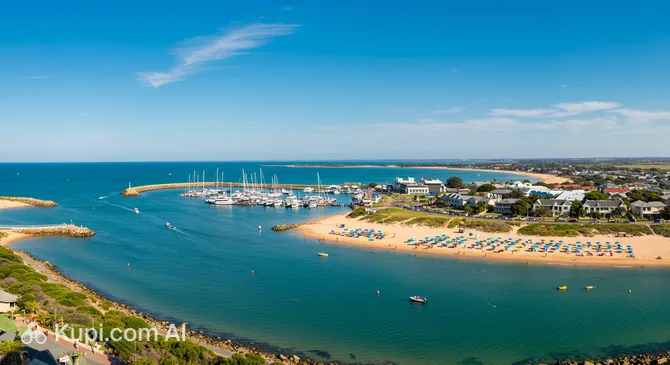
Port Alfred. Illustration.
Source: Kupi.com AI

Geographically, the town is unique because it is divided by a wide river into two parts, connected by a famous arched bridge. The climate here is mild and temperate, allowing for holidays to be enjoyed almost year-round. Although the permanent population is around 26,000 people, the town comes alive during the holiday season, filling with travelers, surfers, and yachting enthusiasts.

Among the town's key features is the prestigious Royal Alfred Marina — a unique system of man-made canals and islands where every house has water access and a private jetty. Equally famous is Kelly's Beach, which regularly receives the Blue Flag award for cleanliness and safety. The town also carefully preserves the memory of its past: the fascinating history of Port Alfred, tied to the 1820 British Settlers, is reflected in the old architecture and local traditions.

Port Alfred is the ideal destination for those who want to slow down the pace of life. Whether it's a sunset river cruise, diving, or a walk along endless sand dunes, this town is sure to charm you with its hospitality and natural beauty. Come here to breathe in the fresh ocean breeze and feel the true magic of the African coast.
Weather Overview

The summer months, from December to February, are the warmest: during this time, daytime temperatures reach +25-26°C. Winter, lasting from June to August, is very mild and drier, with comfortable daytime temperatures around +20-21°C. Overall, the amount of rainfall in the town is low, but the highest number of rainy days occurs from spring to early autumn, spanning the months from September to March.

To better plan your trip based on weather conditions, you can explore detailed information. Find out more about the climate of Port Alfred and choose the perfect time for your journey.

Average monthly temperature

Average monthly precipitation

Interesting Facts

Beyond its main attractions, Port Alfred holds many fascinating secrets that only reveal themselves to the most curious travelers. This town is not just a resort, but a place with a unique ecosystem and unexpected world-class achievements.

  • An aviation powerhouse. Few know that Port Alfred is home to the famous "43 Air School." This training institution is considered one of the most prestigious in the Southern Hemisphere, and there is a high probability that the pilot of your next international flight honed their skills in the skies above this small South African town.

  • Unique river geography. The Kowie River, at the mouth of which the town sits, has a remarkable feature: ocean tides travel up the river for a distance of more than 20 kilometers from the coast. This creates a rare opportunity to take a boat trip starting at the ocean waves and ending deep in the African bush, observing wildlife from the water.

  • Elite marina status. The local harbor, Royal Alfred Marina, was the first in South Africa to be awarded international Blue Flag status specifically as a marina rather than a beach. This confirms the exceptional water clarity in the man-made canals, where, despite the residential development, you can find seahorses and rare species of crabs.

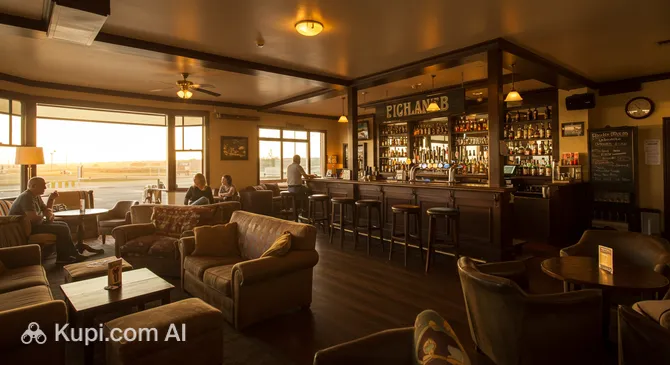
  • A legendary meeting place. The town has establishments that have become true keepers of local traditions. For example, the colorful Highlander Pub is not just a bar, but a kind of historical club where locals and travelers have been exchanging stories about life on the Sunshine Coast over a beer for many years.

The Highlander Pub. Illustration.
Source: Kupi.com AI

Traveler photos:

How to Get There

When planning a trip to the Sunshine Coast, it is important to think through the logistics and find out how to get to Port Alfred. Since there is no commercial airport or railway station in the town itself, the main route lies through neighboring large transport hubs, from where you can comfortably travel by car or transfer.

The most popular option for tourists is flying to one of the nearest cities. Most often, travelers choose Port Elizabeth International Airport (PLZ), located in the city of Gqeberha. It is approximately 127 km from Port Alfred. This is a major transport hub receiving numerous flights. A trip from here by taxi or rental car will take roughly 1.5–2 hours, allowing you to enjoy coastal views along the way.

An alternative and even closer option is East London Airport (ELS), located in the city of East London. The distance to the center of the resort is about 105 km. The journey from this airport will also take about 1.5 hours. This is a regional airport, which is convenient for those building a route from the eastern part of the coast.

For clarity, here is a summary of the main airports:

AirportPassenger trafficDistance
East London Airport714 598105 km
Port Elizabeth International Airport1.2 mln127 km
Umtata Airport45 000281 km

Regarding rail transport, there are no direct passenger trains to Port Alfred. The rail network in this region is primarily oriented toward freight transport or connects only the largest metropolises. Therefore, if you prefer to travel by land, we recommend using intercity buses or renting a car to drive along the scenic R72 highway, which connects East London and Gqeberha via Port Alfred.

Main Attractions

The main magnet for tourists in Port Alfred is undoubtedly its vast water spaces. Central to this is Kelly’s Beach, which proudly holds Blue Flag status. It is an ideal location for family holidays, featuring golden sand, safe swimming areas, and two viewing platforms offering panoramic views of the Indian Ocean. Here, you can not only sunbathe but also watch dolphins playing in the surf and, in season, spot whales.

It is impossible to imagine the town without its main artery — the Kowie River. It is navigable for many kilometers inland, making it a paradise for water outing enthusiasts. Tourists can embark on a sunset cruise, rent a boat for fishing, or engage in active sports such as water skiing and canoeing. The river's scenic banks are perfect for picnics and birdwatching.

For those seeking a combination of cozy atmosphere and local flavor, the Highlander Pub is a must-visit. This establishment has long outgrown its status as a mere bar to become an iconic town landmark. Situated in a picturesque location, it offers guests not only excellent drinks and cuisine but also the chance to immerse themselves in the authentic hospitality of the Eastern Cape while enjoying magnificent views.

Nature lovers looking for something more wild should visit East Beach. It is famous for its massive sand dunes, which attract sandboarding enthusiasts. It is also a wonderful place for long, secluded walks along the ocean, where you can find beautiful shells and feel the power of the elements away from the bustle of the central beaches.

Local Cuisine

The gastronomic scene in Port Alfred is a harmonious blend of fresh ocean treasures and the hearty meat-based cuisine characteristic of the Eastern Cape. Thanks to the town's location on the coast and at a river mouth, seafood forms the basis of many menus. Tourists should definitely try the local fish, especially freshly caught hake or Cape salmon, often served battered with golden chips—a nod to the region's British traditions. Calamari steaks and oysters, which are exceptionally fresh here, are equally popular.

For meat lovers, Port Alfred offers magnificent dishes cooked over an open flame. The "braai" culture (South African barbecue) is ubiquitous here: in restaurants, you can order succulent premium beef steaks or try something exotic like game meat, such as kudu or springbok. For a light snack, biltong—dried meat with spices—is an excellent choice; it is sold almost everywhere and is considered a national pride of South Africa.

The dining atmosphere in the town is very democratic and relaxed. There are few pretentious restaurants with dress codes; instead, locals and guests prefer cozy cafes with views of the Kowie River or the marina. One such iconic place where you can enjoy a hearty meal and a great mood is the Highlander Pub. This establishment is famous for its authentic atmosphere and a wide selection of dishes, from classic burgers to traditional pies, making it a perfect spot to experience local hospitality.

Regarding drinks, it is customary to accompany a meal with a glass of excellent South African wine—a white Chenin Blanc or a rich red Pinotage. In recent years, locally produced craft beer has also been gaining popularity. Among non-alcoholic beverages, Rooibos tea remains king, served either hot or as an iced tea with fruit infusions, perfect for quenching thirst on a hot summer day.

Travel Tips

Port Alfred is an incredibly welcoming town, but as with any trip, knowing the local nuances will make your holiday much more comfortable. We have prepared a list of practical recommendations to help you avoid minor troubles and feel confident on the Sunshine Coast.

  1. Clothing and Adapters. Coastal weather is changeable: even in the hot summer, a cool breeze can blow in from the ocean, so always have a windbreaker or a light jumper with you. Be sure to pack comfortable shoes for walking on the dunes and sunglasses. Important point: South Africa uses Type M sockets (with three round pins), so buy an adapter in advance as European plugs do not fit here.

  2. Transport Specifics. There is virtually no convenient public transport for tourists in town, and taxi services like Uber can be unreliable or involve long waits. The most reliable option is renting a car. This will give you the freedom to move between beaches and shopping centers. If you don't drive, it's best to arrange transfers with your hotel in advance or save the numbers of local official taxis.

  3. Finance and Tipping. The local currency is the South African Rand (ZAR). Cards are accepted almost everywhere, but cash is useful for paying car guards, market purchases, and small tips. Tipping culture is well-developed here: it is customary to leave 10–15% of the bill in restaurants if a service charge is not automatically included.

  4. Health and Sun. Port Alfred is in a malaria-free zone, so no special medication is needed. However, the African sun is very intense even on cloudy days—using a high SPF sunscreen is mandatory. Pharmacies are located in large shopping centers and operate on standard schedules, but there are few 24-hour points, so it is better to pack a personal first-aid kit at home.

  5. Communication and Internet. English is the primary language and you will be understood everywhere. For mobile communication and internet, we recommend buying a local SIM card (Vodacom or MTN) at supermarkets or official stores (passport required). Wi-Fi is available in most cafes, but mobile internet is indispensable for navigation and staying connected on the road.

  6. Local Etiquette. South Africans are very friendly and value politeness. It is customary to greet shop assistants, drivers, and even passersby. Life in a coastal town flows at a relaxed pace ("African time"), so don't rush waiters or get frustrated by slightly slow service—just relax and enjoy the moment.

  7. What to Avoid. Do not swim at wild beaches where there are no lifeguards: Indian Ocean currents can be very strong and treacherous. Also, avoid walking alone on unlit and deserted streets after dark—it's better to call a door-to-door taxi.

  8. Energy Saving. The country periodically experiences scheduled power outages (load shedding). Download the free EskomSePush app to know the outage schedule for your area and plan gadget charging or dinner in advance.

By following these simple tips, you can focus on the main thing—the magnificent beaches, river trips, and the unique atmosphere of the Eastern Cape. We wish you a safe and unforgettable journey to Port Alfred!

Entertainment & Nightlife

Nightlife in Port Alfred differs from that of noisy metropolises: you won't find massive nightclubs with laser shows running until dawn here. Instead, the town offers a cozy, relaxed "pub culture" where evenings are spent in lively conversation over good drinks, often to the sound of live music. It is a perfect spot for those who value soulfulness and local character, while the presence of students from the local flight school and university adds a youthful energy to the town.

The center of gravity in the evenings is traditionally the historical Wharf Street. Located along the banks of the Kowie River, it has retained its old-world charm; many buildings here are restored 19th-century warehouses turned into atmospheric bars and restaurants. This is perhaps the liveliest "quarter" for nightlife, where you can hop from one venue to another while enjoying views of the night river and the illuminated bridge.

One of the town's most iconic venues that is definitely worth a visit is the Highlander Pub. Located on the grounds of the Royal St. Andrews Hotel, it is famous for its Scottish-style interior, a rich selection of drinks, and excellent cuisine. This place is popular with both locals and tourists thanks to its warm atmosphere and regular broadcasts of sports matches. Large groups often gather here to discuss the day's events over a pint of ale.

Practical tips for tourists:

  • Opening hours: Most bars and pubs close around midnight, although the fun can last until 02:00 on Fridays and Saturdays. Kitchens in these establishments usually stop serving by 21:00–22:00.
  • Dress code: The style in Port Alfred is very casual. Smart casual is appropriate everywhere, but you can safely visit many coastal bars in shorts and flip-flops, especially in summer.
  • Prices: The cost of food and drinks is lower here than in Cape Town or Johannesburg. A glass of beer or wine will cost an average of 30–50 Rand.

The question of safety at night requires standard South African caution. The town center and the Wharf Street area are considered relatively quiet; however, walking alone late at night is not recommended, especially on poorly lit streets. Public transport does not run at night, and Uber may be unavailable. The most reliable way to get back to your hotel is to pre-order a transfer through the restaurant or use the services of local official taxis, whose numbers are best obtained from your accommodation reception.

As for daytime and cultural activities, those in Port Alfred are more tranquil. The town doesn't have large theaters, but movie lovers can visit the modern cinema at Rosehill Mall, which screens global premieres. During the day, you can also drop into small private art galleries or visit the History Museum to learn more about the past of this amazing region before heading out for an evening promenade.

Parks & Museums

Port Alfred offers tourists a balanced mix of natural beauty and historical heritage, allowing you to alternate between relaxed beach time and educational strolls. The town and its surroundings are rich in green zones for enjoying peace and quiet, as well as cultural sites telling the story of this South African region's complex but fascinating past.

The main natural attraction for hiking enthusiasts is the Kowie Nature Reserve. Located along the riverbanks, it offers a scenic walking trail about 8 kilometers long. This spot is ideal for birdwatching and discovering the flora of the coastal forests. Another significant green area is the Great Fish Point Nature Reserve, located nearby. It draws tourists with its wetlands and the chance to see the famous lighthouse towering over the dunes.

To dive into the town's past, a visit to the Kowie History Museum is a must. The museum's exhibits cover a wide range of topics: from the daily lives of the 1820 British Settlers and the history of the Xhosa people to maritime disasters and shipwrecks that occurred off these shores. Of particular interest is the collection of old photographs and artifacts recovered from the seabed, which help to better understand how the character of this port town was formed.

Port Alfred is also known for its creative community. Numerous small private art galleries and studios operate in and around the town, where local artists and artisans display ceramics, paintings, and sculptures. A stroll through such places is a great way to touch the contemporary culture of the Eastern Cape and find a unique souvenir.

From an architectural standpoint, the historical buildings in the Wharf Street area and the old settler cottages preserved in various parts of town are of interest. These buildings give Port Alfred a special charm, reminiscent of the Victorian era.

Insider Tip: If you want to see a truly breathtaking panorama, head to the Waters Meeting Nature Reserve. From the viewpoint here, you can get a stunning view of the horseshoe bend of the Kowie River, surrounded by thick forests—an ideal spot for a picnic away from the town's hustle and bustle.

Getting Around

The public transport system in Port Alfred is quite simple and differs significantly from the usual infrastructure of large metropolises. There is no metro, trams, or trolleybuses in the town, and classic municipal buses with fixed schedules are practically non-existent. Given the small size of the town, the transport network is primarily oriented toward the needs of the local population and the specifics of resort life.

The most common form of public transport is minibus taxis. These are white minivans that run along specific routes, connecting the town center with residential areas and suburbs. They do not have fixed stops in the conventional sense: to catch a minibus, you simply raise your hand on the side of the road, and to get off, you notify the driver in advance. This is the most budget-friendly way to get around, though it may seem chaotic and not always comfortable for a tourist unfamiliar with local driving styles and routes.

The payment system in minibus taxis is extremely simple: transport cards or mobile apps do not work here. Payment is made exclusively in cash to the driver upon boarding. Fares within the town are low and fixed for specific zones. Travelers are advised to carry small bills and coins, as drivers often do not have change for large banknotes.

For tourists, the most convenient and safe option for getting around Port Alfred remains renting a car or using official taxi services. Since popular ride-hailing apps (like Uber or Bolt) may work inconsistently or have long wait times in such small towns, it is better to save the numbers of local taxi companies in advance or order a transfer through the hotel reception. Car sharing is not developed in the town, making a classic car rental the optimal choice for freedom of movement.

A unique feature of the town's transport system is the use of waterways. Since the town is situated on the navigable Kowie River, many residents and tourists use boats and launches not just for recreation, but as a means of transport between locations along the water, especially in the Royal Alfred Marina area. Additionally, the central part of town and the riverfront are compact enough to be ideal for walking or using a bicycle, which can be rented at some guesthouses and sports shops.

Accommodation

Where to stay:

Port Alfred offers travelers a wide range of accommodation options to suit every taste and budget. The town is famous for its hospitality, and here, instead of large, impersonal hotel complexes, cozy guesthouses (bed & breakfasts), private apartments, and boutique hotels predominate. For nature lovers and budget travelers, there are well-maintained campsites and caravan parks located in scenic spots near the water.

When choosing an area to stay, consider your holiday plans. One of the most prestigious and unusual places is the Royal Alfred Marina. Renting a house or villa here provides a unique opportunity to live right on the water, with your own jetty and views of the canals. For those who dream of waking up to the sound of the ocean, accommodation near Kelly’s Beach is ideal. If you prefer tranquility and river landscapes, look into lodges and guesthouses along the banks of the Kowie River, which are convenient bases for water excursions.

Since Port Alfred is an extremely popular summer resort among South Africans, the issue of booking is particularly acute. The peak season falls in December and January (the school holiday period), as well as during the Easter holidays. During these times, the town fills up completely, so it is highly recommended to book accommodation at least 3–6 months before your trip. In the off-season, finding a room is much easier, and prices become more attractive.

The price range varies from affordable options in hostels and campsites to high-end rentals for luxury real estate in the marina. Bookings can be made through popular international online platforms; however, many small guesthouses (B&Bs) and holiday rental agencies have their own websites and accept direct bookings, which can sometimes result in better terms or special offers.

Nearby Cities

For those wishing to explore the surroundings, Port Alfred serves as an excellent starting point for day trips to several interesting nearby locations:

Just an hour and a half's drive to the west is Gqeberha (formerly known as Port Elizabeth). Often called the "Friendly City," this large city is the gateway to the famous Garden Route. Here you can visit beautiful beaches, the Donkin Heritage Trail, and, of course, go on a safari in the nearby Addo Elephant National Park, which is very close to the city.

In the opposite direction, to the east, lies East London—South Africa's only river port. This place attracts surfing enthusiasts with its excellent waves, as well as natural history buffs. The local museum houses a specimen of the coelacanth—a prehistoric fish thought to be extinct for millions of years until it was caught off the city's coast in 1938.

Below is a table with information on the nearest cities you can visit:

CityPopulationDistance
Makhanda91 54847 km
Bhisho160 99796 km
East London338 627112 km
Stutterheim24 673123 km
Summerstrand12 614124 km

These nearby destinations offer a glimpse into the diverse culture and landscapes of the region, making your Eastern Cape holiday even more rewarding.

Shopping & Souvenirs

General Overview

Shopping in Port Alfred is a calm and leisurely activity that perfectly complements a resort holiday. Here, you won't find the hustle of huge metropolises; instead, you can enjoy browsing cozy shops and modern shopping centers. The town offers a balanced mix of essential chain stores and unique private boutiques selling antiques, art, and everything needed for a beach holiday.

Main Shopping Areas and Streets

The Central Business District (CBD) is concentrated along the main road and offers a basic range of services: banks, pharmacies, and clothing stores. However, the true soul of local commerce for tourists is the historical Wharf Street. This picturesque street running along the river is famous for its restored old warehouse buildings, which now house antique shops, souvenir stores, and studios of local artisans.

Shopping Centers

For large-scale shopping, it is best to head to Rosehill Mall, located on the outskirts of town along the R72 highway. This is the region's main shopping complex, where large supermarkets, electronics stores, fashion boutiques, and home goods are all under one roof. In the very center of town is Heritage Mall—a more compact shopping center, convenient for quick grocery runs and everyday essentials.

Markets

Port Alfred has a strong culture of local fairs. Weekend markets are organized regularly, where you can buy the freshest farm produce, homemade baked goods, and handcrafted items. Visiting such a market is not just about shopping, but a chance to chat with friendly locals and find unique goods not sold in regular stores.

Souvenirs

For memorable gifts, look for items reflecting the flavor of the Eastern Cape. Local ceramics and paintings of seascapes are popular. The pineapple is a gastronomic symbol of the region, so tourists are often recommended to buy jams, chutneys, or dried fruit made from this tropical fruit. Biltong (traditional dried meat) and quality leather goods also make excellent souvenirs.

Opening Hours and Payment

Shops in the town center are usually open from Monday to Friday from 09:00 to 17:00, and close around 13:00 on Saturdays. Rosehill Mall stays open longer and is also open on Sundays and public holidays. Bank cards are accepted everywhere, but it is recommended to have a small amount of cash for market purchases or for tipping car guards.

Tax Free

Foreign tourists can benefit from a Value Added Tax (VAT) refund system of 15% when leaving South Africa. To claim a refund, you must spend more than 250 Rand on a single receipt at participating stores and keep the special tax invoice. The refund process is carried out at international departure airports before passing through customs, upon presentation of the purchased goods and documents.

Have you reached the end of the page?

So the route has been studied inside and out