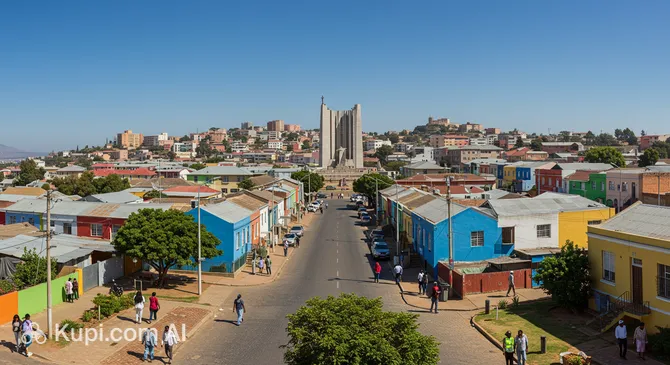
Soweto is more than just a city or a district; it is a living symbol of struggle, hope, and cultural revival in South Africa. Located southwest of Johannesburg, this massive urban complex, whose name stands for South Western Townships, possesses a unique energy. With a population of over 1.2 million people, it represents a vibrant mosaic of apartheid history, modern trends, and deep folk traditions.
Geographically, the city is situated on the high Gauteng plateau, which provides it with a mild climate. Despite its past as a place of forced segregation, today it attracts travelers with its openness. Soweto's rich historical heritage makes it a must-visit for those who want to understand the true soul of South Africa.
Soweto. Illustration.
Source: Kupi.com AI
Among the city's key features are the famous Vilakazi Street, the only one in the world where two Nobel Peace Prize laureates once lived, and the majestic Orlando Towers, transformed into an art object and a platform for extreme sports. Visiting this area is an invitation to see South Africa without filters, meet the hospitable locals, and feel the rhythm of life in a real African metropolis.
Weather Overview
The weather in Soweto is defined by its location on a high plateau, giving the city a pleasant and moderate climate. Summers here are warm, with frequent but short thunderstorms that usually occur in the afternoon. In January, the hottest month, the average daytime temperature is around 26°C, bringing a welcome freshness after the heat.
Winter in this region is dry and very sunny, making it a wonderful time for excursions. Daytime temperatures in June and July hover around 18°C, though nights can be quite cold, with the mercury dropping to 3-4°C. Before planning your trip, it is worth studying the detailed Soweto climate to choose the right wardrobe for chilly evenings.
The best time to visit is considered to be spring (September–November) and autumn (April–May) when the weather is most stable and nature delights with bright colors. During these periods, the weather in Soweto is most comfortable for long walks through historical sites and memorial complexes without the exhausting heat or winter cold.
Average monthly temperature
Average monthly precipitation
Interesting Facts
Abbreviated Name: The city's name, Soweto, is a contraction of "South Western Townships," which was originally used by the colonial administration.
Nobel Laureate Street: Vilakazi Street in Soweto is the only street in the world where two Nobel Peace Prize winners lived at different times: Nelson Mandela and Archbishop Desmond Tutu.
Youth Day: The tragic student uprising in Soweto on June 16, 1976, became a turning point in South African history. Today, this date is celebrated in the country as a public holiday — Youth Day.
Architectural Eclecticism: The city did not grow according to a single plan but as a system of separate neighborhoods, so you can find corrugated iron shacks right next to the luxurious mansions of new millionaires.
A Living Museum: Many call Soweto an "open-air museum" because almost every building in the historical center is connected to the events of the struggle against the apartheid regime.
How to Get There
Transport accessibility to Soweto is closely linked to the infrastructure of Johannesburg, the metropolitan area of which it is a part. Most tourists arrive here from the central districts of the metropolis or from the country's largest aviation hub. To make your journey comfortable, study all the ways to get to Soweto in advance, taking into account traffic during peak hours.
There are no airports within the township itself, so the main arrival point by air is O. R. Tambo International Airport (JNB). The car journey from the airport usually takes about an hour. You can also use specialized tourist transfers, which provide safe and fast travel to key attractions.
The rail link connects Soweto with Johannesburg's central station (Park Station). Metrorail trains run regularly between the center and various stations within the complex; however, for tourists, this mode of transport may be less comfortable due to overcrowding. It is recommended to use the railway only when accompanied by local guides or during daylight hours.
Station
Passenger traffic
Distance
Johannesburg Park Station
7
20 km
Marlboro
5
32 km
Midrand
5
40 km
Centurion
5
55 km
Pretoria railway station
7
64 km
Main Attractions
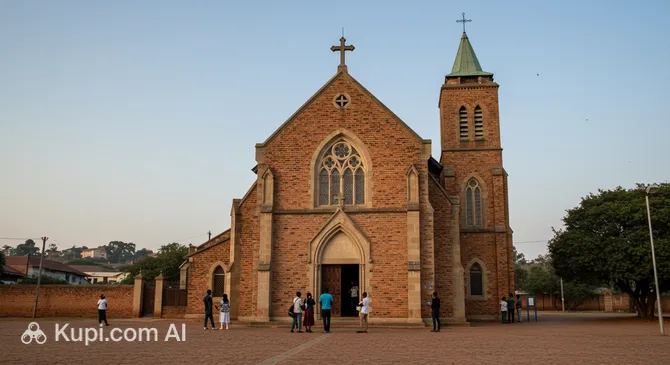
The attractions of Soweto are inextricably linked with the struggle for freedom and human dignity. One of the most significant spiritual centers is the Regina Mundi Catholic Church. This building is often called the "people's church" because it served as a refuge for activists during apartheid. To this day, bullet holes can be seen in the walls and benches of the church, serving as reminders of the dramatic events of the past.
Regina Mundi Catholic Church. Illustration.
Source: Kupi.com AI
Traveler photos:
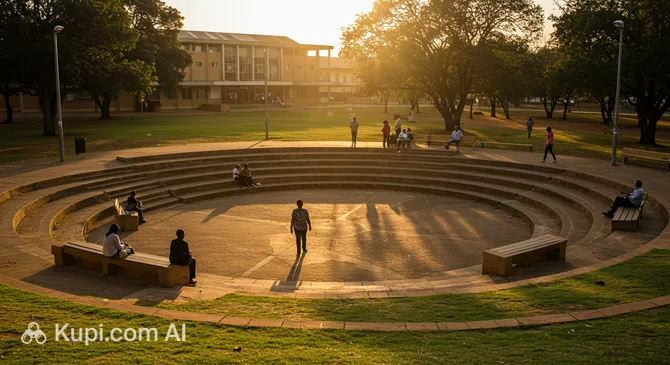
For those seeking peace amidst the city noise, Mofolo Park is an excellent choice. This is a popular recreation spot for residents, where jazz concerts and open-air festivals are often held. The park is a vast green space, ideal for getting to know the everyday life of the townspeople and enjoying the African sun.
Mofolo Park. Illustration.
Source: Kupi.com AI
Traveler photos:
A special place on the tourist route is Vilakazi Street, home to the Nelson Mandela National Museum. This is a magnet for tourists from all over the world seeking to touch the history of the great leader. It is also impossible to pass by the Hector Pieterson Memorial, dedicated to the 1976 youth uprising — an event that changed the course of the country's history forever.
Local Cuisine
The gastronomic scene in Soweto is a celebration of traditional South African flavors. You won't find fine French cuisine here, but you can try authentic braai (grilled meat), which is considered a national treasure. Be sure to order pap — a thick maize porridge served as a side dish to spicy stews or tangy chakalaka sauces.
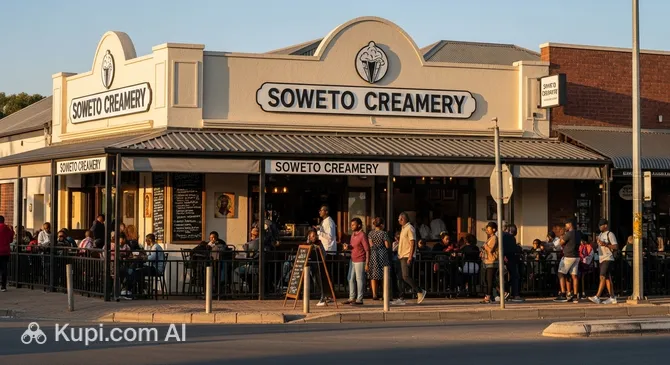
If you want to try something truly local, head to Smokeville. This place is famous for its skill in cooking over an open fire and captures the spirit of a modern urban grill bar. For those with a sweet tooth, Soweto Creamery is a must-visit, serving original ice cream with unusual toppings that have become a real hit with residents and visitors alike.
Soweto Creamery. Illustration.
Source: Kupi.com AI
Traveler photos:
Dining culture in the city is closely linked to socializing in informal establishments — shebeens. In these local pubs, you can try traditional homemade umqombothi beer, brewed from maize and malt. More modern cafes will offer you craft beer or excellent South African rooibos tea. Soweto's gastronomy is simple, hearty, and incredibly hospitable, reflecting the character of the city itself.
Travel Tips
Visiting Soweto is a vivid experience that requires a little preparation to ensure your holiday is as comfortable and safe as possible.
Clothing and Comfort: Choose comfortable, closed-toe shoes as you will be doing a lot of walking. Clothing should be practical and inconspicuous. In summer (October–March), don't forget sunscreen and a hat, and in winter (June–August), bring a warm jacket for the cool evenings.
Transport Issues: For your first visit, it is best to book an organized tour or use official taxi services. Walking alone through unfamiliar neighborhoods without a guide is not recommended.
Money and Payment: The currency is the South African Rand (ZAR). Credit cards are accepted in shopping malls and restaurants, but always keep some small cash on you for buying souvenirs on the street.
Safety First: Stick to popular tourist routes (such as Vilakazi Street). Do not display expensive equipment or jewelry, and keep your valuables in a hotel safe.
Communication and Internet: For a stable internet connection, buy a local SIM card (MTN or Vodacom) at the airport. Free Wi-Fi is available in many cafes, but its speed can be unstable.
Local Etiquette: Greetings are very important. A simple "Hello" or the local "Sawubona" will put your interlocutor at ease. Always ask for permission before taking photos of local residents.
What to Avoid: Do not enter private yards or slum areas without an invitation. Also, avoid discussing sensitive political topics in an aggressive tone — respect the history and feelings of the townspeople.
Tipping: It is customary to leave a tip of about 10-15% of the bill in restaurants. Small tips are also expected by car guards who help watch your vehicle.
Following these simple rules will help you focus on the city's amazing culture and history, making your trip truly inspiring!
Entertainment & Nightlife
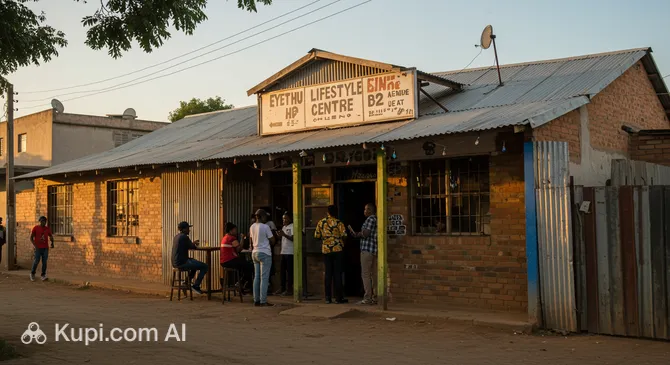
Nightlife in Soweto has a strong local flavor and is mainly concentrated in bars, known here as "shebeens," and modern cultural centers. One of the most famous spots is the Eyethu Lifestyle Centre, which combines a cinema, a gallery, and a stylish bar. This is a venue for creative youth where you can listen to modern African music and immerse yourself in the atmosphere of the "new" Soweto.
Eyethu Lifestyle Centre. Illustration.
Source: Kupi.com AI
Traveler photos:
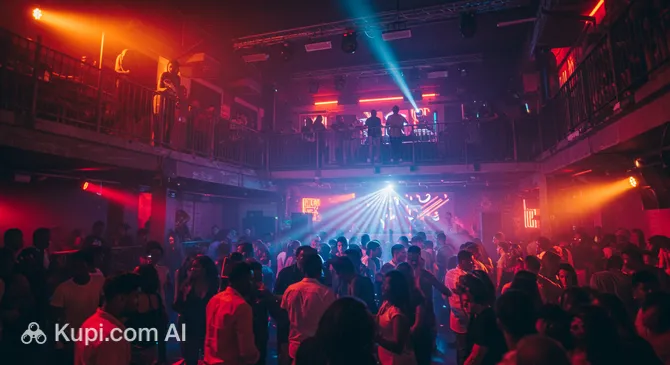
For those looking for authentic interaction and live music, it is worth checking out Ditsalong. This establishment is famous for its hospitality and is an excellent example of a local pub where residents gather to discuss the news to the sounds of jazz or kwaito. Another popular spot for dancing and evening leisure is La Kadi nightclub, where the rhythms of modern Africa don't stop until dawn.
La Cadi. Illustration.
Source: Kupi.com AI
Traveler photos:
During the day, entertainment shifts toward excursions and visiting markets. The city's cultural life is actively displayed in street performances and dance groups found on tourist streets. However, when planning an evening out, tourists are advised to use official taxi services and choose established venues in the most well-lit and crowded neighborhoods.
Parks & Museums
The parks and memorial spaces of Soweto play a key role in preserving historical memory. The main pilgrimage site for tourists is the Hector Pieterson Museum, located in Orlando West. This moving and profound place is dedicated to the schoolchildren who participated in the 1976 uprising. The museum's exhibition tells the story of those events through photographs, videos, and personal testimonies, helping visitors understand the scale of the changes in the country.
Another iconic spot is the Nelson Mandela National Museum on Vilakazi Street. The first black president of South Africa lived in this modest brick house before his arrest. Today, you can see the Mandela family's personal belongings, awards, and commemorative gifts here. The museum offers a rare glimpse into the private life of a man who became a symbol of freedom.
Among the green spaces, Mofolo Park stands out, serving as the main venue for open-air cultural events. Unlike the solemn memorials, the park is filled with life and joy: picnics, sports competitions, and musical jam sessions are often held here. This place perfectly demonstrates how modern Soweto values relaxation and connection with nature.
Getting Around
Public transport in Soweto is a complex system that may seem unusual to a foreign tourist. The main mode of transport for locals is the white minibus taxis. They run on specific routes but do not have a fixed schedule. While this is the cheapest way to get around, it can be difficult for tourists due to the hand signal system used to stop the right vehicle.
There are also state and private bus lines connecting different neighborhoods with central Johannesburg. The Metrorail network runs throughout the township, stopping at key stations. However, trains are often overcrowded, and tourists are advised to use them only during daylight hours and preferably when accompanied by locals.
The most convenient and safe option for travelers remains using ride-hailing apps (such as Uber or Bolt) or renting a car with a driver. This allows you to move quickly between attractions without having to learn the intricacies of local minibus routes. If you decide to rent a car yourself, remember to drive on the left and park only in secure parking lots.
Accommodation
Accommodation in Soweto offers a unique "immersive" experience that is impossible to find in standard hotels in large metropolises. Cozy Bed & Breakfasts and small boutique hotels predominate here, where the owners often give tours themselves and share stories of their neighborhood. Most of these properties are concentrated in historically significant and safe neighborhoods, such as Orlando West.
For those who prefer the usual high level of service and chain standards, the best option is to stay in hotels in central Johannesburg or the Sandton area and visit Soweto as a day trip. Nevertheless, staying overnight in the township itself allows you to see the city from a different side — in the quiet morning and during a lively local-style dinner.
Accommodation prices here are quite affordable compared to the elite suburbs of Johannesburg. It is recommended to book in advance, especially if your visit coincides with major holidays like Youth Day or sports derbies at the FNB Stadium. When choosing a place, always check for secure parking if you plan to rent a car.
Nearby Cities
Soweto is an excellent starting point for exploring the Gauteng province, as many interesting towns and cities surround it. Just 19 kilometers away is Johannesburg — the country's largest metropolis, offering an endless number of museums, galleries, and shopping centers. The trip there takes no more than half an hour by car, making it easy to combine exploring the township with urban entertainment.
It is also worth checking out neighboring Roodepoort, known for its picturesque Walter Sisulu National Botanical Garden, where you can see rare black eagles. For history and industrial heritage enthusiasts, Krugersdorp is interesting, located near the famous "Cradle of Humankind" — a world-renowned archaeological site.
Exploring the surroundings of Soweto allows you to see the contrasts of South Africa: from the skyscrapers of the business center to quiet parks and historical mining towns. Each of these destinations is easily accessible for a day trip, enriching your understanding of the region.
Shopping & Souvenirs
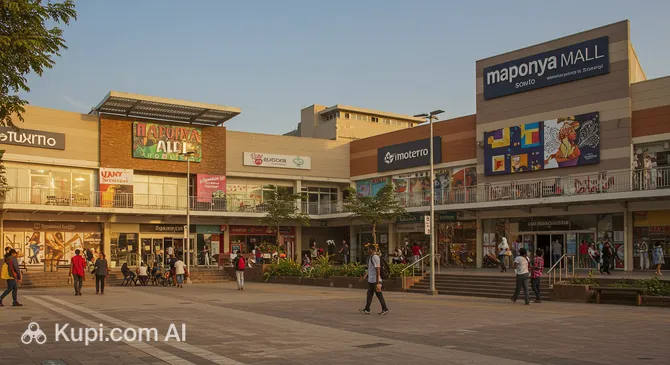
Shopping in Soweto is an interesting mix of massive modern malls and colorful street markets. The main shopping center in the area is Maponya Mall. It is one of the largest malls in South Africa, bringing international brands, supermarkets, and cozy cafes together under one roof. Visiting this complex shatters stereotypes of the township as a poor area — it is a modern and lively place.
Maponya Mall. Illustration.
Source: Kupi.com AI
Traveler photos:
For those looking for basic necessities or wanting to see the everyday life of the townspeople, Meadow Point Shopping Centre is a good fit. It caters to locals and offers a wide range of regional products. If your goal is authentic souvenirs, head to Vilakazi Street. Here, street vendors offer handmade goods: beads, wooden figurines, and bright textiles with African prints.
Items worth bringing home from Soweto include things with local symbols, books about the struggle for human rights, or CDs with music in the marabi and jazz styles. Most shops are open from 9:00 to 18:00, while large shopping centers stay open until 20:00 or 21:00. Cards are accepted almost everywhere except in small street stalls, where you will need cash in the local currency — South African Rand.