Support

Montilla

About

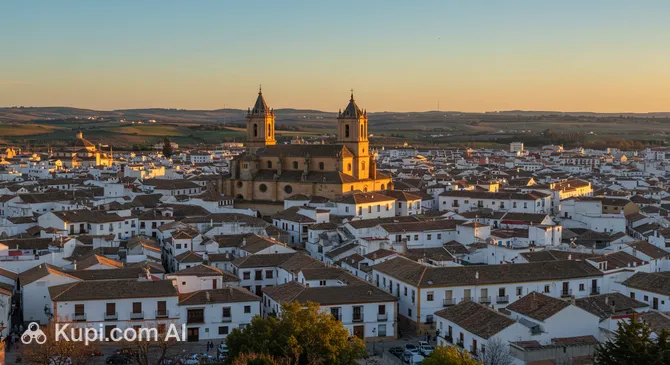
Montilla is a picturesque town located in the heart of Andalusia, set amidst endless vineyards and olive groves. Situated in the province of Córdoba, this corner of sunny Spain attracts travelers with its authentic southern charm, superb gastronomy, and architectural heritage. With a population of just over 22,000, the town maintains a cozy atmosphere, offering a peaceful retreat from the hustle and bustle of major tourist centers.

Montilla. Illustration.
Source: Kupi.com AI

The rich history of Montilla is inextricably linked with prominent figures of the past, including the Great Captain Gonzalo Fernández de Córdoba and the famous chronicler Inca Garcilaso de la Vega. Walking through the town's streets, you can see grand palaces, ancient monasteries, and churches that stand as witnesses to the region's glorious past. The climate here is typically Mediterranean, with hot summers and mild winters, making a visit pleasant at almost any time of year.

The town is particularly famous for its winemaking. The region is the center for producing the renowned Montilla-Moriles wines, which are often compared to sherry but possess their own unique character. Visitors should definitely stop by one of the local historic wineries (bodegas), such as the oldest one, Bodegas Alvear, to appreciate the local flavors. Montilla is an ideal destination for those seeking a blend of cultural enrichment and gastronomic pleasure.

Weather Overview

The climate in this region of Andalusia is characterized by its distinct southern nature. Summers here are usually very hot and dry: in July and August, average daily highs reach 36°C, and rain is almost entirely absent during this period. This time of year suits those who enjoy the heat, though it's best to save long walks for the morning or evening hours.

Winter is mild and does not bring severe cold. In January, temperatures fluctuate in a comfortable range from 4°C to 15°C. Most moisture arrives in the town during the transition seasons and winter: March is often the wettest month, with up to 11 days of precipitation. Spring and autumn provide pleasant warmth; for example, in May, the air warms up to 27°C.

Expect a scorching sunny summer and a mild winter with occasional rain. To know exactly what clothes to pack, we recommend checking the detailed weather in Montilla before your trip.

Average monthly temperature

Average monthly precipitation

Interesting Facts

Beyond its main attractions, Montilla holds many fascinating secrets and cultural references that might surprise even experienced travelers. Here are a few facts that show this Andalusian town from an unexpected perspective:

  • Inspiration for Edgar Allan Poe. The world-famous "Amontillado" wine variety takes its name from this very town (literally meaning "in the style of Montilla"). It is believed that the local winemaking tradition inspired the author to write his famous short story "The Cask of Amontillado," forever etching the town's name into world literature.

  • Cervantes' City of Witches. Montilla appears in the works of Miguel de Cervantes, specifically in the novella *The Colloquy of the Dogs*. The writer mentions a local resident, Leonor Rodríguez, known as "La Camacha," who was considered a powerful sorceress. Legends of her mysterious rituals are still part of local folklore.

  • The Hero's Destroyed Castle. The fortress where the legendary commander "The Great Captain" was born was not demolished by an enemy army, but by order of King Ferdinand the Catholic in 1508. The monarch feared the excessive power of the Marquises of Priego and ordered the castle's destruction as punishment, leaving only the granary that can still be seen today.

  • Unique Wine Strength. Unlike many other regions producing sherry-style wines, Montilla's climate is so hot that Pedro Ximénez grapes accumulate a colossal amount of sugar. This allows local wines to reach high alcohol levels naturally, without the need for artificial fortification (adding spirits).

How to Get There

When planning a route to this sunny region, it's important to note that while the town is located away from major highways, it remains highly accessible thanks to Andalusia's well-developed transport network. To plan your logistics in detail and choose the best mode of transport, we recommend checking the section on how to get to Montilla.

The town does not have its own airport, so travelers usually fly into neighboring provincial capitals. The most popular option is Malaga Airport (AGP). This is the largest international hub on the coast, handling numerous flights. The distance to Montilla is about 102 km; a trip by rental car or taxi via the highway will take approximately 1 hour and 15 minutes.

Geographically, Granada Airport (GRX) is the closest—only 88 km away. The drive from there takes about 1 hour. Another convenient alternative is Seville Airport (SVQ), located 112 km to the west. The journey from the regional capital to the destination by car takes about 1 hour and 20 minutes.

Below is information on the nearest airports for planning your arrival:

AirportPassenger trafficDistance
Granada Airport1.0 mln88 km
Malaga Airport24.9 mln102 km
Seville Airport8.1 mln113 km
Jerez Airport948 936157 km
North Front Airport474 000172 km

For rail enthusiasts, the key hub is Córdoba Central Railway Station. It serves high-speed AVE trains from Madrid, Barcelona, and other major cities. The station is only 36 km from Montilla, so a taxi transfer takes no more than 35–40 minutes. You can also take regular bus services that run between Córdoba and Montilla.

Another convenient option for regional travel is the Puente Genil-Herrera Railway Station, located about 30 km away. Travel time by car from the station to the town center is around 25–30 minutes.

List of the nearest railway stations:

StationPassenger trafficDistance
Puente Genil Railway Station225 24330 km
Cordoba Central Railway Station5.7 mln36 km
Córdoba-Julio Anguita railway station1136 km
Jaén Railway Station580 60078 km
Arahal train station588 km

Main Attractions

Montilla's attractions are a harmonious blend of winemaking traditions, deep history, and art. The town invites guests to immerse themselves in Andalusian culture by visiting iconic sites that tell the story of its illustrious past and unique character.

Bodegas Alvear is perhaps the town's most famous landmark. Founded in 1729, it is the oldest winery in Andalusia. Travelers are drawn here primarily by the opportunity to experience centuries-old traditions of Montilla-Moriles wine production. You can walk through ancient cellars where massive clay jars (tinajas) are stored and, of course, taste the famous sweet Pedro Ximénez, considered a benchmark in its class.

Montilla Castle (Castillo del Gran Capitán) occupies a strategically important height overlooking the town. Although the medieval fortress was demolished by order of King Ferdinand the Catholic, an impressive 18th-century granary building—the Alhorí—remains on the site. This location attracts travelers due to its historical significance: it was the birthplace of the legendary military commander Gonzalo Fernández de Córdoba, known as the Great Captain. Additionally, the castle grounds offer some of the best panoramic views of the town and the surrounding vineyards.

The House of Inca Garcilaso de la Vega is a magnificent example of 16th-century civil architecture. The famous writer and chronicler, the son of a Spanish nobleman and an Inca princess, lived and worked in this building for many years. The museum is fascinating because it allows visitors to see authentic Renaissance interiors and learn more about a man whose work served as a symbolic bridge between European and American cultures. A visit here immerses you in the intellectual life of Spain during its Golden Age.

The Garnelo Museum, located in the beautiful "Casa de las Aguas" (House of Waters) mansion, is a true treasure trove for art lovers. The exhibition is dedicated to the work of José Garnelo y Alda, a prominent artist and mentor to Pablo Picasso. The gallery attracts tourists with its rich collection of academic-style paintings, while the building itself delights with its architectural details and well-kept inner garden.

Local Cuisine

Montilla's gastronomic scene is a vibrant reflection of Andalusian traditions, where the leading roles are played by excellent olive oil, fresh vegetables, and, of course, local wines. The cuisine here is simple yet incredibly rich in flavor, with many recipes passed down through generations, preserving the authenticity of the Córdoba region.

The culinary symbol of the town is undoubtedly Montilla-style artichokes (Alcachofas a la Montillana). This exquisite dish consists of tender artichoke hearts stewed with jamón, garlic, and saffron in a generous serving of local Fino or Amontillado wine. Travelers should also try Crispín—a unique local snack resembling an elongated croquette. Unlike the flamenquín (a pork roll with ham) popular throughout the province, a crispín is stuffed with hake or other fish combined with mashed potatoes and spices, making it a signature dish of this specific town.

It’s impossible to talk about Montilla’s kitchen without mentioning its legendary wines, protected by the D.O. Montilla-Moriles designation of origin. These drinks accompany almost every meal. Lovers of dry wine should order a glass of chilled Fino—here it is made from Pedro Ximénez grapes, and thanks to the hot climate, it reaches the required strength naturally. For dessert, the perfect choice is the sweet and thick Pedro Ximénez, often served not just as a drink, but as a sauce for ice cream or blue cheeses.

The food culture in Montilla is built around socializing and slowly enjoying life. Locals prefer "tapeo"—the tradition of moving from bar to bar, sampling small snacks (tapas) with a glass of wine. Traditional taverns and bodegas are the centers of attraction, where you can see massive wine barrels right in the dining area. Breakfast here also has its peculiarities: it's customary to start the day with a tostada drizzled with fresh extra virgin olive oil, sometimes with added crushed tomatoes and jamón.

Travel Tips

Preparing for a trip to Montilla is the anticipation of meeting true Andalusian culture, where time flows a bit slower. To ensure your journey to this cozy corner of Spain is as comfortable and hassle-free as possible, we have gathered some important practical recommendations.

  1. Clothing and Seasonality. In the summer, the Córdoba region can get extremely hot, with temperatures often exceeding 35°C, so light clothing made of natural fabrics, a hat, and sunscreen are essential. In winter, the weather is mild but damp—a waterproof jacket will come in handy. Since the historic center is paved with cobblestones and the terrain is hilly, we strongly recommend bringing only comfortable flat-soled shoes.

  2. Transport. Montilla is a compact town, and its historic center is best explored on foot. Public transport within the town is minimal and practically unnecessary for tourists. If you plan to visit outlying vineyards (bodegas) in the surroundings, renting a car is the best solution. Taxis can be called by phone or requested at the hotel reception; apps like Uber may not work here.

  3. Finance and Payment. The official currency is the Euro. Cards are accepted almost everywhere in supermarkets and restaurants, but in small tapas bars, souvenir shops, or for bus tickets, it's better to have cash. ATMs are easy to find in the town center. Tipping in Spain is not a strict obligation, but leaving a few coins or rounding up the bill for good service is considered a polite gesture.

  4. Health and Safety. The town is very quiet and safe for tourists. Pharmacies are marked with a flashing green cross (Farmacia). Keep in mind that most pharmacies close for siesta, but there is always one on duty (Farmacia de Guardia), whose address is posted on the doors of the others. The emergency number is 112.

  5. Communication and Connectivity. In tourist spots and major wineries, staff often speak English, but Spanish dominates daily life. Locals greatly appreciate attempts to speak their language: learn simple phrases like "Hola" (Hello) and "Gracias" (Thank you). Wi-Fi is available in most cafes and hotels, but for reliable navigation, it's better to buy a local SIM card (Movistar, Orange, Vodafone) in a major city upon arrival.

  6. Local Etiquette and Rhythm of Life. The most important rule is to respect the siesta. From 2:00 PM to 5:00 PM, life in the town pauses: shops close and the streets empty. Don't plan shopping for this time. On the other hand, dinner here is traditionally late: restaurants only start filling up after 9:00 PM. It is customary to greet everyone present when entering small shops or an elevator.

  7. What to Avoid. Don't compare local Montilla-Moriles wines to Sherry (Jerez) when talking to locals if you don't want to hurt their pride. Although the technologies are similar, residents of Montilla are rightfully proud of their product's uniqueness, which does not require artificial fortification with alcohol. Also, avoid trying to have lunch at 12:00 PM—restaurant kitchens usually don't open for lunch until at least 1:30 PM.

  8. Wine Lifehack. If you want to buy wine to take home, don't rush to the supermarket. Visit local bodegas or specialty shops at the wineries. There, you can often buy excellent wine "on tap" (a granel) in plastic containers at very affordable prices—this is a popular practice among locals and a great way to take the taste of Andalusia with you.

By following these simple tips, you can easily blend into the unhurried pace of life in Montilla and get the most out of your trip. Enjoy the warm welcome, magnificent gastronomy, and sunny atmosphere of this amazing town!

Entertainment & Nightlife

Entertainment and nightlife in Montilla are a far cry from the loud parties of the Costa del Sol. You won't find massive nightclubs with electronic music until dawn here; instead, you'll dive into the authentic Andalusian "movida," where the focus is on conversation, laughter, and excellent wine. Evening leisure revolves around the tapas culture: locals take to the streets after sunset to meet friends and hop from one bar to another, enjoying the cool air and local drinks.

The epicenter of nightlife is the area around Plaza de la Rosa and Calle Corredera. This is where most of the establishments are concentrated, bustling with life late into the night. The atmosphere in these quarters is very casual and friendly: you might find groups of young people and elderly couples relaxing at neighboring tables. The dress code is generally smart casual—locals like to dress up for an evening out, so beachwear would be out of place.

To truly experience the local flavor, be sure to visit traditional taverns. For instance, Taberna Bolero is a classic spot where you can taste the region's best Montilla-Moriles wines accompanied by excellent snacks. If you're looking for a livelier atmosphere, check out the bars along Avenida de Andalucía, where the younger crowd often gathers. Fans of live music and cultural events should keep an eye on local listings, as some pubs occasionally host flamenco performances or acoustic concerts.

Practical tips for tourists are simple: don't show up for dinner too early. Real nightlife in Spain starts late; bars only begin to fill up after 9:00 PM, and the fun peaks around midnight. Prices in Montilla are a pleasant surprise—they are significantly lower than in tourist hubs like Seville or Malaga. The average bill for tapas and a drink is quite affordable. The town is very compact, making it easy to move between bars on foot, but if you're out late or staying on the outskirts, taxis can be called by phone—they are safe and inexpensive.

In terms of safety, Montilla is one of the calmest towns in the region. Night walks here pose no threat; the streets are well-lit and the people are welcoming. However, as with anywhere else, it's wise to keep an eye on your personal belongings in crowded areas.

As for daytime entertainment, the town offers a steady pace of cultural leisure. The main stage is Teatro Garnelo—a beautiful historic building that regularly hosts theatrical productions and musical concerts. For a quiet stroll, the Paseo de las Mercedes park is ideal, providing shade from the heat. During the day, it's also worth visiting local museums that reveal the history of winemaking and the art of this remarkable region.

Parks & Museums

While Montilla is primarily famous for its winemaking traditions, this Andalusian town offers travelers much more than just bodega tastings. It harmoniously combines well-kept green areas for peaceful relaxation with a rich museum program that reveals the region's deep history and cultural heritage.

For those seeking shade and a connection with nature, the town's main "green lung" is Tierno Galván Park (Parque Tierno Galván). This vast modern space was recently renovated and is now perfect for family outings. It features picnic areas, children's playgrounds, and walking paths. Active leisure enthusiasts will appreciate the skate park and pump track. This is where locals love to spend their weekends, escaping the urban bustle.

Another important green zone is the historic Paseo de las Mercedes. This elegant boulevard, located closer to the center, serves as a traditional spot for evening strolls ("paseo"). In the shade of century-old trees, it's pleasant to rest on a bench and enjoy the town's unhurried pace. It's an excellent vantage point for observing the daily life of Montillanos and taking beautiful photos against the backdrop of historic architecture.

A cultural tour of Montilla wouldn't be complete without a visit to the Garnelo Museum. Housed in the magnificent "Casa de las Aguas" building, it holds the most comprehensive collection of works by José Garnelo y Alda, one of Spain's most prominent painters and a teacher to Picasso. Visitors are impressed not only by the large-scale academic paintings but also by the mansion itself, with its exquisite patios and garden that create a special atmosphere of artistic immersion.

To better understand the past of these lands, it's worth visiting the Montilla Historical Museum (Museo Histórico Local). The exhibition is housed in the architecturally interesting building of the former "Fábrica de la Luz" (Light Factory). It brings together archaeological finds ranging from the Paleolithic to modern times, including Iberian artifacts and Roman ceramics found nearby. This site clearly demonstrates the ancient history of settlements in this corner of Spain.

Among the architectural gems, the House of Inca Garcilaso de la Vega holds a special place. This 16th-century building is carefully preserved as a memorial to the famous chronicler, whose mother was an Inca princess and whose father was a Spanish captain. The house-museum not only tells the story of the writer's life but also serves as a symbol of the meeting of two cultures. The Renaissance interiors and library immerse guests in the atmosphere of the Golden Age.

For fans of sacred architecture, we recommend visiting the Parish Church of Santiago (Parroquia de Santiago Apóstol). This temple, combining Gothic and Mudéjar elements, is impressive for its monumentality and beautiful tower. Inside, it houses valuable works of religious art, making it an important point on the town's cultural map.

Insider Tip: If you have extra time, look for the small Olive Oil Museum (Museo del Aceite), located on the grounds of an old mill. It's a less touristy but very atmospheric place where you can learn about Andalusia's "liquid gold" and understand why local olive groves are so vital to the region's economy and cuisine.

Getting Around

Given Montilla's compact size, the public transport system is simple and intuitive. The town has no metro, trams, or trolleybuses, and the main way for tourists to get around remains walking. The historic center is small enough to explore on foot while enjoying the architecture; however, for trips to outlying districts or transport hubs, other options are available.

The primary form of public transport is the urban bus (autobús urbano). The route network usually consists of one or two lines that connect the town center with the railway station, the hospital, sports complexes, and residential neighborhoods on the outskirts. Tourists should keep in mind that the frequency is lower than in major cities: intervals can range from 30 to 60 minutes, and the number of services decreases on weekends and during the siesta.

The fare system is as simple as possible. Tickets are purchased directly from the driver when boarding the bus. The cost of a single trip is very affordable, approximately 1.20 euros. There are no complex validation systems, contactless transport cards, or special mobile apps for city bus payments here. It is highly recommended to carry small change (coins or bills under 10 euros), as drivers often lack change for larger banknotes.

A popular and convenient alternative is the taxi. Official cars are white, with the town's crest on the doors and a lit sign on the roof (a green light means the cab is available). Taxis run on a meter, and the rates are quite moderate. You can find a car at designated taxi stands (paradas) located at key points, such as Plaza de la Rosa or the bus station. You can also easily call a car by phone through the local Radio Taxi service.

Carsharing and network bike rentals are practically non-existent in the town. Renting a car only makes sense if you plan independent trips to the Montilla-Moriles region's vineyards outside the city limits. Within the town itself, a car can be a burden due to the narrow historic streets and limited parking spaces in the center.

Accommodation

Where to stay:

Montilla offers travelers a cozy and authentic range of accommodation that perfectly matches the measured pace of life in this Andalusian town. You won't find massive resort complexes or faceless hotel chains here. The backbone of the accommodation options consists of small family-run hotels, traditional Spanish guest houses (hostales), and modern apartments. This format allows guests to immerse themselves in the local atmosphere and experience warm southern hospitality.

The most convenient and popular area to stay is the historic center. By choosing accommodation near Plaza de la Rosa or along the main street, Calle Corredera, you'll be right in the heart of the action. From here, you can reach major attractions, including the castle and famous bodegas, on foot within minutes. Moreover, the center is where the evening life concentrates, with the best tapas bars and restaurants, eliminating the need for transport after dinner.

Accommodation options can be divided into several categories:

  • Mid-range hotels. These are usually cozy 3–4 star establishments, often located in beautifully restored mansions. They offer comfortable rooms with air conditioning (essential in the summer heat) and often feature their own inner patios.

  • Guest houses (Hostales). This is an excellent choice for budget travelers. In Spain, such places offer private rooms with basic amenities at very affordable prices, while maintaining cleanliness and a homely feel.

  • Apartments. Renting apartments is becoming increasingly popular. This is an ideal option for those planning to stay in town longer or who want to cook their own breakfasts using fresh local products.

Booking advice: Although Montilla is not a mass-market tourist destination, finding a free room can be difficult during major events. We strongly recommend booking accommodation in advance (at least a month) if your trip coincides with Holy Week (Semana Santa) or the famous Grape Harvest Festival in September.

The price range in the town can be described as budget and moderate, especially compared to nearby Córdoba or Seville. Most properties are available on popular international booking platforms; however, for small family pensions, it is sometimes better to check availability directly through their websites or by phone.

Nearby Cities

For those looking to explore the surroundings, Montilla serves as an excellent starting point for day trips to several interesting nearby locations:

Just 36 km to the north lies the majestic Córdoba—the provincial capital and a city with incredible historical heritage. This is the number one destination for any tourist in the region. Here you can see the famous Mezquita (Cathedral-Mosque), walk across the Roman Bridge, and get lost in the flower-filled maze of the Jewish Quarter. Córdoba is perfect for diving into the history of the Caliphate and enjoying UNESCO World Heritage architecture.

History buffs will also enjoy Lucena, located 23 km to the south. This city is known as the "Pearl of Sepharad" due to its rich Jewish past. The main attraction is the Moral Castle (Castillo del Moral), where, according to legend, Boabdil, the last Emir of Granada, was held captive. Lucena is also famous for its crafts and Baroque churches, such as San Mateo.

Slightly further away, about an hour's drive, is Antequera. This is the geographical center of Andalusia, famous for its unique prehistoric dolmens and the El Torcal nature park with its fantastic karst rock formations. The townscape is dominated by a monumental Alcazaba, and numerous churches and palaces make a walk through the center unforgettable.

CityPopulationDistance
Aguilar de la Frontera13 3988 km
Fernán Núñez9 66712 km
Cabra20 24521 km
Lucena42 71223 km
Puente Genil30 00025 km

These nearby destinations offer a glimpse into the diverse culture and landscapes of the region.

Shopping & Souvenirs

Shopping:

Shopping in Montilla is not about chasing global brands; it's about immersing yourself in the authentic atmosphere of the Andalusian province. The town doesn't boast huge shopping malls, but it thrives with small businesses: cozy family shops, specialty gourmet stores, and boutiques selling high-quality Spanish clothing and footwear. The main reason tourists shop here is, of course, the regional gastronomic treasures—primarily wine and olive oil—which can be purchased at very attractive prices directly from the producers.

The heart of the town's retail life is Calle Corredera. This main commercial artery runs through the historic center and offers the highest concentration of shops. Here you can find women's and men's clothing stores, shoe boutiques, pharmacies, perfumeries, and jewelry shops. A walk along this street flows naturally into the area around Plaza de la Rosa, which also hosts many retail outlets and cafes, creating a lively atmosphere. It's an ideal place for a leisurely stroll and window shopping.

There are no large shopping and entertainment centers in the traditional sense in Montilla, which is typical for a town of this size. For large-scale shopping, locals usually head to nearby Córdoba. However, well-known Spanish supermarket chains (such as Mercadona) operate in town, where you can buy groceries and essentials. There are also several small commercial zones on the outskirts with stores selling appliances and home goods.

For the freshest local products, head to the municipal market—Mercado de Abastos. This colorful spot is where farmers sell seasonal vegetables, fruits, meat, and fish. On Fridays, a traditional street market (mercadillo) usually sets up on Avenida de las Camachas. This is a great chance to dive into local life, browse through stalls of clothing, textiles, and household items, and buy juicy Andalusian olives by weight.

As souvenirs from Montilla, people primarily bring back the flavors and aromas of the region.

  • Wine: A bottle of sweet Pedro Ximénez or dry Fino from the local Montilla-Moriles designation is a must-buy. It's best to purchase them at the bodega shops (like Alvear or Pérez Barquero), where prices are lower and the selection is wider.
  • Olive Oil: The region is famous for its "liquid gold." Look for bottles labeled Virgen Extra from local presses.
  • Sweets: Stop by the old confectioneries (pastelerías) for traditional alfajores (almond cookies) or pastries made using recipes kept in local monasteries.
  • Ceramics and Leather: Although the main production centers are in Córdoba, high-quality artisanal goods can also be found in local shops.

When planning a shopping trip, it's crucial to remember the siesta. Most private shops are open from 10:00 AM to 1:30 PM or 2:00 PM, after which they close for a long break. Evening trading resumes around 5:00 PM or 5:30 PM and continues until 8:30 PM or 9:00 PM. On Sundays and public holidays, almost everything is closed except for on-call pharmacies and small shops at gas stations. Large supermarkets may stay open through lunch but are also closed on Sundays.

As for payment, bank cards (Visa, Mastercard) are accepted almost everywhere, even in small shops. However, in markets or when buying small souvenirs, cash in Euros is preferred. The Tax Free system (VAT refund) is available for tourists from non-EU countries. Since Spain has abolished the minimum purchase amount for Tax Free, you can request a special form (DIVA) at participating stores, though this service may not be available in small private shops.
Have you reached the end of the page?

So the route has been studied inside and out