Support

Hammamet

About

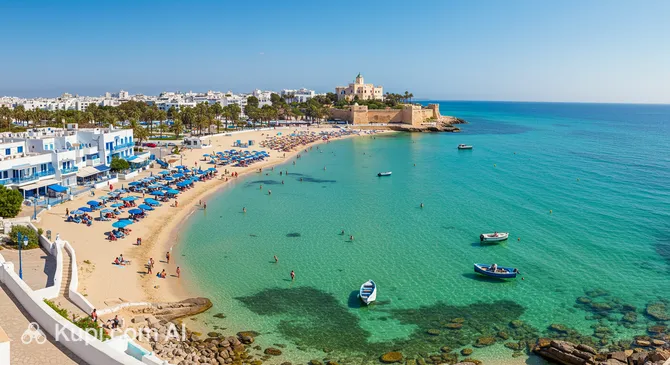
Hammamet. Illustration.
Source: Kupi.com AI

Hammamet is a true jewel of the Tunisian coast, nestled comfortably on the shores of the azure Mediterranean Sea. This charming town is located about 60 kilometers south of the capital, Tunisia, and is famous for its endless beaches with soft golden sand, picturesque bays, and fragrant citrus groves that envelop it in freshness and bright colors. This location makes Hammamet an ideal destination for a leisurely seaside holiday and active water sports.

With a population of around 97,579 people, Hammamet is one of the most popular resort centers in the country and is part of the Nabeul Governorate. Despite its popularity, the town maintains a cozy atmosphere of Mediterranean hospitality, where every guest feels at home. Hammamet makes you fall in love at first sight with its lightness, the scents of jasmine and citrus, and the sea breeze that gives a sense of freedom and serenity.

Among the key features attracting tourists to Hammamet is its ancient Medina, with a labyrinth of narrow streets and traditional markets where you can immerse yourself in the atmosphere of the East. Equally noteworthy is the majestic Kasbah Ribat fortress, towering over the coast and offering breathtaking views. Additionally, Hammamet is known as one of the leading centers for thalassotherapy in Tunisia, offering unique health and spa treatments based on seawater and seaweed.

Hammamet is a unique combination of relaxing beach holidays, rich cultural heritage, and vibrant local gastronomy. The town is perfect for family trips, romantic getaways, or active vacations with friends. Discover Hammamet to enjoy its unique charm, warm sea, and true oriental hospitality!

You can find more interesting facts on the history of Hammamet page.
Weather Overview

The weather in Hammamet delights with its Mediterranean character. Summer here, especially during the peak season (July-August), is sunny and hot, with average temperatures reaching 27-28°C, and sometimes exceeding 32°C. Precipitation in the summer months is a great rarity, making it an ideal time for a beach holiday. Winters in Hammamet are mild, with the average January temperature staying around 12°C, and the minimum rarely dropping below 9°C. Short-term rains are possible during the winter period, but overall the weather remains comfortable for walking. Spring and autumn are beautiful transition seasons with moderate temperatures (from 16°C in April to 25°C in September) and a small amount of rainfall, creating excellent conditions for excursions and getting to know the city.

For a more detailed look at the weather conditions by month, you can visit the Hammamet Climate page.

Average monthly temperature

Average monthly precipitation

Interesting Facts

Beyond its famous beaches and lively medina, Hammamet hides many surprising stories and little-known details that make it even more attractive to curious travelers. Here are just a few of them:

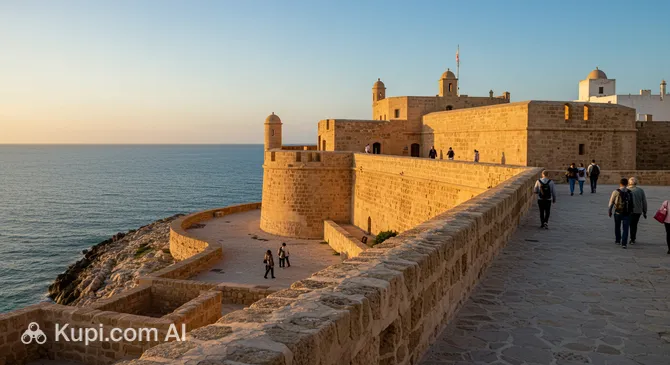
Hammamet Fort. Illustration.
Source: Kupi.com AI

Traveler photos:

  • Few people know that Hammamet is considered the cradle of thalassotherapy in Tunisia. As far back as the 1920s, the healing properties of seawater and seaweed began to be actively used here for wellness, starting a tradition for which the resort is famous to this day.

  • Hammamet is home to a famous villa built in the 1920s by the eccentric Romanian millionaire George Sebastian. It is not just a luxury estate, but now the International Cultural Center, whose amphitheater stage hosts the prestigious International Festival of Arts every year, attracting artists from all over the world.

  • Hammamet is often and affectionately called the "city of jasmine." This delicate and fragrant flower here is not just part of the landscape—it is deeply woven into the culture, serving as a symbol of hospitality and an essential attribute of celebrations and romantic dates.

  • Although Fort Hammamet and the ancient medina are iconic landmarks with roots in the 9th century, the history of this place stretches much deeper into the past. In the vicinity of the town, you can find the ruins of the ancient Roman settlement of Pupput, which flourished here as early as the 3rd century BC, long before the current Hammamet was founded.

How to Get There

Getting to this popular resort is quite simple thanks to well-developed transport links. The town is conveniently located near several of the country's major transport hubs. If you want to plan your route in maximum detail, we recommend checking all ways to get to the city, where detailed information is collected.

Hammamet itself does not have its own airport, but tourists can use the air gateways of neighboring cities. The most convenient option is Enfidha — Hammamet International Airport (IATA: NBE), located in the city of Sousse. It is only 40.3 km from the center of the resort, making it the closest arrival point. The journey by taxi or tourist transfer takes about 40–50 minutes.

Another popular option is the main capital airport — Tunis–Carthage International Airport (IATA: TUN). It is located in the city of Tunis, approximately 60.6 km from Hammamet. This is a large hub with a high passenger flow, receiving many regular flights. Travel time by car is about an hour. You can also consider flying into Habib Bourguiba International Airport (IATA: MIR) in Monastir (73 km from the resort), which is often used by charter airlines.

For convenience, here is summary information on the main airports:

AirportPassenger trafficDistance
Enfidha - Hammamet International Airport1.3 mln40 km
Tunis-Carthage International Airport7.2 mln61 km
Habib Bourguiba International Airport1.8 mln73 km
Pantelleria Airport200 000129 km
Sfax El Maou Airport174 000188 km

As for land transport, the railway connection in Tunisia is quite well-developed. You can reach Hammamet by train from the capital, Tunis. Trains depart from the central station (Gare de Barcelone) and go to the station in the center of Hammamet or to the Bir Bouregba junction, from where you can quickly reach hotels by taxi. In addition, a very popular and budget-friendly way of traveling is the intercity "louages" (white minibuses with a red stripe) that run between all the major cities of the country.

Main Attractions

Hammamet, a charming resort town in Tunisia, attracts visitors not only with its magnificent beaches but also with a rich history and culture reflected in its sights. Here, every traveler will find something interesting, whether it be ancient fortresses or cozy spots for relaxation.

One of the main gems of Hammamet is the Kasbah of Hammamet. This ancient 13th-century fortress, rebuilt and strengthened in the 15th century, is located on the Mediterranean coast and is the heart of the historic Medina. A walk through its narrow, winding streets with traditional white houses decorated with bright blue doors and window frames immerses you in the unique atmosphere of the past. Traditional markets (souks) buzz with life inside and around the Kasbah, where you can buy souvenirs, local handicrafts, fragrant spices, and fresh produce. The fortress walls offer breathtaking panoramic views of the azure sea and the white-washed town.

Hammamet Kasbah. Illustration.
Source: Kupi.com AI

Traveler photos:

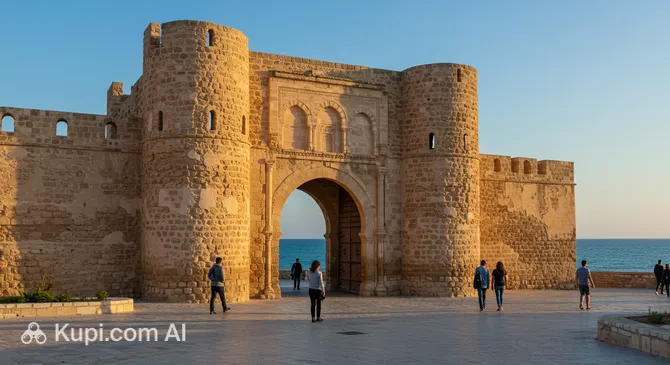
An integral part of the city's historical heritage is the Fort Hammamet, also known as the Ribat. This impressive defensive structure, built in the 15th century, protected the town from sea raids for centuries. Today, the fort is open to visitors, offering the chance to explore its ancient walls and bastions and climb up to the observation decks. From here, you can enjoy a magnificent view of the Medina, the fishing port, and the endless sea. Visiting the fort is a unique opportunity to touch Hammamet's rich history and imagine what life in the city was like centuries ago.

Hammamet Fort. Illustration.
Source: Kupi.com AI

Traveler photos:

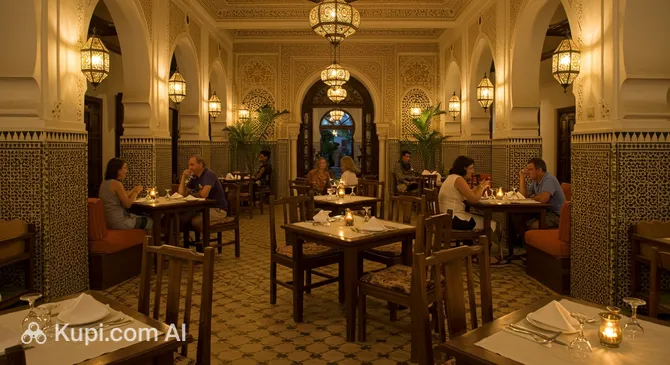
After exploring ancient walls and walking through the Medina, it is pleasant to relax and enjoy the local cuisine. The Bel Canto Hammamet restaurant offers its guests not only a diverse menu but also a cozy atmosphere for a pleasant evening. This is one of the places where you can sample both Tunisian delicacies and international dishes while enjoying Hammamet's hospitality. This gastronomic experience will be an excellent conclusion to a busy day.

Bel Canto Hammamet. Illustration.
Source: Kupi.com AI

Traveler photos:

Local Cuisine

The gastronomy of Hammamet is a true kaleidoscope of tastes and aromas that can surprise even the most sophisticated gourmet. The cuisine of this Tunisian resort has absorbed the best traditions of Mediterranean and Arabic culinary arts, emphasizing fresh local products, fragrant spices, and olive oil. A trip to Hammamet would be incomplete without discovering its culinary treasures.

Be sure to try the traditional dishes. The signature of Tunisian cuisine is couscous, which in Hammamet is often prepared with seafood or tender lamb, liberally seasoned with spices and fresh vegetables. Another iconic dish is brik, a thin, crispy pastry envelope filled with egg, tuna, and capers, deep-fried to a golden brown. Fans of spicy sensations will enjoy the piquant harissa paste, which is added to many dishes. Don't miss the chance to enjoy the freshest seafood: fish, squid, shrimp, and octopus, grilled or stewed with herbs.

Macaroni & Kamounia Restaurant. Illustration.
Source: Kupi.com AI

Traveler photos:

Among the beverages, traditional mint tea holds a special place—sweet, aromatic, and incredibly refreshing, it is perfect for finishing a meal or quenching thirst on a hot day. It is also worth trying the local freshly squeezed juices. As for alcoholic beverages, Tunisia produces decent wines and beers, which can be found in restaurants and hotels.

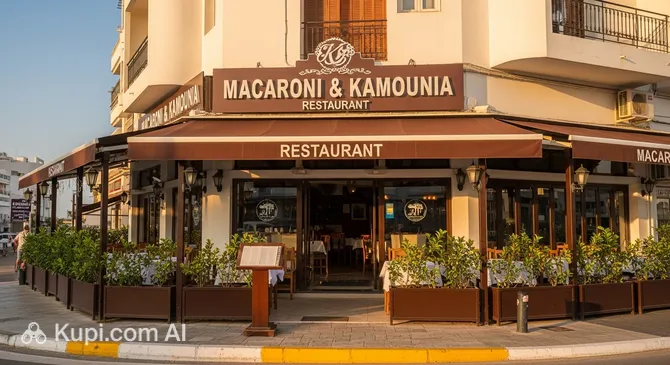
The dining culture in Hammamet is diverse. Tourists and locals alike enjoy visiting the numerous restaurants offering both national cuisine and European delicacies. For example, you can stop by the Macaroni and Kamounia Restaurant to appreciate the local gastronomy. However, to truly feel the spirit of the city, you should stroll through its markets and visit the medina. Here you can try authentic street food: hot flatbreads, fresh fruits, nuts, local cheeses, and, of course, oriental sweets like baklava and date rolls. The atmosphere of the markets, filled with the aromas of spices and fresh produce, is a gastronomic adventure in itself.

Hammamet's gastronomic scene attracts tourists with its variety, fresh ingredients, and unique combination of flavors. Here, everyone will find something for themselves: from hearty traditional dishes to light snacks and exquisite desserts. Immersion in the world of local cuisine will be one of the brightest impressions of your trip to this sunny city on the coast of Tunisia.

Travel Tips

Planning a trip to sunny Hammamet? Wonderful! To ensure your journey through this charming Tunisian resort goes smoothly and leaves only pleasant impressions, we have prepared some practical tips.

  1. Clothing and Essentials: A Mediterranean climate prevails in Hammamet, so in summer bring light cotton or linen clothes, swimwear, sunscreen, a hat, and sunglasses. For evening strolls, a light sweater or shawl might be useful. Be sure to bring comfortable shoes for exploring the Medina and its surroundings. Don't forget a power adapter (Tunisia uses types C and E). When visiting religious sites, choose modest clothing that covers shoulders and knees.
  2. Local Transport: The most common way to get around is by taxi. Use official yellow taxis and always ask to turn on the meter or agree on the price in advance. For trips to neighboring cities, you can use shared taxis—"louages." Car rental is possible, but keep in mind the specifics of the local driving style. Within the tourist zones and the Medina, it is pleasant to walk on foot.
  3. Financial Matters: The local currency is the Tunisian Dinar (TND). You can exchange currency at banks, exchange offices, or hotels (the rate may be less favorable). Credit cards are accepted in large hotels, restaurants, and shops, but it's better to have cash for purchases in markets and small stalls. ATMs are quite common. Tipping is welcome: 5-10% in restaurants, small amounts for maids and porters.
  4. Health and Safety: Pharmacies (marked with a green cross and the word "Pharmacie") are easy to find. For serious medical assistance, it's better for tourists to contact private clinics or hospitals; ensure your travel insurance is valid. Hammamet is generally a safe city, but as everywhere, basic precautions should be taken: keep an eye on your belongings in crowded places, especially in markets (souks), and avoid walking in poorly lit areas after dark. Drink only bottled water.
  5. Communication: The official language is Arabic (Tunisian dialect), and French is also widely spoken. In tourist zones, many people speak English. Learn a few simple phrases in Arabic, such as "Salam" (Hello) or "Shukran" (Thank you)—it will be appreciated by the locals. Local operator SIM cards (Ooredoo, Orange, Tunisie Telecom) can be purchased at the airport or in mobile shops. Wi-Fi is available in most hotels and many cafes.
  6. Local Etiquette: When greeting locals, a handshake is appropriate. Outside beach zones and hotels, especially when visiting the old town or villages, try to dress more modestly. Always ask permission before photographing people. It is customary to bargain in the markets—do it politely and with a smile, it's part of the local culture.
  7. Things to Avoid: Try not to drink tap water. Be cautious of overly persistent "guides" or sellers offering their services or goods at inflated prices, especially in tourist spots.
  8. A Hammamet Specialty: The city is famous for its jasmine. Be sure to enjoy its fragrance and perhaps purchase jasmine products as a souvenir. Also, keep in mind that many small shops may close for siesta in the middle of the day, especially during the hot season.

We hope these tips help you better prepare for your trip and enjoy every moment of your stay in hospitable Hammamet. We wish you an unforgettable holiday!

Entertainment & Nightlife

Hammamet, famous for its golden beaches and azure sea, transforms after dark, offering guests a variety of options for evening and night-time relaxation. The city comes alive after sunset, and its nightlife can satisfy different tastes, from quiet dinners to lively dancing until dawn.

The main center of nightlife in Hammamet is undoubtedly the Yasmine Hammamet district. This is a modern tourist zone with a marina, lined with numerous bars, cozy lounge areas, restaurants with terraces, and several popular nightclubs. Here you can stroll along the promenade, enjoying the sea breeze, and then choose a venue to your liking. In the old part of the city, the Medina, you can also find several authentic cafes and small bars offering a more laid-back atmosphere.

For those who prefer to start the evening with a fine dinner, Hammamet offers many restaurants. For example, you can visit Bel Canto Hammamet, known for its pleasant atmosphere and European cuisine, or stop by the Macaroni and Kamounia Restaurant to try local culinary dishes. Many establishments offer live music or DJ performances, creating a festive mood.

Bel Canto Hammamet. Illustration.
Source: Kupi.com AI

Traveler photos:

The atmosphere in Hammamet's nightlife venues is generally friendly and international. The crowd here is mixed: you can meet tourists from different countries as well as locals, especially on weekends. The musical format varies from relaxing lounge music in bars to popular dance hits in clubs. Most venues start filling up closer to midnight and stay open until the early morning. Regarding the dress code, a smart-casual style is suitable for most bars and restaurants, although some nightclubs may have stricter appearance requirements.

When planning your night leisure, keep in mind that clubs usually come alive after 11:00 PM. Prices for drinks and club entry can vary but generally remain moderate. The most convenient way to get around the city at night is by taxi. It is recommended to agree on the fare in advance or ensure the driver has turned on the meter. Taxis are easy to find in the Yasmine Hammamet area.

In terms of safety, Yasmine Hammamet is considered a fairly quiet area for night walks. Nevertheless, you should always take standard precautions: stay on well-lit and busy streets, keep an eye on your belongings, and use official taxis.

During the day, Hammamet also keeps you entertained. You can explore the historic part of the city by visiting the ancient Kasbah of Hammamet or the majestic Fort Hammamet. Walking through the narrow streets of the Medina, relaxing on magnificent beaches, practicing water sports, or visiting one of the amusement parks like Carthage Land will complete your impressions of this hospitable Tunisian resort.

Parks & Museums

Hammamet, a charming resort town in Tunisia, offers its guests not only magnificent beaches but also the opportunity to touch history and culture through its attractions. Although the town may not boast an abundance of large urban parks in the traditional sense, its natural beauty and historical sites more than compensate for this, offering unique experiences.

Instead of vast park zones, Hammamet is famous for its well-kept gardens at hotels and, of course, its long sandy beaches, which are the main natural attraction. These beaches are perfect for relaxation, walking, and enjoying the sea breeze. Many resort complexes also offer guests lush green areas where they can hide from the heat and enjoy tranquility.

Hammamet Kasbah. Illustration.
Source: Kupi.com AI

Traveler photos:

Regarding cultural heritage, one of the key places to immerse yourself in the town's history is the Kasbah of Hammamet. This ancient citadel, located in the heart of the Medina, is itself an open-air museum. Walking along its walls and through its courtyards, you can imagine what life in the city was like many centuries ago. Often, small exhibitions telling the story of the region and local crafts can be found inside or near the Kasbah.

Another iconic historical site is Fort Hammamet. This ancient fortress once served as an important defensive structure. Today, it attracts tourists with the opportunity to touch the past and enjoy panoramic views of the city and the sea. While it is not a museum in the classic sense, the fort carries a rich history and allows for a deeper understanding of Hammamet's past.

Hammamet Fort. Illustration.
Source: Kupi.com AI

Traveler photos:

For a more authentic experience, stroll through the narrow streets of Hammamet's old Medina. Here you will find many shops with traditional products, be able to watch local artisans at work, and feel the unique atmosphere of an oriental city. It is also worth noting the International Cultural Center (George Sebastian House) with its beautiful garden and amphitheater, where festivals are held in the summer. This place, although not a museum in the strict sense, plays an important role in the city's cultural life.

Getting Around

Moving around Hammamet and its surroundings can be done in several ways, although there is no developed metro or tram system here. The main focus is on bus services and various types of taxis, which is typical for Tunisian resort towns.

Main types of transport:

Buses: City and suburban buses are the most affordable type of public transport. They connect various districts of Hammamet and also allow you to reach neighboring settlements. Routes and schedules may not always be obvious to tourists, so it's best to check information on the spot or with hotel staff. Buses generally stop at designated stops, but sometimes they may pick up passengers with a wave of a hand.

Louages: This is a popular type of shared taxi in Tunisia—usually minibuses or minivans colored white with a red stripe (for intercity) or a blue stripe (for regional). Louages depart as they fill up and follow fixed routes to specific destinations, including other cities. Louage stations are usually located in busy parts of the city. This is a fairly fast and inexpensive way to travel between cities.

Tourist trains ("Petits Trains"): In resort areas like Yasmine Hammamet, small tourist trains often run. They offer sightseeing trips along the main tourist streets and promenades, which is convenient for a first acquaintance with the area.

Payment system:

Fare payment on buses is usually made in cash directly to the driver or conductor upon entry. The fare is low, but it's better to have small change with you. Long-term passes for tourists are generally not common.

In louages, the trip cost is fixed and depends on the destination. Payment is also made in cash to the driver, usually before departure or upon arrival.

Tickets for tourist trains are bought either before boarding at special kiosks or from the driver.

Practical tips for tourists:

Buying tickets: For buses and louages, tickets are bought on the spot. For tourist trains—at their points of departure.

Operating hours: Public transport usually starts operating early in the morning and ends in the evening. However, the frequency of movement may decrease in the evening hours and on weekends. Louages run throughout the day, but are most active during daylight hours.

Stops: Bus stops are not always clearly marked. If you are not sure where to get off, ask the driver or other passengers to help you.

Alternatives:

Taxis: There are many yellow taxis in Hammamet. This is a convenient way to get around, especially for short distances or at night. It's important to make sure the driver turns on the meter (compteur) or to agree on a price in advance to avoid misunderstandings. Taxi fares are quite moderate.

Car rental: For those planning to actively explore the surroundings of Hammamet and other regions of Tunisia, renting a car can be a good option. There are several international and local rental agencies in the city.

Bicycle and scooter rentals: In tourist zones, you can rent bicycles or scooters for leisurely rides along the promenade and nearby streets.

Overall, Hammamet's transport system is geared towards the needs of both locals and tourists, offering various options for comfortable movement within and beyond the city.

Accommodation

Hammamet offers tourists a variety of accommodation options to suit any preference and budget. Here you can find luxury resort complexes with a full range of services, as well as mid-range hotels, cozy self-catering apartments, and more economical options, including guest houses.

The most popular areas for tourists to stay are the Yasmine Hammamet tourist zone, known for its modern hotels, developed infrastructure, marina, and proximity to entertainment centers. Those looking for a more authentic experience may consider accommodation closer to the Old Medina, where a special atmosphere prevails and it is easy to reach historical attractions such as Fort Hammamet or the Kasbah of Hammamet.

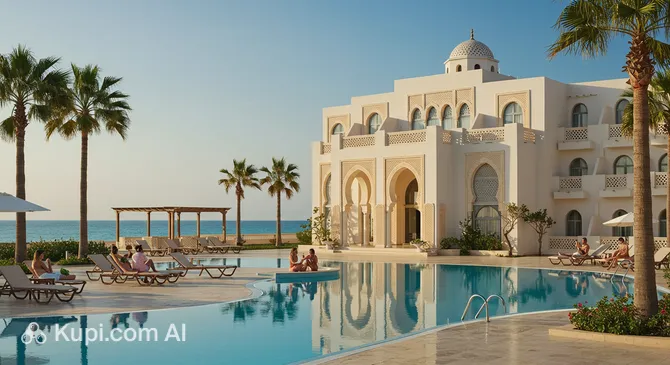
Among the well-known hotels offering a comfortable stay is, for example, the La Badira resort hotel, which is famous for its high level of service and beautiful views. Another popular choice is Nozha Beach & Spa, which offers guests a wide range of leisure facilities.

La Badira. Illustration.
Source: Kupi.com AI

Traveler photos:

When planning a trip to Hammamet, especially during the peak tourist season (usually the summer months), it is highly recommended to book accommodation in advance. This will allow you to choose the best option in terms of price and quality and avoid a lack of available rooms. The price range varies from budget offers to luxury options. You can book a hotel or apartment through popular international online platforms, as well as directly on the official hotel websites or through local travel agencies.

Nearby Cities

For those looking to explore the surrounding area, Hammamet serves as an excellent starting point for day trips to several interesting nearby locations:

CityPopulationDistance
Nabeul73 12811 km
Dar Chaabane35 85913 km
Beni Khiar36 68616 km
Grombalia24 33624 km
Tazarka9 38825 km

These nearby destinations offer a glimpse into the diverse culture and landscapes of the Tunisia region. A trip to Nabeul, famous for its pottery and weekly camel market, takes very little time. Other towns, such as Rades or Korba, also offer their own unique attractions and atmosphere, making them excellent choices for a short journey.

Shopping & Souvenirs

Shopping in Hammamet is an exciting immersion into a world of oriental scents, bright colors, and traditional crafts. The city offers diverse shopping opportunities, from lively markets to modern shops. Hammamet is especially famous for leather goods, ceramics, carpets, spices, and traditional clothing. Here you can find both unique handmade souvenirs and high-quality local products.

The main place for shopping in Hammamet is definitely the Medina—the old city. Its narrow streets are home to many shops and workshops selling all sorts of goods. There is an atmosphere of a true oriental bazaar here, where bargaining is expected. Another popular shopping area is the Yasmine Hammamet tourist zone, where you can find shops with fixed prices offering a more modern range of products, including clothing, jewelry, and souvenirs.

Although Hammamet is not famous for huge shopping centers in the European sense, several modern shopping galleries and complexes can be found in the Yasmine Hammamet area. They offer more comfortable conditions for shopping, air-conditioned premises, and shops of famous brands as well as local labels. However, the main flavor of shopping in Hammamet is concentrated specifically in the markets and small private shops.

The main market to visit in Hammamet is the souk in the Medina. This is a real labyrinth of trading rows where you can find everything: from fragrant spices and sweets to ceramics, leather bags, national clothing, carpets, and silver jewelry. Here, it is important not to be shy about bargaining, as it is part of the local culture. Food markets are also interesting—you can buy fresh fruits, vegetables, olives, and the famous Tunisian dates there.

From Hammamet, it is worth bringing back traditional Tunisian souvenirs. Ceramic products (plates, vases, tiles) are particularly popular, especially from the neighboring city of Nabeul, which is considered the center of pottery. Also look out for leather goods (bags, belts, babouche slippers), handmade carpets with Berber patterns, fragrant spices, olive oil, natural cosmetics based on argan oil, and traditional jewelry such as the "Hand of Fatima."

Most shops in Hammamet are open from approximately 9:00-10:00 AM to 7:00-8:00 PM, with a siesta break in the middle of the day (usually from 1:00 PM to 3:00 PM or 4:00 PM), especially during the hot season. In tourist areas and during the peak season, shops may work longer and without a break. In markets and small shops, payment in cash (Tunisian dinars) is preferred. Major shops, hotels, and some restaurants accept credit cards. Don't forget that it's customary to bargain in the markets—it's an integral part of the buying process.

For tourists from some countries, a Tax Free system is available in Tunisia for certain goods purchased in participating stores. This usually applies to purchases above a certain limit. To take advantage of this opportunity, you must ask the seller for a special Tax Free receipt at the time of purchase and present it along with the goods at customs when leaving the country. Look for shops with the corresponding logo.

Nearby cities

Have you reached the end of the page?

So the route has been studied inside and out