Support

Sousse

About

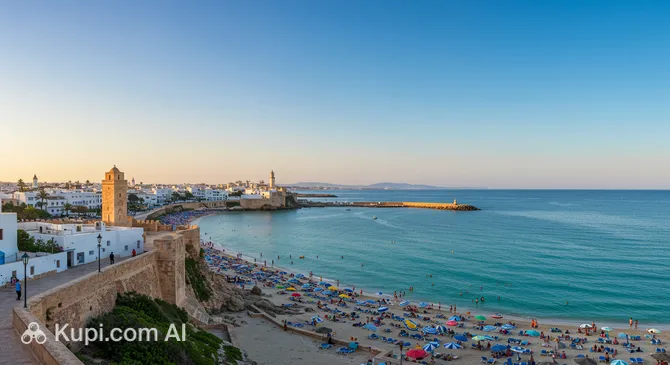
Sousse is the vibrant heart of the Tunisian coast, a city where ancient history meets the lively atmosphere of a modern resort. Located on the Mediterranean coast, about 140 kilometers south of the capital of Tunisia, Sousse enchants travelers with its picturesque landscapes, golden beaches, and unique oriental flair. It is a place where the past and present create a unique harmony, attracting guests from all over the world.

With a population of about 221,530 people, Sousse is the third-largest city in the country and an important administrative and cultural center. It is not only a popular tourist destination but also a major port and a center for crafts and trade. The city is conditionally divided into several parts: the historical Medina, the modern center with residential neighborhoods, and the northern tourist zone, known for its hotels and entertainment venues.
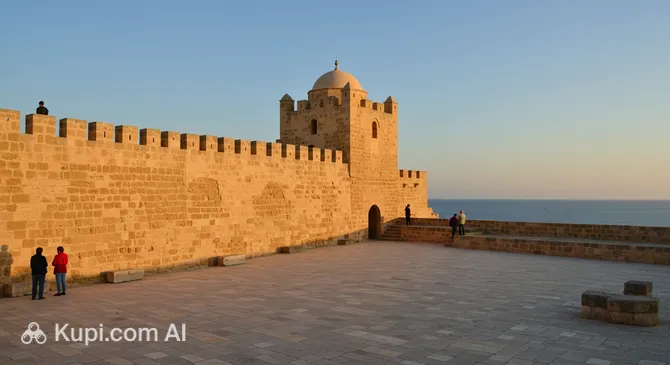
Sousse. Illustration.
Source: Kupi.com AI

One of Sousse's main jewels is its Medina — the old town, a UNESCO World Heritage site, featuring narrow streets, ancient mosques, and colorful markets. Beach lovers will appreciate the long sandy beaches with a gentle entry into the sea, ideal for family time. In the evening, Sousse comes alive, offering many bars, restaurants, and discos, including the famous open-air club Bora-Bora, considered one of the largest in Africa.

Sousse is an excellent choice for those who want to combine a relaxed seaside holiday with immersion into rich culture and history, as well as enjoy active entertainment. Often called the "Pearl of the Coast," this hospitable city will provide you with unforgettable impressions and bright emotions. Come to Sousse to discover its many facets and charm!

You can find more interesting facts on the Sousse city history page
Weather Overview

The weather in Sousse is characterized by hot and dry summers, especially in July and August when the average air temperature stays around 29°C, and maximum values can exceed 35°C. Rainfall in the summer months is minimal, often nonexistent. Winters in Sousse are mild, with an average temperature of about 13-14°C in January and December, and a few rainy days. Spring and autumn are transitional seasons with comfortable warm weather, where average temperatures range from 15°C to 26°C, and rainfall remains moderate. Overall, expect a warm, sunny summer with minimal rainfall and mild, wetter winters. Learn more about the Sousse climate.

Average monthly temperature

Average monthly precipitation

Interesting Facts

Beyond its famous beaches and lively atmosphere, Sousse hides many amazing stories and little-known details that can reveal this ancient city in a new light. This Tunisian resort is not just a place for relaxation, but a witness to centuries of history.

Ribat of Sousse. Illustration.
Source: Kupi.com AI

Traveler photos:

  • Sousse is one of the oldest cities not only in Tunisia but in the entire Mediterranean. Its history spans over three millennia, and in ancient times it was known as Hadrumetum, a major Phoenician port that played a significant role even before the rise of Carthage.

  • Beneath the busy streets of the Sousse Medina, recognized as a UNESCO World Heritage site, lies an entire underground city — catacombs dating back to the 2nd–4th centuries. Legends say this was where the region's first Christians found refuge. The Medina itself preserves architectural gems like the Great Mosque of Sousse and the ancient Ribat fortress.

  • The city is a true treasure trove for fans of antiquity. The Sousse Archaeological Museum features one of the most impressive collections of Roman mosaics in the world, renowned for its scale and craftsmanship, making it a source of pride for both the city and the entire country.

  • Sousse is historically famous for its skilled artisans. Traditional crafts still flourish here, such as hand-weaving carpets with unique patterns, creating elegant silver jewelry, and intricate copper work, with secrets carefully passed down from generation to generation.

How to Get There

The most convenient way to reach Sousse, one of Tunisia's most picturesque and popular resort centers, is by air. Several international airports are located at various distances from the city, offering convenient options for travelers.

The closest option to Sousse is the Habib Bourguiba International Airport (MIR), located in the neighboring city of Monastir, just 13.1 km from Sousse. This makes it an extremely convenient choice for a quick transfer: a taxi or bus ride to central Sousse takes about 40 minutes. Habib Bourguiba Airport serves many charter and scheduled flights, especially during the tourist season.

Another popular choice is Enfidha-Hammamet International Airport (NBE), located 33 km north of Sousse city center. This modern and quite large airport is an important transport hub for the resort areas of Enfidha, Hammamet, and, of course, Sousse. The transfer to Sousse usually takes about 1 hour 10 minutes.

For those who prefer to arrive through the capital, the main entry point is Tunis-Carthage International Airport (TUN). It is located in the nation's capital, Tunis, about 120 km from Sousse. Although the trip to Sousse from here is longer (about 3 hours 20 minutes by car or bus), this airport offers the widest selection of international flights and serves as the primary air gateway to Tunisia.

In addition to air travel, Sousse is easily accessible by car or comfortable intercity buses from the capital and other major cities in Tunisia, thanks to a well-developed road network.

For your convenience, here is summary information on the main airports serving Sousse:

AirportPassenger trafficDistance
Habib Bourguiba International Airport1.8 mln13 km
Enfidha - Hammamet International Airport1.3 mln33 km
Tunis-Carthage International Airport7.2 mln120 km
Sfax El Maou Airport174 000123 km
Pantelleria Airport200 000163 km

Main Attractions

Sousse is a city with a rich history and many interesting sites that attract tourists from around the world. Everyone will find something to enjoy here, from ancient monuments to beautiful beaches. Here are several key attractions that you should definitely include in your itinerary.

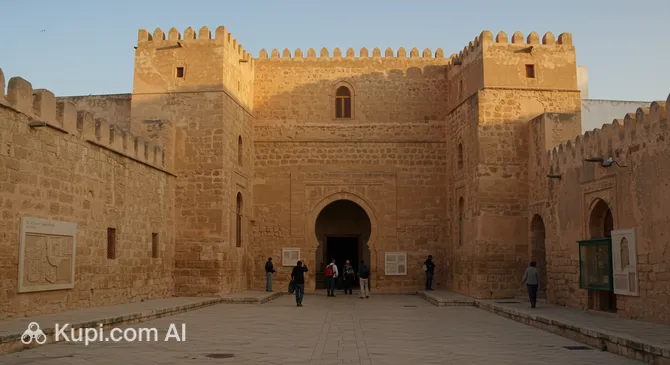
One of the city's main gems is the Ribat of Sousse. This ancient fortress-monastery, built in the 8th century, is considered one of the oldest and best-preserved Islamic defensive structures in North Africa. Initially, the Ribat served to protect the coast and as a place for prayer and solitude for warrior-monks. Today, visitors can climb the Nador watchtower, which offers breathtaking panoramic views of the Sousse Medina and the sea, as well as explore the courtyards and cells to feel the medieval atmosphere.

Ribat of Sousse. Illustration.
Source: Kupi.com AI

Traveler photos:

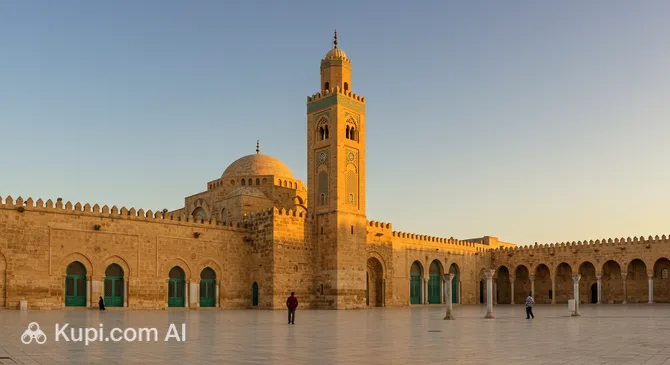
Near the Ribat is the Great Mosque of Sousse, erected in the 9th century. Its architecture is quite austere and resembles a fortress, which is no coincidence — the mosque also performed defensive functions. Unlike many other mosques, it does not have a high minaret; the call to prayer was sounded from the tower of the Ribat. The mosque's courtyard, with its arcades and strict lines, impresses with its monumentality and tranquility. This is an important place for understanding the city's history and culture.

Great Mosque of Sousse. Illustration.
Source: Kupi.com AI

Traveler photos:

History and art lovers should certainly visit the Sousse Archaeological Museum. It is located within the walls of an old Kasbah — the city's citadel — which makes the visit fascinating in itself. The museum is famous for one of the world's best collections of Roman mosaics found in Sousse and its surroundings. These colorful and detailed works of art depict scenes from mythology, daily life, and nature. In addition to mosaics, the exhibition features artifacts from the Punic, Roman, and early Christian periods.

Sousse Archaeological Museum. Illustration.
Source: Kupi.com AI

Traveler photos:

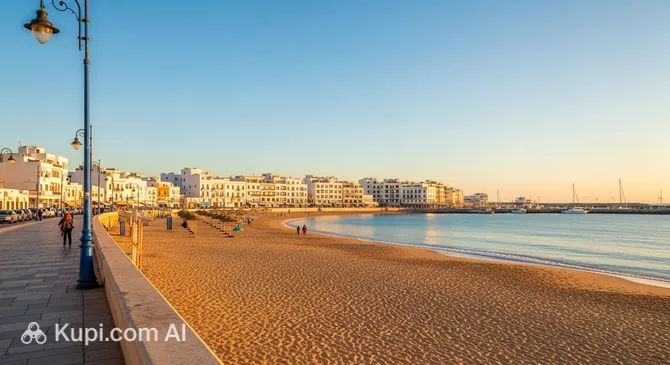
After a busy day exploring historical monuments, it is pleasant to relax at Boujaafar Beach. This is the main and most popular beach in Sousse, stretching for several kilometers along the azure coast of the Mediterranean Sea. It attracts tourists with its fine golden sand, gentle entry into the water, and well-developed infrastructure. Here you can not only sunbathe and swim but also engage in water sports, walk along the promenade, or sit in one of the many cafes and restaurants with sea views.

Bou Jaafar Beach. Illustration.
Source: Kupi.com AI

Traveler photos:

Local Cuisine

The cuisine of Sousse is a true gastronomic journey, where Arabic, Mediterranean, and Berber culinary traditions are intricately intertwined. The city offers foodies a unique experience, combining century-old recipes with modern gastronomic trends, making it an attractive destination for lovers of fine food.

Be sure to try the famous couscous in Sousse, which is prepared here with great skill, often with seafood or tender lamb, and served with spicy harissa sauce. This dish is the true pride of local cuisine. Another iconic dish is brik, which consists of thin, crispy pastry pockets with various fillings, most commonly egg, tuna, and aromatic spices. Due to its proximity to the sea, the restaurants in Sousse abound with fresh fish and seafood: don't miss the chance to enjoy fried octopus or grilled squid. A traditional Tunisian salad with olives and capers perfectly complements any meal.

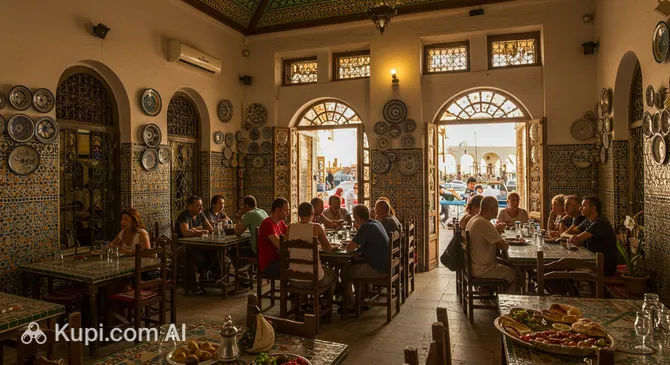
The food culture in Sousse is diverse. Locals and tourists enjoy meals in cozy restaurants as well as street food delicacies. On the busy streets and markets, you can find appetizing mini-pizzas, hearty meat-filled samsa, and sweet honey-glazed donuts. For a more thorough introduction to local cuisine, you can visit one of the many restaurants, such as L’Aromate Restaurant & Pizzeria, where you can appreciate both traditional and modern dishes. The farmers' markets in Sousse are a true paradise for gourmets, offering fresh vegetables, fruits, aromatic spices, and, of course, the famous local olive oil, considered one of the best in the region.

L’Aromate Restaurant & Pizzeria. Illustration.
Source: Kupi.com AI

Traveler photos:

Sweets hold a special place in Sousse's gastronomy. Be sure to taste the melt-in-your-mouth baklava, traditional makroudh with dates, and fragrant almond cookies. Among drinks, refreshing mint tea and strong Turkish coffee remain eternally popular. Those looking for something stronger might enjoy local wines and original herbal liqueurs.

The gastronomic scene in Sousse attracts tourists with its diversity and authenticity. Signature dishes like aromatic seafood couscous and crispy brik are the city's hallmarks, offering unforgettable flavor experiences. The general character of the cuisine can be described as bright, rich, and generous, with an emphasis on fresh local products. The city also regularly hosts gastronomic festivals where you can not only enjoy the best dishes but also learn the secrets of local chefs, making the culinary experience in Sousse even more memorable.

Travel Tips

Planning a trip to charming Sousse? Wonderful! To ensure your journey through this ancient city in Tunisia goes smoothly and leaves only pleasant impressions, we have prepared some practical tips.

  1. Clothing and Essentials:

    The climate in Sousse is Mediterranean, so in summer (June–September), bring light, breathable clothing made of natural fabrics, a hat, sunglasses, and high-SPF sunscreen. For spring and autumn, t-shirts, light sweaters, and jackets are suitable. It can be cool in winter, especially in the evenings, so don't forget warm clothes. Make sure to bring comfortable shoes for walking around the Medina and archaeological sites. When visiting mosques and other religious sites, choose modest clothing that covers shoulders and knees; women may need a headscarf. Don't forget a universal adapter (types C and E sockets are used in Tunisia).

  2. Transport in the City:

    Getting around Sousse is quite simple. Yellow taxis are the most common and convenient way; always ask to turn on the meter or agree on a price before the trip begins. For trips to neighboring cities or districts, you can use shared taxis called "louages"; they depart from specific stations once they are full. Public buses are also available, but they can be crowded, and the routes are not always obvious to tourists. Car rental is possible, but keep in mind that city traffic can be chaotic, and parking may be difficult, especially in the center.

  3. Finances and Expenses:

    The local currency is the Tunisian Dinar (TND). You can exchange money at banks, official exchange offices, or some hotels; avoid street money changers. ATMs are common, especially in tourist areas. Credit and debit cards (Visa, Mastercard) are accepted in large hotels, restaurants, and some stores, but for purchases at markets, small shops, and for paying taxis, it is better to have cash. Be sure to notify your bank about your trip to avoid card blocking. Tipping is welcome: in restaurants, it is customary to leave about 10% of the bill, and you can also reward hotel staff and taxi drivers (by rounding up the bill) with small amounts.

  4. Health and Safety:

    Pharmacies (marked with a green cross) are easy to find in the city; some work 24/7 on a rotation basis. For serious medical assistance, tourists are better off contacting private clinics. It is highly recommended to have travel insurance that covers medical expenses. Sousse is generally a safe city, but take standard precautions: watch your belongings in crowded places, especially in the Medina, and avoid walking alone in poorly lit or deserted areas after dark. Drink only bottled water.

  5. Communication:

    The official language is Arabic (Tunisian dialect). French is widely spoken, especially in tourism. English is understood in hotels, restaurants, and tourist spots, but not everywhere. Learn a few simple phrases in Arabic: "As-salamu alaykum" (hello), "Shokran" (thank you), "La" (no), "Na'am" (yes), "Kaddesh?" (how much?). A local SIM card with internet access can be bought at the airport or at mobile phone shops (e.g., Ooredoo, Orange, Tunisie Telecom). Wi-Fi is available in most hotels and many cafes.

  6. Local Etiquette and Interaction:

    Tunisians are hospitable people. Greetings usually involve a handshake (mostly between men). Be polite and respectful when communicating with locals. If you want to take a photo of someone, always ask for permission. In souks (markets), bargaining is expected — do it with a smile and without aggression. When visiting homes or certain establishments, it may be customary to remove your shoes. Try to dress modestly outside of beach areas.

  7. What to Avoid:

    Do not photograph military or police facilities, or people in uniform without their explicit permission. Avoid excessive alcohol consumption in public places, especially outside tourist zones. Show respect for local traditions and religion, especially during Ramadan.

  8. Special Tip for Sousse:

    Be sure to set aside time for a leisurely stroll through the Sousse Medina, a UNESCO World Heritage site. Get lost in its narrow streets, admire the ancient walls, and visit the Ribat and the Great Mosque. Don't be afraid to go into small shops — you can find interesting souvenirs there. And of course, try fresh orange juice or mint tea at one of the local cafes.

We hope these tips help you better prepare for your trip and enjoy every moment of your stay in sunny Sousse. Have a great journey!

Entertainment & Nightlife

As evening falls, Sousse is transformed, offering visitors plenty of opportunities for exciting leisure. Although Sousse is better known as a beach resort, its nightlife is diverse enough that everyone can find something to their liking, from quiet dinners in restaurants to vibrant parties in clubs.

The main concentration of evening and night venues is in the Sousse tourist zone, stretching along the coast, especially around major hotels and along the busy Boujaafar promenade. Many popular bars, restaurants, and clubs are also located in the nearby Port El Kantaoui resort complex, which, while a separate attraction, is easily accessible from Sousse. In the Sousse Medina itself, nightlife is less active and is represented mainly by traditional cafes that close relatively early.

In Sousse, you will find bars with live music, modern nightclubs with popular DJs, cozy lounge areas, and restaurants open until late. The atmosphere varies from relaxed and casual in beach bars to energetic and dance-focused in clubs. The crowd is usually international — tourists from different countries and local youth. The dress code in most places is casual, though some more prestigious clubs may not allow overtly beach-style clothing. Nightclubs typically open from 10:00–11:00 PM and continue the fun until 3:00–4:00 AM.

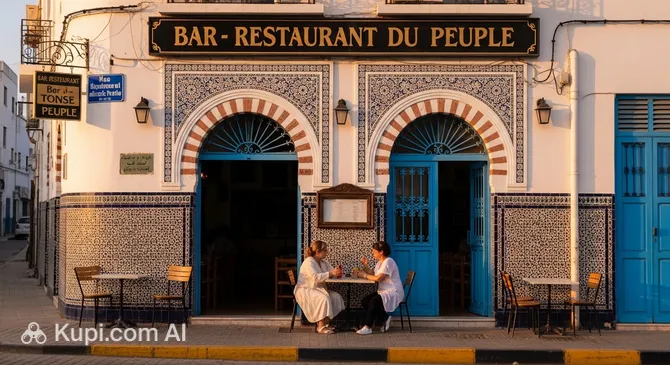
Among the places to enjoy an evening, it is worth noting, for example, L’Aromate Restaurant & Pizzeria, which offers guests delicious dishes in a cozy setting. Another venue deserving attention is Bar-Restaurant du Peuple, where you can enjoy dinner and drinks in a lively atmosphere. Many large hotels also have their own discos and bars, which are often open to non-guests as well.

Bar-Restaurant du Peuple. Illustration.
Source: Kupi.com AI

Traveler photos:

Practical Tips: The best time to visit nightclubs is after 11:00 PM, when most of the crowd gathers. Average drink prices in the bars and clubs of the tourist zone are comparable to European resort standards. For getting around the city at night, a taxi is the most convenient and safe option. It is recommended to use official yellow taxis and either agree on the fare in advance or ensure the driver turns on the meter.

Regarding safety, the tourist areas of Sousse are generally considered quite safe for night walks. Nevertheless, you should always follow standard precautions: watch your belongings and avoid poorly lit or deserted areas. You can call a taxi through your hotel reception or catch one on the street in busy areas.

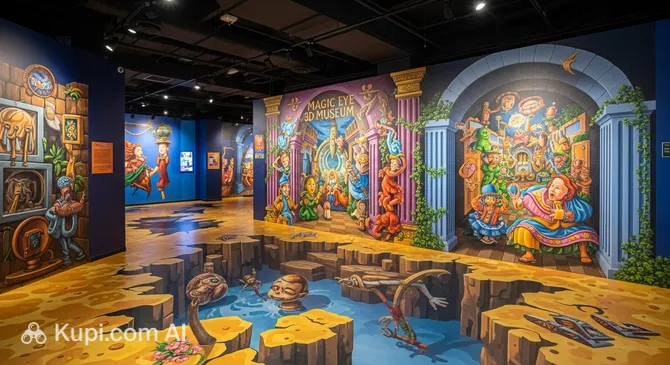
During the day, Sousse also keeps you entertained. History and culture enthusiasts can explore iconic sites like the ancient Ribat of Sousse or the Sousse Archaeological Museum, which houses unique mosaics. For family fun and great photos, the Magic Eye 3D Illusion Museum is perfect. Walking along the promenade, shopping at the Soula Center, or relaxing at Boujaafar Beach will also be pleasant additions to your holiday.

Magic Eye 3D Museum. Illustration.
Source: Kupi.com AI

Traveler photos:

Soula Shopping Center. Illustration.
Source: Kupi.com AI

Traveler photos:

Parks & Museums

Sousse offers its guests not only magnificent beaches but also a rich cultural heritage reflected in its museums and historical monuments. The city skillfully combines opportunities for outdoor relaxation with immersion in history and art.

The main natural attraction and a favorite leisure spot in Sousse is undoubtedly Boujaafar Beach. This long sandy beach is perfect for sunbathing, swimming, and water sports. Its clean waters and developed infrastructure attract both tourists and locals. While Sousse is not famous for extensive classic city parks, the promenade along the beach offers pleasant walking areas with palm trees and cafes where you can enjoy the sea breeze.

Bou Jaafar Beach. Illustration.
Source: Kupi.com AI

Traveler photos:

To learn about the region's rich history, be sure to visit the Sousse Archaeological Museum. Located in an old Kasbah, it houses an impressive collection of Roman mosaics, one of the best in the world, as well as artifacts from the Punic and early Christian periods. The museum's exhibition allows you to trace the centuries-long history of the city and its surroundings.

Sousse Archaeological Museum. Illustration.
Source: Kupi.com AI

Traveler photos:

If you are looking for more modern and interactive entertainment, check out the Magic Eye 3D Illusion Museum. It is a great place for family fun, where you can take hilarious photos by becoming part of optical illusions and 3D paintings. The museum offers an engaging experience that both children and adults will enjoy.

Magic Eye 3D Museum. Illustration.
Source: Kupi.com AI

Traveler photos:

The heart of the old city is the Ribat of Sousse — an ancient fortress-monastery built in the 8th century. It is one of the oldest and best-preserved Islamic defensive structures in North Africa. By climbing the Nador watchtower, you can enjoy panoramic views of the Medina and the sea. The Ribat is a UNESCO World Heritage site and a must-visit for everyone interested in history.

Ribat of Sousse. Illustration.
Source: Kupi.com AI

Traveler photos:

Located near the Ribat is the Great Mosque of Sousse, built in the 9th century. Its austere, fortress-like appearance distinguishes it from many other mosques. Although entry for non-Muslims is limited, an external viewing of this significant architectural monument provides an idea of the region's early Islamic architecture.

Great Mosque of Sousse. Illustration.
Source: Kupi.com AI

Traveler photos:

For a more authentic immersion into local life, walk through the narrow streets of the Sousse Medina that lie beyond the main tourist routes. Here you can find small artisan workshops and traditional coffee houses where locals spend their time. Also, take note of the lesser-known but interesting Sousse catacombs, which testify to the city's early Christian period.

Getting Around

Getting around Sousse is possible via several types of public transport, each with its own characteristics. The transport system's backbone consists of buses and shared taxis, known as "louages." Regular taxis are also widely available.

Buses are the most affordable way to move around the city and its surroundings. The route network is quite developed, but it might seem confusing to a tourist. Buses are often crowded, especially during peak hours. Fares are usually paid in cash to a conductor or the driver upon entry. Ticket prices are very affordable, typically ranging from 0.5 to 1 Tunisian Dinar depending on the route. Generally, there are no specialized passes, transport cards, or mobile apps for payment and route planning for Sousse city buses; cash is the primary method of payment. Schedules are not always strictly followed, so it is better to look for the frequency of buses at stops. Buses usually run from early morning until late evening, but the intensity of service decreases after sunset.

"Louages" are a popular type of shared taxi, which are minivans or large cars that follow specific routes, both within the city and between cities. They do not have a fixed schedule; a louage departs when all seats are filled. The fare is fixed and paid to the driver in cash. A trip within the city in a louage usually costs 1-2 Tunisian Dinars. As with buses, separate transport cards or apps for louages are not used. Louage stops are usually found at special ranks or at busy points in the city. This is a faster way to travel than by bus, but less comfortable due to the tight seating.

Taxis in Sousse are easily recognizable by their yellow color. This is a convenient way to reach your destination, especially if you are traveling with luggage or at night. Most taxis are equipped with meters, but it is recommended to clarify with the driver before starting the trip whether they will use it, or agree on a price in advance, especially for popular tourist routes. Getting into a taxi usually costs about 0.5-1 Tunisian Dinar, then the fare follows the meter. A short city trip might cost 5-15 Tunisian Dinars, depending on the distance and time of day. Payment is predominantly in cash. While some drivers may use local apps for booking, widespread international taxi aggregators may be less common here, and hailing a car "from the curb" or through a hotel remains a popular method.

Regarding other ways to get around, car rental is possible in Sousse — there are offices for both international and local rental companies. This can be a convenient option for independent trips to the surroundings. Carsharing in its familiar sense (short-term rental via an app with minute-by-minute billing) has not yet become widespread in Sousse. Bicycle rental can be found at some hotels or in tourist zones, but it is oriented more toward leisurely rides along the coast than toward using a bike as a primary means of city transport, given the traffic intensity and local road infrastructure.

For tourists wanting to see the coastal zone and the Medina, a small tourist train ("petit train") also operates in Sousse. This is more of an attraction than a full-fledged public transport mode, but it can be convenient for a sightseeing trip around the main tourist locations.

Practical Tips for Tourists: Always carry small cash for paying on buses, louages, and taxis, as large bills may cause issues with change. Keep in mind that there are no centralized transport cards or universal mobile apps for all types of public transport in Sousse. If you plan to use buses frequently, try to study the main routes passing through areas of interest in advance, or ask locals — they are usually happy to help. Be prepared for public transport to be crowded, especially during peak hours. For long-distance trips, nighttime travel, or when carrying luggage, a taxi remains the most predictable and comfortable option.

Accommodation

In Sousse, travelers will find diverse accommodation options to suit any budget and preference. The range of offerings includes budget hostels and guesthouses, comfortable mid-range hotels, luxury resort complexes with a full range of services, as well as apartments and villas for independent rental, which are perfect for families or large groups.

When choosing a place to stay in Sousse, consider several key areas. The coastal zone, stretching along the famous Boujaafar Beach, is very popular due to the many hotels with direct sea access and developed tourist infrastructure. Another attractive option is the area adjacent to the Sousse Medina. Staying here allows you to immerse yourself in the authentic atmosphere of the old city and be within walking distance of iconic landmarks like the Ribat and the Great Mosque of Sousse.

Ribat of Sousse. Illustration.
Source: Kupi.com AI

Traveler photos:

Although the provided list of attractions does not include specific hotel examples, Sousse features both well-known international hotel chains and local hotels offering various service levels. You can find large "all-inclusive" resort hotels geared toward beach holidays, as well as small, cozy city hotels.

The price range for housing in Sousse varies from very affordable options to luxury offerings, depending on the season, location, and level of comfort. To book accommodation, it is convenient to use popular international online platforms or visit hotel websites directly. It is highly recommended to book your stay in advance, especially if your trip is planned for the peak tourist season (usually the summer months), to ensure the best choice and prices.

Nearby Cities

For those looking to explore the surroundings, Sousse serves as an excellent starting point for day trips to several interesting nearby locations:

CityPopulationDistance
Zaouiet Sousse25 0005 km
Akouda34 4948 km
Messadine12 9168 km
Hammam Sousse42 6918 km
El Kelaa Kebira52 68510 km

These nearby destinations provide insight into the diverse culture and landscapes of the region.

Shopping & Souvenirs

Shopping in Sousse is a fascinating activity that combines the flavor of oriental bazaars with the convenience of modern stores. The city is known for its traditional crafts, so here you can find quality leather goods, colorful ceramics, handmade carpets, as well as aromatic spices and excellent olive oil. Shopping in Sousse can be a real adventure and an opportunity to touch the local culture.

The main shopping area is undoubtedly the Sousse Medina. In its narrow, winding streets hide countless shops and workshops where merchants offer their goods. This is the ideal place to find authentic souvenirs and products from local artisans. Outside the Medina, in the newer part of the city and along the tourist promenade, you can also find modern stores for clothing, shoes, and accessories.

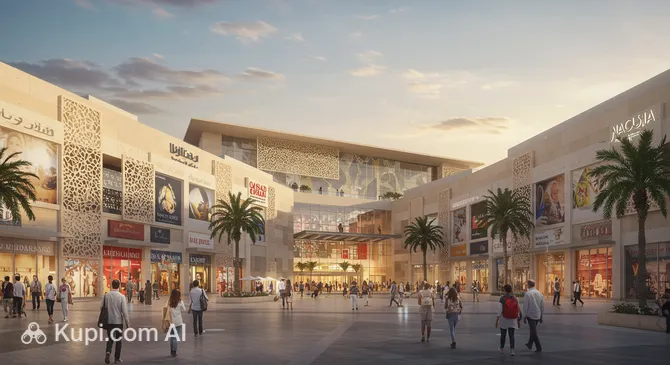
If you prefer more structured shopping in the familiar setting of air-conditioned buildings, Sousse has several shopping centers. One popular option is the Soula Center, which features both local and international brands for clothing, electronics, and other goods.

The heart of Sousse's commercial life is definitely its famous souk (market) located in the Medina. It's not just a place for shopping, but a real kaleidoscope of smells, sounds, and colors. Here you can find everything from fresh fruit, vegetables, and oriental sweets to traditional clothing, jewelry, perfumes, and copper and wood crafts. Don't hesitate to bargain — it is an integral part of the buying process at an oriental bazaar.

As souvenirs from Sousse, tourists most often choose: painted ceramic tableware (plates, vases, tagines), natural leather products (bags, belts, wallets, traditional babouche slippers), small carpets and kilims with Berber patterns, aromatic spices (harissa paste is particularly popular), extra virgin olive oil, dates, natural soap, as well as silver jewelry and charms like the "Hand of Fatima."

Shops in Sousse usually operate from 9:00–10:00 AM to 7:00–8:00 PM. Many of them, especially small shops, may close for a lunch break (siesta) from about 1:00 PM to 4:00 PM, especially during the hot season. Markets in the Medina are often open from early morning until late evening. Large stores and shopping centers accept bank cards, but in markets and small souvenir shops, it is preferable to have cash in Tunisian Dinars (TND).

For tourists shopping in Tunisia, a tax refund system (Tax Free) is available. To take advantage of this opportunity, look for stores with the corresponding logo. When making a purchase over a certain amount, ask the seller for a special Tax Free receipt, which must be presented at customs at the airport when leaving the country to receive a VAT refund.

Have you reached the end of the page?

So the route has been studied inside and out