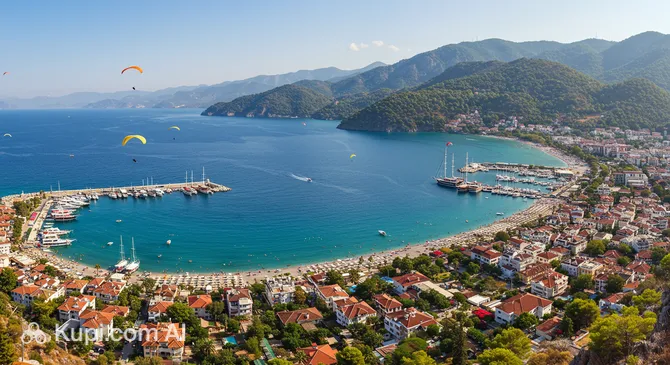
Fethiye is a charming resort town located on the southwestern coast of Turkey, in the picturesque Muğla province. It is famous for its incredible natural beauty, the turquoise waters of the Mediterranean Sea, and its rich historical heritage. The town is nestled at the foot of mountains covered with pine forests, creating a unique atmosphere of peace and harmony.
Fethiye attracts travelers with its mild Mediterranean climate, featuring long hot summers and warm, mild winters, making it a wonderful vacation spot almost year-round. The city's population is around 158,000, which gives it a lively feel while maintaining the coziness of a small coastal town.
Fethiye. Illustration.
Source: Kupi.com AI
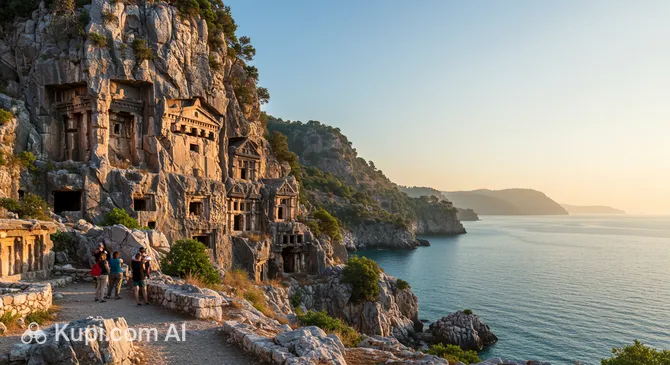
Among the crown jewels of Fethiye is the famous Ölüdeniz lagoon, or the Blue Lagoon, with its stunning beaches and crystal-clear water, which is considered one of the most photographed places in Turkey. Equally impressive are the ancient Lycian Rock Tombs carved directly into the cliffs above the city—silent witnesses to the region's rich history. History buffs should also visit the abandoned ghost town of Kayaköy, with its stone houses and churches that hold the secrets of the past.
Fethiye is a place where everyone will find something for themselves: from relaxed beach holidays and boat trips to active sports like paragliding from Mount Babadağ and exploring ancient ruins. This welcoming town is sure to leave you with the warmest memories and a desire to return again.
The weather in Fethiye features a pleasant Mediterranean climate that makes this resort attractive for visits at various times of the year. Summer here is long, hot, and sunny. For example, in July and August, the average air temperature stays around 27-28°C, and daytime maximums often reach 32-33.5°C. Rainfall in the summer months is extremely rare, especially in July when there is practically none. Winters in Fethiye are mild; the average January temperature is about 8.4°C (with minimums around 4°C and maximums up to 12.7°C). The probability of precipitation is higher in winter; for example, in January, about 6 mm falls, and there can be up to 14 rainy days. Spring and autumn months delight with comfortable warm weather, ideal for excursions and active recreation.
Overall, when planning a trip, expect hot and mostly dry summers, and mild and wetter winters compared to the summer period. For more detailed information about the weather conditions in Fethiye for each month, including data on water temperature, hours of sunshine, and other useful statistics, we recommend visiting the Fethiye Climate page.
Average monthly temperature
Average monthly precipitation
Interesting Facts
In addition to its famous beaches and ancient ruins, Fethiye hides many curious details and stories that not all travelers know about. Here are just a few interesting facts that will help you look at this amazing city from a new perspective:
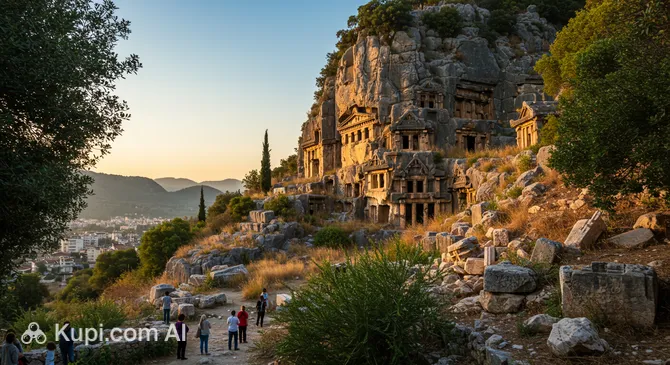
Amyntas Rock Tombs. Illustration.
Source: Kupi.com AI
Traveller photos:
Fethiye received its modern name in honor of one of the first pilots of the Ottoman Empire, Fethi Bey. He died tragically during an expedition flight in 1914, and the city, formerly known as Makri (Meğri), was renamed in his memory.
In ancient times, the city bore the name Telmessos, which, according to one version, translates from Lycian as "Land of Lights" or "City of Light." This name may be associated with the cult of Apollo, the god of light, which was widespread here, and the city itself was famous for its oracles.
Fethiye's modern appearance was largely shaped by a powerful earthquake in 1957. Most of the old buildings were destroyed, and the city had to be rebuilt, which explains the predominance of more modern architecture in its central part.
The famous Amyntas Rock Tombs, carved into the sheer cliffs above the city, are more than just burials. It is believed that some of them, including the tomb of Amyntas, served not only as burial places but also as types of temples or heroons—shrines in honor of deified heroes or rulers of ancient Lycia.
How to Get There
When planning a trip to this picturesque corner, it is important to think about the route in advance. Fethiye does not have its own airport within the city limits, but thanks to a developed transport network, getting here is easy. You can find out more about how to get to Fethiye and choose the most convenient option for you; below we will consider the main ways to arrive.
The most convenient and closest option is Dalaman Airport (DLM), located in Muğla province. There is no airport in the city of Fethiye itself, but Dalaman's air gateway is only 30 km away from the resort. It is a large international airport that receives many flights during the tourist season. The journey from here to the center of Fethiye by taxi or transfer will take about 1 hour and 5 minutes, making this route the fastest and most popular among tourists.
If there are no direct flights to Dalaman, you can use Antalya Airport (AYT). This is one of the country's largest aviation hubs with huge passenger traffic, located in the city of Antalya. However, the distance should be considered: the airport is approximately 152 km from Fethiye. Traveling by car or bus from Antalya will take about 4 hours and 10 minutes. This option is often chosen by travelers planning to combine visits to several regions or who have found good deals on tickets to Antalya.
Another alternative is Milas-Bodrum Airport (BJV), located in the city of Bodrum. The distance to Fethiye is about 146 km. This is also a significant airport in the region, serving millions of passengers a year. Travel time by land transport will be approximately 4 hours.
For clarity, here is summary information on the main airports:
It is worth noting that there is no direct rail connection to Fethiye. The main form of land transport remains comfortable intercity buses, connecting the resort with almost all major cities in Turkey. Also popular are trips by rented car, allowing you to enjoy scenic coastal views along the way.
Main Attractions
Fethiye, with its rich history and stunning natural landscapes, offers many fascinating places to explore. Among them are several key attractions that are definitely worth including in your itinerary to truly experience the spirit of this amazing corner of Turkey.
The majestic Amyntas Rock Tombs are perhaps the most recognizable symbol of Fethiye. These impressive structures, carved high into the cliffside directly above the city, date back to the 4th century BC and belong to the Lycian era. The most famous of them—the tomb of the ruler Amyntas—impresses with its size and elaborate carvings that mimic the facade of an ancient temple. Climbing up to the tombs, tourists not only touch ancient history but also enjoy a breathtaking panoramic view of the city and the bay.
Amyntas Rock Tombs. Illustration.
Source: Kupi.com AI
Traveller photos:
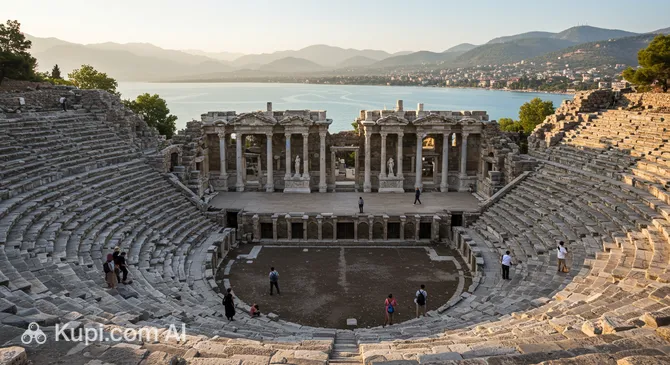
Modern Fethiye stands on the site of ancient Telmessos, once a thriving Lycian city known for its oracle. The ruins of Telmessos are scattered throughout the city and its surroundings, serving as reminders of its glorious past. In addition to the already mentioned rock tombs, the heritage of Telmessos includes the remains of the Fethiye Antique Theatre, located near the main harbor, and sarcophagi that can be found even on the streets of the modern city. Exploring these ancient stones allows you to immerse yourself in the atmosphere of long-gone eras.
Ancient City of Telmessos. Illustration.
Source: Kupi.com AI
Traveller photos:
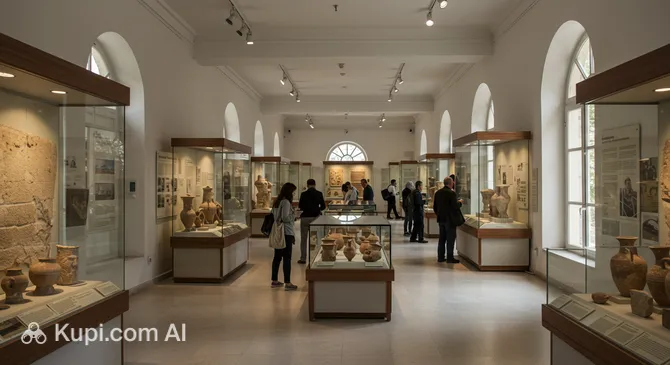
For those who want to delve deeper into the history and culture of the region, the Fethiye Museum is a must-visit. Despite its modest size, the museum houses a rich collection of artifacts found during archaeological excavations in Telmessos and its vicinity. The exhibition includes ceramics, sculptures, coins, jewelry, and everyday objects from the Lycian, Roman, and Byzantine periods. Of particular interest is the Letoon Trilingual Stele—a trilingual artifact that played a key role in deciphering the Lycian language.
Fethiye Museum. Illustration.
Source: Kupi.com AI
Traveller photos:
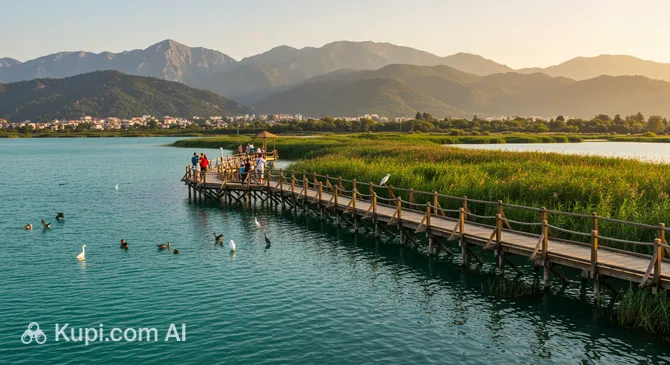
Nature lovers and those seeking peaceful relaxation should head to Çalış Beach, home to the unique Bird Sanctuary. This coastal wetland area is an important stopover for many species of migratory birds, as well as home to rare local feathered residents. Here you can observe flamingos, herons, ducks, and other birds in their natural habitat. The sanctuary offers a quiet and peaceful atmosphere, perfect for walks and photography, especially at sunset when the sky turns incredible colors.
Calis Beach Bird Sanctuary. Illustration.
Source: Kupi.com AI
Traveller photos:
Local Cuisine
The gastronomic scene of Fethiye is a real treat for foodies, where the freshness of local products combines with the rich culinary traditions of Turkey's Aegean and Mediterranean coasts. The basis of local cuisine is, of course, seafood, the freshest vegetables and fruits, aromatic herbs, and extra virgin olive oil. Here, every meal turns into a little discovery, full of bright flavors and aromas.
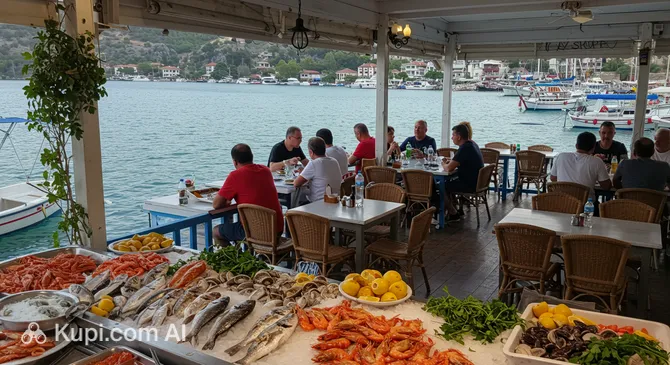
Be sure to try fresh grilled fish in Fethiye—most often sea bass (levrek) or sea bream (çipura). A special experience is visiting the local fish market, where you can personally choose the fish or seafood (shrimp, squid, octopus) you like and then take it to one of the neighboring restaurants where they will cook it for you on the spot. An equally important part of the meal is meze—a variety of cold and hot appetizers. Popular among them are eggplant dip (patlıcan salatası), spicy tomato paste with pepper (ezme), tzatziki (cacık), and, of course, hummus. You should also taste gözleme—thin flatbreads with various fillings (cheese, spinach, minced meat) prepared right before your eyes.
Zoi Fish Restaurant. Illustration.
Source: Kupi.com AI
Traveller photos:
As for drinks in Fethiye, as throughout Turkey, people everywhere drink Turkish tea (çay), served in special tulip-shaped glasses, and aromatic Turkish coffee (Türk kahvesi). On a hot day, ayran—a yogurt-based drink—is perfectly refreshing. Among alcoholic beverages, raki is popular—an anise-flavored spirit that Turks like to pair with meze and fish dishes. You can also find good Turkish wines and, of course, the popular Efes beer in local establishments.
The food culture in Fethiye is diverse and hospitable. Many restaurants and cafes are located along the promenade and in the old town. Fish restaurants are especially colorful, such as Zoi Fish Restaurant, where you can enjoy the freshest seafood with a view of the marina. To experience authentic Turkish cuisine at affordable prices, check out lokantas—traditional eateries offering home-cooked dishes, for example, at Lokanta Fethiye. Don't miss the street food: freshly squeezed juices, grilled corn, simits (sesame bagels), and, of course, Fethiye's famous fish market, where you can not only buy fresh fish but also have a delicious lunch at one of the many cafes surrounding it. This place is a real center of the city's gastronomic life, attracting both locals and tourists.
Travel Tips
Planning an unforgettable trip to charming Fethiye? To ensure your journey to the coast of Turkey is as comfortable as possible and leaves only the warmest memories, we have collected a few useful practical tips for you.
Clothing and Essentials:Fethiye has a Mediterranean climate: hot summers and mild winters. In summer (June to September), bring light clothing made of natural fabrics, a hat, sunglasses, and high-SPF sunscreen. For spring and autumn months, as well as for evening walks, bring a light jacket or sweater. Comfortable shoes are your best friend, especially if you plan to explore ancient ruins or walk in mountainous terrain. Don't forget your swimwear! When visiting mosques, women are advised to cover their heads, shoulders, and knees; men should wear trousers or shorts below the knees and a shirt. A universal power adapter may also come in handy.
Transport: Getting around Fethiye and its surroundings is easy with dolmushes—local shared taxis that run to popular destinations, including beaches and neighboring villages. There are also city buses. Taxis are easy to find, but it's better to agree on the price in advance or make sure the driver has turned on the meter. Popular taxi apps like BiTaksi can be useful. Renting a car is a good option if you want to explore the region independently, such as visiting Ölüdeniz or Kayaköy.
Finance: The local currency is the Turkish Lira (TRY). You can exchange money at banks, post offices (PTT), or exchange offices ("döviz"). In tourist areas, hotels, and large stores, bank cards (Visa, Mastercard) are widely accepted, but for purchases at markets and in small shops, it's better to have cash. ATMs are easy to find throughout the city. An approximate daily budget (excluding accommodation) is from 500-700 TRY per person. Tipping (bakhshish) is common practice in Turkey: in restaurants, it's about 10% of the bill if service is not included; it's also customary to leave small amounts for hotel staff and taxi drivers (by rounding up the fare).
Health and Safety: Pharmacies (Turkish "Eczane") are easy to find, and pharmacists often speak English. A list of duty pharmacies (nöbetçi eczane) that work 24/7 is usually posted on the doors of other pharmacies. Be sure to get travel medical insurance before your trip. Fethiye is generally a safe city, but standard precautions are wise: keep an eye on your belongings in crowded places, especially at markets and on public transport. It is better to buy bottled drinking water.
Communication: The official language is Turkish. In Fethiye's tourist areas, many people speak English, and less frequently, German or Russian. Learn a few basic phrases in Turkish: "Merhaba" (Hello), "Teşekkür ederim" (Thank you), "Lütfen" (Please)—this is always appreciated by locals. A local SIM card can be purchased at operator shops (Turkcell, Vodafone, Türk Telekom) by presenting your passport. Wi-Fi is available in most hotels, cafes, and restaurants.
Local Etiquette: Turks are hospitable and friendly people. Greetings are usually accompanied by a handshake. It is customary to take off your shoes when entering a mosque or a private home. You should only photograph people, especially women in traditional clothing, with their permission. A respectful attitude towards local traditions and culture will make your interactions with Fethiye residents more pleasant.
What to Avoid: Try not to criticize or speak disrespectfully about the founder of the Turkish Republic, Mustafa Kemal Atatürk, or the Turkish flag—these are very sensitive topics for locals. Also, avoid excessive public displays of affection—this is not common in local culture. During Ramadan (the month of fasting), try not to eat, drink, or smoke in the street during the day in the presence of those fasting, as a sign of respect.
Useful Hack for Fethiye: Be sure to visit the local market (pazar), which takes place in Fethiye on Tuesdays. It's a great place to buy fresh fruit, vegetables, olives, cheeses, spices, textiles, and souvenirs at good prices. Don't hesitate to bargain (except for food items, where prices are usually fixed)—it's part of the local culture! The fish market is also famous, where you can pick fresh fish and immediately ask for it to be cooked in one of the nearby restaurants.
We hope these tips help you better prepare for your trip and get the most out of your stay in sunny and hospitable Fethiye. Have a smooth journey and bright impressions!
Entertainment & Nightlife
When the sun sets over the horizon, Fethiye is transformed, offering its guests various opportunities for evening and night-time relaxation. From cozy bars with live music to energetic nightclubs—there is entertainment here for every taste. The city's main nightlife is concentrated in several key areas where the festive atmosphere doesn't fade until morning.
The heart of Fethiye's nightlife is rightfully considered the Paspatur (Paspatur Çarşısı) district, or the Old Town. Its narrow, cobbled streets come alive after dark, filling with the sounds of music and laughter. Numerous bars, pubs, and small clubs for all tastes are located here. Another popular place for evening strolls and dinners is the promenade along the harbor, where restaurants and cafes offer magnificent views of the yachts and the sea. The Çalış district also has bars and restaurants that stay open late, especially during the tourist season.
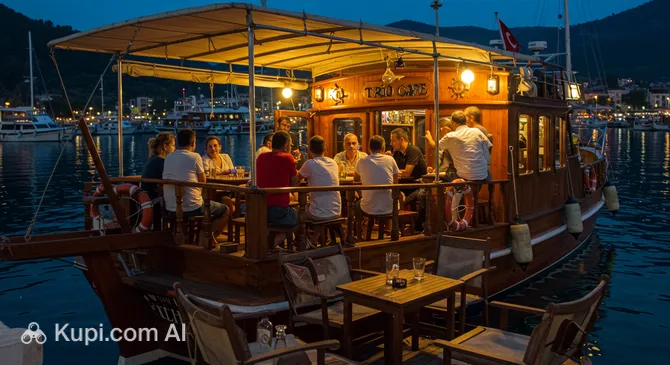
Lovers of a relaxed atmosphere and good drinks will appreciate Fethiye's many bars. You can find both quiet establishments for soulful conversations and places with live music—ranging from Turkish motifs to global hits. One such pleasant spot is Trio Cafe, where you can enjoy a cocktail in a cozy setting. Bars usually start to fill up after 9:00 PM – 10:00 PM and stay open until 1:00 AM – 2:00 AM. The dress code in most bars is casual, but a neat appearance is appreciated.
Trio Cafe. Illustration.
Source: Kupi.com AI
Traveller photos:
For those who want to dance until morning, there are several nightclubs in Fethiye. They offer modern dance music, DJ performances, and themed parties. The crowd here is predominantly young, consisting of both tourists and locals. Clubs usually open around 11:00 PM and work until 3:00 AM – 4:00 AM, and sometimes even later. Some clubs may have a stricter dress code (smart casual). For example, check out Boğa Club & Terrace, known for its energetic atmosphere and terrace.
In addition to bars and clubs, evening Fethiye offers other entertainment. Many restaurants, especially on the promenade and in the fish market area, stay open late, allowing you to enjoy a dinner of fresh seafood under the stars. Some establishments offer hookah. While night markets in the classic sense are not as common here, the shops in Paspatur are often open until late evening, offering souvenirs and local goods.
When planning an evening out, keep in mind that the main fun begins closer to midnight. Average prices for drinks in bars and clubs can vary but generally remain affordable, especially compared to major European resorts. You can reach popular nightlife spots by taxi or on foot if you are staying in the center. Some dolmushes (minibuses) also run in the evening, but it's better to check their schedule in advance. You can call a taxi through the hotel reception or find one at special taxi stands.
Fethiye is generally considered a safe city for night walks, especially in tourist zones like Paspatur and the promenade. However, as elsewhere, it's worth taking basic precautions: do not leave your belongings unattended and avoid poorly lit and deserted streets. For calling a taxi, it is better to use the services of official carriers or apps.
During the day, Fethiye offers a rich cultural program. You can visit, for example, the Fethiye Museum to learn about the region's history or explore the ruins of the Fethiye Antique Theatre. However, with the onset of evening, the city reveals its other, equally fascinating side.
Parks & Museums
Fethiye is not only about magnificent beaches and the azure sea; it is also a city with a rich cultural heritage and cozy green corners where you can take a break from the hustle and bustle and touch history. You will find both picturesque natural areas for walking and interesting museums telling the story of this amazing region of Turkey.
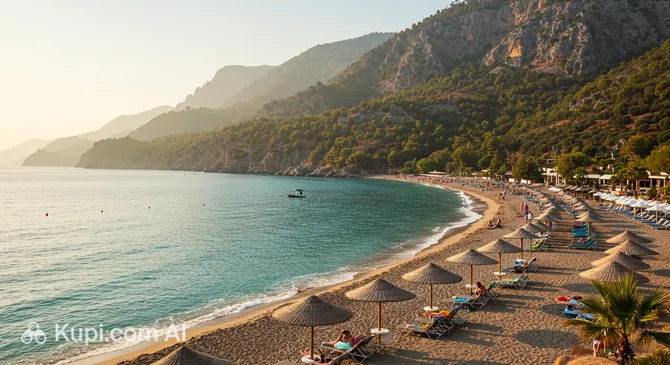
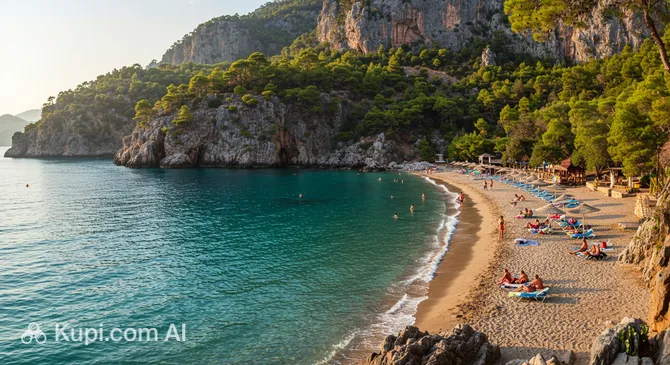
Among the city's natural oases, the Fethiye Coastline stands out—a long promenade ideal for leisurely walks, jogging, or cycling with views of the bay and moored yachts. It is a popular spot for both tourists and locals, especially at sunset. For a more secluded beach holiday, you can head to Küçük Samanlık Beach, known for its clean water and picturesque surroundings, bordered by a pine forest. It's a great place to spend a day in nature, enjoying the sun and sea. Don't forget the Bird Sanctuary at Çalış Beach, a unique place for observing birds in their natural habitat, especially during migration seasons.
Fethiye Coast. Illustration.
Source: Kupi.com AI
Traveller photos:
Küçük Samanlık Beach. Illustration.
Source: Kupi.com AI
Traveller photos:
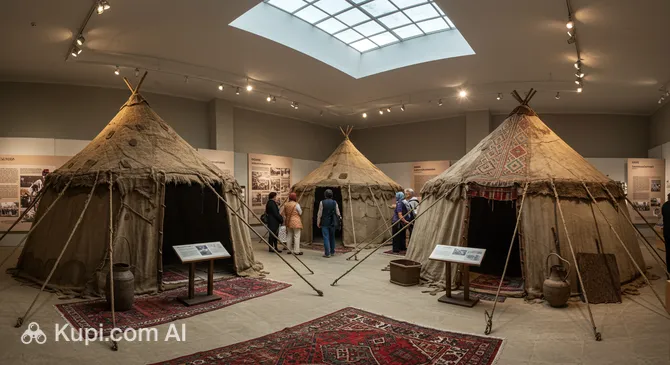
To dive deeper into the history and culture of the region, it's worth visiting the local museums. While the Fethiye Museum has already been mentioned for its rich archaeological collection, there are other interesting places. For example, the ethnographic museum Kerimoğlu Nomad Tents offers a unique opportunity to get acquainted with the life and traditions of the nomadic peoples of Anatolia. Here you can see authentic tents, household items, clothing, and crafts, which give a vivid idea of nomadic culture. The city's historical heritage is also vibrantly represented by the ruins of ancient Telmessos, among which the impressive Fethiye Antique Theatre stands out, still used occasionally for events. And, of course, the signature sight of the city remains the majestic Amyntas Rock Tombs, carved into the cliffs above the city.
Kerimoglu Nomad Tents. Illustration.
Source: Kupi.com AI
Traveller photos:
Fethiye Ancient Theatre. Illustration.
Source: Kupi.com AI
Traveller photos:
For authentic experiences, wander through the lesser-known streets of the Old Town (Paspatur) away from the main tourist routes—there you can find small craft shops and cozy local cafes. If you love nature, explore the hiking trails in the surrounding mountains, which offer stunning views of Fethiye Bay and the islands—some of them lead to secluded coves or ancient ruins hidden from the mass tourist.
Getting Around
Getting around Fethiye and its picturesque surroundings is quite simple thanks to a developed public transport system, primarily represented by shared taxis (dolmushes) and city buses. This allows tourists to easily reach beaches, attractions, and neighboring resort villages.
The main and most popular type of transport in Fethiye is the dolmush—small shared buses. They run on established routes, connecting the city center with popular areas such as Ölüdeniz, Çalış, Hisarönü, Ovacık, as well as more distant settlements. The route is usually indicated on the dolmush's windshield. To stop a dolmush, just raise your hand anywhere along its path. Payment is made in cash directly to the driver upon entering or exiting; the fare depends on the distance but is generally low, amounting to a few Turkish liras. Dolmushes run quite frequently, especially during the day.
In addition to dolmushes, city and intercity buses run in Fethiye and across Muğla province. To pay for travel on some of them, you may need a Muğla Kent Kart transport card. This card can be purchased and topped up at special kiosks or at the bus station (otogar). Using the card can be slightly cheaper and more convenient than paying in cash, especially if you plan to use buses frequently. Bus operating hours can vary depending on the season and route, but main lines are served regularly throughout the day.
Practical tips for tourists: dolmush tickets are generally not needed—payment is made in cash to the driver. For city buses where Kent Kart is accepted, the card must be tapped on the validator upon entry. The central departure points for many dolmushes are near the main mosque in the center of Fethiye and at the bus station. Transport usually starts running early in the morning and ends late at night, though the frequency of trips decreases during night hours.
As an alternative to public transport, taxis are always available in Fethiye. They are easy to find at special stands or can be called by phone. It is recommended to agree on the cost of the trip in advance or ensure the driver has turned on the meter (taksimetre). For greater freedom of movement, especially when exploring the surroundings, consider renting a car, scooter, or bicycle. Bicycles are especially convenient for rides along the promenade. Water taxis and excursion boats are also popular, running between the center of Fethiye, Çalış beach, and nearby islands, such as Şövalye Island (Şövalye Adası). This is not only a convenient but also a very scenic way to get around.
Accommodation
In Fethiye, travelers will find a wide range of accommodation options to suit every taste and budget. There are budget hostels and guest houses for thrifty tourists, as well as comfortable mid-range hotels. For those seeking luxury and a full range of services, luxury resort complexes are available. Renting apartments and villas is also popular, especially for families or long stays, offering more space and home comfort.
The choice of area to stay in Fethiye depends on your preferences. The central part of the city, especially the harbor area and the Old Town of Paspatur, is convenient for those who want to be in the thick of things, close to shops, restaurants, and historical sights. The Çalış area attracts beach lovers with its long promenade and more relaxed atmosphere. The villages of Ölüdeniz, Hisarönü, and Ovacık, located slightly away from Fethiye itself, offer many hotels and villas, proximity to the famous Blue Lagoon and Mount Babadağ, as well as a lively resort life, especially in Hisarönü.
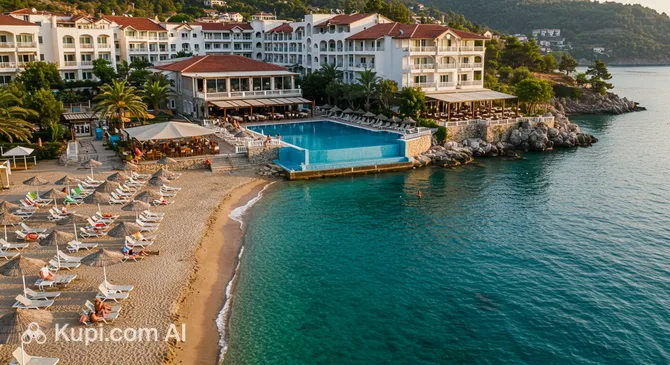
Among the many hotels in Fethiye and its surroundings, you can find options for every taste. For example, those looking for a comfortable all-inclusive holiday with developed infrastructure should pay attention to resort hotels such as Jiva Beach Resort or Akra Fethiye Sensatori. They offer their guests swimming pools, restaurants, spas, and direct beach access or a convenient transfer to one.
Jiva Beach Resort. Illustration.
Source: Kupi.com AI
Traveller photos:
The price range for accommodation in Fethiye varies from budget to luxury. In the peak tourist season (from June to September), prices are usually higher, so it is recommended to book accommodation in advance to ensure the best choice and more favorable terms. You can book a hotel or apartment through popular international online booking platforms, on the hotels' own websites, or through local travel agencies. Some small guest houses and apartments can be found and booked upon arrival, but in high season this can be risky.
Nearby Cities
For those who want to explore the surrounding area, Fethiye serves as an excellent starting point for day trips to several interesting nearby locations:
These nearby destinations offer a glimpse into the region's diverse culture and landscapes. For example, you can take a trip to charming Kaş (only 69 km from Fethiye), known for its narrow streets, Lycian tombs, and bohemian atmosphere, as well as excellent diving spots. Or head to vibrant Marmaris (79 km), a popular resort with its long promenade, active nightlife, and large yacht port. Each of these trips promises new impressions and will perfectly complement your holiday in Fethiye.
Shopping & Souvenirs
Shopping in Fethiye is a pleasant addition to beach holidays and sightseeing. The city offers diverse shopping opportunities: from modern shopping centers to colorful traditional markets and cozy souvenir shops. Here you can find both well-known brand goods and unique products by local artisans reflecting the culture of Turkey.
The main place to look for souvenirs and traditional Turkish goods is the Old Town (Paspatur Bazaar). Its narrow streets are filled with shops selling ceramics, textiles, leather goods, spices, and jewelry. Many shops are also located along the main street, Atatürk Caddesi, and adjacent streets in the city center. Here you can find clothing, footwear, accessories, and home goods stores.
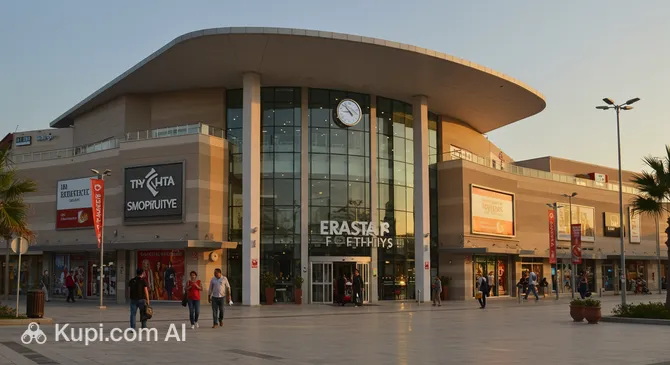
For those who prefer a more modern shopping format, there are shopping centers in Fethiye. One of the largest and most popular is the Erasta Fethiye Shopping Center. It features stores of both Turkish and international brands for clothing, footwear, electronics, and cosmetics, as well as a food court and entertainment zones. This is a good place for comfortable shopping in any weather.
Erasta Fethiye Shopping Mall. Illustration.
Source: Kupi.com AI
Traveller photos:
Markets hold a special place in Fethiye's shopping culture. The most famous is the Tuesday Market (Salı Pazarı), which is one of the largest in the region. Farmers and traders from all around gather here. At the market, you can buy fresh fruits, vegetables, olives, cheeses, honey, and spices, as well as textiles, clothing, shoes, souvenirs, and household items. The atmosphere here is very lively, and bargaining is appropriate. No less interesting is the fish market in the city center, where you can not only buy fresh fish and seafood but also immediately ask to have them prepared in one of the restaurants surrounding the market.
As souvenirs from Fethiye, tourists most often bring home: traditional Turkish sweets (lokum, baklava, halva), aromatic spices, locally produced olive oil, high-quality textiles (for example, peshtemal—thin bath towels, tablecloths, bed linen), leather goods (bags, wallets, jackets), beautiful handmade ceramics, copper products, jewelry with semi-precious stones, and, of course, famous Turkish carpets or kilims. Evil eye amulets "Nazar Boncuk" are also popular.
Shops in Fethiye's tourist areas usually operate from 9:00 AM – 10:00 AM until late evening, especially in the summer season (until 10:00 PM – 11:00 PM), often without days off. Shopping centers have a standard schedule, typically from 10:00 AM to 10:00 PM. Markets operate on specific days of the week and usually close by evening. Most shops and shopping centers accept bank cards (Visa, Mastercard), but at markets and in small shops, it is preferable to have cash—Turkish Lira (TRY)—with you.
For tourists from other countries, a Tax Free system operates in Turkey. If you make purchases of a certain amount in stores participating in this system (look for the corresponding sign), you can apply for a VAT refund. To do this, you must ask the seller for a special Tax Free check and present it along with the purchases and your passport at customs when leaving the country.
We use cookies and services to collect user information. This is essential for the functioning of the site and for marketing purposes. You can find out more in .