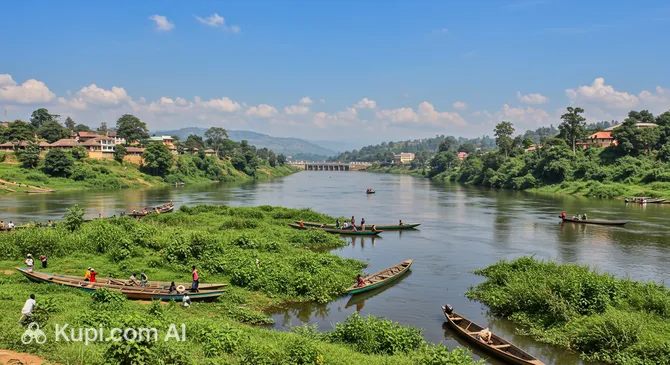
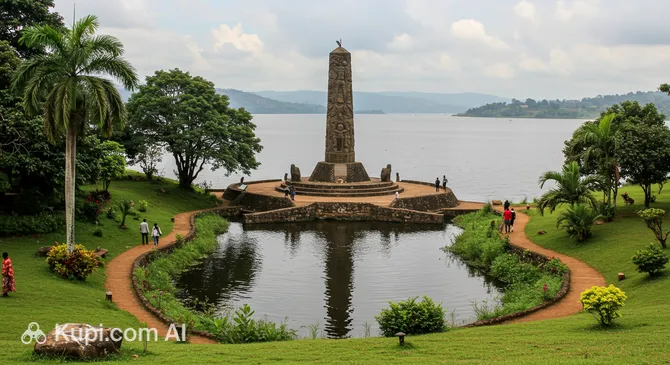
Jinja is a true diamond of East Africa, nestled on the northern shores of Lake Victoria, right at the legendary source of the mighty Nile. Located about 80 kilometers east of the capital, this city is rightfully considered the heart of Uganda. Its unique geographical position makes it not only an important transport hub but also a real magnet for travelers seeking to experience the continent's natural wonders.
Jinja. Illustration.
Source: Kupi.com AI
With a population of about 73,000, Jinja retains the charm of a friendly and welcoming town where life flows at a relaxed yet energetic pace. Strolling through its streets, you can notice an interesting blend of styles: colorful colonial architecture and buildings with Indian motifs clearly showcase the rich history of Jinja. Green alleys and bustling market squares create a special, warm atmosphere here.
Today, Jinja proudly bears the title of the adventure capital of East Africa. People come here for unforgettable emotions: from extreme white-water rafting on the Nile's rapids to peaceful boat trips and spotting rare exotic birds. It is the perfect place to recharge with optimism, enjoy harmony with nature, and see for yourself where one of the world's greatest rivers is born.
Weather Overview
Travelers to Jinja are greeted by a mild and consistent climate that remains comfortable throughout the year. Thanks to its proximity to the equator and Lake Victoria, there is no extreme heat or cold. The average air temperature stays steadily at around +22...+23°C, making walks and outdoor activities pleasant in any season.
During the day, the air usually warms up to +25...+27°C, with January and February considered the warmest months. Nights bring a welcome freshness, with the thermometer dropping to +18...+20°C. If you are planning a trip, a detailed weather in Jinja guide will help you prepare better, especially regarding clothing.
A characteristic feature of the local climate is the high frequency of rainfall. Rain is a constant companion here: even in relatively dry periods (June-July), precipitation can fall for up to 19–20 days a month. In the wettest months, such as April and November, the number of rainy days reaches 28, so a light raincoat will be an indispensable accessory in your luggage.
Expect warm, almost summer-like weather year-round with frequent rains that maintain the region's lush greenery.
Average monthly temperature
Average monthly precipitation
Interesting Facts
Beyond its main attractions, Jinja holds many fascinating secrets and stories that make this city truly unique. Here are a few facts that will help you look at Uganda's "adrenaline capital" from a new perspective.
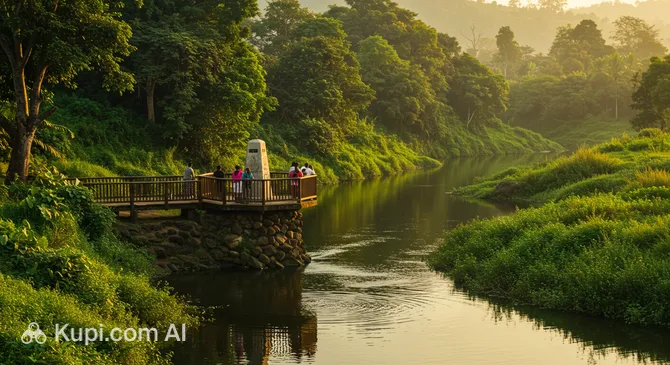
The legendary Source of the Nile brought world fame to the city. It is here, flowing out of Lake Victoria, that the longest river in the world begins its journey. While locals had known about this place for centuries, the discovery for the Western world was made by British explorer John Hanning Speke in 1862, whose name is now inextricably linked to the region's history.
Jinja has an unexpected and deep spiritual connection with India. According to his last will, part of Mahatma Gandhi's ashes were scattered in the waters of the Nile in this very city. Today, a bronze monument to the great thinker stands on the shore, making this place a magnet for pilgrims and tourists seeking peace.
The city is called the "adrenaline capital of East Africa," and it’s not just a catchy slogan. The concentration of extreme activities per square kilometer is perhaps the highest in the region: from bungee jumping right over the water to world-class white-water rafting on the Nile's rapids.
The architectural look of Jinja's central streets will surprise the attentive traveler. Many buildings are constructed in a distinctive colonial style with a strong Indian influence. This heritage from the early 20th century, when entrepreneurs from Asia actively moved here, has left a bright mark on the culture and appearance of the city.
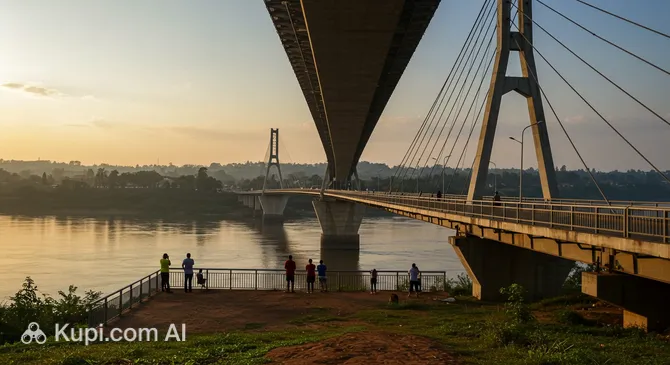
A modern symbol of progress is the magnificent cable-stayed Source of the Nile Bridge. This engineering feat not only connects the banks of the great river but is also considered one of the most picturesque locations for photography, especially in the rays of the setting sun or under night lighting.
Source of the Nile. Illustration.
Source: Kupi.com AI
Traveler photos:
How to Get There
When planning a trip to the source of the Nile, it is important to think about logistics in advance, as there may be no direct flights to the city itself. To learn about all the nuances and route options, we recommend checking out the detailed guide on how to get to Jinja.
Jinja does not have its own airport for international civilian flights. The main gateway for travelers is Entebbe International Airport (IATA: EBB), which is the country's primary aviation hub. It is located in Entebbe, about 96 km from Jinja. The journey from the airport to the city by taxi or transfer usually takes about 2.5–3 hours, depending on traffic density around the capital, Kampala.
If you are traveling through the East African region, an alternative option could be Kisumu Airport (IATA: KIS). Note that it is located in Kisumu, Kenya, approximately 180 km from Jinja. This route is suitable for those prepared for a border crossing between Kenya and Uganda and additional travel time.
For clarity, here is a summary of the main airports located in relative proximity:
After arriving at the airport, road transport remains the main way to reach Jinja. Long-distance buses and minibus taxis (matatus) regularly run from Entebbe and Kampala, offering a budget-friendly and colorful way to travel. For more comfort, you can rent a car or book a private transfer, allowing you to enjoy the scenic views along the road to Lake Victoria.
Main Attractions
Jinja offers travelers a unique combination of natural beauty and engineering marvels. The main points of interest here are inextricably linked to the great river, as it is the water that gives this city its unique character and charm. Here are the places you should definitely include in your itinerary.
Undoubtedly, the most iconic location is the Source of the Nile. This place possesses a special energy, as it is here that one of the longest rivers on the planet begins. Tourists can take a boat trip to the point where the waters of Lake Victoria start their journey north, bubbling and foaming. A monument to Mahatma Gandhi is installed on the shore, adding historical significance and tranquility to the site.
For those who want to enjoy nature without straying far from the water, the Source of the Nile Gardens are ideal. This is a picturesque park area on the western bank of the river, where you can walk in the shade of sprawling trees, observe numerous birds, and watch the ubiquitous monkeys. The gardens have become a popular spot for picnics and quiet relaxation with a view of the river's vastness.
Jinja Nile Bridge. Illustration.
Source: Kupi.com AI
Traveler photos:
A modern symbol of the city is the majestic Source of the Nile Bridge. This impressive cable-stayed structure, opened recently, has not only improved transport links but has also become a major landmark. Its graceful design looks particularly spectacular in the evening when the lighting comes on, reflecting in the dark waters of the Nile.
Local Cuisine
Jinja's culinary scene is a vibrant reflection of the city's cultural diversity and its proximity to bountiful natural resources. A trip here would be incomplete without experiencing the local cuisine, which combines African traditions with a noticeable Indian influence. Since the city sits on the shores of Lake Victoria, many menus feature fresh fish, especially Nile perch and tilapia, which are expertly prepared here—most often deep-fried whole until golden and crispy.
Among traditional Ugandan dishes, the king of the table is matooke. This is a special type of green banana that is steamed in banana leaves and mashed into a delicate purée. Matooke is usually served with a thick, aromatic peanut (groundnut) sauce, which gives the dish a unique nutty flavor, or with stewed meat. For those who love hearty food, it's also worth ordering "posho"—a dense cornmeal porridge that serves as the perfect side dish for fish or vegetable stews.
The Yellow Chilly. Illustration.
Source: Kupi.com AI
Traveler photos:
The historically established Indian diaspora has left a deep mark on Jinja's cooking. The aromas of curry, crispy samosas, and chapati flatbreads can be found everywhere—from street stalls to cozy eateries. If you want to enjoy authentic Asian flavors in a comfortable setting, you should stop by The Yellow Chili or visit Anmol Fine Dining Restaurant. Here, they masterfully prepare the spicy dishes that have become an integral part of the local gastronomic landscape.
Street food in Jinja is an adventure in itself. In bustling markets and busy intersections, tourists are offered "mandazi"—sweet doughnuts that are great for a snack. The most daring foodies might decide to try fried grasshoppers ("nsenene"), a seasonal delicacy that locals absolutely adore. Additionally, market stalls are overflowing with an abundance of tropical fruits: you can always find juicy pineapples, mangoes, and buttery avocados.
As for drinks, Jinja is famous for its freshly squeezed exotic fruit juices, which are very affordable and have an incredibly rich taste. A traditional non-alcoholic drink is Ugandan tea ("chai masala" style), brewed with milk, ginger, and spices. In the evening, you can relax in one of the bars, such as D'fantasy Lounge, and try local beers, as Jinja is home to the famous brewery that produces the legendary Nile Special beer.
Travel Tips
Jinja is a city with an incredibly relaxed and friendly atmosphere; however, as with any trip through East Africa, there are certain nuances. To ensure your trip to the source of the Nile is as comfortable and safe as possible, we have prepared a list of practical recommendations based on local realities.
Clothing and gear. Given the warm climate, prioritize light clothing made from natural fabrics (cotton, linen). Since rain is frequent and sudden here, be sure to pack a light raincoat or umbrella in your backpack. For active recreation (rafting, safari), you'll need comfortable closed shoes. Remember the conservative nature of the local population: outside of tourist zones and beaches, it's better for both men and women to avoid very short shorts and bare shoulders.
Transport nuances. The most popular way to get around is by motorcycle taxi, known here as "boda-bodas." It's fast and cheap but can be risky. For safety, we recommend using specific apps (like SafeBoda), where drivers are vetted and carry helmets. For more comfortable trips, you can book a regular taxi via Uber or arrange one with a trusted driver through your hotel.
Finances and cash. The national currency is the Ugandan shilling. Although major hotels and restaurants in Jinja accept Visa cards (Mastercard less frequently), life in the city is built on cash. US dollars are readily accepted for exchange, but there is a critical rule: bills must be new (issued after 2009, preferably after 2013) and undamaged, otherwise they won't be accepted or the rate will be extremely unfavorable.
Health and water. Jinja is by the water, so there is a risk of malaria. Be sure to use repellents in the evening and sleep under a mosquito net. You absolutely must not drink tap water—only buy bottled water with a factory seal (it's sold on every corner). There are pharmacies in the city center, but it's better to bring specific medications with you.
Communication and internet. English is the official language in Uganda, so you won't have problems communicating—locals speak it very well. For internet, it's best to buy a local SIM card (MTN or Airtel operators) at an official store immediately; you'll need a passport to register. Wi-Fi in cafes can be slow and unstable.
Local etiquette. Ugandans are very polite and value greetings. Before asking for directions or placing an order, always say hello and ask "How are you?". Rushing is not common here, so be patient in restaurants—waiting for an order can take time, and this is considered normal ("African time").
What to avoid. Never swim in Lake Victoria or the Nile River in unequipped areas. This is dangerous not only because of strong currents but also due to the risk of bilharzia (a parasitic infection), and some backwaters may be home to crocodiles and hippos. Only swim in hotel pools or where officially permitted by guides.
Gastronomic life hack. While in Jinja, don't miss the chance to try a "Rolex." It's not a watch, but the most popular street food: a vegetable omelet rolled in a chapati flatbread. It's cheap, filling, safe (as it's cooked in front of you over a fire), and incredibly delicious.
By following these simple rules, you can fully focus on the adventure and the beauty of nature. Jinja is a city that reveals itself to those who respect its traditions and are ready for new experiences with a smile!
Entertainment & Nightlife
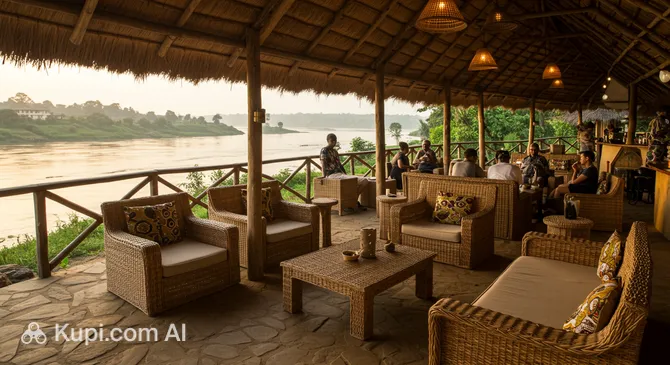
Nightlife in Jinja is a harmonious continuation of an active day. Unlike the noisy and chaotic Kampala, a more relaxed, "resort" atmosphere prevails here. Evenings in the city usually start with beautiful sunsets over the Nile, gradually transitioning into dinners at cozy restaurants and drinks at bars. The main crowd here is a colorful mix of locals, expats, and adventure tourists returning from rafting, creating a very friendly and open environment for socializing.
The epicenter of evening activity is the central part of the city, especially the Main Street area and adjacent blocks. Here, life doesn't stop after sunset: pubs open their doors, music plays, and street vendors offer late-night snacks. Another important zone is the riverbank, home to hotels and campsites with their own bars offering parties by the water, often with live music or DJ sets on weekends.
If you're looking for a place to feel the rhythm of the city, be sure to check out D'fantasy Lounge. This is a popular bar/lounge where you can not only enjoy a cocktail or a cold local beer but also dance. It’s a frequent gathering spot for young people, featuring modern African and international music, with an atmosphere perfect for partying until late at night.
D'fantasy Lounge. Illustration.
Source: Kupi.com AI
Traveler photos:
For those who prefer to start the evening with a fine dinner in a quiet setting, restaurants that stay open late are an excellent choice. For example, The Yellow Chili is famous for its cozy atmosphere and excellent cuisine, making it a great start before hitting the bars. Also worth noting is Anmol Fine Dining Restaurant, where you can spend the evening in a more elegant setting, enjoying slow conversation and quality service.
Practical tips for tourists:
Opening hours: Bars usually fill up after 9:00 PM and stay open until 2:00–3:00 AM, especially from Friday to Sunday. On weekdays, things quiet down earlier, around midnight.
Dress code: In Jinja, it is very casual—the "casual" style is appropriate everywhere. You might want to avoid beach shorts for high-end restaurants, but jeans and a t-shirt will work for any club.
Safety and transport: Central streets are lit, but walking into dark alleys is not recommended. The safest and most convenient way to get around at night is by motorcycle taxi (boda-boda) or a regular taxi. It's best to ask a security guard or hotel staff to call a trusted driver for you.
Although Jinja is primarily famous for its nature, daytime cultural leisure is also present, albeit on a smaller scale. Fans of quiet relaxation can visit local golf clubs with scenic views or stroll through the Source of the Nile Gardens, where daytime events and picnics are often held. However, the main "theaters" of this city are its natural stages by the river, where exciting performances involving turbulent water and tropical greenery take place every day.
Parks & Museums
Although Jinja is primarily known as the capital of extreme sports, the city has a surprisingly peaceful and green soul. For those who want to take a break from the adrenaline and immerse themselves in an atmosphere of tranquility or learn more about the region's heritage, there are several wonderful natural areas and cultural sites worth visiting.
The city's main green oasis is rightfully considered the Source of the Nile Gardens. This is an extensive park area located on the slope of the river's western bank. Tourists love this place for the opportunity to walk along shaded alleys while enjoying a panoramic view of the exact spot where Lake Victoria is reborn as the Nile. Here, you can see the Mahatma Gandhi monument, have a picnic on the grass, and observe the many birds that call this park home.
Source of the Nile Gardens. Illustration.
Source: Kupi.com AI
Traveler photos:
Another interesting spot for nature lovers is the Nile Reptile Park. It is located very close to the crossing and offers a safe way to get to know Uganda's fauna. It houses Nile crocodiles, pythons, cobras, and other species of reptiles, many of which were rescued. This is an educational place, especially for families with children, where guides talk about the importance of conserving these species in the wild.
Jinja's cultural life is closely intertwined with the history of transport development in East Africa. Be sure to visit the Uganda Railway Museum, located in the historic Jinja station building. Opened recently, it tells the story of the legendary "Lunatic Express." Visitors can see vintage locomotives, colonial-era carriages, and artifacts that once connected this remote region to the Indian Ocean.
To immerse yourself in local traditions, look toward the Kyabazinga Royal Palace, located on Bugembe Hill on the outskirts of the city. This is the official residence of the ruler of the Busoga Kingdom—one of Uganda's traditional kingdoms. While access to the private chambers may be limited, the architecture of the complex and the chance to learn more about the political and cultural history of the Soga people make it a significant stop on any itinerary.
Jinja's city center itself can be called a kind of open-air museum. Strolling along Main Street, you will see beautifully preserved examples of colonial and Indian architecture from the early 20th century. These buildings, with their characteristic arcades and verandas, are reminders of the time when the city was a thriving trading center of the British Empire.
If you're looking for something special, duck into one of the local art galleries, such as Cuupa Arts Gallery. This is a small but atmospheric space showcasing the work of local artists and craftsmen. Here, you can not only admire modern African painting but also purchase unique handmade souvenirs, thereby supporting the city's creative community.
Getting Around
The transport system in Jinja is significantly different from the usual European one: you won't find a metro, trams, or spacious municipal buses running strictly on schedule. The city lives to the rhythm of informal transport, which is not only a means of getting around but also an integral part of the local flavor. For a tourist, this can become a real adventure if you know the basic rules and nuances.
The most common and fastest way to get anywhere in the city is boda-bodas—motorcycle taxis that wait for passengers at literally every intersection. This is an ideal option for short trips, especially if you need to navigate narrow streets or avoid traffic. Drivers often offer their services to passersby. However, this type of transport is considered quite risky, so always insist on being given a safety helmet and avoid riding a motorcycle after dark.
For moving between districts or trips to the suburbs, matatus are used—white minibuses that act as shared taxis. They don't have fixed stops in the conventional sense: boarding and alighting are done on request or at popular gathering points (like markets). Matatus only set off once the cabin is completely full of passengers, so be prepared to wait. This is the most budget-friendly way to travel, though comfort is minimal due to the tight space.
If you prefer more comfortable conditions, you can use private taxis, which are called "Special Hire" here. It's best to book them through a hotel reception or negotiate with trusted drivers. Popular mobile apps for calling taxis and motorcycle taxis (like Uber or SafeBoda) are starting to operate in Jinja, providing greater safety and price transparency, though wait times for a car may be longer than in the capital.
The payment system for public transport in Jinja is based almost exclusively on cash. Cards and passes don't work here. It's critically important to have small bills with you, as drivers often don't have change for large banknotes. The main rule for tourists: always agree on the price of the trip before you get into the vehicle. Bargaining here is not just appropriate, but necessary, as the initial price for a foreigner may be several times higher.
Jinja is a compact and green city, so walking is a great alternative to motors, especially in the central part and colonial quarters. Additionally, bike rentals are very popular here. Renting a mountain bike will allow you to independently explore the scenic riverbanks and reach remote attractions at your own pace, enjoying the fresh air and views.
Accommodation
Where to stay:
Jinja offers travelers a surprisingly diverse choice of accommodation to suit every taste and budget. The city long ago adapted to the flow of tourists, so you can find everything here: from bustling hostels for backpackers and rafting enthusiasts to luxury secluded resorts (lodges) with swimming pools and panoramic river views. Options range from simple campsites where you can pitch a tent right on the shore to colonial-style boutique hotels.
When choosing a place to stay, it's worth considering two main areas, each offering a completely different experience:
Banks of the Nile. This is the most popular choice for tourists. Hotels and lodges located along the river (especially in the Bujagali area and near the source) offer peace, immersion in nature, and stunning sunsets over the water. This is where the best resorts focused on relaxation and comfort are located. Living here means waking up to the sound of water and birdsong, while being in close proximity to major attractions like the Source of the Nile.
City Centre. If proximity to bus stations, markets, banks, and inexpensive cafes is important to you, choose a hotel within the city limits. Budget guesthouses and mid-range hotels predominate here. This is a convenient option for transit travelers or those looking to save money, but be prepared for city noise and bustle.
The price range in Jinja is quite reasonable compared to Western countries, but can vary depending on the season and level of service:
Budget segment: Campsites and beds in shared hostel rooms (dormitories) are very inexpensive. This is a great way to meet like-minded people from all over the world.
Mid-range: Cozy rooms with private bathrooms and breakfast are available at reasonable prices. These hotels often offer transfers to the river.
Premium: Luxury lodges on the banks of the Nile offer a high level of service, spa treatments, and fine dining, though the price tag will reflect international standards.
Booking tips: Jinja is a popular weekend destination for residents of the capital, Kampala. Therefore, if your trip falls on a weekend or public holiday, it is highly recommended to book accommodation in advance. You can use large international online platforms for your search, but many small guesthouses and campsites are better booked directly through their websites or social media. Note that in budget places, payment is often accepted only in cash (Ugandan shillings).
Nearby Cities
For those who want to explore the surroundings, Jinja serves as an excellent starting point for day trips to several interesting nearby locations. The city's convenient location makes it easy to reach neighboring towns, each offering travelers a change of scenery and new experiences.
Here are a few directions worth considering:
Lugazi. Located about a 30-minute drive away, this town is nestled in the greenery of endless sugarcane and tea plantations. Lugazi is primarily attractive due to its proximity to the famous Mabira Forest—one of Uganda's largest surviving rainforests. This is an ideal spot for eco-tourism, hiking under the canopy of ancient trees, and thrilling ziplining.
Njeru. This town is literally on the other side of the river, just across the Nile bridge. The trip here takes only a few minutes. Njeru is interesting for the chance to look at Jinja from the outside and see the powerful Nalubaale Hydroelectric Power Station dam. It is an industrial satellite that allows you to appreciate the scale of engineering structures on the great river.
Kamuli. Heading north from Jinja, you will reach this quiet administrative center. The road there passes through picturesque countryside, allowing you to see the traditional way of life in the Busoga region, away from the busy highway to Kampala. Kamuli is suitable for those seeking an authentic experience and wishing to see non-touristic Uganda.
Below is information about the nearest towns that can be reached quickly by car or minibus taxi:
City
Population
Distance
Bugembe
33 100
5 km
Njeru
178 800
6 km
Nyenga
55 600
10 km
Kakira
32 819
11 km
Buwenge
24 200
22 km
These nearby destinations provide an insight into the diverse culture and landscapes of the region, making your journey through East Africa even more rewarding.
Shopping & Souvenirs
Shopping:
Jinja doesn't claim to be a high-fashion capital, and you're unlikely to find giant shopping malls with global brands here. However, for a traveler, this is an advantage: shopping here is a fascinating immersion into local culture, an opportunity to interact with artisans, and a chance to find truly unique items made by hand.
The epicenter of tourist trade is Main Street. Strolling along this street, surrounded by colonial-era buildings, you will find many souvenir shops and small boutiques. This is the best place for a relaxed gift hunt. The sellers here are used to tourists, speak English, and offer a wide range of products: from magnets to serious interior decor items.
If you want to feel the real African vibe, head to the Jinja Central Market. This is a noisy, bright, and chaotic place where life is in full swing. This is where locals shop, so prices are lower and the atmosphere is more authentic. Be prepared for crowds and active attention from vendors. Go here for the freshest fruits, fragrant spices, and fabrics.
What to bring back from Jinja as a souvenir:
Kitenge Fabrics. Bright cotton fabrics with geometric patterns are a hallmark of East Africa. In local tailor shops, they can sew a shirt or dress from your chosen fabric in just a few hours.
Wood Carvings. Ugandan masters are famous for their carving. Look for masks, animal figurines, and, of course, traditional stools carved from a single piece of wood.
Coffee and Tea. Uganda is a major exporter of coffee and tea. Buying a pack of local Arabica or Robusta (for example, brands grown in the Mount Elgon area) is a great idea for a delicious gift.
Baskets and Mats. Handmade woven products here are of high quality, durability, and feature beautiful ornaments.
Art. Several galleries and workshops operate in the city where you can purchase paintings by local artists, done in a bright and expressive style.
Special mention goes to the souvenir stalls at popular attractions like the Source of the Nile. The assortment there is strictly tourist-oriented: "Jinja" t-shirts, keychains, and crafts. Prices may be higher than in the city, but the selection of souvenir trinkets is the largest there.
Important tip: Bargaining is an integral part of shopping culture in Jinja, especially in markets and street stalls. When naming a price, the seller often inflates it expecting a "mzungu" (white tourist). Don't hesitate to offer your price with a smile and negotiate—it’s seen as normal social interaction. However, in supermarkets and shops with fixed price tags (usually with stickers), bargaining is not practiced. Always have Ugandan shillings in cash for payments, as cards are not accepted everywhere.