Support

Mbarara

About

Mbarara is the dynamic heart of the western region, nestled comfortably among picturesque hills and savannas. The city is located almost on the equator, but thanks to its impressive altitude of about 1,470 meters above sea level, it enjoys a fresh and pleasant climate year-round. The abundance of greenery and comfortable weather make it an excellent starting point for those looking to discover such an amazing country as Uganda.
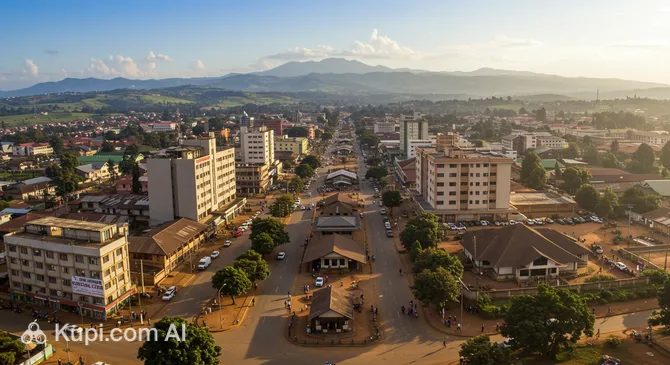
Mbarara. Illustration.
Source: Kupi.com AI

Today, Mbarara is one of the country's largest urban centers, with a population of about 195,000 people. It is an important educational and economic hub; the presence of a major university gives the streets a special youthful energy and dynamism. Here, the rhythms of modern life and authentic traditions combine in a unique way: after a stroll through modern quarters and relaxing in cozy cafes, you can easily immerse yourself in the local culture with its music and dances.

Tourists often call the city the "gateway" to the wild, as it is very convenient to set off from here on safaris to national parks or expeditions to see mountain gorillas. The history of Mbarara itself is closely linked to the development of trade routes and the administrative formation of the region, which has left a mark on its architectural appearance and atmosphere.

Mbarara is ideal for travelers seeking a balance between the comfort of an urban environment and proximity to pristine nature. It is a place where you can take a break from the hustle and bustle of megacities and experience the genuine hospitality of the local people.

Weather Overview

The climate in this region is remarkably mild with comfortable temperatures throughout the year. During the day, the thermometer usually rises to 25–27°C, and at night it drops to a refreshing 16°C, sparing travelers from exhausting heat even in the warmest months.

When planning your trip, you should be guided by the rainfall patterns: expect dry and sunny days in June and July when rain is very rare. At the same time, April and November usually bring high humidity and frequent downpours. To find out exact forecasts and choose the best time for a visit, check the detailed weather in Mbarara, provided for each month.

Average monthly temperature

Average monthly precipitation

Interesting Facts

Beyond the well-known tourist routes, Mbarara hides many surprising details that make a visit here truly memorable. Here are a few facts to help you better understand the character of this unique city:

  • Land of Giant Horns. Mbarara is famous as the home of the Ankole cattle. Their incredibly long and massive horns are considered a true symbol of status and prosperity in the region. These animals are so important to the local culture that their images can be found everywhere, from legends to souvenir shops.

  • Experiments on the Equator. Because the city is located almost right on the equatorial line, travelers can participate in the popular water experiment. Local guides demonstrate how water swirls in different directions in the Northern and Southern Hemispheres—a simple but impressive sight.

  • Cultural Treasure Trove. The city is home to the famous Igongo Cultural Centre. This is a key site for exploring the region's heritage: here you can see ancient artifacts and handicrafts, and learn all about the traditions and history of the Ankole people.

  • Cradle of Talent. The city is rightfully proud of its intellectual potential. It houses one of the country's best universities, and Mbarara itself is the birthplace of many prominent scientists, athletes, and modern leaders that Uganda is proud of.

How to Get There

When planning a trip to this picturesque corner of the country, keep in mind that direct air access to the city is limited, and the route usually combines a flight with a ground transfer. To plan your logistics in advance and choose the best path, we recommend reading more details on how to get to Mbarara.

Since Mbarara itself does not have its own civilian airport, tourists often choose to fly into nearby major hubs. One of the most significant options is Kigali International Airport (KGL). It is important to note that it is located in the city of Kigali, approximately 160 km from Mbarara. This is a major international hub receiving many flights. A trip from there by taxi or bus will take roughly 4 hours and 20 minutes, allowing you to enjoy the views along the way.

An alternative for domestic travel is Kasese Airport (KSE). It is located in the town of Kasese, about 106 km from your destination. This is a small regional airport often used to access the country's western regions. The travel time by car from this transport hub to the center of Mbarara is about 3 hours.

For convenience, here is a summary of the main airports:

AirportPassenger trafficDistance
Kihihi105 km
Kasese Airport18 000106 km
Kisoro8 000126 km
Bukoba Airport45 000154 km
Kigali International Airport1.2 mln160 km

Regarding trains, rail connections to Mbarara are currently not used for mass passenger transport. There are no active railway stations in the region serving regular tourist routes. The main and most reliable way to get around remains the road: you can use intercity buses or rent a car to reach your destination in comfort.

Main Attractions

While many travelers view this city as a transit point on their way to the gorillas, there are several iconic sites in Mbarara and its surroundings that deserve attention and provide a deeper understanding of the Ankole region's culture.

Igongo Cultural Centre is undoubtedly the city's main attraction. This large-scale complex includes one of the best museums in southwestern Uganda. The exhibition tells a detailed story of the history, daily life, and traditions of the local people. Tourists are drawn here not only by the rich collection of artifacts but also by the opportunity to try authentic local cuisine at the center's restaurant and to purchase high-quality souvenirs and books.

Lake Mburo National Park is located very close to the city limits, making Mbarara an ideal base for a visit. It is a compact but scenic savanna-type park. People come here to see large herds of zebras, impalas, topis, and buffaloes, which are very easy to spot. A unique feature of the park is the opportunity to enjoy not only a classic jeep safari but also a walking tour or a boat cruise on the lake while watching hippos.

Biharwe Eclipse Monument is a unique historical site located on Biharwe Hill near the entrance to the city. The monument was erected in honor of the solar eclipse of 1520, which, according to legend, played a mystical role in the history of the Ankole Kingdom, "forcing" enemies to retreat. Upon climbing to the monument, travelers are rewarded not only with an interesting historical excursion but also with a breathtaking panoramic view of the surrounding hills.

Nkokonjeru Tombs in the Kakarika area is the final resting place of the last kings (Omugabe) of Ankole and members of their families. Although the architecture here is quite modest and the site has a peaceful, abandoned look, a visit to the tombs allows you to touch the region's monarchical past and learn more about the dynasties that ruled these lands for centuries.

Local Cuisine

Gastronomy in Mbarara is a true adventure for the gourmet, where meat is invariably the star of the table. Since the region is famous for breeding the unique Ankole cattle, the beef here is of exceptional quality and flavor. Be sure to try the local barbecue made from fresh meat: it is grilled, cured, or stewed with aromatic spices. These dishes are usually served with cassava, sweet potatoes, or a traditional thick corn porridge called ugali.

For a quick and delicious snack while walking, the legendary Ugandan street food—the Rolex—is perfect. This hearty dish consists of a hot omelet, often with added vegetables and meat, skillfully wrapped in a thin chapati flatbread. Rolex stalls can be found everywhere, and it's a great way to join the everyday food culture of the locals.

Those who prefer lighter cuisine should look out for fresh fish dishes delivered from nearby lakes. Furthermore, Mbarara is a paradise for fruit lovers. At the city's farmers' markets, you can always find the sweetest pineapples, juicy mangoes, papayas, and various types of bananas, which are eaten here not only as dessert but also as a main dish in stewed form.

The Igongo Cultural Centre occupies a special place in the city's gastronomic life. It is not just a restaurant, but a cultural space where themed evenings and workshops are held. Here, guests can sample authentic dishes prepared according to ancient recipes, accompanied by national music. It is customary to wash down the meal with aromatic tea with milk and spices or freshly squeezed juices, while local beers are popular alcoholic choices.

Travel Tips

Mbarara is an incredibly hospitable and colorful city, but as with any trip through Africa, there are nuances that are better to know in advance. To make your trip to this picturesque corner, often called the "land of milk and honey," as comfortable and safe as possible, we have prepared a list of important recommendations.

  1. Clothing and Essentials. Given the city's altitude, the weather here is changeable. During the day, you'll need light clothing made of natural fabrics, but for evenings, be sure to bring a warm sweater or fleece—the temperature can drop significantly. Don't forget a raincoat or umbrella, especially if traveling in spring or autumn. Since Uganda is a country with conservative values, choose clothing that covers shoulders and knees when visiting markets and public places to avoid attracting unnecessary attention.

  2. Transport. The most common way to get around is by motorcycle taxi, known here as boda-boda. It's fast and cheap, but not always safe: always insist on a helmet from the driver. For more comfortable trips, it's better to use a "Special Hire" (private taxi). Apps like Uber may not be available or work inconsistently in Mbarara, so it's most reliable to get the number of a trusted driver from your hotel or reception desk.

  3. Finances. The official currency is the Ugandan shilling (UGX). Although large hotels (such as Lake View or Igongo) accept Visa and occasionally Mastercard, cash is king in the city. Withdraw money from ATMs, which are plentiful in the city center (look for Stanbic or Absa signs). Always carry small bills for transport and market purchases. Tipping is not mandatory, but rounding up the bill or a small gratuity (5–10%) is always appreciated.

  4. Health and Safety. Drink only bottled water and use it for brushing your teeth. Mbarara is in a malaria-risk zone, so repellents and long-sleeved clothing in the evening are essential. There are 24-hour pharmacies and private clinics in the city (such as Mbarara Community Hospital) that can provide assistance to tourists. The city center is safe during the day, but avoid walking alone in unlit outskirts after sunset.

  5. Communication. The official language of the country is English, which is spoken almost everywhere, though locals may have a specific accent. The main local language is Runyankole. Learning a simple greeting like "Agandi?" (How are you?) will instantly win over your conversation partners. SIM cards from MTN or Airtel can be purchased at service centers with a passport; mobile internet in the city is quite stable (4G).

  6. Local Etiquette. In Ankole culture, greetings are very important. Don't get straight to business—first say hello and ask how things are going. Handshakes can be long; this is a sign of friendliness. If invited into a home, it is considered polite to remove your shoes at the entrance if the hosts do so. When communicating, try to smile and avoid harsh criticism—locals highly value politeness and calmness.

  7. What to Avoid. It is strictly recommended not to photograph government buildings, police, or military facilities—this can lead to serious problems and confiscation of equipment. Also, refrain from overly public displays of affection (kissing and hugging), as local society is quite traditional.

  8. Extra Tip. Mbarara is famous for its dairy products. Be sure to try the local yogurt or buy some ghee as a gastronomic souvenir. The best place for such purchases is the branded shop at the cultural center or the city market, but ask locals to help choose the freshest product.

By following these simple tips, you can easily blend into the rhythm of Mbarara and get only positive emotions from your trip. Be open to new things, respect local traditions, and this city will respond with genuine warmth!

Entertainment & Nightlife

Mbarara's nightlife can be a pleasant surprise for travelers. Thanks to its status as a regional hub and the presence of a large university, the city possesses a young and energetic soul. As the sun sets, the business hustle is replaced by the rhythms of Afrobeat, and the streets fill with music and laughter. This is a great place to experience contemporary Ugandan culture in an informal setting.

The epicenter of evening entertainment is in the city center, especially around High Street and along the busy road to Kakoba. Here, the concentration of venues per square meter is at its highest. The atmosphere in local bars and pubs is very democratic and friendly. The crowd is diverse: you might see students, local businessmen, and tourists returning from safaris relaxing at neighboring tables. There is no strict dress code; a casual style is appropriate almost everywhere, though you might want to wear something neater for the trendy lounges.

If you're looking for where to spend the evening, check out these iconic spots that set the tone for the city's nightlife:

  • Vision Empire is perhaps Mbarara's most famous nightclub, holding legendary status. The venue is cleverly zoned: it features an "Executive Wing" for those who want to socialize in a quieter setting, and a main dance floor where the fun continues until dawn.

  • Desert Lounge is a popular spot with a relaxed atmosphere, perfect for starting the evening (pre-party). People come here for a delicious dinner, cocktails on the open terrace, and the latest musical hits.

  • Signature Premium Lounge is a stylish bar that attracts those who appreciate comfort, quality service, and a good selection of drinks.

When planning a night out, keep a few practical points in mind. Bars start buzzing after 9:00 PM, while clubs fill up closer to midnight. Prices in Mbarara will be a pleasant surprise, as they are significantly lower than in the capital, Kampala. In terms of safety, the central well-lit streets are comfortable for walking; however, it is highly recommended to call an official taxi ("Special Hire") for moving between venues or returning to your hotel at night, avoiding motorcycle taxis (boda-bodas) after dark.

By day, the city's entertainment program is more laid-back. Sports enthusiasts can visit the Mbarara Golf Course, a picturesque course that welcomes guests. It’s a great way to spend time outdoors surrounded by greenery. For those who prefer relaxation, the pools at major hotels, such as the Lake View Resort, are open to visitors for a small fee and often become a daytime leisure hub for families with children.

Parks & Museums

Mbarara offers tourists a harmonious combination of natural areas for relaxation and a deep dive into the region's cultural heritage. Although the city is primarily known as a commercial center, there are picturesque green corners and important historical sites that allow you to touch the ancient traditions of the Ankole Kingdom.

River Rwizi is the city's main water artery and a key natural area for walks. The riverbanks, overgrown with papyrus and dense vegetation, attract nature lovers and birdwatchers. Here you can take a break from the urban bustle while observing many bird species, including herons and kingfishers, or simply enjoy the coolness by the water. This spot is particularly popular at sunset, when the landscape is painted in golden tones.

Mbarara Golf Course serves as the city's "green lungs." Even if you are not a golf fan, this area deserves attention for its well-maintained landscapes and ancient trees. It is a peaceful oasis in the city center where you can often see locals jogging or even spot small primates living in the tree canopies.

The main keeper of history in the city is the Eriijukiro Museum, located within the Igongo Cultural Centre. This is one of the richest museums in Western Uganda. The exhibition reveals the daily life of the Ankole people in detail: ancient milk vessels, traditional clothing made of skins, weapons, and musical instruments are all on display. The museum is interesting because it doesn't just show objects but tells the story of the region's evolution from ancient dynasties to the present day.

Among the architectural landmarks, St. James Cathedral stands out, majestically perched on Ruharo Hill. This is not only an active religious center for the Anglican Church but also an important historical site with colonial architecture. Tourists should climb up here not just to see the building, but also for the spectacular panoramic view of Mbarara that opens from the hilltop.

For those seeking authentic experiences, we suggest visiting one of the traditional farms on the outskirts of the city. These are like open-air "living museums" where you can see the famous Ankole cows with their giant horns in their natural environment and even participate in the milking process or animal care, which is a sacred ritual for the locals.

Getting Around

The public transport system in Mbarara differs significantly from the typical European structure. You won't find subways, trams, or trolleybuses here, and large buses are primarily used for intercity travel. The city lives in a dynamic rhythm of informal transport, where the main means of getting around are maneuverable motorcycles and minibuses. For a tourist, this can be a real immersion into the local culture, though it requires knowledge of certain rules.

The undisputed leader on the city streets is the boda-boda—a motorcycle taxi. Drivers are stationed on almost every corner and at hotel exits. This is the fastest and most affordable way to get anywhere, but it requires caution. It is highly recommended to choose drivers who have a spare helmet for the passenger and to avoid riding motorcycles after dark or with heavy luggage.

For longer distances or travel to the suburbs, matatus are used—white minibuses that act as shared taxis. They do not have a strict schedule: the vehicle departs only after all seats are filled. There are few official stops, so boarding and alighting often occur on request. This is the most budget-friendly form of transport, but be prepared for cramped conditions and loud music inside.

If you value comfort and personal space, the best choice is Special Hire—what locals call a classic taxi. Unlike in megacities, it is not common to hail a car from the roadside. Taxis wait for customers at special stands (taxi stages) near markets and shopping centers, or are called by phone. Ride-hailing apps and car-sharing are not yet widespread in the city and can be unstable, so it is most reliable to ask your hotel receptionist to call a trusted driver.

The payment system in Mbarara is built exclusively on cash transactions. Transport cards, passes, or validators do not exist here. Payment is made personally to the driver or the conductor (in a matatu). A key rule for tourists: always agree on the price before starting the journey. There are no fixed tariffs for taxis and boda-bodas, and the initial price for a foreigner may be inflated. Moderate bargaining is encouraged and considered normal. Try to always carry small bills, as finding change for large banknotes can be problematic.

As an alternative to transport, walking is excellent for the central part of the city. Mbarara's center is quite compact, with many restaurants, banks, and shops within walking distance of each other. Car rental should only be considered by experienced drivers prepared for left-hand traffic and the specific, sometimes chaotic driving style of local road users.

Accommodation

Mbarara offers travelers a diverse selection of accommodation that will satisfy both budget tourists and those accustomed to comfort. The city's hotel stock ranges from inexpensive guesthouses and hostels to solid mid-range hotels and resort complexes. As the city is an important transit hub on the way to national parks, it is easy to find a place to stay for one night, but there are also options suitable for a longer holiday.

When choosing an area, you should start from the goals of your trip. If proximity to shops, banks, and nightlife is important to you, choose hotels in the City Centre or near High Street. This will provide easy access to transport and cafes. For those seeking quiet and beautiful views, options on the outskirts or in the hills are ideal, such as the prestigious Ruharo district. Hotels here often have their own gardens and offer panoramic views of the surroundings, allowing you to relax away from the city's hustle.

Among specific accommodation options, resort-style hotels are particularly popular. For example, travelers often choose the Lake View Resort Hotel—a large complex with a pool that has become a hallmark of the city for business travelers and families. Also noteworthy is the hotel at the Igongo Cultural Centre (Igongo Country Hotel), which offers guests not only modern amenities but also a unique atmosphere with elements of local flavor and history.

The pricing policy in Mbarara is quite affordable. Budget accommodation is available at very attractive prices, and the cost of a room in the city's best hotels remains moderate compared to capital rates. The main booking methods are through popular international online platforms, which guarantees reliability. However, for small local guesthouses, direct booking by phone is often more effective.

We advise booking accommodation in advance, especially if you plan to visit during public holidays or university graduations when demand spikes. Also, keep in mind that payment by bank cards is accepted mainly in large hotels (3-4 star level). If you choose a budget option, it is better to ensure you have cash in Ugandan shillings beforehand.

Nearby Cities

For those looking to explore the surroundings, Mbarara serves as an excellent starting point for day trips to several interesting nearby locations:

Kabale — this town, nestled among high terraced hills, is often called the "Switzerland of Africa" due to its cool climate and picturesque views. Kabale is a popular transit point for travelers heading to the famous Lake Bunyonyi, where you can enjoy boat trips and silence surrounded by nature.

Bushenyi — a region famous for its vast tea plantations that create an incredible emerald carpet on the hillsides. This place attracts fans of agrotourism and peaceful landscapes. Additionally, the nearby Kalinzu Forest Reserve offers excellent opportunities for primate and bird watching.

CityPopulationDistance
Kibingo25 km
Isingiro34 30026 km
Nsiika40 km
Bugongi11 54743 km
Karagwe12 04545 km

These nearby destinations provide a glimpse into the diverse culture and landscapes of the region.

Shopping & Souvenirs

Shopping in Mbarara is a fascinating blend of modern comfort and traditional African flavor. As the main commercial hub of western Uganda, the city offers tourists excellent opportunities to stock up before heading to national parks or to purchase unique keepsakes. While you won't find luxury boutiques of global brands here, you will discover high-quality local goods, the freshest produce, and authentic handicrafts reflecting the rich culture of the Ankole region.

The heart of the city's commercial life is High Street and its surrounding blocks. This street is always buzzing with activity: banks, pharmacies, electronics shops, and clothing stores are all located here. A walk along High Street lets you feel the true rhythm of the city. This is where travelers can find everything needed for their trip—from batteries and memory cards to comfortable shoes and safari hats.

For those who prefer a more familiar and quiet shopping format, several modern shopping centers operate in Mbarara. The most well-known is Mbarara Mall, located near the center. It houses a large supermarket where you can buy groceries, drinks, and household items at fixed prices. Also worth noting is Adit Mall—a modern building featuring clothing stores, mobile operator offices, and small cafes for relaxing after shopping.

To truly immerse yourself in the local atmosphere, be sure to visit Mbarara Central Market. This is a noisy, vibrant, and fragrant place selling literally everything: from exotic fruits and vegetables to colorful African fabrics. The market is the perfect place to buy the fresh pineapples, mangoes, and bananas the region is famous for. Be prepared for the fact that bargaining is expected here, and it is considered part of the friendly interaction between seller and buyer.

As souvenirs from Mbarara, it's worth bringing back items related to the Ankole cattle-herding culture. The most popular gift is ebyanzi—traditional wooden milk pots with handmade lids decorated with intricate patterns. Also, look out for woven baskets, bright "kitenge" fabrics, and crafts made from Ankole cow horns. Local honey or a pack of Ugandan coffee and tea, which can be found in supermarkets or specialized shops, make excellent gastronomic souvenirs.

Shops in the city usually open around 8:00–9:00 AM and stay open until 6:00 PM or 7:00 PM. Large supermarkets may stay open longer, until 8:00–9:00 PM. On Sundays, many small shops are closed or operate on a reduced schedule. The primary payment method remains cash (Ugandan shillings). Bank cards are accepted only in large supermarkets, hotels, and some restaurants in shopping centers. Payment via mobile systems (Mobile Money) is also widespread, but for tourists, cash remains the most reliable option.

The Tax Free system, as understood by Europeans, is not practiced in Mbarara's regular shops. The VAT refund procedure in the country is complex and generally does not apply to small tourist purchases in regional cities. Therefore, expect the prices on the tags or agreed upon during bargaining to be final.

Nearby cities

Have you reached the end of the page?

So the route has been studied inside and out