Support

Wembley

About

Wembley is more than just a district; it's a true cultural and sporting hub in northwest London, located approximately 13 kilometers from the heart of the British capital, the United Kingdom. Part of the London Borough of Brent, this famous area is known worldwide for its unique atmosphere and iconic events.
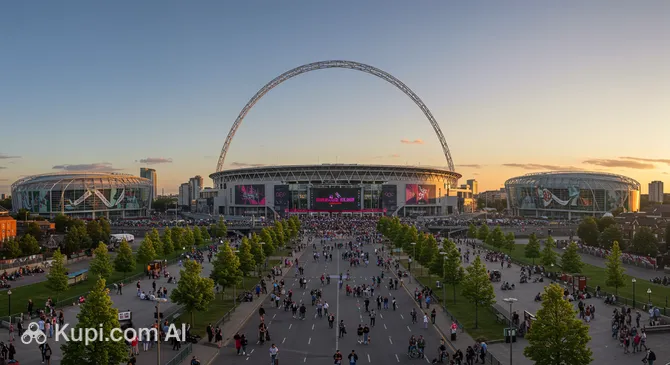
Wembley. Illustration.
Source: Kupi.com AI

With a population of around 103,000 people, Wembley is one of the most dynamic and densely populated areas of Greater London. The district boasts excellent transport links: it is easily accessible by both the Underground (Wembley Park and Wembley Central stations) and by train, making it very convenient for visitors. Despite its bustling nature, Wembley is surrounded by quieter residential quarters and green spaces.

The main attraction drawing millions of visitors is, without a doubt, the legendary Wembley Stadium. It is not only the home of the England national football team but also a venue for major concerts by world-class stars. Nearby is the OVO Arena Wembley (formerly known as the SSE Arena), another iconic venue for music shows and sporting events. For shopping enthusiasts, Wembley offers the modern London Designer Outlet, where you can find famous brands at discounted prices.

The atmosphere in Wembley is remarkably lively and festive. Life here is in full swing practically year-round: sporting battles give way to grand concerts, while festivals and fairs add local color. Tourists come here not only for large-scale events but also to immerse themselves in a multicultural environment, sample cuisines from around the world, and feel the true energy of a big city.

If you want to see modern London in all its diversity and experience its sporting passion and cultural drive, Wembley is certainly worth a visit. It is a place where history meets modernity, creating unforgettable impressions for every guest.

You can find more interesting facts on the Wembley city history page.

Weather Overview

Wembley has a temperate climate characteristic of this region of the United Kingdom. Summers are generally warm: average temperatures in June-August are around 16-18°C, with maximums reaching 20-22°C. Winters in Wembley are cool, with average temperatures in December-February around 4-6°C. Precipitation is distributed fairly evenly throughout the year; a small amount of rain falls monthly (averaging 2 mm), however, the number of rainy days varies from 10 to 16 per month, indicating frequent but not overly intense rain. Expect warm summers with occasional rain and cool, damp winters. For more detailed information on weather conditions, we recommend visiting the Wembley climate page.

Average monthly temperature

Average monthly precipitation

Interesting Facts

Beyond its world-famous sports and concert venues, Wembley holds many surprising stories and cultural treasures. This London district is much more multifaceted than it might seem at first glance, and here are a few interesting facts to prove it:

  • A Legendary Stadium with Records: The modern Wembley Stadium, opened in 2007, is not only the largest in Europe by capacity (90,000 spectators) but was also built on the site of its famous 1923 predecessor. Its giant 113-meter-high arch has become a true symbol, and at the time of its opening, the new stadium was considered the most expensive covered stadium in the world.

  • The "White Horse Final": The first FA Cup Final held at the old Wembley Stadium in 1923 went down in football history. Due to a massive influx of spectators (estimated by some to be up to 300,000!), the match was nearly cancelled. Order on the pitch was restored with the help of a mounted policeman on a white horse, giving the event its famous nickname.

  • Not Just Football: Wembley is not only a football Mecca but also one of the world's premier concert arenas. Music icons such as Queen, Michael Jackson, and Madonna have performed here, drawing crowds of thousands. Every year, the stadium hosts grand music festivals and shows.

  • A Hindu Gem: Wembley is home to the unique Sanatan Temple. This magnificent structure is considered one of the most beautiful temples in London and is an important center for both pilgrims and tourists interested in Indian culture and architecture.

How to Get There

Wembley, famous for its iconic stadium and the OVO Arena Wembley, is a significant district in northwest Greater London. You can reach Wembley in several ways, primarily through the extensive transport network of the United Kingdom's capital, including international airports and major railway stations.

The majority of international tourists arrive in Wembley via one of London's airports. The closest and largest is Heathrow Airport (LHR), located about 15 km southwest of Wembley. This global hub handles flights from all continents. A taxi ride from Heathrow to Wembley usually takes about 45-50 minutes, depending on traffic. Alternatively, you can take the Underground (Piccadilly line) followed by a transfer, or express trains to central London and then local transport to Wembley.

Another major international airport, London Gatwick (LGW), is located further south, about 45 km from Wembley. It is the second busiest airport in the United Kingdom. A taxi ride from here will take over an hour; however, there are convenient rail expresses (such as the Gatwick Express) to Victoria Station in central London, from where Wembley is easily reached by tube or bus.

It is also worth considering London City Airport (LCY), which is situated about 24 km east of Wembley. This airport is smaller than Heathrow or Gatwick but very convenient for flights from Europe and business trips due to its proximity to London's financial center. A taxi ride from London City to Wembley can take about 55-65 minutes. You can also take the Docklands Light Railway (DLR) from the airport with a transfer to the Jubilee line of the London Underground.

For convenience, here is a summary of the main airports serving the Wembley area:

AirportPassenger trafficDistance
Heathrow Airport83.9 mln15 km
London City Airport3.6 mln24 km
London Luton Airport16.7 mln36 km
London Gatwick Airport43.2 mln45 km
Stansted Airport29.8 mln51 km

If you are traveling across the United Kingdom by train or arriving from continental Europe via the Eurotunnel, your journey will likely lead through one of London's major railway stations. While there are no large intercity rail stations directly in Wembley, several central London stations provide convenient access to the district.

The nearest major railway hub to Wembley is Paddington Station (QQP), located about 9 km away in London. From here, Wembley can be easily reached by tube (Bakerloo line or Circle/Hammersmith & City lines with a transfer) or by taxi, which takes about 30-40 minutes. Paddington serves destinations in the west and southwest of England and is the terminus for the Heathrow Express.

Slightly further away, about 11 km from Wembley, is Euston Station (QQU) in London. This is one of the capital's main transport hubs, serving trains from northwest England, Scotland, and Wales. From Euston, you can reach Wembley via the tube (e.g., Northern line with a transfer to the Jubilee or Metropolitan lines) or by taxi; the trip takes about 35-45 minutes.

Main London railway stations for reaching Wembley:

StationPassenger trafficDistance
Paddington Station66.9 mln9 km
Euston Station36.2 mln11 km
St Pancras International36 mln12 km
King's Cross Station20.5 mln12 km
London Victoria Station50.8 mln12 km

In addition to air and rail travel, Wembley is accessible by car, as the district is well-connected to London's primary road network, including the North Circular Road (A406) and the M1 motorway. For getting around Wembley itself and for trips across London, it is convenient to use the extensive public transport network, including the London Underground (Wembley Park and Wembley Central stations), numerous bus routes, and taxi services.

Main Attractions

Wembley, a London district famous for its sports arenas and concert venues, also boasts other interesting spots that deserve tourist attention. Here you will find both cultural sites and beautiful green areas for relaxation.

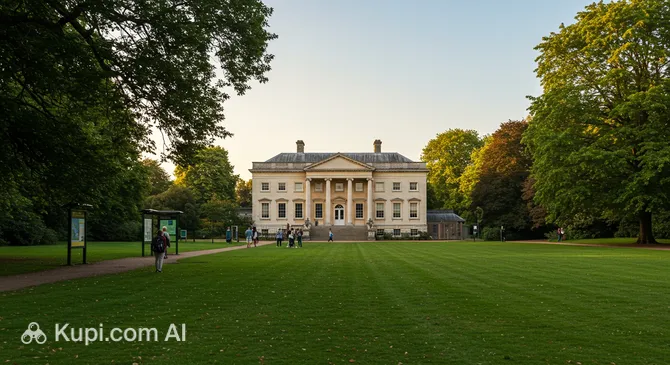
One of the cultural gems of Wembley is Pitzhanger Manor & Gallery. This elegant historic house, once owned by the famous architect Sir John Soane, has been transformed into an art gallery. Visitors can admire the unique architecture in the Neoclassical style, explore the meticulously restored interiors, and view temporary exhibitions of contemporary and classical art. This site attracts lovers of history, architecture, and art.

Pitzhanger Manor & Gallery. Illustration.
Source: Kupi.com AI

Traveler photos:

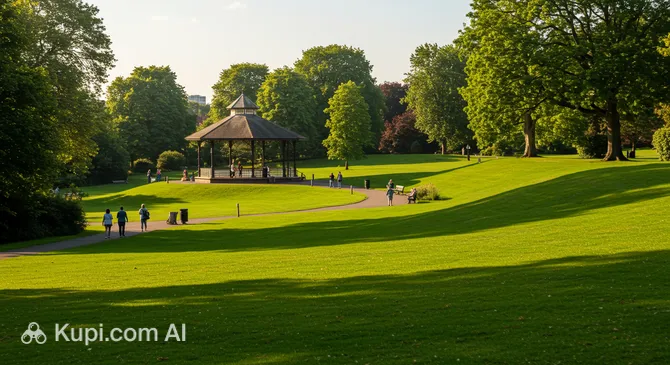
For those seeking peace in nature, Walpole Park is a true discovery. This vast and picturesque park offers beautifully maintained formal gardens, a large pond inhabited by various birds, and playgrounds for children. It is the ideal place for leisurely strolls, family picnics, or simply escaping the city bustle surrounded by greenery.

Walpole Park. Illustration.
Source: Kupi.com AI

Traveler photos:

Shopping enthusiasts should stop by St George’s Shopping Centre. It features a wide selection of famous brand stores, ranging from clothing to electronics, as well as various cafes, restaurants, and a modern cinema. It is a popular spot for shopping and leisure, where you can find everything you need and have a pleasant time.

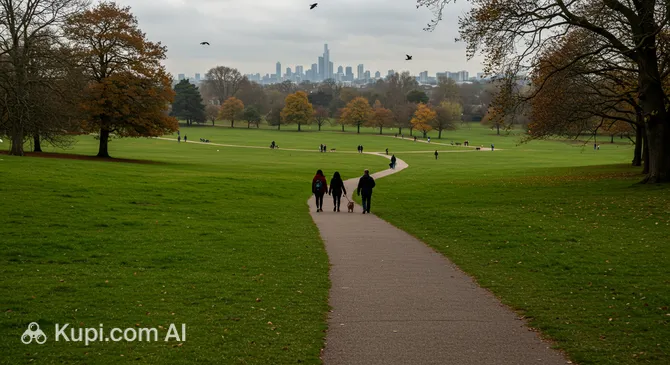
Another wonderful place for outdoor relaxation is Gladstone Park. This large park is known for its hilly landscapes offering impressive views of London, as well as its manicured gardens and woodland areas. The park has sports grounds, children's play areas, and a cafe, making it attractive for visitors of all ages looking for either active or quiet recreation.

Local Cuisine

Wembley is a true gastronomic kaleidoscope where everyone can find a dish to their liking. Thanks to its multicultural population, the area's culinary scene is incredibly diverse. Indian, Pakistani, Middle Eastern, and Chinese cuisines are particularly well-represented, offering guests authentic flavors and aromas from around the world.

Be sure to try traditional dishes that reflect the cultural diversity of Wembley. Highlights include aromatic curries in all their variations, tandoor oven dishes, succulent kebabs, and freshly baked naan bread. Of course, don't forget the British classics: you can enjoy excellent fish and chips, hearty meat pies, or traditional roast beef sandwiches. The gastronomic palette is rounded out by numerous cafes and street stalls where you can grab a quick and tasty snack.

Regarding drinks, in Wembley, as in the rest of the United Kingdom, traditional English tea is popular and served almost everywhere. In the many pubs, you can sample various local beers, including ales and lagers. Many restaurants representing global cuisines also offer their national drinks, both alcoholic and non-alcoholic, such as refreshing lassi in Indian establishments.

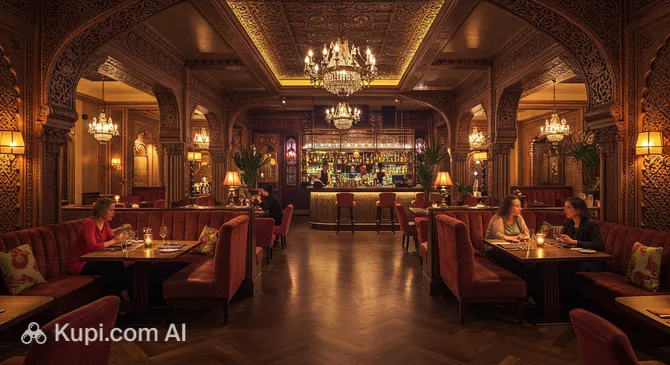
The dining culture in Wembley is very democratic. Locals and tourists alike enjoy visiting both full-service restaurants and small family-run cafes. Lively food markets are especially popular, where you can buy fresh farm products, pastries, and delicacies. If you want to immerse yourself in an international culinary atmosphere, look out for places like the Durbar Restaurant and Lounge, where you can try a variety of dishes in a pleasant setting.

Darbar Restaurant & Lounge. Illustration.
Source: Kupi.com AI

Traveler photos:

For those with a sweet tooth, Wembley also has much to offer. It's worth trying classic British desserts: various puddings, fruit or berry crumbles, almond tarts, and the famous banana bread. Gastronomic festivals often take place in the area, becoming a true celebration of taste, gathering foodies for tastings of exotic dishes and culinary masterclasses.

Travel Tips

Planning a trip to Wembley? Wonderful! To make your journey as comfortable as possible and leave you with only bright impressions, we have prepared some practical tips to help you find your way around.

  1. Clothing and Essentials: Weather in the United Kingdom is quite changeable, so the best strategy is layering. Be sure to bring comfortable shoes, as you will be doing a lot of walking, especially if you plan to attend events at the stadium or arena. Don't forget an umbrella or raincoat, as well as an adapter for British power outlets (type G). If you plan to visit religious sites, such as the previously mentioned Sanatan Temple, choose modest clothing that covers shoulders and knees.
  2. Transport: Wembley is excellently connected to central London. The most convenient way to get around is the London Underground ("Tube"). Wembley Park (Jubilee and Metropolitan lines) and Wembley Central (Bakerloo, Overground, and National Rail lines) stations provide access to major points. Buses also run frequently. For fares, use an Oyster card or contactless bank cards. Taxis and services like Uber are available but can be expensive, especially on major event days. Renting a car for travel within Wembley and London is generally impractical due to traffic and parking difficulties.
  3. Finances: The local currency is the British Pound Sterling (£, GBP). You can exchange currency at banks or exchange offices, but rates at the airport are usually less favorable. Credit and debit cards (Visa, Mastercard) are accepted almost everywhere. International cards should work, but it's best to check the terms with your bank. ATMs are easy to find. An approximate daily budget (excluding event tickets) might be £70-£150. Tips in restaurants are usually 10-15% if service is not included in the bill; in pubs and taxis, tipping is not mandatory but appreciated for good service.
  4. Health and Safety: Pharmacies (e.g., Boots, Superdrug) are common, and some may operate 24 hours (it's best to check in advance). In case of an emergency, medical assistance for tourists is provided through the National Health Service (NHS). Wembley, especially on event days, is considered a fairly safe area due to an increased police presence. Nevertheless, follow standard precautions: watch your belongings, especially in crowded places and on public transport, to avoid pickpockets.
  5. Communication: The official language is English. Most locals and service staff speak English fluently. You can purchase a local SIM card for mobile internet and calls at airports, supermarkets, or specialized mobile shops. Free Wi-Fi is available in many cafes, restaurants, hotels, and at some tube stations. Navigation apps like Citymapper or the official Transport for London app (TfL Go) can be very useful.
  6. Local Etiquette: The British are known for their politeness. It is customary to greet people ("Hello", "Good morning/afternoon/evening") and say thank you ("Thank you", "Cheers"). A key point is observing the queue ("queuing"). Never try to skip the line; it is considered extremely impolite. In public places and on transport, try not to speak too loudly.
  7. What to Avoid: Besides ignoring queues, try not to block the path on escalators in the tube (stand on the right, walk on the left). Also, avoid discussing overly personal topics with people you don't know well, unless they initiate the conversation themselves.
  8. Wembley Special Note: If your trip coincides with a major concert or sports match at Wembley Stadium or the OVO Arena Wembley, be prepared for large crowds and possible transport delays. Plan your route and time in advance, and arrive for events with time to spare. It is recommended to buy tickets for popular events well in advance online.

We hope these tips help you better prepare for your trip and fully enjoy your stay in Wembley. We wish you unforgettable impressions and a pleasant journey!

Entertainment & Nightlife

Wembley, known worldwide for its iconic sports and concert venues, also offers a variety of options for evening and night-time relaxation. While it is not London's central clubbing district, you can find lively bars, cozy pubs, and places to have a great time after sunset, especially on major event days.

The main concentration of evening entertainment is centered around Wembley Park, near Wembley Stadium and the OVO Arena. Here, you will find modern bars and restaurants that come alive in the evenings. The atmosphere is usually vibrant, particularly on weekends and event days, bringing together both locals and tourists.

Wembley's nightlife offers everything from traditional British pubs, where you can enjoy a pint in a relaxed setting, to stylish bars and lounges with cocktails and music. Some venues stay open late, offering DJ sets or live music. The dress code usually ranges from casual to smart-casual, depending on the establishment. Most bars start filling up towards the evening, while clubs and lounges peak after 10:00-11:00 PM.

Among the popular spots for an evening out in Wembley is the Durbar Restaurant and Lounge, which offers a nightclub and restaurant atmosphere. If you are looking for shisha and a relaxed social environment, check out Tigerbay Shisha Lounge. You might also consider the Carlton Lounge, which provides a cozy setting for evening gatherings.

Darbar Restaurant & Lounge. Illustration.
Source: Kupi.com AI

Traveler photos:

The best time to visit night venues is Friday and Saturday, as well as evenings when major events are held at the stadium or arena. Prices vary but generally align with London standards. You can get to and from Wembley at night via the Underground (the Jubilee and Metropolitan lines have night trains on weekends), night buses, or taxi/ride-sharing services. It is recommended to check public transport schedules in advance.

Tigerbay Shisha Lounge. Illustration.
Source: Kupi.com AI

Traveler photos:

Wembley is generally considered a safe area, especially in the busy spots around Wembley Park. However, as in any large city, it is advisable to follow standard precautions: stick to well-lit streets, watch your belongings, and avoid walking alone late at night if possible. For taxis, it is better to use official apps or book a car in advance.

During the day, Wembley also offers interesting leisure options. Besides shopping at the London Designer Outlet, you can visit cultural sites like Pitzhanger Manor & Gallery, which offers insights into history and art. For outdoor walks, Walpole Park is an excellent choice to escape the urban hustle.

Pitzhanger Manor & Gallery. Illustration.
Source: Kupi.com AI

Traveler photos:

Parks & Museums

Wembley, world-famous for its legendary stadium, offers guests not only exciting sporting events but also wonderful opportunities for outdoor relaxation and immersion in cultural heritage. Here you will find manicured parks for leisurely strolls as well as interesting sites telling the story of this London district's history and art.

Among Wembley's green oases, Gladstone Park stands out. This is a popular recreation spot with picturesque views, well-kept gardens, playgrounds, and sports facilities. It is perfect for family picnics and quiet walks, allowing for a break from the city bustle.

Gladstone Park. Illustration.
Source: Kupi.com AI

Traveler photos:

For those who prefer wilder nature, Fryent Country Park is an excellent choice. This vast nature reserve offers miles of trails winding through meadows and woodlands and is home to diverse flora and fauna. It is a wonderful place for long walks and birdwatching – a true piece of untouched nature within the city limits.

Fryent Country Park. Illustration.
Source: Kupi.com AI

Traveler photos:

Another charming spot is Roundwood Park. This Victorian park has preserved its historic charm, offering visitors beautiful flower beds, a cozy cafe, and opportunities for active recreation. It often serves as a venue for local events and festivals, making it a vibrant center for the local community.

Roundwood Park. Illustration.
Source: Kupi.com AI

Traveler photos:

When it comes to museums and galleries, Wembley's main cultural gem is undoubtedly Pitzhanger Manor & Gallery. This magnificent Regency-style manor, designed by the famous architect Sir John Soane, was once his country home. Today, it hosts exhibitions of contemporary and historical art, and you can explore the meticulously restored interiors of the early 19th century. A visit here allows you to dive into the history of architecture and enjoy art in an elegant setting.

Although Wembley is primarily associated with sports arenas and doesn't have as many large museums as central London, history and culture enthusiasts will still find points of interest. For example, for a deeper look into the history of northwest London and the borough of Brent, you can visit the Brent Museum and Archives nearby. This museum offers displays dedicated to local heritage, social change, and the region's cultural diversity. It is also worth looking out for temporary exhibitions and small art spaces that may pop up in Wembley, reflecting its modern cultural life.

The Pitzhanger Manor itself is an outstanding architectural monument. Additionally, you can find other architecturally interesting structures in and around Wembley. For instance, the Harrow Central Mosque and Masood Islamic Centre is worth noting as an important cultural and architectural site for the local community, reflecting the diversity of modern London.

Harrow Central Mosque and Masood Islamic Centre. Illustration.
Source: Kupi.com AI

Traveler photos:

For a more authentic experience and quiet relaxation, check out Walpole Park. It is located not far away and often offers a more secluded atmosphere compared to larger, better-known parks. Its charming gardens and pond are ideal for peaceful time-spending. Exploring the local streets around the main attractions, you might also stumble upon small independent cafes and shops that convey the true spirit of this part of the United Kingdom.

Getting Around

Public transport in Wembley is part of London's extensive transport system managed by Transport for London (TfL). This ensures convenient connections both within the district and with central London and other parts of the city. The main modes of transport used by Wembley's residents and visitors are the Underground (the "Tube") and buses.

The key tube stations in Wembley are Wembley Park (Jubilee and Metropolitan lines), Wembley Central (Bakerloo line, as well as London Overground and National Rail), and Sudbury Town (Piccadilly line). The bus network is also well-developed, offering many routes connecting Wembley with neighboring areas. Night buses provide transport links during late hours.

For paying fares, contactless bank cards or an Oyster card are most convenient – a rechargeable smart card that can be purchased at tube stations. Mobile payment systems (Apple Pay, Google Pay) can also be used. The cost of a trip depends on the number of zones crossed (Wembley is in Zone 4) and the time of day. There are daily and weekly limits (caps), after which further travel during that period becomes free. Paper single-trip tickets are significantly more expensive.

Tourists are recommended to get an Oyster card or use contactless payment immediately upon arrival. Oyster cards can be bought and topped up at machines in tube stations, at some newsagents, and online. It is important to remember to "tap in and tap out" by touching your card against the yellow validator when entering and exiting tube stations and National Rail trains to ensure the correct fare is charged. On buses, you only need to tap in when boarding. Most tube lines run from approximately 5:00-5:30 AM until midnight, and some lines (including the Jubilee) offer 24-hour service on Fridays and Saturdays (Night Tube).

As an alternative to public transport, traditional London black cabs (taxis) and ride-hailing services (such as Uber and Bolt) are available in Wembley. Taxis are more expensive but can be convenient for trips with luggage or at night when public transport runs less frequently. Bike rentals can also be an option for short trips, though the infrastructure in Wembley is less developed than in central London areas.

Accommodation

When planning a trip to Wembley, you will find a variety of accommodation options to suit different preferences and budgets. The area offers a wide range of housing: from budget guesthouses and apartments to comfortable mid-range hotels and more luxurious options.

The most sought-after areas for tourists are traditionally those in close proximity to the main attractions – Wembley Stadium and the OVO Arena Wembley. Staying here provides easy access to events and excellent transport links thanks to nearby tube and railway stations. Accommodations along major transport arteries are also popular, as they make it convenient to reach central London and other parts of the United Kingdom.

While Wembley features many hotels across various categories, it is recommended to book your accommodation in advance to secure the best deals and ensure availability, especially during major sporting events or concerts. This is particularly relevant for peak seasons. The price range varies from affordable options for budget travelers to higher-end offerings in hotels with high service standards. Booking is easily done through popular online platforms or directly on hotel websites.

Nearby Cities

For those looking to explore the surrounding area, Wembley serves as an excellent starting point for day trips to several interesting nearby locations:

CityPopulationDistance
Dollis Hill14 4253 km
Kenton35 6004 km
Perivale15 3394 km
Hendon35 8745 km
Harrow149 2465 km

These nearby destinations provide a glimpse into the diverse culture and landscapes of the region.

Shopping & Souvenirs

Wembley offers diverse shopping opportunities, combining well-known brands with unique local shops. While the area is not a major hub for luxury shopping like some parts of central London, you can find everything you need here along with interesting souvenirs. The influence of the multicultural population is particularly noticeable, reflected in the range of goods in certain stores.

The main shopping arteries of Wembley are Wembley High Road, home to many famous chain stores and independent retailers offering clothing, electronics, and homeware. Another iconic street is Ealing Road, known for its vibrant character and large number of shops specializing in South Asian goods: from colorful saris and jewelry to spices and sweets. This place is definitely worth a visit if you are looking for something authentic.

For those who prefer shopping under one roof, there are several shopping centers in and around Wembley. Among them is St George’s Shopping Centre, which offers a good selection of clothing, cosmetics, and homeware stores, as well as cafes and restaurants. Also popular is St Anns Shopping Centre, located in neighboring Harrow but easily accessible from Wembley, offering an even greater variety of shops and entertainment.

St George's Shopping Centre. Illustration.
Source: Kupi.com AI

Traveler photos:

Market lovers should look into Wembley Market, which traditionally operates on Sundays (checking the schedule in advance is recommended). It is a large and bustling market where you can find clothes, shoes, household goods, fresh produce, and much more at attractive prices. The atmosphere here is always lively, making it a great place to hunt for bargains and observe local life.

St Ann's Shopping Centre. Illustration.
Source: Kupi.com AI

Traveler photos:

As souvenirs from Wembley, besides standard London gifts, you can bring back something related to the famous Wembley Stadium – football memorabilia, scarves, or badges. If you visit Ealing Road, interesting purchases would include Indian spices, tea, fabrics, or small decorative items. Local shops also feature unique handmade products from local artisans.

Most shops in Wembley operate on a standard British schedule: from 9:00-10:00 AM to 5:00-6:00 PM, Monday to Saturday. Large shopping centers and some supermarkets may stay open later, especially before holidays, and usually have shorter hours on Sundays. The primary method of payment is by bank card (debit and credit), which are accepted almost everywhere. Cash is also used, particularly at markets and in smaller independent shops.

Regarding Tax-Free shopping, rules changed after the United Kingdom left the EU. Currently, the standard VAT refund scheme for tourists taking goods out of the country is generally not available for purchases made in England, Scotland, and Wales. It is recommended to check for up-to-date information directly in stores or on official government resources before making large purchases with the expectation of a tax refund.

Reached the end of the page?

That means the route is fully explored