Support

Walterboro

About

Walterboro is a cozy corner of Southern hospitality located in the picturesque state of South Carolina. This small town, home to about 5,700 people, is often called the "Front Porch of the Lowcountry" — a unique region with a distinct culture and landscape. While traveling across the USA, tourists often stop here to take a break from the hustle and bustle of major metropolises. The city is just an hour's drive from the famous Charleston, surrounded by dense pine forests and alleys of centuries-old oaks picturesquely draped in Spanish moss.
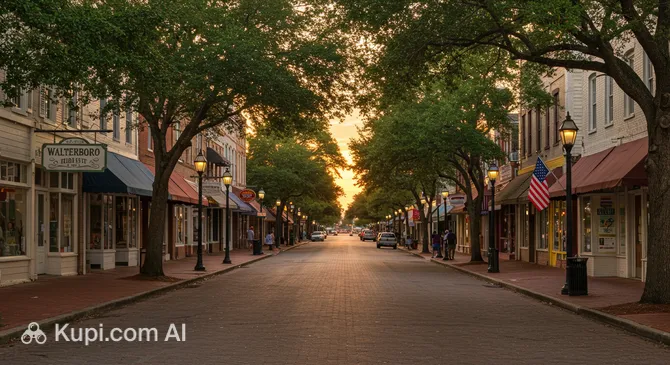
Walterboro. Illustration.
Source: Kupi.com AI

Despite its modest size, Walterboro plays an important role as the administrative center of Colleton County. A sense of tranquility prevails here, and the slow pace of life allows for true relaxation. The rich history of Walterboro harmoniously intertwines with natural beauty and the locals' love for art. A stroll through the historic streets or a visit to the local farmers' markets provides an opportunity to feel the spirit of the Old South, which is carefully preserved in the city's architecture and traditions.

Among the key attractions, the magnificent Walterboro Wildlife Sanctuary stands out, featuring convenient trails and boardwalks through authentic cypress swamps. The city is also famous for the South Carolina Artisans Center, which showcases the work of hundreds of talented craftsmen from across the state. Walterboro is an ideal stop for those seeking seclusion in nature, those interested in antiques, and anyone wanting to experience the authentic American heartland.

Weather Overview

The climate in Walterboro is typical of the American South: a humid subtropical atmosphere prevails here with clearly defined seasons. Travelers should expect warm, sometimes hot summers with occasional rain and mild, relatively dry winters that are perfect for long walks.

The summer season, especially July and August, is characterized by high temperatures, reaching an average of 27–28°C (with maximums above 30°C). It is also the wettest time of year: the number of days with precipitation can reach 20–21 per month, so a light raincoat or umbrella will be important companions for a tourist. Winter brings pleasant coolness: in January, the average temperature stays around 10–11°C, and frosts occur very rarely.

The most comfortable time to visit is considered to be spring and autumn, when the air warms up to a pleasant 20–25°C. To choose the perfect dates for your trip and prepare the right wardrobe, we recommend checking in advance what weather in Walterboro is forecast for the time of your visit.

Average monthly temperature

Average monthly precipitation

Interesting Facts

Walterboro is a city that knows how to surprise, hiding many fascinating stories and unique locations behind its calm facade. In addition to the main attractions, you can discover several amazing facts that make a visit here even more memorable.

  • Walterboro is often called the "Gateway to the Lowcountry," as it is here that the introduction to the amazing ecosystem of coastal forests and swamps begins. The city is famous for its Great Swamp Sanctuary — a place where scenic trails are laid among centuries-old cypresses, attracting ornithologists and nature lovers.

  • The city is officially recognized as the main center of craftsmanship in the region. It is home to the South Carolina Artisans Center — the state's largest folk art center. This space functions not just as a museum, but as a large-scale gallery where you can see and purchase works by South Carolina's best craftsmen.

  • Walterboro carefully preserves the memory of heroic pages in USA history. The city features a memorial dedicated to the legendary "Tuskegee Airmen" — African-American pilots of World War II, whose service became a symbol of courage and pride for local residents.

  • Culture and gastronomy enthusiasts will find an unusual combination here: the famous Colleton Museum shares the same site with a farmers' market. This allows visitors to simultaneously immerse themselves in the county's historical past and appreciate the taste of the freshest local products.

How to Get There

When planning a trip to this cozy corner of South Carolina, it is important to think about logistics in advance. Walterboro is conveniently located relative to several major transport hubs, allowing travelers to choose the most comfortable route. You can find out more about how to get to Walterboro by studying all available transport options and choosing the optimal one for yourself.

The city of Walterboro itself does not have its own passenger airport, but you can fly into Charleston International Airport (CHS). It is located in North Charleston, just 58.6 km from your destination. This is one of the most convenient options for tourists: the journey by taxi or rental car will take approximately 45–55 minutes, making the transfer fast and untiring.

An alternative option is Savannah/Hilton Head International Airport (SAV), located in the city of Savannah. The distance to Walterboro is about 100 km. This transport hub is also popular among travelers heading to the Lowcountry region. The driving time from here is approximately 1 hour 10 minutes.

For clarity, here is a summary of the main airports located in the vicinity:

AirportPassenger trafficDistance
Charleston International Airport6.3 mln59 km
Hilton Head Airport388 81676 km
Savannah/Hilton Head Airport3.5 mln100 km
Columbia Metropolitan Airport1.4 mln123 km
Augusta Regional Airport673 255132 km

In addition to air travel, many tourists prefer to reach Walterboro by car. The city is conveniently located near the major I-95 interstate, making it easily accessible for road trippers traveling along the US East Coast.

Main Attractions

Walterboro offers tourists a unique combination of natural beauty, historical heritage, and rich cultural traditions. Although the town is small, there are several iconic places that allow for a deep immersion into the atmosphere of the American South and learning more about the history of the region.

Walterboro Wildlife Sanctuary is a true gem of the city and a must-visit for nature lovers. This vast park, covering over 240 hectares, is located in a river floodplain and represents a unique ecosystem of "blackwater" swamps. For the convenience of visitors, there is an extensive network of walking trails, bicycle paths, and boardwalks that allow you to walk directly over the water. In the sanctuary, you can see centuries-old cypresses draped in Spanish moss and observe many birds and wild animals in their natural habitat. It is an ideal place for morning runs, picnics, or leisurely walks in the silence of the forest.

South Carolina Artisans Center, located in a restored historic cottage, holds the official status of the state’s center for folk art and crafts. The works of more than 300 talented artisans from all over the state are exhibited and sold here. Visitors can find unique handmade items: from traditional sweetgrass baskets, characteristic of the Lowcountry region, to ceramics, jewelry, glass, and woodwork. This is not just a souvenir shop, but a real museum of applied art, where every item carries the warmth of its creator's hands.

The Colleton Museum & Farmers Market combines history and gastronomy under one roof. The museum exhibition tells the rich past of the region: from the era of plantations and the Civil War to the natural features of the land. Here you can learn how agriculture and the daily life of local residents have developed over the centuries. The proximity to the farmers' market adds local color: after viewing the exhibits, tourists can purchase fresh local produce, honey, and homemade baked goods, thereby supporting local farmers.

Tuskegee Airmen Memorial, located on the grounds of the Lowcountry Regional Airport, serves as a reminder of an important page in the USA's military history. During World War II, the legendary African-American pilots trained here. The memorial honors their courage and contribution to victory. A visit to this site allows you to touch the heroic past and learn more about the struggle for equality and military valor.

Local Cuisine

The Walterboro gastronomic scene is the quintessence of Lowcountry cuisine, where the culinary traditions of the African-American Gullah-Geechee culture harmoniously blend with Southern classics. The main dish that every traveler should definitely try is shrimp and grits. Also, local menus invariably feature golden fried chicken, fragrant cornbread, and collard greens, prepared according to old recipes passed down from generation to generation.

Thanks to the proximity of rivers and the coast, the city's cuisine is rich in gifts from the water. Local delicacies include the freshest oysters, crabs, catfish, and trout. Smoked fish dishes are particularly popular. Seasonal products are preferred for side dishes: sweet potatoes, corn, and beans, which are grown on farms around the city.

The gastronomic events of Walterboro create a special atmosphere. The city is famous for its farmers' markets and autumn festivals, where you can taste street food such as the famous fried green tomatoes, hushpuppies, and various pecan-based sweets. Oyster roasts deserve special mention, gathering guests from across the region.

Speaking of drinks, one cannot fail to mention the traditional South Carolina Sweet Tea, which is served practically everywhere — from small diners to family cafes. The food culture here is very democratic: locals and tourists prefer cozy establishments with home-style cooking, serving hearty breakfasts and lunches at affordable prices, and often buy homemade pies and natural honey at the markets.

Travel Tips

Welcome to Walterboro! To make your trip to this cozy corner of South Carolina as comfortable as possible, we have prepared a list of practical recommendations. This small town lives at its own special, measured pace, and knowing the local nuances will help you avoid minor troubles and focus on your vacation.

  1. Clothing and Gear: In summer, the Lowcountry region is hot and very humid, so prefer clothing made of light natural fabrics (cotton, linen). In winter, the weather is mild, but a windbreaker or sweater will be needed for evening walks. Since one of the main attractions is the nature sanctuary, be sure to bring comfortable closed shoes for walking and a quality insect repellent — mosquitoes can be active for most of the year.
  2. Transport: Walterboro is a typical American town where public transport is practically non-existent and not designed for tourists. Taxi services (Uber, Lyft) work, but the wait time for a car can be long due to the small number of drivers. The most reliable way to get around is a rental car, which will give you the freedom to visit remote plantations and neighboring cities.
  3. Finances: The official currency is the USA dollar. Bank cards are accepted almost everywhere, including restaurants and supermarkets. However, if you plan to visit the famous Farmers Market or small antique shops, we recommend having cash (small bills) with you. Tipping in restaurants is a mandatory part of the culture: it is customary to leave 15–20% of the bill amount.
  4. Health and Safety: The city is considered quiet and safe, but standard precautions won't hurt: do not leave valuables in your car in plain sight. The main health risk is the summer sun and dehydration — always carry water with you. There are pharmacies (CVS, Walgreens) in the city, but they rarely work 24/7, so it's better to bring essential medications with you.
  5. Communication and Internet: Free Wi-Fi is available in most hotels and cafes, but the signal may drop in nature and on highways. For stable communication and navigation, it is better to purchase a local SIM card (T-Mobile, AT&T, or Verizon) in a major city upon arrival or use roaming. English is the main language of communication; locals speak quite fast and with a characteristic Southern accent.
  6. Local Etiquette: Southern hospitality is not a myth. It is customary to greet shopkeepers, waiters, and even just passersby on the street. Be polite, smile, and don't hesitate to engage in small talk — it's considered good manners. Life here flows slower than in metropolises, so don't rush the service staff.
  7. What to Avoid: While in the Wildlife Sanctuary, never feed the animals and do not stray from the marked trails and boardwalks. Alligators and snakes live in the local waters and swamps — this is their home, and keeping your distance is critical for your safety.
  8. Tip for Antique Lovers: Walterboro is known as a center for antiques. If you are planning a shopping tour of the antique stores on Washington Street, keep in mind that many of them close quite early (around 5:00 PM) and are often closed on Sundays. Check the opening hours in advance to avoid arriving at a closed door.

We hope these tips help you easily plan your trip and avoid surprises. Walterboro is a place where you can truly exhale and enjoy the atmosphere of the Old South, and we are sure your trip will leave only warm memories!

Entertainment & Nightlife

Nightlife in Walterboro is fundamentally different from the noisy parties of major metropolises. It is a quiet, patriarchal town where the concept of "nighttime entertainment" boils down to cozy dinners, heartfelt conversations, and peaceful walks under the southern starry sky. You won't find neon signs of 24-hour clubs or loud discos here; evening leisure in Walterboro is permeated with an atmosphere of relaxation and Southern hospitality.

The epicenter of evening activity can be found in the historic city center, particularly the East Washington Street area. It is here and on the adjacent streets that you'll find establishments where locals and tourists can spend time after sunset. The atmosphere is casual and friendly: there is no strict dress code, and "casual" style is appropriate everywhere. The crowd mostly consists of couples and small groups, creating a sense of safety and homey comfort.

If you are looking for a place to have dinner and spend the evening, it is best to stick to established formats. Classic American restaurants are popular in the city, such as Ruby Tuesday, where you can order steak, burgers, and cocktails in a familiar setting. Also, along the main roads, you can find cozy grill bars and diners offering local cuisine. This is a great opportunity to try authentic South Carolina food and chat with locals in a relaxed atmosphere.

When planning an evening out, it is important to consider the operating hours of the establishments. Walterboro "falls asleep" quite early: most restaurants close as early as 9:00 PM – 10:00 PM, even on weekends. Therefore, if you want to enjoy dinner without rushing, it is better to arrive earlier, around 7:00 PM. Prices in the city are very moderate: the average check for dinner with drinks will be significantly lower than in the tourist centers on the coast.

In terms of safety, Walterboro is a quiet place, and walking through the well-lit center poses no threat. However, keep in mind that the streets empty out quickly, and public transport does not run at night. Calling a taxi or using ridesharing services late at night can be problematic due to the small number of cars. Therefore, if you are staying in a hotel on the outskirts or planning to stay out late, it is highly recommended to use a rental car.

For those who prefer cultural leisure, an evening in Walterboro is best dedicated to resting after a busy day. During the day, you can visit the Wildlife Sanctuary or the Colleton County Museum, as well as browse the antique shops in the center, so that by evening you can relax with a pleasant tiredness in one of the local restaurants.

Parks & Museums

Walterboro offers travelers a harmonious blend of natural beauty and a deep dive into the history of the American South. The city and its surroundings are not just picturesque landscapes with centuries-old oaks, but also a rich collection of cultural sites that tell the story of the traditions, crafts, and lifestyle of the Lowcountry region.

The main natural gem of the city is undoubtedly the Walterboro Wildlife Sanctuary. This is a large-scale green area located just a few minutes from the historic center. Here, nature appears in its original form: dense hardwood forests give way to mysterious cypress swamps. For tourists, the "Great Swamp Sanctuary Trails" — a system of wide paths and bridges perfect for walking and cycling — have been laid out. This place is particularly attractive for birdwatchers, as many species of waterfowl and forest birds nest here.

Those looking for relaxation by the water should look toward the vicinity of the Edisto River. Although it requires a short drive outside the city, access to one of the longest free-flowing blackwater rivers in the world makes the region unique. Kayaking and canoeing are popular here, allowing you to see South Carolina's nature from the water, surrounded by silence and greenery.

The cultural life of Walterboro is centered in its unique museums. The South Carolina Artisans Center is more than just an exhibition space. Located in a restored Victorian cottage, it serves as the state's main showcase for folk art. Here you can not only see but also understand the technology behind the creation of the famous sweetgrass baskets, ceramics, and textiles. The exhibition is constantly updated, reflecting the living traditions of local masters.

For an immersion into the region's past, it's worth visiting the Slave Relic Museum. This is a small but emotionally powerful institution founded by local historians. The collection contains authentic artifacts and documents telling the story of plantation life and the African American history of the region. A visit to this place provides a more complete and deeper understanding of the complex historical context of the Southern USA.

The architectural appearance of the city is a museum in itself. Special attention should be paid to the Bedon-Lucas House. This is one of the few surviving buildings from the "high cottage" era, built by planters in the early 19th century as summer residences. The house is interesting for its architecture: it is raised high above the ground on brick pillars, which was characteristic for protection against humidity and flooding.

Insider Tip: If you want to see the city's "unofficial museum," just take a walk through the antique district on Washington Street. Local antique shops often resemble historical galleries, where among old furniture, silver, and books, you can find real treasures and hear many urban legends from the owners that you won't find in guidebooks.

Getting Around

The public transport system in Walterboro has its own characteristics, determined by the size and lifestyle of this small town. It is important for tourists to know that there is no familiar city network of buses, trolleys, or subways here. The city infrastructure is primarily oriented toward owners of private vehicles, so moving around without a car can cause certain difficulties.

Municipal bus routes within the city are non-existent. There is regional transport service (such as Palmetto Breeze buses) connecting various counties of the Lowcountry region, but it is primarily intended for commuting by locals to work in neighboring major centers and is practically unsuitable for tourist purposes or trips to attractions within Walterboro itself.

The main and most reliable alternative to public transport is renting a car. This is the most practical way of moving around, giving you the freedom to visit not only the city center but also remote nature reserves or neighboring towns. Car rental agencies are usually located at the nearby airports through which tourists arrive in the region. Having a car will eliminate the need to adjust to a schedule and search for ways to get to your desired location.

Popular taxi and ridesharing services like Uber and Lyft operate in the city. To use them, you need to install the corresponding mobile apps, link a bank card, and book a ride online. Payment is made automatically through the app, eliminating the need for cash. However, keep in mind that due to the small number of drivers in this area, the wait time can be 15 to 30 minutes, and it can be problematic to find a free car at night.

The historic center of Walterboro, especially the Washington Street area, is quite compact and excellent for walking. The main antique shops, museums, and cafes are located here, within walking distance of each other. No transport is needed to explore this part of the city, and walking will allow you to better feel the atmosphere of the old Southern streets. Specialized bike rental or car-sharing services (per-minute car rentals) are not currently available in the city.

Accommodation

The choice of accommodation in Walterboro fully reflects its status as a hospitable Southern town and a convenient transit point. A balanced range of options is available to tourists here: from budget motels and reliable mid-range chain hotels to cozy Bed & Breakfasts (B&Bs). Luxury resorts or large hotel complexes are absent here, but travelers can count on home-like comfort and affordable prices.

Geographically, the accommodation options are clearly divided into two main zones, each with its own advantages:

  • I-95 Area (Bells Highway): Most modern hotels are concentrated here. This is an ideal choice for road trippers who value a quick exit from the highway, the availability of spacious parking, and proximity to chain restaurants and gas stations.
  • Historic Center: If you want to immerse yourself in the atmosphere of the Old South, it's worth looking for accommodation closer to Washington Street. Staying here will allow you to walk to antique shops, museums, and parks, enjoying the quiet of a provincial town.

The price range in Walterboro can be described as budget and mid-range. The cost of living here is generally lower than in nearby popular Charleston or Savannah, making the city a great option for an economical overnight stay while exploring the Lowcountry region. Most hotels offer a standard set of amenities: free Wi-Fi, air conditioning, and often breakfast included in the price.

Regarding booking, the situation is usually calm: you can find a free room even on the day of arrival. However, during major local holidays, such as the annual Rice Festival, or at the height of the summer vacation season, demand increases. During these times, it is highly recommended to book accommodation in advance through popular online platforms, which also often helps to get a better rate compared to paying at the front desk.

Nearby Cities

For those who want to explore the surrounding area, Walterboro serves as an excellent starting point for day trips to several interesting nearby locations:

Just an hour's drive away is historic Charleston — a true jewel of the South. Tourists come here to stroll along the famous Battery promenade, admire the elegant antebellum architecture, and sample exquisite local cuisine. It is an ideal place for those who appreciate history, the romantic atmosphere of a port city, and want to see the famous "Rainbow Row" of houses.

A little further away is the city of Savannah, known for its picturesque squares shaded by centuries-old oaks with Spanish moss. Savannah attracts travelers with its mystical charm, rich cultural heritage, and unique street layout that is perfect for leisurely walks and exploring old mansions.

Beach lovers and active leisure enthusiasts should check out Hilton Head Island. This popular resort island is famous for its wide sandy beaches, world-class golf courses, and excellent opportunities for water sports, from kayaking in salt marshes to dolphin watching.

CityPopulationDistance
Summerville50 31848 km
Sangaree9 33652 km
Beaufort12 89953 km
Ladson14 71153 km
Port Royal12 73458 km

These nearby destinations provide an insight into the region's diverse culture and landscapes, from historic city centers to relaxing ocean coasts.

Shopping & Souvenirs

Shopping in Walterboro is not a hunt for global brands in huge shopping malls, but rather an exciting treasure hunt for the past and an introduction to local crafts. The city is widely known as one of the centers of the antique trade in South Carolina. Tourists come here to leisurely browse through old shops, find unique interior items, and purchase authentic handmade products that hold the warmth of the Southern sun.

The main shopping artery for travelers is East Washington Street in the historic city center. Most of Walterboro's famous antique stores are concentrated here. Walking down this street, you will find many shops selling everything from Victorian furniture and old porcelain to rare books and vintage jewelry. For more conventional shopping and chain stores, head to the Bells Highway area, located closer to the I-95 interstate.

Since Walterboro is a small town, there are no giant malls typical of metropolises. The main shopping space of this type is the Ivanhoe Shopping Center. It is a classic American open-air shopping complex featuring supermarkets, clothing stores, and home goods. It is convenient for restocking groceries or buying travel essentials.

Special attention should be paid to the Colleton Museum & Farmers Market. This place is an important part of city life. Here you can buy the freshest seasonal fruits and vegetables, local honey, homemade jams, and pastries. The market often becomes a meeting place for locals and tourists, allowing the latter to better understand the region's gastronomic traditions.

If you are thinking about what to bring back from your trip, the best choice would be items made by local artisans. Walterboro is home to the South Carolina Artisans Center, which offers a huge selection of souvenirs. The most iconic gift is the traditional sweetgrass baskets — a unique craft characteristic of the Lowcountry coast. Handmade ceramics, jewelry from local designers, paintings of swamp landscapes, and, of course, antique trinkets found in the city center are also popular.

When planning your shopping, keep in mind that the pace of life here is slow. Most antique shops and private stores in the center open around 10:00 AM and finish work as early as 5:00 PM. Many are closed on Sundays. Credit cards (Visa, MasterCard) are accepted almost everywhere, but at the farmers' market or when buying small souvenirs, USA dollars in cash will be very useful.

The Tax Free system (VAT refund), common in European countries, generally does not apply to tourists in the USA. Prices on tags are indicated without sales tax, which will be added to the total at the checkout. An exception may be special "tax-free weekends" (usually in August) when certain categories of goods are exempt from tax, but you should not count on a refund when leaving the country.

Have you reached the end of the page?

So the route has been studied inside and out