Support

Van Don

About

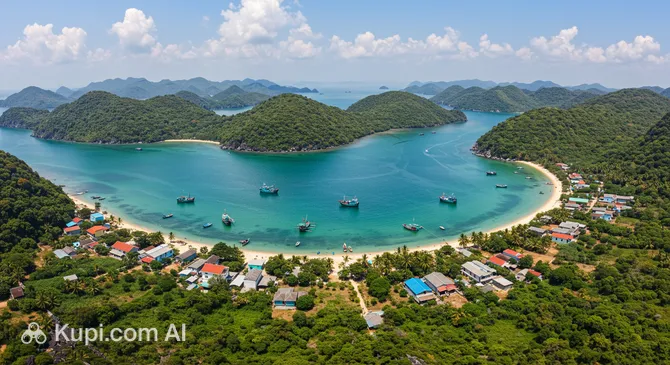
Van Don is a true gem of northeastern Vietnam, nestled on the coast of the Gulf of Tonkin in Quang Ninh Province. This charming town sprawls across a picturesque archipelago of over 600 islands, each seemingly created for inspiration and peaceful relaxation. With a population of about 50,000, Van Don maintains a cozy and leisurely atmosphere that is highly valued by travelers.

Van Don. Illustration.
Source: Kupi.com AI

The town is located just 50 kilometers from the famous Halong Bay, making it an excellent starting point for exploring this natural wonder. Van Don is renowned for its harmonious blend of pristine nature and modern infrastructure. Here, you will find azure waters, white-sand beaches, untouched forests, and fresh sea air. One of the town's key features is its modern international airport, which connects the region with major Vietnamese cities and other countries.

Van Don appeals to both lovers of relaxed beach holidays and fans of active tourism. You can go on a boat trip, explore numerous islands, and discover mysterious caves. The town offers a unique atmosphere: the steady pace of life of local fishermen, the aroma of freshly caught seafood, the friendly smiles of the residents, and a feeling that time slows down here.

If you are looking for privacy, inspiration, and want to experience genuine Vietnamese hospitality, Van Don will be the perfect destination for an unforgettable journey.

You can find more interesting facts on the history of Van Don page.

Weather Overview

The weather in Van Don is characterized by a distinct monsoon climate. Generally, you can expect a hot and humid summer, especially from May to September, when average temperatures reach 27–29°C, and rainfall is significant, peaking in August (around 16 mm of precipitation and up to 28 rainy days). Winter, from December to February, is cooler and drier: the average temperature drops to 16–18°C, and precipitation is minimal, especially in December and January (around 1–2 mm). For more detailed information on weather conditions by month, we recommend visiting the Van Don climate page.

Average monthly temperature

Average monthly precipitation

Interesting Facts

Beyond its obvious charms, such as picturesque islands and beaches, Van Don holds many curious details that make it even more attractive to travelers. Here are just a few of them:

  • Did you know that Van Don International Airport, opened in 2019, was the first airport in Vietnam to be built entirely with private investment? This development significantly simplified access to the secluded corners of the region, making them closer for adventurers and those wishing to discover lesser-known islands.

  • The Van Don archipelago is a true collection of over 600 islands and islets! Many of them remain uninhabited to this day, preserving their pristine, untouched nature. This attracts eco-tourism enthusiasts and divers looking to explore the rich underwater world and enjoy solitude.

  • In ancient times, Van Don was not just a picturesque coastal settlement but one of the key trading ports on the maritime Silk Road. It was through its harbors that busy trade routes passed, connecting Vietnam with China and other Asian countries, contributing to the cultural exchange and prosperity of the region.

  • One of the archipelago's main natural gems—Minh Chau Beach—is famous not only for its beauty with white sand and turquoise water but also because its sand is remarkably fine and stays cool even on the hottest day, creating perfect conditions for walking barefoot.

How to Get There

There are several ways to get to the town of Van Don in Vietnam, but for most tourists, flying is the most convenient and fastest option. Several airports serving both domestic and international destinations are located within the town, its outskirts, and neighboring regions.

The most direct route is to arrive at Van Don Airport (VDO). This modern international airport is located just 5.5 km from the center of Van Don, making the transfer very quick. A taxi ride from the airport to the central part of Van Don usually takes about 25–30 minutes. The airport serves a significant number of passengers and is a key transport hub for Quang Ninh province.

Another popular option is Cat Bi International Airport (HPH), located in the city of Hai Phong, approximately 84 km from Van Don. This airport also handles both international and domestic flights. The journey from Cat Bi Airport to Van Don by taxi or bus takes roughly 2–2.5 hours.

For travelers looking for a wider selection of international flights, Noi Bai International Airport (HAN) in the capital of Vietnam, Hanoi, is worth considering. This is the largest airport in the north of the country, located about 171 km from Van Don. The trip from Noi Bai to Van Don by car or bus can take about 4–4.5 hours.

For convenience, here is a summary of the main airports serving the Van Don destination:

AirportPassenger trafficDistance
Van Don260 0006 km
Cat Bi International Airport2.7 mln84 km
Noi Bai International Airport32.5 mln171 km
Nanning Airport13.7 mln178 km
Beihai Fucheng Airport2.1 mln196 km

Besides air travel, there are other ways to reach Van Don, although they may require more time and transfers. Regarding rail connections, there is no train station directly in Van Don.

The nearest relatively large railway station is Beihai Railway Station, located in the city of Beihai (China), about 176.5 km from Van Don. This is a busy station, and from here, you can continue the journey to Van Don by land transport (e.g., by bus followed by a border crossing), which takes about 4–4.5 hours, excluding time for border formalities.

Information about the nearest railway station:

StationPassenger trafficDistance
Ha Long Railway Station550 km
Haiphong railway station1086 km
Đồng Đăng railway station7118 km
Hải Dương railway station5119 km
Kép railway station6125 km

Main Attractions

Van Don, located in the scenic Quang Ninh province of Vietnam, attracts travelers with its unique combination of natural beauty, secluded islands, and rich cultural heritage. This island district serves as a gateway to some of Northern Vietnam's most breathtaking landscapes and offers a variety of interesting places to explore.

One of the main highlights accessible from Van Don is Bai Tu Long Bay. This lesser-known but equally impressive alternative to Halong Bay amazes with its emerald waters, thousands of limestone karst islands and islets covered in lush greenery, as well as secluded beaches and caves. Tourists come here to enjoy tranquil cruises, go kayaking, and experience the authentic life of local fishing communities.

A must-visit is Quan Lan Island, part of the Van Don archipelago. It is famous for its long beaches with fine white sand, such as the renowned Minh Chau and Son Hao beaches, where you can enjoy crystal-clear water and a peaceful atmosphere. Beyond the beaches, the island is historically significant: the ancient Quan Lan Communal House is preserved here, a reminder of the island's past importance as a major trading port.

For those seeking spiritual peace and picturesque views, a visit to the Cai Bau Pagoda (Thiền Viện Trúc Lâm Giác Tâm) is highly recommended. This beautiful Buddhist monastery, built on a hill overlooking Bai Tu Long Bay, is not only an important pilgrimage site but also a vantage point offering breathtaking panoramic views. The peaceful atmosphere, well-maintained grounds, and elegant architecture make it an ideal place for meditation and enjoying natural beauty.

The heart of the district and its transport hub is Cai Rong Port. This is more than just a place where ferries and boats depart for the numerous islands in the bay; it is a colorful location where you can observe the daily lives of local residents, buy the freshest seafood directly from the boats, and feel the genuine atmosphere of a Vietnamese coastal town. Bustling and lively, the port offers a unique insight into the region's maritime culture.

Local Cuisine

The cuisine of Van Don is a true gastronomic journey where seafood takes center stage. Thanks to its coastal location, the town is famous for the freshest seafood, which forms the basis of most local dishes. If you are a seafood lover, Van Don will definitely not disappoint.

Be sure to try the famous scallop dishes—they are masterfully prepared here, for example, fried with garlic and aromatic herbs or added to light, rich broths. Don't miss the chance to taste other marine delicacies: shrimp, crabs, mussels, oysters, and squid are always fresh and incredibly delicious here. Special mention goes to fried oysters with a zesty sauce and green onions, as well as traditional Vietnamese banh cuon crepes, which in Van Don are often made with a seafood filling. Fragrant noodle soups with sea fish are also popular.

For non-alcoholic drinks, try the traditional Vietnamese iced tea with lime and mint—it is perfectly refreshing on a hot day. As for alcohol, in Van Don, as in the rest of Vietnam, local beer is popular, such as Bia Hanoi or Saigon Beer, which perfectly complements a seafood meal. You can also taste traditional Vietnamese rice wine (rượu gạo), which comes in various strengths and flavors. For dessert, choose coconut treats or enjoy the taste of juicy tropical fruits, which are so abundant in this region.

You can get to know the local cuisine in small cozy restaurants, as well as directly at bustling markets or from street food vendors, where an authentic atmosphere always prevails. This is where you can watch dishes being prepared and taste the freshest delicacies. Van Don's food scene is focused on the freshness of ingredients and the authenticity of flavors. Often, especially during the seafood harvest season, gastronomic festivals take place here, filling the town with the aromas of fresh delicacies and offering cooking shows and tastings, making every dish and culinary experience unforgettable.

Travel Tips

Planning a trip to charming Van Don? To ensure your journey goes smoothly and leaves only pleasant impressions, we've prepared some practical tips to help you get your bearings on the ground.

  1. Clothing and Essentials: When packing for Van Don, prioritize light and breathable clothing made from natural fabrics, as a tropical monsoon climate prevails here. During the rainy season (May to October), don't forget a light raincoat or umbrella. Be sure to bring comfortable shoes for walking on islands and beaches, sunscreen, a hat, and repellent. For visiting pagodas and temples, choose modest clothing that covers shoulders and knees. A universal power adapter for electronics won't hurt (types A, C, and G sockets are used in Vietnam).
  2. Transport around Van Don: Since Van Don is an island district, the main transport between islands is boats and ferries. On the main island of Cai Rong, motorcycle taxis (xe om) and regular taxis are popular. You can rent a motorbike if you have driving experience. Public buses may have limited routes, especially for tourists. Check for ride-hailing apps, but be prepared that they are less common than in major cities.
  3. Finances and Currency: The local currency is the Vietnamese Dong (VND). You can exchange money at banks in Cai Rong town or upon arrival at the airport. Major hotels and some restaurants accept bank cards (Visa, Mastercard), but for markets, small cafes, and local transport, always have cash with you. ATMs are available in Cai Rong, but they may not be found on smaller islands. Tipping culture is not strict, but it is appreciated for good service (5-10%).
  4. Health and Safety: Pharmacies with a basic set of medications can be found in Cai Rong. If you have chronic conditions, it's better to bring necessary medications with you. 24-hour pharmacies may be unavailable. For serious medical assistance, you might need to travel to larger cities; travel insurance is highly recommended. Van Don is generally safe, but follow standard precautions: keep an eye on your belongings, especially in crowded places, and drink only bottled water.
  5. Language and Communication: The official language is Vietnamese. In tourist areas (hotels, travel agencies), staff may speak English, but overall proficiency is limited. Learn a few simple phrases: "Xin chào" (Hello), "Cảm ơn" (Thank you), "Bao nhiêu tiền?" (How much is it?). A local SIM card is easy to buy upon arrival. Wi-Fi is available in most hotels and cafes in Cai Rong, but connection can be unstable on remote islands.
  6. Local Etiquette and Communication: Vietnamese people are friendly and hospitable. Greet locals with a slight bow or a nod of the head and a smile. Avoid loud conversations in public places and excessive displays of affection. It is customary to remove shoes when visiting homes or temples. Do not touch the heads of local residents—it is considered impolite.
  7. What to Avoid: Try not to point at people or objects with your index finger—it's better to use your whole palm. Also, avoid public displays of anger or irritation, as this can embarrass both you and those around you.
  8. Special Tip for Van Don: Van Don is the gateway to a lesser-known but equally beautiful part of Halong Bay—Bai Tu Long. Be sure to plan a boat excursion through its picturesque islands and caves. And, of course, don't miss the chance to try the freshest seafood for which this region is famous!

We hope these tips make your stay in Van Don even more comfortable and unforgettable. Enjoy the beauty of the islands, the hospitality of the locals, and the unique atmosphere of this corner of Vietnam!

Entertainment & Nightlife

Van Don, a charming town in Vietnam, offers its guests not only picturesque landscapes but also opportunities for pleasant evening leisure. While there may not be an abundance of noisy nightclubs like in major metropolises, you can still find cozy spots to relax after an eventful day.

Most evening life in Van Don is likely concentrated along the waterfront or on the main streets where restaurants and cafes are located. The atmosphere here is usually calm and relaxed, perfect for leisurely dinners and conversation. The crowd is a mix of locals and tourists enjoying Vietnam's hospitality. The dress code in most establishments is casual, so you can feel comfortable in standard travel attire.

Evening entertainment options include:

  • Waterfront Bars and Restaurants: Look for venues with sea views where you can enjoy fresh seafood and refreshing drinks. Many of them stay open until late in the evening. For example, you might find places like a "Coastal Breeze Cafe" offering local delicacies or a small spot like "Sunset Corner" for an evening cocktail.
  • Night Markets (if available): In some Vietnamese towns, night markets open in the evening, offering street food and souvenirs. Check locally to see if such a market is operating in Van Don during your visit.
  • Karaoke: Karaoke is very popular in Vietnam, and you are likely to find several karaoke bars where you can have a fun time with friends.

Practical Tips: The best time for evening strolls and visiting venues is after sunset, when the daytime heat subsides. Prices in Van Don are generally more affordable than in major tourist centers. For getting around at night, it is best to use a taxi or arrange a transfer in advance. Ensure the taxi is official (with a meter) or agree on a price for the trip beforehand.

Safety: Van Don is generally considered a safe place. However, as with anywhere, standard precautions should be taken: do not leave valuables unattended and avoid poorly lit or deserted areas late at night. If you are returning to your hotel late, take a taxi.

Regarding daytime entertainment, Van Don and its surroundings offer insights into local culture and nature. You may find small temples or pagodas worth visiting, as well as beautiful beaches and natural parks for walks and relaxation. Be sure to explore options for boat excursions, given the proximity to the famous waterscapes of Quang Ninh province.

Parks & Museums

The town of Van Don and its surroundings in Quang Ninh province are not just a gateway to stunning seascapes but also a place where you can find peace in green areas and connect with local culture.

Van Don's greatest asset is its nature. Instead of traditional city parks, you'll find endless beaches with fine sand on the islands of Quan Lan and Ngoc Vung, which are part of the district. These spots are perfect for relaxing, swimming, and enjoying the silence. Eco-tourism fans will appreciate Bai Tu Long National Park (part of which is in the Van Don district), offering a look at a unique marine ecosystem, rare plant and animal species, and picturesque trekking and kayaking routes. Walks along the coast or through the forested trails of the islands will provide unforgettable impressions and allow you to enjoy the fresh sea air.

While Van Don may not have large museum complexes, its cultural and historical heritage is carefully preserved in local communal houses (dinh) and pagodas. For example, the Quan Lan Dinh on the island of the same name is not only an impressive architectural monument but also a venue for traditional festivals reflecting the spirit and beliefs of the locals. Visiting such places allows for a deeper understanding of the history of the ancient trading port of Van Don and its role in Vietnam. There are few specialized art galleries here, but the work of local masters and artisans can be found in markets or small souvenir shops, which is also part of the cultural experience in the region.

Traces of Van Don's rich past as an important international trading port, which existed here from the 11th to the 16th century, can be found by exploring ancient piers and archaeological sites on the islands. The Cai Bau Pagoda (Thiền viện Trúc Lâm Giác Tâm), located on Cai Bau Island, is a more modern but significant spiritual center. It attracts pilgrims and tourists with its beautiful architecture, well-kept grounds, and peaceful atmosphere with magnificent views of Bai Tu Long Bay, making it a wonderful place for meditation and contemplation.

For a truly authentic experience, head to the fish market in Cai Rong (the administrative center of the Van Don district) early in the morning. Here, you can see an incredible variety of the fresh catch and watch the lively trade, feeling the real rhythm of local life. Another tip is to rent a boat and explore the lesser-known bays and islets of the archipelago, where you can find secluded beaches and enjoy untouched nature away from popular tourist routes.

Getting Around

Getting around Van Don and its surroundings can be done in several ways, each with its own characteristics. While it is not a major metropolis with an extensive metro network, there are options for convenient travel. It is important to note that the transport passes or unified transport cards common for many tourists are practically non-existent here; the main method of payment is cash.

The primary form of public transport in Van Don and adjacent areas is buses. They connect key points in the district and can be an economical way to reach your destination. It is best to check schedules and routes locally as they can change. Fares are usually paid in cash to the conductor upon boarding. The cost of travel on local buses is generally low and can range from 5,000 to 15,000 Vietnamese Dong, depending on the distance.

For more comfortable and faster trips, you can use taxi services. Both official taxi companies and private drivers operate in Van Don. It is recommended to use metered cars or agree on the trip price in advance, especially for long distances. In some cases, ride-hailing apps popular in Vietnam (like Grab) may be available, but their availability in smaller districts like Van Don might be limited. Approximate taxi costs: a flag-down rate of 10,000 to 15,000 Dong, followed by about 12,000 - 16,000 Dong per kilometer.

Given Van Don's coastal location and the presence of many nearby islands (such as Quan Lan, Co To), boats and ferries play a vital role in the transport system. This is the main way to reach island communes and popular tourist destinations. Tickets for ferries and boats are purchased at the piers. It is recommended to check the schedule in advance, as it may depend on the season and weather conditions. Ferry prices can vary significantly depending on the distance and type of vessel, starting from approximately 150,000 – 200,000 Dong for a one-way ticket on popular island routes.

As an alternative to public transport, renting motorbikes (scooters) is popular. This gives you more freedom of movement, especially if you plan to explore the area independently. Rental points can be found in tourist areas. The cost of renting a scooter is usually 100,000 - 200,000 Dong per day. You can also find motorcycle taxis (xe om) – a common way in Vietnam to get short distances quickly; you should agree on the price (usually 20,000 to 50,000 Dong for a short trip) before starting.

Bicycle rental in Van Don is less common than motorbike rental and is not the primary means of transport for tourists over long distances. However, some hotels or guesthouses may offer bicycles for leisurely rides around the immediate vicinity. This is a good option for short trips and getting to know the area at a steady pace.

Practical tips for tourists: Always carry small cash, as it is the main way to pay for transport. Transport passes and cards are not used here. When using a taxi without a meter or services from private carriers, including motorcycle taxis, always agree on the trip cost beforehand. If you plan to visit the islands, check the water transport schedule and arrive at the pier in advance, especially during peak season. Public transport, especially buses, may have limited service in the evening and at night.
Accommodation

In the town of Van Don, tourists have access to a diverse range of accommodation options to suit various preferences and budgets. You can find everything from budget guesthouses and hostels to comfortable mid-range hotels, as well as more luxurious resorts and apartments for rent. Many travelers prefer staying in areas closer to the main beaches and transport hubs, ensuring convenient access to the island's attractions and infrastructure.

When planning a trip, especially during the peak tourist season, it is recommended to book accommodation in advance. This will help you not only guarantee availability but also choose the best option in terms of price and quality. The price range varies from budget-friendly options to luxury offers. Most hotels and apartments can be booked through popular online platforms such as Booking.com or Agoda, as well as directly through hotel websites or local travel agencies.

Nearby Cities

For those looking to explore the surrounding area, Van Don serves as an excellent starting point for day trips to several interesting nearby locations:

CityPopulationDistance
Cam Pha156 00016 km
Quang Ha1 000 00046 km
Ha Long172 91547 km
Mong Cai125 00068 km
Dongxing216 05370 km

For instance, the closest on the list, Quang Ha, offers a more tranquil introduction to life in Quang Ninh province and its natural beauty. Hai Phong, a major port city, is interesting for its French colonial architecture, pagodas, and bustling markets. For those ready for a longer trip, the capital Hanoi offers an immersion into Vietnam's rich history and culture, with its numerous temples, lakes, and the Old Quarter.

These nearby destinations provide a glimpse into the diverse culture and landscapes of the region.

Shopping & Souvenirs

Shopping in Van Don offers tourists more of an immersion into local color than a hunt for famous brands. The town is not known for large shopping centers or high-fashion boutiques; however, you can find authentic goods, fresh seafood, and souvenirs that reflect the culture of the Quang Ninh region. The main focus of shopping is on local markets and small private shops.

The main shopping spots in Van Don are generally concentrated around the central streets and the waterfront, especially in the Cai Rong port area. Here, you can find shops selling a variety of goods: from food and household items to clothing and souvenirs. These are not dedicated shopping streets in the European sense, but rather lively parts of town where commercial activity is concentrated.

There are no large modern shopping centers in the conventional sense in Van Don. Shopping here has a more traditional character. If you are looking for a wide selection of international brands or large entertainment complexes, it is better to look at the larger cities in Vietnam.

Markets are the heart of commerce in Van Don. The most famous is the Cai Rong Market, where you can buy the freshest seafood, just caught by local fishermen. Fruits, vegetables, spices, local delicacies, and household items are also sold here. Visiting the market is a great opportunity to observe the daily life of the townspeople and purchase something truly local. The atmosphere in the markets is usually very lively, especially in the morning hours.

From Van Don, it is worth bringing back souvenirs related to the sea and local crafts. Popular items include dried seafood (squid, shrimp, fish), high-quality fish sauce (nước mắm), and seashell products. You can occasionally find pearl jewelry, as Quang Ninh province is famous for its pearl farming. Pay attention to local sweets and teas.

Shops and markets in Van Don usually open early in the morning, around 7–8 AM, and stay open until evening, about 6–7 PM. Some food stalls and markets may close earlier or have a lunch break. The main method of payment, especially in markets and small shops, is cash in Vietnamese Dong (VND). Larger shops or hotels may accept bank cards, but it is always better to have a sufficient amount of cash with you.

The possibility of a tax refund (Tax Free) exists in Vietnam, but it generally applies to large purchases in authorized stores in major cities and upon departure from international airports. In smaller towns like Van Don and at markets, this system is usually not used. If you are planning major purchases, check the possibility of Tax Free in advance at the specific store.

Have you reached the end of the page?

So the route has been studied inside and out