Support

Kariba

About

Kariba is a true tourist gem located in the northwest of Zimbabwe. Perched comfortably on a high hill, the town seems to float above the water at an altitude of about 600 meters. This unique location offers travelers breathtaking panoramas of the endless reservoir of the same name and the picturesque expanses of the Zambezi River valley.

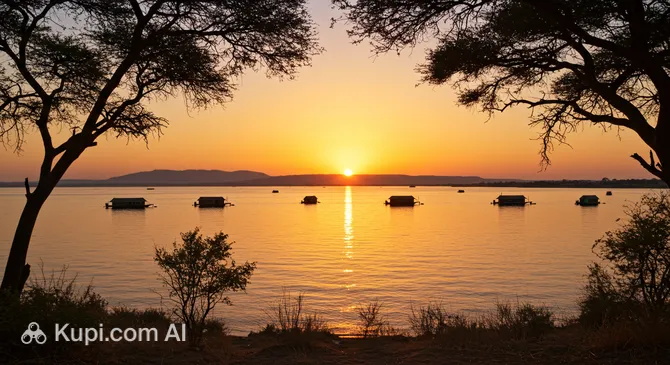
Kariba. Illustration.
Source: Kupi.com AI

Despite its small size and population of around 24,000, Kariba is an important resort hub for the Mashonaland West province. It boasts an atmosphere of intimacy and friendliness, where the line between urban life and the wild is almost blurred. While walking around the outskirts or relaxing by the water, guests can see herds of elephants swimming across the lake or watch hippos emerging in the shallows near the city piers.

The town has a rich past, inextricably linked to the development of the region, and the history of Kariba will fascinate those interested in engineering milestones and local culture. Today, it is an ideal destination for outdoor enthusiasts, offering popular activities like fishing, thrilling safaris, and relaxing sunset cruises.

Kariba beckons with its mild climate and the chance to escape the hustle and bustle of major cities. If you are looking for a place where the air is scented with the aromas of the savanna and every morning begins with a magnificent sunrise over the water, be sure to include this town in your travel itinerary.

Weather Overview

The climate in Kariba is characterized by high temperatures and clearly defined seasons, typical for this region of Zimbabwe. The hottest months are October and November, when the average temperature is around 29°C, and daytime maximums often reach 33–34°C. This is the period before the start of the main rainy season when the sun is particularly intense.

Expect hot summers with frequent rainfall and dry, moderately warm winters. From December to March, the highest number of wet days is observed (up to 23 days in January), although the air temperature remains comfortable, averaging 26–28°C. During this period, short showers can refresh the air, but the overall humidity increases.

For those who do not tolerate heat well, the ideal time to visit is during the winter months of June and July. During this time, there is virtually no rain, the sky remains clear, and the average temperature drops to a pleasant 20–21°C. Nights can be quite chilly, with minimums around 15–16°C, so it's worth bringing a light jacket. Before your trip, we recommend checking the current weather in Kariba to pack correctly.

Average monthly temperature

Average monthly precipitation

Interesting Facts

Beyond its main attractions, Kariba holds many fascinating secrets and legends that give the place a special character. Here are a few facts to help you see the town and its surroundings from a new perspective:

  • Birth of a Giant. The town owes its existence to one of the most ambitious engineering projects of the 20th century—the construction of a dam on the Zambezi River. This resulted in Lake Kariba, which to this day holds the title of the world's largest man-made reservoir by volume. Imagine: the shoreline on the Zimbabwean side stretches for almost a thousand kilometers!

  • Legend of Nyaminyami. Local folklore of the Tonga people says that a river god named Nyaminyami lives in the waters. It is believed that he lived under a rock near the current dam site and guarded the valley. According to legend, the construction of the wall angered the spirit by separating him from his wife, which caused many difficulties and natural disasters during the dam's erection.

  • Hunting the "Water Tiger." Kariba is a mecca for anglers from all over the world dreaming of catching the famous tigerfish. This predatory fish with sharp teeth is considered one of the most desirable trophies in Africa, and prestigious international sport fishing competitions are held here regularly.

  • Swimming Elephants. The lake is dotted with picturesque islands, and wildlife here is surprisingly close to humans. While traveling by boat, you might witness a unique sight: elephants, completely unafraid of the depth, swimming from island to island in search of lush greenery, behaving as if they are the rightful masters of the water.

How to Get There

Route planning is an essential part of a trip to this picturesque corner of Zimbabwe. Since the town is located far from the capital, tourists should research all the ways to reach the city in advance to choose the best option in terms of time and budget. Most often, travelers combine a flight with a trip by car or bus.

Kariba itself does not have a large international airport that handles long-haul flights, so most tourists fly into nearby major cities. One of the most convenient options is Kenneth Kaunda International Airport (LUN). It is located in Lusaka (Zambia), about 138 km from Kariba. A trip from there by taxi or transfer will take about 4 hours, though you should factor in time for border crossing.

An alternative route lies through the capital of Zimbabwe, where Harare International Airport (HRE) is located. This airport is about 285 km from Kariba. The overland journey from here is longer and can take about 7.5 hours by car, but this option allows for travel within one country without crossing international borders.

For convenience, here is a summary of information for the main airports:

AirportPassenger trafficDistance
Royal Airstrip15 000100 km
Jeki12 000127 km
Kenneth Kaunda International Airport1.5 mln138 km
Harare International Airport1.3 mln285 km

There is no direct rail link to the town of Kariba, so trains are not an option for the final leg of the journey. The main way to get here by land is by road. Intercity buses run regularly from Harare, and you can also rent a car for a self-drive trip. The road passes through picturesque landscapes, making the journey itself part of the adventure.

Main Attractions

The majestic Kariba Dam remains the main point of attraction for all visitors to the town. This colossal concrete arch structure, which dammed the Zambezi River, is stunning in its scale. Tourists can walk along the crest of the dam, which offers a dizzying view: on one side, the calm surface of the vast reservoir, and on the other, a deep gorge where water is discharged with a thunderous roar. This site allows you to feel the full power of engineering and take impressive photos on the border of two countries.

Lake Kariba itself is perhaps the most picturesque natural attraction in the region. It is not just a body of water, but a true inland sea, dotted with islands and fringed by wild shores. Travelers are offered cruises on houseboats (floating homes), which allow for the observation of elephants, hippos, and crocodiles in their natural habitat right from the deck. Local sunsets are particularly famous, when the sky and water are painted in incredible fiery shades, creating a romantic atmosphere.

To see the town and its surroundings from a bird's-eye view, it is worth heading up to the Kariba Heights area. This is the highest point of the town, situated on a hill. From here, a panorama opens up that encompasses the lake, the dam, and the distant hills of Zambia on the opposite shore. Here you will also find the unique circular St. Barbara's Church, built in memory of the workers who died during the construction of the dam. It is a quiet and atmospheric place where the architecture is harmoniously integrated into the landscape.

Also worth visiting is the Operation Noah Memorial, located near the lookout point. It is dedicated to an unprecedented rescue mission in the late 1950s, when rangers and volunteers saved more than 6,000 wild animals from flooding islands as the reservoir filled. The monument serves as a touching reminder of the price of progress and the efforts made to preserve African wildlife.

Local Cuisine

The gastronomic map of Kariba is inextricably linked to its geographical location. The lake provides the town with its greatest wealth—fresh fish—which becomes the center of the local table. Kariba Bream reigns supreme on the menus of restaurants and lodges. It is served in many variations, from simple fried fillets to grilled over charcoal with aromatic herbs. Gourmets should also pay attention to dishes made from Tigerfish. This fish is famous not only for its fighting character that attracts anglers but also for its succulent, flavor-packed meat.

To truly immerse yourself in the culture of Zimbabwe, be sure to try Sadza. This is a thick porridge made from white cornmeal, which is the staple of the local diet and serves as a substitute for bread. In Kariba, sadza is traditionally served with a hearty fish stew seasoned with spices and a side of braised green vegetables. This filling and authentic dish best conveys the spirit of home-cooked African cuisine from the Zambezi people.

While walking through town markets or stopping at small cafes, you can get acquainted with local street food. Cassava snacks, roasted peanuts, and fresh seasonal vegetables are often offered here. On a hot day, the best way to refresh yourself is with natural drinks. Juices made from Baobab fruit and passion fruit are particularly popular—they have a pleasant tartness and are very toning. Local residents also take pride in their aromatic honey and spicy homemade sauces, which give dishes a special character.

The dining culture in the town ranges from relaxed dinners on hotel terraces with sunset views over the lake to the lively atmosphere of street fairs. Kariba regularly hosts gastronomic festivals where tourists can not only taste delicacies but also attend masterclasses to learn the secrets of preparing fish and traditional dishes firsthand.

Travel Tips

A trip to Kariba promises to be an unforgettable adventure full of wildlife encounters and breathtaking scenery. To ensure your journey is as comfortable as possible and free of surprises, we have prepared a list of important practical recommendations considering the specifics of this unique corner of Zimbabwe.

  1. Clothing and Gear. Given the hot climate, opt for light clothing made of natural fabrics (cotton, linen) in light colors. Be sure to bring a hat and sunglasses. For evening walks, bring a long-sleeved shirt and trousers—this is the best protection against mosquitoes. Important: Bring a British-style power adapter (Type G), as these are the standard in the country.

  2. Transport. Public transport in Kariba consists mainly of overcrowded minibuses, which are rarely suitable for tourists. The optimal choice is renting a car (preferably a 4WD) or using taxis and hotel transfers. Apps like Uber may not be available here, so arrange your trips through your lodge's reception.

  3. Finance. De facto, the primary currency for tourists is the US Dollar. It is extremely important to have cash in small denominations (1, 5, 10, 20 dollars), as sellers often do not have change for large bills. International cards (Visa, Mastercard) are accepted in large hotels and supermarkets, but terminals may experience outages, and ATMs may be empty. A 10% tip is appreciated.

  4. Health and Safety. Kariba is in a malaria risk zone, so consult a doctor in advance about prophylaxis and use repellents. The main safety feature in town is wild animals. Elephants, zebras, and baboons roam the streets freely. Never approach them closely and avoid walking on foot after dark.

  5. Communication. English is the official language and is widely spoken; you will have no problems communicating. For mobile internet, it is best to buy a local SIM card (e.g., Econet) at an official kiosk, as hotel Wi-Fi can be slow. It's helpful to learn a few Shona words, such as "Mhoro" (Hello), to please the locals.

  6. Local Etiquette. Zimbabweans are very polite and friendly people. It is customary to start a conversation with a greeting and the question "How are you?" before getting to the point. When photographing locals, always ask for permission first.

  7. What to Avoid. It is strictly forbidden to swim in Lake Kariba outside of fenced hotel pools. The water is home to a huge number of crocodiles and hippos, and there is also a risk of contracting bilharzia. Also, strictly avoid photographing government buildings, police, military, and the dam at strategic points—this can lead to serious legal problems.

  8. Beware of Monkeys! This is a specific tip for Kariba: always close the windows and doors in your room, even if you are leaving for just a minute. Local baboons and monkeys are skilled thieves who can enter a room in search of food and create real chaos there.

By following these simple rules, you will be able to fully relax and enjoy the magic of an African sunset over the lake. Kariba is a hospitable town that generously rewards those who treat its nature and traditions with respect.

Entertainment & Nightlife

Nightlife in Kariba differs significantly from the usual rhythm of big cities. Here, you won't find neon districts with an endless string of discos open until dawn. Evening leisure in this town is a harmonious continuation of the day, filled with the relaxed atmosphere of a "savanna resort," live music, and conversation under the starry African sky. Most activity is concentrated within the grounds of large hotels and lodges located along the lakeshore.

An evening in Kariba traditionally begins not at a bar, but on the water. The most popular sunset activity is a "Sundowner" cruise. These are floating bars that cruise the lake during the hours when the sun paints the horizon in incredible colors. The atmosphere is casual: tourists enjoy cocktails and light snacks while watching hippos and crocodiles. It is the perfect way to set the mood for the evening before dinner on land.

The main hubs at night are the hotel restaurants and bars, which are open to both residents and walk-in guests. The atmosphere is democratic, and the dress code is relaxed (smart casual), though it's best not to wear beach shorts to the casinos and fine-dining restaurants. The crowd is a colorful mix of foreign tourists, locals, and sports fishermen discussing the day's catch.

Among the specific venues worth noting is the Caribbea Bay Resort. This place is known for its casino and several bars where you can spend time late into the night. Music is often played here, and the atmosphere resembles a Mediterranean resort with an African flair. If you are looking for a more authentic and "wild" experience, head to Warthogs Bush Camp. This iconic spot features a great bar, hearty food, and a laid-back pub atmosphere where locals often gather. Prices are quite reasonable: a beer costs about 2–3 dollars, and cocktails start from 5 dollars.

The most important aspect of Kariba's nightlife is safety, and this refers not to crime, but to wildlife. The town has no fences, and after dark, elephants, hippos, and other animals roam the streets. It is categorically forbidden to walk on foot at night, even if you only need to go 200 meters to the next bar. Always use a taxi or arrange a transfer through your hotel or restaurant reception. This rule is strictly followed here for your own safety.

If you have extra time during the day, besides evening entertainment, Kariba offers an interesting cultural program. You can visit a crocodile farm to see the reptiles up close or head to the lookout point to appreciate the scale of the city's engineering structures in daylight. History buffs will enjoy visiting the small museums at the dam that tell the story of this grandiose project's construction.

Parks & Museums

In the town of Kariba, the concept of parks and museums takes on a completely different meaning. Here, you won't find the usual city squares with paved paths or huge museum complexes behind glass display cases. In this corner of Zimbabwe, the main open-air museum is the history of the dam's grandiose construction, and the parks are the vast protected areas where nature has preserved its original, wild appearance.

Lake Kariba Recreational Park is not just a green zone, but a vast territory encompassing the shores and waters of the reservoir itself. Unlike enclosed national parks, sport fishing and water sports are permitted here. Tourists are attracted by the opportunity to combine a beach holiday with wildlife viewing: elephants and buffalo often come right to the shore, and crocodiles bask in the shallows. It is an ideal place for those who want to feel the breath of Africa without going far from civilization.

For a deeper immersion into wildlife, Matusadona National Park is worth considering. Although it is on the opposite shore of the lake, Kariba serves as the main gateway for visiting this reserve. You can get there by boat, and the journey itself is an adventure. The park is famous for its high concentration of lions and elephants, and its landscapes range from plains to picturesque mountains, creating stunning backdrops for photo safaris.

The cultural and historical component of the town is inextricably linked to the engineering feat of the mid-20th century. The Dam Wall Information Centre and Lookout Point can be called a museum of sorts. Here, visitors can learn details about the construction of the wall that holds back the power of the Zambezi River and see archival photographs from those years. The exhibition tells not only of technical achievements but also of the human lives connected to this project, helping visitors grasp the scale of the changes that occurred here.

Another iconic site preserving the memory of the past is St. Barbara's Church in the Kariba Heights area. This architectural structure, erected by Italian builders, is dedicated to the memory of their colleagues who died during the construction of the dam. The church is interesting for its unusual circular shape and open-plan layout, symbolizing unity with nature. This quiet, light-filled place serves as an important cultural monument telling the story of the international contribution to the town's history.

If you want to touch the local flavor, we recommend visiting the Curio Markets near the lookout point. While not a museum in the classic sense, this is where the culture of the Tonga people lives. You will see the famous "Nyaminyami" carved walking sticks, symbolizing the river god, and exquisite woven goods. Local craftsmen are happy to tell the legends behind each pattern, turning the purchase of a souvenir into a real ethnographic excursion.

Getting Around

The public transport system in Kariba differs significantly from what residents of major metropolises are used to. Due to the town's small size and its specific location on hills, there are no subways, trams, or trolleybuses. The primary means of transportation for the local population are minibuses, which are called "combis" here. These are ubiquitous shuttles operating between the main areas: from the residential quarters of Mahombekombe and Nyamhunga to the business center and the Kariba Heights district.

Payment for public transport is made exclusively in cash. There are no validators, transport cards, or mobile payment apps in local minibuses. The cost of a ride is low and usually amounts to less than one US dollar for a short distance. Tourists are strongly advised to carry small bills (1 dollar) or coins, as drivers often do not have change for large banknotes. You should pay the conductor or driver upon entry.

For travelers, using a "combi" can be a unique cultural experience, but it is unlikely to be a comfortable way to get around. Minibuses do not have a fixed schedule: they depart as the cabin fills up, which can take time. Additionally, they are often overcrowded and not equipped with air conditioning, which can be exhausting in a hot climate. Stops are often informal, so if you decide to use this type of transport, it's best to check with locals exactly where to catch a vehicle heading in your direction.

The most convenient and safest alternative for tourists is a taxi. Ride-hailing apps (like Uber) are virtually non-existent or unreliable in the town, so it's better to book a car through your hotel reception or take one from official ranks near shopping centers and the airport. Taxis generally do not have meters: the price for the trip must be agreed upon with the driver in advance, before getting into the car. Bargaining is acceptable but within reasonable limits.

Given the spread of attractions and the challenging terrain, many guests prefer renting a car or booking transfers. This provides freedom of movement and ensures comfort. However, remember that they drive on the left, and you need to be extremely careful on the roads, especially at dusk.

A unique feature of Kariba's transport system is water transport. Since the town's life is inextricably linked to the lake, boats, launches, and ferries function as a full-fledged means of transportation. They take tourists to island lodges, to national parks on the other shore, or are used for sightseeing tours. Tickets for ferries and cruises should be booked in advance at tourist offices or at the piers.

An important tip regarding walking as an alternative to transport: in Kariba, this can be dangerous. Due to the lack of fences, wild animals, including elephants and buffalo, move freely through the town streets. Therefore, traveling on foot for long distances, especially after dark, is categorically discouraged—it is always better to use a car or taxi, even for short trips.
Accommodation

The choice of accommodation in Kariba can surprise even seasoned travelers, as the concept of a "hotel" often takes on a new meaning here. The town offers a wide range of accommodation options: from classic hotels and luxurious safari-style lodges to budget-friendly campsites and unique houseboats. The main feature of local accommodation is its focus on nature: practically every window offers a view of either the endless expanse of the lake or the wild bush where animals roam.

When choosing a place to stay, it is worth looking at two main areas, each with its own character. Kariba Heights is a prestigious area at the top of the hill. The air is cooler here, and the panoramic views of the lake and dam are considered the best in town. It is an excellent choice for those seeking peace and comfort away from the water. The second popular zone is the lakeshore. Hotels and lodges here are located right at the water's edge, which is convenient for fishing enthusiasts and boat trips. However, one should be more careful here: proximity to the water also means proximity to wild fauna, including hippos that may come ashore at night.

A special mention goes to the most colorful type of accommodation in Kariba—houseboats. This is not just a place to sleep, but a full cruise with accommodation. Houseboats range from small vessels for a single family to huge floating hotels with a pool on deck and a team of chefs. Renting a houseboat allows you to change locations every day, spend the night in quiet bays, and watch animals from the water. This is the most popular choice for groups of friends and large families.

The price range in Kariba is quite broad. Budget travelers can stay in equipped campsites or hostels, where the cost of a spot starts from 15–20 dollars per night. Mid-range hotels and guesthouses offer rooms between 80–150 dollars. Staying in exclusive safari lodges or renting a comfortable houseboat falls into the luxury category and can cost from 250 dollars and up per day (for houseboats, the price is often split among the whole group, which can be advantageous).

Booking Tip: When planning your trip, consider the seasonality. Peak demand occurs during school holidays and the time of major fishing tournaments (for example, in October). During these periods, the best lodges and houseboats are booked several months in advance. You can use popular online platforms to find accommodation, but for renting houseboats and specific lodges, it is often more reliable and cheaper to contact the owners directly or through local tour operators specializing in Zimbabwe vacations.

Nearby Cities

For those who want to explore the surroundings and are ready to travel across the country, Kariba serves as an excellent starting point for trips deeper into Zimbabwe. Although the town's immediate surroundings are primarily wilderness and water expanses, a few hours' drive on the highway will lead to interesting settlements, each with its own character:

Harare is the capital and cultural heart of the country. Although the journey takes time, a visit here is worth the effort for the National Gallery, walks through the magnificent botanical gardens, and experiencing the rhythm of a modern African metropolis. It is a contrasting experience compared to the quiet of the lakeside resort.

Kadoma is a town steeped in the history of gold mining. Located in the center of a mineral-rich region, it is interesting for its colonial architecture and the atmosphere of an old mining settlement. Here, you can learn more about the industrial past and present of the region and see provincial Zimbabwean life.

Norton is a small but important satellite town of the capital. It may be of interest to tourists due to its proximity to Lake Chivero and the recreational park of the same name, where you can see rhinos and enjoy a picnic in nature, swapping Lake Kariba's scenery for another body of water.

Below is information about the nearest major cities that can be reached from Kariba by land:

CityPopulationDistance
Chirundu84 75054 km
Bumi Hills63 km
Karoi34 20096 km
Kafue219 000109 km
Jeki126 km

These destinations provide a more complete picture of life in Zimbabwe beyond tourist zones, introducing travelers to urban culture and the diverse landscapes of the Mashonaland West region and its neighbors.

Shopping & Souvenirs

Shopping in the town of Kariba can hardly be called the goal of a trip, but it is an important part of preparing for an outdoor holiday. Since the town serves as a starting point for safaris and houseboat cruises, local trade is oriented toward two main categories: replenishing provisions for travelers and selling unique handmade products. There are no fashion boutiques or huge outlets here, but you can find authentic African souvenirs and everything needed for a comfortable picnic.

The town's commercial life is not concentrated on a single pedestrian street but is scattered across several districts. One of the key places is the Kariba Heights area. People come here not only for the panoramic views but also to visit the local artisan stalls located along the roads. Another important point is the zone near the dam's lookout point: there are always many vendors offering their goods to tourists directly under the open sky.

There are no large shopping and entertainment complexes in the usual sense in Kariba. The main places for shopping are small shopping centers, such as the Nyamhunga Shopping Centre. Here you will find chain supermarkets (such as Spar or TM Pick n Pay), where tourists stock up on food, drinks, charcoal for barbecue, and hygiene products before heading out onto the lake. The range of products is quite decent and familiar to Europeans.

The most colorful shopping experience awaits guests at the markets. The main point of attraction is the Dam Wall Curio Market. This is a place where you can talk to craftsmen and find true treasures of folk art. Also, in residential areas like Mahombekombe, there are small food markets where locals sell fresh vegetables, fruit, and dried kapenta—a local delicacy that is worth trying.

As a souvenir from Kariba, you should definitely bring back "Nyaminyami"—a carved wooden or stone figurine of the river god who, according to legend, guards the waters of the Zambezi. It is the main symbol of the region. Soapstone carvings, Tonga woven baskets, bright African textiles, and t-shirts with town symbols are also popular. Fishermen often buy local tackle or dried fish as a gastronomic souvenir.

Shops in town usually operate from 08:00 to 17:00 or 18:00; large supermarkets may stay open a bit longer and work on weekends. The primary means of payment is the cash US Dollar. It is extremely important to have small bills (1, 5, 10 dollars) with you, as souvenir vendors almost never have change. Bank cards are accepted in supermarkets and hotels, but due to connectivity issues, terminals may not work, so cash is the most reliable option.

A Tax-Free system (VAT refund) exists in Zimbabwe for foreign tourists, but it is unlikely you will be able to get receipts in the small shops of Kariba. This option is available mainly when purchasing expensive goods in certified stores in large cities. If you manage to get the necessary documents, a tax refund can be requested upon departure from the country's international airports.

Have you reached the end of the page?

So the route has been studied inside and out