Santa Maria is a charming town located in the heart of the picturesque Yokavil Valley in northwestern Argentina. This place is rightfully called the "Archaeological Capital" of the Catamarca province, as it serves as a living testament to the region's rich pre-Columbian past. With a population of about 17,000 people, the town maintains a cozy and welcoming atmosphere where ancestral traditions are closely intertwined with daily life.
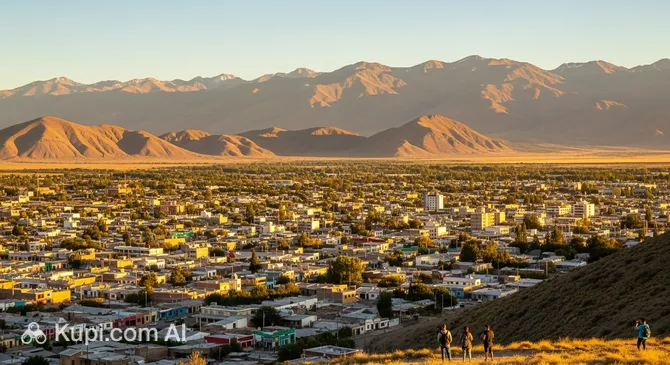
Santa Maria. Illustration.
Source: Kupi.com AI
The town's rich historical heritage is inextricably linked with the culture of the Diaguita people. Travelers are attracted not only by the ruins of ancient settlements in the vicinity but also by the skill of local artisans, whose woven products and ceramics are known far beyond the country's borders. Surrounded by the majestic peaks of the Andes, the town offers unique opportunities for ecotourism and cultural discoveries.
Visiting Santa Maria is an opportunity to slow down and experience the authentic rhythm of life in the Argentine hinterland. Thanks to the mild climate and plenty of sunny days, this corner of Catamarca is beautiful at any time of year, inviting every guest to touch the secrets of ancient civilizations and enjoy the pristine nature of the valleys.
Weather Overview
The typical weather in Santa Maria is determined by its high-altitude location in a semi-desert zone. Summers here are moderately warm and represent the main rainy season: in January, the average temperature is about 15°C, with daily maximums reaching 21°C. Expect warm days with occasional showers and cool nights that bring relief after the sunny heat.
The winter months are characterized by dry and clear weather with significant temperature fluctuations. In July, the average air temperature stays around 8°C, while during the day the sun warms the air well, and at night frosts are possible. Precipitation from May to August is practically absent, which makes winter an ideal time for archaeological excursions and long walks in the surrounding area.
Average monthly temperature
Average monthly precipitation
Interesting Facts
Santa Maria is officially recognized as the "Capital of Archaeology" of Catamarca due to the high concentration of ancient ruins and Yokavil culture finds.
The town is famous for its traditional ponchos, which are hand-woven from llama wool using ancient techniques passed down through families for centuries.
The name of the Yokavil Valley, where the town lies, translates from the indigenous language as "place on the mountainside."
Every year in January, the town hosts the massive "Yokavil" folklore festival, which is considered one of the most significant musical events in the northwest of the country.
Here you can find unique ceramic "Santa Maria urns," decorated with complex geometric paintings symbolizing the cosmology of the ancient Indians.
How to Get There
The town's transport accessibility is due to its connection with key highways in the northwest of the country. To plan your route most effectively, it is worth exploring all the ways to get to Santa Maria, including options with transfers in major provincial centers. The main flow of tourists arrives here via scenic motor roads from Salta or Tucuman.
The nearest major air hubs are in neighboring provinces, as the town does not have its own active airport. Nevertheless, regular bus service allows you to comfortably reach the center of Santa Maria from the stations of large cities. Traveling by bus is a great opportunity to see the change of natural zones, from subtropical selva to high-altitude deserts.
Railway service in this mountainous region is currently poorly developed, so intercity buses and taxis remain the main form of ground transport. The town's bus station receives flights from all directions of the Calchaquí Valleys, providing a reliable connection with the rest of the country.
Station
Passenger traffic
Distance
Tucumán Mitre train station
5
84 km
Miraflores
1
211 km
La Banda train station
4
212 km
Salta railway station
3
223 km
1
293 km
Main Attractions
The main attractions of the town are concentrated around its historical center and rich archaeological heritage. One of the cultural landmarks is Plaza Resto Bar, located in the very heart of the town. This place is ideal for relaxing after excursions and enjoying the view of the central square while observing the leisurely life of the locals.
For those who want to immerse themselves in the atmosphere of authentic Argentine hospitality, Bar Gallo is a must-visit. This establishment is popular with both tourists and townspeople thanks to its relaxed atmosphere and the opportunity to feel the real spirit of Catamarca. In the surrounding area, it is also worth visiting archaeological sites such as the ruins of El Quemado, where the remains of ancient residential buildings are preserved.
History and traditional culture enthusiasts will enjoy a visit to Yokabir, where you can learn more about local production and the traditions of the region. Don't forget to also visit the Eric Boman Archaeological Museum to see the unique collection of pre-Columbian ceramics that made Santa Maria famous worldwide.
Local Cuisine
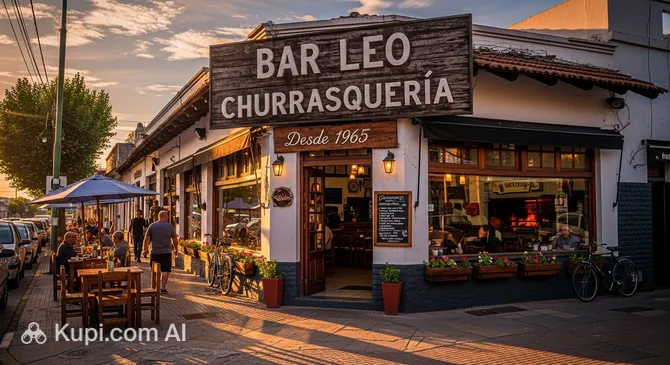
The gastronomic scene of Santa Maria is a vibrant blend of Andean traditions and Argentine classics. The basis of the local cuisine consists of corn and meat dishes. To try a traditional Argentine roast prepared according to all the rules, head to Bar Leo Churrasqueria. They serve juicy steaks and mixed grilled meats that are considered the gold standard in this region.
Bar Leo Grillhouse. Illustration.
Source: Kupi.com AI
Traveller photos:
Be sure to try the local empanadas, which in Catamarca feature a special filling with the addition of potatoes. Located right in the town center is Plaza Resto Bar, where the menu features both classic dishes and regional specialties, such as locro soup or tamales. It is an excellent place to get acquainted with the taste variety of the Calchaquí Valleys in a cozy setting.
Among drinks, a special place is occupied by wines from the neighboring Cafayate region, especially the white Torrontes variety, which perfectly complements the spicy dishes of the northwest. Also popular in Santa Maria are homemade goat milk desserts and sweets made from carob fruit (algarroba), which can be purchased at local markets.
Travel Tips
A trip to high-altitude areas requires some preparation. These practical tips will help you feel confident during your visit to this distinctive corner of Argentina.
Clothing and gear: Dress in layers. Due to the altitude, it can be very hot during the day, but the temperature drops sharply right after sunset. Be sure to bring sunglasses and a wide-brimmed hat.
Transport: Inside the town, it is convenient to walk, but for trips to the ruins, it is better to hire a "remis" (a local taxi with a fixed price) or rent a car.
Finance: Cash is a priority. Large restaurants accept cards, but in markets and small shops, you will only need cash pesos.
Health and safety: Drink plenty of water and avoid physical exertion on the first day so your body can adapt to the altitude. The sun here is very active; use a high SPF cream.
Communication: English is not widely spoken. Basic knowledge of Spanish or an offline translator will significantly facilitate communication with local artisans.
Local etiquette: Observe the siesta schedule—from 1:00 PM to 5:00 PM the town goes quiet, and most establishments close for a break.
What to avoid: Do not plan trips on mountain roads at night. The lack of lighting and the possibility of encountering wild animals makes such trips unsafe.
Additional tip: Buy souvenirs on Saturday morning at the central market, when artisans bring fresh items directly from their workshops.
By following these simple rules, you will be able to fully immerse yourself in the culture of the region and get the most out of your trip!
Entertainment & Nightlife
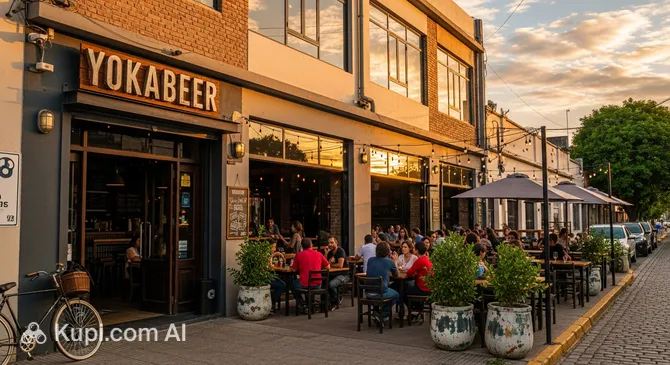
The nightlife in Santa Maria does not have the boisterous scale of megacities but offers guests a warm and soulful atmosphere. The main activity is concentrated in the bars and restaurants around the main square, where both locals and travelers gather in the evenings. A popular spot to start the evening is Yokabir, where you can enjoy craft beer and discuss plans for the next day.
Yokabeer. Illustration.
Source: Kupi.com AI
Traveller photos:
If you are looking for a place with more lively energy, it is worth checking out Bar Gallo. Here you can often meet local youth, and the music creates a great mood for relaxing after a busy day of excursions. On holidays and during festivals, dance floors are organized in the streets, where traditional chacarera and folklore are performed.
For daytime leisure, the town offers visits to craft workshops where you can not only see the process of creating famous Argentine fabrics but also try your hand at weaving. Safety in the town is high, so evening walks along the lit central streets are completely comfortable for tourists.
Parks & Museums
The main place for relaxation in the town is the central square, Plaza Belgrano. It is a true green oasis with shady alleys and well-kept flower beds, where it is pleasant to spend time during the hot siesta hours. Key historical buildings are located around the square, creating a unique architectural ensemble in the colonial style.
For those interested in the region's past, the Eric Boman Archaeological Museum should be a mandatory stop on the program. Its halls present an impressive collection of items from the Yokavil and Santa Maria cultures, including famous painted ceramics, tools, and jewelry made of copper and gold. This place allows you to look back through the centuries and understand how the indigenous peoples of these valleys lived thousands of years ago.
The natural beauty around Santa Maria itself resembles an open-air museum. Walks along the riverbank or climbing nearby hills will open up breathtaking views of the Calchaquí Valleys. The combination of rugged mountains and bright greenery in the river floodplains creates ideal conditions for landscape photography and leisurely walks in nature.
Getting Around
Public transport in Santa Maria is mainly represented by buses that connect the town with surrounding villages and archaeological zones. Routes follow the main streets, but schedules can be flexible, so tourists are advised to check departure times directly at stops or at the tourist office. Fares are usually paid in cash to the driver.
For faster movement around town and trips to remote attractions, tourists often use the services of "remises"—these are local taxis that can be called by phone or found at special stands. The cost of a trip in them is fixed and quite affordable, making this type of transport the most popular among guests of the town.
Cycling is another great alternative for active travelers, although specialized rental points may be few. Walking around the very center of town remains the most convenient way, as all the main shops, cafes, and cultural sites are within walking distance of each other.
Accommodation
Despite its compact size, Santa Maria offers a decent choice of accommodation for every taste. Most tourists prefer to stay in small hotels and traditional "posadas" located near the central square. Staying here is convenient due to the proximity to restaurants, such as Plaza Resto Bar, and the main transport hubs.
For those seeking privacy and quiet, accommodation options are available in country estates and eco-hotels located in the valley. Such places offer stunning views of the Andes and allow you to fully immerse yourself in an atmosphere of tranquility. The price range varies from budget hostels to cozy mid-range hotels with swimming pools and breakfasts made from local products.
During the peak tourist season, especially in January during the folklore festivals, it is recommended to book accommodation in advance. Most hotels are available through popular international booking services, but sometimes you can find great deals by contacting the owners of apartments or posadas directly through their social networks.
Nearby Cities
Santa Maria serves as an ideal starting point for exploring the northern region of Argentina, offering travelers easy access to neighboring cultural centers. In just one or two hours, you can change the harsh landscapes of Catamarca for the green slopes of neighboring provinces.
One of the brightest destinations for a trip is Cafayate, famous for its vineyards and white wine. The path there lies through breathtaking canyons with multi-colored rocks. It is also worth visiting Villa Nougues, a charming place in Tucuman that resembles a European village in the mountains. For those interested in colonial history, San Isidro de Lules with its ancient religious monuments will be of interest.
City
Population
Distance
Villa Nougues
10,785
68 km
Cafayate
11,785
70 km
San Isidro de Lules
21,088
75 km
Yerba Buena
50,057
75 km
Monteros
23,274
75 km
The proximity of these cities allows for planning rich day trips, returning in the evening to the cozy atmosphere of Santa Maria. Exploring the surroundings will give you many impressions from the variety of landscapes and the richness of traditions in the country's northwest.
Shopping & Souvenirs
Shopping in Santa Maria is a unique opportunity to purchase authentic handmade products created using ancient technologies. The town's main pride is its textiles made from llama and vicuña wool. The highest quality ponchos, scarves, and blankets can be found in small craft shops in the center or directly in the weavers' workshops.
Another popular item is local ceramics. Artisans often copy the shapes and ornaments of ancient vessels found during excavations in the Yokavil Valley. After successful purchases, you can stop by Plaza Resto Bar to discuss your acquisitions over a cup of coffee. There are no large shopping centers in the town, which makes the shopping process more personal and authentic.
For fans of gastronomic souvenirs, the local market is a must-visit. Here you should buy aromatic paprika, dried peppers, goat cheese, and traditional nut sweets. Please note that most shops observe the siesta and close in the middle of the day, and most often only cash Argentine pesos are accepted for payment.
We use cookies and services to collect user information. This is essential for the functioning of the site and for marketing purposes. You can find out more in .