Another Estonia: what to see besides Tallinn. Part 2
In the first part of our article, we explored old rural Estonia at an open-air ethnographic museum, visited two stunning medieval castles – Rakvere and Toolse, and admired the nature of Lahemaa National Park. In the concluding part, we head to Haapsalu and Tartu – ancient cities, each with a beautiful legend of love.
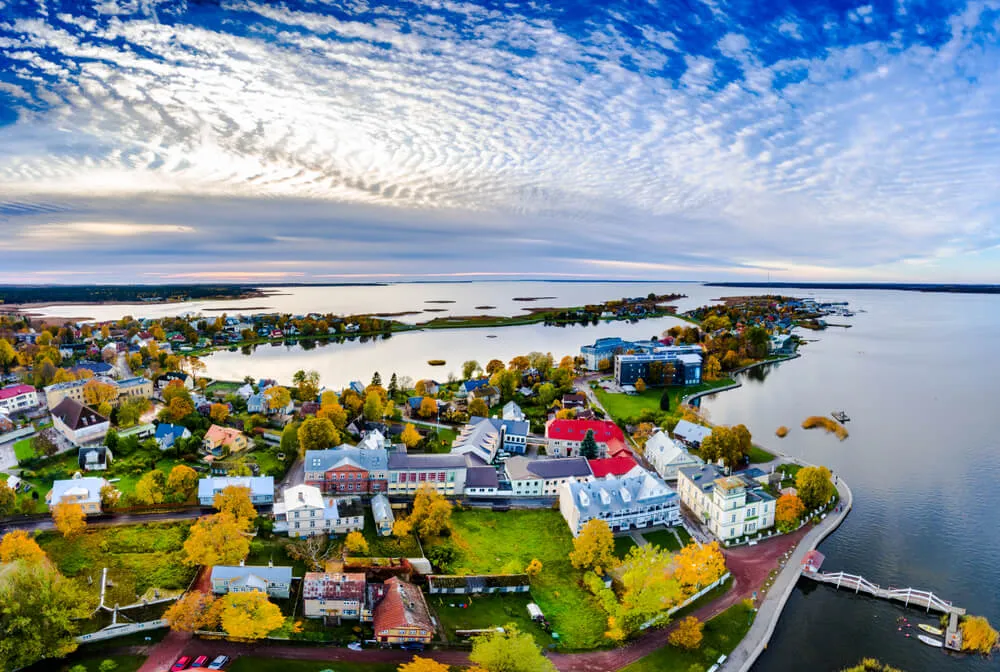 The city is washed by the Baltic Sea on three sides and is considered the country's main health resort. The therapeutic muds found here in the 19th century attracted many people to the city, including very famous personalities: P.I. Tchaikovsky and members of Nicholas II's family rested and recuperated here. Since then, Haapsalu has only strengthened its position: sanatoriums and SPA centers are renowned for their service and quality, and the medical procedures available here compete in effectiveness with many European ones.
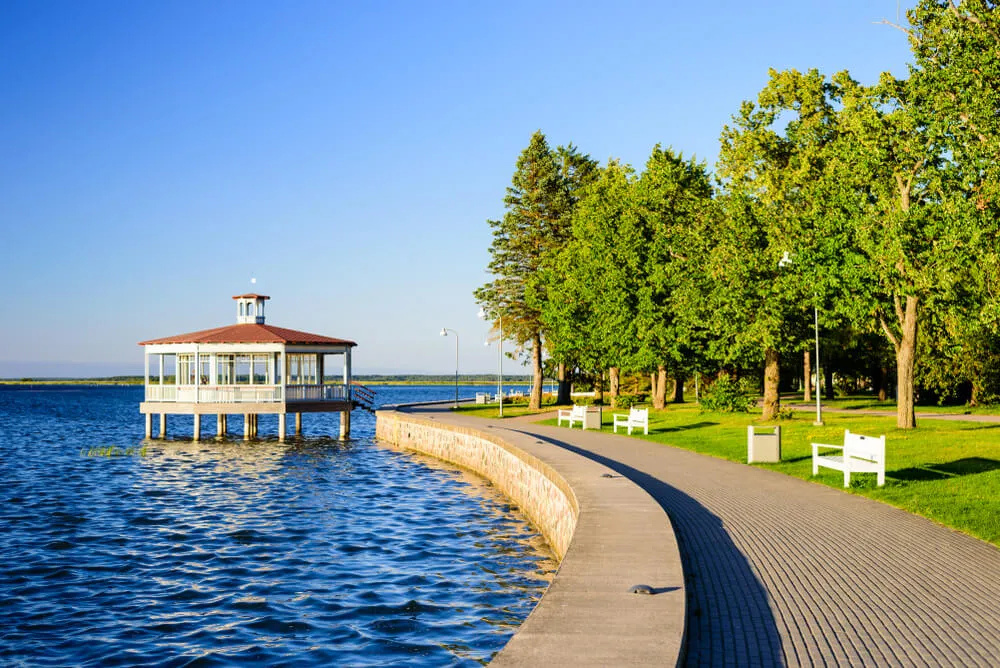
Between baths and sunbathing sessions, it's pleasant to stroll along the promenade. It stretches along the bay, starting from African Beach and ending with Chocolate Promenade. Special bird-watching towers are installed along the path.
The city is washed by the Baltic Sea on three sides and is considered the country's main health resort. The therapeutic muds found here in the 19th century attracted many people to the city, including very famous personalities: P.I. Tchaikovsky and members of Nicholas II's family rested and recuperated here. Since then, Haapsalu has only strengthened its position: sanatoriums and SPA centers are renowned for their service and quality, and the medical procedures available here compete in effectiveness with many European ones.
Between baths and sunbathing sessions, it's pleasant to stroll along the promenade. It stretches along the bay, starting from African Beach and ending with Chocolate Promenade. Special bird-watching towers are installed along the path.
 Haapsalu Castle
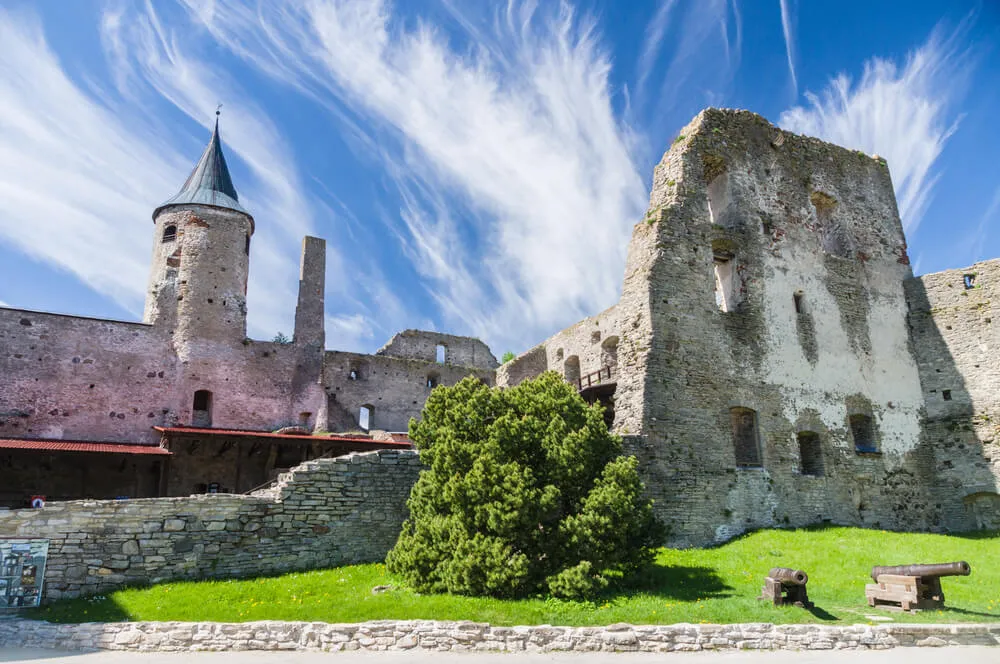
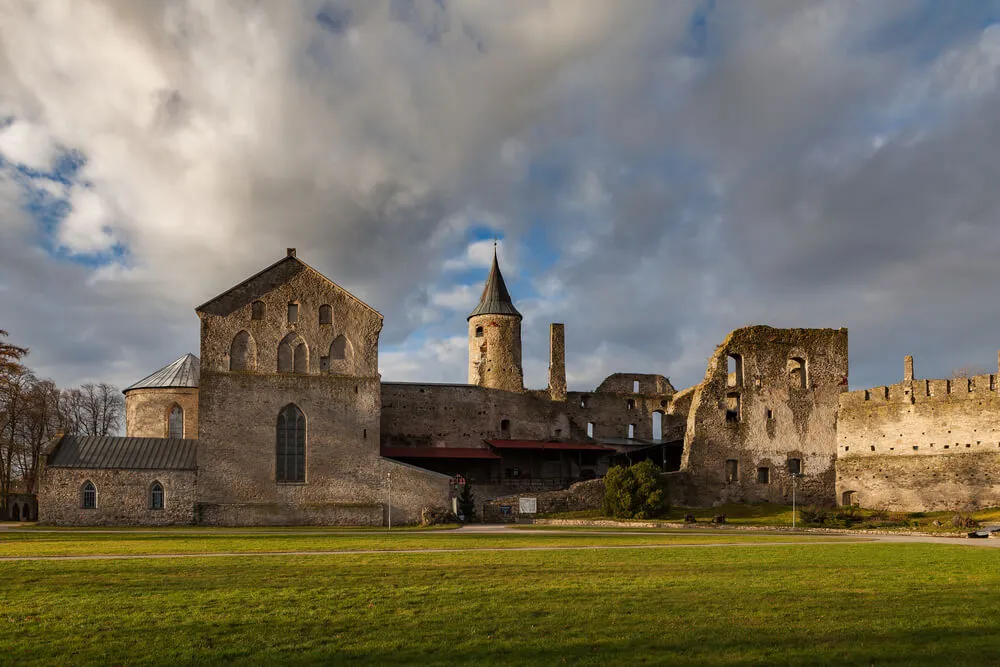
Those more interested in exploring the Middle Ages than relaxing on beaches and in jacuzzis will certainly head to the 13th-century Bishop's Castle. According to legend, on August full moon nights, the ghost of the White Lady appears in its windows (or, according to another version, on the wall). Locals pass down the story of a young woman who was walled up alive in the construction as punishment for sneaking into the castle to meet her beloved. It was a daring act: the canons of the bishop's castle were supposed to lead a chaste and virtuous life in accordance with monastic rules, and women were forbidden entry under penalty of death. The fearless lover had to be punished. Her passing was long and agonizing, and her soul has not found peace to this day. The young man, as punishment for the affair, was fed to tigers.
Haapsalu Castle
Those more interested in exploring the Middle Ages than relaxing on beaches and in jacuzzis will certainly head to the 13th-century Bishop's Castle. According to legend, on August full moon nights, the ghost of the White Lady appears in its windows (or, according to another version, on the wall). Locals pass down the story of a young woman who was walled up alive in the construction as punishment for sneaking into the castle to meet her beloved. It was a daring act: the canons of the bishop's castle were supposed to lead a chaste and virtuous life in accordance with monastic rules, and women were forbidden entry under penalty of death. The fearless lover had to be punished. Her passing was long and agonizing, and her soul has not found peace to this day. The young man, as punishment for the affair, was fed to tigers.
 In the morning, after a night of ghost-watching, you can go on a tour of the castle or have some fun: play ancient chess, work in a pottery workshop, and, as is customary in such places, shoot a bow. If your visit to Haapsalu coincides with a city event, an evening tour might transition into attending a modern or classical music concert. Spectators comfortably settle on benches or sit on the green lawn.
 Railway Museum in the former station building
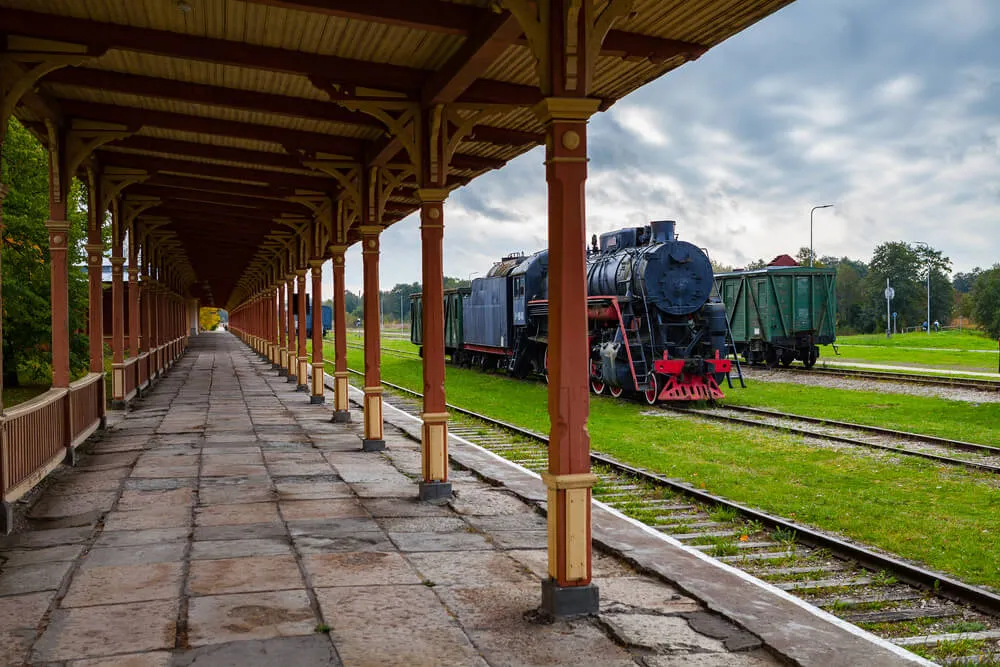
The platform at the museum is considered the longest in Europe: 216 meters, which perfectly matches the length of Nicholas II's train, which often came to Haapsalu. The exhibition is divided into two parts: an indoor section, which occupies several rooms of the station, and an outdoor section, where old locomotives stand in the open air. The latter can be viewed for free.
Railway Museum in the former station building
The platform at the museum is considered the longest in Europe: 216 meters, which perfectly matches the length of Nicholas II's train, which often came to Haapsalu. The exhibition is divided into two parts: an indoor section, which occupies several rooms of the station, and an outdoor section, where old locomotives stand in the open air. The latter can be viewed for free.
 The station has been out of service since 1995, so get to the resort by bus or car.
How to get there
The journey from Tallinn to Haapsalu takes just over 1.5 hours. A bus ticket Tallinn — Haapsalu — Tallinn will cost from 4€.
How much does it cost
Haapsalu Castle — free. The castle grounds are open in summer from 07:00 to 22:00, in spring and autumn until 16:00, and in winter by prior arrangement.
Railway Museum: adults — 4€, children — 3€
The station has been out of service since 1995, so get to the resort by bus or car.
How to get there
The journey from Tallinn to Haapsalu takes just over 1.5 hours. A bus ticket Tallinn — Haapsalu — Tallinn will cost from 4€.
How much does it cost
Haapsalu Castle — free. The castle grounds are open in summer from 07:00 to 22:00, in spring and autumn until 16:00, and in winter by prior arrangement.
Railway Museum: adults — 4€, children — 3€
 Especially when students are at their desks.
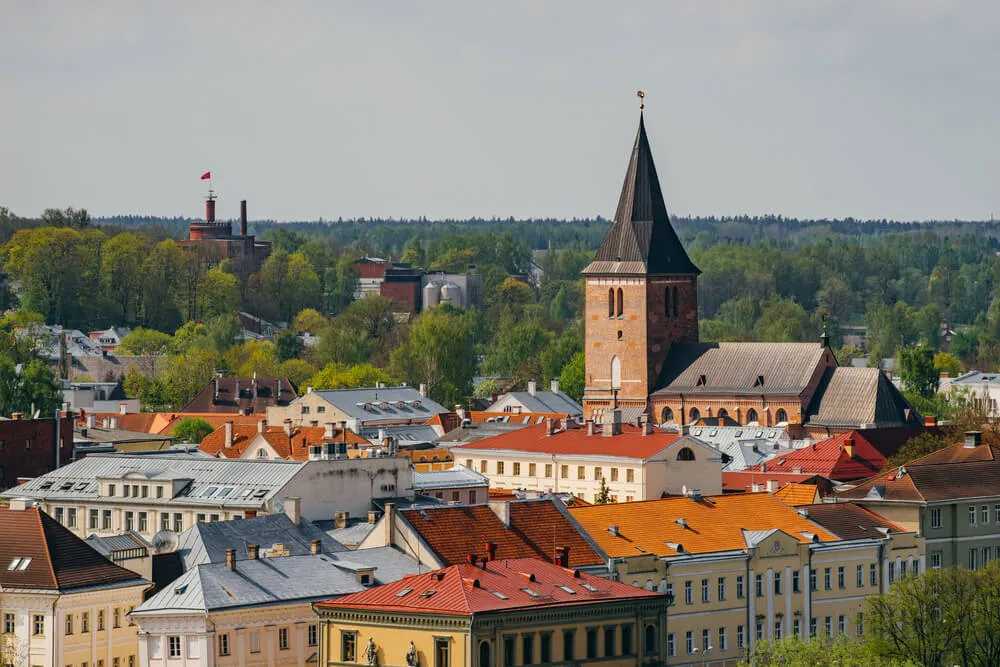
Tartu is Estonia's most student-centric city. And it is steeped in science. All the main attractions are about this: one of Europe's largest universities, a botanical garden, an observatory, a monument to kissing students in Town Hall Square, the science museum Ahha.
This city is also considered the cultural capital of Estonia. Not without reason – there are no fewer museums and ancient architectural objects here than in Tallinn. Let's figure out what among all the diversity deserves our attention.
Dome Cathedral
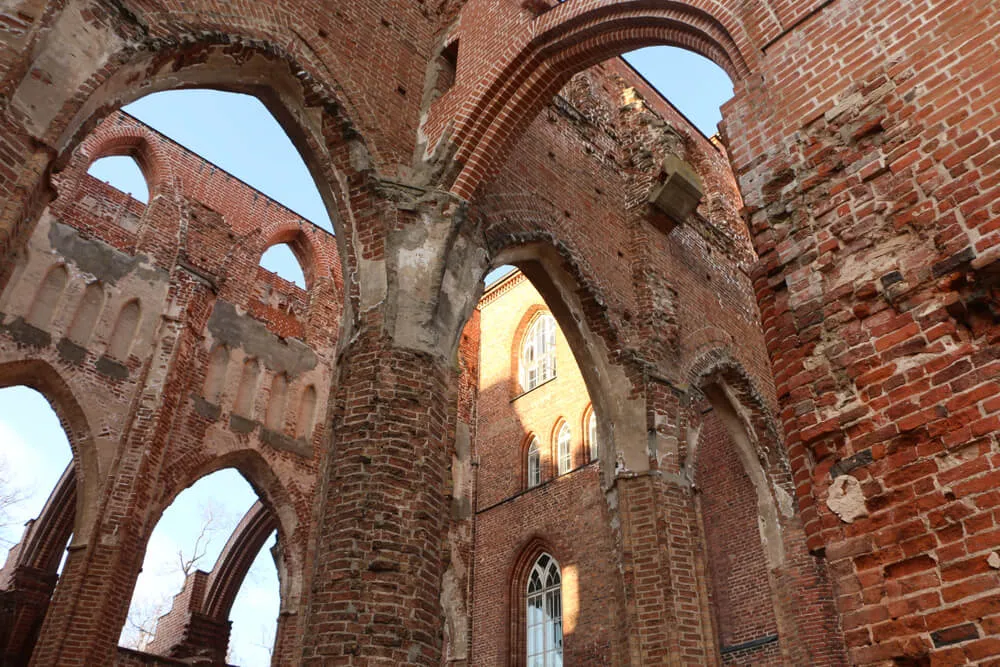
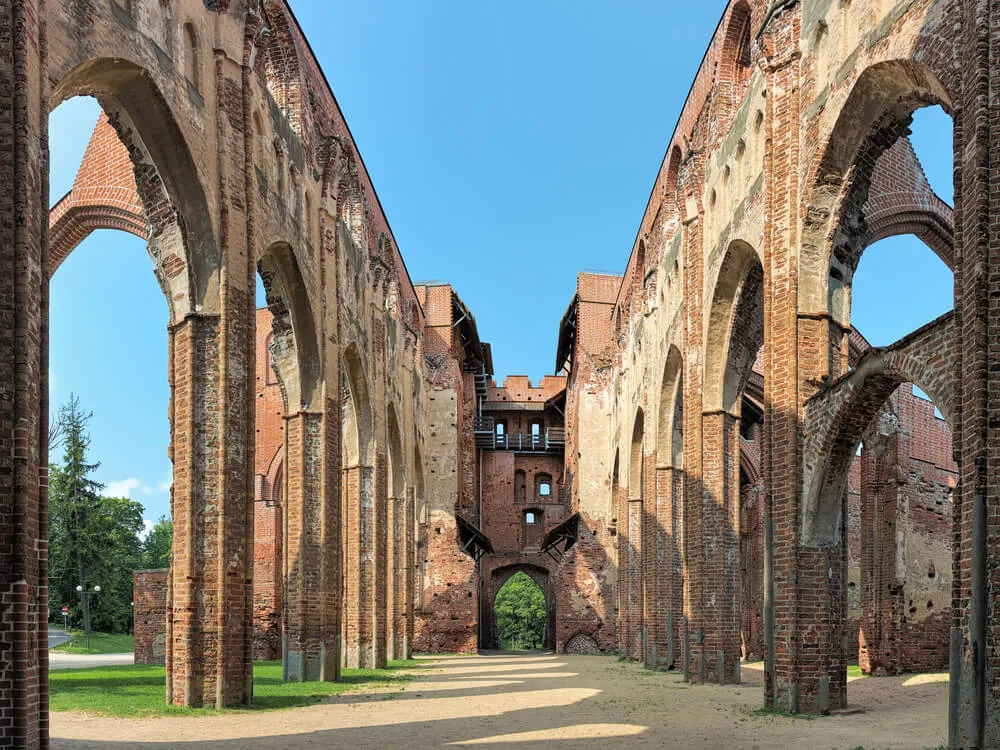
The brick semi-ruined building is one of the city's iconic landmarks. The cathedral has not functioned as a church since the Livonian War, but you can enter it to explore the historical exhibition of the University of Tartu and climb to the observation deck.
Especially when students are at their desks.
Tartu is Estonia's most student-centric city. And it is steeped in science. All the main attractions are about this: one of Europe's largest universities, a botanical garden, an observatory, a monument to kissing students in Town Hall Square, the science museum Ahha.
This city is also considered the cultural capital of Estonia. Not without reason – there are no fewer museums and ancient architectural objects here than in Tallinn. Let's figure out what among all the diversity deserves our attention.
Dome Cathedral
The brick semi-ruined building is one of the city's iconic landmarks. The cathedral has not functioned as a church since the Livonian War, but you can enter it to explore the historical exhibition of the University of Tartu and climb to the observation deck.
 Town Hall Square and the Kissing Students Fountain
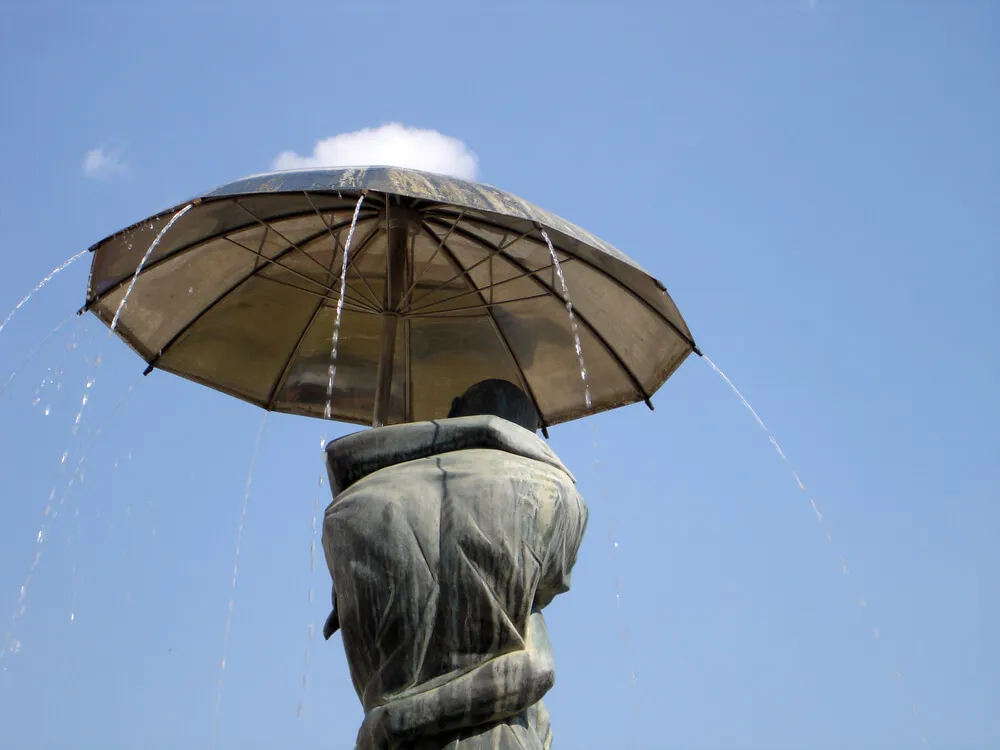
If the Dome Cathedral is a significant architectural landmark of Tartu, then the students under an umbrella, merged in a kiss, are a symbol.
Town Hall Square and the Kissing Students Fountain
If the Dome Cathedral is a significant architectural landmark of Tartu, then the students under an umbrella, merged in a kiss, are a symbol.
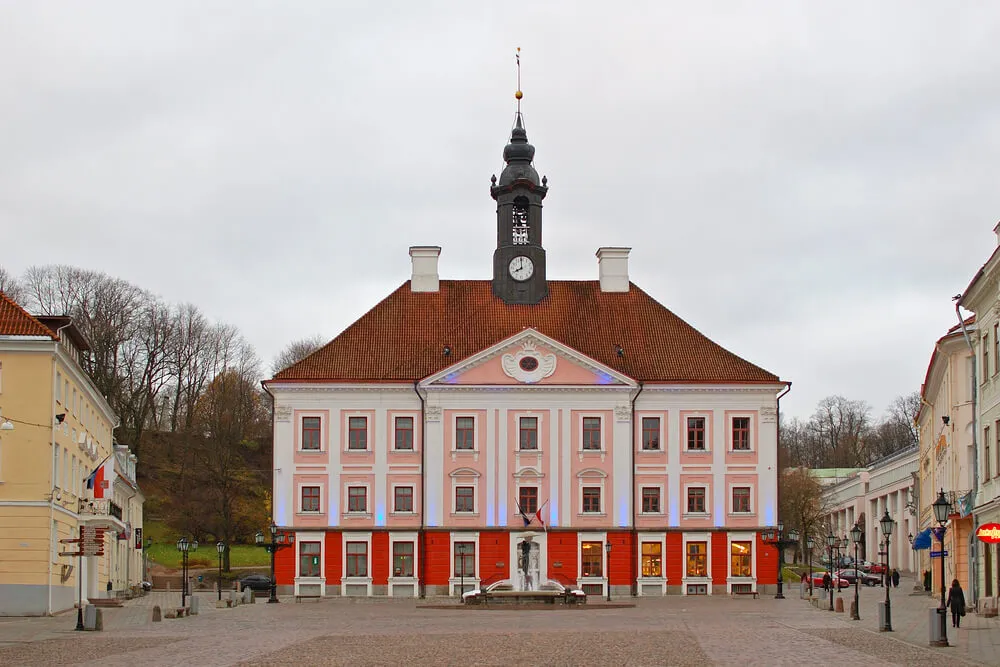 According to legend, one evening a couple was walking through the streets of Tartu. When they reached Town Hall Square, they were caught in a terrible thunderstorm. Then the guy did what he had to do: opened his umbrella and kissed his beloved under it. The girl liked it so much that she wished the moment would last forever. Said and done: lightning struck the lovers, and they froze in stone.
 Another attraction of the square is the Leaning House of Tartu, built in 1793. Like the Leaning Tower of Pisa, it has tilted slightly. You can explore the house not only from the exterior but also the interior: it houses an art museum.
Monuments and Sculptures
There are many unusual and slightly strange monuments: a monument to Oscar Wilde and Estonian writer Eduard Vilde, who sit side by side on a bench but never knew each other; an abstract monument to astronomer Struve; and perhaps the most ambiguous and surprising – a monument to a father and his small son: the figures are made so that the boy and the man appear to be the same height, although the child is no more than five years old.
University of Tartu
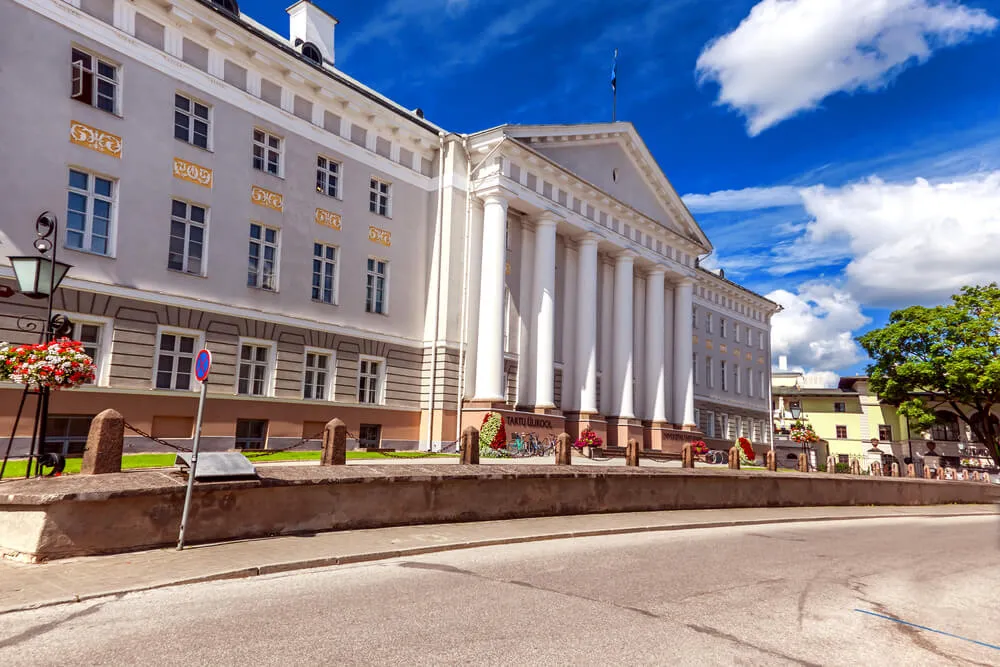
Currently, 17,000 students are educated here, but tourists have a way to get acquainted with their alma mater without distracting anyone from their studies. Anyone can enter the majestic main building, stroll through the modern halls, and peek into the solemn Assembly Hall, where the city's most beautiful ceremonial events have been held for several decades. But the most interesting part is climbing into the attic, where misbehaving and underperforming students were once sent for detention.
Another attraction of the square is the Leaning House of Tartu, built in 1793. Like the Leaning Tower of Pisa, it has tilted slightly. You can explore the house not only from the exterior but also the interior: it houses an art museum.
Monuments and Sculptures
There are many unusual and slightly strange monuments: a monument to Oscar Wilde and Estonian writer Eduard Vilde, who sit side by side on a bench but never knew each other; an abstract monument to astronomer Struve; and perhaps the most ambiguous and surprising – a monument to a father and his small son: the figures are made so that the boy and the man appear to be the same height, although the child is no more than five years old.
University of Tartu
Currently, 17,000 students are educated here, but tourists have a way to get acquainted with their alma mater without distracting anyone from their studies. Anyone can enter the majestic main building, stroll through the modern halls, and peek into the solemn Assembly Hall, where the city's most beautiful ceremonial events have been held for several decades. But the most interesting part is climbing into the attic, where misbehaving and underperforming students were once sent for detention.
 Botanical Garden
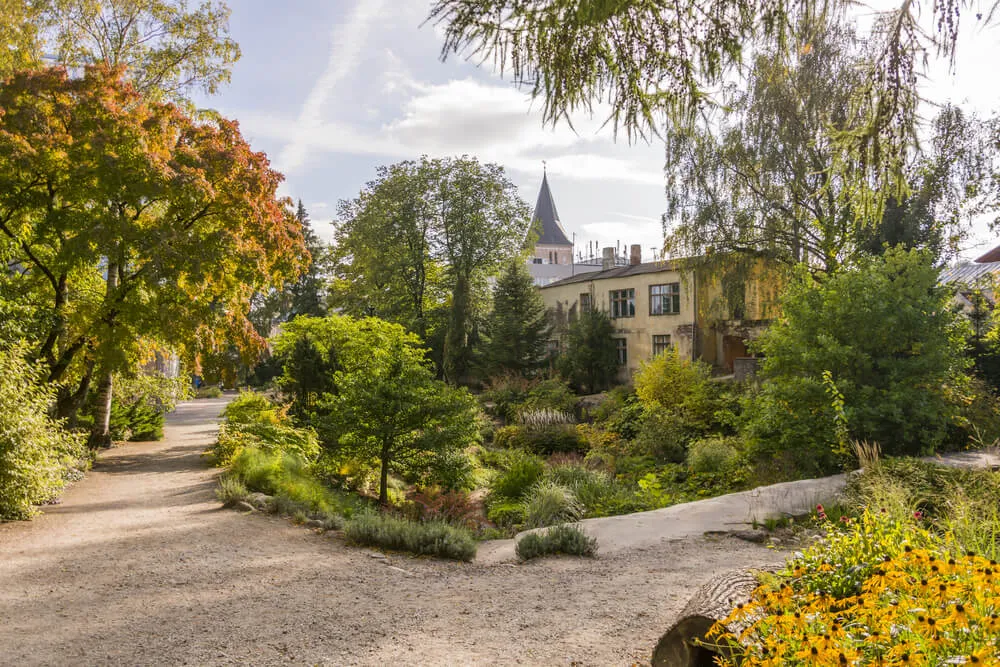
If you're cold, dive in here. Among exotic tropical greenhouses, palm alleys, rose gardens, and alpine slides, you'll warm not only your body but also your mood.
The garden also has a direct connection to university life: long ago, it was founded by botanists, and today their younger colleagues spend many hours on the botanical garden's territory, researching flora.
Botanical Garden
If you're cold, dive in here. Among exotic tropical greenhouses, palm alleys, rose gardens, and alpine slides, you'll warm not only your body but also your mood.
The garden also has a direct connection to university life: long ago, it was founded by botanists, and today their younger colleagues spend many hours on the botanical garden's territory, researching flora.
 Observatory
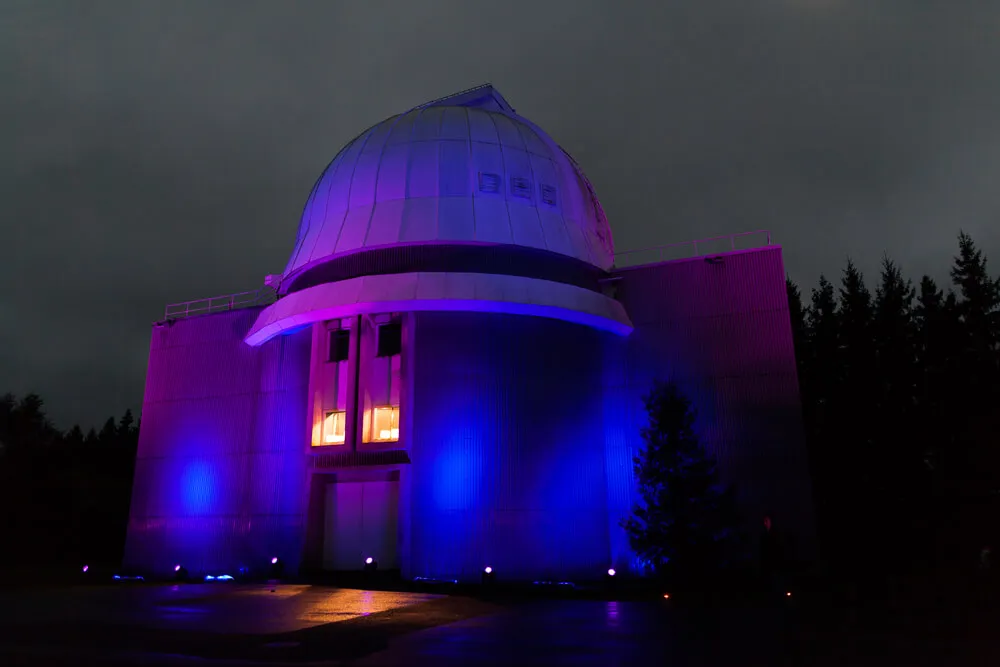
Another exciting option for those who are tired or cold from walking around the city. They say a tour of the observatory is a real adventure for both children and adults. Even if you're not fascinated by stars, you'll still enjoy it: the building was constructed in the early 19th century and is considered an important astronomical center of the country.
Observatory
Another exciting option for those who are tired or cold from walking around the city. They say a tour of the observatory is a real adventure for both children and adults. Even if you're not fascinated by stars, you'll still enjoy it: the building was constructed in the early 19th century and is considered an important astronomical center of the country.
 Ahha Science Centre
In Moscow and St. Petersburg, a new format of science museums for children – interactive ones – recently appeared. There, you can touch objects and conduct experiments to independently understand the laws of physics and chemistry. Perhaps you've already visited them with friends or children and know what we're talking about. The Tartu museum is large-scale and multifaceted: here you can observe the life of ants, study the structure of the human body, and watch a performance in the science theater. There are activities for a whole day: the center is considered the largest science and entertainment museum in the Baltics. Thematically, Ahha is divided into three huge halls: technology, wildlife, and a hall with temporary exhibitions.
Aura Water Park
If you're tired of science and history, go to the water park. Ride the slides, splash in the pools and jacuzzis.
How to get there
The journey from Tallinn to Tartu takes about 3 hours. A bus ticket Tallinn — Tartu — Tallinn will cost from 6€.
How much does it cost
Dome Cathedral: Lossi street, 25. The museum and observation deck are open from Tuesday to Sunday from 10:00 to 18:00 in the summer months and from May to September, from Wednesday to Sunday from 11:00 to 17:00 in winter. Admission fee — 5€
University: Ulikooli tn, house 18. Museum exhibitions are open from Wednesday to Sunday from 11:00 to 18:00 (Thursday — until 21:00). A single ticket costs 4€.
Ahha Science Centre: Ticket prices depend on how many exhibitions you plan to visit. A regular ticket to the center costs 13€; family (one-two adults and all their minor children) — 29€; family, which includes planetarium access (if seats are available) — 35€; for school or university students, as well as pensioners — 10€
Aura Water Park: Ticket price — about 8€, depends on the duration of your planned stay.
Ahha Science Centre
In Moscow and St. Petersburg, a new format of science museums for children – interactive ones – recently appeared. There, you can touch objects and conduct experiments to independently understand the laws of physics and chemistry. Perhaps you've already visited them with friends or children and know what we're talking about. The Tartu museum is large-scale and multifaceted: here you can observe the life of ants, study the structure of the human body, and watch a performance in the science theater. There are activities for a whole day: the center is considered the largest science and entertainment museum in the Baltics. Thematically, Ahha is divided into three huge halls: technology, wildlife, and a hall with temporary exhibitions.
Aura Water Park
If you're tired of science and history, go to the water park. Ride the slides, splash in the pools and jacuzzis.
How to get there
The journey from Tallinn to Tartu takes about 3 hours. A bus ticket Tallinn — Tartu — Tallinn will cost from 6€.
How much does it cost
Dome Cathedral: Lossi street, 25. The museum and observation deck are open from Tuesday to Sunday from 10:00 to 18:00 in the summer months and from May to September, from Wednesday to Sunday from 11:00 to 17:00 in winter. Admission fee — 5€
University: Ulikooli tn, house 18. Museum exhibitions are open from Wednesday to Sunday from 11:00 to 18:00 (Thursday — until 21:00). A single ticket costs 4€.
Ahha Science Centre: Ticket prices depend on how many exhibitions you plan to visit. A regular ticket to the center costs 13€; family (one-two adults and all their minor children) — 29€; family, which includes planetarium access (if seats are available) — 35€; for school or university students, as well as pensioners — 10€
Aura Water Park: Ticket price — about 8€, depends on the duration of your planned stay.
Haapsalu
A city with another ancient fortress, but famous for more than just that.
The city is washed by the Baltic Sea on three sides and is considered the country's main health resort. The therapeutic muds found here in the 19th century attracted many people to the city, including very famous personalities: P.I. Tchaikovsky and members of Nicholas II's family rested and recuperated here. Since then, Haapsalu has only strengthened its position: sanatoriums and SPA centers are renowned for their service and quality, and the medical procedures available here compete in effectiveness with many European ones.
Between baths and sunbathing sessions, it's pleasant to stroll along the promenade. It stretches along the bay, starting from African Beach and ending with Chocolate Promenade. Special bird-watching towers are installed along the path.
Haapsalu Castle
Those more interested in exploring the Middle Ages than relaxing on beaches and in jacuzzis will certainly head to the 13th-century Bishop's Castle. According to legend, on August full moon nights, the ghost of the White Lady appears in its windows (or, according to another version, on the wall). Locals pass down the story of a young woman who was walled up alive in the construction as punishment for sneaking into the castle to meet her beloved. It was a daring act: the canons of the bishop's castle were supposed to lead a chaste and virtuous life in accordance with monastic rules, and women were forbidden entry under penalty of death. The fearless lover had to be punished. Her passing was long and agonizing, and her soul has not found peace to this day. The young man, as punishment for the affair, was fed to tigers.
In the morning, after a night of ghost-watching, you can go on a tour of the castle or have some fun: play ancient chess, work in a pottery workshop, and, as is customary in such places, shoot a bow. If your visit to Haapsalu coincides with a city event, an evening tour might transition into attending a modern or classical music concert. Spectators comfortably settle on benches or sit on the green lawn.
Railway Museum in the former station building
The platform at the museum is considered the longest in Europe: 216 meters, which perfectly matches the length of Nicholas II's train, which often came to Haapsalu. The exhibition is divided into two parts: an indoor section, which occupies several rooms of the station, and an outdoor section, where old locomotives stand in the open air. The latter can be viewed for free.
The station has been out of service since 1995, so get to the resort by bus or car.
How to get there
The journey from Tallinn to Haapsalu takes just over 1.5 hours. A bus ticket Tallinn — Haapsalu — Tallinn will cost from 4€.
How much does it cost
Haapsalu Castle — free. The castle grounds are open in summer from 07:00 to 22:00, in spring and autumn until 16:00, and in winter by prior arrangement.
Railway Museum: adults — 4€, children — 3€
Tartu
If you want to prolong the atmosphere of Tallinn but see something new, head to Tartu. The Old Town is slightly less fairytale-like in its outlines, but more measured and quiet.
Especially when students are at their desks.
Tartu is Estonia's most student-centric city. And it is steeped in science. All the main attractions are about this: one of Europe's largest universities, a botanical garden, an observatory, a monument to kissing students in Town Hall Square, the science museum Ahha.
This city is also considered the cultural capital of Estonia. Not without reason – there are no fewer museums and ancient architectural objects here than in Tallinn. Let's figure out what among all the diversity deserves our attention.
Dome Cathedral
The brick semi-ruined building is one of the city's iconic landmarks. The cathedral has not functioned as a church since the Livonian War, but you can enter it to explore the historical exhibition of the University of Tartu and climb to the observation deck.
Town Hall Square and the Kissing Students Fountain
If the Dome Cathedral is a significant architectural landmark of Tartu, then the students under an umbrella, merged in a kiss, are a symbol.
According to legend, one evening a couple was walking through the streets of Tartu. When they reached Town Hall Square, they were caught in a terrible thunderstorm. Then the guy did what he had to do: opened his umbrella and kissed his beloved under it. The girl liked it so much that she wished the moment would last forever. Said and done: lightning struck the lovers, and they froze in stone.
Another attraction of the square is the Leaning House of Tartu, built in 1793. Like the Leaning Tower of Pisa, it has tilted slightly. You can explore the house not only from the exterior but also the interior: it houses an art museum.
Monuments and Sculptures
There are many unusual and slightly strange monuments: a monument to Oscar Wilde and Estonian writer Eduard Vilde, who sit side by side on a bench but never knew each other; an abstract monument to astronomer Struve; and perhaps the most ambiguous and surprising – a monument to a father and his small son: the figures are made so that the boy and the man appear to be the same height, although the child is no more than five years old.
University of Tartu
Currently, 17,000 students are educated here, but tourists have a way to get acquainted with their alma mater without distracting anyone from their studies. Anyone can enter the majestic main building, stroll through the modern halls, and peek into the solemn Assembly Hall, where the city's most beautiful ceremonial events have been held for several decades. But the most interesting part is climbing into the attic, where misbehaving and underperforming students were once sent for detention.
Botanical Garden
If you're cold, dive in here. Among exotic tropical greenhouses, palm alleys, rose gardens, and alpine slides, you'll warm not only your body but also your mood.
The garden also has a direct connection to university life: long ago, it was founded by botanists, and today their younger colleagues spend many hours on the botanical garden's territory, researching flora.
Observatory
Another exciting option for those who are tired or cold from walking around the city. They say a tour of the observatory is a real adventure for both children and adults. Even if you're not fascinated by stars, you'll still enjoy it: the building was constructed in the early 19th century and is considered an important astronomical center of the country.
Ahha Science Centre
In Moscow and St. Petersburg, a new format of science museums for children – interactive ones – recently appeared. There, you can touch objects and conduct experiments to independently understand the laws of physics and chemistry. Perhaps you've already visited them with friends or children and know what we're talking about. The Tartu museum is large-scale and multifaceted: here you can observe the life of ants, study the structure of the human body, and watch a performance in the science theater. There are activities for a whole day: the center is considered the largest science and entertainment museum in the Baltics. Thematically, Ahha is divided into three huge halls: technology, wildlife, and a hall with temporary exhibitions.
Aura Water Park
If you're tired of science and history, go to the water park. Ride the slides, splash in the pools and jacuzzis.
How to get there
The journey from Tallinn to Tartu takes about 3 hours. A bus ticket Tallinn — Tartu — Tallinn will cost from 6€.
How much does it cost
Dome Cathedral: Lossi street, 25. The museum and observation deck are open from Tuesday to Sunday from 10:00 to 18:00 in the summer months and from May to September, from Wednesday to Sunday from 11:00 to 17:00 in winter. Admission fee — 5€
University: Ulikooli tn, house 18. Museum exhibitions are open from Wednesday to Sunday from 11:00 to 18:00 (Thursday — until 21:00). A single ticket costs 4€.
Ahha Science Centre: Ticket prices depend on how many exhibitions you plan to visit. A regular ticket to the center costs 13€; family (one-two adults and all their minor children) — 29€; family, which includes planetarium access (if seats are available) — 35€; for school or university students, as well as pensioners — 10€
Aura Water Park: Ticket price — about 8€, depends on the duration of your planned stay.