Safety in India.
We continue to introduce you to India, and today we will touch upon a very important topic – safety.
There are many myths circulating about independent travel in India, and a novice can easily take them all at face value. Let's try to figure out what rules should be followed in India no matter what. Let's start in order.
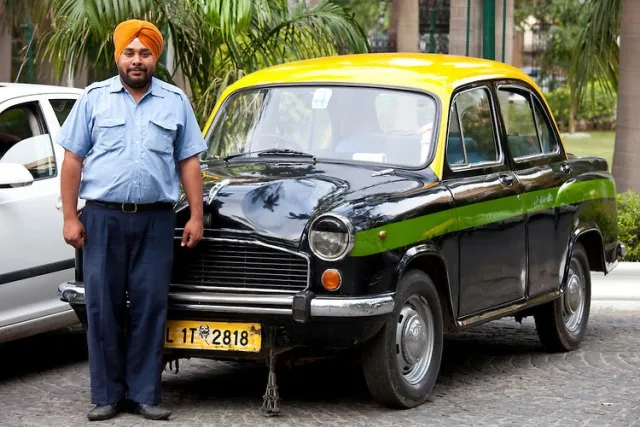 At the airport and in a taxi.
Change money at home. The exchange rate in India is exactly the same as ours, but getting your money there will be more difficult. Even at an official exchange office at the airport, they might shortchange you 50-100 rupees or more (depending on the amount you're exchanging), hoping you won't notice. It's a trifle, but unpleasant. At your request, the cashier will start issuing the missing amount in coins, looking at you pitifully, expecting you to give up and leave. Always carry small denominations with you.
Upon arrival in Delhi (and you will most likely arrive there, although the rule applies to all airports), you will be attacked by taxi drivers. Under no circumstances should you show that you have arrived for the first time. Act confidently; if you know English, try to convey to the driver that you have been here before. Also, immediately state that you know what a tourist center is and have already called your hotel's reception – it's open, working, and you are aware that there are no festivals in the city today and all roads are open.
The fact is, they will start deceiving you as soon as you get off the plane. When you get into a taxi and state the address, you will be taken not to your booked, and possibly already paid for, hotel, but to a tourist center. Along the way, they will tell you that the road is closed, there's a festival or something broke, your hotel went bankrupt, burned down, or simply closed – anything. The tourist center will promise you help and may even call your hotel. They will even let you dial the phone number yourself. But the redirection will send you to a decoy person who will apologetically inform you that the hotel is indeed closed – permanently or just for today, as luck would have it. Immediately, they will offer you another hotel in return. You, after a long flight, with bags; it's hot, stuffy, or even night outside. You have no choice, and you agree. You are taken to a hotel, you pay a considerable amount of money by Indian standards, and the tourist center and the taxi driver get their kickback. The scheme is simple and as old as the world, but millions of tourists fall for this trick. What to do if you are still taken to a tourist center? Argue your case to the last, demand to be taken to your hotel. But, most likely, if they didn't listen to you immediately, they won't listen now either. Take out your phone and say, as loudly as possible - «Call 100», which means «I'm calling the police». 100 is the real number for law enforcement in India, and Indians fear them like fire. If you don't want to waste time and are unsure about your driver, you can immediately state your terms to him – «Either you take me to my hotel, or I call the police». Threatening with the police is perhaps an extreme measure, but an effective one. In any problems, this phrase can save you.
At the airport and in a taxi.
Change money at home. The exchange rate in India is exactly the same as ours, but getting your money there will be more difficult. Even at an official exchange office at the airport, they might shortchange you 50-100 rupees or more (depending on the amount you're exchanging), hoping you won't notice. It's a trifle, but unpleasant. At your request, the cashier will start issuing the missing amount in coins, looking at you pitifully, expecting you to give up and leave. Always carry small denominations with you.
Upon arrival in Delhi (and you will most likely arrive there, although the rule applies to all airports), you will be attacked by taxi drivers. Under no circumstances should you show that you have arrived for the first time. Act confidently; if you know English, try to convey to the driver that you have been here before. Also, immediately state that you know what a tourist center is and have already called your hotel's reception – it's open, working, and you are aware that there are no festivals in the city today and all roads are open.
The fact is, they will start deceiving you as soon as you get off the plane. When you get into a taxi and state the address, you will be taken not to your booked, and possibly already paid for, hotel, but to a tourist center. Along the way, they will tell you that the road is closed, there's a festival or something broke, your hotel went bankrupt, burned down, or simply closed – anything. The tourist center will promise you help and may even call your hotel. They will even let you dial the phone number yourself. But the redirection will send you to a decoy person who will apologetically inform you that the hotel is indeed closed – permanently or just for today, as luck would have it. Immediately, they will offer you another hotel in return. You, after a long flight, with bags; it's hot, stuffy, or even night outside. You have no choice, and you agree. You are taken to a hotel, you pay a considerable amount of money by Indian standards, and the tourist center and the taxi driver get their kickback. The scheme is simple and as old as the world, but millions of tourists fall for this trick. What to do if you are still taken to a tourist center? Argue your case to the last, demand to be taken to your hotel. But, most likely, if they didn't listen to you immediately, they won't listen now either. Take out your phone and say, as loudly as possible - «Call 100», which means «I'm calling the police». 100 is the real number for law enforcement in India, and Indians fear them like fire. If you don't want to waste time and are unsure about your driver, you can immediately state your terms to him – «Either you take me to my hotel, or I call the police». Threatening with the police is perhaps an extreme measure, but an effective one. In any problems, this phrase can save you.
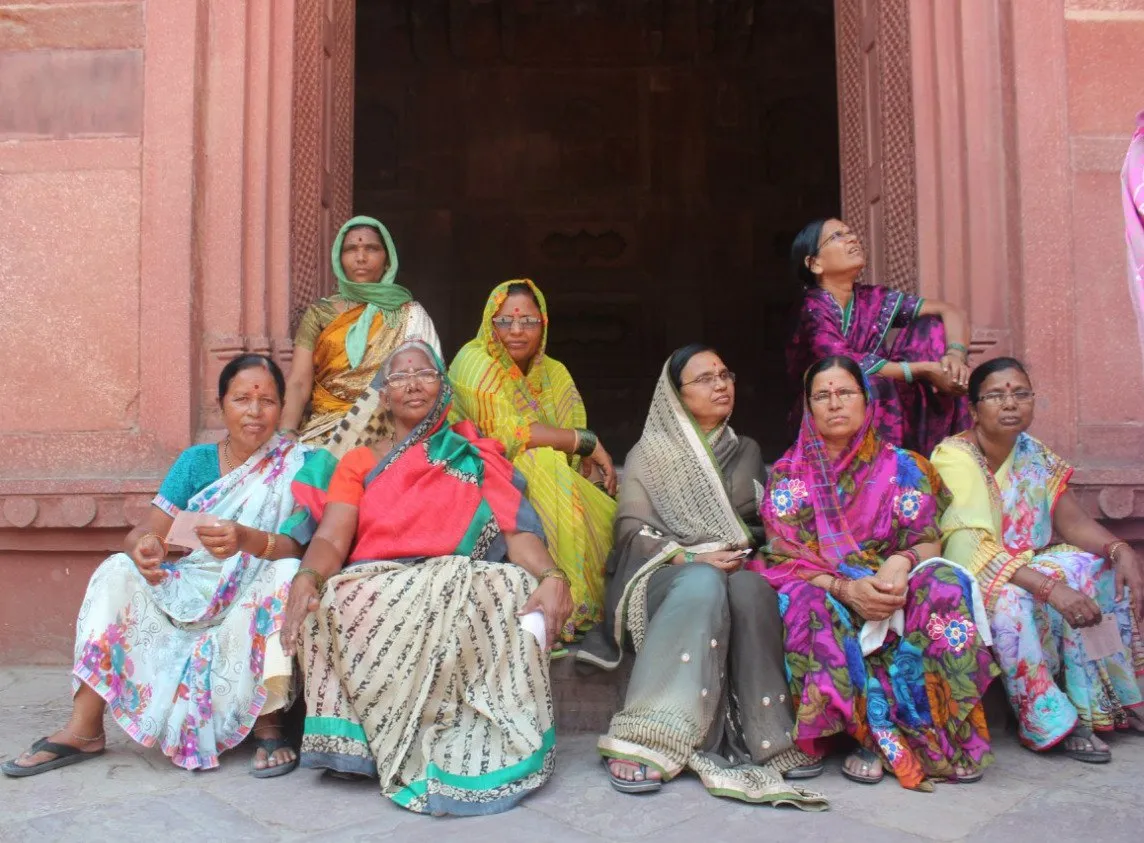 Women's safety in India.
Leave short skirts and dresses, spaghetti-strap tops with deep necklines, tight pants, and even shorts at home. A personal tip from the author of these lines (a girl deeply in love with India) – take an empty backpack and buy clothes locally. Amazing salwar kameez, shirts, and even luxurious embroidered sarees can be bought for mere pennies, and in addition to a new wardrobe, you'll gain the approval of locals. Don't forget that your legs should be covered at least to the knee, and exposing your shoulders is also highly undesirable. Besides ubiquitous sidelong glances, you could face a real threat to your health and life – by offending the feelings of Indians, sexual harassment from local men cannot be avoided. Such cases are quite rare, but it's still not worth giving an extra reason. You can give yourself a break with clothing in Goa and other southern coastal states, where they are more lenient towards exposed female bodies. Even if you are not married, wear a ring and mention a fictional husband in conversations with locals. Do not walk alone late in the evening and at night, especially in non-tourist areas. Be modest and discreet, and then problems will not arise.
Women's safety in India.
Leave short skirts and dresses, spaghetti-strap tops with deep necklines, tight pants, and even shorts at home. A personal tip from the author of these lines (a girl deeply in love with India) – take an empty backpack and buy clothes locally. Amazing salwar kameez, shirts, and even luxurious embroidered sarees can be bought for mere pennies, and in addition to a new wardrobe, you'll gain the approval of locals. Don't forget that your legs should be covered at least to the knee, and exposing your shoulders is also highly undesirable. Besides ubiquitous sidelong glances, you could face a real threat to your health and life – by offending the feelings of Indians, sexual harassment from local men cannot be avoided. Such cases are quite rare, but it's still not worth giving an extra reason. You can give yourself a break with clothing in Goa and other southern coastal states, where they are more lenient towards exposed female bodies. Even if you are not married, wear a ring and mention a fictional husband in conversations with locals. Do not walk alone late in the evening and at night, especially in non-tourist areas. Be modest and discreet, and then problems will not arise.
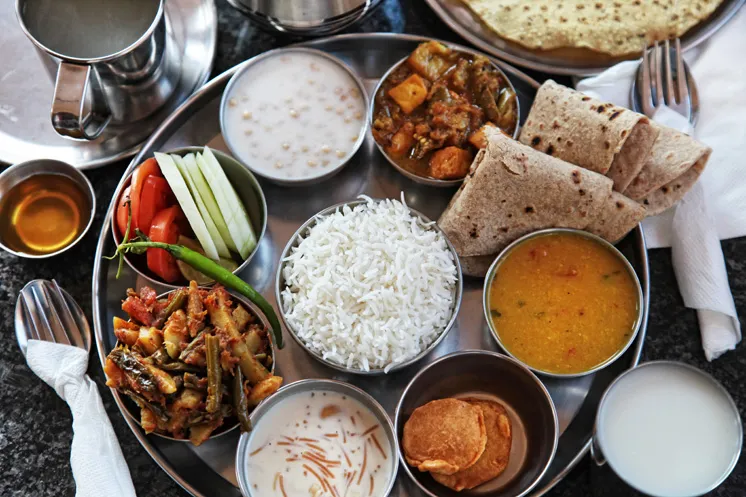 Food
Do not drink tap water; bottled water is very cheap. Check bottles and their caps; water is often poured into already used bottles and sold. You will also have to refuse cocktails with ice – the ice is made from wastewater.
Do not buy fish and meat in dubious places. In cities, we also do not recommend buying milk and fruits, as well as fruit salads and fresh juices. Do this only in trusted places .
Food
Do not drink tap water; bottled water is very cheap. Check bottles and their caps; water is often poured into already used bottles and sold. You will also have to refuse cocktails with ice – the ice is made from wastewater.
Do not buy fish and meat in dubious places. In cities, we also do not recommend buying milk and fruits, as well as fruit salads and fresh juices. Do this only in trusted places .
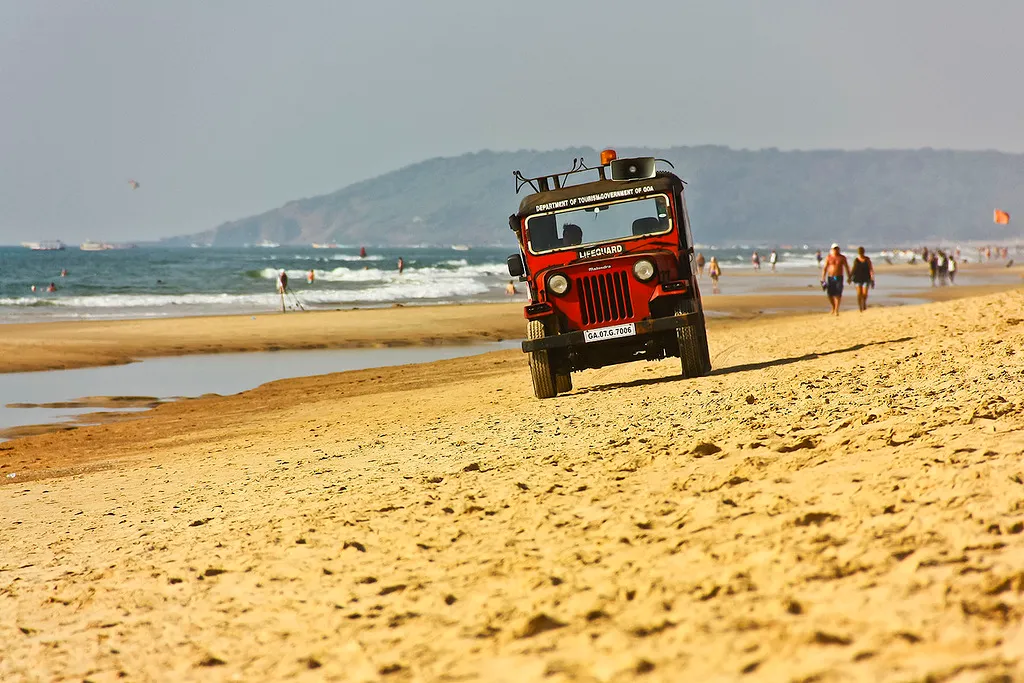 On the beaches in Goa
, there is a very strong outgoing tide, so do not swim far at any time of the year, especially in the evening – during low tide.
There are also very strong seasonal currents here. During the period from June to September, swimming is generally unsafe due to large waves and strong currents that pull away from the shore. During this time, it is best not to go deeper than waist-high in the water, or if you are not a strong swimmer, do not swim at all.
Remember that water is one of the national Indian phobias, and even many Goan fishermen cannot swim. All main beaches have lifeguards, and particularly dangerous entry points into the water are marked with flags.
General rules
Respect the culture and traditions of the country you are visiting as a guest.
Remove your shoes when visiting temples.
When traveling between cities by train, secure your luggage while you sleep. When checking bags into a locker, also use a lock. (Without it, your luggage won't even be accepted)
When buying anything, bargain, but not aggressively.
When agreeing on a price, for example, for a taxi fare, write down the figures on paper, making sure to indicate the currency, and also clarify whether this price is for one person or several.
If you decide to visit the Mumbai slums (some of the largest in India and the world), take a guide with you and under no circumstances take photographs. This can anger the local population.
Ignore beggars and do not give them money, at all, otherwise you won't get rid of them later.
Try to abstract yourself from the dirt on the street. Don't carry dirt in your head and don't expect the worst. Most horror stories about India remain fabricated tales. Follow the rules of conduct, be friendly, and you will see the real India – hospitable and incredible. In a good sense of the word, of course.
On the beaches in Goa
On the beaches in Goa, there is a very strong outgoing tide, so do not swim far at any time of the year, especially in the evening – during low tide.
There are also very strong seasonal currents here. During the period from June to September, swimming is generally unsafe due to large waves and strong currents that pull away from the shore. During this time, it is best not to go deeper than waist-high in the water, or if you are not a strong swimmer, do not swim at all.
Remember that water is one of the national Indian phobias, and even many Goan fishermen cannot swim. All main beaches have lifeguards, and particularly dangerous entry points into the water are marked with flags.
General rules
Respect the culture and traditions of the country you are visiting as a guest.
Remove your shoes when visiting temples.
When traveling between cities by train, secure your luggage while you sleep. When checking bags into a locker, also use a lock. (Without it, your luggage won't even be accepted)
When buying anything, bargain, but not aggressively.
When agreeing on a price, for example, for a taxi fare, write down the figures on paper, making sure to indicate the currency, and also clarify whether this price is for one person or several.
If you decide to visit the Mumbai slums (some of the largest in India and the world), take a guide with you and under no circumstances take photographs. This can anger the local population.
Ignore beggars and do not give them money, at all, otherwise you won't get rid of them later.
Try to abstract yourself from the dirt on the street. Don't carry dirt in your head and don't expect the worst. Most horror stories about India remain fabricated tales. Follow the rules of conduct, be friendly, and you will see the real India – hospitable and incredible. In a good sense of the word, of course.
At the airport and in a taxi.
Change money at home. The exchange rate in India is exactly the same as ours, but getting your money there will be more difficult. Even at an official exchange office at the airport, they might shortchange you 50-100 rupees or more (depending on the amount you're exchanging), hoping you won't notice. It's a trifle, but unpleasant. At your request, the cashier will start issuing the missing amount in coins, looking at you pitifully, expecting you to give up and leave. Always carry small denominations with you.
Upon arrival in Delhi (and you will most likely arrive there, although the rule applies to all airports), you will be attacked by taxi drivers. Under no circumstances should you show that you have arrived for the first time. Act confidently; if you know English, try to convey to the driver that you have been here before. Also, immediately state that you know what a tourist center is and have already called your hotel's reception – it's open, working, and you are aware that there are no festivals in the city today and all roads are open.
The fact is, they will start deceiving you as soon as you get off the plane. When you get into a taxi and state the address, you will be taken not to your booked, and possibly already paid for, hotel, but to a tourist center. Along the way, they will tell you that the road is closed, there's a festival or something broke, your hotel went bankrupt, burned down, or simply closed – anything. The tourist center will promise you help and may even call your hotel. They will even let you dial the phone number yourself. But the redirection will send you to a decoy person who will apologetically inform you that the hotel is indeed closed – permanently or just for today, as luck would have it. Immediately, they will offer you another hotel in return. You, after a long flight, with bags; it's hot, stuffy, or even night outside. You have no choice, and you agree. You are taken to a hotel, you pay a considerable amount of money by Indian standards, and the tourist center and the taxi driver get their kickback. The scheme is simple and as old as the world, but millions of tourists fall for this trick. What to do if you are still taken to a tourist center? Argue your case to the last, demand to be taken to your hotel. But, most likely, if they didn't listen to you immediately, they won't listen now either. Take out your phone and say, as loudly as possible - «Call 100», which means «I'm calling the police». 100 is the real number for law enforcement in India, and Indians fear them like fire. If you don't want to waste time and are unsure about your driver, you can immediately state your terms to him – «Either you take me to my hotel, or I call the police». Threatening with the police is perhaps an extreme measure, but an effective one. In any problems, this phrase can save you.
Women's safety in India.
Leave short skirts and dresses, spaghetti-strap tops with deep necklines, tight pants, and even shorts at home. A personal tip from the author of these lines (a girl deeply in love with India) – take an empty backpack and buy clothes locally. Amazing salwar kameez, shirts, and even luxurious embroidered sarees can be bought for mere pennies, and in addition to a new wardrobe, you'll gain the approval of locals. Don't forget that your legs should be covered at least to the knee, and exposing your shoulders is also highly undesirable. Besides ubiquitous sidelong glances, you could face a real threat to your health and life – by offending the feelings of Indians, sexual harassment from local men cannot be avoided. Such cases are quite rare, but it's still not worth giving an extra reason. You can give yourself a break with clothing in Goa and other southern coastal states, where they are more lenient towards exposed female bodies. Even if you are not married, wear a ring and mention a fictional husband in conversations with locals. Do not walk alone late in the evening and at night, especially in non-tourist areas. Be modest and discreet, and then problems will not arise.
Food
Do not drink tap water; bottled water is very cheap. Check bottles and their caps; water is often poured into already used bottles and sold. You will also have to refuse cocktails with ice – the ice is made from wastewater.
Do not buy fish and meat in dubious places. In cities, we also do not recommend buying milk and fruits, as well as fruit salads and fresh juices. Do this only in trusted places .
On the beaches in Goa
On the beaches in Goa, there is a very strong outgoing tide, so do not swim far at any time of the year, especially in the evening – during low tide.
There are also very strong seasonal currents here. During the period from June to September, swimming is generally unsafe due to large waves and strong currents that pull away from the shore. During this time, it is best not to go deeper than waist-high in the water, or if you are not a strong swimmer, do not swim at all.
Remember that water is one of the national Indian phobias, and even many Goan fishermen cannot swim. All main beaches have lifeguards, and particularly dangerous entry points into the water are marked with flags.
General rules
Respect the culture and traditions of the country you are visiting as a guest.
Remove your shoes when visiting temples.
When traveling between cities by train, secure your luggage while you sleep. When checking bags into a locker, also use a lock. (Without it, your luggage won't even be accepted)
When buying anything, bargain, but not aggressively.
When agreeing on a price, for example, for a taxi fare, write down the figures on paper, making sure to indicate the currency, and also clarify whether this price is for one person or several.
If you decide to visit the Mumbai slums (some of the largest in India and the world), take a guide with you and under no circumstances take photographs. This can anger the local population.
Ignore beggars and do not give them money, at all, otherwise you won't get rid of them later.
Try to abstract yourself from the dirt on the street. Don't carry dirt in your head and don't expect the worst. Most horror stories about India remain fabricated tales. Follow the rules of conduct, be friendly, and you will see the real India – hospitable and incredible. In a good sense of the word, of course.
