St. Petersburg Suburbs and What to See There
 Polina
St. Petersburg is great on its own, but its suburbsare a separate art form, where imperial grandeur meets the harsh Baltic nature. If you've already explored every brick on Dumskaya Street and worn out your soles on Nevsky Prospekt, it's time to broaden your horizons. If you're planning a visit from the capital, don't forget to buy tickets to St on Kupi.com. Petersburg in advance to catch the morning "Sapsan" and head straight for a walk. Here's our top list of places where you can feel like, if not an emperor, then at least a very happy tourist.
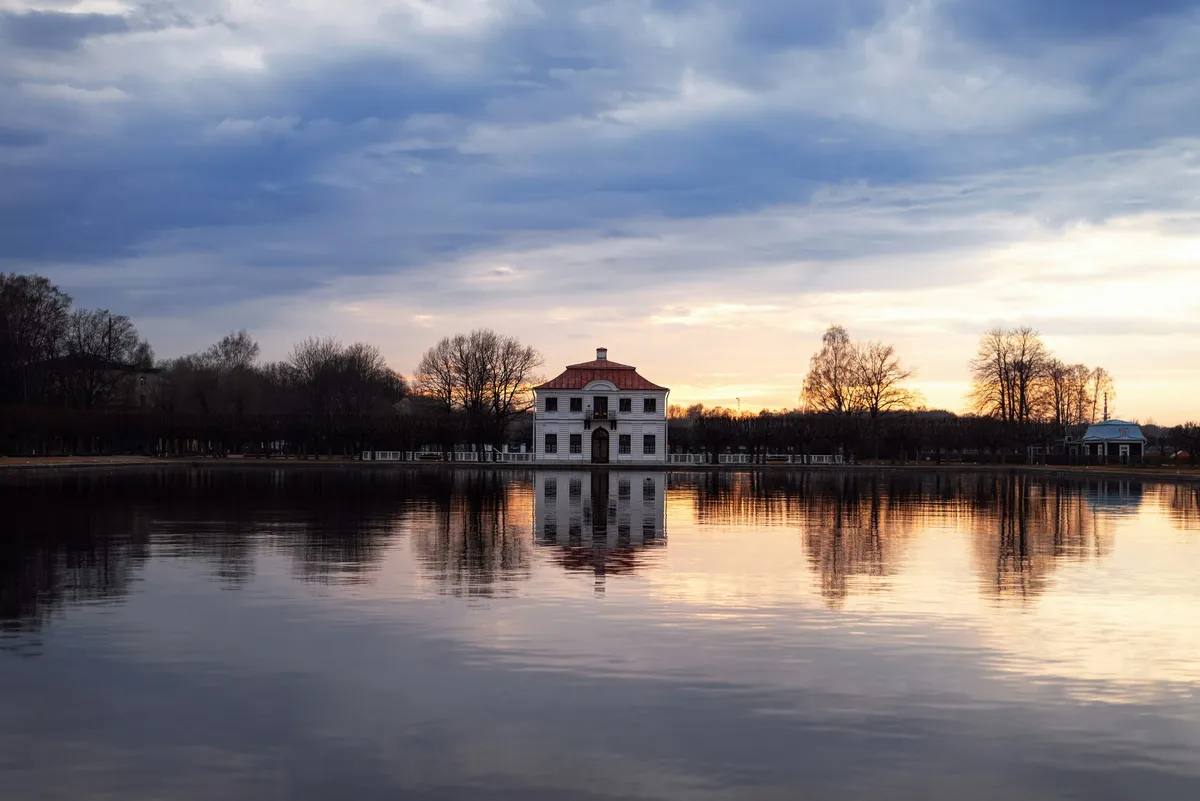
Peterhof
The Lower Park with its cascades is a breathtaking spectacle. Top tip: arrive by 11:00 AM to witness the ceremonial launch of "Samson" to music. But when the crowd of tourists rushes towards the Grand Palace, head towards Alexandria Park. This was a private residence of the Romanovs, where instead of gold, you'll find the shade of ancient oaks and Gothic aesthetics.
Must-visit:
Grand Cascade and Samson Fountain – the main calling card.
Trick Fountains – for a fun splash (be careful with electronics!).
Gothic Chapel in Alexandria – an incredibly photogenic church in the spirit of knightly romances.
Cottage Palace – to see how emperors lived "simply," without excessive pomp.
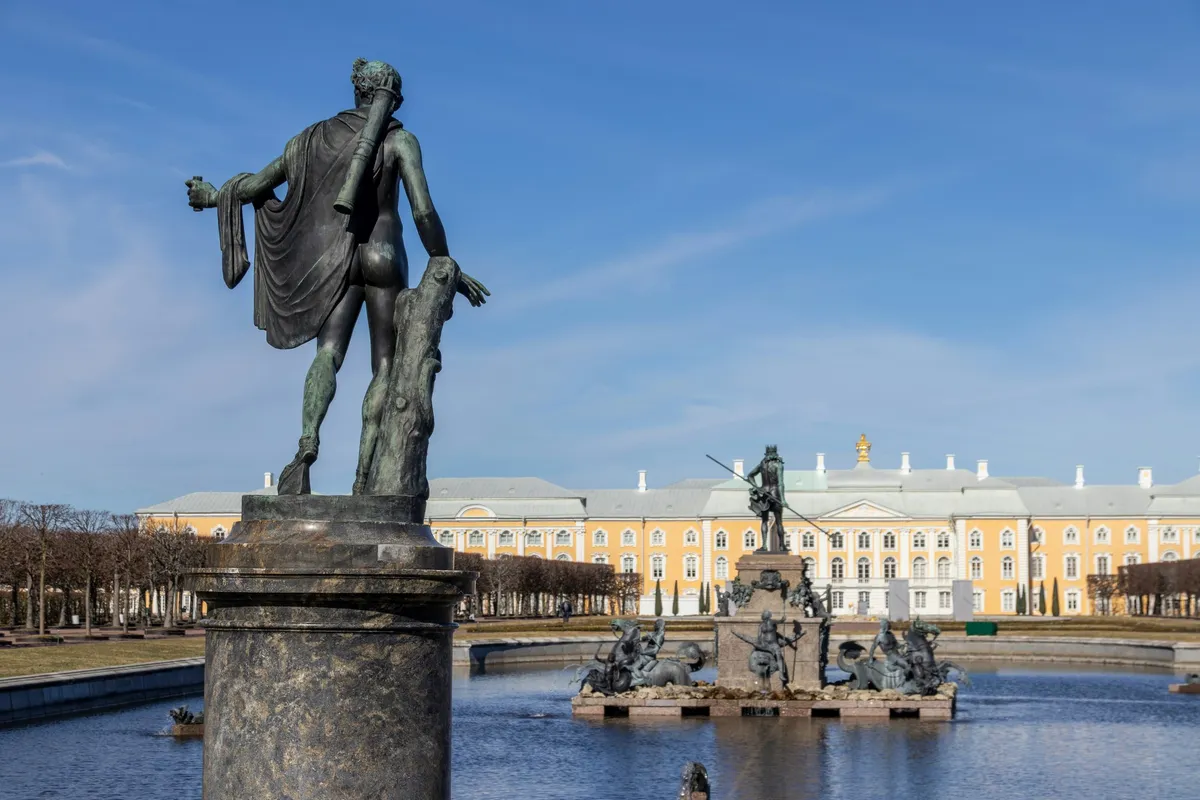
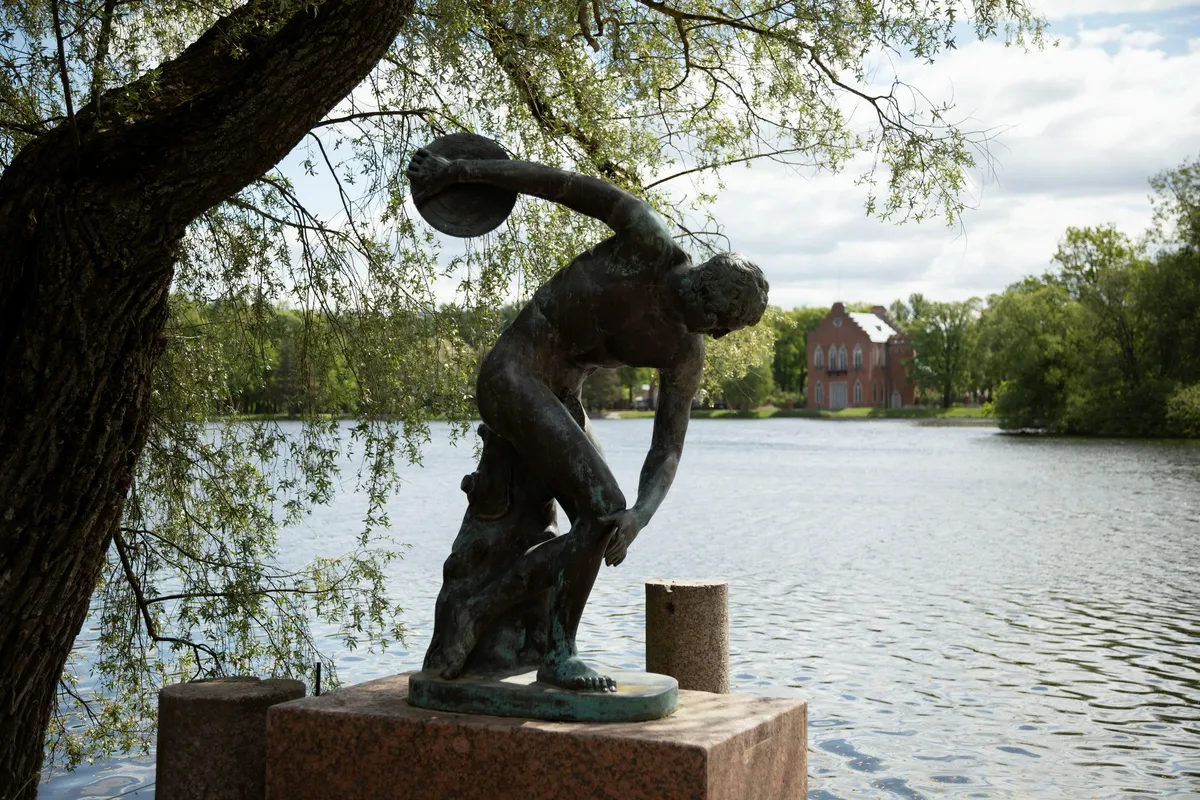
Tsarskoye Selo
Catherine Park is the ceremonial facade of the empire. Yes, the Amber Room is impressive, but to truly experience the place, you need to go to Alexander Park. It's wilder, more mysterious, and ideal for contemplative strolls. To get here comfortably, many choose a taxi, but if you appreciate the romance of railways, check tickets for the high-speed train route St. Petersburg – Pushkin.
Must-visit:
Amber Room – gold, resin, and the meticulous work of restorers.
Hermitage Pavilion – an elegant building surrounded by a moat.
Chapel Pavilion – an artificial ruin in Alexander Park, where a spirit of melancholy reigns.
Cameron Gallery – for the view of the pond and the collection of antique busts.
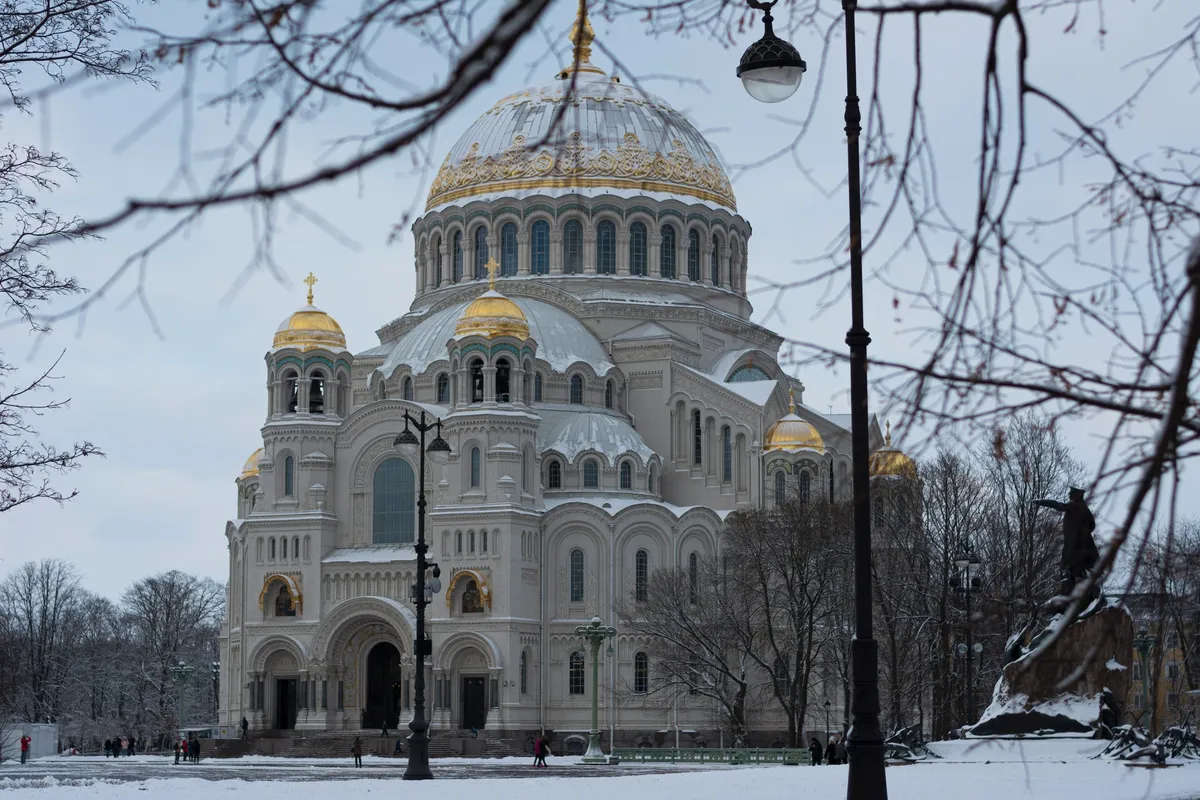
Kronstadt
Previously, Kronstadt was a closed city, and this austerity is still felt in its architecture. The main attraction is the Naval Cathedral, whose dome served as a landmark for sailors. Today, the city has transformed: the "Island of Forts" has opened here with cool eco-trails and museums, making Kronstadt a must-see on your itinerary.
Must-visit:
Naval St. Nicholas Cathedral – inside, it looks like a Byzantine temple transported to the Baltic.
Anchor Square – a unique pavement laid with cast-iron cobblestones.
"Island of Forts" Park – a modern space with an Alley of Naval Heroes and panoramic swings.
Wooden lighthouse on the embankment – an ideal location for sea photos.
Pavlovsk
Pavlovsk Park is the largest in Europe, and exploring it in a day is a task for a marathon runner. There's no straightforwardness like in Peterhof; instead, you'll find cozy bends of the Slavyanka River and endless paths. This is a place for those who want to escape the hustle and bustle and simply breathe. Be sure to bring pine nuts – the local squirrels here are very sociable.
Must-visit:
Pavlovsk Palace – a masterpiece of classicism with stunning Greek and Italian Halls.
"White Birch" Area – a vast forest where the landscape appears natural but is meticulously planned.
Temple of Friendship – an elegant rotunda in a bend of the river.
Gonzaga Gallery – unique fresco painting on the palace walls, creating an illusion of volume.
Gatchina
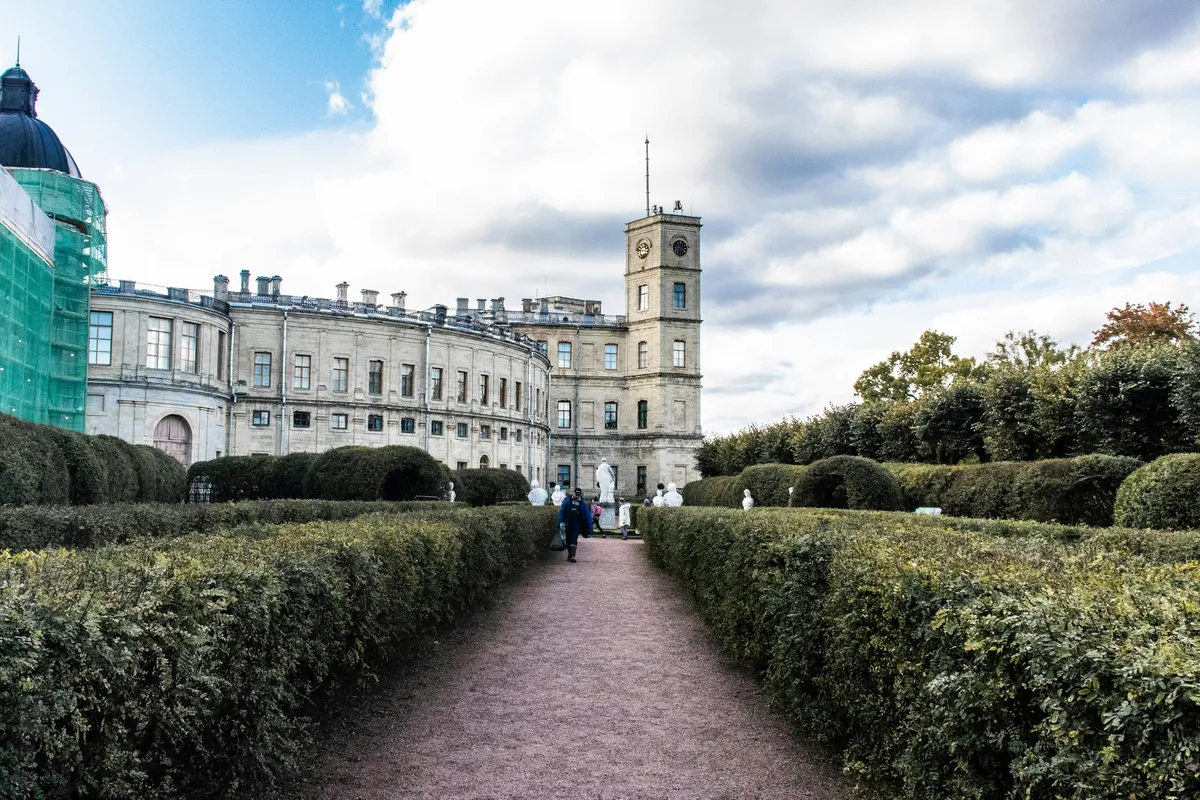
Gatchina Palace is the most austere among all the suburbs. It resembles a medieval fortress more than an elegant palace. The main feature here is an underground passage leading to the lake, where you can test the echo. And Gatchina also has the unique Priory Palace, which looks like a fairy tale set piece.
Must-visit:
Grand Gatchina Palace – explore the ceremonial halls and be sure to go down to the basement.
"Echo" Underground Passage – to shout something and hear a multiple echo.
Priory Palace – the only building in the world constructed from rammed earth.
Venus Pavilion – located on the Isle of Love, an incredibly delicate and beautiful place.
Oranienbaum (Lomonosov)
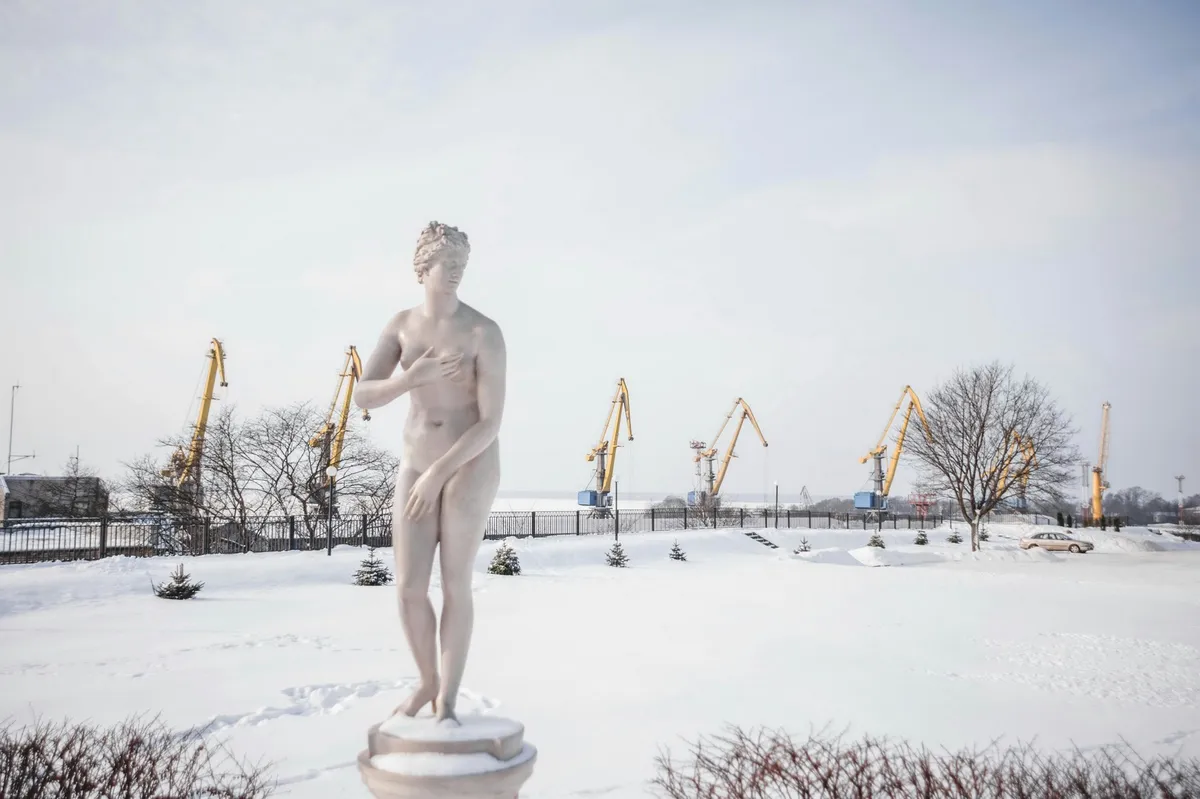
This is the only suburb that was not destroyed during the war, so everything here is "the real deal," authentic. The Chinese Palace is a jewel box; its interiors have been preserved in their original state. Oranienbaum is usually less crowded, so you can enjoy the tranquility here.
Must-visit:
Chinese Palace – for the famous Glass-Bead Study.
Sliding Hill Pavilion – a delicate blue building that was once part of a huge attraction.
Peter III Palace – a tiny but very elegant palace for the reclusive emperor.
Lower Garden – one of the oldest formal gardens in Russia.
Vyborg
Vyborg is a portal to medieval Europe. Narrow cobbled streets, the oldest residential building in Russia, and a majestic castle on an island. After a walk through Mon Repos Rock Park, where granite cliffs meet northern waters, you'll understand why artists and poets love this place so much.
Must-visit:
Vyborg Castle and St. Olaf's Tower – for a panoramic view of the entire city.
Alvar Aalto Library – a masterpiece of modernism with unique lighting.
Mon Repos Park – walk to the "Edge of the World" and see the Island of the Dead (Ludwigstein).
Burgher's Estate – to try the famous pretzel and honey ale.
The suburbs of St. Petersburg are love at first sight and for life. Each destination requires its own mood and at least one full day.