The Most Famous Volcanoes in the World
Volcanoes have fascinated humanity for centuries, leaving an indelible mark on history. To this day, they play an important part in human culture and life. In the Kupi.com Blog, we tell you about the top most famous volcanoes in the world: we'll share their history and tell you how to conquer them.
Agung
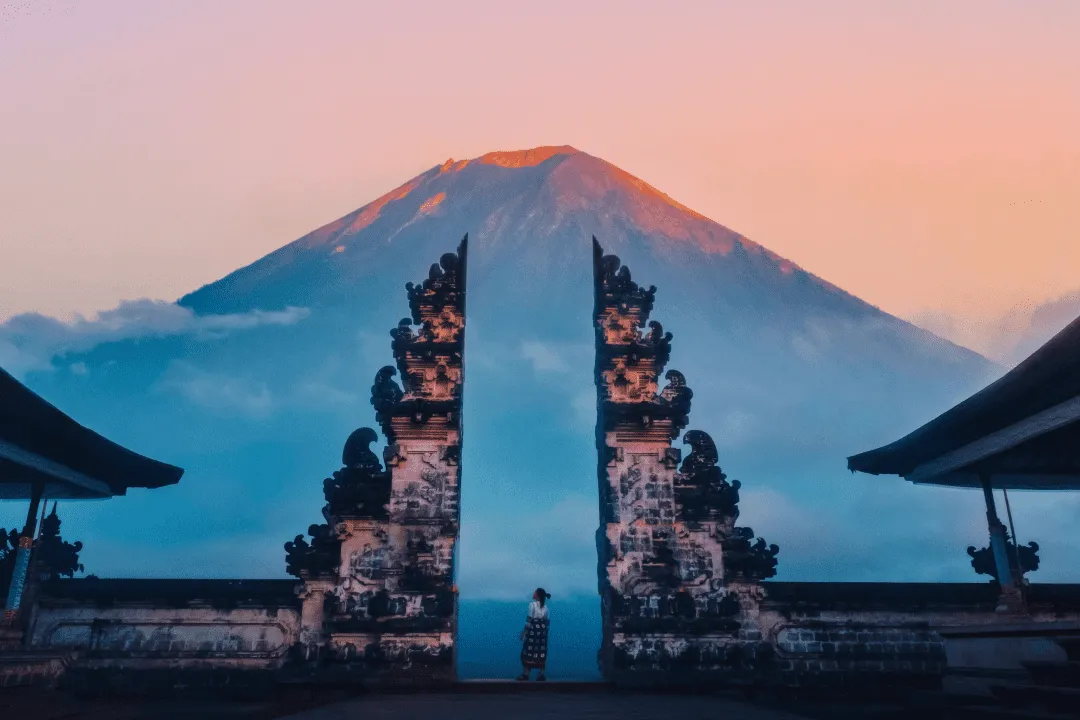
The most famous and largest volcano in Bali, a sacred place for its inhabitants. Its height reaches almost three thousand kilometers — it is the highest point on the island.
Local legends say that the gods looked upon paradise Bali and decided to settle there. But to avoid meeting people, they created Agung. On the mountain's summit, they built a temple for themselves and from there observed ordinary people and made fateful decisions.
Sometimes the gods get angry, and the volcano erupts. The last time this happened was in 2017 — everyone was evacuated from the island and air travel was suspended. But overall, Agung is considered safe, and you can even climb it.
Three trails lead to the summit of Agung. The most popular and longest one starts from Pura Besakih temple, and the path to the volcano takes seven hours. Tourists who want to see the magical Balinese sunrise start their ascent as early as 11 PM. If you follow the trail, it will lead you to the very top.
Travelers recommend visiting Bali from the first month of summer until November. This is important because during this period there are no tropical downpours that could hinder climbing Agung: rains wash away mountain trails and significantly increase the risk of injury.
Want to see the sacred place of the Balinese live? To Bali there are convenient flights. You can also buy tickets to Bali .
Vesuvius
An active volcano in southern Italy, about 15 kilometers from Naples. The height of Vesuvius is 1.2 kilometers.
This volcano is considered the most dangerous in Europe, and for good reason. In 79 AD, the eruption of Vesuvius claimed the lives of thousands of people and destroyed the cities of Pompeii and Herculaneum. And in 1994, one of the lava flows destroyed San Sebastiano and Massa — this was the last historical eruption.
Vesuvius has always attracted tourists visiting Naples. Climbing this volcano was attempted to be made easy: a pendulum funicular and a chairlift were installed. But the 1994 eruption destroyed everything — now you can only climb the mountain via an equipped pedestrian trail.
Access to the trail is open:
– in December and February from 9:00 AM to 3:00 PM;
– in March and October from 9:00 AM to 4:00 PM;
– in April, June, and September from 9:00 AM to 5:00 PM;
– in July and August from 9:00 AM to 6:00 PM.
Mount Fuji
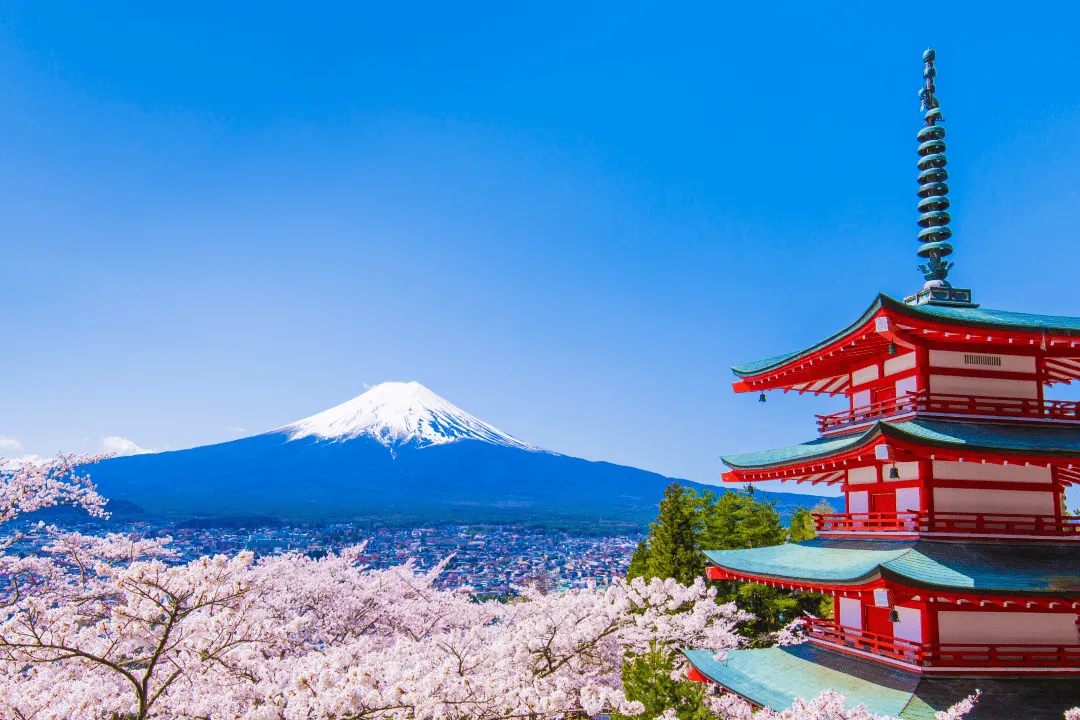
A symbol of Japan and the highest volcano on Honshu Island, a focal point for religious pilgrimages of Buddhist and Shinto cults. Its height is 3.7 kilometers.
It's hard to overstate Mount Fuji's influence on the culture of the Land of the Rising Sun — its image can be found even in the oldest books and on scrolls. The classic image of the mountain in painting is a smoking volcano with an ice-covered summit. The Japanese considered Mount Fuji the mountain of Taoist immortals: the rising smoke supposedly came from the elixir of immortality lit in the crater of the volcano elixir of immortality. And anyone who conquers the summit of this mountain will also gain immortality.
Intrigued by the part about immortality? Then you can try climbing the mountain. But the journey won't be easy: in places, the ascent is quite steep and rocky, and the wind can literally knock you off your feet. The higher you climb, the more the temperature will drop. Fortunately, the entire ascent is divided into ten stations: at each of them, there are huts where you can eat and sleep.
Here's a super life hack: you can take a bus to the fifth station and significantly simplify your journey.
Klyuchevskaya Sopka
One of the most famous active volcanoes in Eurasia, its height is 4.7 kilometers.
Grey plumes of vapors and gases swirl above the summit of Klyuchevskaya Sopka. When there's no wind, they rise to the sky and stretch into the distance. And this is a normal state for the volcano. But sometimes, once every five to six years, Klyuchevskaya Sopka erupts. The last recorded eruption was in June 2023.
Climbing Klyuchevskaya Sopka is not easy; in terms of difficulty, it is comparable to climbing Elbrus. Therefore, it's not advisable to ascend alone, even with suitable equipment — it's better to contact specialists and guides who can help you.
By the way, the best time for climbing is late summer and early autumn. That's when the monsoons weaken and make the ascent a little easier.
It's difficult to fly to Klyuchevskaya Sopka, but it's possible. Here are affordable tickets to Kamchatka and from St. Petersburg to Petropavlovsk-Kamchatsky.
Kīlauea
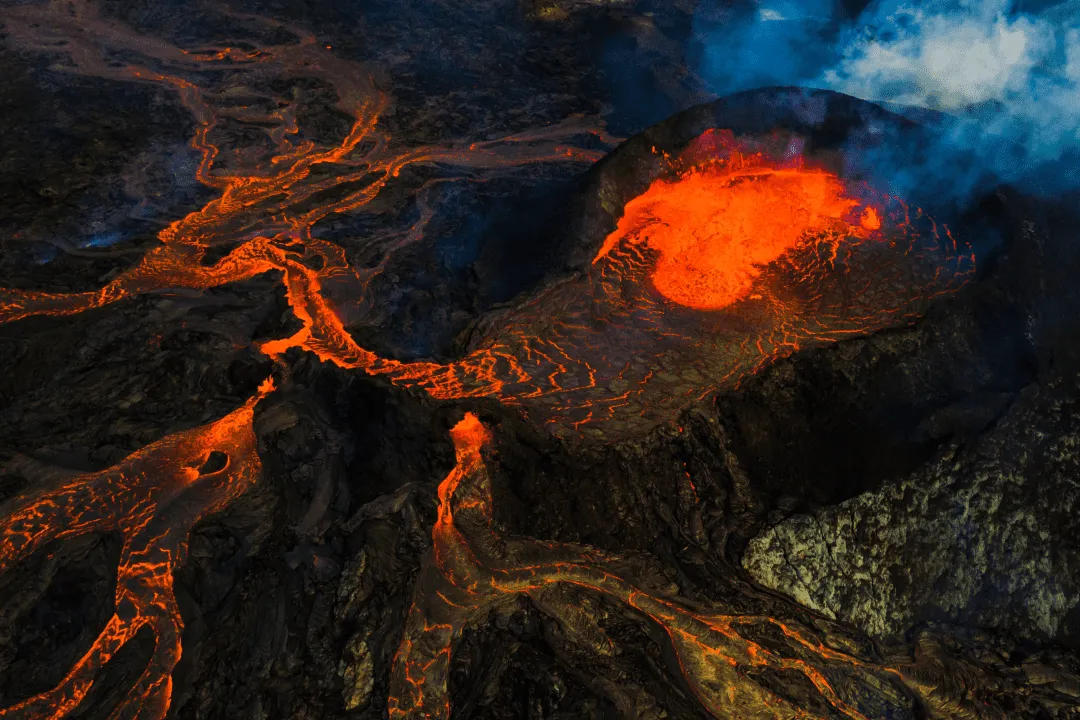
Young and one of the most dangerous volcanoes on the planet. Kīlauea originates from the bottom of the Pacific Ocean, in the south of the Hawaiian Islands. Its summit rises 1.2 kilometers above sea level.
According to ancient Hawaiian legend, Kīlauea is the dwelling of Pele, the goddess of fire and lightning. When the goddess is in a bad mood, the volcano erupts lava in strands — locals believe these are the goddess's own hair.
For the last 30 years, the volcano has been continuously erupting. Therefore, tourists need to be extremely careful, plan their trip based on the island's seismic activity, and listen carefully to guides.
Interesting fact: next to Kīlauea, there is an equally dangerous volcano Yellowstone. It is said that if it becomes active, it will lead to catastrophic consequences for all of America.
Etna
The highest active volcano in Europe is located on the Mediterranean coast, in Sicily. Mount Etna's height is 3.3 kilometers.
According to ancient Greek myths, during the battle of gods and giants, Athena crushed the immortal Enceladus with this mountain. He constantly tries to escape from under it, which is why eruptions occur. There is another version: giants who declared war on the gods were imprisoned in Etna.
You can climb Etna in various ways: by car, bicycle, cable car, and on foot. There are three safe and equipped routes: southern, eastern, and northern. Experienced tourists advise taking a guide: they are familiar with the terrain and can understand when an eruption might occur.
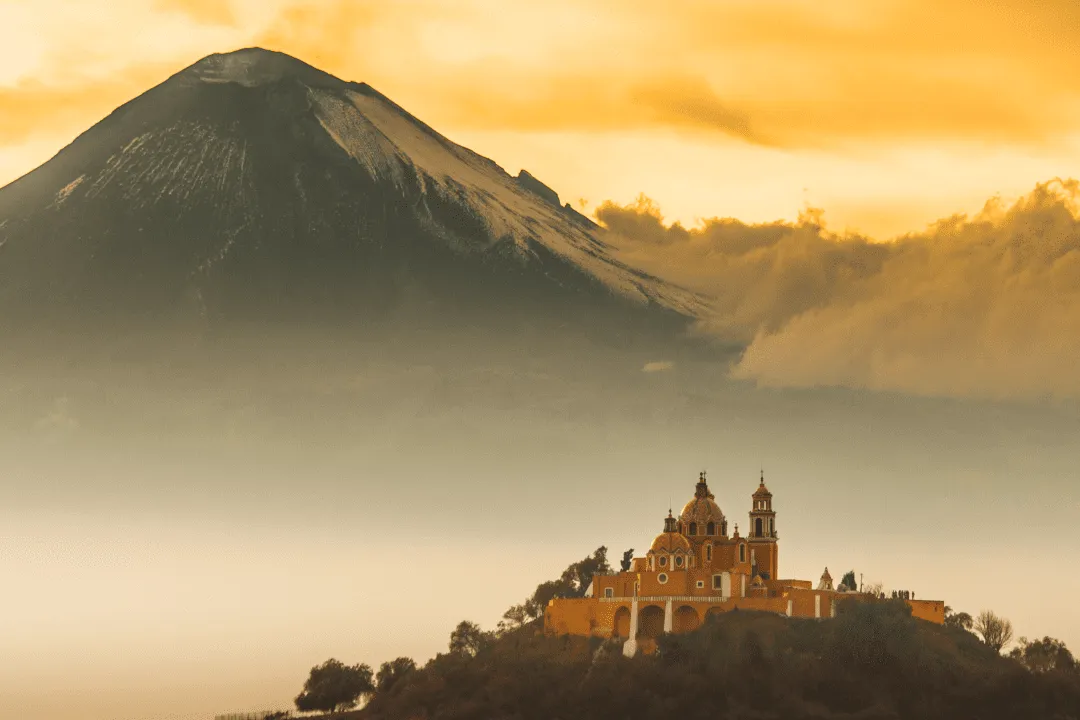
Popocatépetl
The second highest active volcano in Mexico. From Aztec, it translates as "smoking mountain."
Popocatépetl has a neighbor — the sacred mountain Iztaccíhuatl. There is even a poetic legend that connects them:
The ruler's daughter, Iztaccíhuatl, fell in love with the warrior Popocatépetl. But her father sent him to war, to certain death. The ruler promised that if the warrior returned alive, he would allow them to marry. Later, Iztaccíhuatl was deceived, told that Popocatépetl had died in battle, and forced to marry another.
But Popocatépetl returned, and Iztaccíhuatl took her own life out of grief. The warrior built a pyramid for his beloved and placed her body on its summit. He also built a pyramid for himself nearby, to gaze upon his beloved forever. Over time, the pyramids became mountains.
Anyone can conquer volcano Popocatépetl, the main thing is to prepare: take comfortable shoes, a light warm jacket, sturdy pants, and a hat. A traveler's tip: it's best to start the ascent early in the morning — later, the mountains can be covered by clouds.
Mount St. Helens
Mount St. Helens is called the American Mount Fuji. The volcano is located in Washington state and is known for its devastating eruption in 1980. After this explosion, its height decreased by 400 meters. This was followed by an emission of hot gas, steam, rocks, and ash, which covered a large part of the western USA.
Tourists are primarily attracted by the consequences of the eruption. For this, a special center was even created in Silver Lake — where interesting exhibits from 1980 are presented. And at the Bluffs center, you can sign up for a helicopter flight.
There's also a simpler way to have fun: tours offer fishing, horseback riding, and camping.
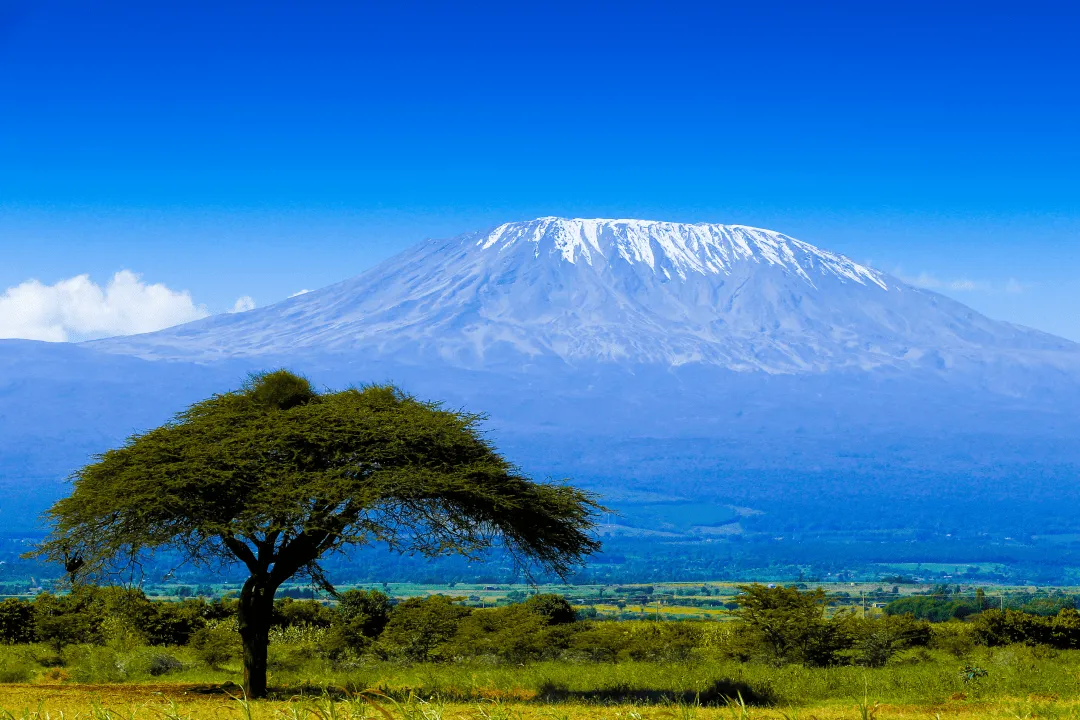
Kilimanjaro
The "Roof of Africa" and the highest mountain on the continent. It is almost the only place in Africa where you can see snow. Its height is 5.8 kilometers.
From the national language of Tanzania, Kilimanjaro translates as "shining mountain." This is because local people had never seen snow and sincerely believed that this volcano was covered in silver.
The climate allows climbing Kilimanjaro all year round. But the most favorable period is from June to September.
Cotopaxi
The highest of active volcanoes in the world. It is located 50 km from the city of Quito, the capital of Ecuador, within the Cotopaxi National Park. Previously, the volcano caused many problems for local residents due to its regular eruptions, but now it is dormant.
Mountain trails lead to the summit of Cotopaxi, with places for rest and overnight stays, and a campsite is located at its foot. Some prefer to climb the mountain by bicycle — it can also be rented.
For nature lovers, Cotopaxi will delight with its fauna: here you can find miniature hummingbirds, deer, llamas, wild horses, and lapwings.
So, are you already eager to embark on a journey? Let's go!