The World's Largest Cities
If you prefer non-stop action to quiet solitude somewhere by the sea or in the mountains — this article is for you. We've already told you about the oldest cities in the world, and now it's time to delve into megacities: find out which ones lead in population and area, and choose a destination for your next vacation.
Largest Cities by Population
1. Tokyo
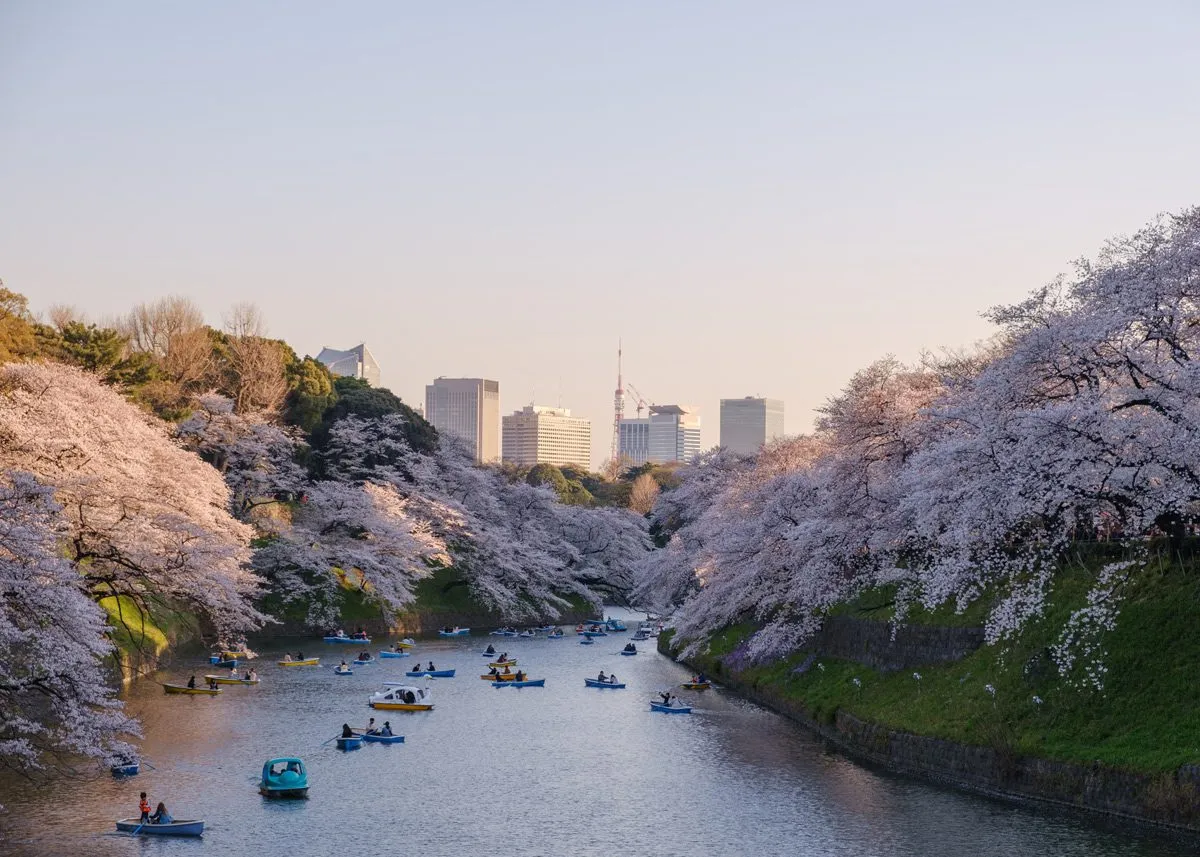
The population of the Japanese capital is over 13.5 million people. Including the surrounding areas, this number rises to 38 million, making Tokyo the largest city by population. Tokyo is the cultural, economic, and financial center of Japan. New technologies are organically combined here with traditional structures: for example, the towering Tokyo Tower shares the city with the 7th-century Sensoji Temple. Intrigued? Then definitely go on vacation to Tokyo.
2. Jakarta
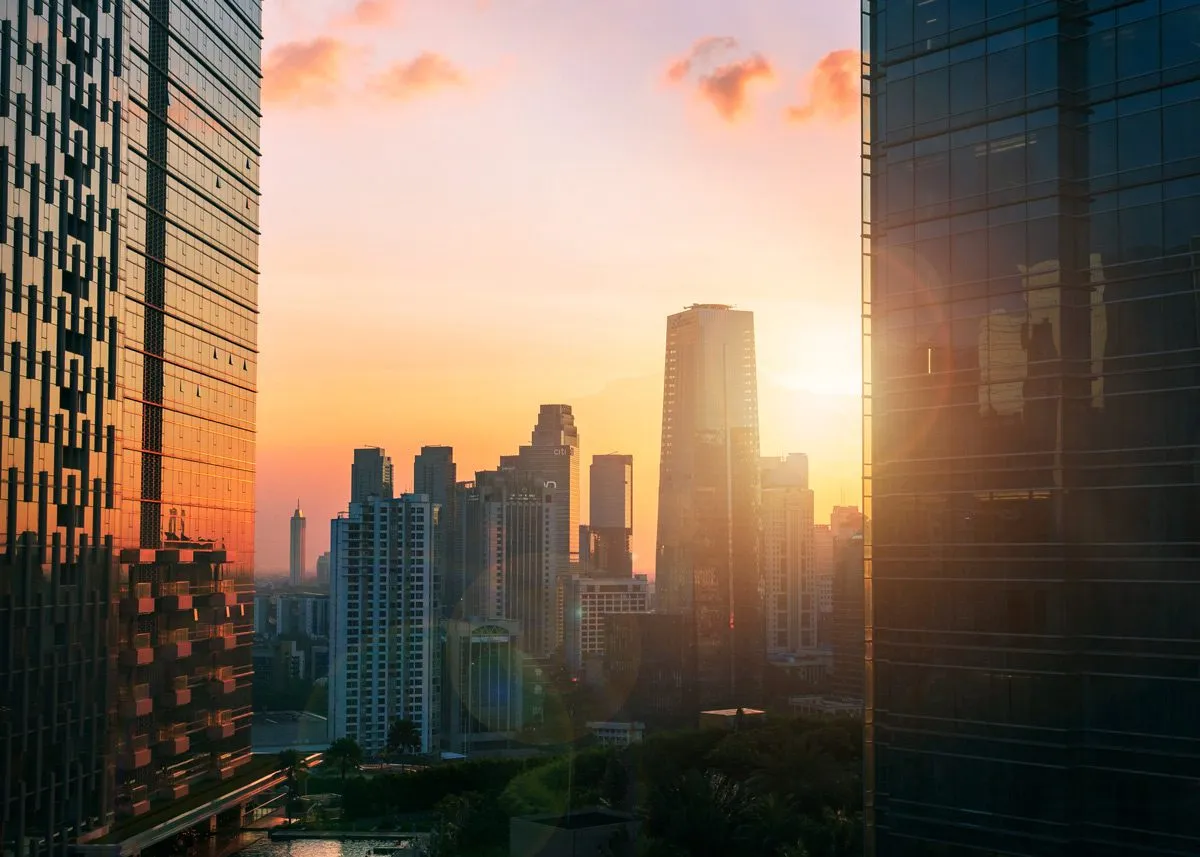
Jakarta is the capital of Indonesia and the largest city in the country: together with its metropolitan area, the number of residents is 30 million. Jakarta has a rich history: for some time, Dutch colonizers ruled here, and it was strongly influenced by Chinese, Malay, and Indian cultures. Therefore, the capital's attractions reflect its historical heritage: travelers can visit the Istiqlal Mosque or head to the Gothic Jakarta Cathedral.
3. Seoul
Seoul is the capital of South Korea and the country's largest city with a population of 25 million people. We recommend seeing in Seoul: Gyeongbokgung Palace, Namdaemun (one of the oldest gates built in the 14th century), traditional Korean houses, and temples. It's also a paradise for tech and cosmetics lovers, and, of course, for fans of Korean pop music.
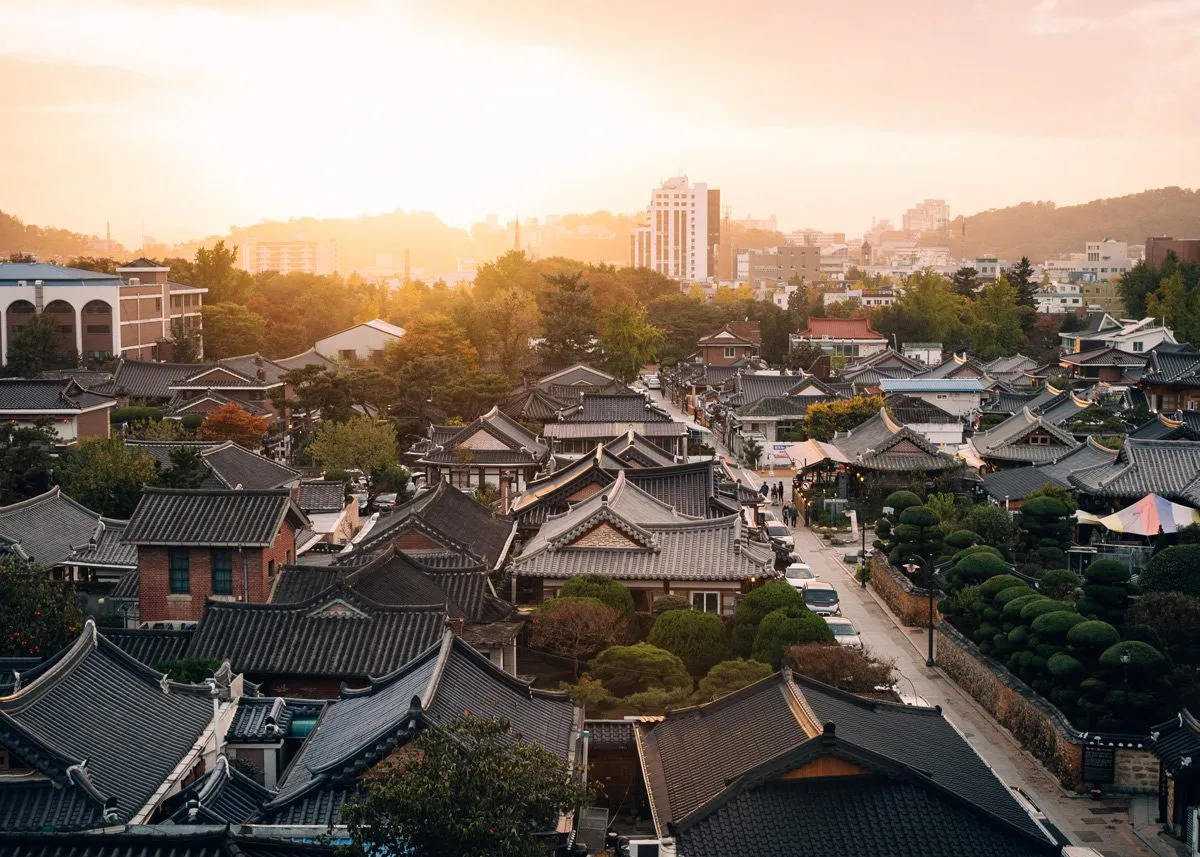
4. Shanghai
The population of this eastern Chinese city is 24 million people. Shanghai is the economic and financial center of China and Asia as a whole.
Tourists will find plenty to see: there's the Bund waterfront with breathtaking views of skyscrapers (no less impressive than New York's landscapes), and skyscrapers in the Pudong district (financial center, TV tower — among the tallest in Asia), and Shanghai Zoo. And let's not forget that it even has its own Disneyland!
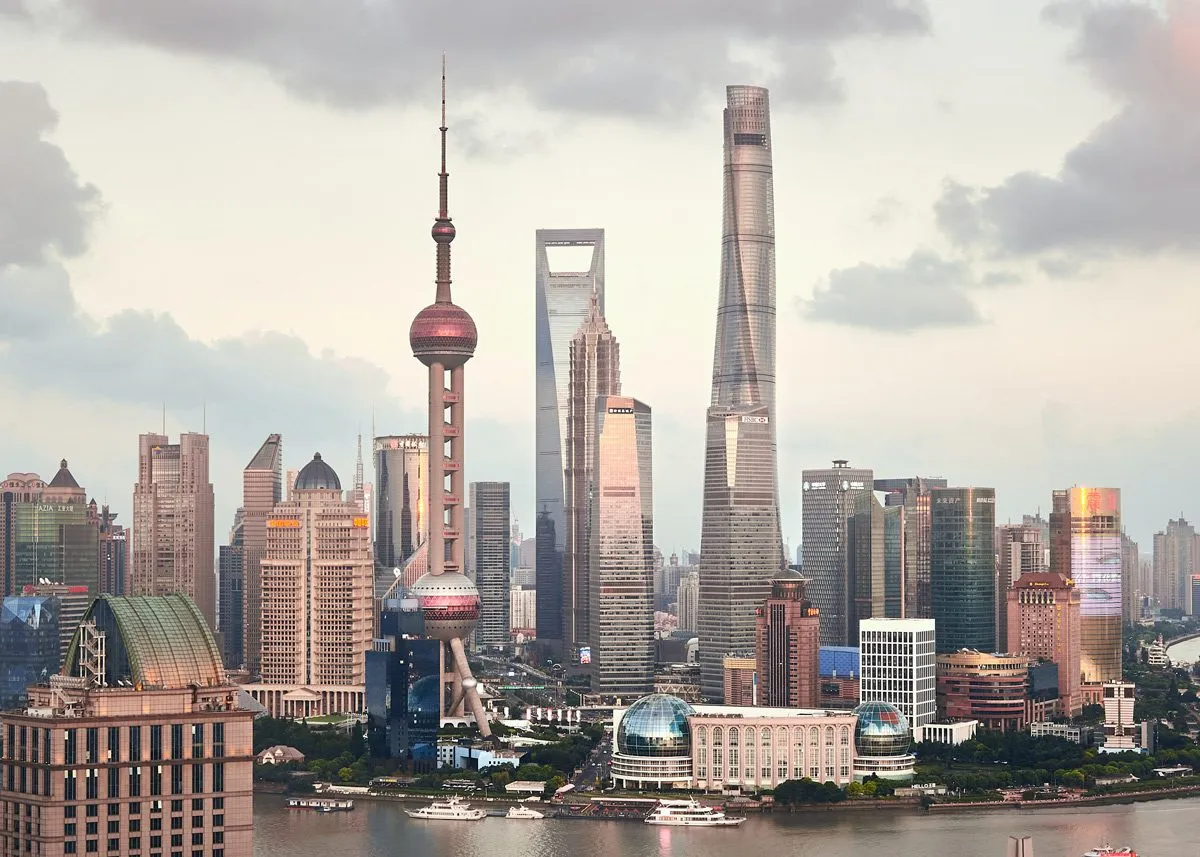
5. São Paulo
The number of residents here reaches 21 million, making São Paulo the largest city in Latin America and the economic center of Brazil. And although there are many offices and representative offices of large companies here, the location offers many opportunities to relax: for example, go see Monet and Van Gogh at the Museum of Art, climb the Banespa skyscraper, or have a picnic in Ibirapuera Park.
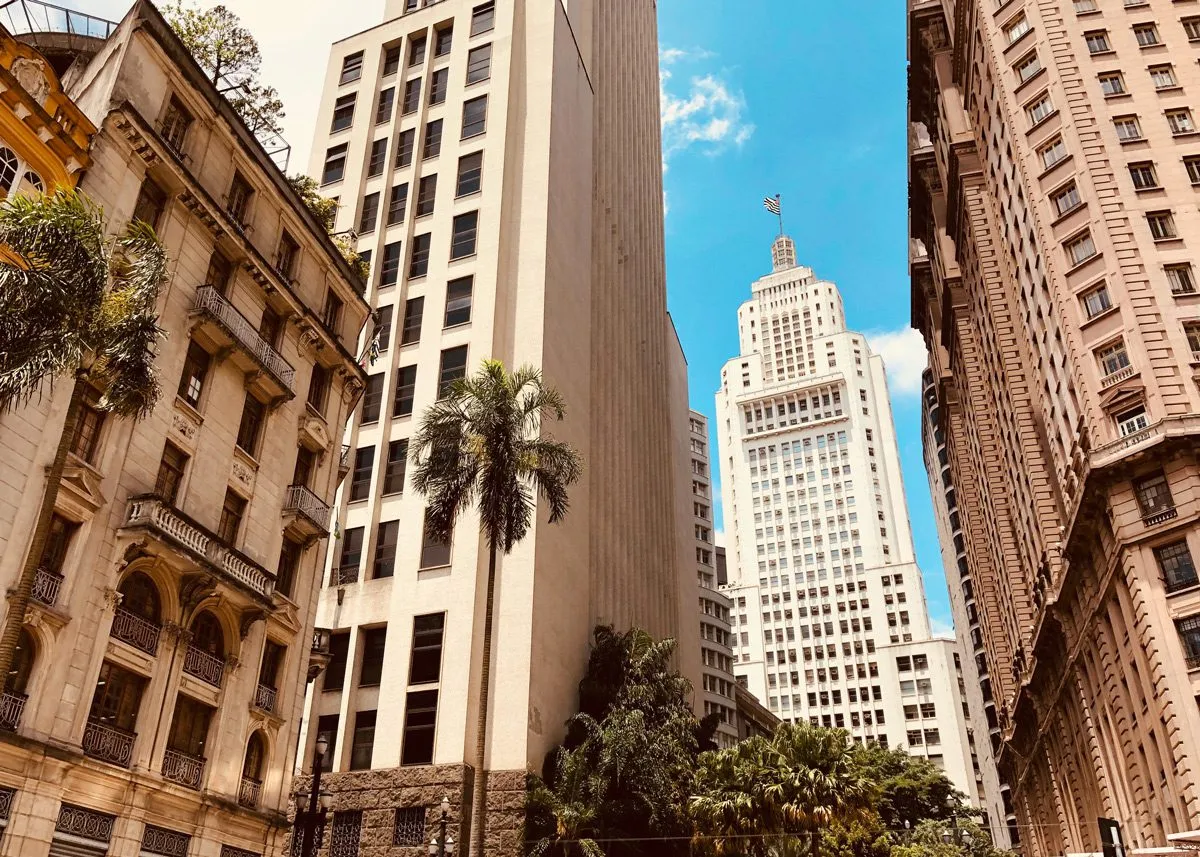
6. Mexico City
Mexico City is the capital of Mexico and the largest city in the country with a population of 8.8 million people, and including the surrounding areas — 21 million. What to see in Mexico City: the National Palace — the presidential residence, the Basilica of Guadalupe — the country's main temple, the ancient pyramids of Teotihuacan. Mexico City is also worth visiting for its local cuisine: where else but here to try tacos, guacamole, and chili con carne.
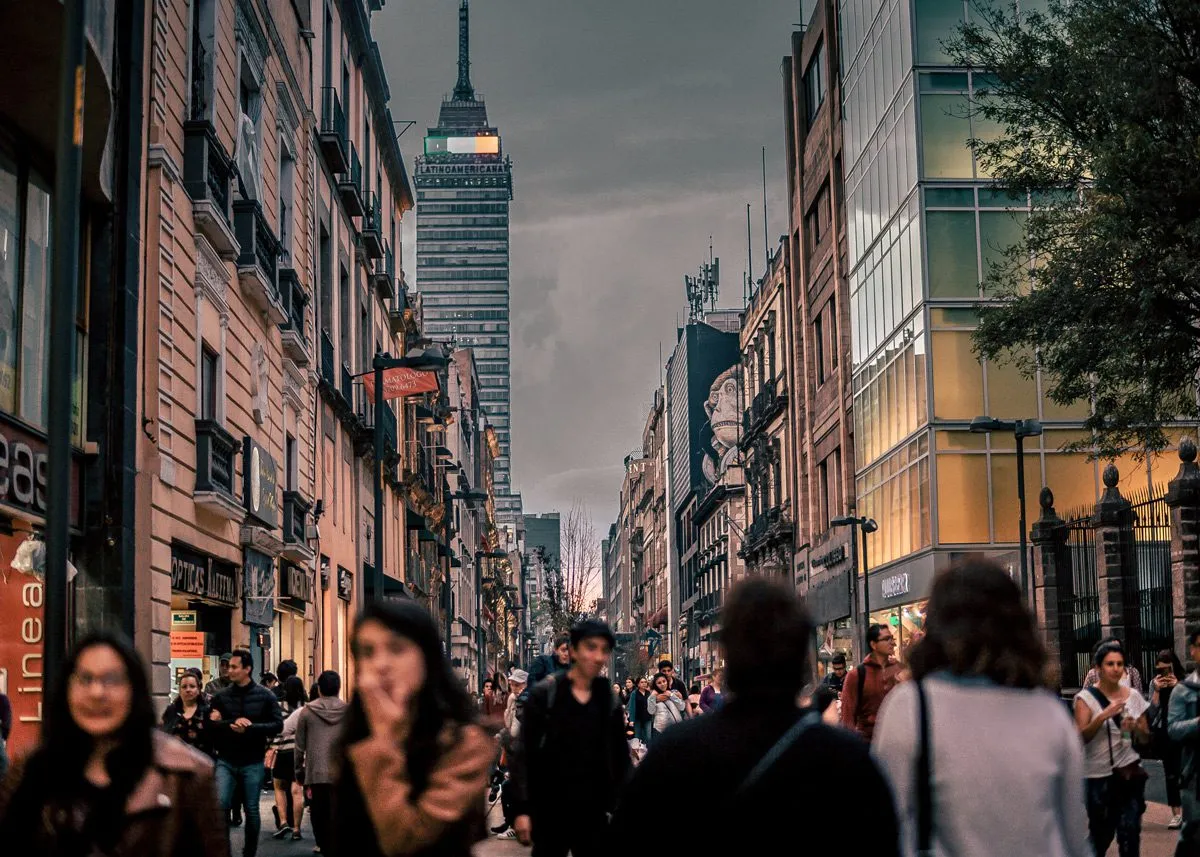
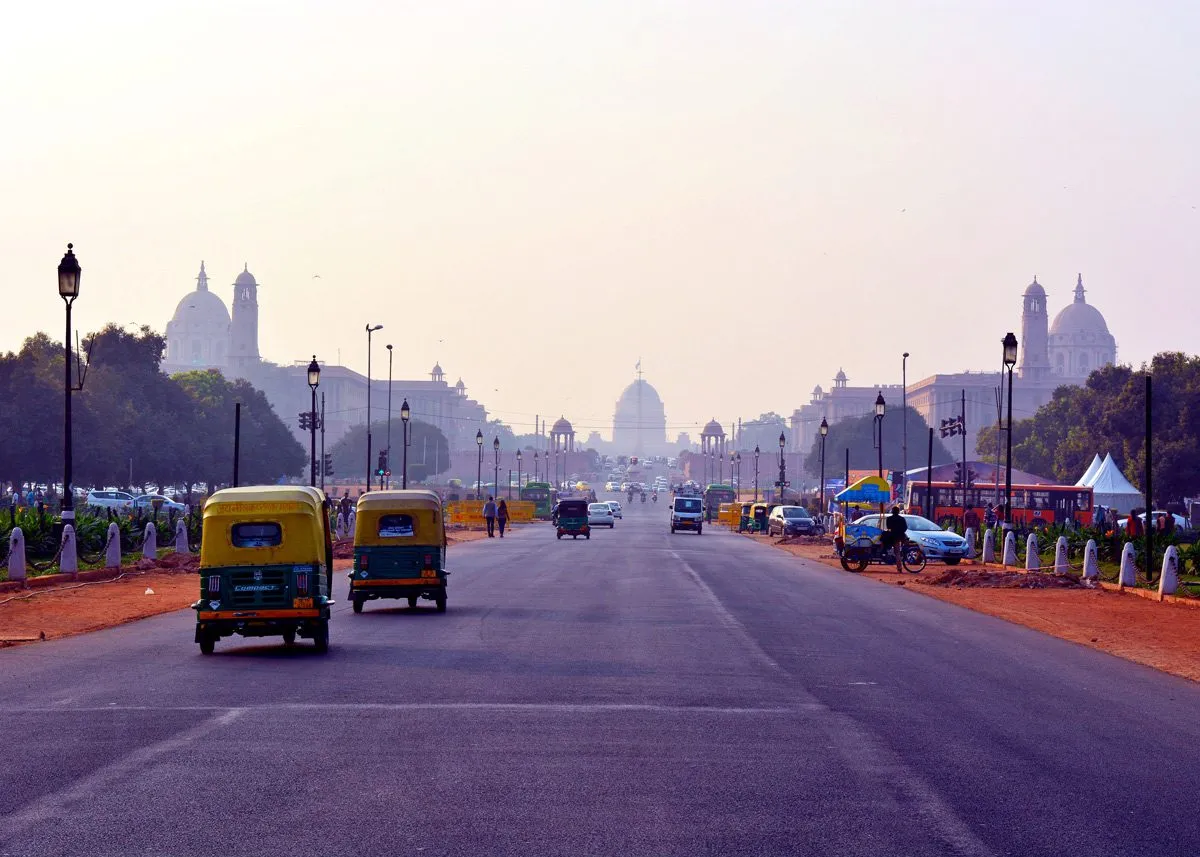
7. Delhi
Over 21 million people live in the capital of India. Delhi is the economic, political, and cultural center of the country. Various dynasties and religions have left their mark here: Muslims, colonizers of the British Empire, rulers of independent India. The Red Fort, for example, dates back to the Mughal Empire (a Muslim state of the late Middle Ages, not to be confused with the Mongols!), and the Qutub Minar minaret dates back to the 12th century.
8. New York
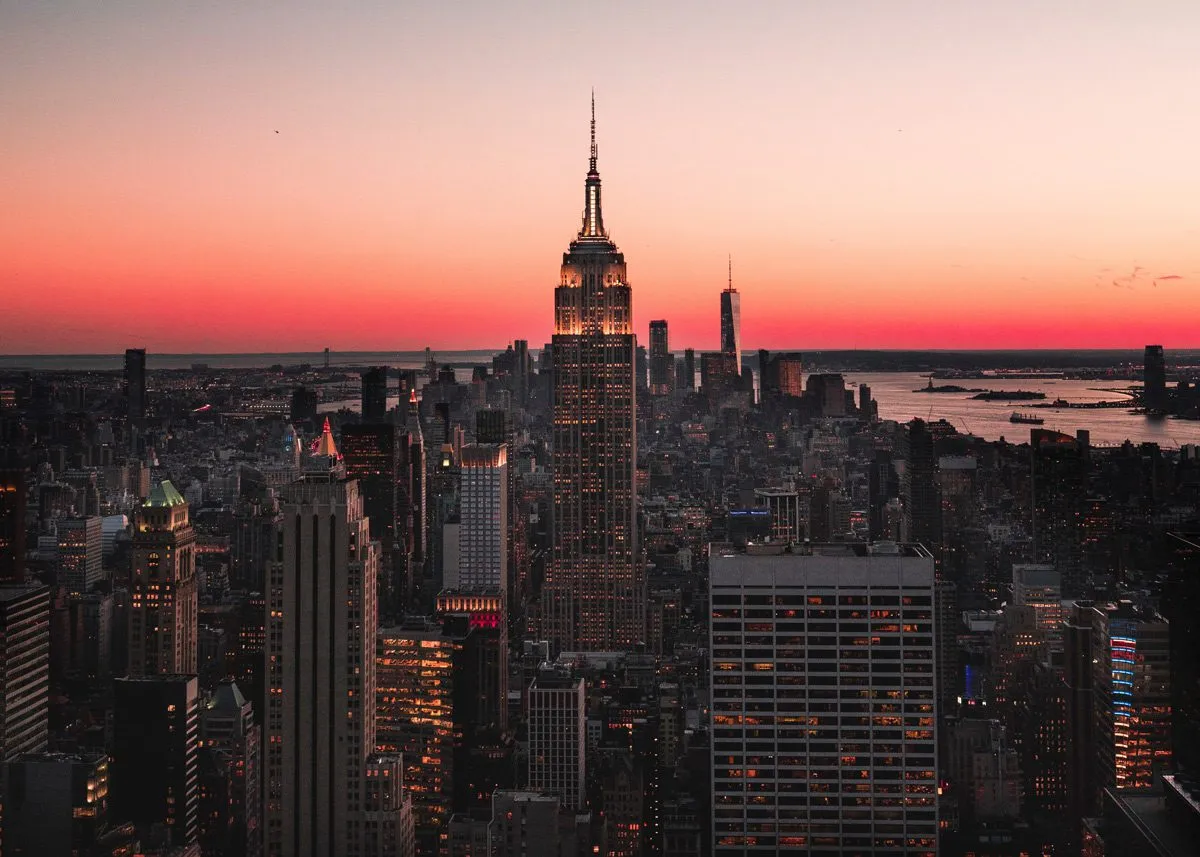
The 'Big Apple' — as New York is called after the first fruit-bearing tree planted there — though not the largest city in the world, is the largest in the USA. About 8 million people live here, but the boundary with the suburbs has blurred over time: so we count the metropolitan population as about 20 million.
Listing New York's attractions seems pointless: you've surely heard of the Statue of Liberty, the Empire State Building, Central Park, Times Square. But it's better to see it once than hear about it a hundred times: if you have a visa, go to New York for a face-to-face encounter with the metropolis.
9. Mumbai
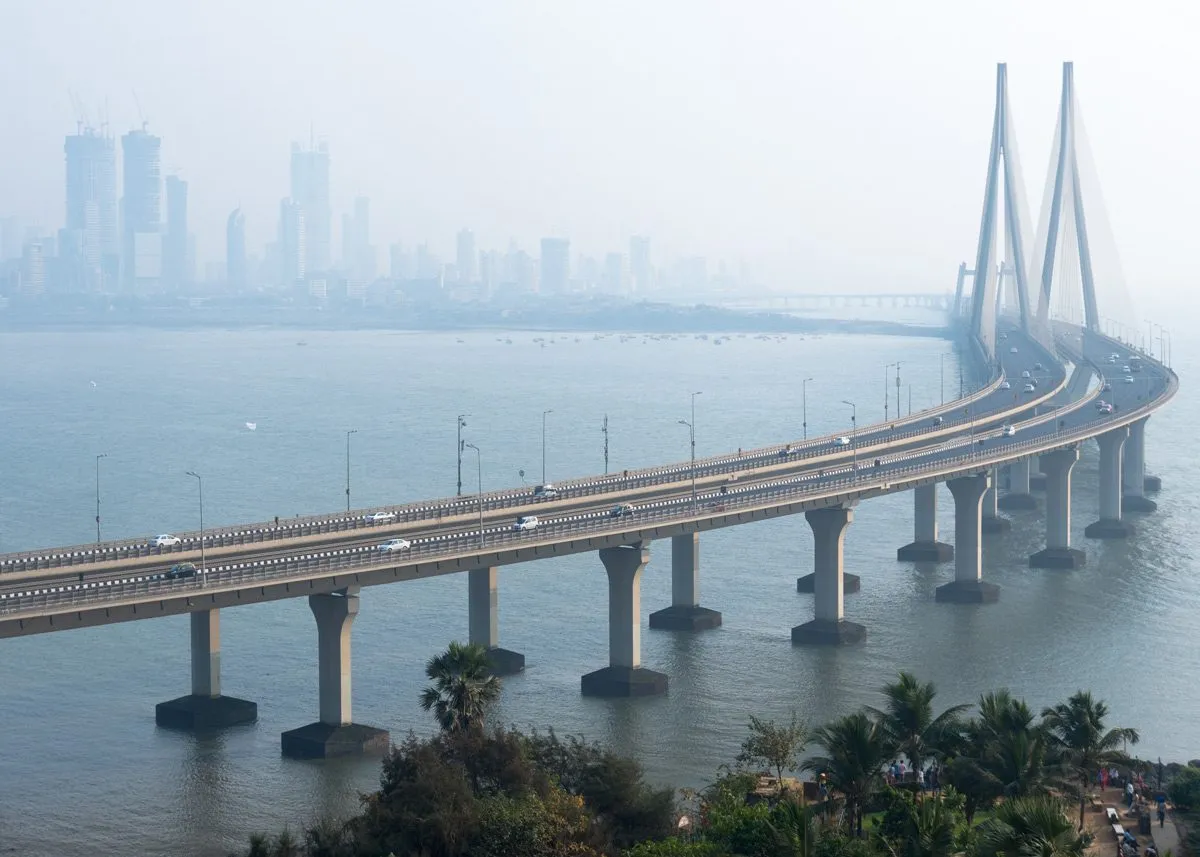
20 million people live in Indian Mumbai, including its suburbs. Mumbai is India's largest port. Here you should see the Gateway of India, Chhatrapati Shivaji Terminus (yes, the city has such a cool station that it's considered an attraction), and the Colaba district with its restaurants and shops.
10. Manila
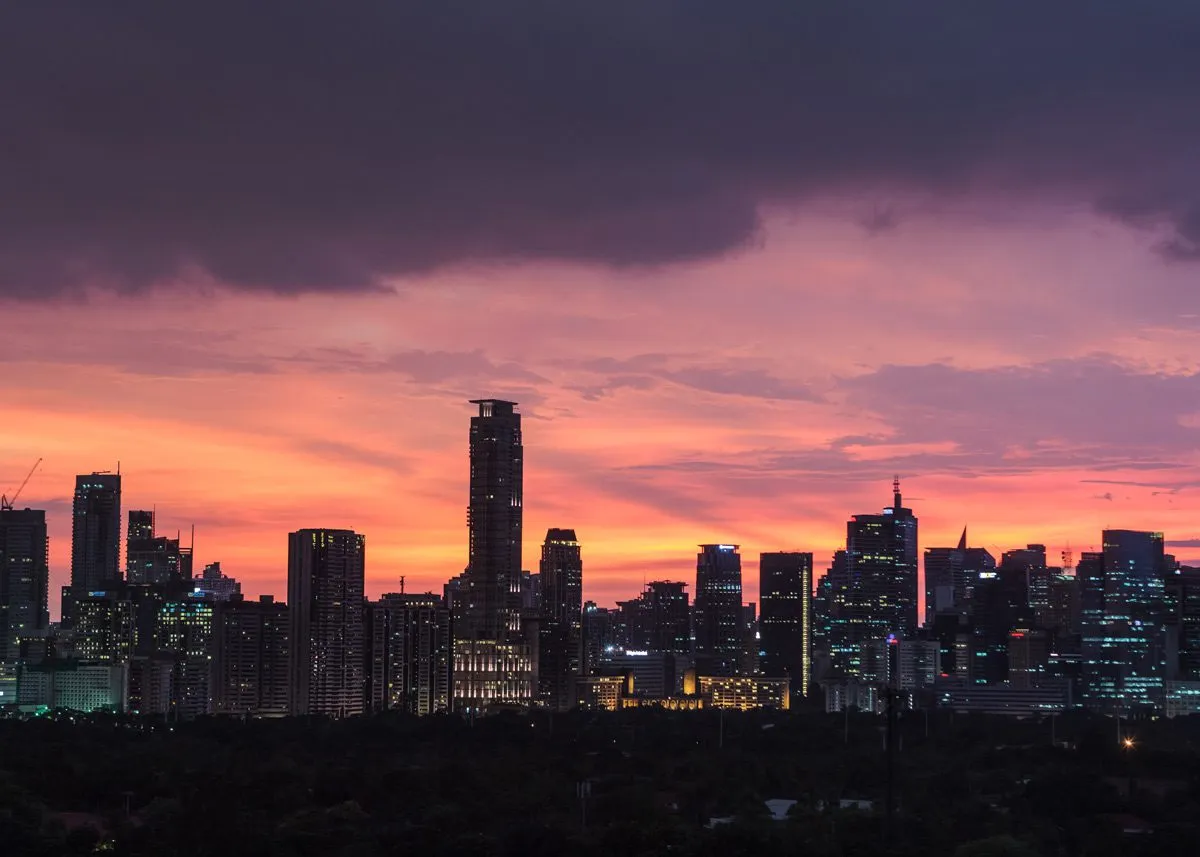
The capital of the Philippines is home to 12.8 million people and also has a colonial history: at various times, Spanish and US influences spread here, and the attractions reflect the city's diverse heritage. Come to Manila to see Rizal Park, Chinatown, the Spanish Fort Santiago, and the Pontifical and Royal University of Santo Tomas. The city is also known for its markets (Baclaran, for example), where you can buy everything from street food to souvenirs and local artisans' goods. For a couple of Filipino souvenirs, head on vacation along the route Moscow — Manila.
The World's Largest Cities by Area
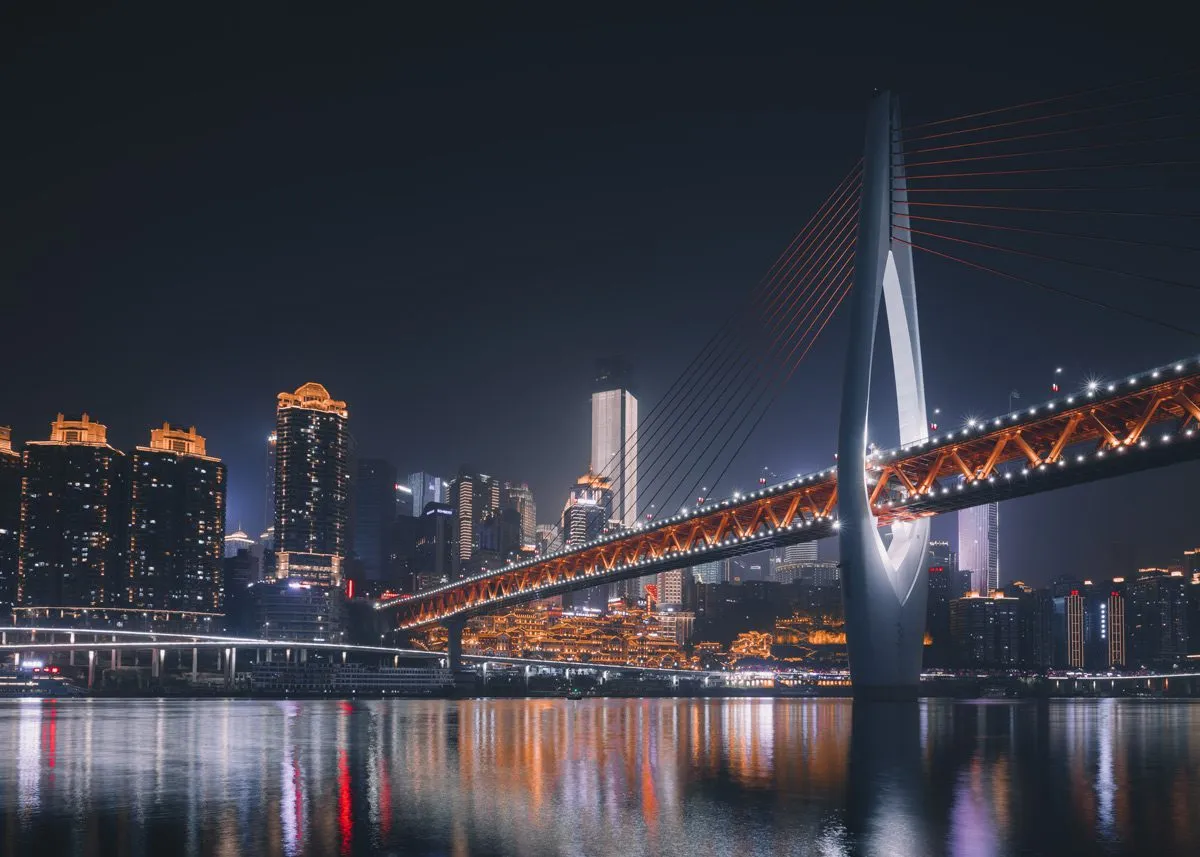
1. Chongqing
Chongqing in China is the largest city in the world by area, covering 82,400 km². To understand its scale: it's almost as big as Austria and twice the size of Switzerland. It's a city of skyscrapers and unusual structures: the elevated metro here passes right through residential buildings, playgrounds are built on rooftops, advertisements on buildings stretch for 50 floors, and Chongqing also has special lanes for people with smartphones — so they don't bump into passersby while glued to their phones.
2. Hangzhou
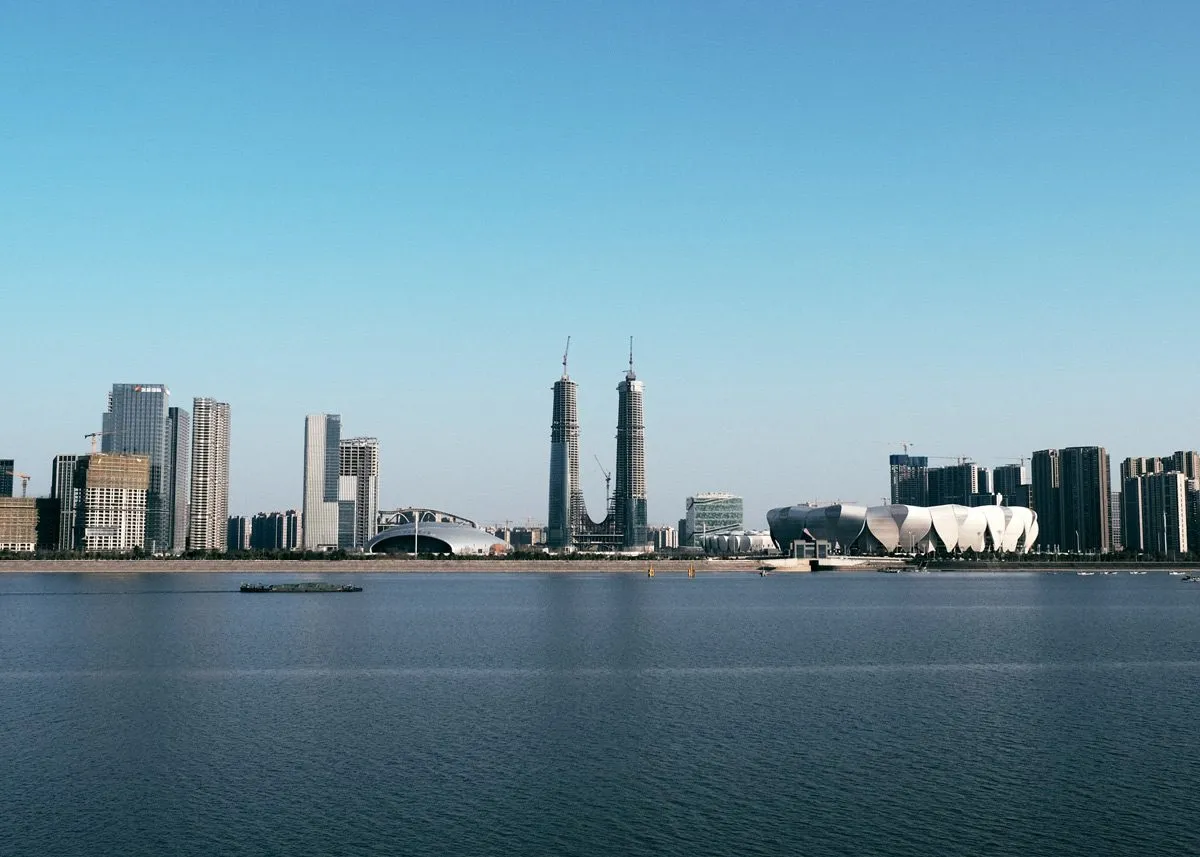
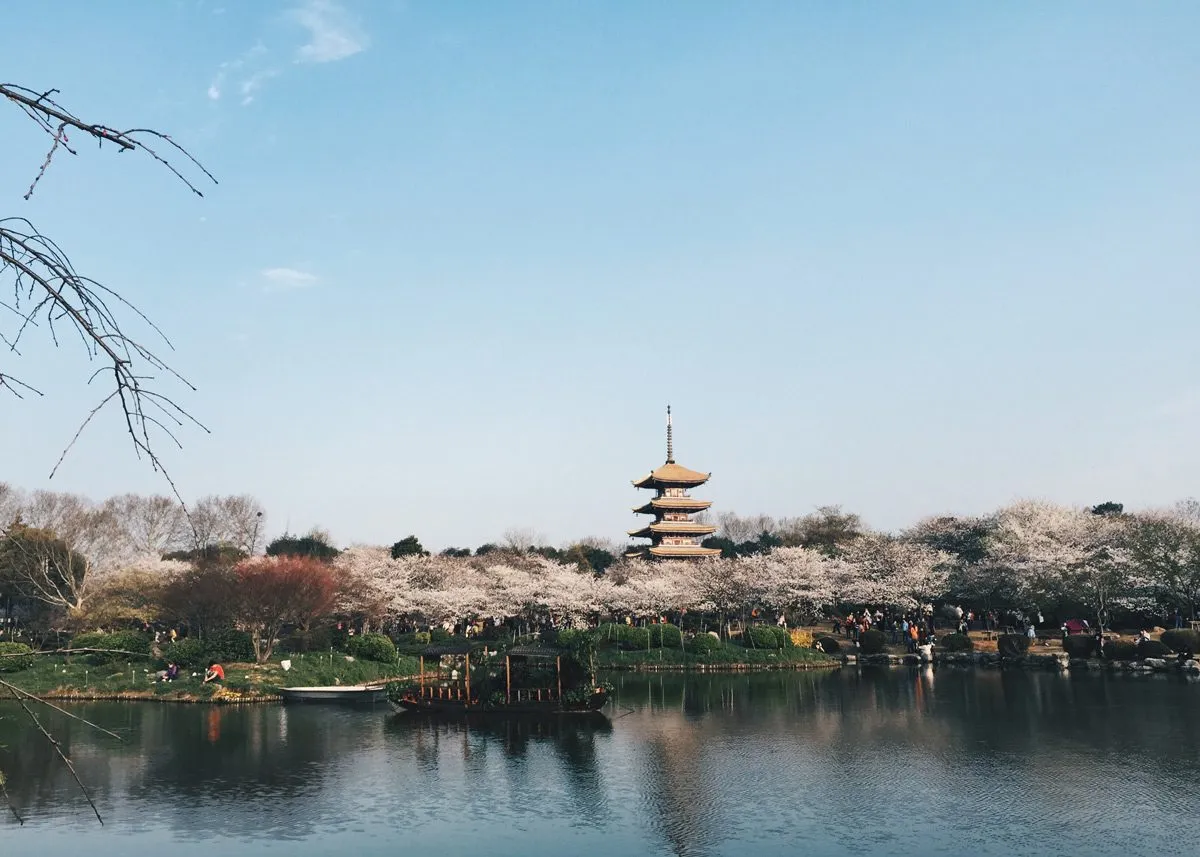
Another Chinese city, located just 180 km from Shanghai, with an area of 16,840 km². In the early Middle Ages, Hangzhou was the most populous city in the world. Today, the city attracts with its natural beauty — for example, the West Lake, popular with tourists. Along its shores are a number of attractions: Lingyin Temple, General Yue Fei Temple, Leifeng Pagoda, and Liuhe Pagoda. By West Lake — be sure to taste the local 'West Lake Longjing' tea, whose leaves are harvested from tea plantations in the nearby Longjing village.
3. Beijing
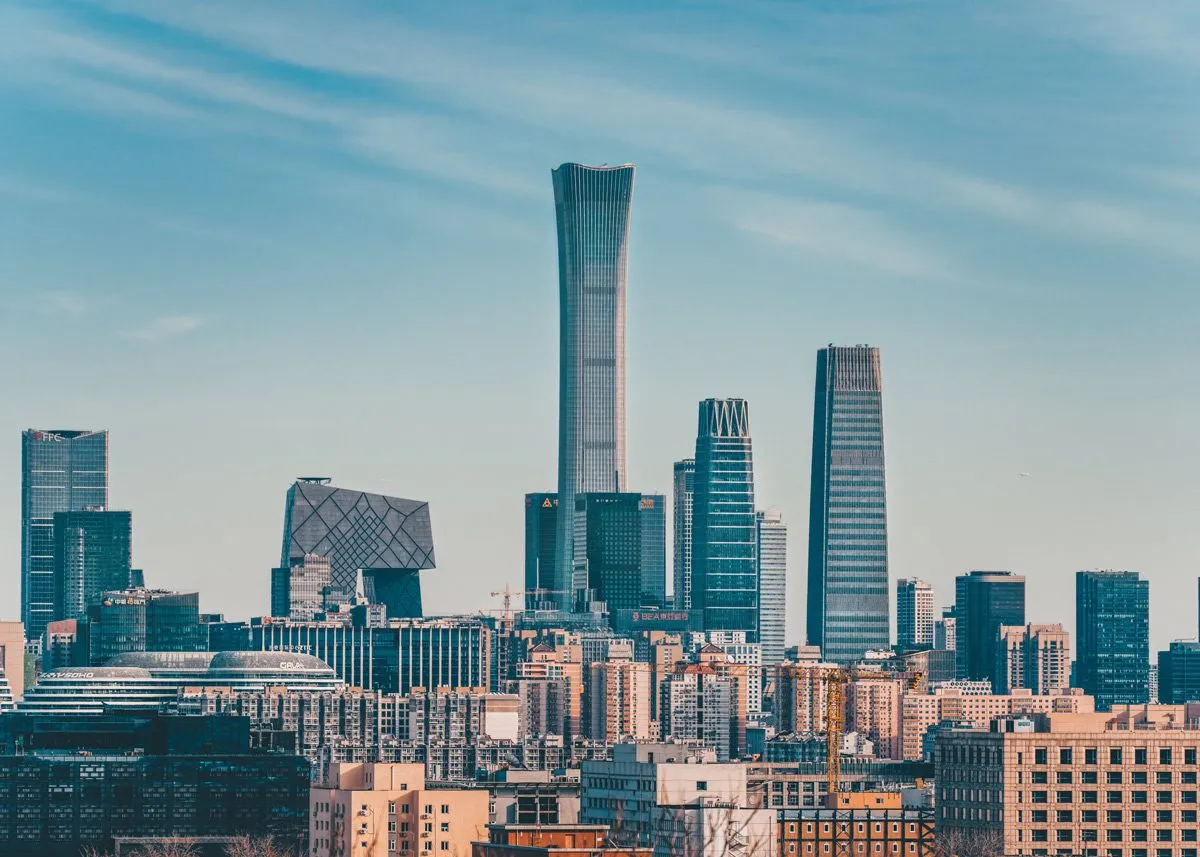
Beijing though not the largest city by area in the country, is also among the world's top cities: it covers 16,801 km². The Chinese capital is not only a political, but also a cultural and educational center, and China's largest railway and road hub. In 2008, the city hosted the Summer Olympic Games, and in 2022 — the Winter Games. Beijing has many attractions: the Forbidden City palace complex, the Temple of Heaven, and nearby — a section of the Great Wall of China. And of course, in Beijing, restaurants with authentic Peking duck await you — come here to fulfill your gastronomic desires.
4. Brisbane
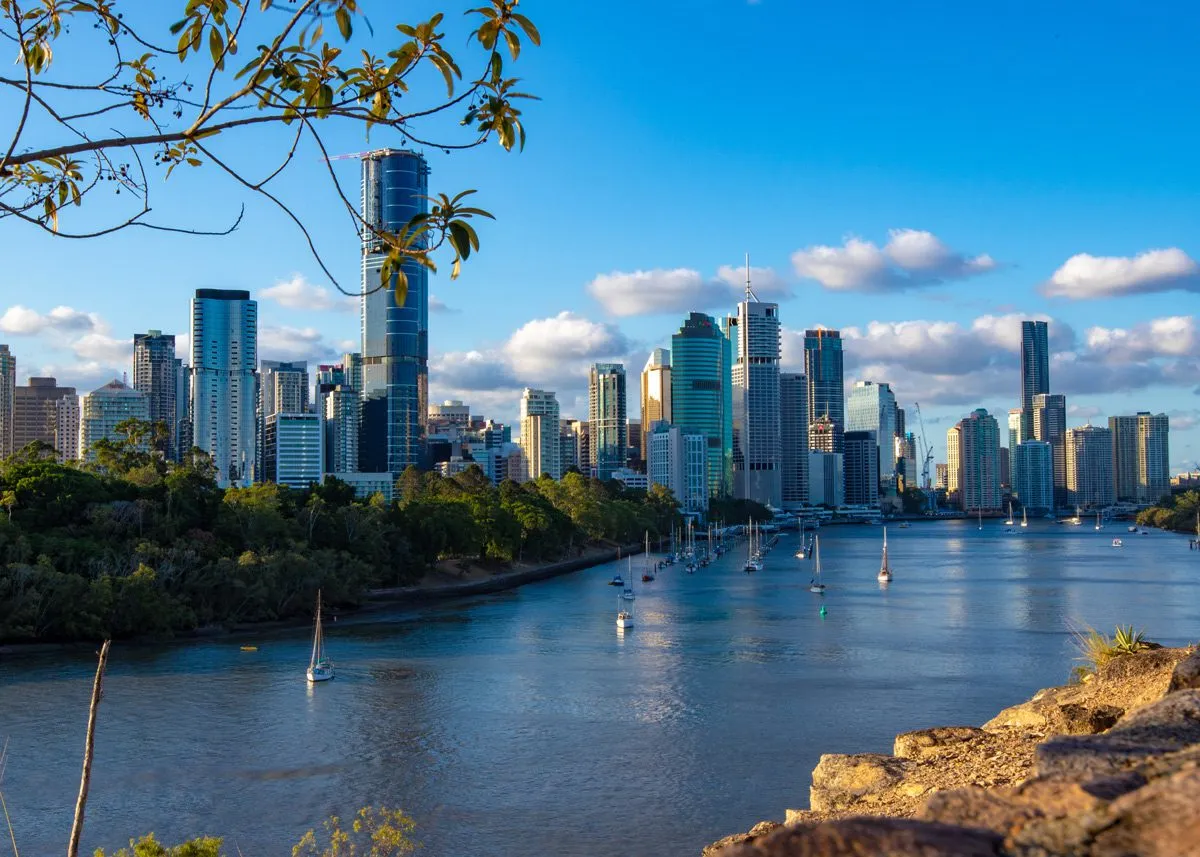
Brisbane is a city in Australia with an area of 15,826 km². Despite being a modern and dynamic metropolis, Brisbane is famous for its relaxed atmosphere and natural beauty. Want to party and attend a lively event? Then a must-visit is the festival with a grand fireworks display over the Brisbane Riverfire. Want to see koalas hugging trees in their natural habitat? Then head to Lone Pine — the oldest and largest koala sanctuary in the world.
5. Chengdu
Chengdu is a city in southwestern China with an area of 12,390 km². If Australian Brisbane is the city of koalas, then Chinese Chengdu is the center of pandas. Here is a nature reserve that recreates the habitat of bamboo bears. And if you've come for the pandas, also explore the city's historical attractions: visit Wenshu Monastery, Jinli Street in the old district of Chengdu, and the Wuhou Shrine.
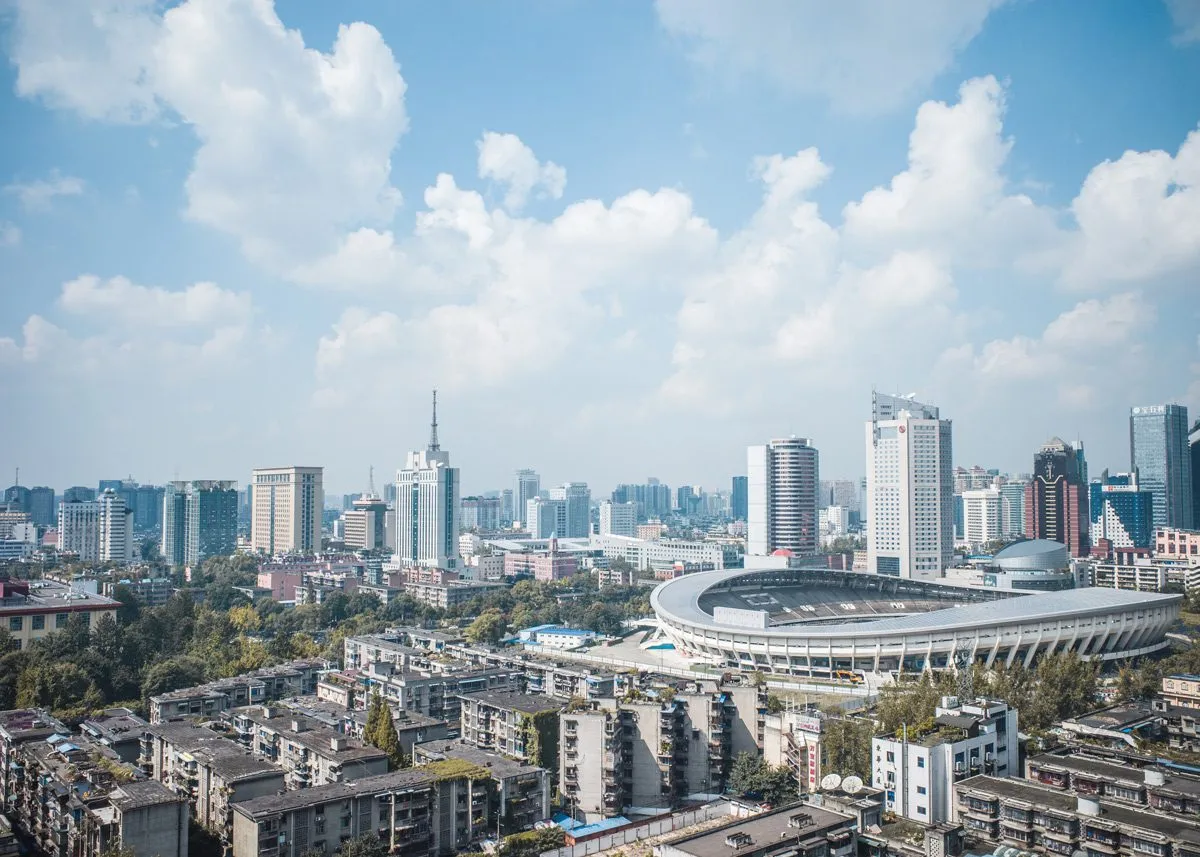
6. Sydney
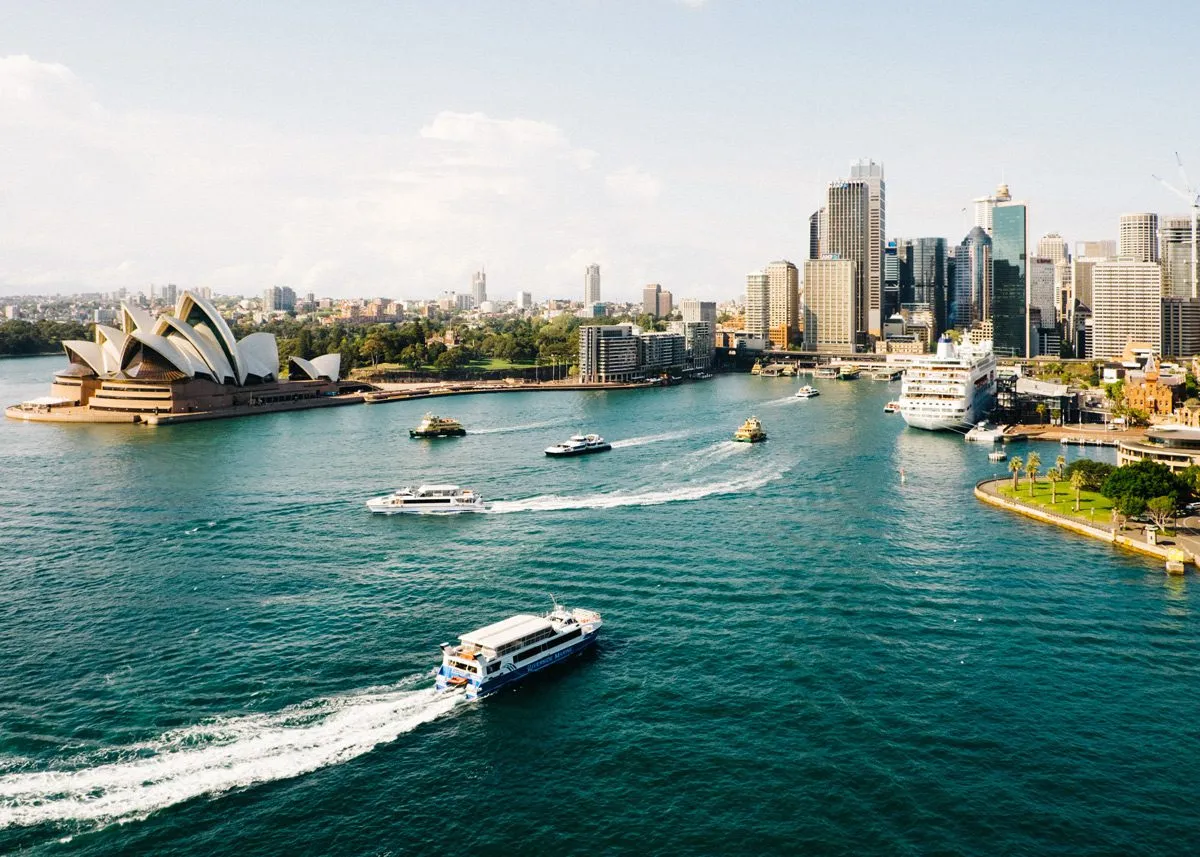
The city's area is 12,144 km². Sydney was founded by Arthur Phillip in 1788 and is the first colonial European settlement in Australia. The city was named after the British Secretary of State for the Colonies — Lord Sydney.
Sydney attracts travelers with its opera house, Harbour Bridge, and beaches. Sydney's residential areas are surrounded by national parks, and bays and coves stretch along the coastline. The city ranks first in Australia and 66th in the world for cost of living — not in the top ten, but Sydney is still considered one of the most expensive cities to live in.
7. Tianjin
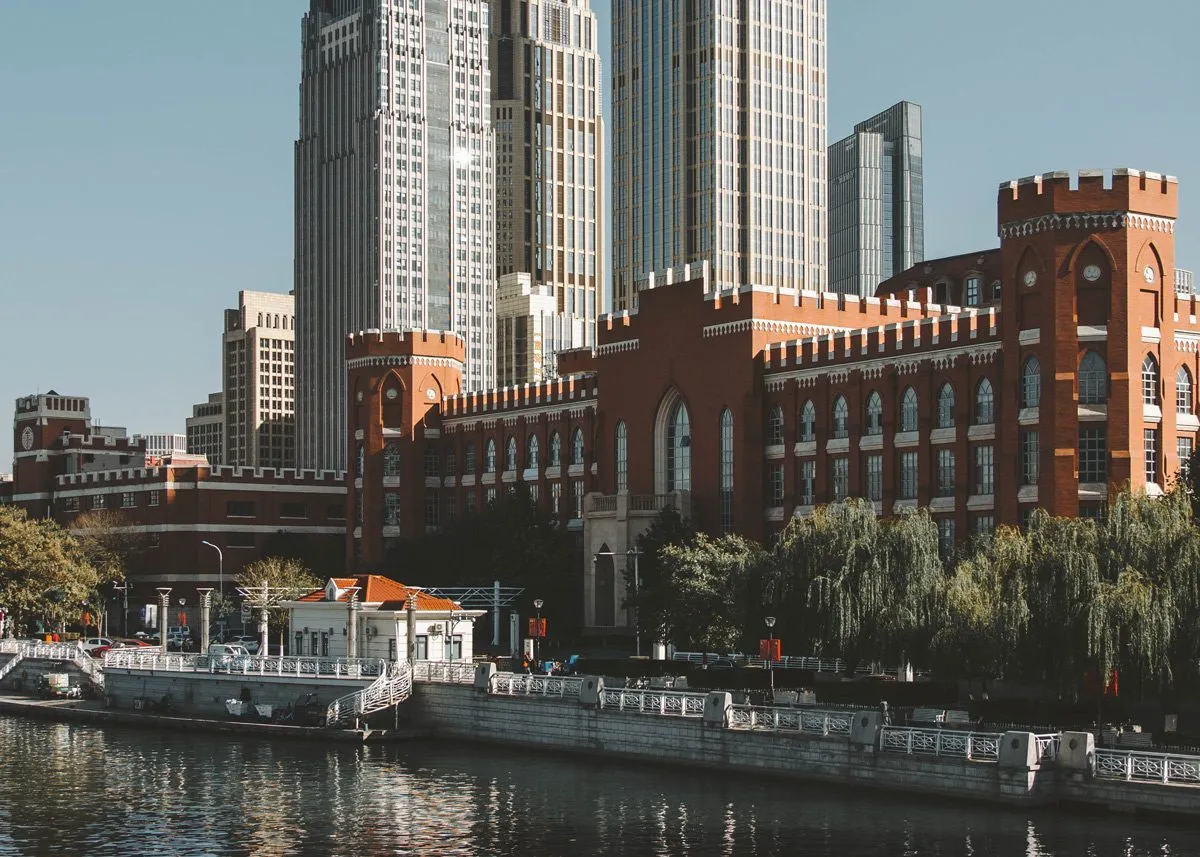
In the 20th century, this city in northern China became a center for heavy and light industry and a place for the development of Chinese industrialization. Perhaps industrial Tianjin won't be as interesting as Beijing, but the city has nonetheless grown to 11,760 km² and entered the top largest on Earth. Not only the city itself is gigantic, but also its attractions: for example, the third longest bridge in the world — the Tianjin Viaduct — is located here.
8. Melbourne
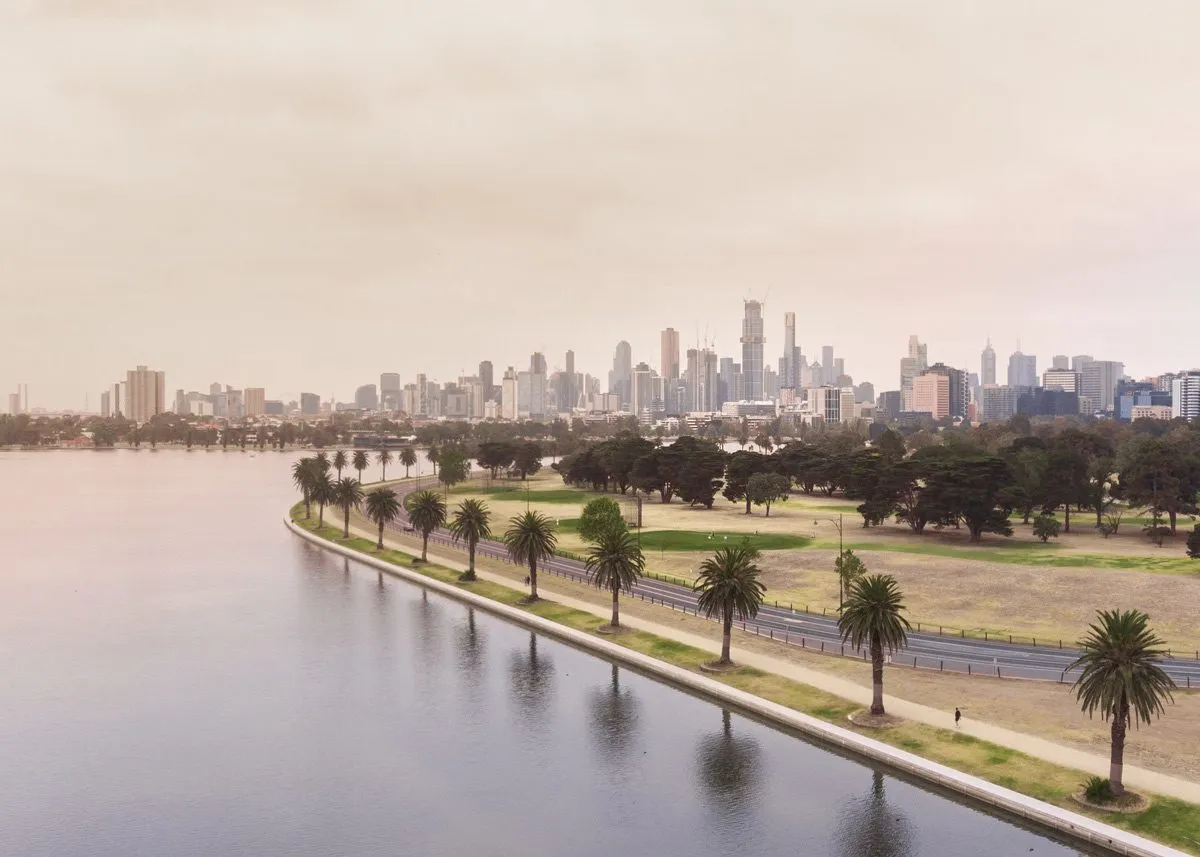
Melbourne was founded in 1835 as an agricultural settlement, and today it occupies 9,990 km² of Australian territory and is considered the sports and cultural capital of Australia. Melbourne hosts the Australian Open — one of the major tennis tournaments. But that's not all! The Formula 1 Grand Prix and the Australian Open Golf Championship are also held here.
For tourists less interested in sports, Melbourne will be interesting for its architecture, which combines Victorian style with modern design — The Economist magazine named Melbourne the most livable city for several years in a row.
9. Kinshasa
Kinshasa is the capital of the Democratic Republic of Congo. Until 1966, the city was called Léopoldville: from 1881, it was a Belgian colony, and now Kinshasa is considered the largest French-speaking city in the world and covers an area of 9,965 km².
Kinshasa is a city of contrasts. Here you will find old buildings and modern skyscrapers, traditional African culture and European influence, slums and wealthy districts. The crime rate is high, so be careful when exploring the local diversity.
10. Wuhan
Wuhan's size is 8,494 km². Once, an important trading port emerged on the site of future Wuhan, and today the city has become a major economic and cultural center of China.
Wuhan is a city of bridges, as it is located where the Yangtze and Han rivers merge, and consists of three parts: Wuchang, Hankou, and Hanyang. These parts of the city are located on different banks of the rivers and are connected by bridges. Also of interest here are the 23 km long Yangtze River embankment, a 9th-century preserved Orthodox church building, and the city's symbol — the Yellow Crane Tower, built in 223 AD.
And don't forget to subscribe to our Telegram channel! There you'll find: selections of cheap tickets, private sales for subscribers, the most up-to-date news on entry rules for countries worldwide, and simply interesting travel content — travel hacks, guides, and expert advice.