Vacation in Cuba: what to see, when to go, and which resort to choose
Cuba is a country that is a 12-hour flight . But it is definitely worth the attention of any avid traveler: sandy beaches, rich culture shaped by its colonial past, and breathtaking nature.
Read in this article about entry rules, the best attractions, and culinary delights of Cuba. Let's take off!
Entry Rules
For entry, only a foreign passport is required if you are entering the country for up to 90 days. In other cases, a visa will be needed, which can be obtained at the Cuban embassy in Moscow. This rule applies to tourists aged 14 and older; younger children can enter the country with their own foreign passport or their parents' foreign passport. By the way, the passport must be valid for at least 30 days from the date of departure from the country.
Additionally, you need to fill out the online form for entry to Cuba and receive a QR code at least 48 hours before entry. The code must be presented during flight check-in and upon arrival in the country.
How to Get There
The easiest way to get to Cuba is by plane to Varadero, Havana, Cayo Coco, or Guantanamo. Direct flights are only available .
When is the best time to go to Cuba
Cuba has two seasons: dry and rainy. We are sure this phenomenon is familiar to those who know firsthand what to see in Bali. However, on the Indonesian island, the rainy season lasts from November to March.
Cubans, on the other hand, experience tropical downpours from May to October. They alternate with strong gusts of wind and even hurricanes.
The dry season, preferred by most tourists, lasts from November to April. The average temperature during this period is +27 degrees Celsius. The sun in Cuba is very active, so it's best to apply SPF protection during your trip at any time of the year.
To summarize: if you plan to compile your own top most unusual beaches in the world, head to Cuba closer to winter.
Resorts
Resorts in Cuba differ significantly from residential areas. Naturally, everything here is geared towards beautiful recreation and profit. Most resorts are suitable for family vacations with children.
Havana
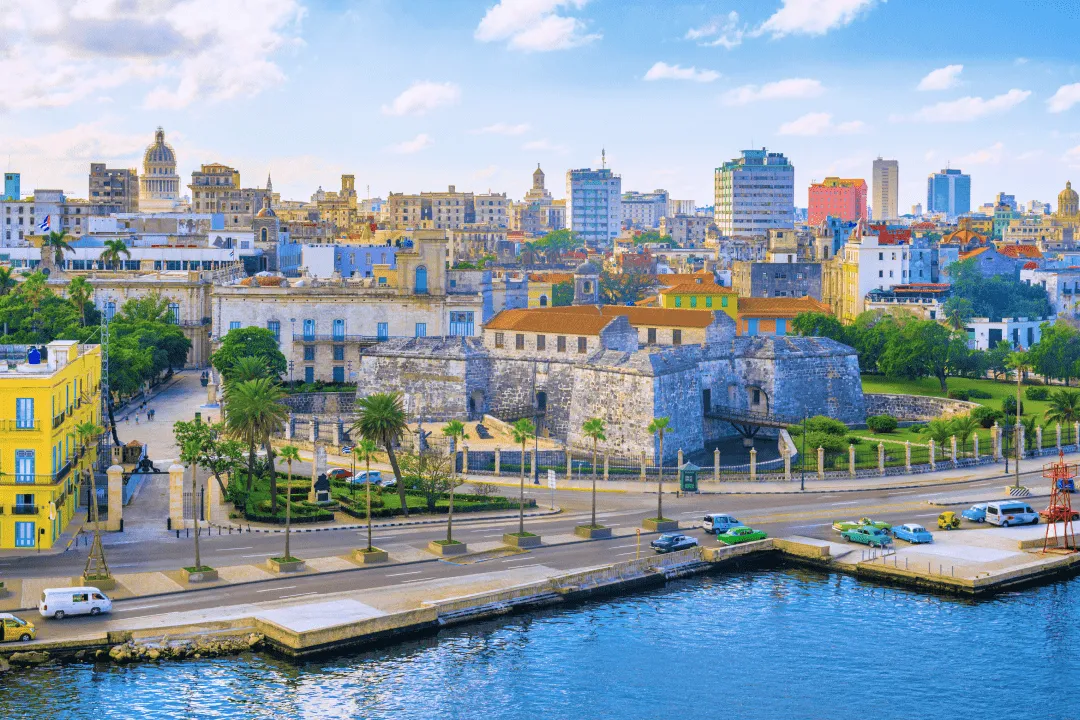
The capital of Cuba and the country's main resort. The abundance of bars, restaurants, and shopping centers might distract you from a seaside vacation. The most visited places are the Old Havana district, the Malecón promenade, Ernest Hemingway's house-museum, and the National Museum of Fine Arts of Havana.
Varadero
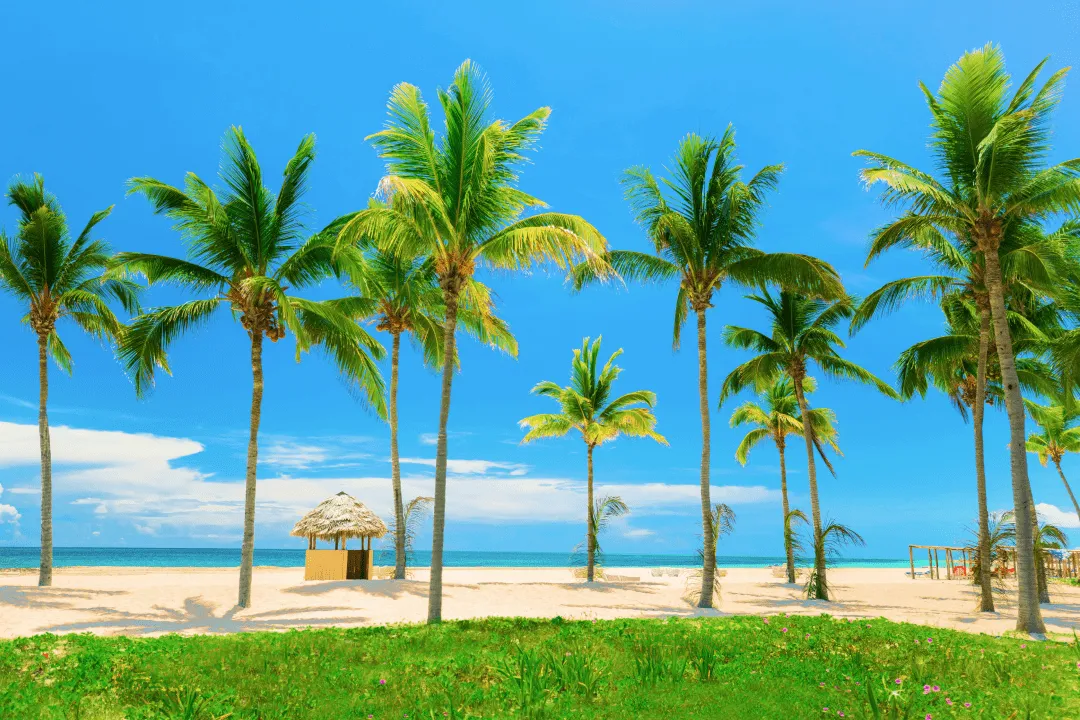
Varadero boasts long beaches with white sand, bordering the azure waters of the Gulf of Mexico. Hotels here can be found for any budget. Be sure to try snorkeling in Varadero: the underwater world here is truly captivating.
Cayo Coco
This island has many all-inclusive hotels. Cayo Coco's main features are its coral reefs and pink flamingos. The latter can be seen in El Bagá Park, which is also home to other exotic animals.
Santa Lucía
A must-visit for those who can't imagine a vacation without diving on coral reefs. The bravest can descend to sharks or explore sunken ships.
Baracoa
Perhaps the most authentic resort in Cuba. The city has many cozy Spanish streets reflecting local culture. Be sure to visit the local museums to delve deeper into the island's life.
Attractions
So, now let's go through Cuba's main attractions.
Paseo del Prado
The boulevard can be compared to Nevsky Prospekt in St. Petersburg or Moscow's Arbat. In fact, Havana's main avenue, paved with marble and granite cobblestones, has existed since the 18th century, but its modern appearance emerged in the 20th century thanks to the French architect Jean-Claude Nicolas Forestier. Most of the capital's attractions are located on Paseo del Prado: the Capitol, the Palace of Weddings, the Hotel Sevilla, and cozy, colorful houses in old Spanish and colonial styles.
Grand Theatre of Havana
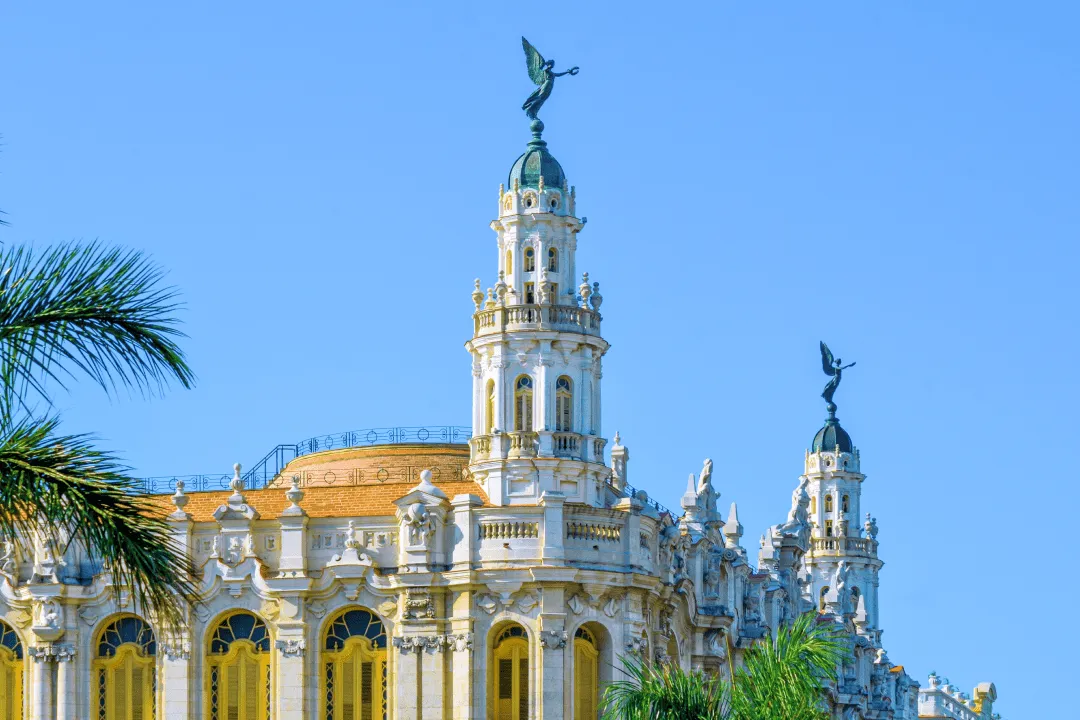
The majestic building of the Grand Theatre of Havana was built in Art Nouveau style in 1915. Its walls are adorned with marble and stone statues, as well as allegorical sculptures by Giuseppe Moretti. Popular artists, including Russians like Maya Plisetskaya, Anna Pavlova, Ted Shawn, and Carla Fracci, used to perform here. Be sure to attend a performance and also appreciate the theater's interior.
Viñales Valley
In western Cuba, in Pinar del Río, lies the unique karst depression — Viñales Valley. The surroundings feature caves, steep mogote hills, with farms nestled between them. The landscape formed about 100 million years ago, but was only inscribed on the UNESCO World Heritage List in 1999.
Guanaroca Lake
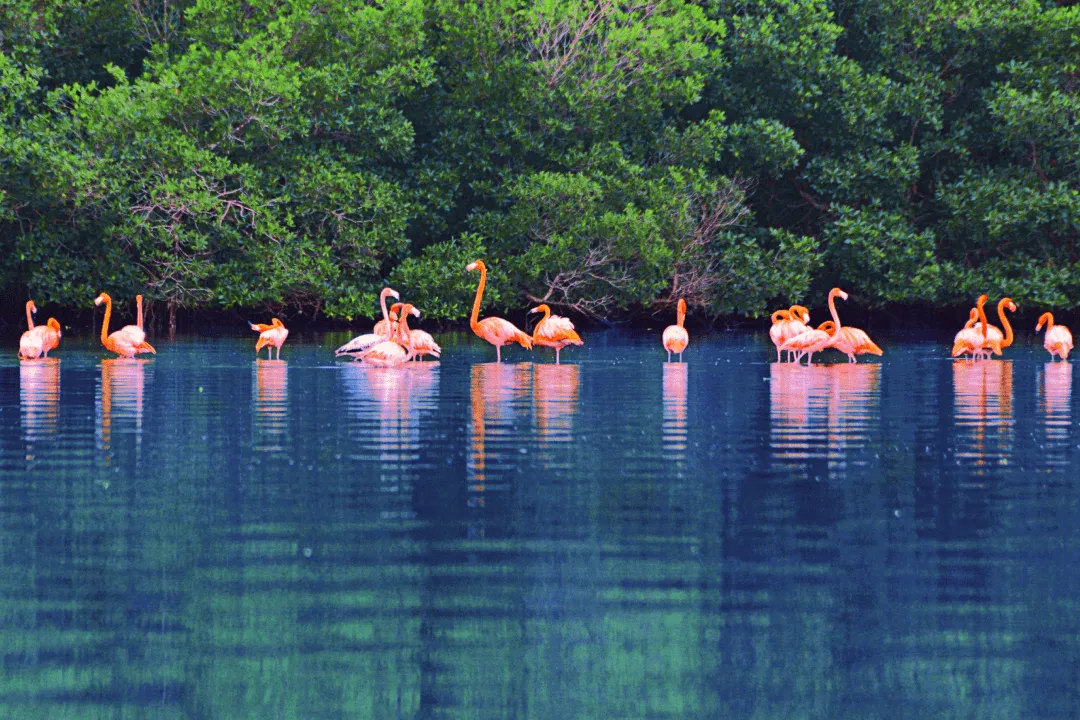
16 km from the city of Cienfuegos lies the salty Guanaroca Lake. It is notable for being home to a huge number of birds, including migratory ones. Pink flamingos, cormorants, pelicans, herons, and the tocororo — the national Cuban bird — can be found here. Because the lake is a protected natural site, only about 35 people are allowed in per day. Therefore, it's best to arrive early in the morning.
National Museum of Fine Arts
Just imagine — 7,000 sq. m, entirely dedicated to culture. The National Museum of Fine Arts exhibits over 1,200 objects of European painting, dating from the 15th to the 20th century. Among the most popular artists featured here are Jan Brueghel the Younger, Rembrandt, Peter Paul Rubens, and Diego Velázquez.
Alejandro de Humboldt National Park
An ideal place for travelers who don't miss the opportunity to admire local nature. The park was named after the German geographer Alexander von Humboldt, who first visited the island in 1800. It is believed that this place was once a refuge for escaped slaves. Now, the park's territory is protected by the state, as it is home to about 70% of unique vegetation and 45% of reptiles on the verge of extinction.
Ernest Hemingway House Museum
It was in the cozy Finca Vigía estate that Hemingway wrote "The Old Man and the Sea" and "For Whom the Bell Tolls". After the writer's death in 1961, his wife donated the house to the Cuban government, and exactly one year later, a museum dedicated to Hemingway opened here. The house's layout has remained the same as it was during the writer's time, so you will definitely be able to immerse yourself in the atmosphere of his life.
Colón Cemetery
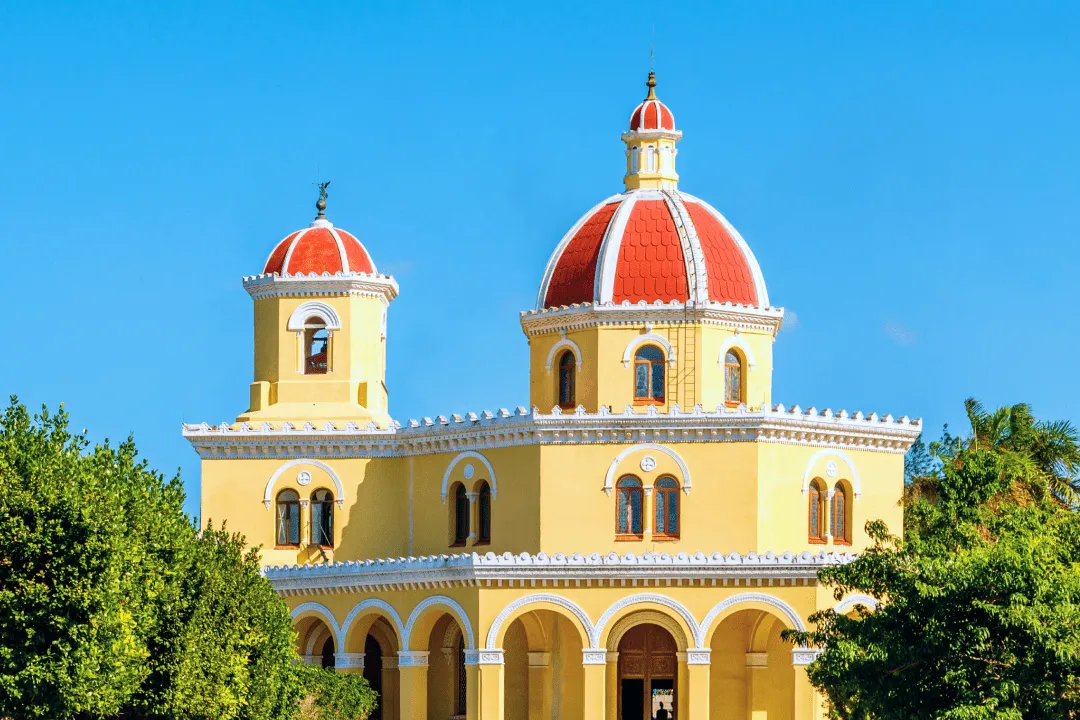
A must-visit for those who always make a point of admiring sculptures in local cemeteries during their travels. The Cristóbal Colón Cemetery, established in the late 19th century, boasts over 500 unique gravestones and sculptures. We recommend buying a guidebook at the entrance to visit the monuments with the most interesting architecture.
Trinidad
This city, built in colonial style, is protected by UNESCO. The main attractions here, drawing travelers, are the churches of the Holy Trinity and Saint Francis, the Museum of Colonial Architecture, and the Brunet Palace, built in 1812. The latter houses collections of romantic-style paintings, Chinese porcelain, and Bohemian glass.
Cuisine
Now let's talk about one of the most enjoyable aspects of travel — food in new countries. Cuban cuisine is a blend: it combines Spanish, Caribbean, and African influences. So, upon arrival, be prepared for an abundance of meat, peppers, and sauces. Here's a list of what you definitely need to try:
- arroz con camarones — paella with rice and shrimp. Those who don't like seafood can choose arroz con pollo — a chicken version of the dish;
- ajiaco — soup with potatoes, corn, banana, pumpkin, and meat;
- vaca frita — fried shredded beef, marinated with lime, garlic, and herbs;
- congrí — rice with black beans;
- croquetas — fried dough balls with meat or fish;
- medianoche — sandwich with ham, roasted pork, and sweet white bread;
- pastelitos — Cuban pastries with fruit and cream cheese;
- yuca — boiled cassava root.
Currency
It's best to take Euros for your trip to Cuba. Upon arrival, you will need to exchange them for convertible pesos. This service is available at banks, airports, or hotels. Russians can only pay with a card issued abroad. However, cards are not accepted everywhere, so we advise always carrying cash.
Internet and Communication
If you plan to constantly communicate with someone by phone, it's better to rent a local SIM card from the ETECSA operator. MTS, Beeline, and MegaFon operators allow their subscribers to stay connected while roaming.
As for the internet, things are not very good here. The connection is intermittent; it's better to visit internet cafes with paid Wi-Fi.
Safety
Cuba is considered a relatively safe country. If you have ever thought about going on vacation or even considered how to move to Argentina, you should take into account the peculiarities of such countries.
It's best not to display expensive smartphones, bags, and the contents of your wallet if you don't want to be robbed. This is due to the low standard of living of the local population. Also, after 10:00 PM, street lighting is usually turned off, so it's better to stay in a cozy hotel and not take risks. In Havana, it is recommended to avoid the Marianao and Guanabacoa districts.
Other Important Facts About the Country
- It is forbidden to export more than 50 Cuban cigars if you do not have a purchase receipt.
- You cannot export more than $5,000 from the country if it was not declared upon entry.
- You cannot export sea shells from Cuba.
- It is forbidden to import weapons, erotic images, or satellite communication devices into the country.
- Local medicines can be exported from the country without a certificate, up to a maximum of three packages.
- It's better to print out airline tickets and other documents: printers are not widely available in Cuba.
We hope your trip to Cuba will be great!