What to Eat in China
Chinese cuisine is a delight. It is one of the most diverse and popular in the world. Many know about dumplings, Peking duck, or Kung Pao chicken — thanks to them, Chinese cuisine restaurants in any city are always in demand. In this article, we talk about some interesting Chinese dishes and reveal the secret of their popularity.
Features of Chinese National Cuisine
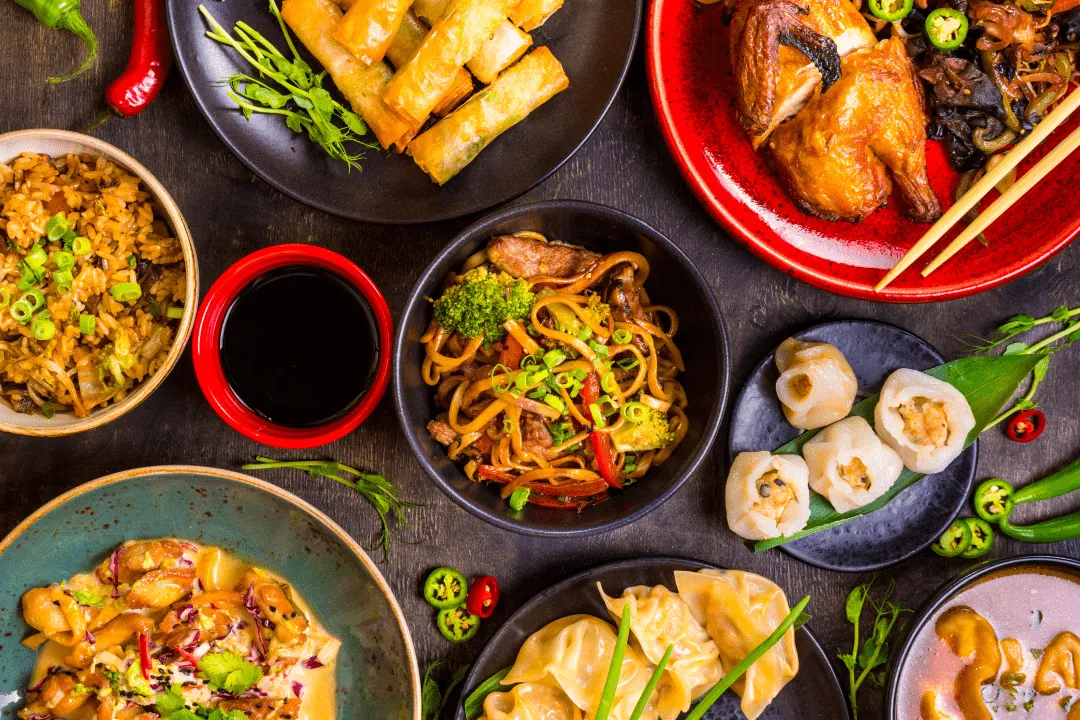
Food in China can be characterized by one phrase — incredible diversity. Chinese national cuisine is known worldwide: tastes, textures, and aromas intertwine in one dish and create a true symphony.
In total, there are eight main regional cuisines in China — each with its own peculiarity. Here are five of the most popular ones:
- Sichuan, which is famous for its spiciness and rich taste (dishes often use hot peppers, garlic, ginger, and dried spices);
- Guangzhou. It is known for its clean and delicate taste, as well as fresh seafood;
- Fujian cuisine, featuring luxurious dishes made from seafood and rice.
- Northern Chinese, a paradise for noodle and dumpling lovers;
- Shanghai. It is known for its steamed dishes, which use alcohol, oils, spices, and seafood in their preparation.
Features of Eating
China is a country of unique traditions and customs, which are reflected not only in culture but also in food.
One of the most important traditions in Chinese culture is to share dishes among all people at the table. During a meal, several dishes are placed in the center of the table, and everyone takes a portion from a common bowl or plate. This creates an atmosphere of community and unity, and all participants at the table can enhance their meal by trying different tastes.
Also, during meals, chopsticks are used instead of forks and knives — a common traditional eating utensil in China. Learning to eat with chopsticks is not so easy, but once you acquire this skill, trying a variety of Chinese food will become much easier. Another advantage of using chopsticks is dividing food into small portions, which contributes to better digestion.
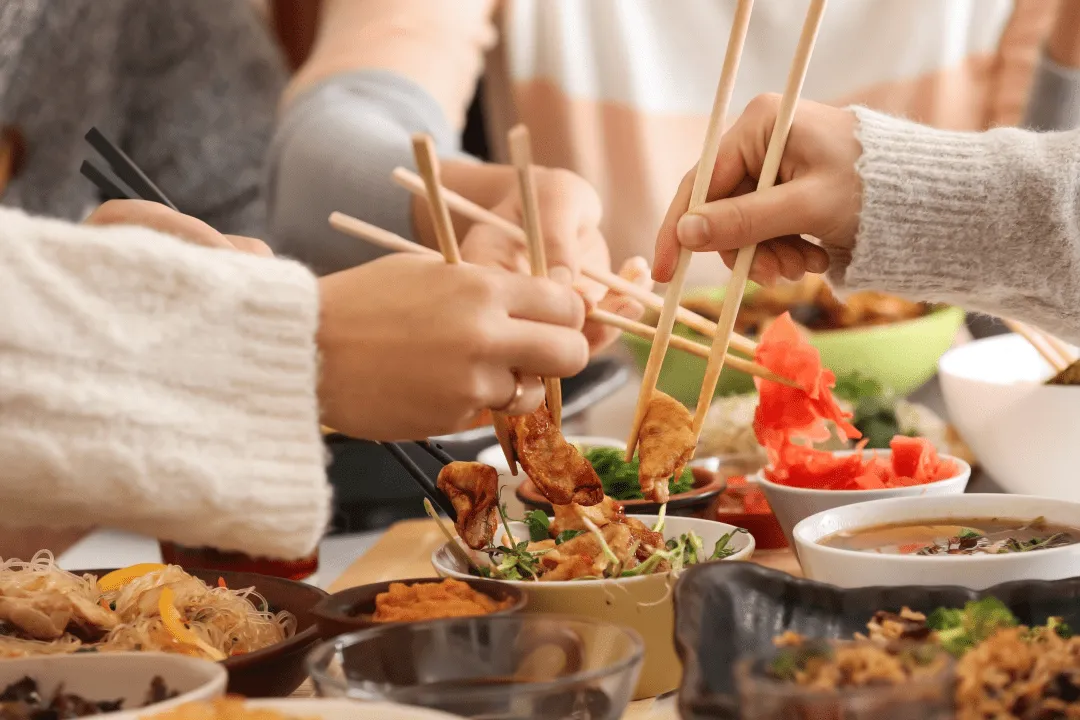
Here are some more interesting and unique food traditions in China:
- Upright Chopsticks. When Chinese people leave chopsticks on the table, they never place them on a plate or bowl. Instead, they stick the chopsticks into rice or an upright stand, which is often called “upright chopsticks.” This is tied to cultural meaning: horizontally placed chopsticks can be associated with ceremonial funeral rituals, so this is avoided in the context of food.
- Serving dishes on a rotating table. In some Chinese restaurants, a special rotating table may be set up. Dishes are placed on it, and each diner can spin the table to easily reach the dish they want. It’s very interactive!
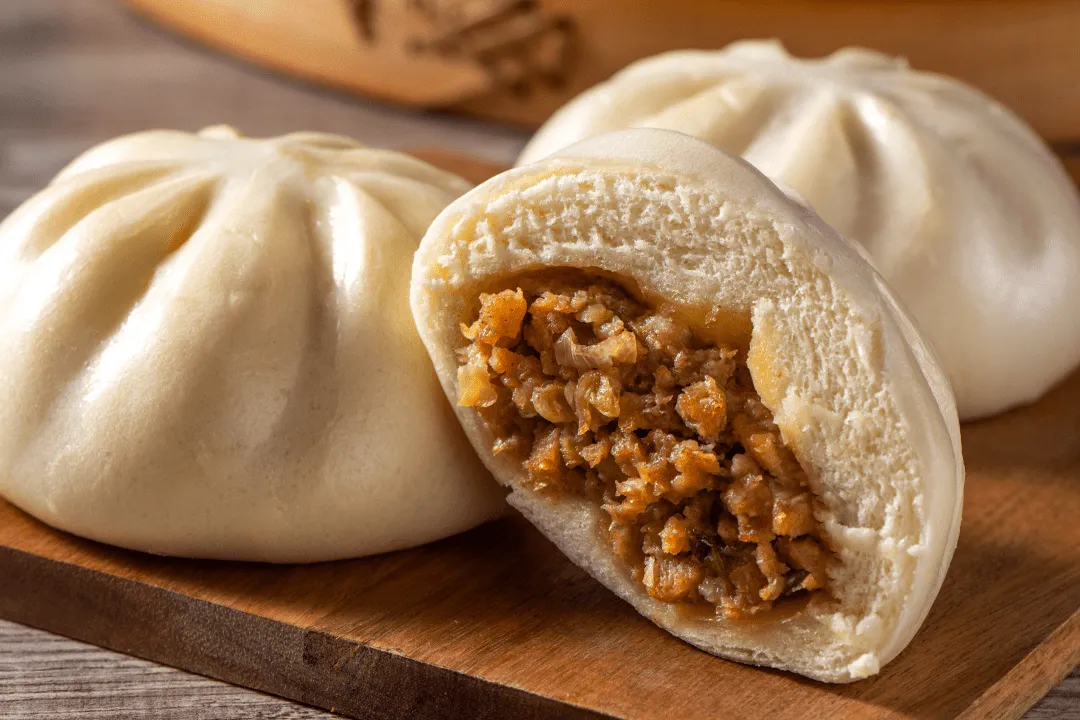
- Snacks for breakfast. The first meal of the day in China traditionally takes place outdoors or in small cafes, where you can try a variety of snacks and street food. A Chinese breakfast often includes baozi, steamed buns with filling, marinated eggs, rice with meat, and much more.
- Soups at the end of the meal. In Chinese tradition, soups are often eaten at the end of the meal. Locals believe it helps digest food better. But sometimes soups are served at the beginning as an aperitif.
- Lunch strictly at noon. Breakfast for the Chinese can start at any time, but lunch is strictly on schedule. Don’t be surprised if, while walking around the city, you hear the sound of alarm clocks. The Chinese set them so as not to miss lunchtime.
- Most Chinese eat out. A very small percentage of locals cook at home, and some don’t know how to cook at all. In China, it’s much cheaper and easier to eat out — food is inexpensive, and it’s very easy to find a place for any taste.
What to Try When Eating in China
There’s a lot of popular food in China. Here we’ve highlighted the dishes you absolutely must try.
Peking Duck
The main and most exquisite national dish of Chinese cuisine, which can be found on the menus of popular restaurants and in the repertoire of home cooks around the world. The duck is marinated in honey and spices, which gives it a golden color, then roasted and served over a burner so it doesn’t cool down. Rice pancakes, green onions, and a thick bean sauce are laid out on the table along with the duck. By the way, the dish is expensive, and the Chinese themselves eat it rarely.
Sichuan Hot Pot (Huoguo)
A hot, spicy, and aromatic dish consisting of meat, fish, seafood, vegetables, and spices. All of this is cooked in a large pot in a spicy broth.
Dumplings
Do you know why Po from “Kung Fu Panda” loved dumplings so much? Because in China they are simply amazing! It’s hard to imagine the life of an average Chinese person without them. There are several types of dumplings here, and they all deserve your attention:
1. Baozi — steamed meat buns.
2. Jiaozi — boiled or fried dumplings with various fillings.
3. Wontons — triangle-shaped dumplings with pork or shrimp filling.
Fried Noodles with Egg
A hallmark of Chinese street food. It’s believed that eating fried noodles brings happiness, as in Chinese culture long strips symbolize life. Fried noodles include not only eggs but also vegetables, meat, or seafood. By the way, the dish is very greasy due to the large amount of oil.
Baked Garlic Shrimp
A healthy and low-calorie dish. It’s prepared very quickly and served in almost any restaurant.
Mapo Tofu
An ancient Chinese dish made of tofu and minced beef. All the ingredients are cooked in spicy oil and vegetable broth. The result is a unique combination of flavors that can only be tried in China.
Chinese Rolls
A similar dish exists in Vietnam, only there it’s called “spring rolls.” Vegetables or meat with sauce are wrapped in rice paper and served as an appetizer. Usually, meat rolls are fried until golden brown.
Kung Pao Chicken
A fiery Sichuan dish made of chicken cooked with peanuts and chili peppers. Keep in mind, it’s made very spicy. If you’re not friends with spicy food, it’s better to warn the waiter right away.
Sweet and Sour Pork
Pork is one of the main components of traditional Chinese cuisine. It’s prepared differently in different provinces. But Sichuan-style pork is probably the most popular. It’s cooked in a mix of garlic and soy sauces, bean paste, rice wine, and pepper. The dish is served with noodles or rice.
The Most Unusual Chinese Dishes
Besides the popular dishes found everywhere, China has some very unusual food.
- Century (imperial) egg. A very strange dish made from a chicken or duck egg. It’s aged in a sauce for 15–20 days and served as an appetizer. During aging, the egg turns dark green and smells strongly of ammonia.
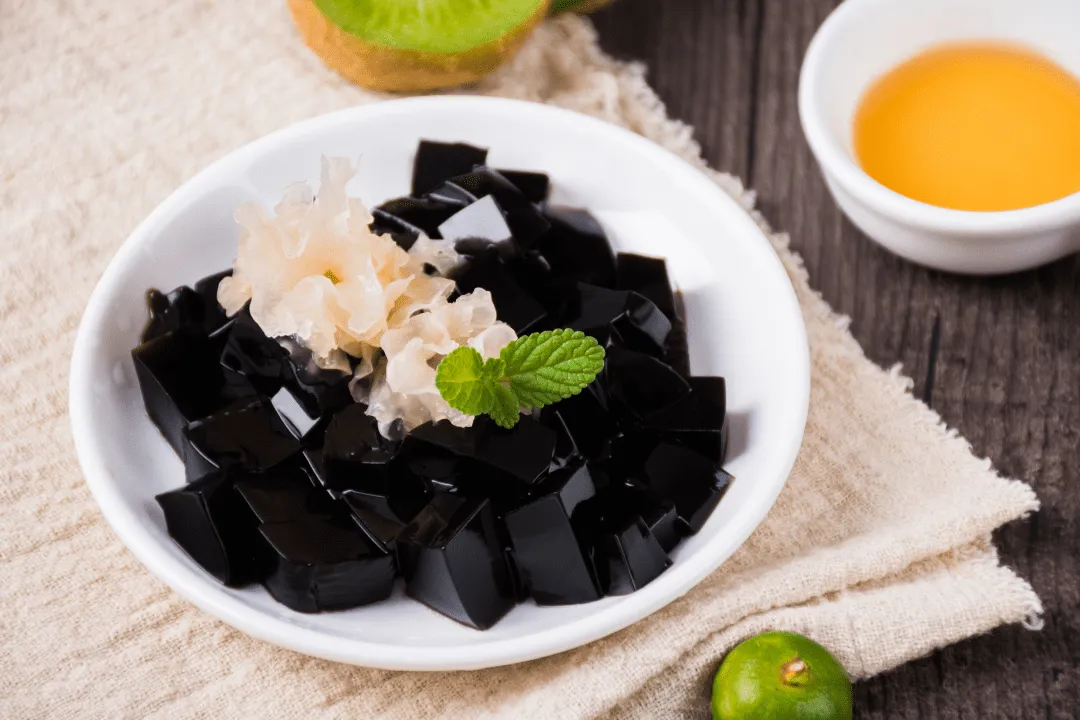
- Guilinggao. This traditional dessert made from turtle shell resembles jelly and is considered good for the complexion. The shell is boiled in water for several hours, then flour, corn starch, and herbs are added. The result is a very unusual dessert that’s hard to try anywhere but China.
- Drunken shrimp. Live shrimp are marinated in alcohol and eaten alive.
Safety and Cleanliness
Safety is probably the most important aspect of eating. China has strict sanitary inspections that regulate food safety: all restaurants and bakeries must meet hygiene standards and obtain the appropriate licenses.
Also, due to the coronavirus situation, China adopted a number of laws that established stricter safety controls. So if you decide to visit a restaurant or cafe, you can be sure you’ll be served a high-quality product.
If you want to eat at a street-food spot or market, you should be more vigilant. Check the place’s rating, the cleanliness of the kitchen, expiration dates, and the general appearance of the products.
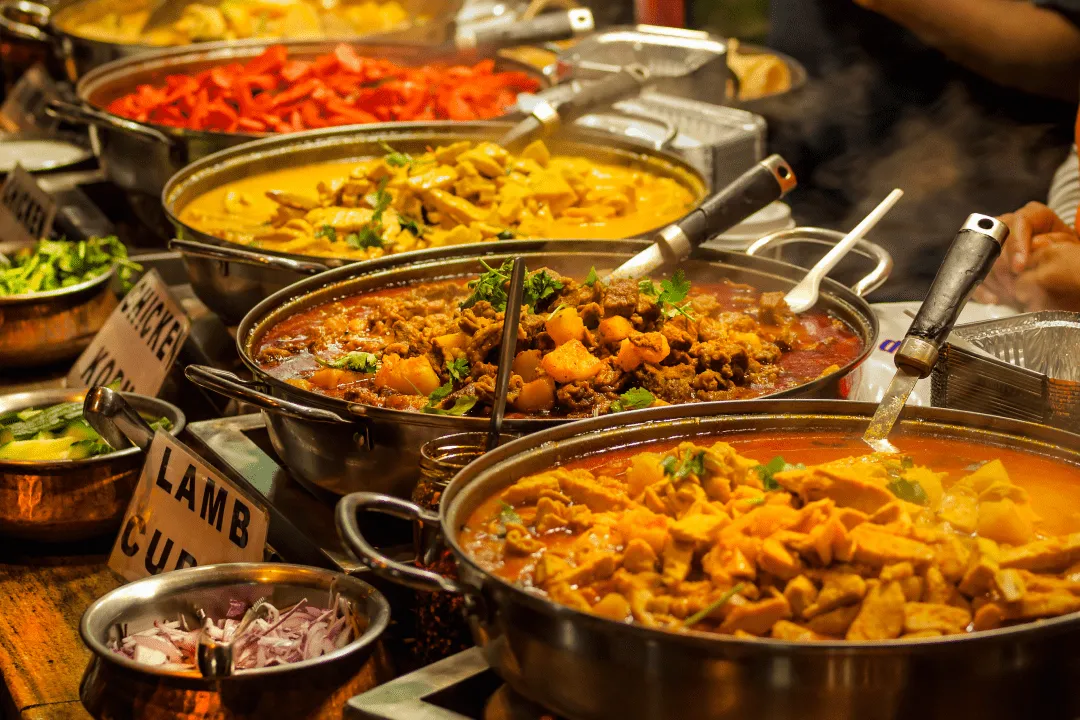
Approximate Food Prices
Food prices in China can vary depending on the region, the establishment, and the dish itself. Generally speaking, prices are quite affordable for most tourists.
In a mid-range restaurant, the cost of a meal for one person can be approximately 30–80 yuan (about 4–12 US dollars). At street stalls or fast-food areas, prices can be lower: approximately 10–30 yuan (about 2–5 US dollars) per dish.
China is a wonderful place for the most refined gourmets. We wish you the most delicious adventures in China! Hao wei kou! (Bon appetit!)