10 Tips for Budget Travelers
Want to travel on a budget but don't know how? Read our 10 tips for budget travelers and explore the world cheaply!
 1. Plan your trip in advance. Booking flights and hotels in advance helps save up to 50% of travel expenses. We have written many times about early flight booking, and even advised how many specific weeks before departure you should buy them to avoid overpaying and find the cheapest option.
The same strategy applies to hotels. The closer the check-in date, the more cheap rooms and hotels have been booked by more agile and economical tourists.
2. Apply for a visa yourself. Believe me, applying for a Schengen and most other visas yourself is not difficult at all. There are quite a few sources online where you can find all the necessary information or seek advice.
The most popular resources are Vinsky's forum and the ru_travel community on LiveJournal.
3. Fly with budget airlines. The most popular low-cost airlines in Europe are Ryanair, EasyJet, Wizz Air. You can find more details about what budget airlines are and a complete list of low-cost carriers in Europe here.
But be careful when booking, as most of these carriers' profits come from selling additional services, which can be quite difficult for an inexperienced traveler to refuse.
4. Skip the hotel. If you are sociable and not picky, pay attention to hostels. Choose options with an equipped shared kitchen – this will allow you to save not only on accommodation but also on food.
In European and American grocery stores, most products are semi-finished foods that can be cooked in a microwave.
5. Travel light. Since you've decided to fly with a budget airline, it's better to forget about checked luggage. Often, it costs more than the flight itself.
Before your trip, carefully read the hand luggage requirements, its size and weight for the specific airline, as they can differ significantly. And if you absolutely cannot do without checked luggage, pay for it online in advance; it will be much cheaper.
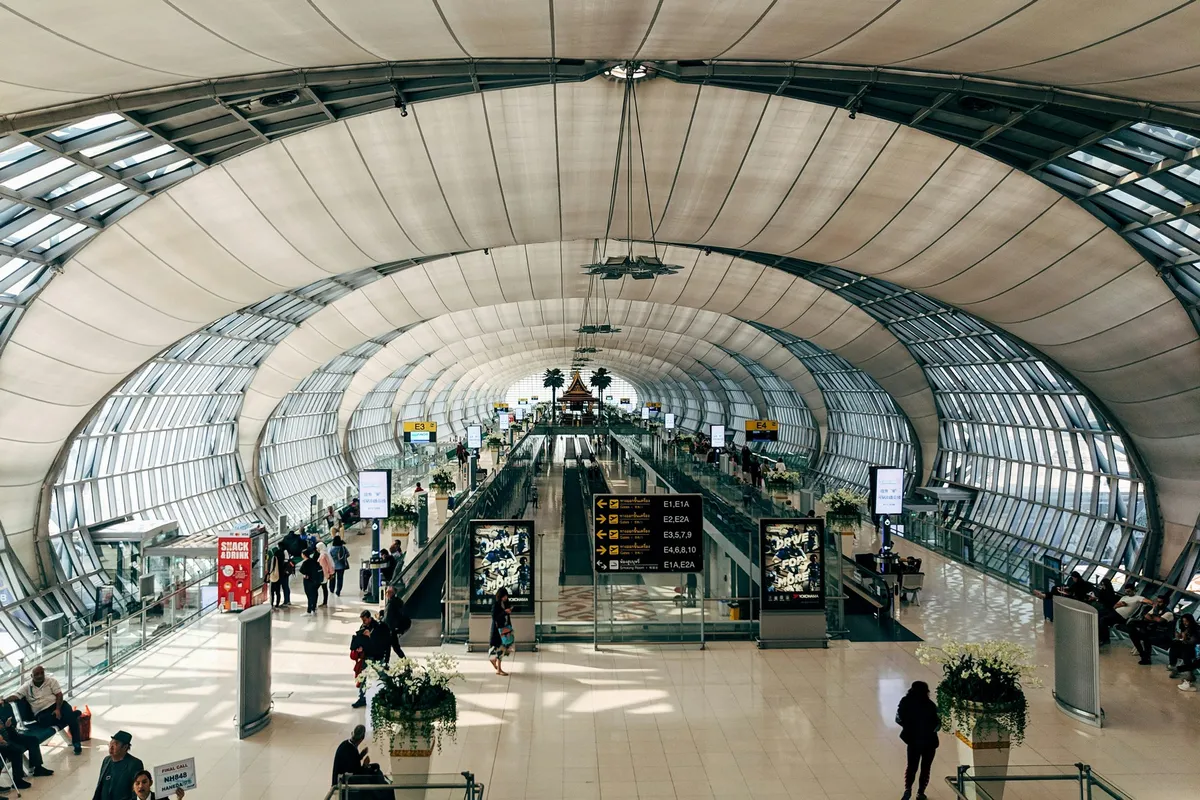
6. Bring your own food. It's no secret that airport prices are sky-high. This especially hits the pockets of those who wait a long time for a connecting flight at the airport. Be smarter, bring some fruit and sandwiches with you.
You won't be able to do this with water, but some airports have drinking fountains, or, as a last resort, you can buy a bottle of water at a small shop after passing security.
7. Don't forget insurance. Medical care abroad is not cheap. Even the slightest ailment can hit your wallet hard. Just in case, bring a first-aid kit with you. A couple of pain relievers or activated charcoal tablets are never superfluous.
8. Don't use taxis or airport express trains. From most airports around the world, you can reach the city by public transport, regular buses, metro, etc. High-speed trains that run between city train stations and airports are usually significantly more expensive.
9. Buy a travel pass. Moving around the city with single-use tickets is expensive and inconvenient. Even if you're not in the city for a full week, in most cases, buying a weekly pass or a pass for a certain number of trips is more cost-effective.
10. Carry cash. A card is very convenient, and you should definitely have it with you, but keep in mind that if it's a credit card, an additional percentage, usually 2-5% of the purchase price, will be charged.
Don't forget about currency conversion either. In most cases, if you are abroad, your money will first be converted into dollars or euros, and then again into the local currency, thus you lose out on double conversion.
What budget travel secrets do you have?
1. Plan your trip in advance. Booking flights and hotels in advance helps save up to 50% of travel expenses. We have written many times about early flight booking, and even advised how many specific weeks before departure you should buy them to avoid overpaying and find the cheapest option.
The same strategy applies to hotels. The closer the check-in date, the more cheap rooms and hotels have been booked by more agile and economical tourists.
2. Apply for a visa yourself. Believe me, applying for a Schengen and most other visas yourself is not difficult at all. There are quite a few sources online where you can find all the necessary information or seek advice.
The most popular resources are Vinsky's forum and the ru_travel community on LiveJournal.
3. Fly with budget airlines. The most popular low-cost airlines in Europe are Ryanair, EasyJet, Wizz Air. You can find more details about what budget airlines are and a complete list of low-cost carriers in Europe here.
But be careful when booking, as most of these carriers' profits come from selling additional services, which can be quite difficult for an inexperienced traveler to refuse.
4. Skip the hotel. If you are sociable and not picky, pay attention to hostels. Choose options with an equipped shared kitchen – this will allow you to save not only on accommodation but also on food.
In European and American grocery stores, most products are semi-finished foods that can be cooked in a microwave.
5. Travel light. Since you've decided to fly with a budget airline, it's better to forget about checked luggage. Often, it costs more than the flight itself.
Before your trip, carefully read the hand luggage requirements, its size and weight for the specific airline, as they can differ significantly. And if you absolutely cannot do without checked luggage, pay for it online in advance; it will be much cheaper.
6. Bring your own food. It's no secret that airport prices are sky-high. This especially hits the pockets of those who wait a long time for a connecting flight at the airport. Be smarter, bring some fruit and sandwiches with you.
You won't be able to do this with water, but some airports have drinking fountains, or, as a last resort, you can buy a bottle of water at a small shop after passing security.
7. Don't forget insurance. Medical care abroad is not cheap. Even the slightest ailment can hit your wallet hard. Just in case, bring a first-aid kit with you. A couple of pain relievers or activated charcoal tablets are never superfluous.
8. Don't use taxis or airport express trains. From most airports around the world, you can reach the city by public transport, regular buses, metro, etc. High-speed trains that run between city train stations and airports are usually significantly more expensive.
9. Buy a travel pass. Moving around the city with single-use tickets is expensive and inconvenient. Even if you're not in the city for a full week, in most cases, buying a weekly pass or a pass for a certain number of trips is more cost-effective.
10. Carry cash. A card is very convenient, and you should definitely have it with you, but keep in mind that if it's a credit card, an additional percentage, usually 2-5% of the purchase price, will be charged.
Don't forget about currency conversion either. In most cases, if you are abroad, your money will first be converted into dollars or euros, and then again into the local currency, thus you lose out on double conversion.
What budget travel secrets do you have?
1. Plan your trip in advance. Booking flights and hotels in advance helps save up to 50% of travel expenses. We have written many times about early flight booking, and even advised how many specific weeks before departure you should buy them to avoid overpaying and find the cheapest option.
The same strategy applies to hotels. The closer the check-in date, the more cheap rooms and hotels have been booked by more agile and economical tourists.
2. Apply for a visa yourself. Believe me, applying for a Schengen and most other visas yourself is not difficult at all. There are quite a few sources online where you can find all the necessary information or seek advice.
The most popular resources are Vinsky's forum and the ru_travel community on LiveJournal.
3. Fly with budget airlines. The most popular low-cost airlines in Europe are Ryanair, EasyJet, Wizz Air. You can find more details about what budget airlines are and a complete list of low-cost carriers in Europe here.
But be careful when booking, as most of these carriers' profits come from selling additional services, which can be quite difficult for an inexperienced traveler to refuse.
4. Skip the hotel. If you are sociable and not picky, pay attention to hostels. Choose options with an equipped shared kitchen – this will allow you to save not only on accommodation but also on food.
In European and American grocery stores, most products are semi-finished foods that can be cooked in a microwave.
5. Travel light. Since you've decided to fly with a budget airline, it's better to forget about checked luggage. Often, it costs more than the flight itself.
Before your trip, carefully read the hand luggage requirements, its size and weight for the specific airline, as they can differ significantly. And if you absolutely cannot do without checked luggage, pay for it online in advance; it will be much cheaper.
6. Bring your own food. It's no secret that airport prices are sky-high. This especially hits the pockets of those who wait a long time for a connecting flight at the airport. Be smarter, bring some fruit and sandwiches with you.
You won't be able to do this with water, but some airports have drinking fountains, or, as a last resort, you can buy a bottle of water at a small shop after passing security.
7. Don't forget insurance. Medical care abroad is not cheap. Even the slightest ailment can hit your wallet hard. Just in case, bring a first-aid kit with you. A couple of pain relievers or activated charcoal tablets are never superfluous.
8. Don't use taxis or airport express trains. From most airports around the world, you can reach the city by public transport, regular buses, metro, etc. High-speed trains that run between city train stations and airports are usually significantly more expensive.
9. Buy a travel pass. Moving around the city with single-use tickets is expensive and inconvenient. Even if you're not in the city for a full week, in most cases, buying a weekly pass or a pass for a certain number of trips is more cost-effective.
10. Carry cash. A card is very convenient, and you should definitely have it with you, but keep in mind that if it's a credit card, an additional percentage, usually 2-5% of the purchase price, will be charged.
Don't forget about currency conversion either. In most cases, if you are abroad, your money will first be converted into dollars or euros, and then again into the local currency, thus you lose out on double conversion.
What budget travel secrets do you have?