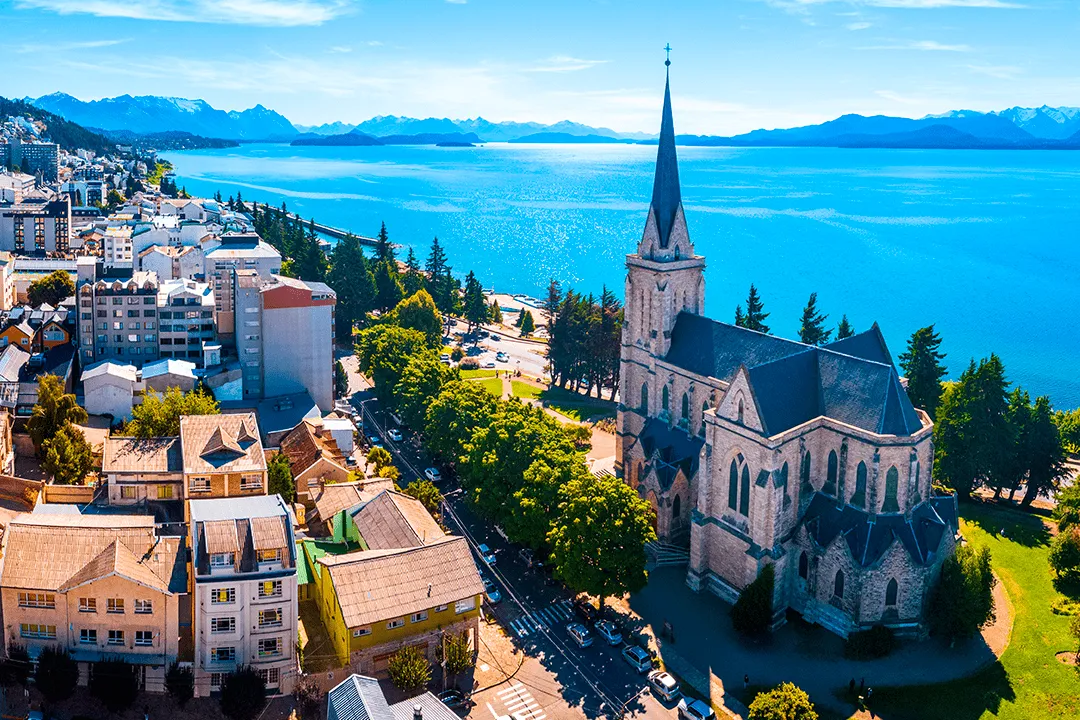
Architectural Guide to Buenos Aires
 Polina
Buenos Aires is a city-palette, where each neighborhood reveals a new page of history, captured in stone, concrete, and glass. The capital of Argentina often bears the title of “Paris of South America,” and it’s no coincidence: here, European influence has blended with Latin American temperament, creating a unique architectural landscape. Echoes of the colonial era peacefully coexist with the elegance of Art Nouveau and Art Deco, while strict brutalism challenges the opulent forms of neoclassicism.
For those ready to immerse themselves in the world of shapes and lines, this guide to Buenos Aires architecture will be a true compass. All you have to do is buy tickets from Moscow to Buenos Aires, to embark on a journey for unique facades, each telling its own story.
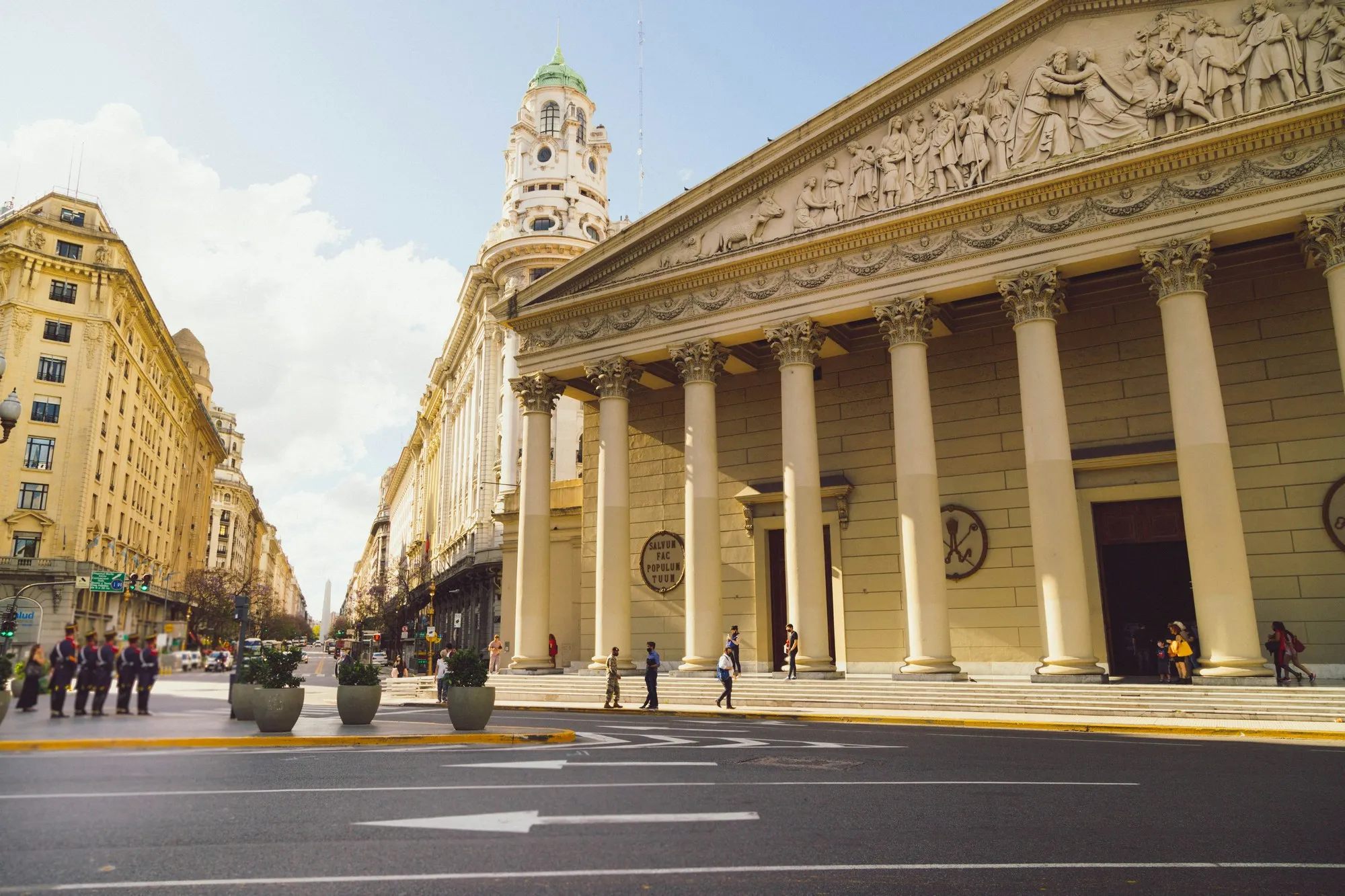
Colonial Style and its Evolution
The architectural heritage of the colonial era in Buenos Aires is the foundation upon which the entire city grew. Although many old buildings were demolished during modernization, especially in the late 19th and early 20th centuries, their spirit and individual examples can still be seen in the historic center and older neighborhoods.
Main Features of Colonial Style
- Simplicity and Functionality: the first buildings were dictated by necessity, not luxury. Available materials were used: clay, brick, wood.
- Inner Courtyards (Patios): a key element providing coolness and privacy. All rooms were arranged around the patio.
- Thick Walls and Small Windows: protection from heat and ensuring security.
- Grilles on Windows and Balconies: a decorative and protective element, often wrought iron.
- Modest Decor: unlike the opulent colonial architecture in other parts of Latin America, Buenos Aires, as a port city, was more modest in its early periods. However, elements of Baroque and Neoclassicism appeared over time.
Where to Find Colonial Style
Plaza de Mayo: the heart of Buenos Aires and the place where its history began. Although many buildings here have been rebuilt, several important examples have retained their roots.
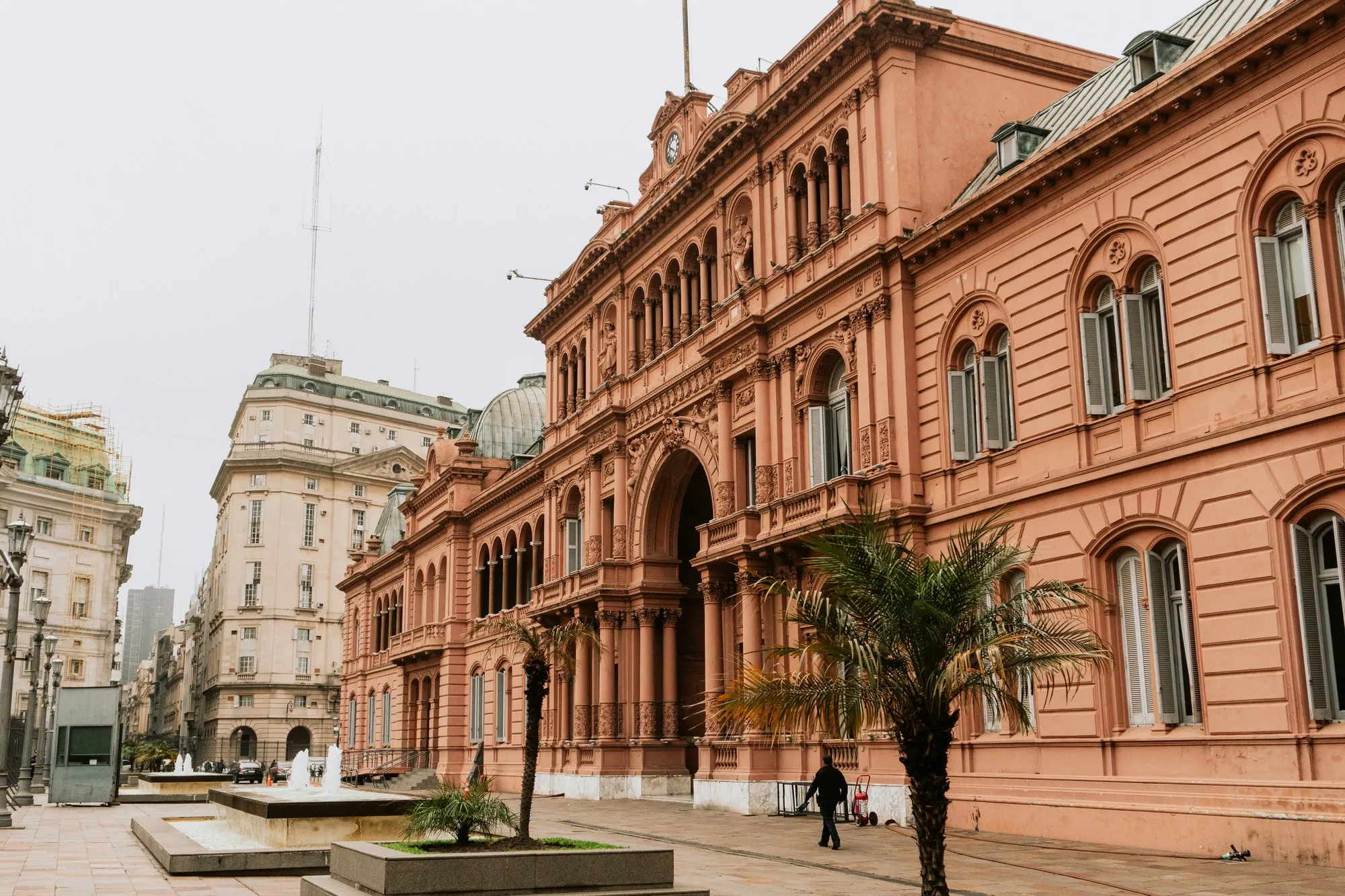
- Casa Rosada: The Presidential Palace. Although its current appearance is the result of numerous 19th-century neoclassical renovations, its foundation lies on the ruins of a fortress built during colonial times. Its famous pink color is a tribute to the fashion of that era and (according to legend) a mixture of bull's blood and lime.
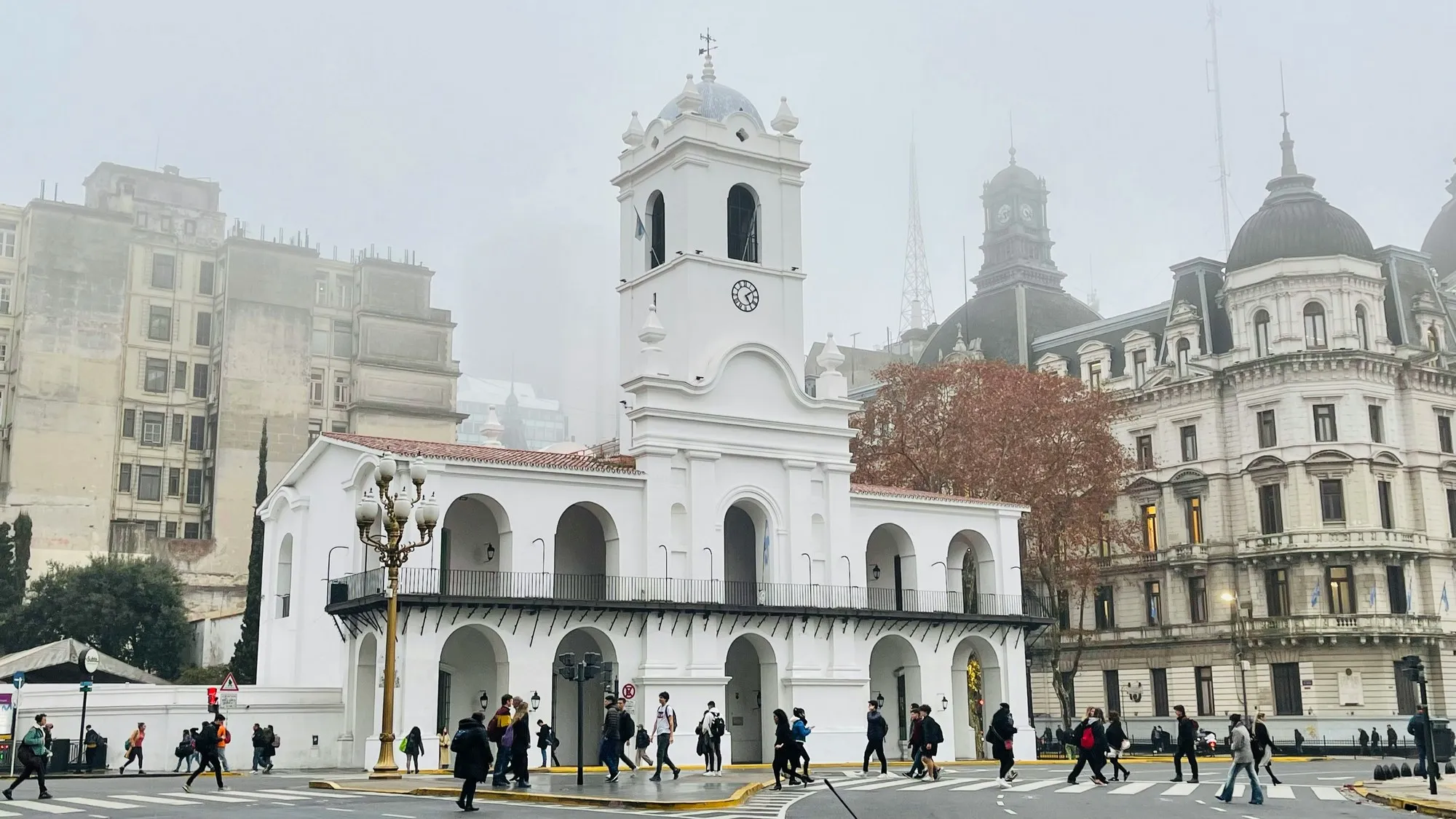
- Cabildo: the old city council building, built in 1751. It is one of the best-preserved examples of colonial architecture in the city. Its white facade with arcades and a tower transports visitors to the times of the Spanish Viceroyalty. Inside is the National Museum of the Cabildo and the May Revolution.
San Telmo: this oldest neighborhood in the city is a true preserve of colonial architecture, though heavily rebuilt in the 19th century under the influence of Italian immigrants.
- Pasaje de la Defensa: one of the best examples of the so-called casas chorizo (sausage houses), typical of Buenos Aires in the late 18th – early 19th centuries. These are long houses where rooms are arranged along an inner courtyard. Today it is a shopping gallery, but it has retained its original layout and atmosphere.
- Narrow Streets and Old Houses: just walk along the streets of San Telmo, such as Defensa, Balcarce, Humberto I, and you will see many houses with patios, wrought-iron grilles, and characteristic balconies, which, although modified, have retained their colonial foundation.
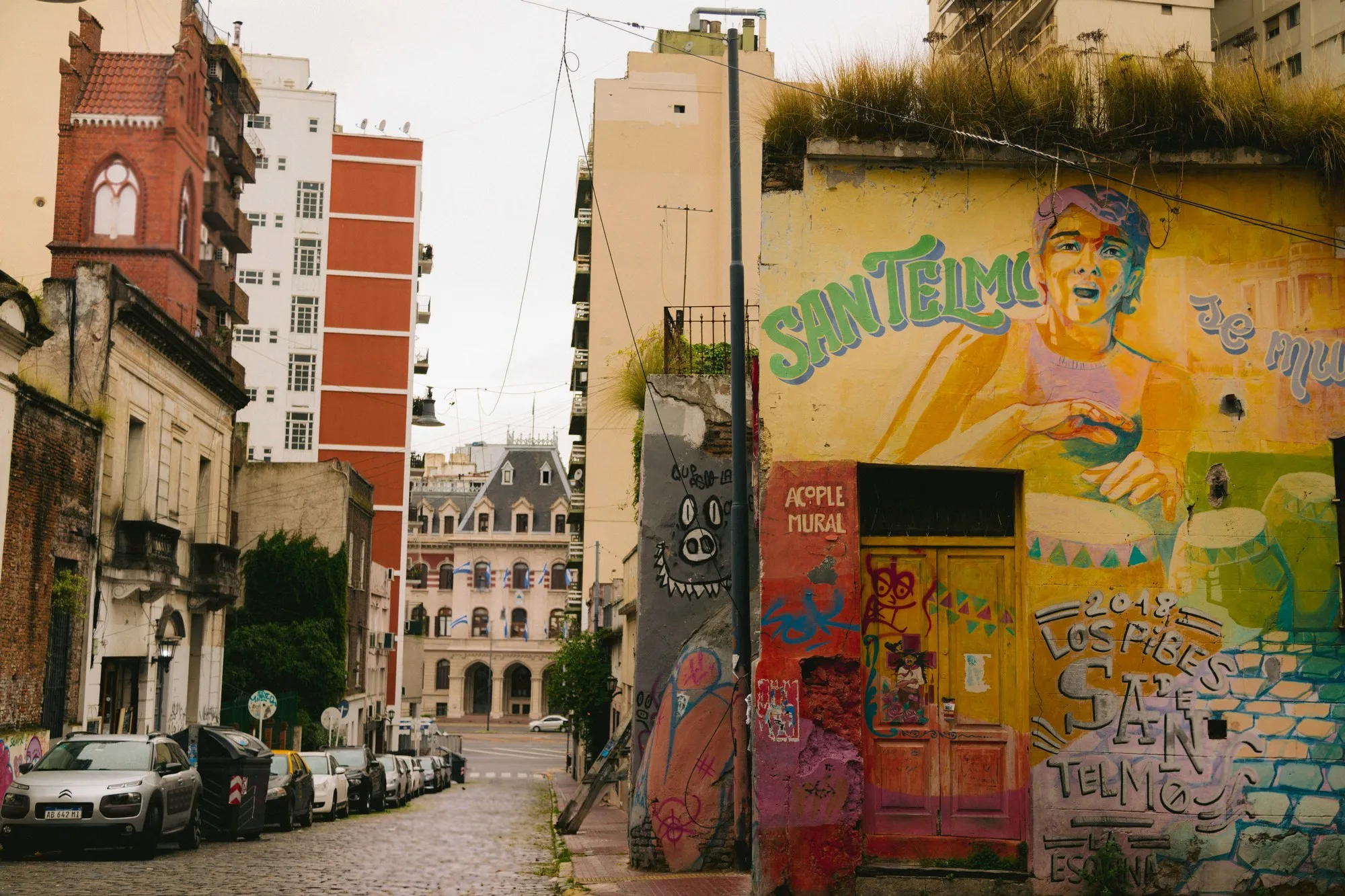
Colonial style in Buenos Aires is not so much about grandeur as it is about historical context and rootedness in the land. It tells the story of the city's humble beginnings, which then blossomed into a magnificent metropolis.
Neoclassicism, Eclecticism, and Art Nouveau
The late 19th and early 20th centuries marked a period of rapid growth and European influence. Buenos Aires aspired to become the “Paris of South America,” and this was reflected in its architecture. The city was flooded with styles of Neoclassicism, Beaux-Arts, French Academicism, and Italian Eclecticism. It was during this period that the most iconic and luxurious buildings were constructed.
Main Features of this Period
- Grandeur and Luxury: a desire to display wealth and status.
- Use of European Models: inspiration was drawn from Paris, Rome, Madrid.
- Abundant Decor: columns, pilasters, bas-reliefs, statues, stucco, wrought-iron elements.
- Wide Avenues and Squares: urban planning modeled after European capitals.
- Use of Expensive Materials: marble, granite, precious woods.
Where to Find Neoclassicism, Eclecticism, and Art Nouveau
Recoleta Neighborhood: this is arguably the most “European” neighborhood in Buenos Aires, where the most luxurious examples of architecture from this period are concentrated.
- Recoleta Cemetery: is a city within a city, an open-air museum showcasing neoclassical crypts, Art Nouveau mausoleums, and Gothic chapels.
- Palaces and Mansions: just walk along the streets of Recoleta, such as Alvear, Quintana, Ayacucho. You will see embassies, hotels, and private residences built in the French Beaux-Arts, Italian palazzo, and neoclassical styles. For example, Palacio Duhau - Park Hyatt Buenos Aires or Museo Nacional de Arte Decorativo.
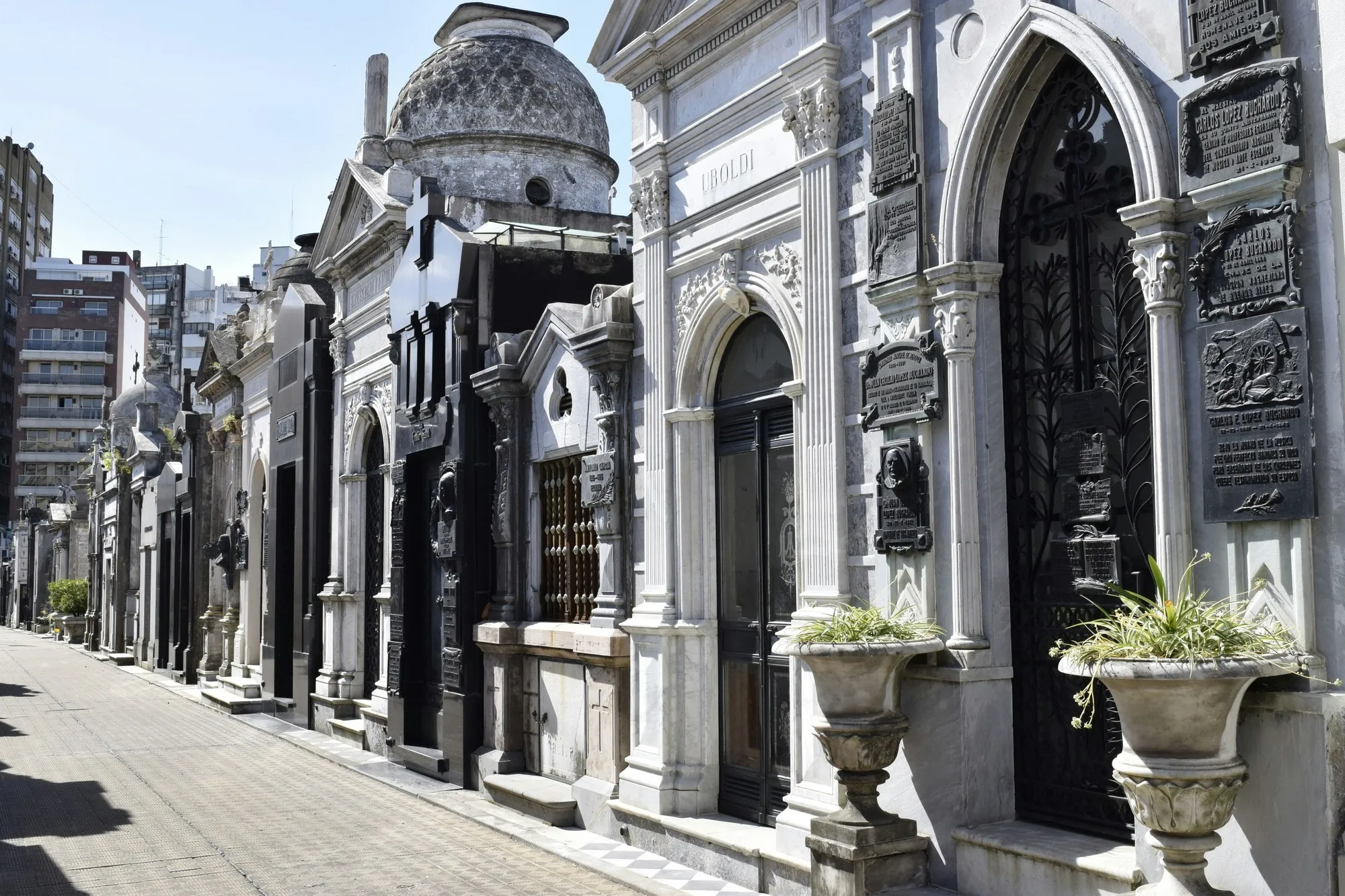
San Nicolás and Monserrat Neighborhoods: the city's business center with many banks, offices, and public buildings constructed in the imperial style.
- Galerías Pacífico: a historic shopping center with a stunning dome adorned with frescoes. The building itself is an example of Beaux-Arts with Art Nouveau elements in its interiors.
- Teatro Colón: one of the most magnificent opera houses in the world, built in Italian and French eclectic styles with elements of Renaissance and Baroque. Its luxurious interiors and acoustics are captivating.
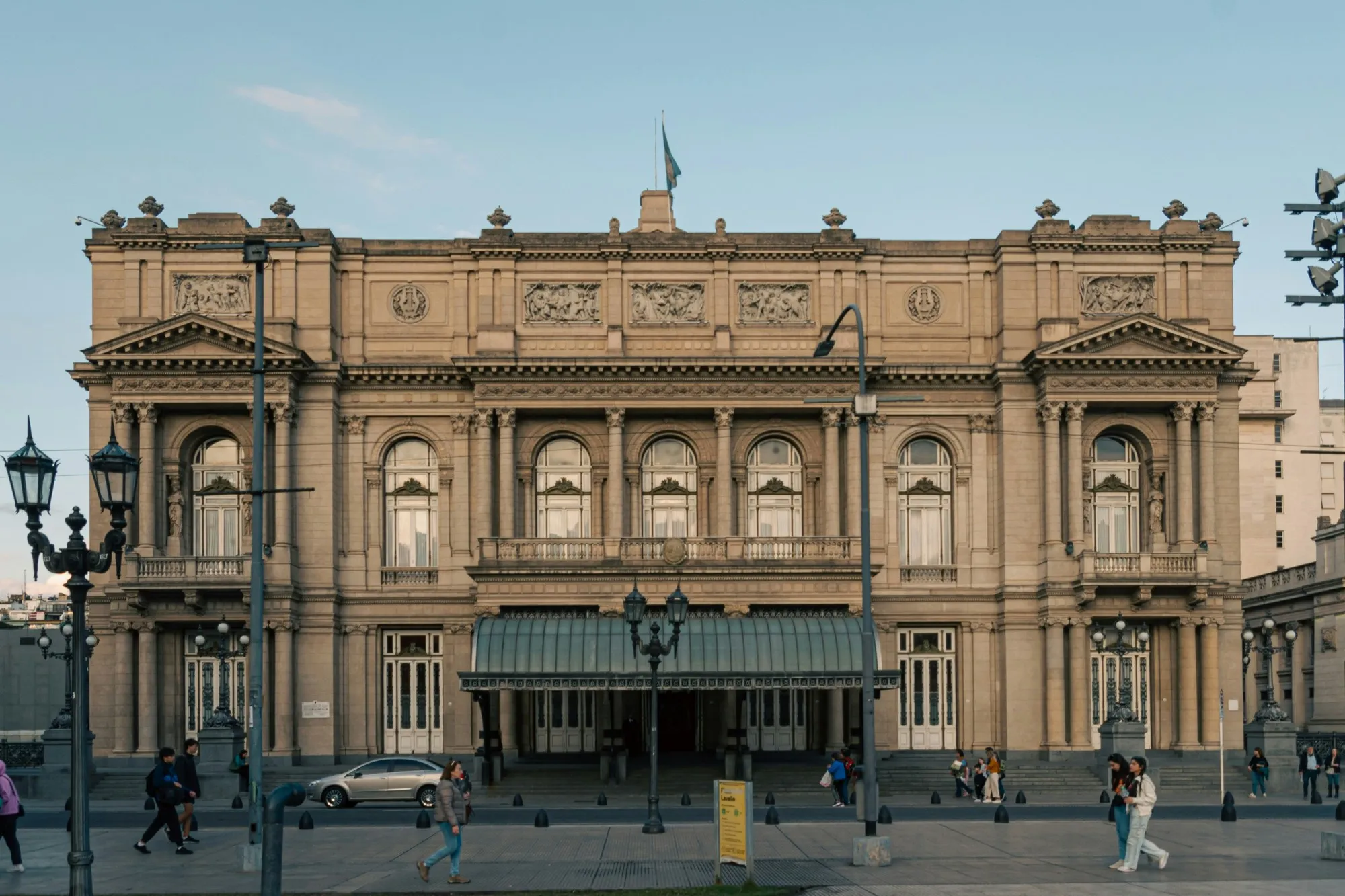
Balvanera Neighborhood and Avenida de Mayo
- Palacio del Congreso de la Nación Argentina (Congress Palace): a majestic neoclassical parliament building with a massive dome. Inspired by the Capitol in Washington.
- Palacio Barolo: a unique building inspired by Dante Alighieri's “Divine Comedy.” Its architecture is an eclectic blend of Neo-Gothic, Art Nouveau, and Eastern elements. Each floor symbolizes parts of the work: hell, purgatory, and paradise. The lighthouse tower at the top offers stunning views.
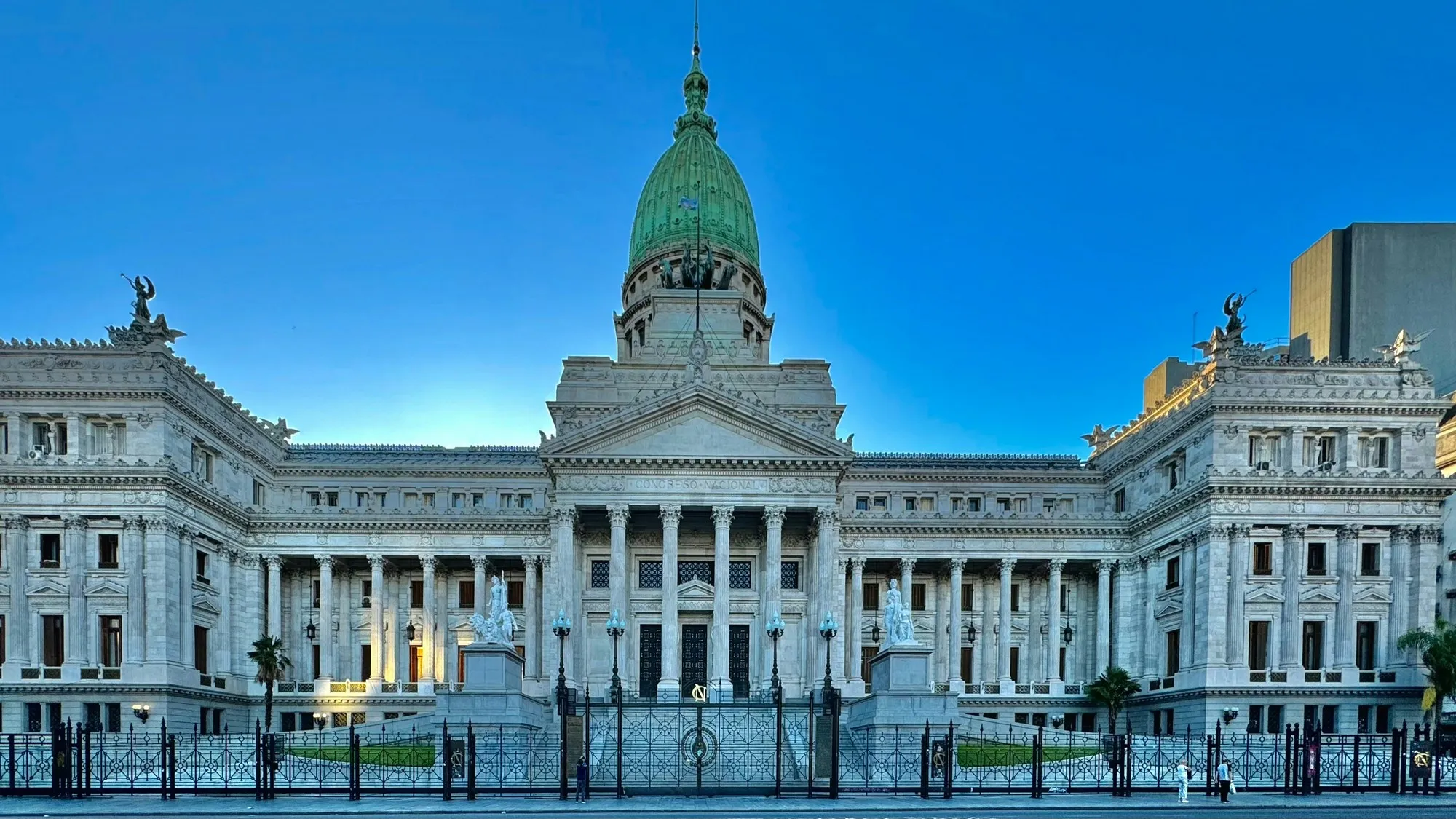
This period demonstrates Argentina's aspiration for a European identity and its economic prosperity, which allowed for the realization of such grand projects.
Art Deco
After the opulence of Art Nouveau and Eclecticism, more austere but no less elegant forms of Art Deco emerged. This style, originating in the 1920s, is characterized by geometric patterns, clean lines, the use of luxurious materials, and monumentality. In Buenos Aires, it left a significant mark, especially in the central districts.
Main Features of Art Deco
- Geometric Forms: zigzags, stepped silhouettes, fan-shaped patterns, abstract motifs.
- Monumentality and Verticality: buildings often strive upwards.
- Use of New Materials: chrome, stainless steel, colored glass, glazed tiles.
- Elegance and Luxury: despite the strictness of its lines, Art Deco always demonstrates sophistication.
- Sculptural Decor: often stylized figures inspired by antiquity, Egypt, or Mesopotamia, as well as flora and fauna.
Where to Find Art Deco
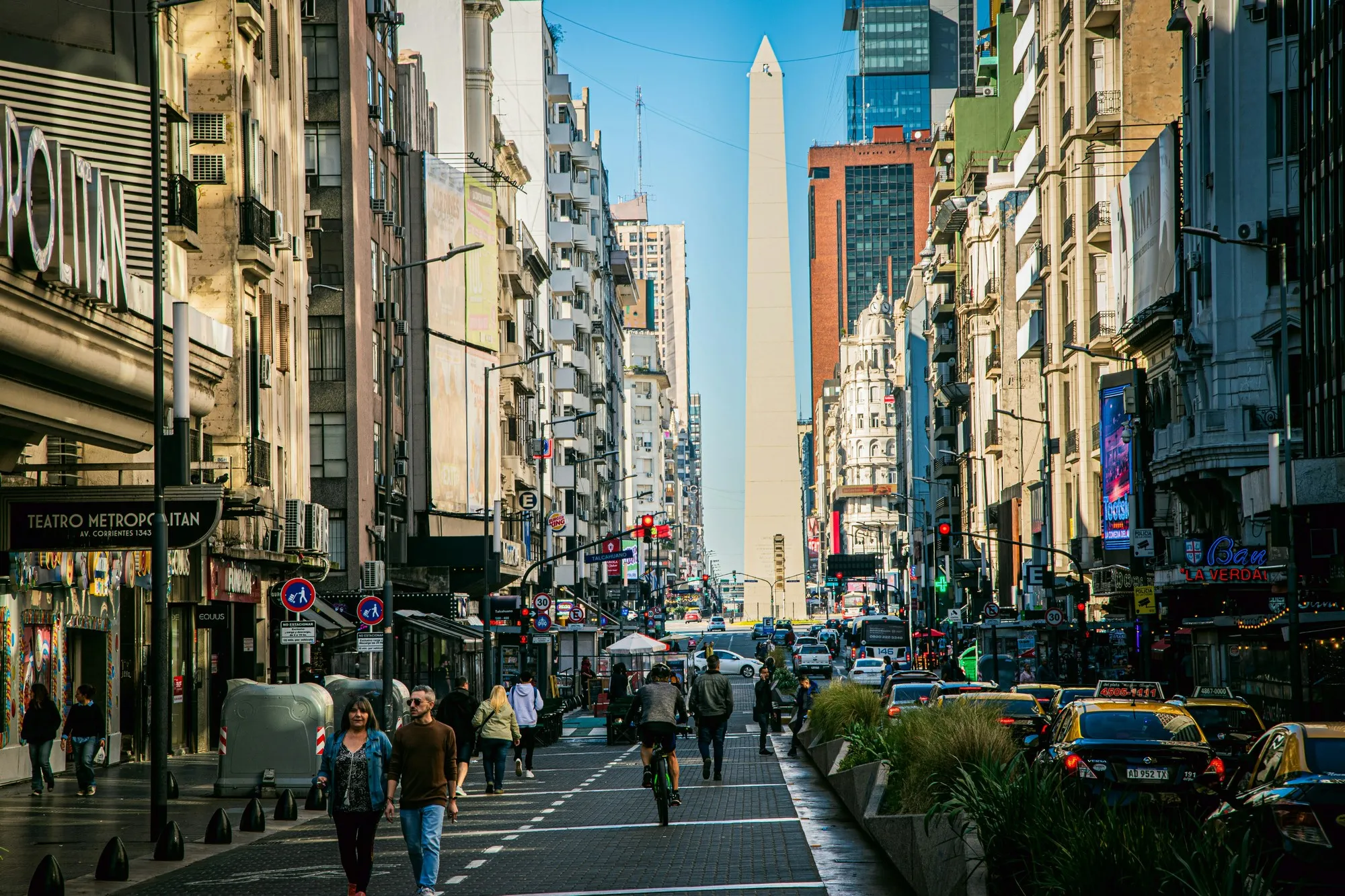
Avenida Corrientes: this bustling street, known for its theaters, bookstores, and cafes, is home to many Art Deco buildings.
- Obelisco de Buenos Aires (Buenos Aires Obelisk): although not a building, the obelisk itself, built in 1936, is a symbol of the city and reflects the monumentality and geometric simplicity characteristic of Art Deco. It stands in the Plaza de la República, where Corrientes intersects with Avenida 9 de Julio.
- Theaters and Cinemas: many historic theaters on Corrientes, such as Teatro Opera, Teatro Avenida, and former cinemas, feature magnificent Art Deco facades and interiors. Their neon signs, stained glass, and carved details are a true feast for the eyes.
Retiro Neighborhood
- Kavanagh Building: this skyscraper, built in 1936, is one of the most iconic examples of Art Deco in Buenos Aires. Its stepped silhouette, lack of external decor, and impressive height (120 meters) make it stand out against the urban landscape. At the time of its construction, it was the tallest reinforced concrete building in South America.
- Municipal Housing Commission Building (Comisión Municipal de la Vivienda): another example with characteristic geometric patterns.
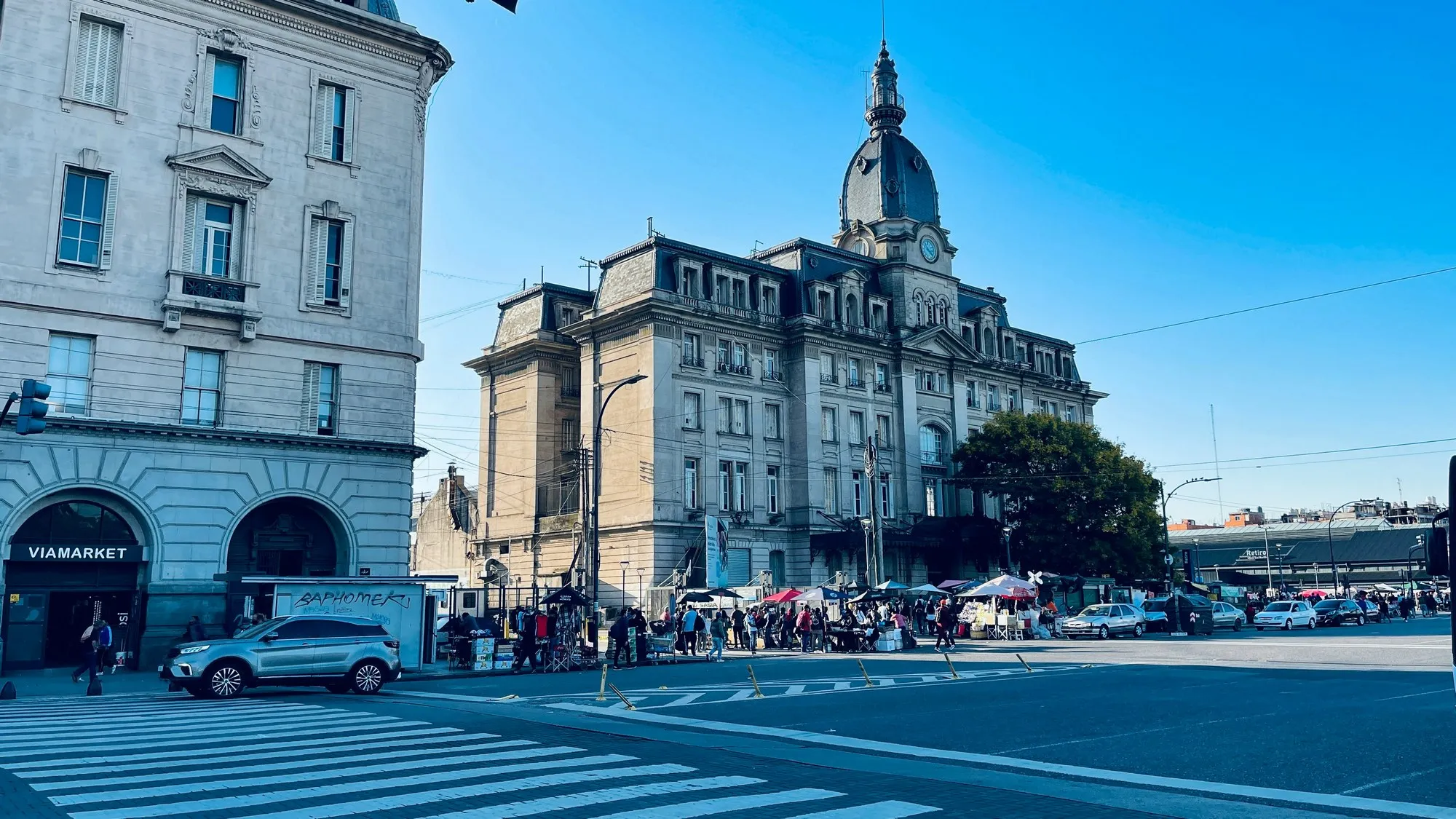
Art Deco in Buenos Aires is the embodiment of progress and modernity, a period when the city actively developed and looked to the future, while maintaining its sophistication.
Brutalism and Modernism
In the mid-20th century, a wave of modernism, and then brutalism, swept the world. These styles, rejecting excessive decorativeness, aimed for functionality, honesty of materials, and monumentality of forms. Buenos Aires, like many other major cities, did not remain untouched by these trends.
Main Features of Modernism and Brutalism
- Functionality: form follows function, absence of unnecessary ornamentation.
- Reinforced Concrete (béton brut – “raw concrete”): the main material, often unplastered, showcasing its texture.
- Scale and Monumentality: buildings often have impressive dimensions and create a sense of power.
- Geometric Forms: cubes, parallelepipeds, cylinders.
- Exposed Structures: sometimes elements of load-bearing structures are visible.
- Abundance of Glass: in later modernism, as well as large windows allowing light.
Where to Find Brutalism and Modernism
City Center (Microcentro)
- Banco de la Nación Argentina (National Bank of Argentina): (not to be confused with the old neoclassical building). The new bank building in the center is an example of brutalism. Its massive concrete forms and lack of decor make a strong impression.
- Buildings along Avenida 9 de Julio: many office and administrative buildings constructed in the second half of the 20th century exhibit features of modernism and brutalism. Look for austere concrete facades, repetitive modules, and minimalist design.
Puerto Madero Neighborhood: this neighborhood, once an abandoned port, was completely redeveloped in the late 20th – early 21st centuries. Here, modern glass and steel skyscrapers coexist with some examples of brutalism, preserved from the port infrastructure or earlier renovations.
- Faculty of Architecture, Design and Urbanism of the University of Buenos Aires (FADU, Ciudad Universitaria): although located a bit outside the center, this is one of the most striking examples of 1960s modernist architecture. Its functionality, open spaces, and use of reinforced concrete make it a significant landmark.
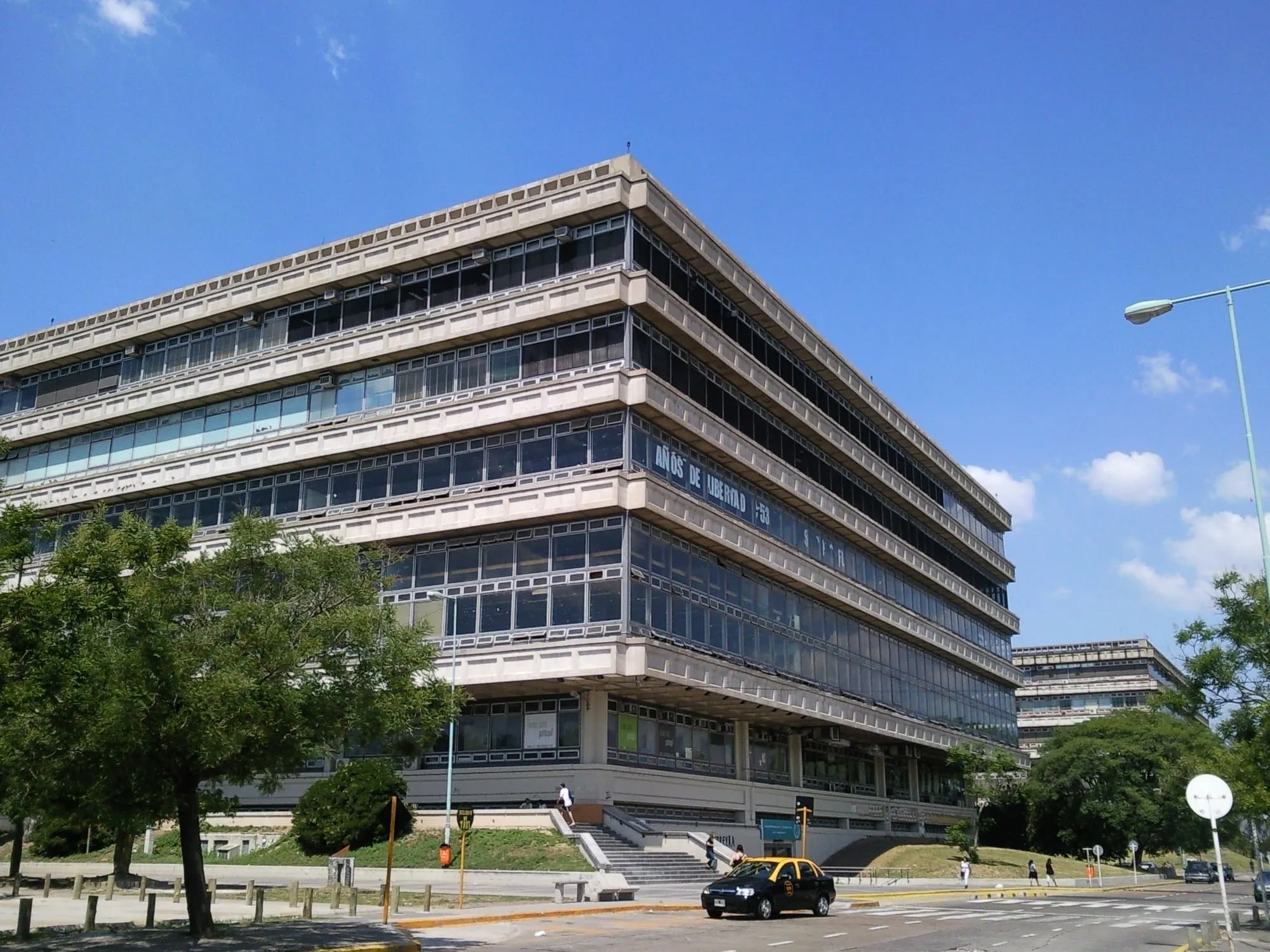
Brutalism in Buenos Aires is a reflection of the post-war period's pursuit of rationality and functionality, when the city actively developed and required new, more pragmatic construction.
Contemporary Architecture
Buenos Aires does not stop in its development. In recent decades, the city has experienced a boom in contemporary architecture, especially in areas undergoing revitalization.
Puerto Madero: this is a showcase of contemporary architecture in Buenos Aires. Here, old port docks have been transformed into upscale residential and office complexes.
- Puente de la Mujer (Woman's Bridge): A pedestrian bridge designed by Santiago Calatrava, it symbolizes a couple dancing tango. Its futuristic design and movable structure make it one of the city's most recognizable modern symbols.
- High-rise Buildings: along the docks are glass skyscrapers, such as Alvear Tower, which is one of the tallest in Latin America. These buildings demonstrate trends towards energy efficiency, bold forms, and the use of glass and metal.
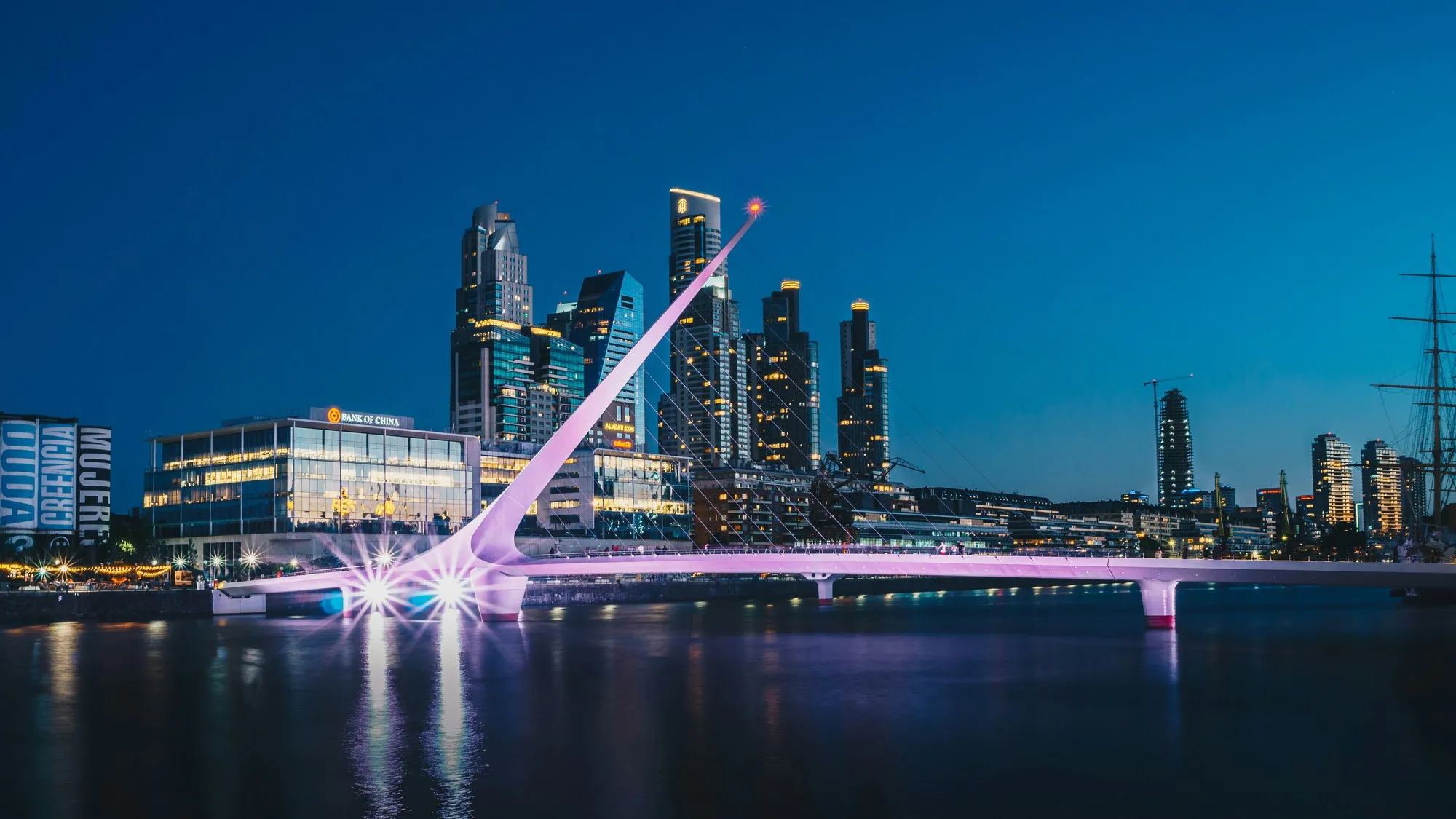
Contemporary architecture in Buenos Aires continues the tradition of dialogue with history, introducing new ideas and technologies while maintaining respect for the city's past.
Buenos Aires is a living open-air museum, where history intertwines with modernity, and every building can tell its unique story. Embark on this fascinating journey and discover the architectural treasures of the Argentine capital!