Best Cities in China for Your First Trip
 Yasya
YasyaTravelers are buzzing about visa-free China. It seems like a no-brainer: grab tickets from Moscow to Beijing, and you're all set. For a first-timer, it's perfect. However, we hold a different opinion, which is why we've chosen 5 cities in China that are better starting points for getting to know the country, so you won't be disappointed.
Why Not Beijing?
First, let's answer the most obvious question. After all, Beijing is the capital of China, so all the most interesting things should be there! The main thing to be prepared for when traveling to China is that everything is different here. You might encounter difficulties with card payments (everyone uses WeChat), it's hard to buy a SIM card, the food is unfamiliar, and so on. And the main city implies the largest influx of tourists. If you've been to Red Square in Moscow, you can imagine the atmosphere in Tiananmen Square in Beijing. And getting used to completely new conditions in such an environment is quite stressful. That's why we suggest "dipping your toes in" gradually and starting with other cities.
Shanghai
Let's start with China's most Europeanized city to make adapting to Asia easier (as is the flight from Moscow to Shanghai). It's a kaleidoscope city, a jewel box city, a city of contrasts. Here, East and West meet, not clashing, but intertwining.
Its banks are washed by the Huangpu River, dividing the city into two distinct but interconnected parts. On one bank, in the Pudong district, a futuristic forest of skyscrapers rises. Here, glass towers pierce the sky, and the gaze drowns in myriad lights reflected in mirrored facades. The Oriental Pearl TV Tower with its recognizable spheres and the Shanghai Tower, soaring to dizzying heights, become symbols of China's aspiration for the future.
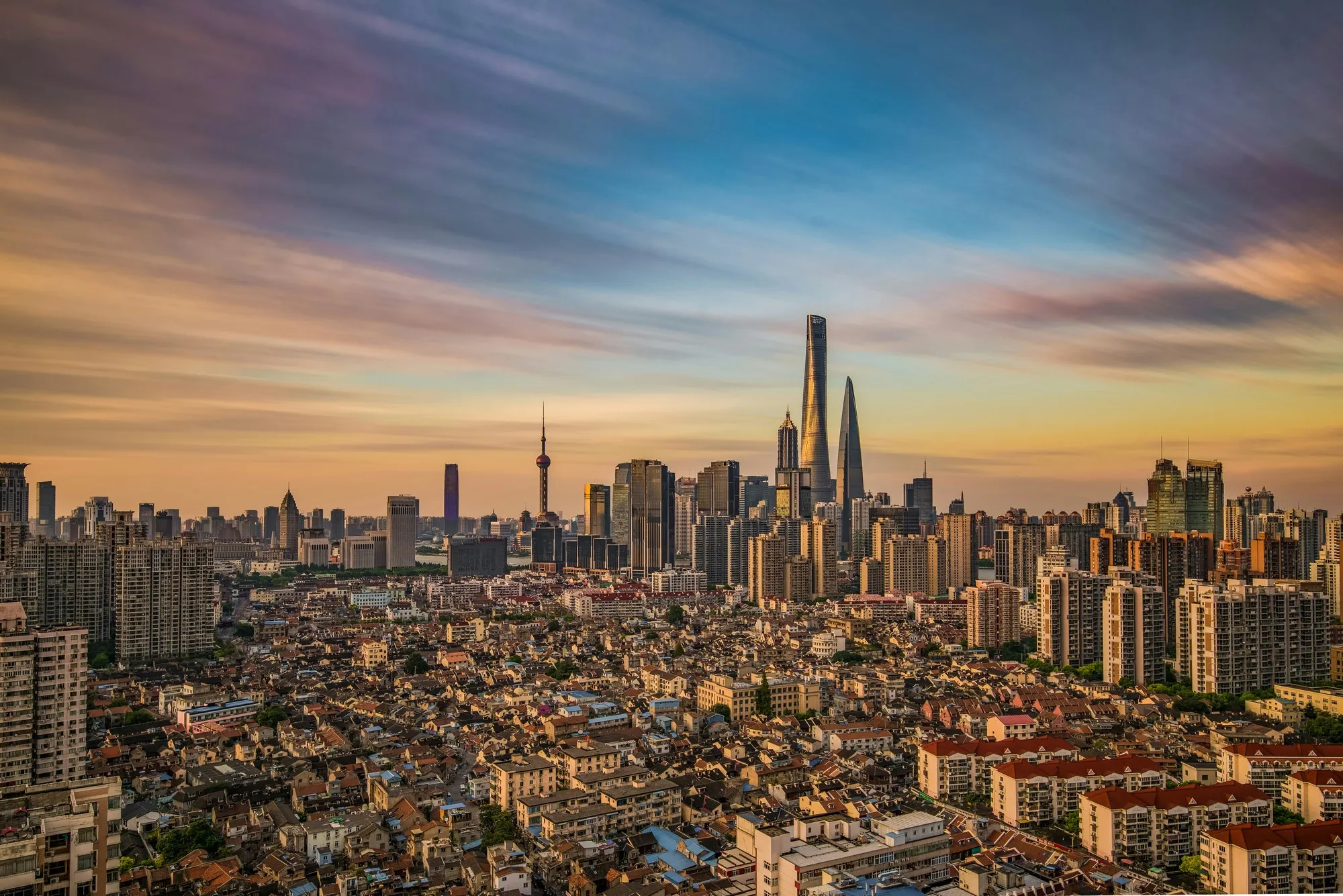
On the other side of the river is the famous Bund waterfront. Along it stretch elegant colonial-era buildings. Erected in the first half of the 20th century, they bear witness to Shanghai's rich history as an international port and financial center. Venturing deeper into the city's labyrinths, you will discover other facets of Shanghai. For example, the Yu Garden with its exquisite pavilions, carp ponds, and meticulously designed landscapes is a true oasis of tranquility and harmony, a vivid example of traditional Chinese garden art.
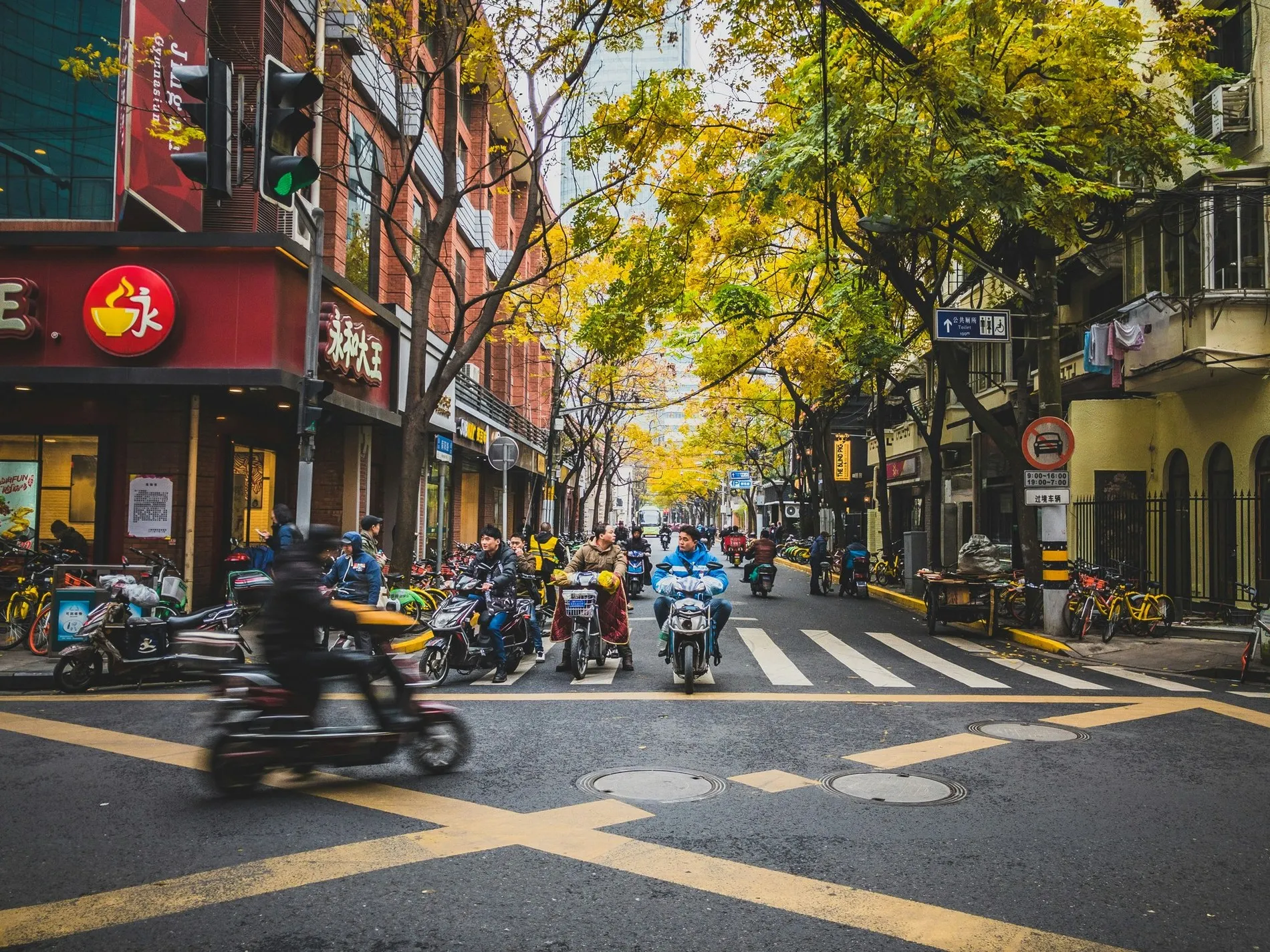
In the French Concession area, modern art and a bohemian spirit reign. Here, old European mansions have been reborn and transformed into art galleries, designer shops, and exquisite restaurants. What a perfect spot for a smooth immersion into the local way of life?
What else to see:
Jade Buddha Temple: An active Buddhist temple with two beautiful white jade Buddha statues. It's a place for reflection and contemplation.
Shanghai Museum: One of China's best museums, featuring a rich collection of Chinese art, including bronzes, ceramics, calligraphy, painting, and sculpture.
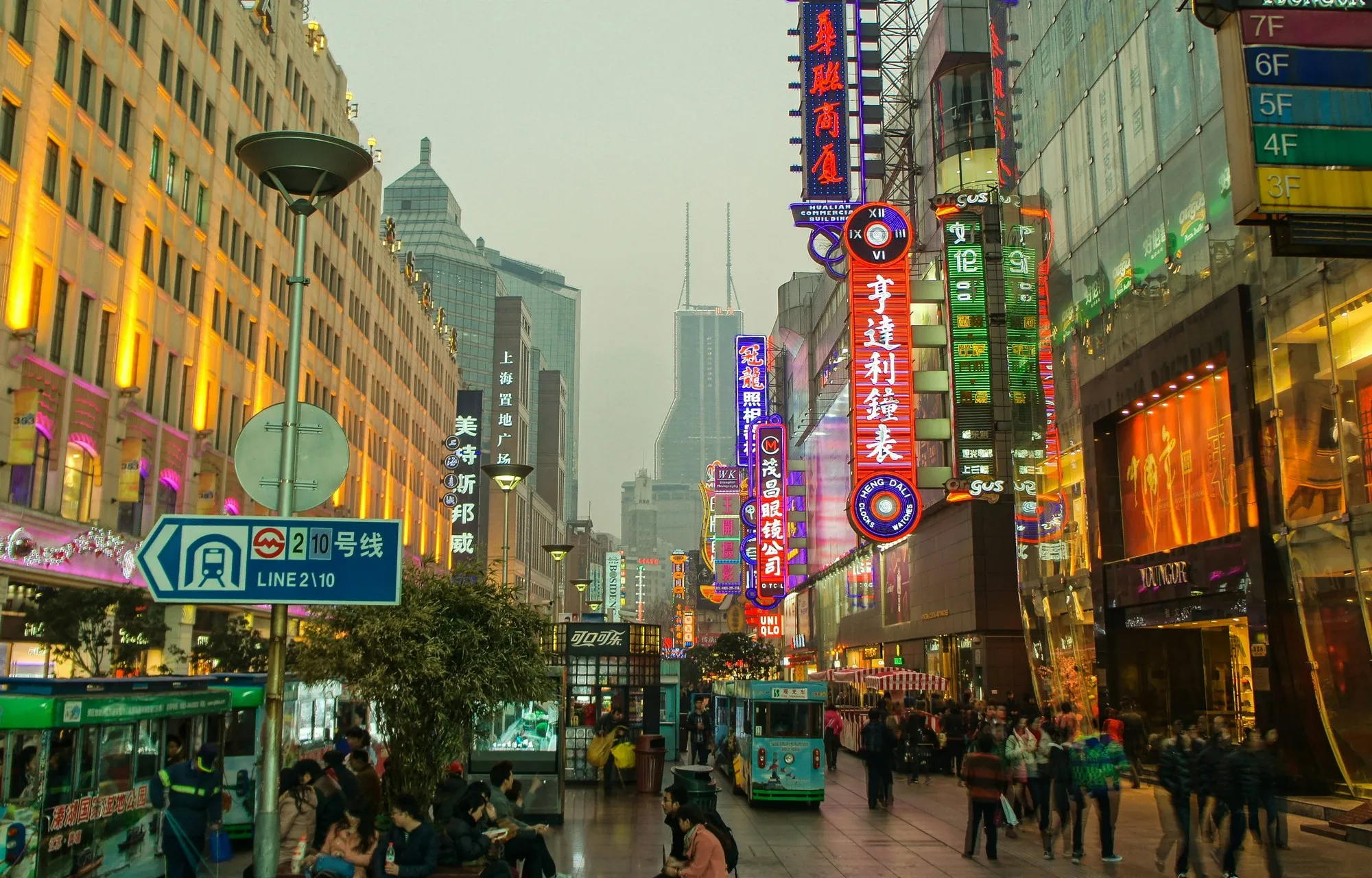
Nanjing Road: Shanghai's main shopping street, full of shops, department stores, and restaurants.
Zhujiajiao Water Town: An ancient town where you can take a boat ride along the canals.
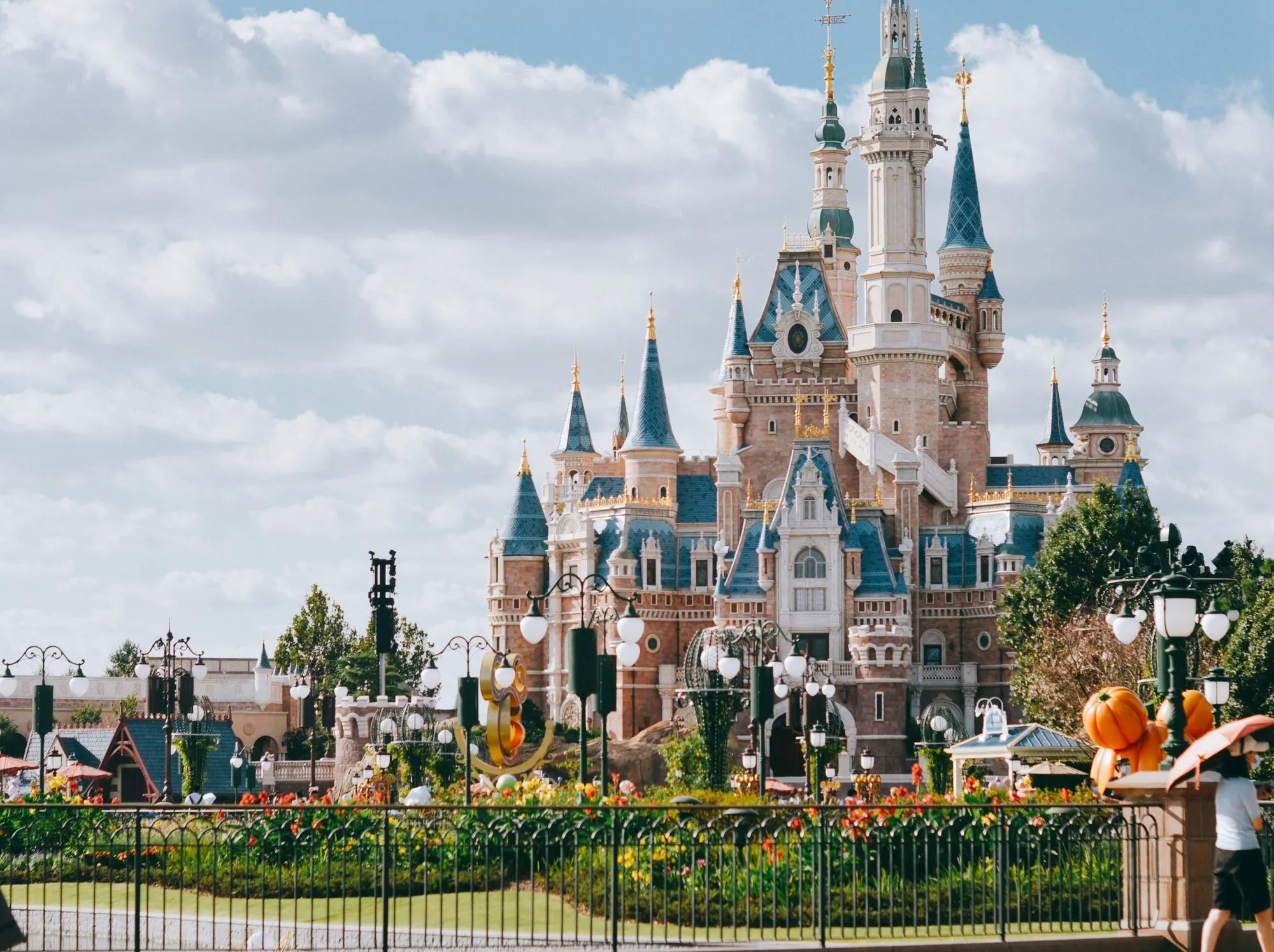
Shanghai Disneyland: The name speaks for itself. Even if you're traveling without children, it's worth dedicating a day to Disneyland.
Shenzhen
Just a few decades ago, it was a small fishing village, but today it's a thriving metropolis, a center of innovation and technology. Shenzhen is often called China's "Silicon Valley." Skyscrapers here sprout like mushrooms after rain, while parks, squares, and trees coexist harmoniously alongside them. All of this attracts young entrepreneurs and talented specialists from around the world, as well as tourists. You can easily join the latter if you buy tickets to Shenzhen.

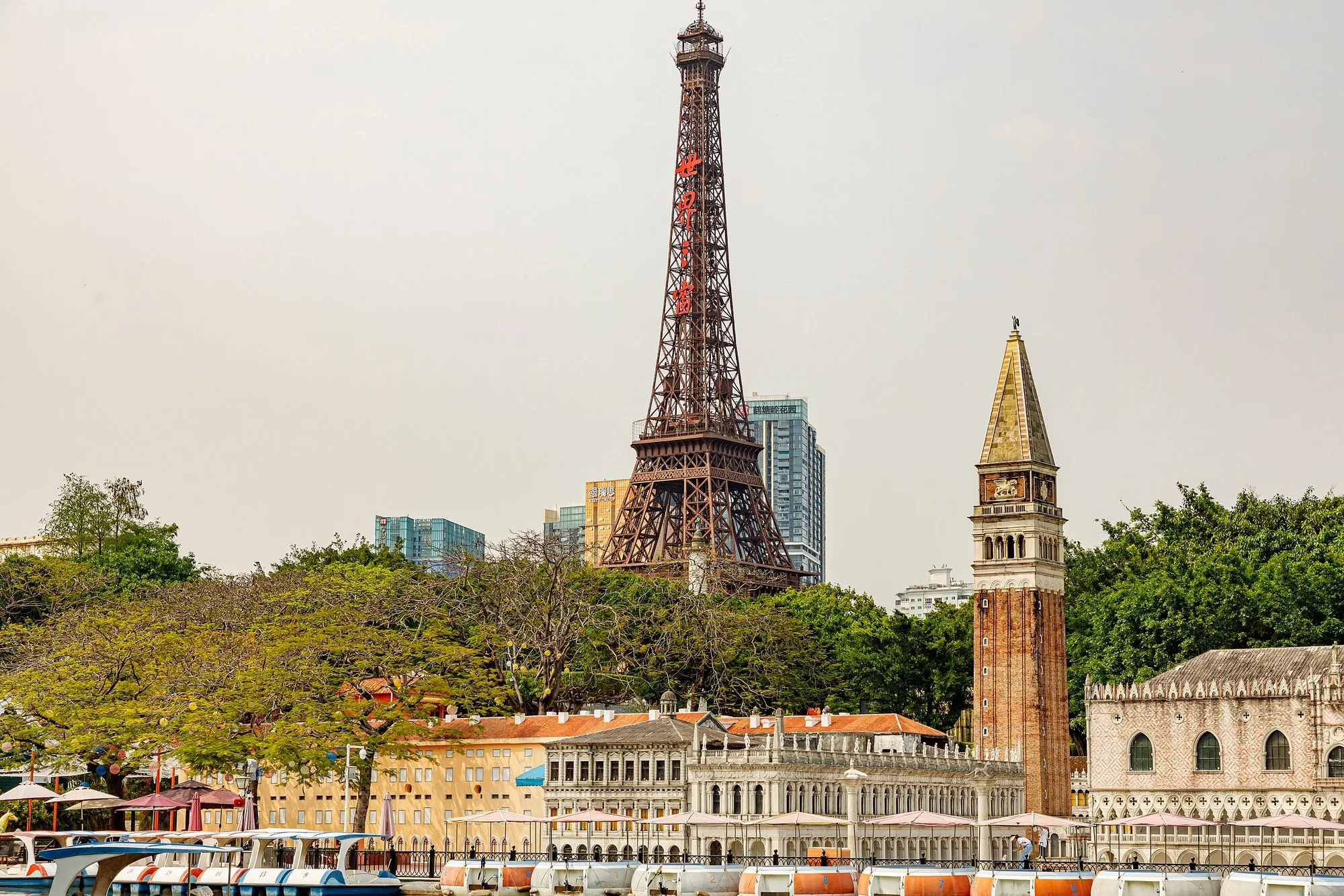
Shenzhen naturally has many attractions. But the most famous of them is the "Window of the World" miniature park. Here you can see all of humanity's most grandiose structures and natural beauties in one place. The Eiffel Tower is mentioned first, then there's the Taj Mahal, the pyramids of Egypt, the Kremlin, Versailles, Machu Picchu. And when you get hungry after exploring world architecture in its mini-version, you can treat yourself to an international lunch with dishes from Mexican, Chinese, French, and any other cuisine.
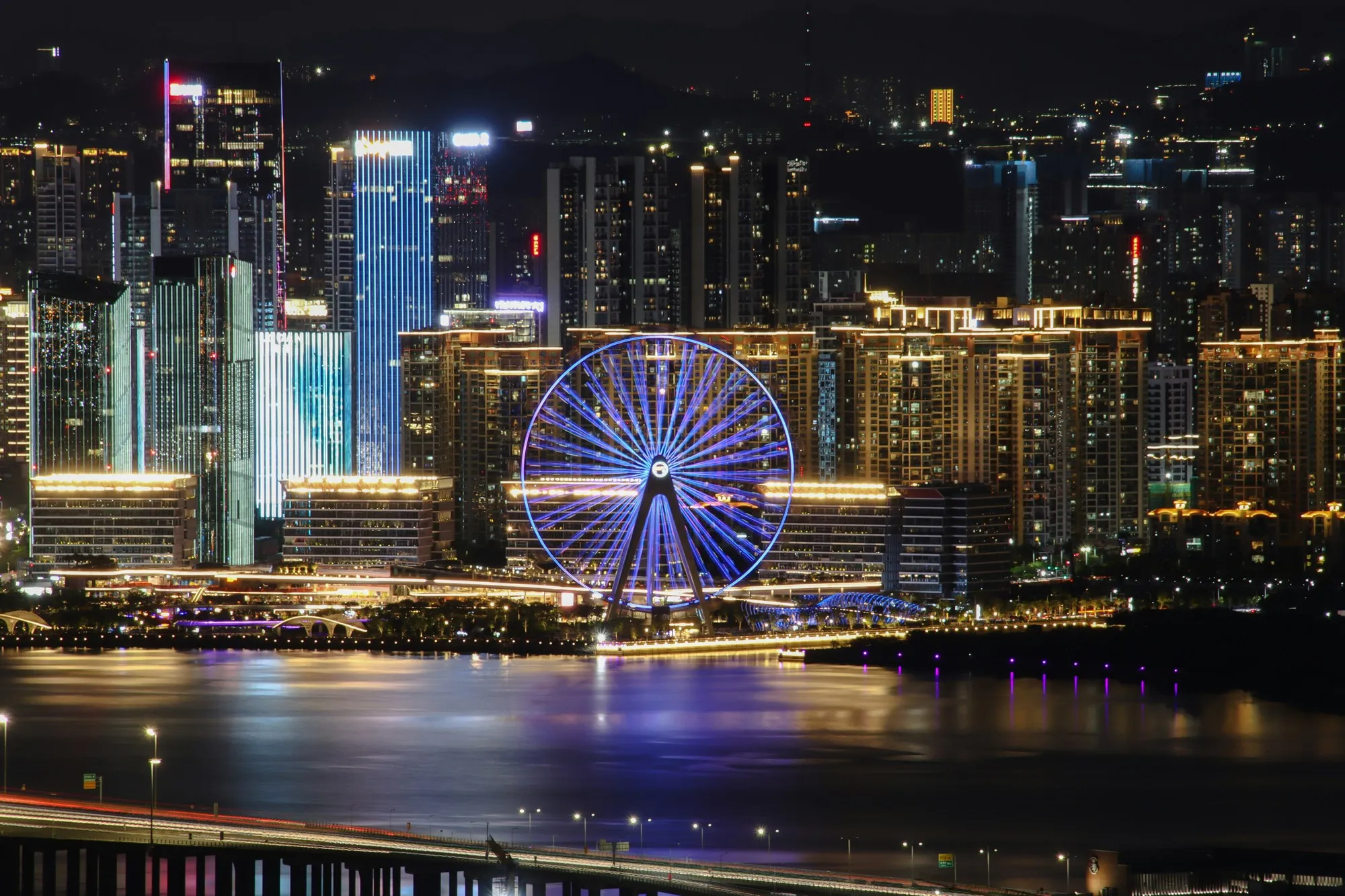
The amusement parks don't end there. The next stop is "Happy Valley." Here, it's all classic: a water park, slides, attractions for children and adults. We also include the Bay Glory Ferris Wheel – the largest local one, located in Bao'an Park – among similar activities. Think that's all? Not at all! Now we're off to the "Splendid China Folk Culture Village" theme park. Here, visitors will find 82 miniatures of the country's famous landmarks. It's convenient – you can see everything here first, choose what personally interests you most, and then plan a more detailed itinerary for China based on what you've seen.
What else to see:
Luohu District: For restaurants and shopping centers – this is the place.
Xianhu Botanical Garden: An outstanding collection of plants and a beautiful place for walks.
OCT-LOFT Creative Culture Park: A trendy district with art galleries, design studios, cafes, and restaurants, located on the site of a former industrial area.
Xi'an
An ancient capital of China, so get ready to explore history through architecture and monuments. This city was once the starting point of the Silk Road and home to many imperial dynasties. Today's Xi'an is a modern metropolis that carefully preserves its past. To get to the city, you need to take tickets from Moscow and make a couple of transfers.
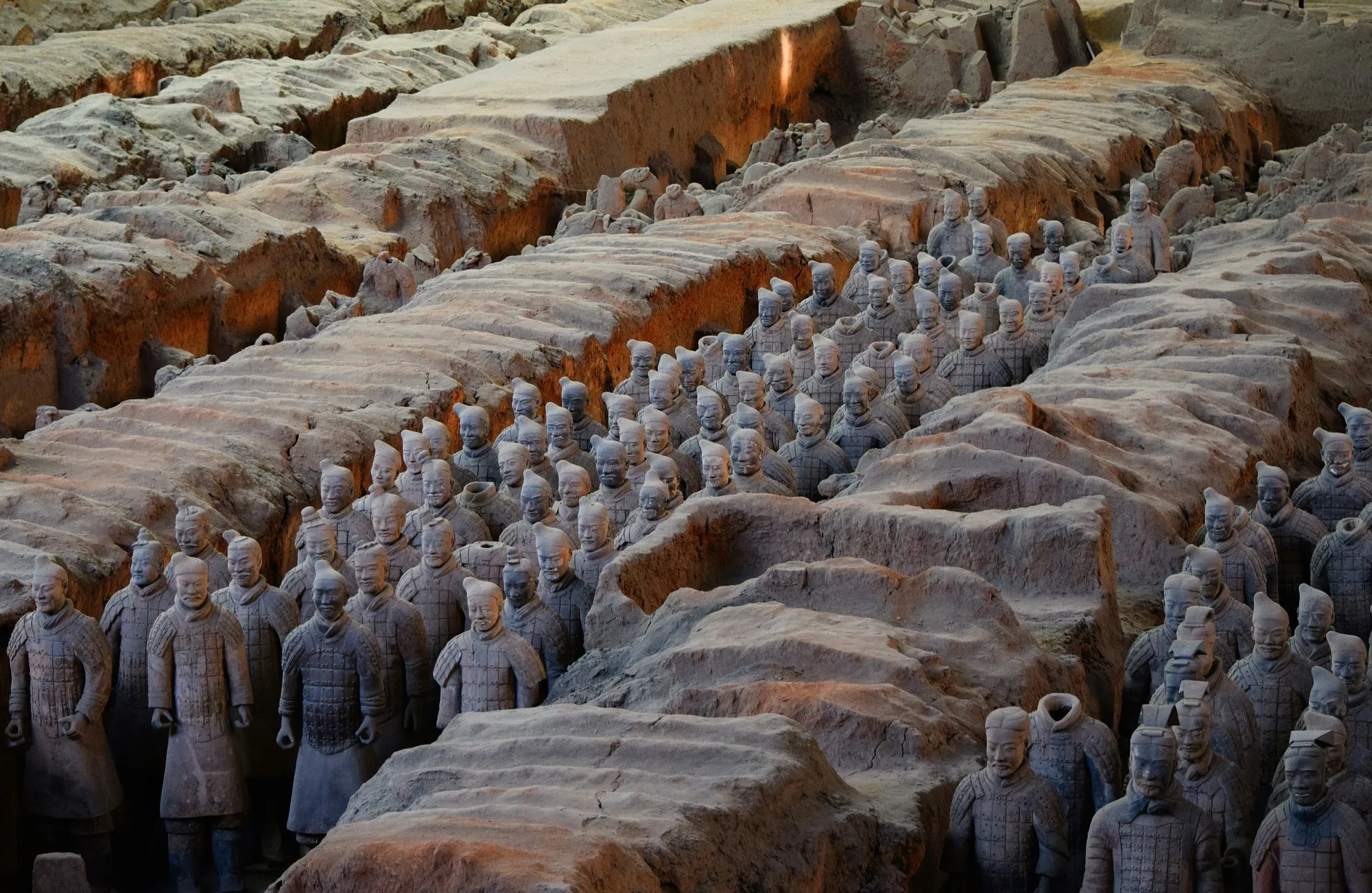
Xi'an's main attraction is, of course, the Terracotta Army: the burial site of thousands of clay warriors, horses, and chariots, created to guard Emperor Qin Shi Huang in the afterlife. This massive archaeological complex is one of the most significant discoveries of the 20th century and impresses with its grandeur and realism.
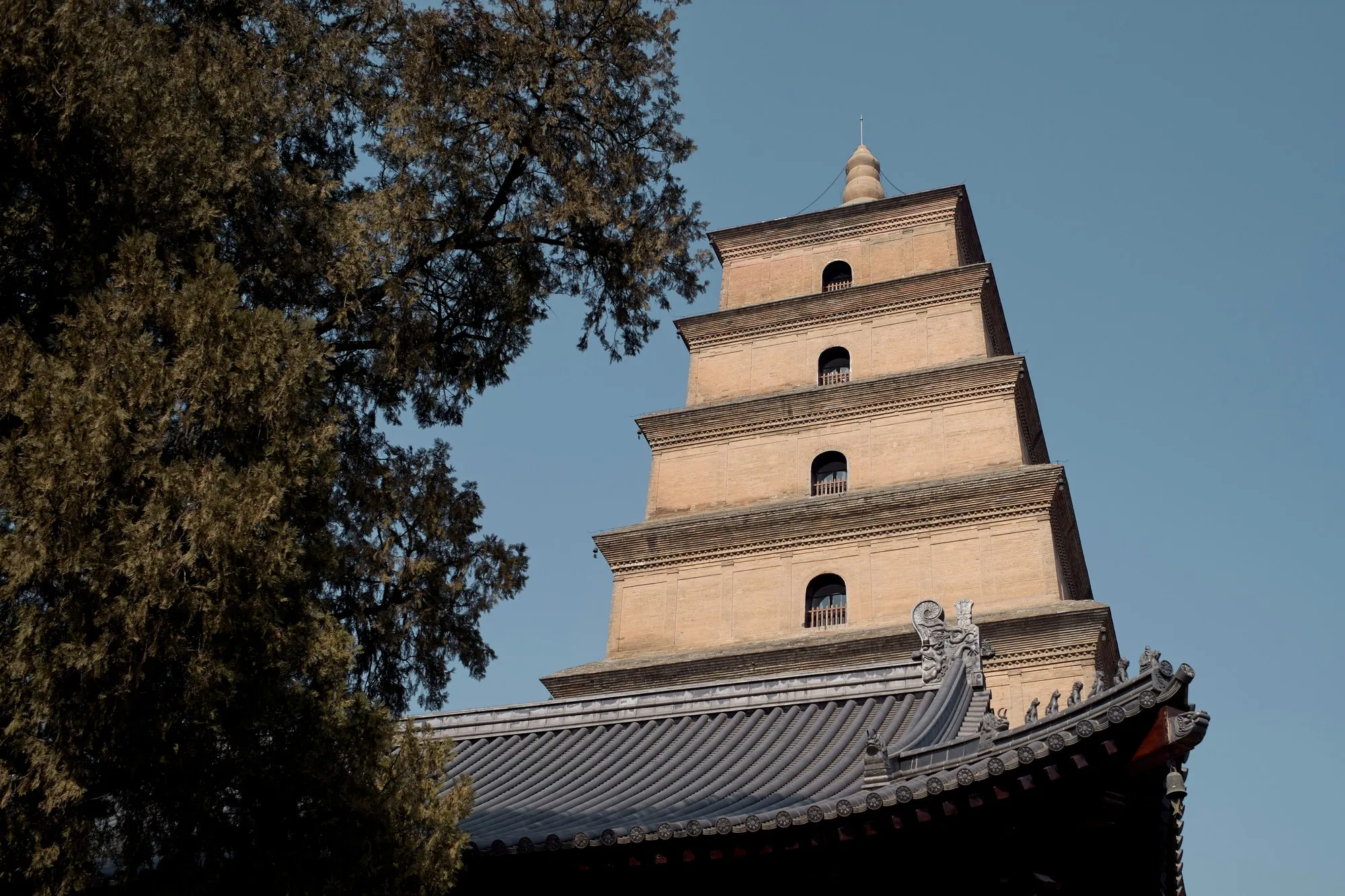
Another symbol of Xi'an is the Big Wild Goose Pagoda. An ancient legend is associated with its origin. In ancient times, Buddhists were divided into meat-eaters and vegetarians. One day, the monks ran out of meat and couldn't buy any in the city. Then one of them said to his brothers: "I hope the merciful Bodhisattva will give us some meat." He looked up at the sky and saw a flock of wild geese flying high. At that very moment, the leader of the flock shuddered and fell dead right at the monk's feet. The astonished monks realized that the Bodhisattva had manifested his spirit to command them to be more pious.
What else to see:
Tomb of Emperor Jingdi: Less famous than the Terracotta Army, but no less interesting.
Drum Tower and Bell Tower: Two towers located in the city center, used for telling time in ancient times. They are beautifully illuminated in the evening.
Muslim Quarter: A lively and colorful district with narrow streets, street food vendors, and mosques.
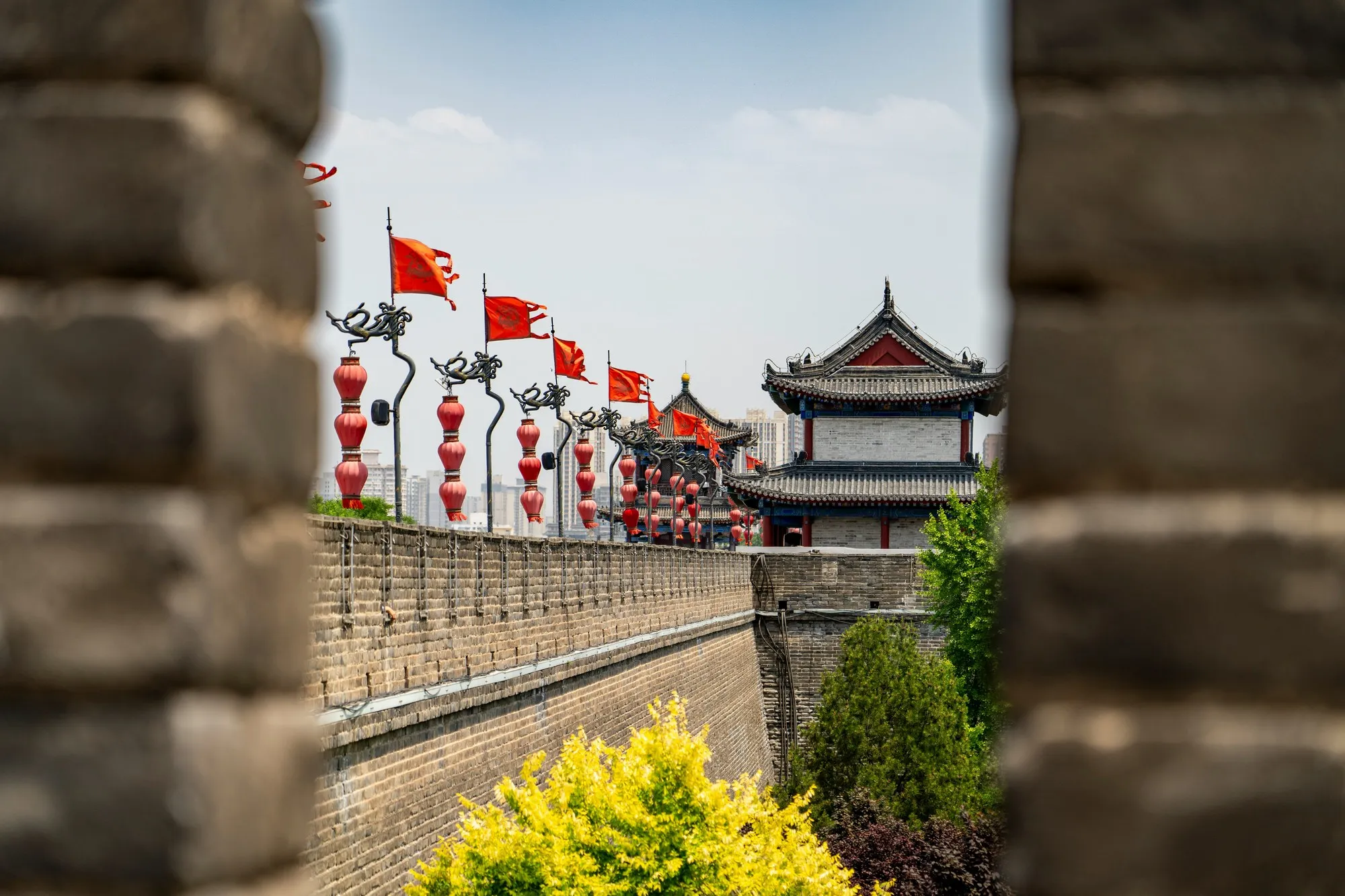
Xi'an City Wall: One of the best-preserved and most complete city walls in China.
Chengdu
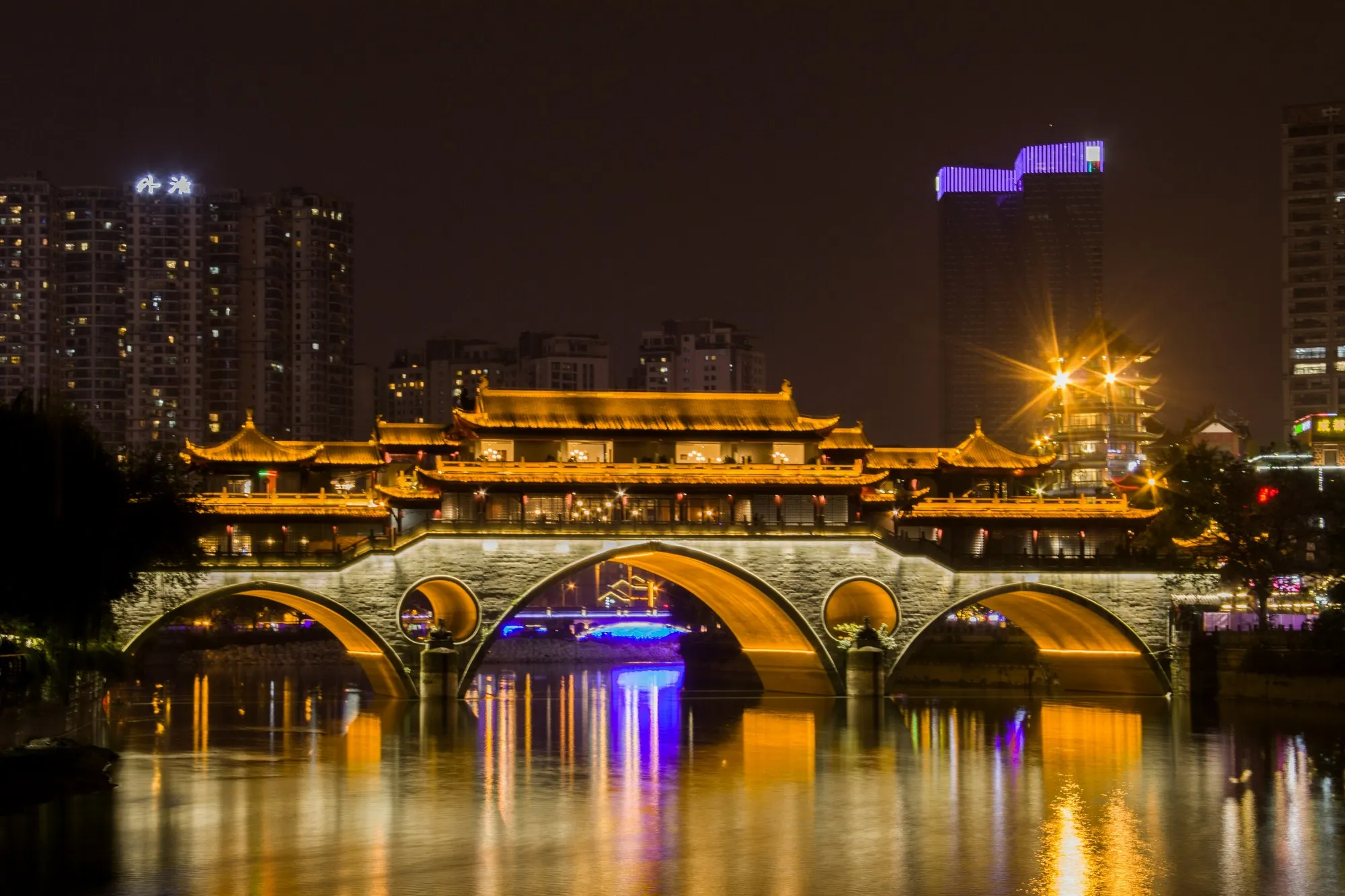
Heard of Sichuan sauce? How about going to its homeland? Chengdu is located in Sichuan province, so fans of spicy food will love it here. Chengdu is considered one of the most comfortable cities to live in China. It's all about the climate: the area is protected by mountain ranges, making winters milder and summers humid but not hot. Getting here is also quite easy: tickets from Moscow to Chengdu by plane, one transfer in Bangkok, and you're there. Plus, there's convenient infrastructure, cultural heritage, and pandas.
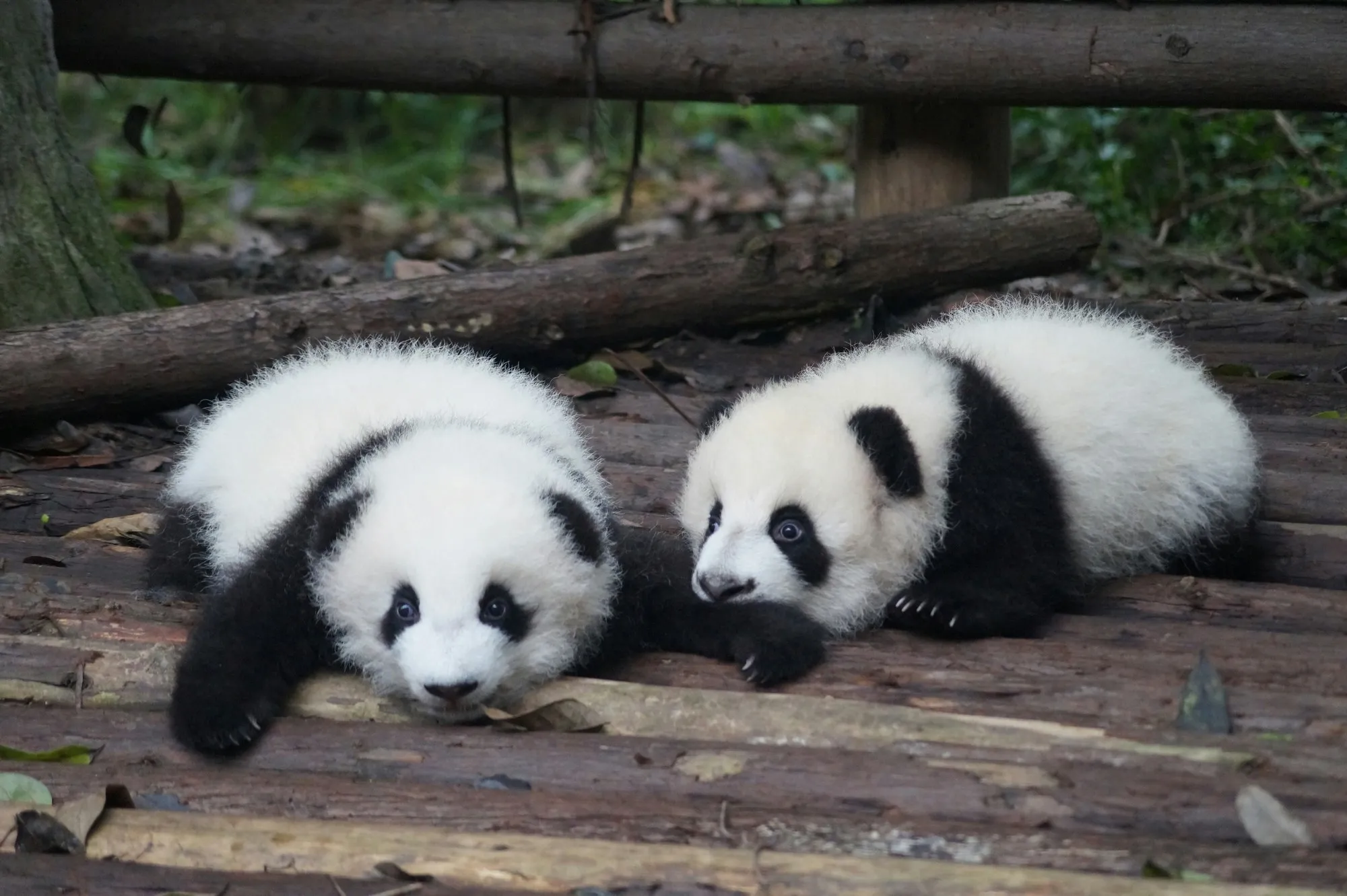
Let's talk about them right away. Chengdu is the "home" of giant pandas, and visiting the Giant Panda Breeding Research Base is a must-do on any tourist's itinerary in the city. Here you can see these charmingly clumsy animals in their natural habitat, not just through a smartphone screen. How cool is that!
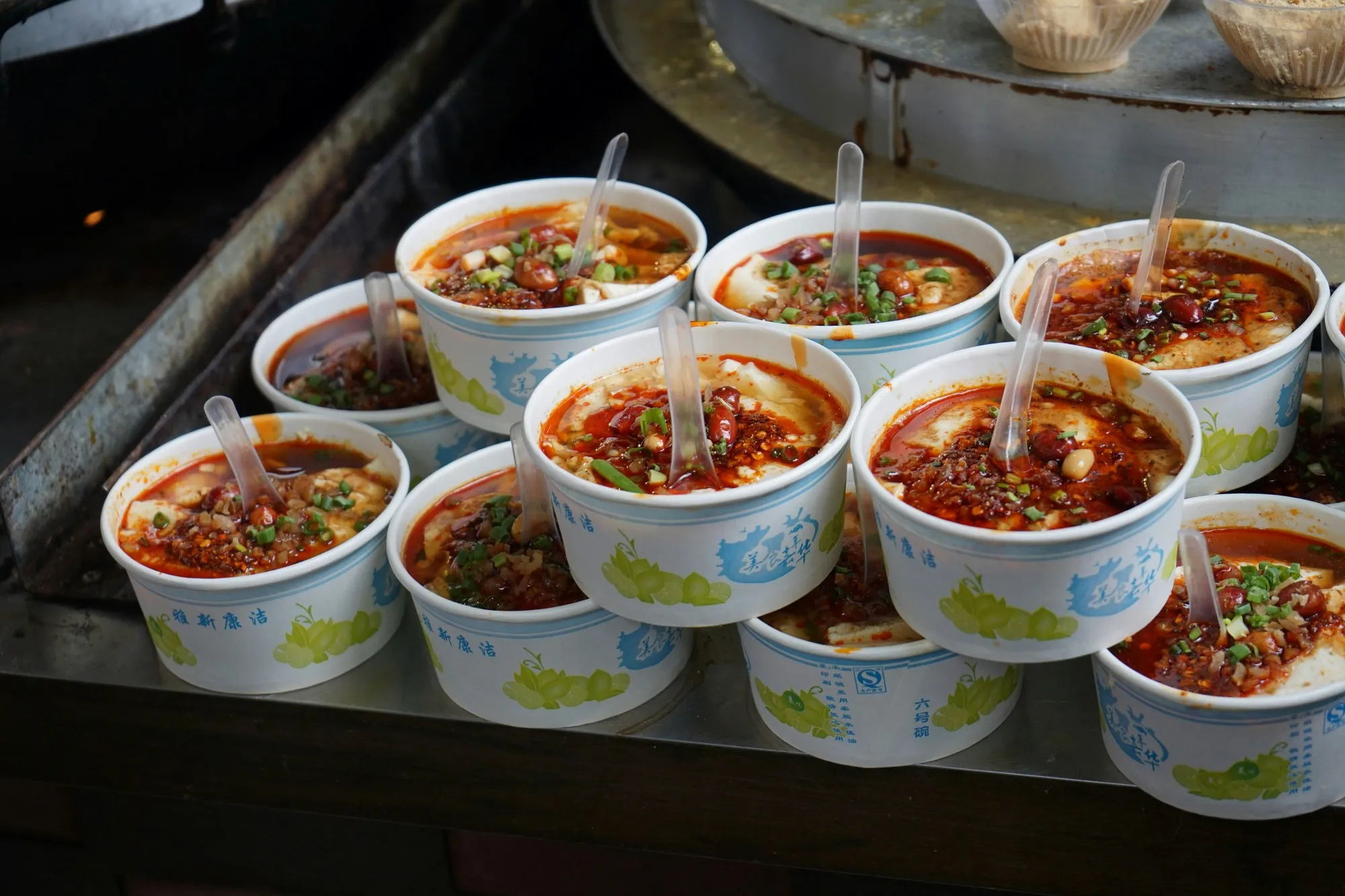
But let's not forget about the cuisine, right? Street food in Chengdu is an adventure in itself. Try spicy skewers, mapo tofu, dandan noodles, and sweets like cold soup and baozi. The best place for a gastronomic immersion into Chengdu's culture is Jinli Street. It's crowded, colorful, noisy – in short, very Chinese. And you're already ready for it.
What else to see:
Wuhou Temple: A temple dedicated to Zhuge Liang, a famous strategist of the Three Kingdoms period.
Sichuan Provincial Museum: One of the best museums in China, showcasing the rich history and culture of the province. It houses artifacts from the ancient Shu civilization, bronzes, ceramics, and paintings.
Mount Qingcheng: A picturesque mountain known as one of the birthplaces of Taoism.
Leshan Giant Buddha: A stone statue of Buddha carved into a cliff overlooking the river. It is located approximately two hours' drive from Chengdu.
Zhangjiajie
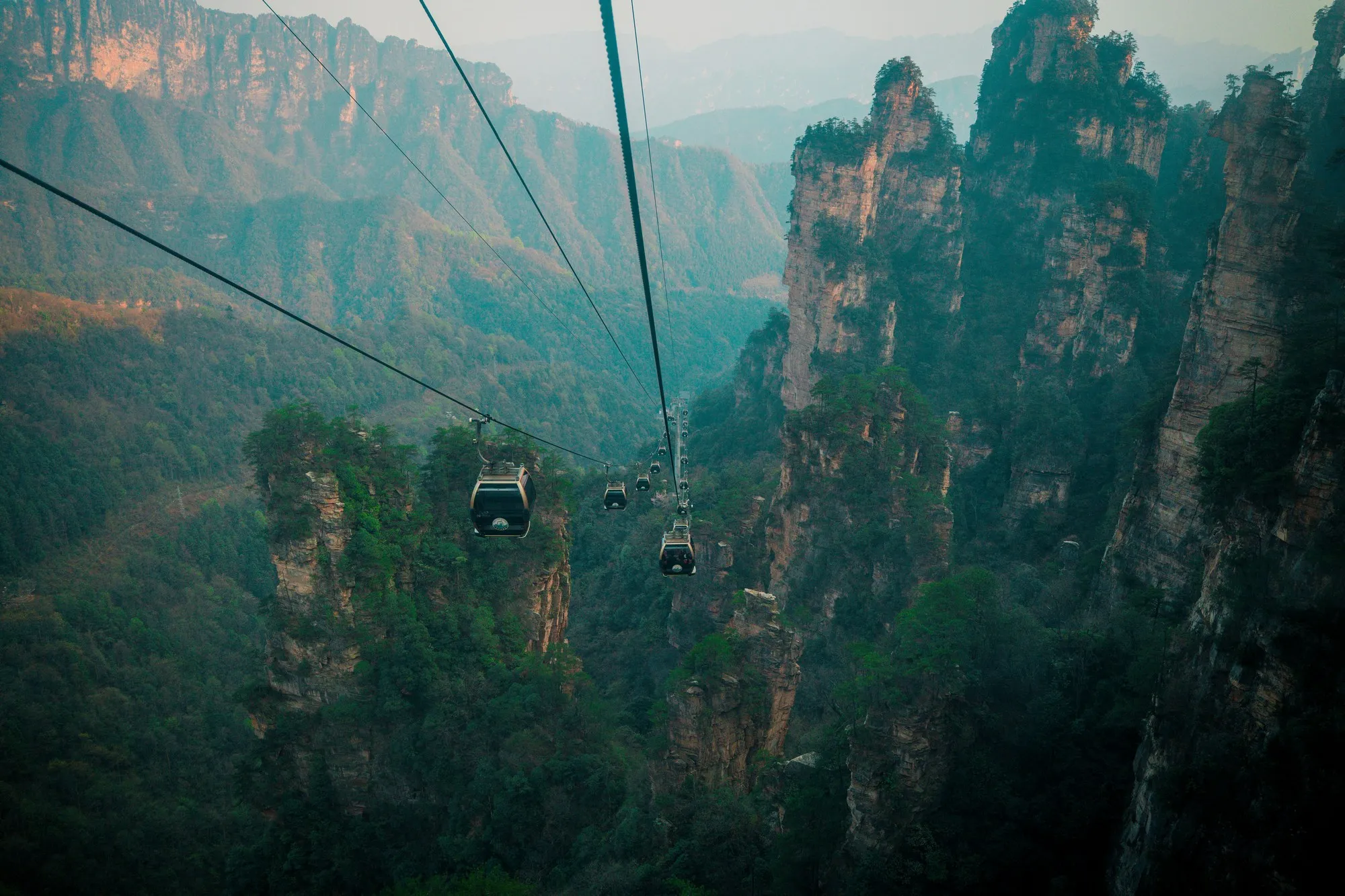
The best promoter for a trip to this prefecture-level city in Hunan province is… James Cameron. That's right: the blockbuster "Avatar" about Pandora and the Na'vi is arguably the most expensive, yet most spectacular and effective advertisement for this area. People come here to see the unique quartzite sandstone pillars. And with every glance, it seems as if a blue person on a leonopteryx might emerge from the fog at any moment.
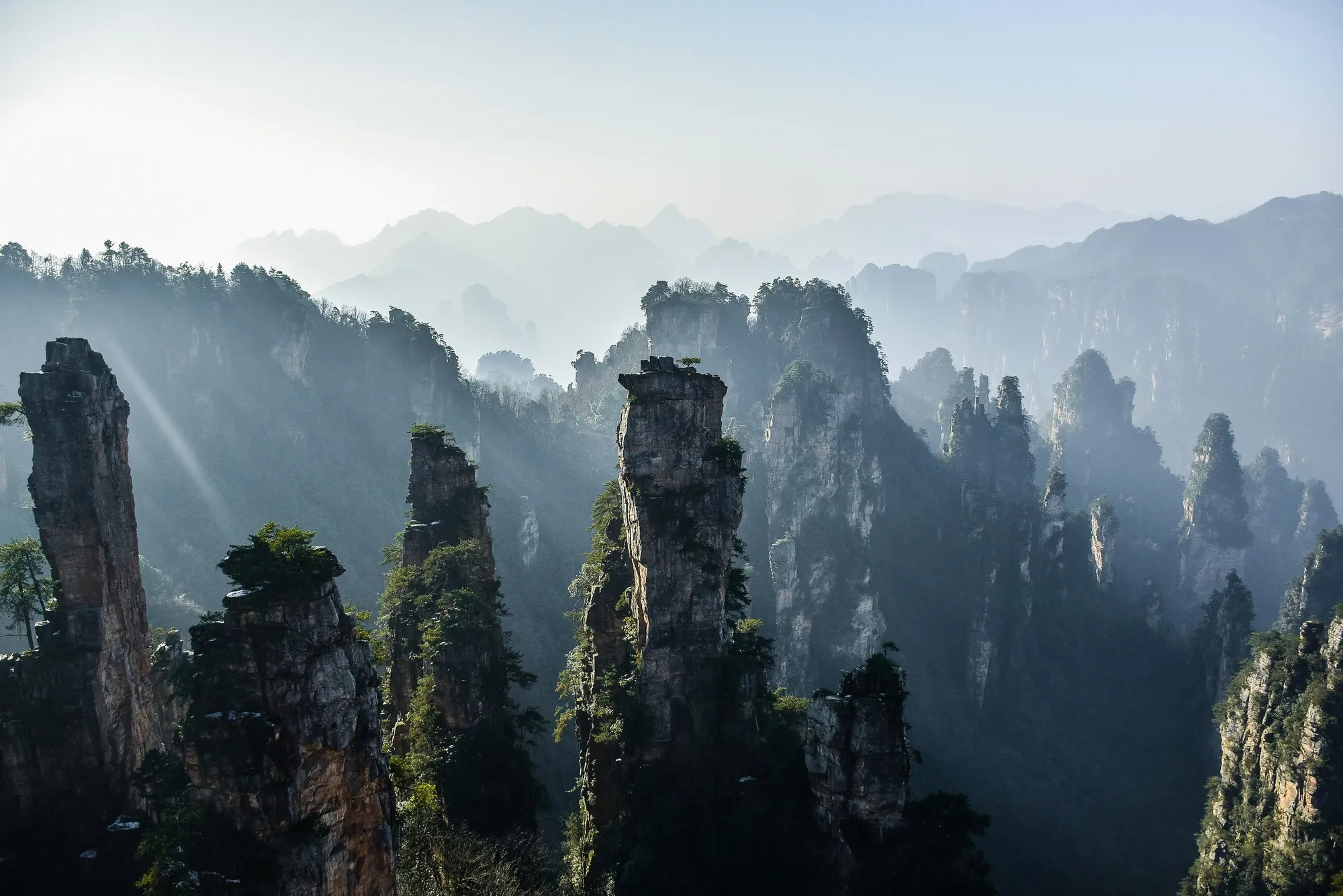
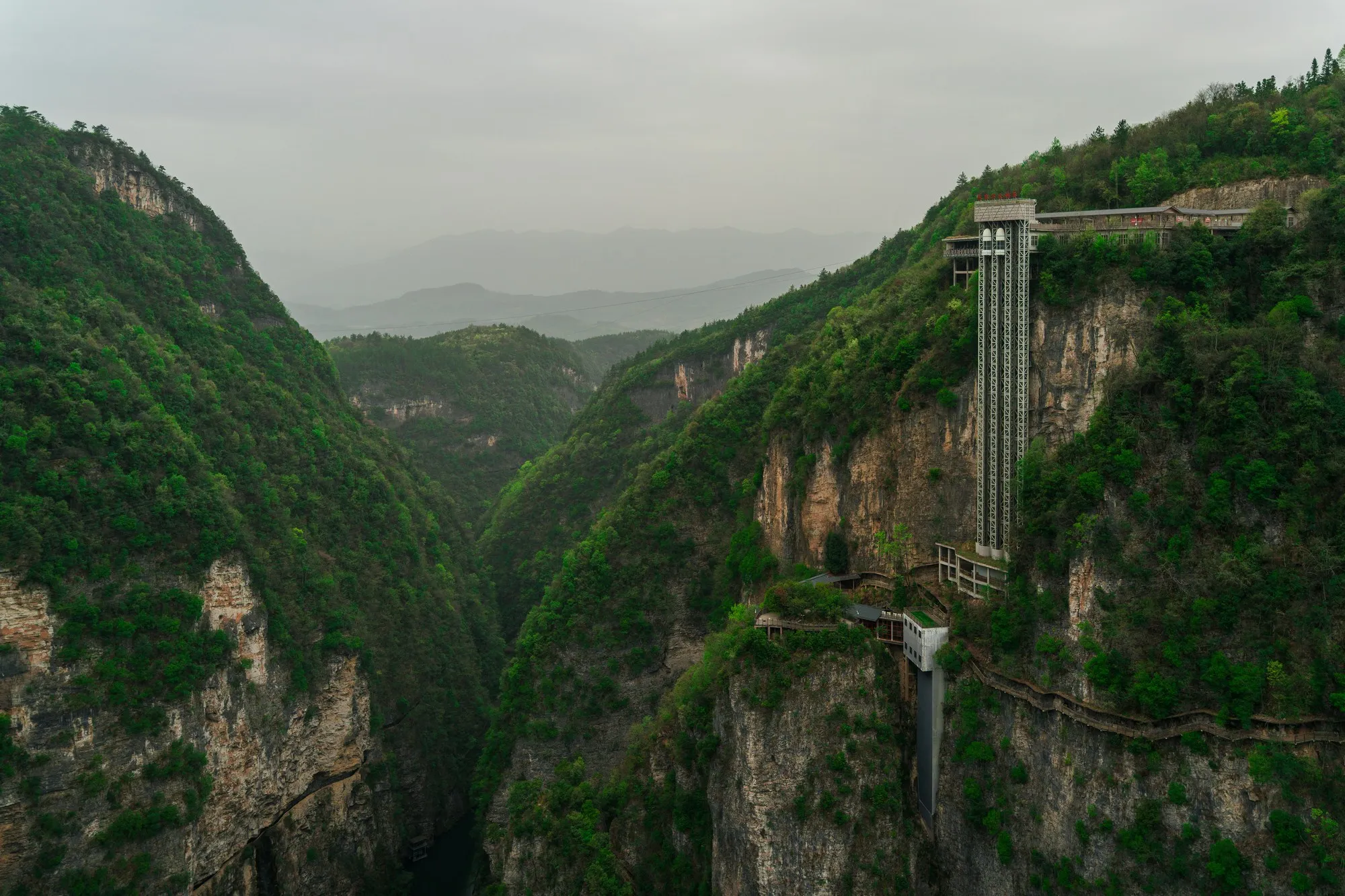
Zhangjiajie National Forest Park is the heart of this region. We've compiled a list of must-do activities here. First, walk the trails, admiring the incredible views. Second, ascend the Bailong Elevator, the highest and heaviest outdoor elevator in the world, to reach the mountaintop. Third, walk across the Zhangjiajie Glass Bridge, the longest and highest of its kind. An adrenaline rush is guaranteed.
In the vicinity of Zhangjiajie, it's also worth visiting Tianmen Mountain, known for its "Heaven's Gate" cave. A cable car is provided for the ascent, making it scenic, convenient, and fast.
What else to see:
Huanglong Cave: One of the most beautiful caves in China, with impressive stalactites and stalagmites.
Baofeng Lake: A picturesque lake surrounded by mountains. We recommend taking a boat ride here.
Liugijie Pavilion: Located in Huangshizhai Village, Zhangjiajie Park.