European Low-Cost Carriers and Their Hidden Fees
 Yasya
YasyaEuropean low-cost carriers are a great and convenient way to visit both popular tourist spots and lesser-known destinations across the region. Ticket prices are sometimes ridiculously low (for example, from Bergamo to Tirana you can fly for just 1,500 ₽). With them, you'll pay less than with traditional airlines. However, these carriers also have their “air pockets” – nuances that, if unknown, can unpleasantly inflate the final bill. We tell you what you need to know if you're planning your budget Eurotrip with low-cost carriers.
Hidden Fees and How to Deal with Them
Budget airlines in Europe offer minimal onboard service, so you'll have to pay for any additional conveniences. Want to take luggage? Pay. Want to choose a seat? That's also paid. Want to check in at the airport? Well, you get the idea. In addition, their airports are often located away from major and familiar ones (Orio al Serio in Bergamo, for example, is immodestly presented as Milan by low-cost carriers), flights operate at inconvenient hours for passengers, and layovers can extend for a day or more. But this is all part of their business model.
Paid Baggage
Those who can travel with just hand luggage have nothing to worry about. However, if you're not willing to sacrifice comfort on your trip and want to bring more outfits and shoes, you'll have to check them in. The general rule is: it's almost always cheaper to pay for luggage when booking. And be sure to adhere to size and weight restrictions: European low-cost carriers always use baggage measuring devices at boarding gates. However, if you've ever flown with Pobeda, you'll quickly figure out what's what.
How to avoid? Make sure your luggage complies with the airline's size and weight rules, otherwise the fee for carrying it will negate all the benefits of a super cheap ticket.
Seat Selection
Don't let clever marketing ploys mislead you: budget airlines do not have separate service classes. But you will have to pay for seat selection itself, especially for aisle, window, emergency exit, and front-of-plane seats.
How to avoid? Some airlines, including easyJet, try to seat children with adults. But your chances of sitting together will increase if you check in as early as possible (for easyJet, that's up to 30 days before departure).
For passengers of other airlines, including Ryanair, there's another strategy: if you're flying with someone, your friend can take a random free seat. Then you simply pay for the adjacent seat – this way, you only have to pay once instead of twice. Unfortunately, this trick doesn't always work.
Solo travelers can try checking in at the last minute. At that point, there's a chance you might randomly get a more expensive seat, for example, in an emergency exit row, which no one else wanted to purchase.
Airport Check-in and Boarding Pass Printing
Many budget airlines charge a fee if you arrive at the airport without a boarding pass.
How to avoid? If you haven't already, download the airline's app and check in online. Or print your boarding pass at home in advance.
Personal experience: I once had to run all over the town of Puerto del Carmen on the island of Lanzarote, to find a tourist center where staff agreed to print my boarding passes for me.
Child Fares
Children under two years old do not need a separate ticket. However, some airlines, including easyJet, are still not willing to carry them for free, so they charge a fee of about 25 € (even if your little one sits on your lap).
How to avoid? Before booking, carefully review the airline's policy regarding additional charges for parents with young children. If there are any, check prices with other airlines – perhaps the low-cost carrier won't be such a good deal after all.
Most Popular Low-Cost Carriers
Ryanair: founded in 1984, this airline paved the way for budget European airlines and has continued to grow ever since. With operational hubs in Dublin and London, Ryanair uses over 230 airports in 37 countries, primarily in Europe.
Savings tips: don't even try to pass off your overstuffed suitcase as a bag that can fit under the seat. Otherwise, you'll face a charge of around 75 € for oversized or overweight hand luggage. Ryanair staff are more interested than ever in identifying particularly cunning passengers (who violate the rules), as they now receive a bonus for each piece of luggage whose weight has magically increased.
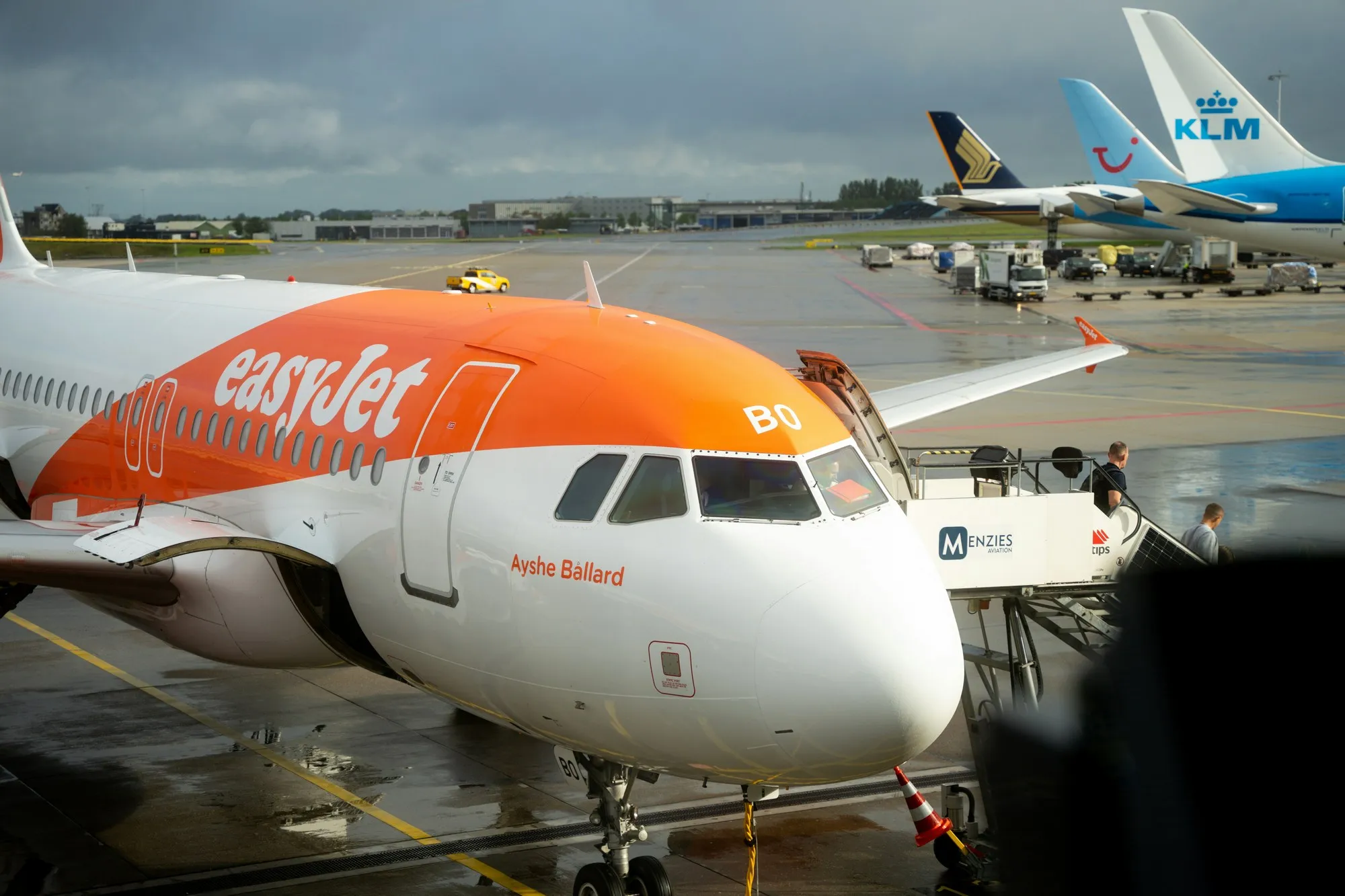
easyJet: their white and orange planes are unmistakable. It has 355 aircraft serving 1207 routes in 38 countries and 164 airports. So traveling with easyJet is easy, especially since its destinations cover not only Europe but also North Africa. It is based at London Luton Airport, with other important hubs being Milan Malpensa Airport and Geneva.
Savings tips: easyJet Plus is a membership program that quickly pays for itself if you fly frequently within Europe. The annual fee is currently around $335. It includes benefits such as priority boarding, free seat selection, and priority access to security at selected airports, as well as discounts on onboard meals. This is a good offer for travelers who frequently fly within Europe and those who prefer specific seats on the plane.
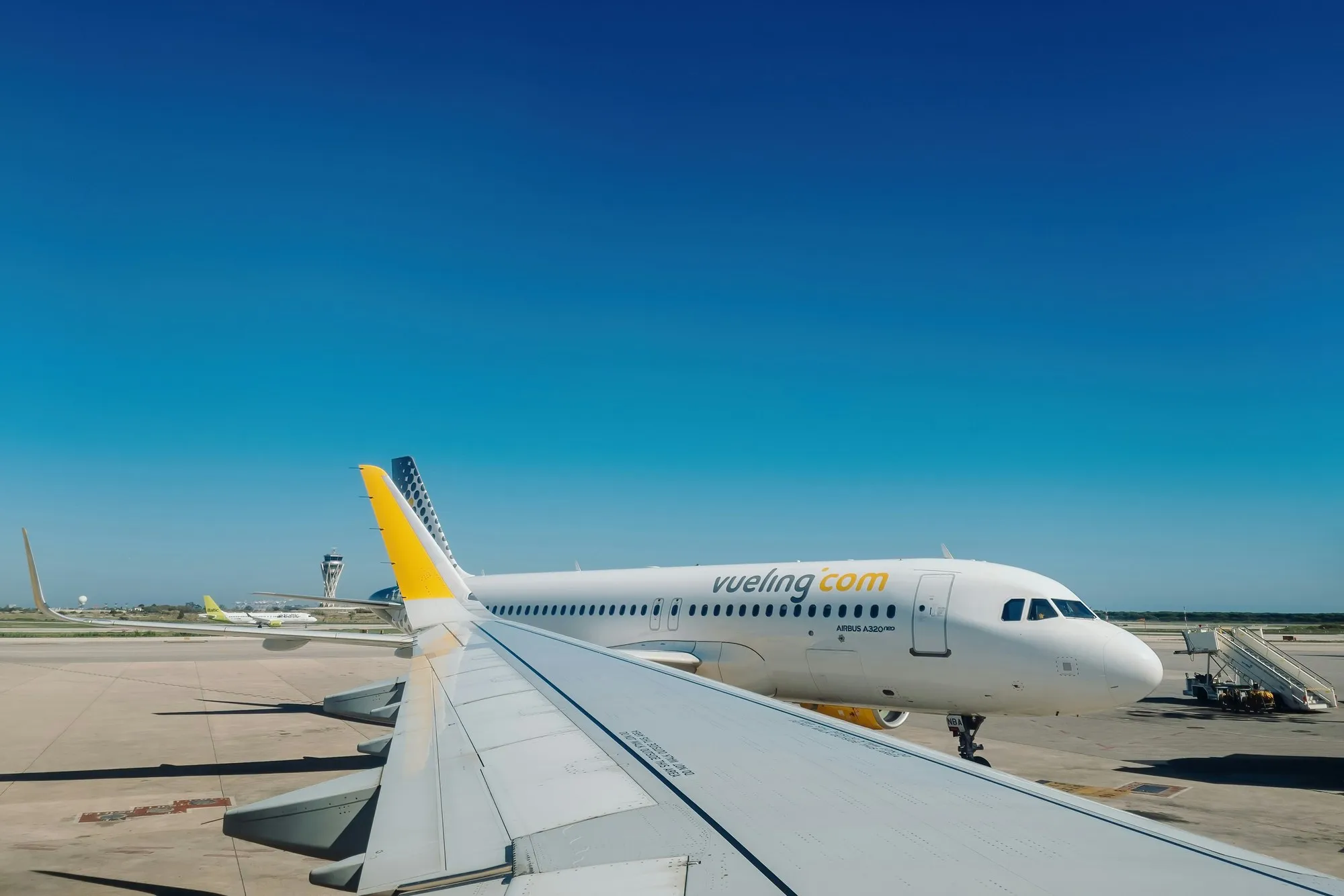
Vueling: this Barcelona-based carrier differs from most budget airlines in that it is part of the International Airlines Group (IAG), which also includes British Airways and Iberia. This is good news for passengers, as it allows booking connecting flights to some major European hubs, including Paris-Orly and Rome airports, using flights from Vueling's partner airlines.
Savings tips: for budget long-haul flights, check out Vueling Global, a joint project with partner Dohop. It offers advantageous long-distance connecting flights through a number of additional airlines worldwide. This option is best suited for passengers traveling with only hand luggage, as it involves self-transfers (meaning you will have to collect, then re-check and drop off your luggage yourself). However, it includes guarantees in case of a missed connecting flight, which can protect you from unforeseen rebooking costs.
5 Useful Tips for Booking Tickets with Low-Cost Carriers
- Found a cheap ticket? Grab it! Low prices are the main reason for flying with budget European airlines. But, as everywhere, the best options sell out quickly, so don't delay your booking.
- Find out what's included in your fare. Low-cost carrier pricing – fare categories, included services, restrictions – is deliberately made complex to ensure that an inattentive buyer pays for something extra along with the ticket or is forced to purchase necessary services later.
- Check the currency. Budget airlines in Europe usually list prices in Euros or British Pounds, depending on their country of origin.
- Double-check departure and arrival airports. European low-cost carriers most often use small regional airports (for example, easyJet flies to London Gatwick instead of the well-known Heathrow). A 29 € ticket might not be such a good deal if the only way to get to the airport is an exorbitantly expensive taxi ride.
- Download the airline's app. European low-cost carriers try to push passengers to use their app at every step. The sooner you get used to it, the more convenient, easier (and cheaper!) your trip will be.